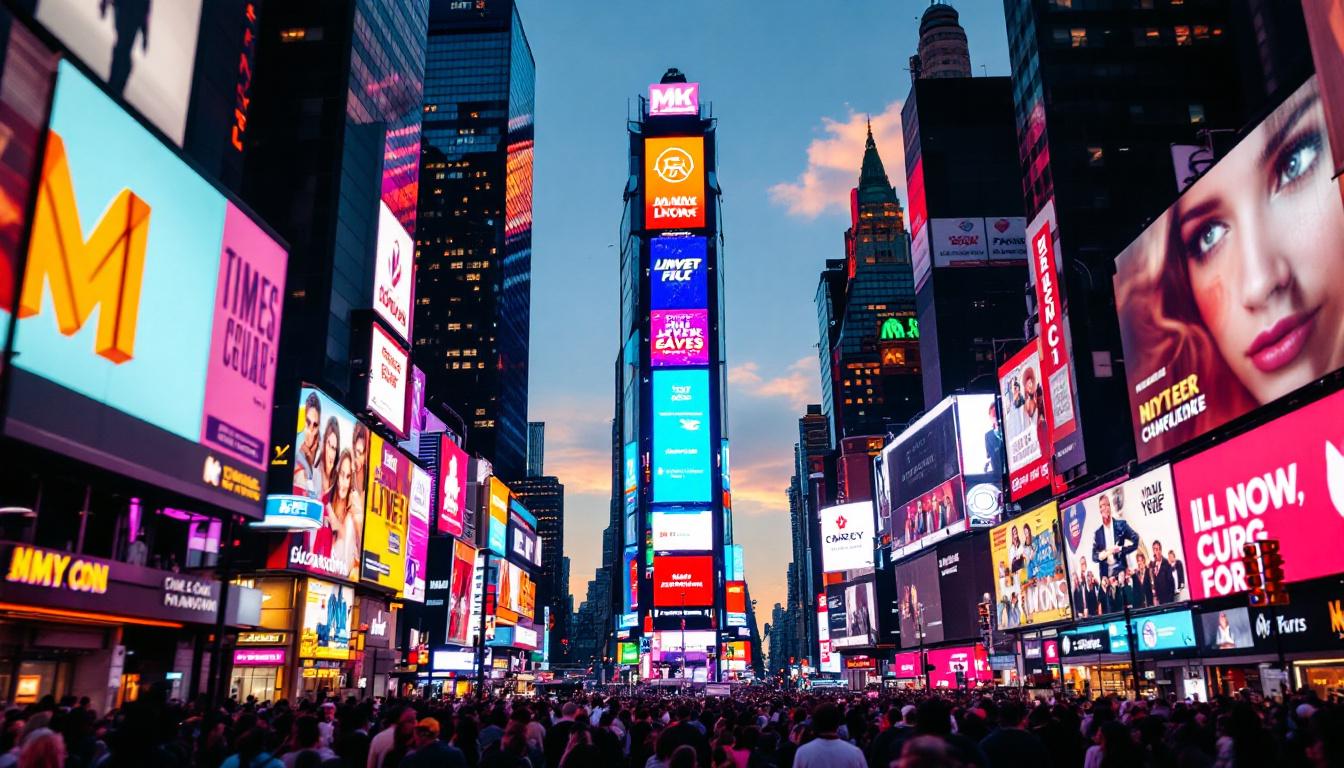
Times Square is synonymous with dazzling lights, massive crowds, and some of the most iconic advertising spaces in the world. For brands, securing a billboard in this bustling hub is often seen as the pinnacle of outdoor advertising success. But what does it really cost to get a billboard in Times Square? And how do modern LED displays factor into the equation?
This article breaks down the costs, technology, and strategic considerations behind Times Square billboards, providing a comprehensive guide for businesses and marketers interested in this unique advertising opportunity.
Understanding Times Square Billboards: More Than Just Advertising
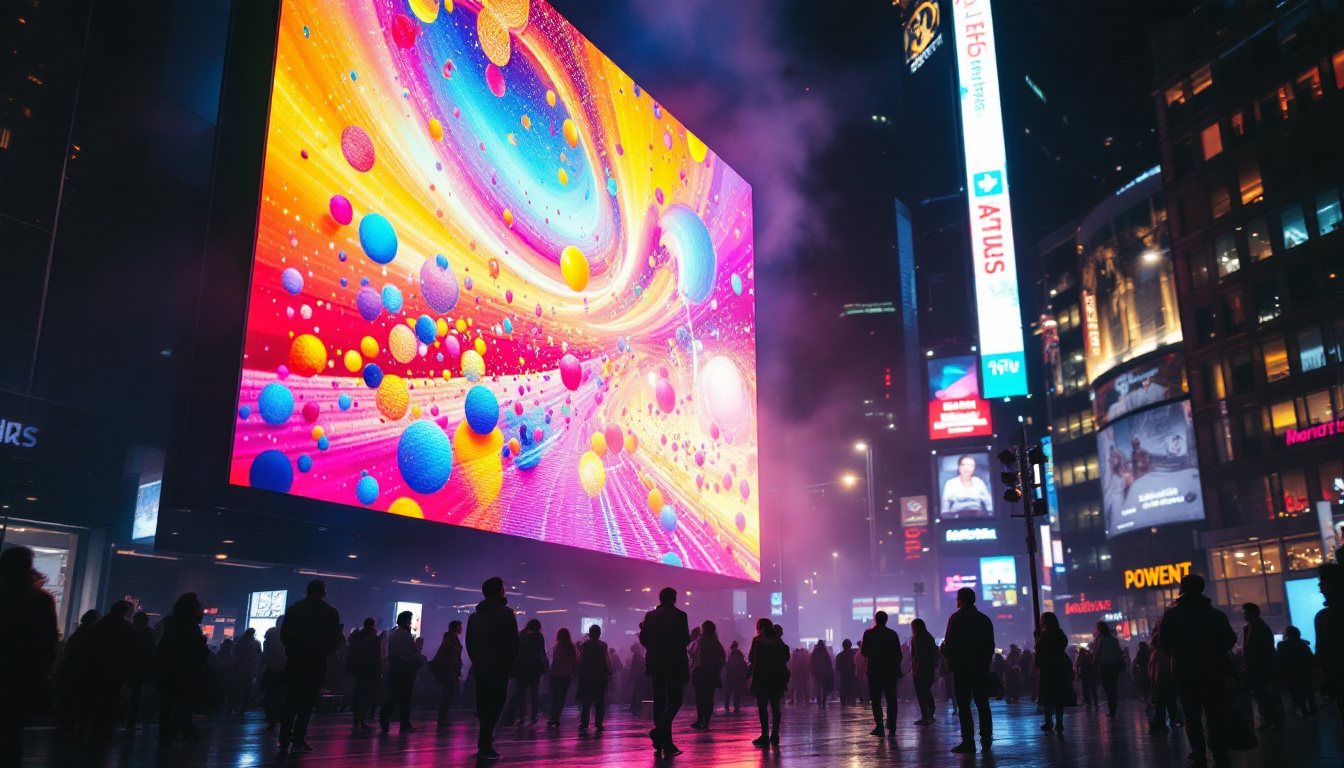
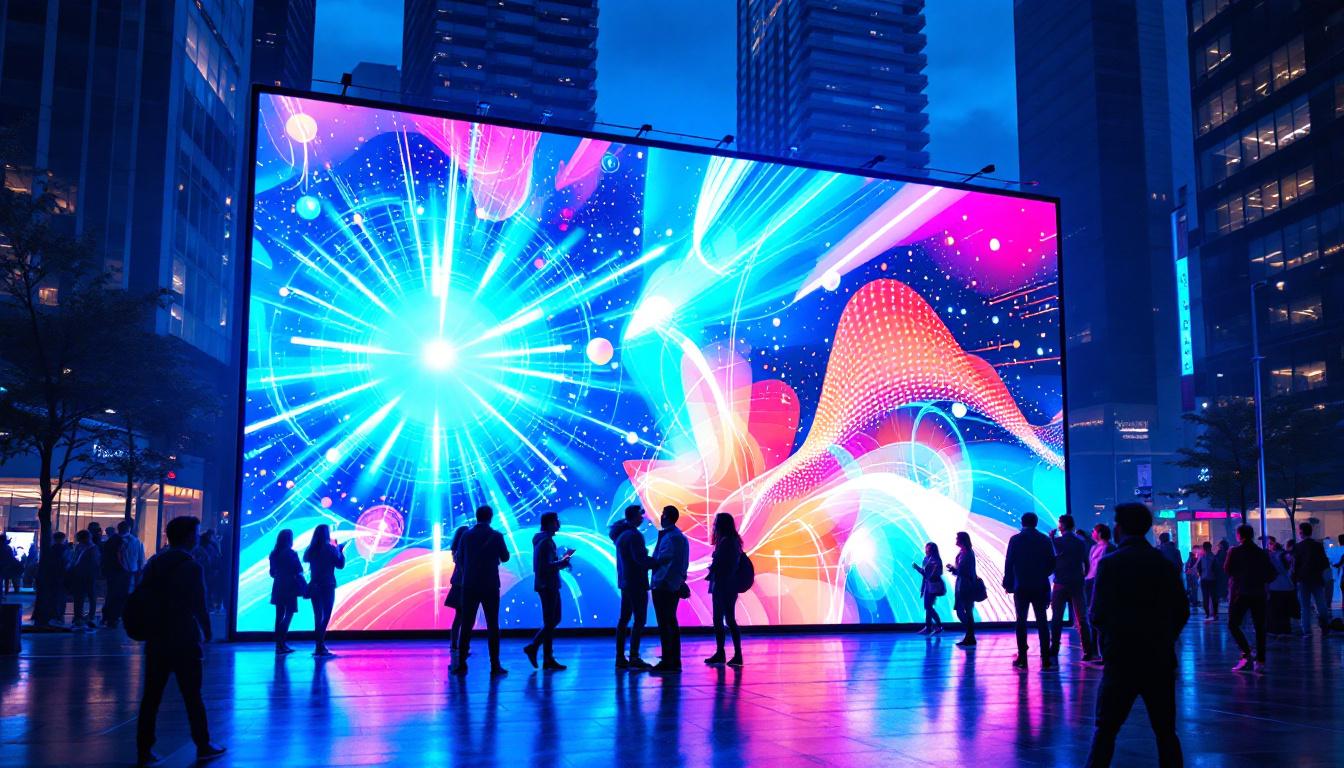
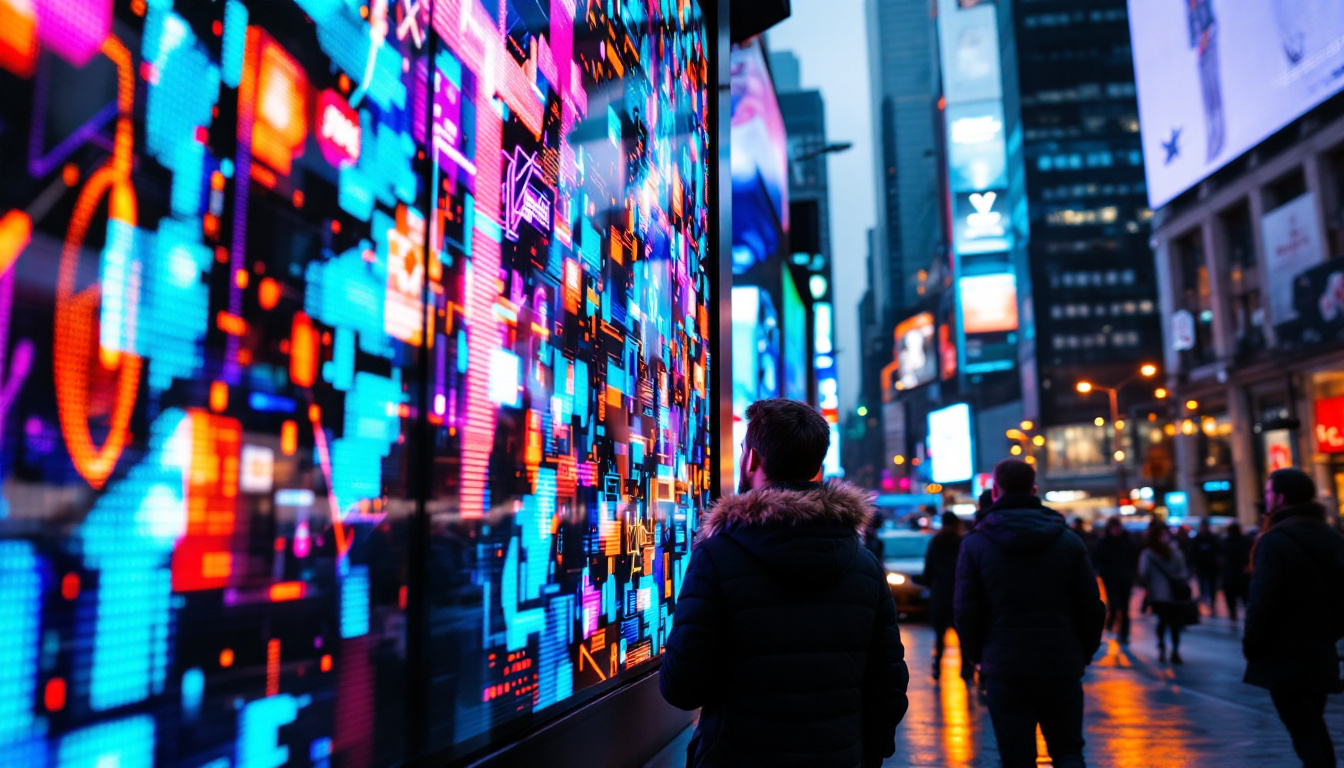
Times Square is often called “The Crossroads of the World,” attracting over 300,000 visitors daily. Its billboards are not just advertisements; they are part of the cultural fabric, shaping the visual identity of New York City and influencing global pop culture. The vibrant lights and captivating displays create an atmosphere that is both electric and immersive, drawing people from all walks of life to experience the spectacle firsthand. From tourists snapping photos to locals enjoying the hustle and bustle, the billboards serve as a backdrop for countless memories.
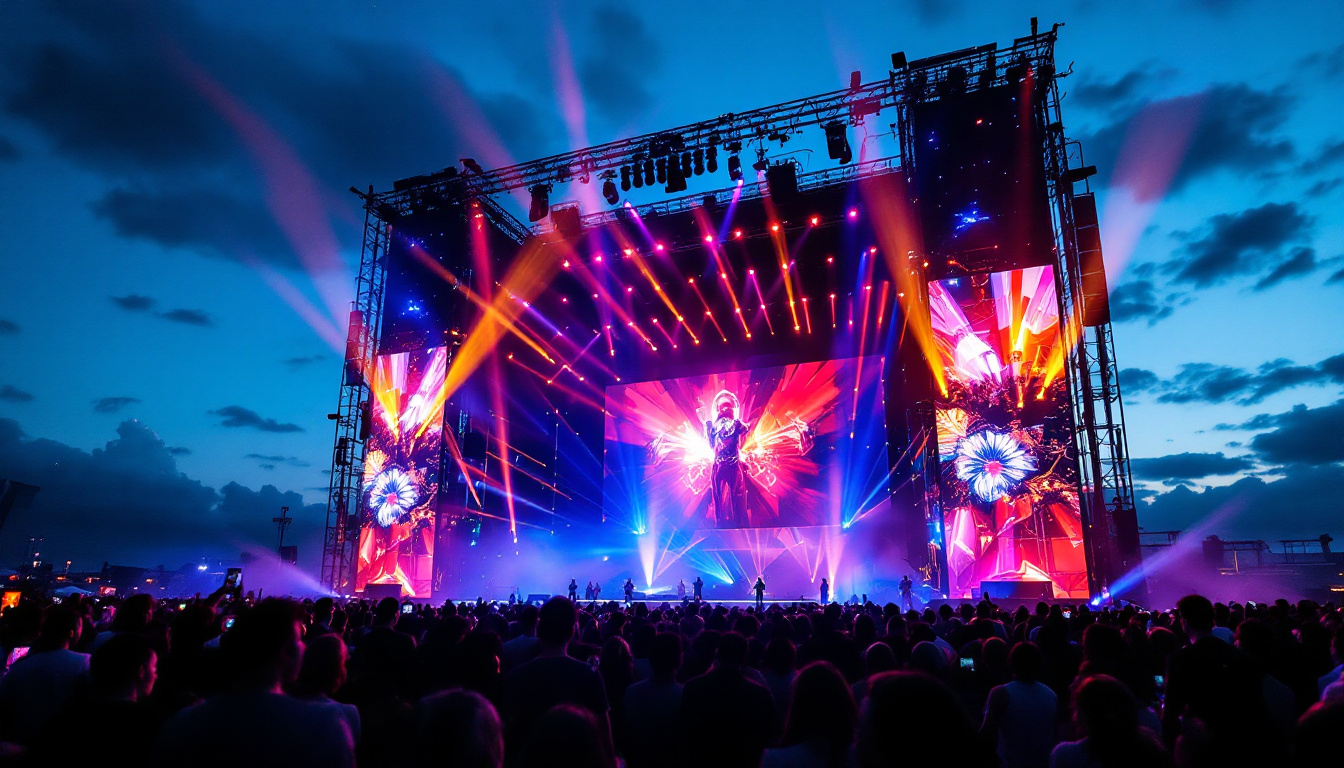
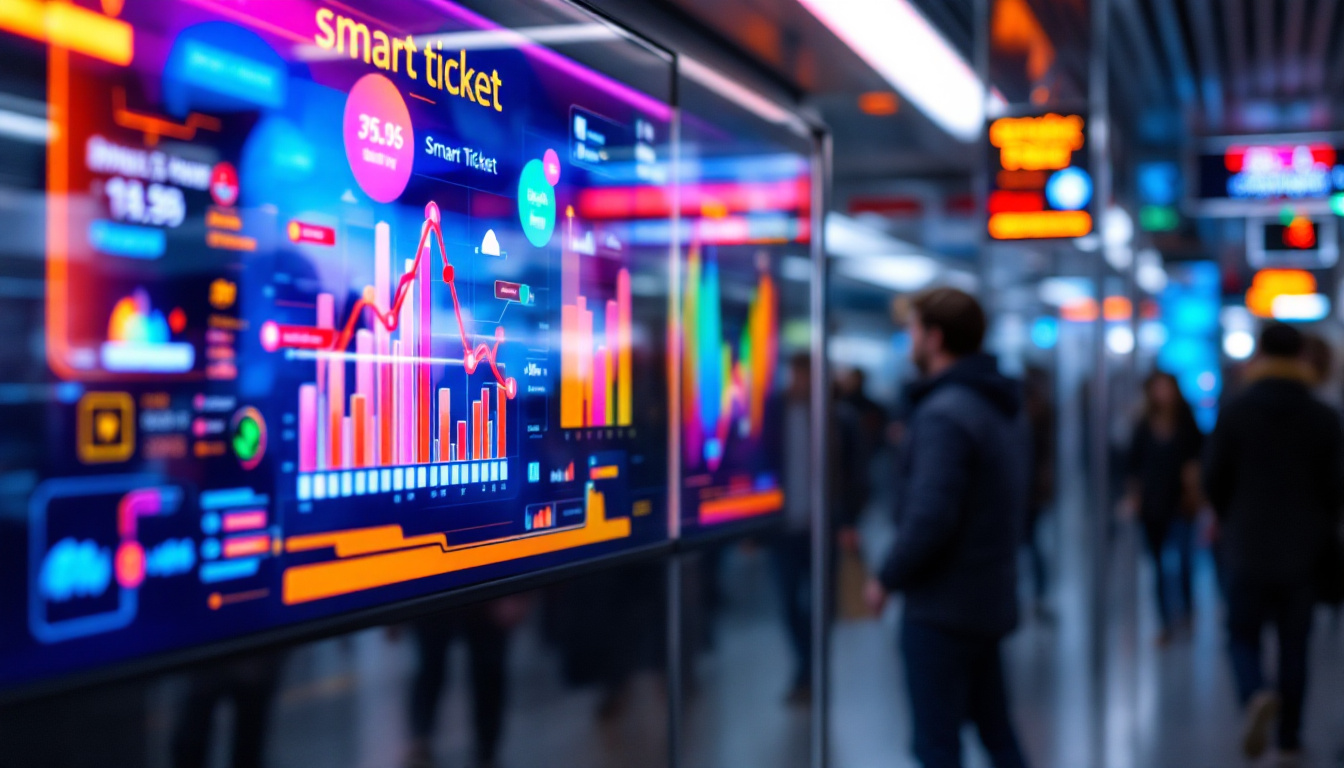
Billboards in this area come in various forms, but the most prominent are large-scale LED displays. These digital billboards offer dynamic content capabilities, allowing advertisers to showcase videos, animations, and real-time updates. This flexibility makes them highly desirable but also significantly impacts the cost. The technology behind these displays is continually evolving, with advancements in resolution and brightness that ensure the visuals are eye-catching even in the brightest daylight. As a result, brands are increasingly investing in high-quality content that can engage viewers and leave a lasting impression.
The Unique Appeal of Times Square Advertising
Advertisers flock to Times Square because of its unparalleled foot traffic and media exposure. Beyond the physical audience, these billboards often get coverage in news, social media, and entertainment, amplifying their reach exponentially. The sheer scale of the audience means that a single advertisement can be seen by millions, creating a unique opportunity for brands to make a significant impact in a short amount of time. The vibrant atmosphere of Times Square, combined with the constant influx of visitors, ensures that the billboards are always in the spotlight.
For example, brands launching major campaigns or product announcements often choose Times Square to create buzz and generate viral moments. The New Year’s Eve Ball Drop event is a prime example where billboards become part of a global spectacle. During this iconic event, the billboards are not just passive displays; they actively participate in the celebration, often featuring countdowns and special messages that resonate with the crowd. This synergy between the event and the advertisements adds to the overall experience, making Times Square a focal point for both celebration and marketing.
Types of Billboard Spaces Available
Times Square offers a range of billboard options, from traditional static signs to cutting-edge LED displays. The key types include:
- Static Billboards: Traditional printed ads that remain unchanged for the duration of the contract.
- LED Digital Billboards: Dynamic screens capable of displaying video, animation, and changing content.
- Interactive Displays: Some billboards incorporate interactive elements, such as touchscreens or augmented reality features.
Among these, LED digital billboards dominate due to their visual impact and versatility. These displays can be programmed to change content multiple times throughout the day, allowing for a variety of messages to be conveyed to different audiences. Moreover, the incorporation of interactive displays has transformed the way brands engage with consumers, inviting them to participate in the advertising experience. This not only enhances brand recall but also creates a memorable interaction that can lead to increased loyalty and word-of-mouth promotion.
Breaking Down the Cost: What Does a Times Square Billboard Actually Cost?
Getting a billboard in Times Square is a significant investment. The cost depends on multiple factors including size, location, duration, and the type of display technology.
Price Range Overview
On average, renting a billboard in Times Square can cost anywhere from $5,000 to over $50,000 per week. For prime LED digital displays, prices tend to be on the higher end, often exceeding $1 million annually for the most coveted spots.
To put this into perspective:
- Smaller static billboards: May start around $5,000 to $10,000 per week.
- Mid-sized LED billboards: Typically range from $20,000 to $40,000 per week.
- Large-scale, high-visibility LED displays: Can cost $50,000 or more per week, with some iconic locations reaching $2 million+ per year.
Factors Influencing Billboard Costs
Several key factors affect the final price of a Times Square billboard:
- Location: The closer the billboard is to key intersections or landmarks, the higher the price.
- Size and Resolution: Larger, higher-resolution LED screens command premium rates.
- Duration: Longer contracts may offer discounted rates but require larger upfront commitments.
- Time of Year: Advertising during peak seasons such as holidays or major events can increase costs.
- Content Production: Creating high-quality digital content for LED displays can add substantial costs.
Examples of High-Profile Billboard Costs
In 2023, Samsung’s massive LED billboard on 7th Avenue reportedly cost over $2 million annually to rent, reflecting its prime location and enormous size. Similarly, Coca-Cola’s iconic LED display on One Times Square is estimated to cost around $1.5 million per year.
These figures highlight that for global brands, Times Square billboards are both a marketing investment and a status symbol.
LED Billboard Technology: Why It Matters
LED (Light Emitting Diode) technology has revolutionized outdoor advertising, especially in high-traffic areas like Times Square. Understanding how LED displays work and their benefits is essential for anyone considering this advertising medium.
How LED Billboards Work
LED billboards consist of thousands of tiny light-emitting diodes arranged in a grid. Each diode can emit light in different colors, allowing the screen to display vibrant images and videos with high brightness and contrast.
These displays are controlled by sophisticated software that enables advertisers to schedule content, adjust brightness based on ambient light, and even integrate real-time data feeds.
Advantages of LED Displays Over Traditional Billboards
- Dynamic Content: Advertisers can change messages instantly, allowing for multiple ads in a day or real-time updates.
- Higher Engagement: Moving images and bright colors attract more attention than static signs.
- Energy Efficiency: Modern LED technology is more energy-efficient than older lighting methods.
- Durability: LED billboards are weather-resistant and designed for long-term use.
Challenges and Considerations
While LED billboards offer many benefits, they also come with challenges. Content must be designed specifically for digital display, requiring expertise in motion graphics and video production. Additionally, the initial production costs for high-quality content can be significant.
Furthermore, advertisers must comply with New York City’s strict regulations regarding brightness and content appropriateness, ensuring displays do not cause distractions or violate community standards.
How to Secure a Billboard in Times Square
Securing a billboard in Times Square involves more than just budget allocation. It requires strategic planning, partnership with media companies, and understanding the logistics involved.
Working with Media Owners and Agencies
Most Times Square billboards are owned by a handful of media companies specializing in outdoor advertising. Businesses interested in advertising typically work through these companies or specialized agencies that handle negotiations, contracts, and content management.
Some of the major players include Clear Channel Outdoor, Outfront Media, and Branded Cities. These companies offer packages that may include content creation, scheduling, and analytics.
Steps to Book a Billboard
- Define Objectives: Determine campaign goals, target audience, and budget.
- Choose Location and Format: Select billboard size, technology (LED vs. static), and exact placement.
- Negotiate Terms: Work with media owners to finalize pricing, contract length, and content guidelines.
- Create Content: Develop high-quality visuals or video tailored to the LED format.
- Schedule and Launch: Coordinate timing to maximize impact, especially around events or peak periods.
Additional Costs to Consider
Beyond rental fees, advertisers should budget for:
- Content Production: Professional video or animation creation can range from $10,000 to $100,000 depending on complexity.
- Installation and Maintenance: Some contracts include these costs, but others may require additional fees.
- Permits and Compliance: Ensuring adherence to local regulations may involve legal or consulting fees.
Is Advertising on a Times Square Billboard Worth the Investment?
With costs reaching into the millions, many businesses wonder if Times Square advertising delivers a worthwhile return on investment (ROI). The answer depends on campaign goals, brand positioning, and execution.
Benefits Beyond Immediate Sales
Times Square billboards offer intangible benefits such as brand prestige, media coverage, and social media buzz. For luxury brands, entertainment companies, and tech giants, this exposure can translate into long-term brand equity.
Moreover, the global visibility of Times Square means campaigns can reach audiences far beyond New York City, especially when content goes viral.
Measuring Effectiveness
Advertisers increasingly rely on data analytics to measure the impact of their outdoor campaigns. Metrics include:
- Foot traffic and impressions estimated by pedestrian counts.
- Engagement on social media platforms referencing the billboard.
- Direct response tracking through QR codes or custom URLs.
- Brand lift studies measuring awareness before and after the campaign.
While direct sales attribution can be challenging, many brands report significant increases in brand awareness and customer engagement following Times Square campaigns.
Conclusion: Navigating the High-Stakes World of Times Square Billboards
Advertising in Times Square is a high-profile endeavor that combines significant financial investment with cutting-edge technology and strategic planning. LED billboards have transformed this iconic space into a dynamic canvas for brands seeking to captivate a global audience.
Understanding the costs involved—from rental fees to content production—and the technological advantages of LED displays is essential for making informed decisions. While the price tag may be steep, the potential rewards in brand visibility and cultural impact are unmatched.
For businesses aiming to make a bold statement, Times Square remains a premier destination where advertising meets spectacle.
Illuminate Your Brand with LumenMatrix
Ready to elevate your advertising to new heights in the heart of Times Square? LumenMatrix is at the forefront of LED display innovation, offering a spectrum of solutions tailored to make your brand shine. From the vibrant Indoor LED Wall Display to the dynamic Outdoor LED Wall Display, and from the mobile versatility of Vehicle LED Displays to the interactive Floor LED Displays, we have the technology to bring your vision to life. Embrace the future of visual storytelling with our Custom LED Displays and All-in-One LED solutions that promise to captivate and engage your audience. Discover how LumenMatrix can transform your brand’s presence in Times Square and beyond. Check out LumenMatrix LED Display Solutions today and make a statement that can’t be ignored.