In the rapidly evolving world of audio visual (AV) technology, LED displays have become a cornerstone for businesses, event organizers, and digital advertisers alike. Their versatility, brightness, and energy efficiency make them an indispensable tool in modern AV sales. This comprehensive guide delves into the core aspects of LED displays, explaining their technology, applications, and why they are a smart investment for AV professionals and clients.
Understanding LED Display Technology
LED stands for Light Emitting Diode, a semiconductor device that emits light when an electric current passes through it. Unlike traditional display technologies such as LCD or projection, LED displays use thousands of tiny diodes to produce bright, vibrant images that can be viewed clearly even in direct sunlight. This capability has made LED technology a preferred choice for a variety of applications, ranging from advertising to entertainment, where visibility and impact are crucial.
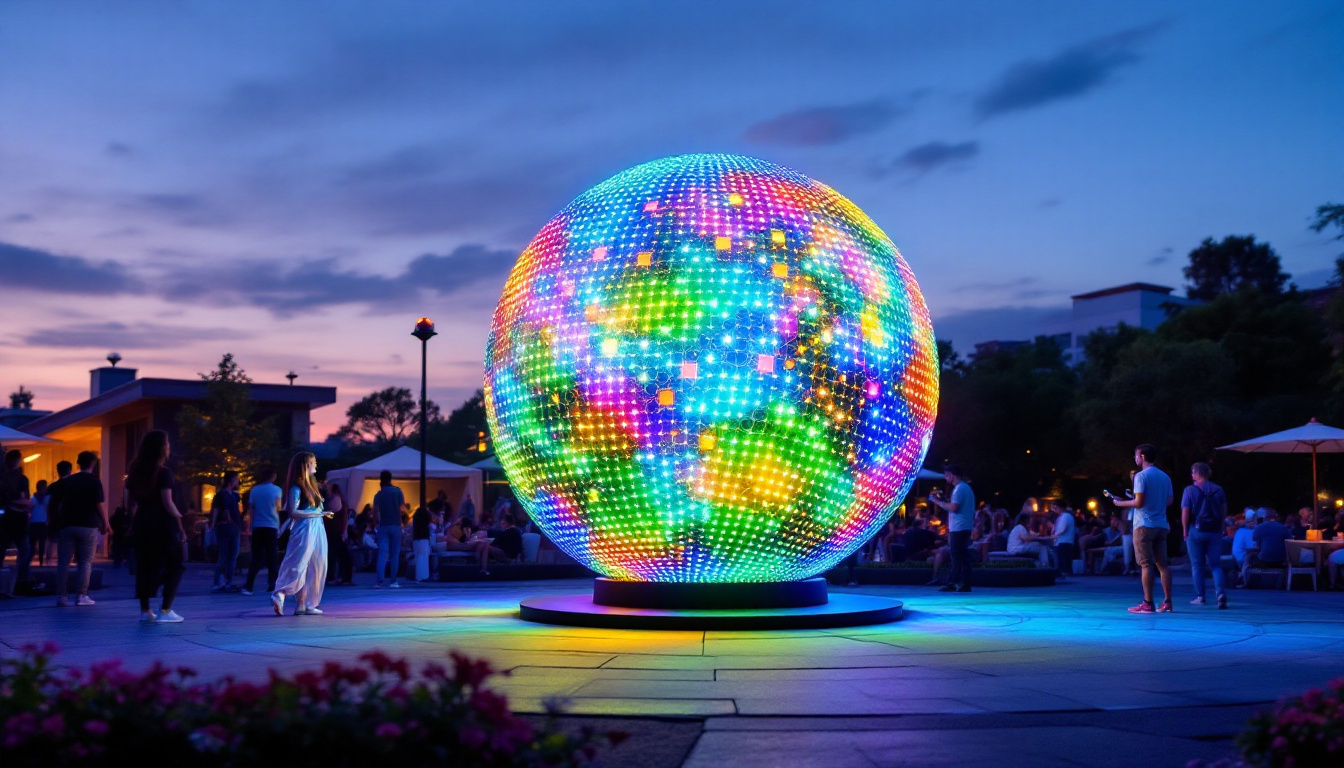
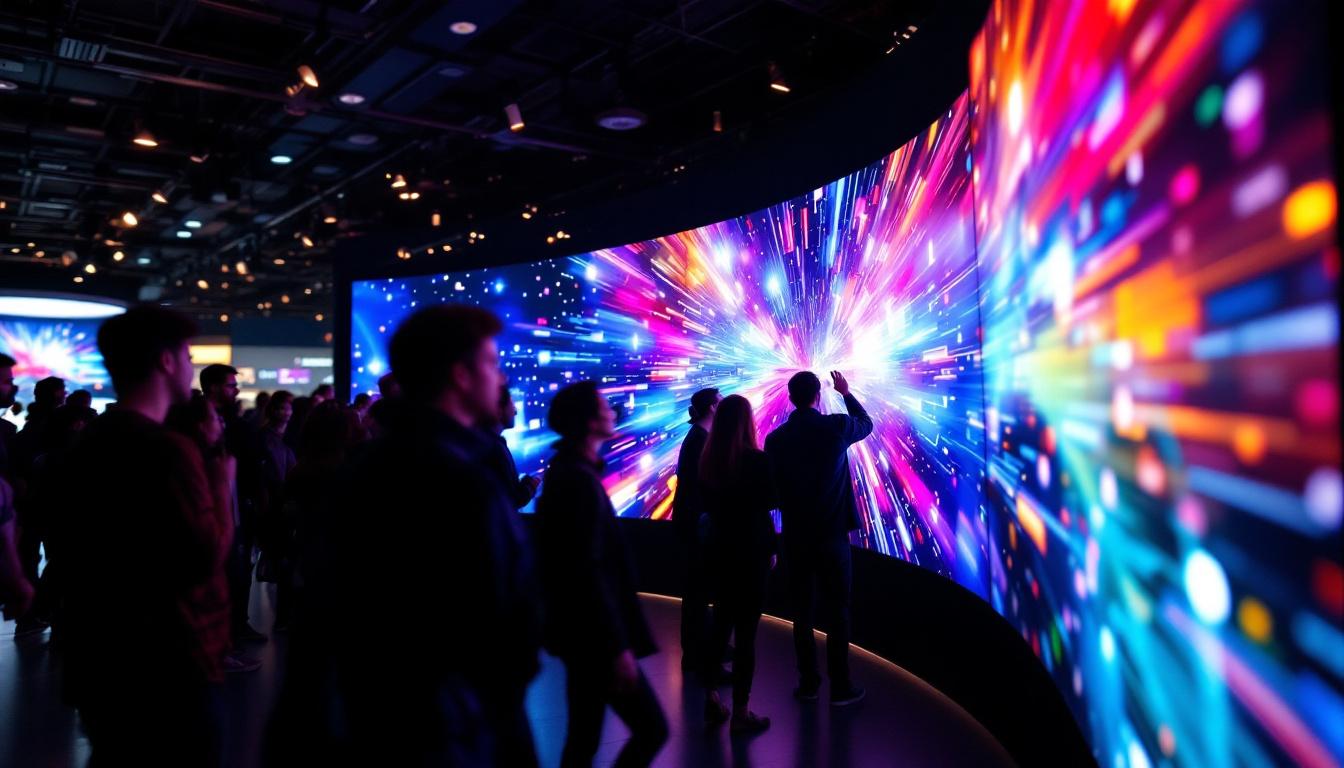
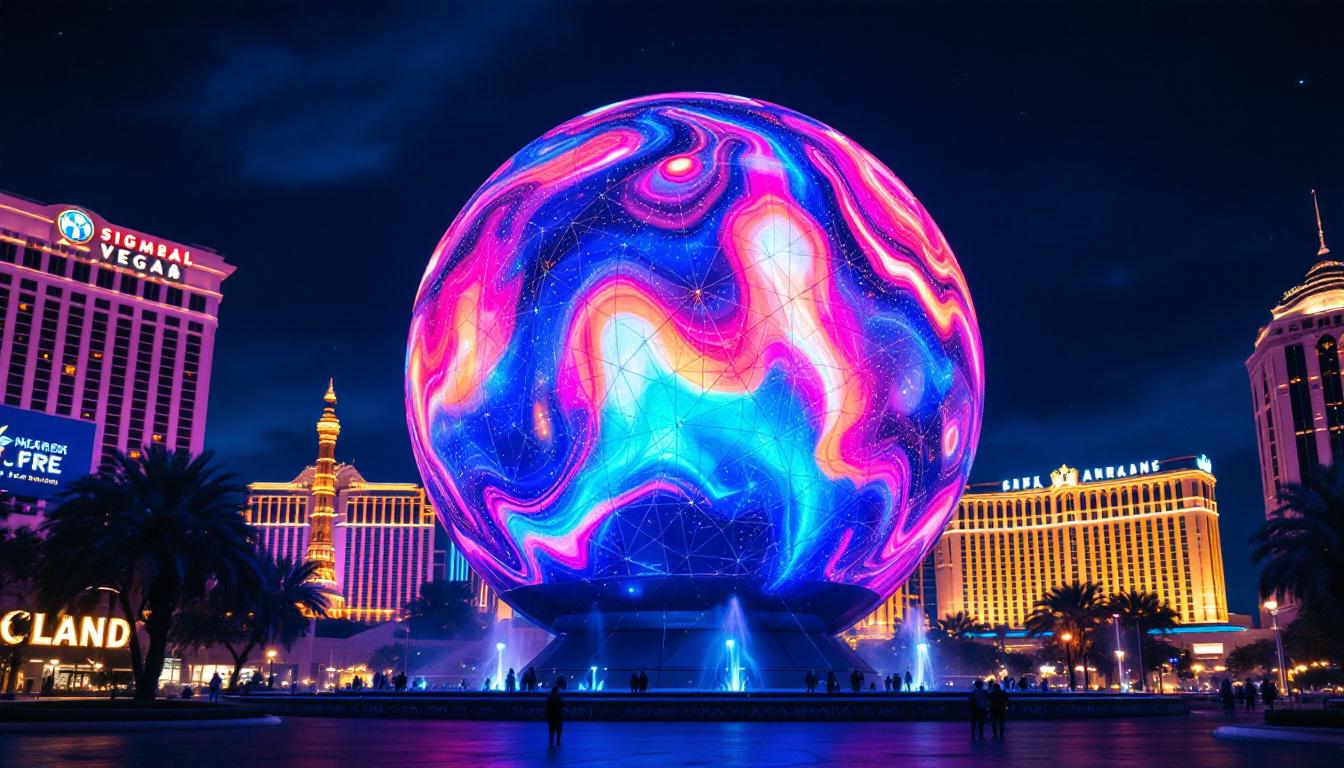
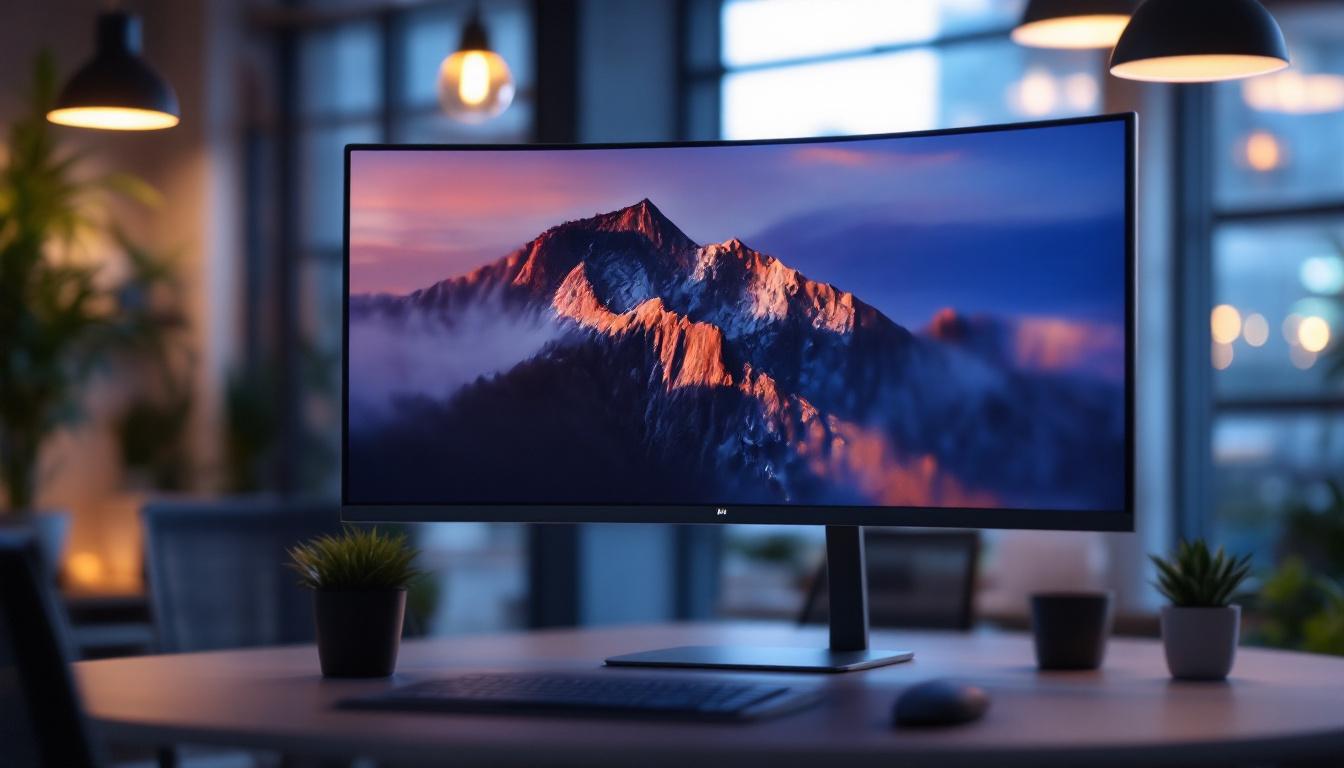
LED displays are composed of multiple modules, each containing a grid of these diodes. These modules are combined to form large screens that can be customized in size and shape depending on the application. The technology behind LED displays can be broadly categorized into two types: indoor and outdoor LED screens, each designed to meet specific environmental and visual requirements. The versatility of LED technology allows for creative installations, such as curved screens or even transparent displays, which can enhance the aesthetic appeal of a space while delivering dynamic content.
Types of LED Displays
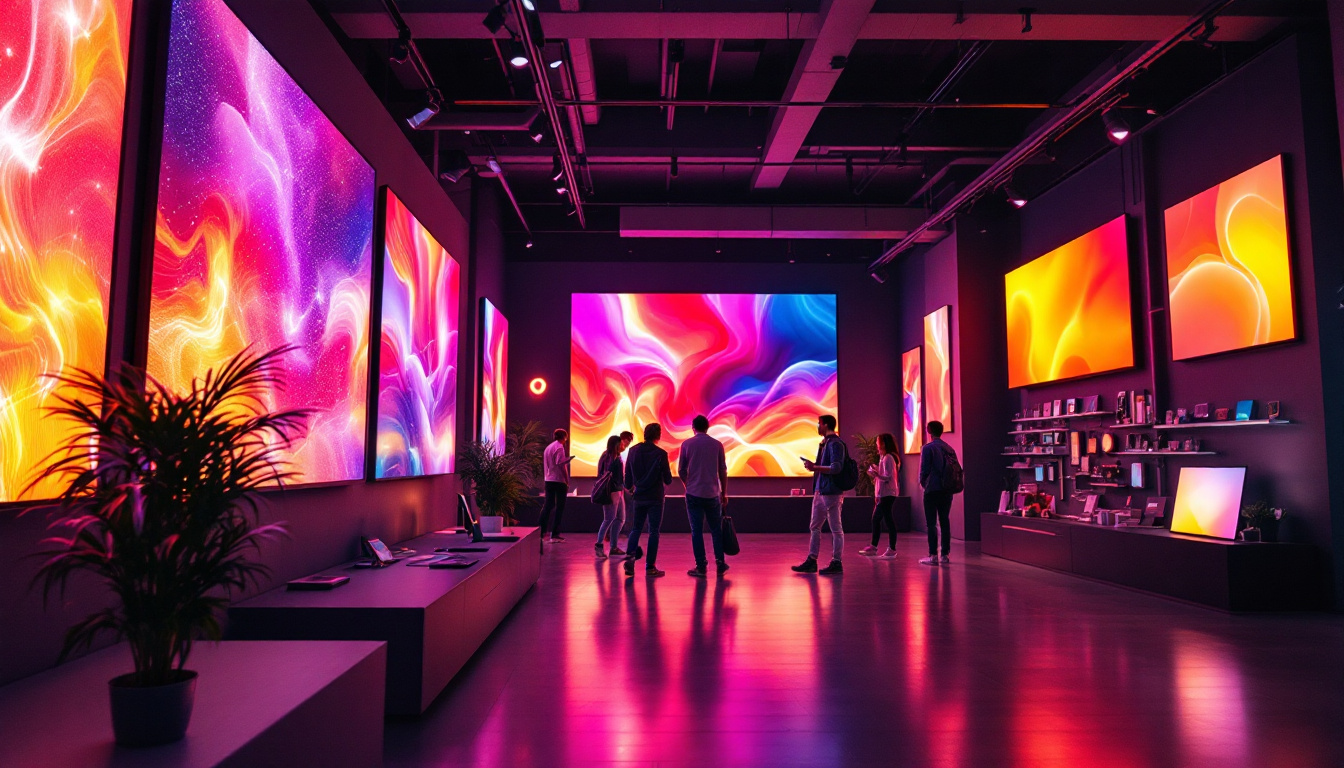
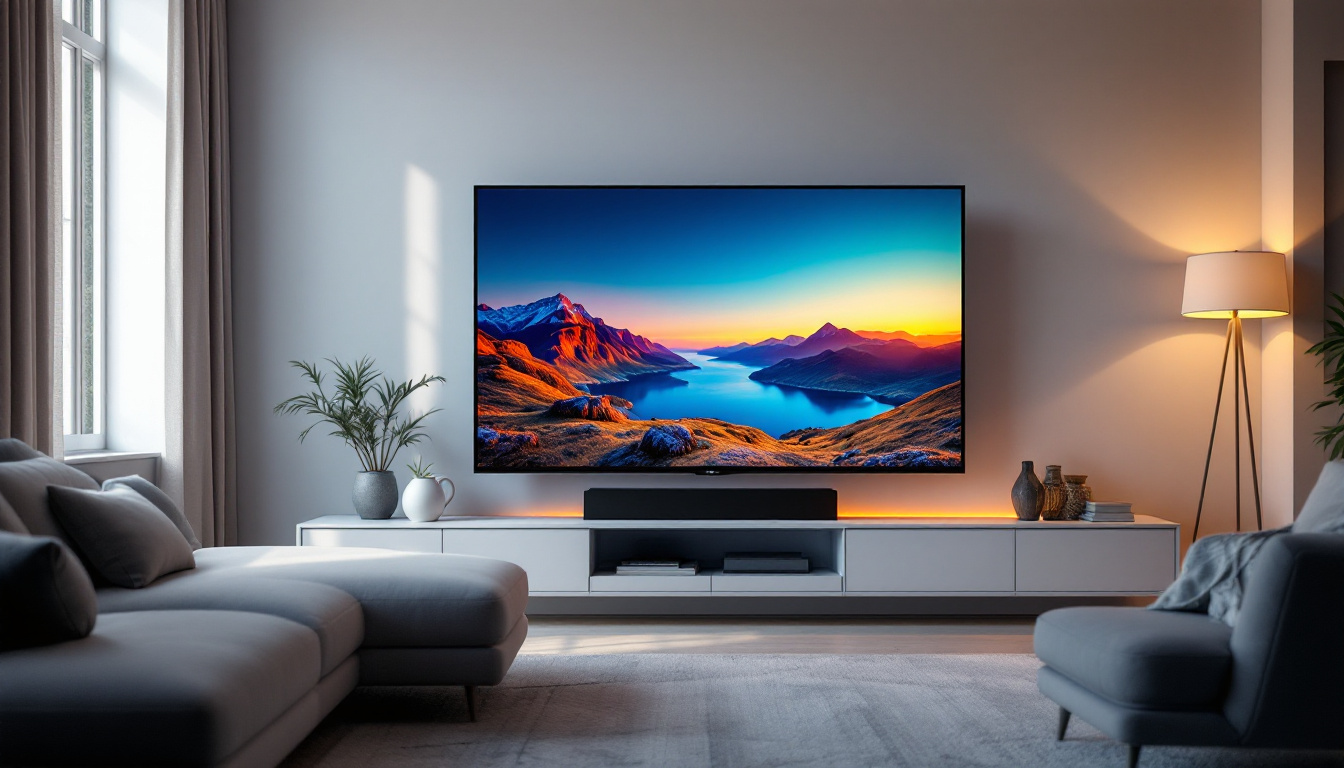
Indoor LED displays typically have a higher pixel density, meaning the diodes are packed more closely together. This results in sharper images and finer detail, which is essential for close-range viewing environments such as conference rooms, retail stores, or broadcast studios. Additionally, indoor displays often feature advanced color calibration and brightness control, ensuring that the visuals are consistent and vibrant under varying lighting conditions. This adaptability makes them ideal for environments where presentations or advertisements need to capture attention and convey information effectively.
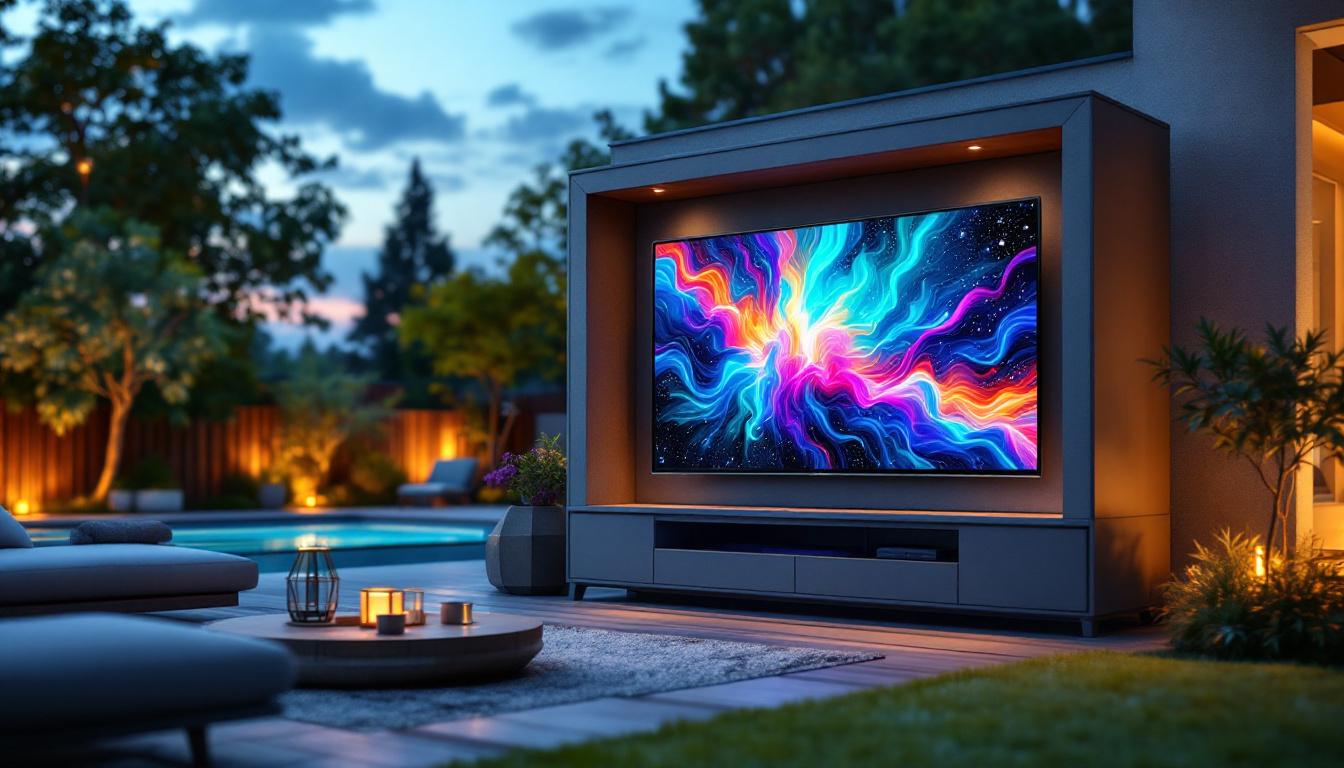
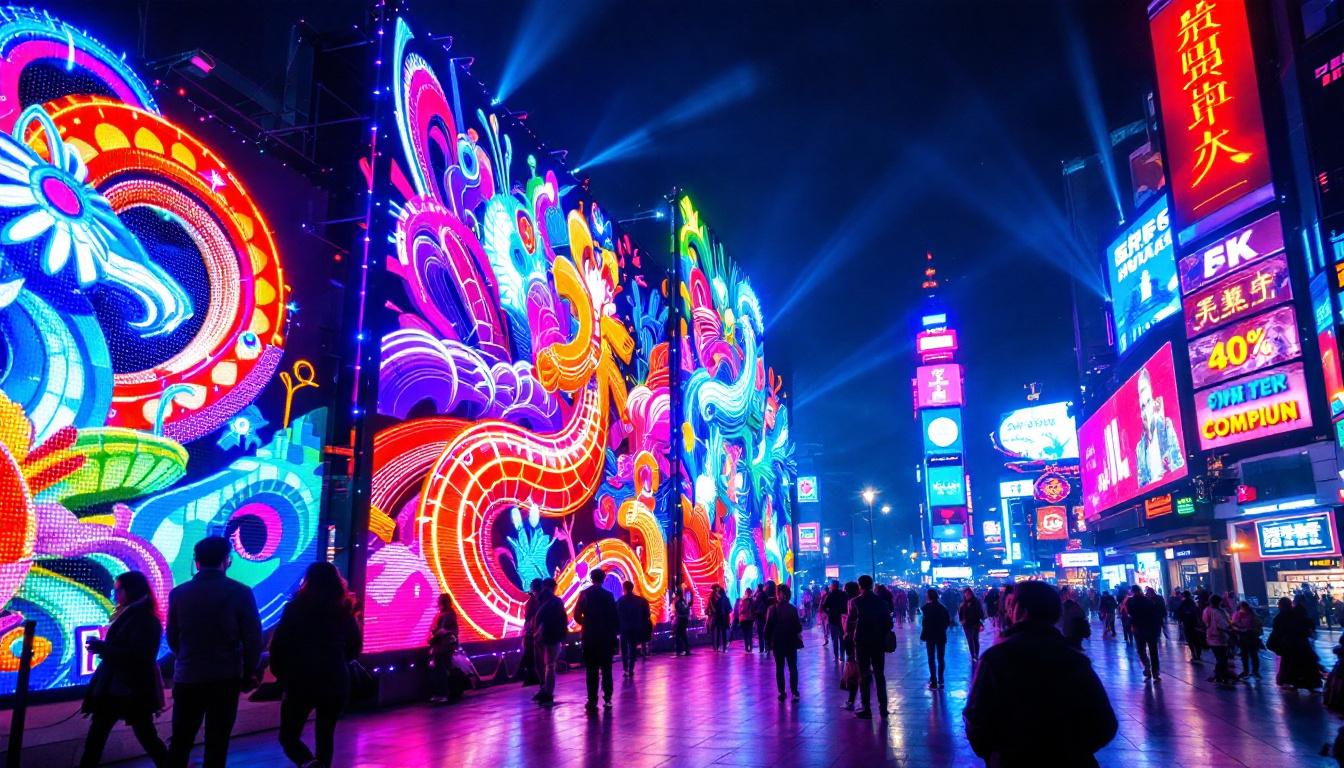
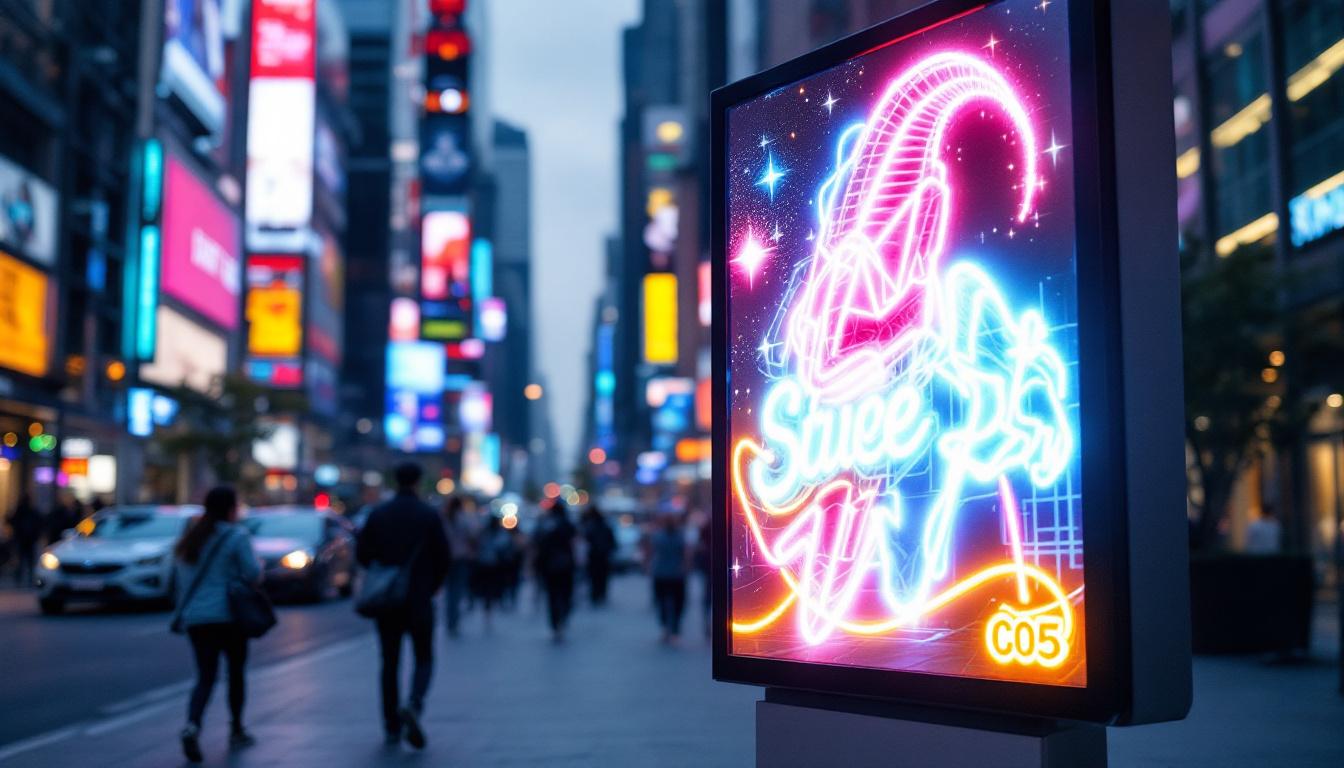
Outdoor LED displays, on the other hand, are built to withstand harsh weather conditions and have higher brightness levels—often exceeding 5,000 nits—to ensure visibility in direct sunlight. These displays are commonly used for billboards, stadium screens, and public information boards. Moreover, outdoor LED technology often incorporates features like water resistance and UV protection, which prolong the lifespan of the displays and maintain their performance over time. The ability to display dynamic content, such as videos and animations, further enhances their effectiveness in engaging audiences in bustling urban environments.
Pixel Pitch and Resolution
One of the most critical specifications in LED displays is the pixel pitch, which refers to the distance between the centers of two adjacent pixels. A smaller pixel pitch means higher resolution and better image clarity, especially important for indoor applications where viewers are closer to the screen. This aspect is particularly vital in settings like museums or art galleries, where intricate details and high image quality are paramount for an immersive experience.
For example, a 1.5mm pixel pitch LED display offers ultra-high resolution suitable for detailed graphics and text, whereas a 10mm pixel pitch is more common for large outdoor screens where viewers are farther away. Understanding pixel pitch helps AV sales professionals recommend the right product based on client needs and viewing distance. Furthermore, advancements in technology have led to the development of fine-pitch LED displays that can achieve resolutions comparable to traditional LCD screens, making them a compelling choice for a variety of applications. As the demand for high-definition content continues to grow, the importance of pixel pitch in determining display quality cannot be overstated, influencing everything from advertising strategies to event presentations.
Applications of LED Displays in Audio Visual Sales
LED displays have revolutionized how businesses communicate visually, making them a vital product in the AV sales portfolio. Their applications span multiple industries, each leveraging the technology’s strengths to enhance engagement and deliver impactful messages.
Corporate and Event Use
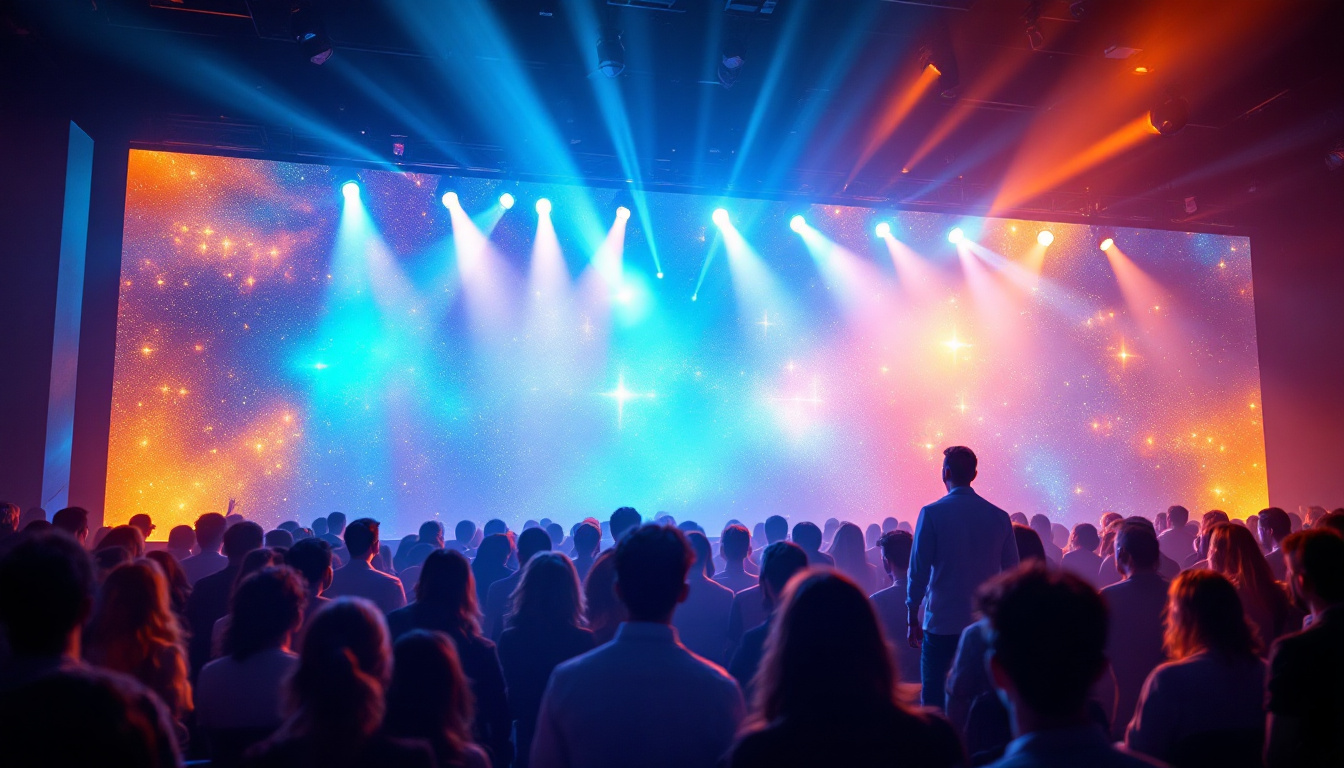
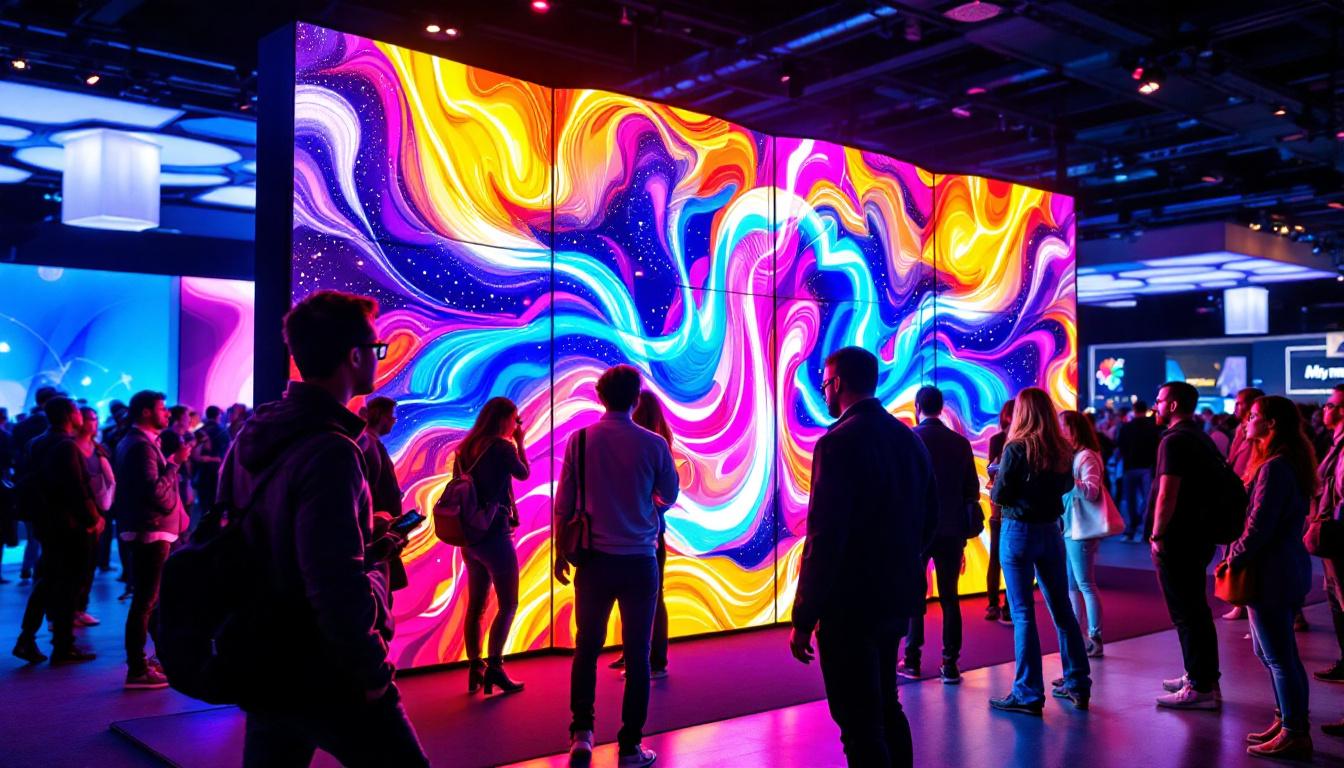
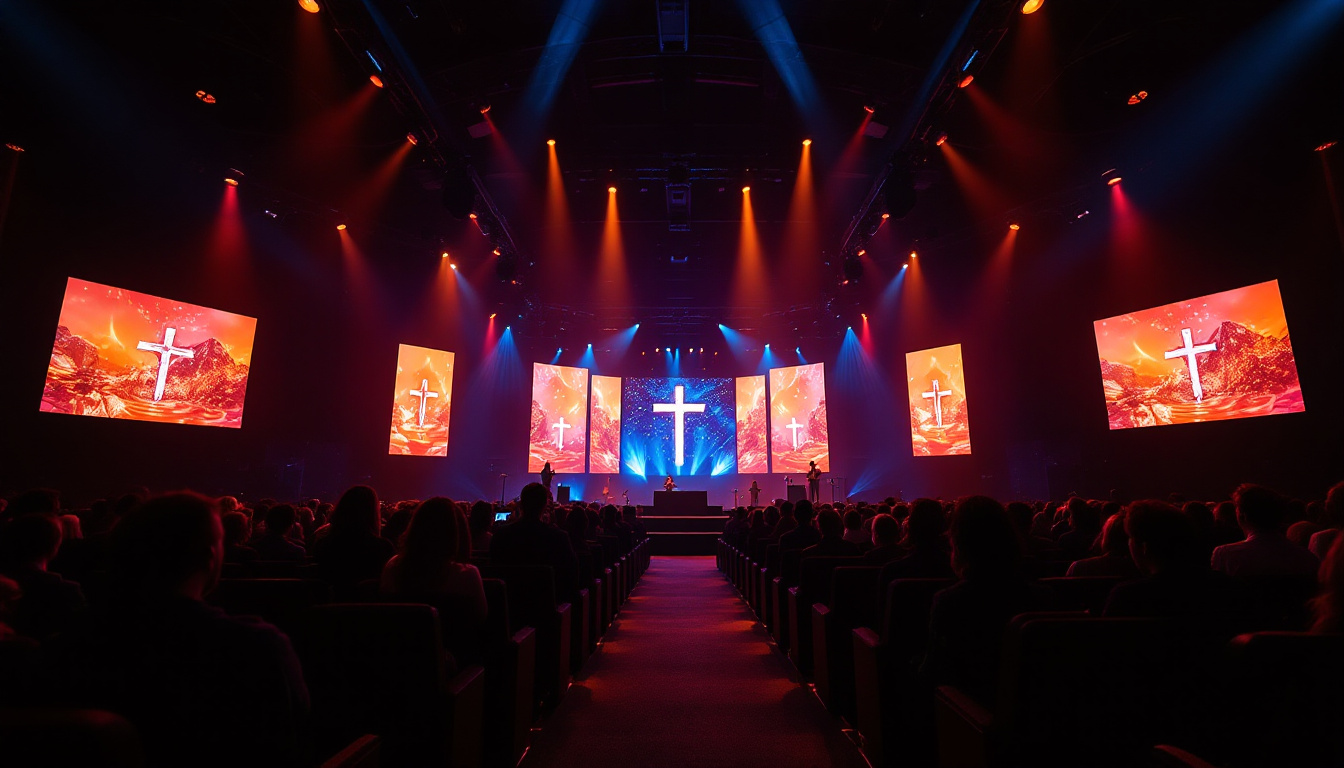
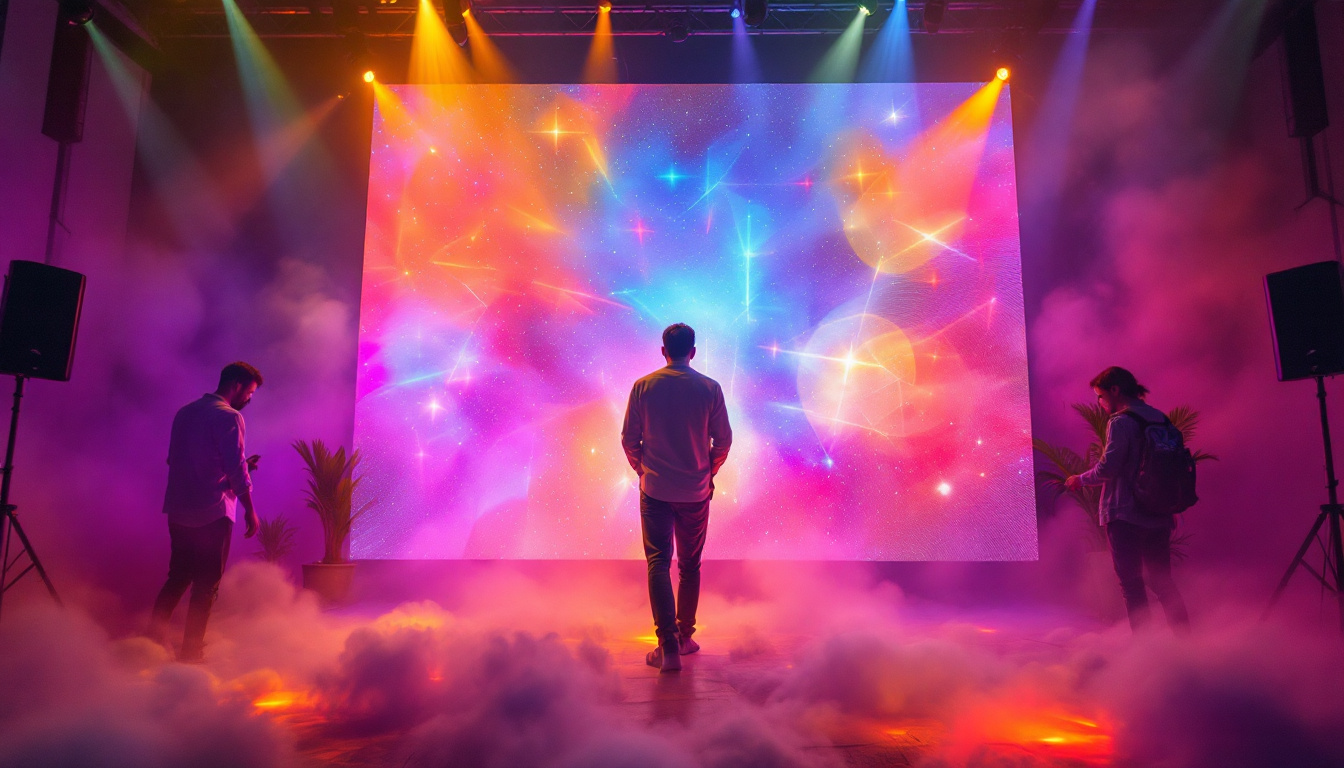
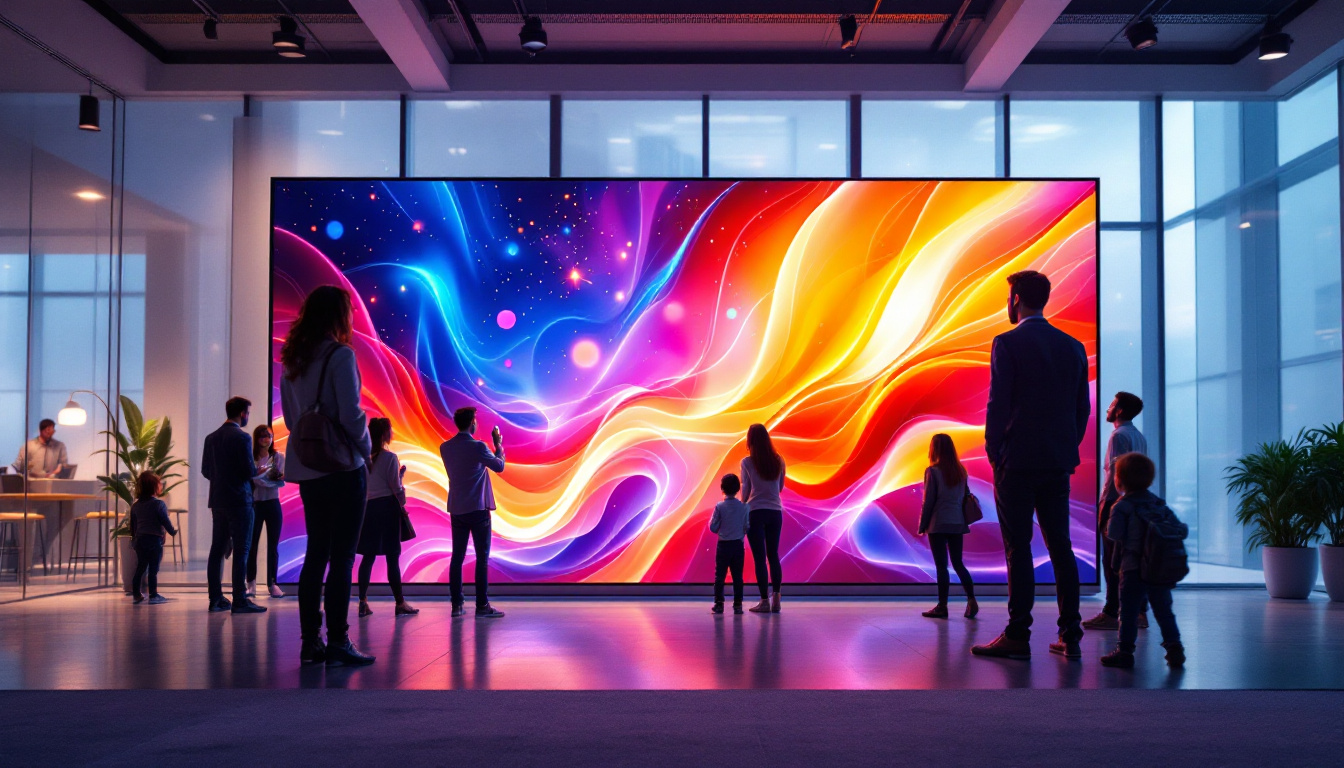
In corporate settings, LED displays are frequently used for presentations, video conferencing, and digital signage. Their ability to display dynamic content with high brightness and clarity makes them ideal for boardrooms and auditoriums. For event organizers, LED walls provide immersive backdrops and live video feeds that captivate audiences at concerts, trade shows, and conferences.
For instance, during the 2020 Tokyo Olympics, LED screens were extensively used to broadcast live events and display real-time information, showcasing the technology’s capability to handle large-scale, high-profile events. Beyond sports, major product launches and entertainment events have increasingly relied on LED technology to create visually stunning experiences that leave lasting impressions on attendees. The flexibility of LED displays allows for creative designs and configurations, enabling event planners to tailor the visual experience to the theme and atmosphere of the occasion.
Retail and Advertising
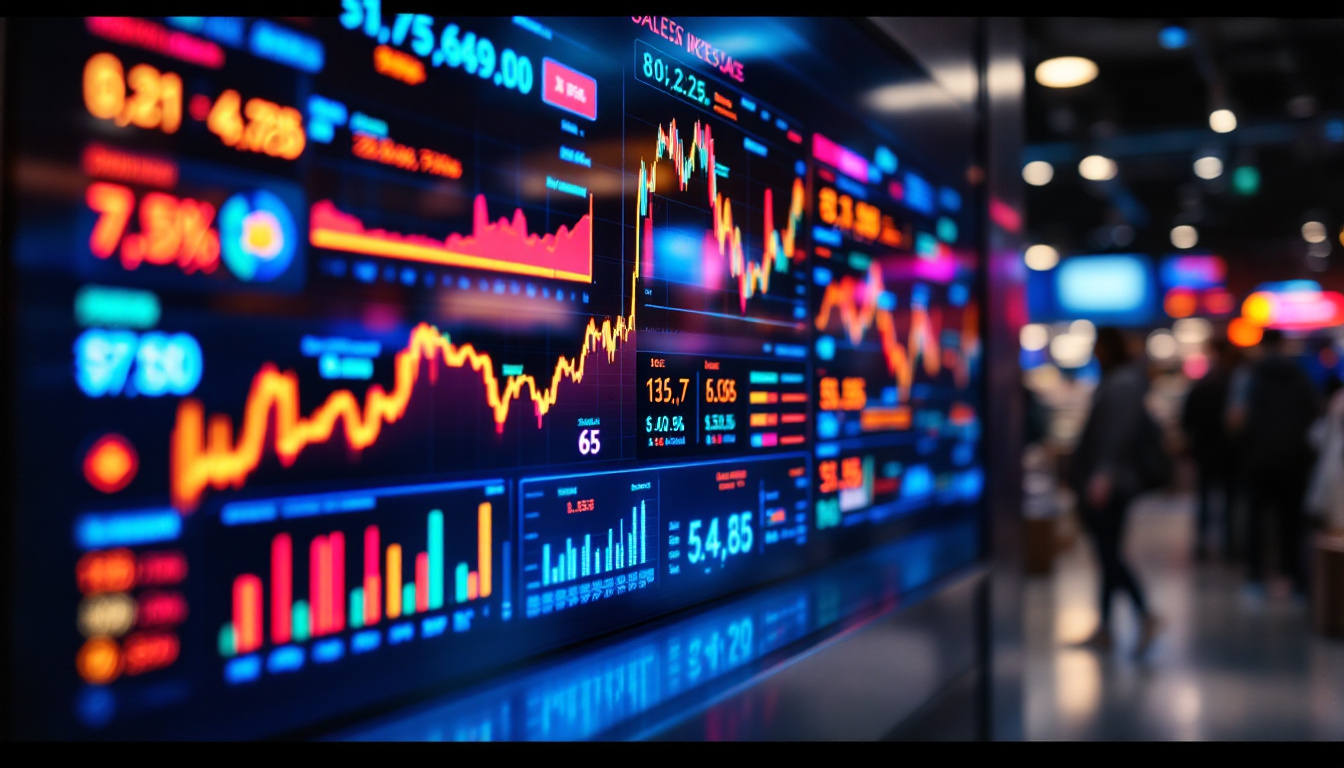
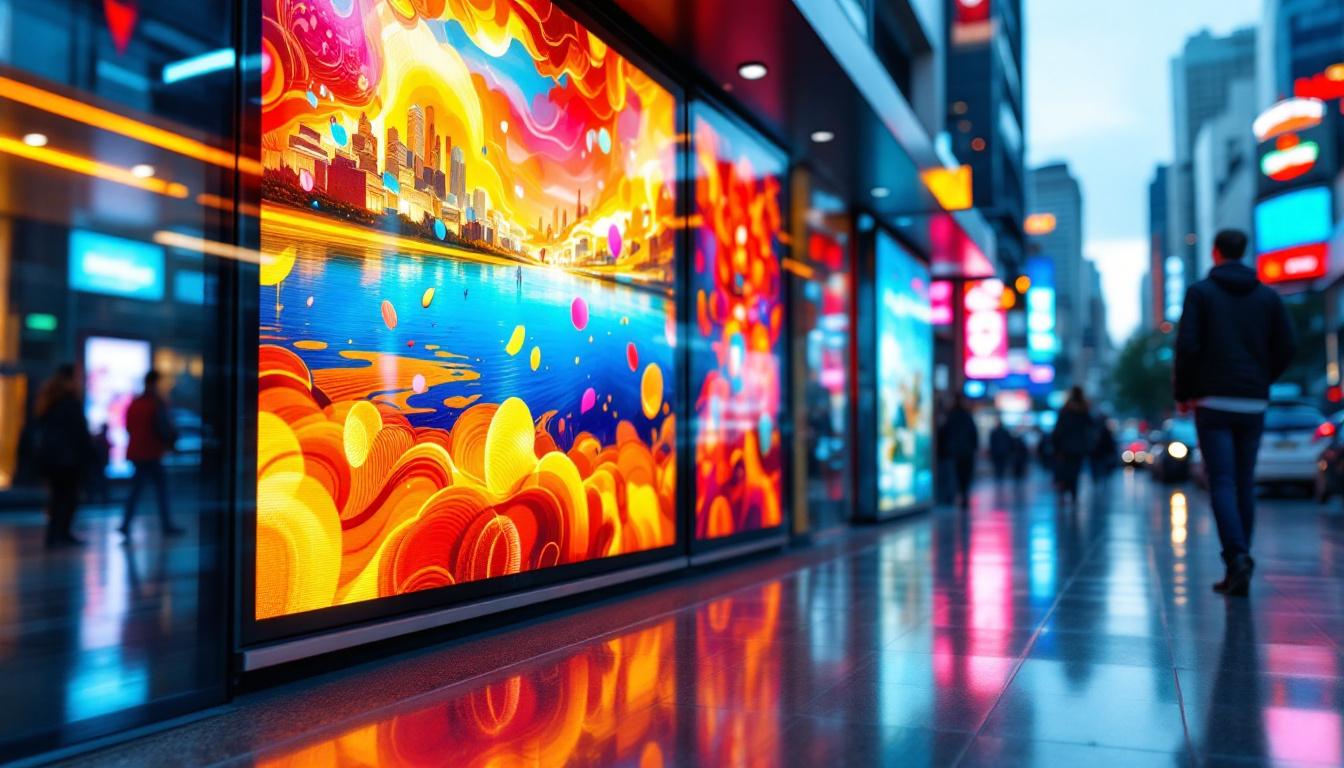
Retailers use LED displays to attract customers with eye-catching promotions and interactive content. Digital signage powered by LED technology allows for quick content updates, enabling businesses to respond promptly to market trends and customer preferences.
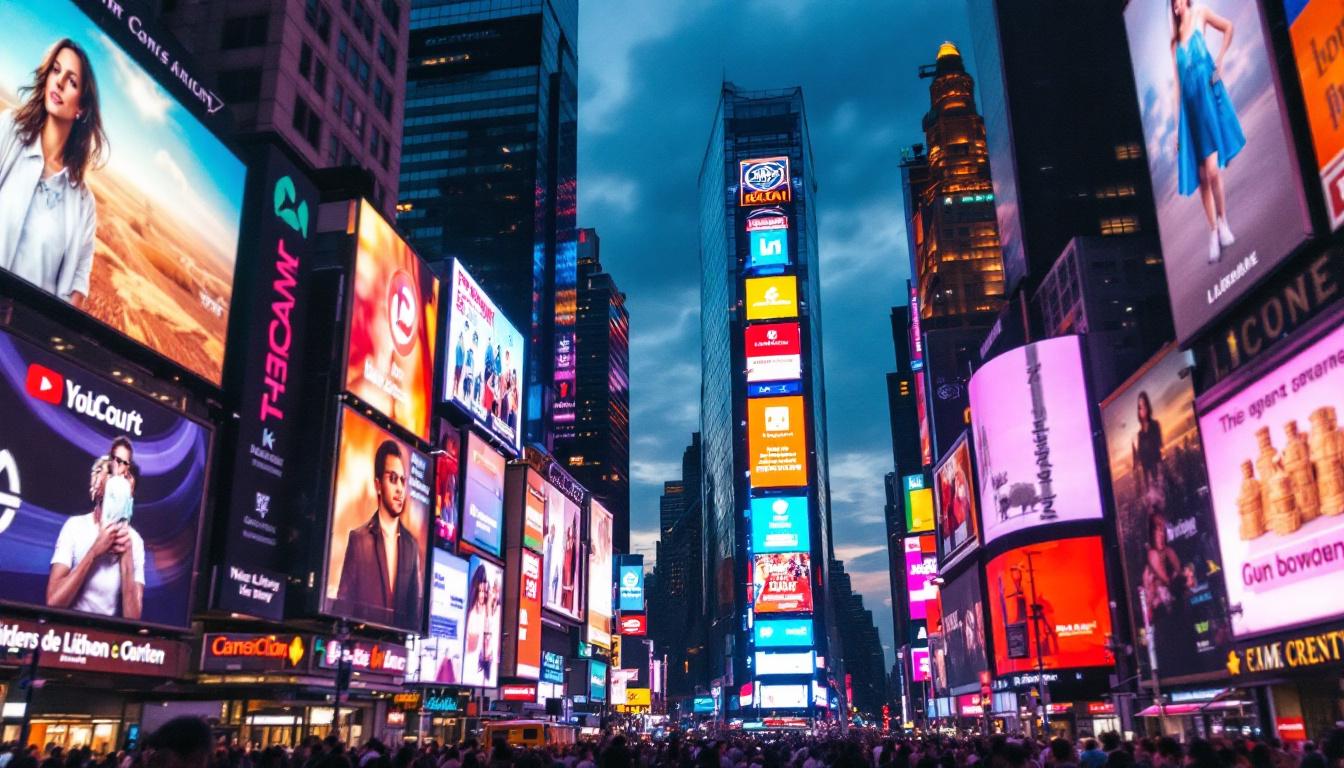
Outdoor LED billboards have also become a staple in advertising, offering brands a vibrant platform to reach wide audiences. According to a 2023 report by the Digital Signage Federation, LED billboards deliver up to 30% higher recall rates compared to traditional static billboards, highlighting their effectiveness in marketing campaigns. Additionally, the integration of sensors and analytics with LED displays enables advertisers to tailor content based on real-time demographics and foot traffic, ensuring that messaging is not only visually appealing but also contextually relevant to the audience present at any given moment.
Transportation and Public Spaces
LED displays are increasingly used in transportation hubs such as airports, train stations, and bus terminals to provide real-time schedules, alerts, and wayfinding information. Their durability and high visibility ensure that critical information is accessible to travelers at all times.
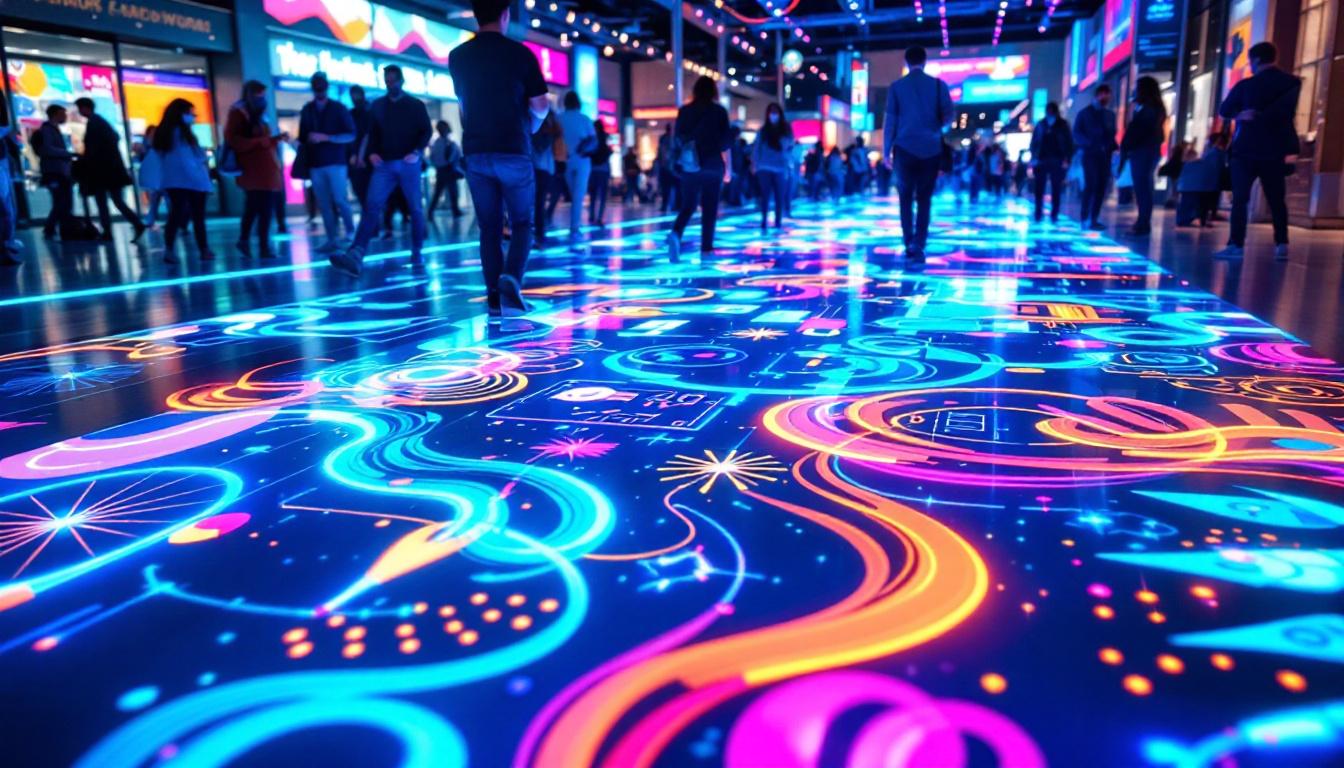
Public spaces also benefit from LED screens for community announcements, emergency alerts, and entertainment. Cities worldwide are adopting smart LED displays to enhance urban communication and engagement. For example, LED displays in parks can showcase local events, promote public health messages, or even display art installations, turning ordinary spaces into vibrant, interactive environments. Furthermore, the energy efficiency of LED technology means that municipalities can reduce their carbon footprint while simultaneously improving the aesthetic and informational landscape of their communities, making LED displays a sustainable choice for modern urban planning.
Key Benefits of LED Displays in AV Sales
Understanding the advantages of LED displays is essential for AV sales professionals to effectively communicate their value to clients. These benefits extend beyond mere aesthetics, impacting operational efficiency and return on investment.
Superior Visual Quality
LED displays deliver exceptional brightness, contrast, and color accuracy. This ensures that content is vivid and legible under various lighting conditions, a critical factor for both indoor and outdoor applications. The wide viewing angles of LED screens also mean that images remain consistent regardless of the viewer’s position.
Energy Efficiency and Longevity
Compared to traditional lighting and projection systems, LED technology consumes significantly less power, reducing operational costs. Moreover, LED displays have a long lifespan—often exceeding 100,000 hours—minimizing the need for frequent replacements or maintenance.
Flexibility and Customization
LED displays can be tailored to fit unique spaces and requirements. They can be curved, shaped, or tiled to create immersive environments or artistic installations. This flexibility opens up creative possibilities for clients seeking to differentiate their brand or event experience.
Ease of Installation and Maintenance
Modern LED modules are designed for quick assembly and disassembly, facilitating transport and installation. Maintenance is also simplified through modular designs that allow for easy replacement of individual components without disrupting the entire display.
Considerations for AV Sales Professionals
To succeed in selling LED displays, AV professionals must understand both the technical specifications and the client’s unique needs. This ensures the recommended solution delivers maximum value and satisfaction.
Assessing Client Requirements
Start by evaluating the intended use case, viewing distance, ambient lighting, and budget. For example, a retail store may prioritize high resolution and color accuracy for close-up viewing, while a sports stadium will require high brightness and weather resistance.
Budget and Total Cost of Ownership
While LED displays can represent a significant upfront investment, it is important to highlight the long-term savings from energy efficiency and reduced maintenance. Offering financing options or scalable solutions can also help clients manage costs effectively.
Integration with Existing Systems
Clients often need LED displays to integrate seamlessly with their current AV infrastructure, including content management systems, control software, and audio equipment. Ensuring compatibility and offering support for integration can enhance the overall value proposition.
Staying Informed on Industry Trends
The AV industry is dynamic, with continuous advancements in LED technology such as MicroLED and transparent LED displays gaining traction. Staying updated on these trends enables sales professionals to offer cutting-edge solutions and maintain a competitive edge.
Future Outlook: Innovations in LED Display Technology
The future of LED displays looks promising, with ongoing innovations driving new applications and improved performance. MicroLED technology, which uses even smaller diodes, promises ultra-high resolution and energy efficiency, potentially transforming consumer electronics and large-scale displays alike.
Transparent LED displays are another exciting development, allowing screens to be embedded into glass surfaces without obstructing views. This opens up possibilities for retail windows, automotive displays, and architectural installations.
Additionally, advancements in AI-driven content management and interactive capabilities are making LED displays more intelligent and engaging, enabling personalized experiences and real-time analytics.
Conclusion
LED displays have firmly established themselves as a vital component in the audio visual sales landscape. Their superior visual quality, energy efficiency, and adaptability make them an attractive solution across diverse industries and applications. For AV sales professionals, understanding the intricacies of LED technology and aligning solutions with client needs is key to delivering impactful results.
As technology continues to advance, LED displays will offer even greater possibilities, making them a smart investment for businesses looking to enhance communication, engagement, and brand presence. Staying informed and proactive in this space will empower AV sales teams to capitalize on the growing demand for innovative display solutions.
Discover LumenMatrix’s Innovative LED Solutions
Ready to elevate your visual communication with cutting-edge LED technology? LumenMatrix offers a comprehensive range of LED display modules designed to bring your brand to life. From immersive Indoor and Outdoor LED Wall Displays to dynamic Vehicle and Sports LED Displays, our solutions are crafted to captivate and engage your audience. Experience the future of digital signage with our All-in-One LED Displays, LED Transparent Displays, and more. Check out LumenMatrix LED Display Solutions today and transform your business’s visual impact.