Las Vegas is renowned worldwide for its dazzling skyline, vibrant nightlife, and architectural marvels that push the boundaries of design and technology. Among the city’s many impressive structures, one stands out not just for its sheer size but for its innovative use of LED display technology. This article delves into the biggest building in Las Vegas, exploring its LED display system, the technology behind it, and its impact on the city’s visual landscape.
The Iconic Building: A Landmark of Scale and Innovation
When discussing the biggest building in Las Vegas, the focus often shifts to the Resorts World Las Vegas. Opened in 2021, this massive resort and casino complex covers approximately 88 acres and features three hotel towers with a combined total of over 3,500 rooms. But beyond its size, Resorts World is notable for its cutting-edge LED display system that wraps around the building, creating a dynamic, immersive experience for visitors and passersby alike.
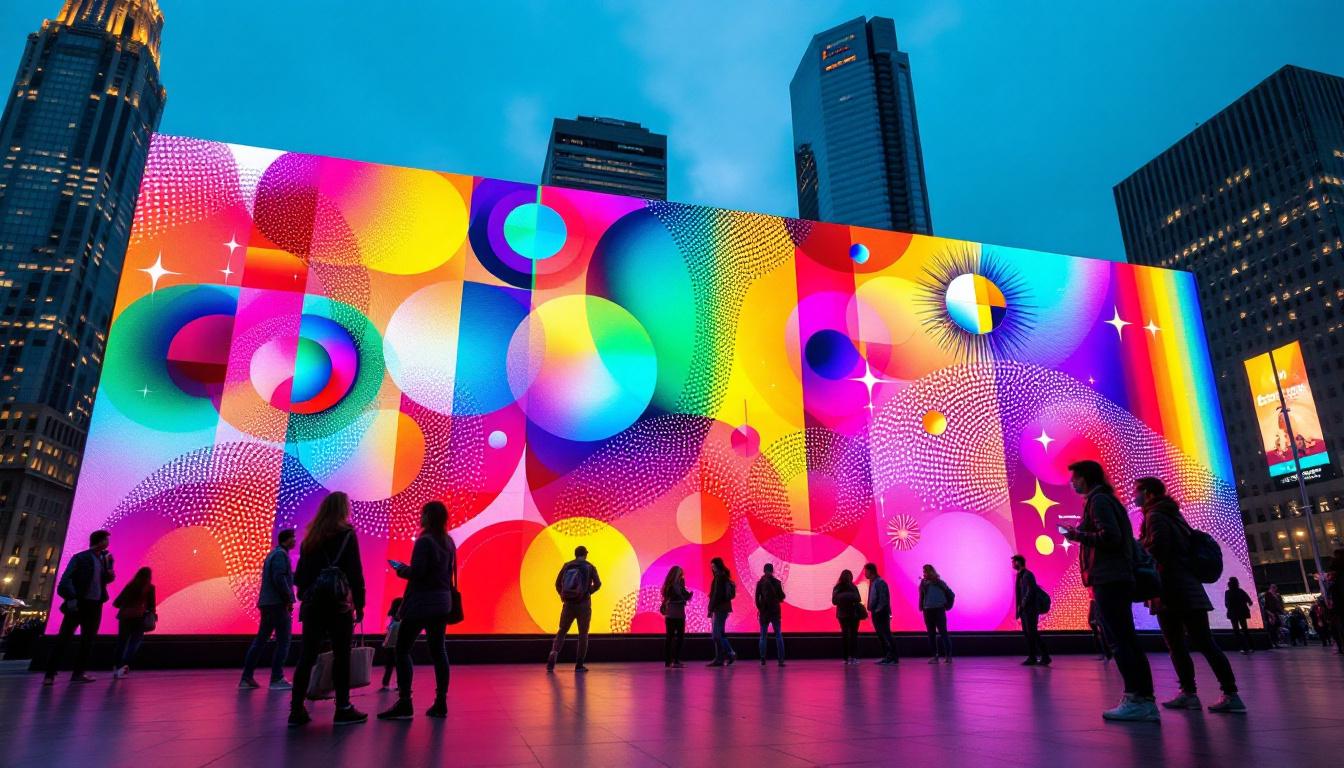
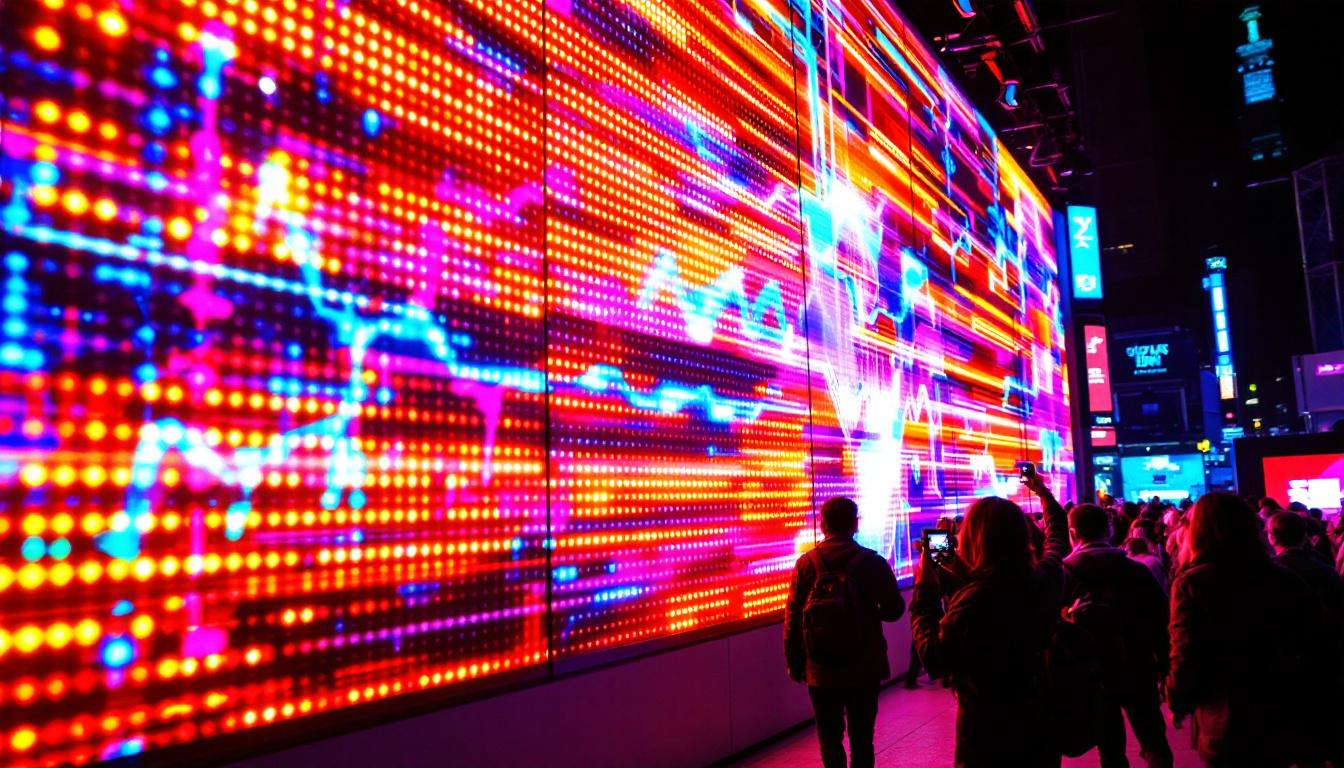
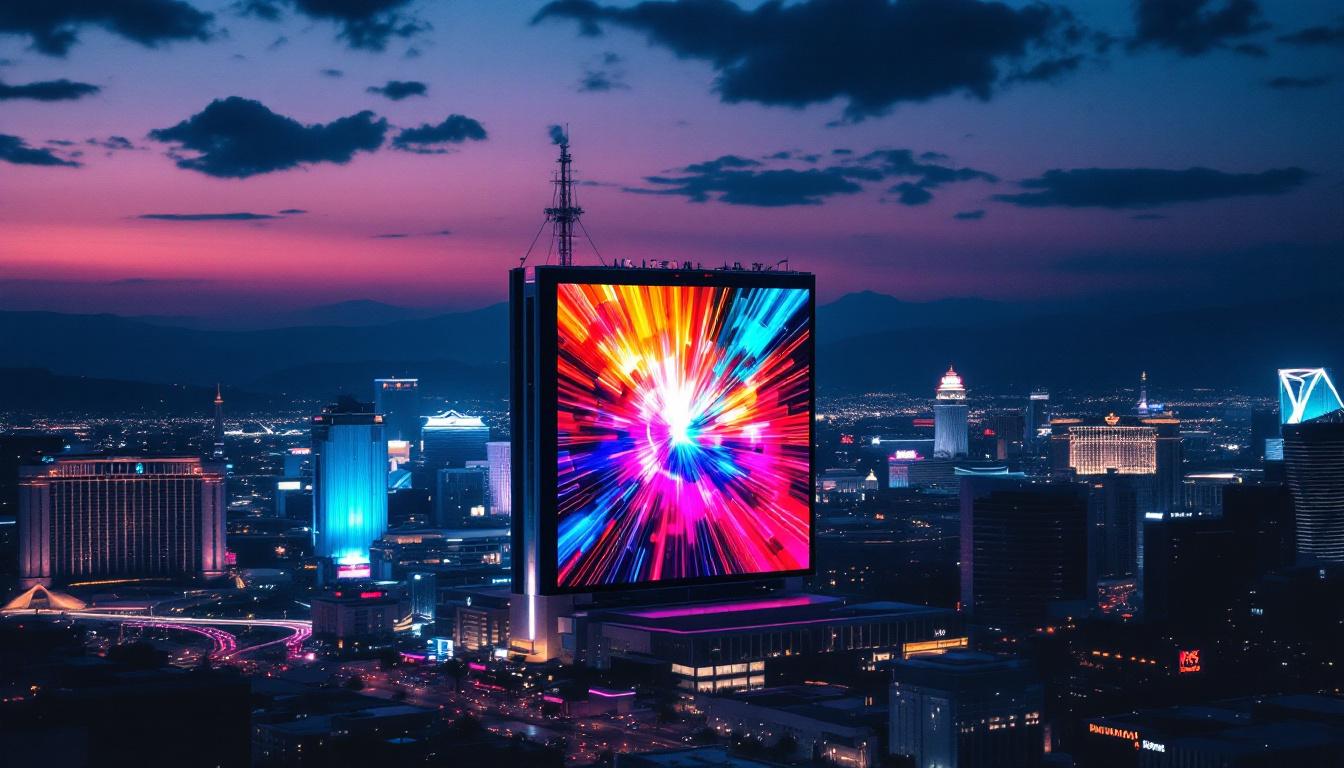
The LED display on Resorts World Las Vegas is not just a decorative feature; it is a technological marvel that embodies the city’s spirit of innovation and entertainment. Stretching over 200,000 square feet, the LED façade is one of the largest and most advanced in the world, transforming the building into a colossal digital canvas that can showcase everything from high-resolution videos to interactive art installations.
In addition to its impressive visual capabilities, the LED system plays a crucial role in the resort’s marketing and branding strategy. By displaying advertisements, promotional content, and live events, the façade not only attracts tourists but also engages them in real-time. This interactive element enhances the overall guest experience, making it a focal point for social media sharing and digital interaction, which is particularly appealing to younger audiences. The integration of technology in such a grand manner reflects a broader trend in Las Vegas, where the line between architecture and digital artistry continues to blur.
Moreover, the design of Resorts World Las Vegas is a testament to sustainability and modern architectural practices. The complex incorporates energy-efficient systems and environmentally friendly materials, aligning with the growing emphasis on green building in urban development. Features such as smart lighting, water conservation systems, and energy-efficient HVAC units not only reduce the resort’s carbon footprint but also set a benchmark for future developments in the area. As visitors explore the vast amenities, including a diverse array of dining options and entertainment venues, they are also participating in a forward-thinking approach to hospitality that prioritizes both luxury and environmental responsibility.
Understanding LED Display Technology
What Are LED Displays?
LED stands for Light Emitting Diode, a semiconductor device that emits light when an electric current passes through it. LED displays are composed of thousands to millions of these tiny diodes arranged in a grid to form images, videos, and animations. Unlike traditional screens, LED displays are highly energy-efficient, offer superior brightness, and can be scaled to enormous sizes, making them ideal for outdoor advertising and architectural applications.
In the context of large buildings like Resorts World, LED displays are typically constructed using modular panels. These panels can be seamlessly connected to cover vast surfaces, allowing for flexible configurations and maintenance. The technology supports a wide color gamut and high refresh rates, ensuring vibrant and smooth visuals even in bright daylight conditions. Furthermore, advancements in LED technology have led to the development of transparent and flexible displays, enabling architects to integrate screens into the very fabric of a building, thus enhancing aesthetic appeal without compromising functionality.
The Advantages of LED Displays in Urban Architecture
LED displays have revolutionized the way buildings communicate with their environment. Their benefits include:
- Visibility: High brightness levels ensure content is visible from miles away, even under direct sunlight.
- Energy Efficiency: LEDs consume less power compared to other lighting technologies, reducing operational costs.
- Durability: Designed to withstand harsh weather conditions, LED displays are robust and long-lasting.
- Customization: Content can be updated in real-time, allowing for dynamic messaging and interactive experiences.
These attributes make LED displays particularly suited for Las Vegas, a city that thrives on spectacle and constant reinvention. Furthermore, the integration of LED technology into urban architecture fosters a sense of community engagement. For instance, local businesses can utilize these displays to promote events or special offers, creating a vibrant atmosphere that encourages foot traffic and interaction. Additionally, LED displays can serve as platforms for public art, allowing artists to showcase their work in a dynamic format that can change daily or even hourly, thereby continuously refreshing the urban landscape.
Moreover, the environmental impact of LED displays is noteworthy. As cities become more focused on sustainability, the low power consumption of LEDs contributes to reduced carbon footprints. Many urban planners are now considering LED displays not just as advertising tools, but as integral components of smart city initiatives. These displays can be equipped with sensors to provide real-time information about traffic conditions, weather updates, or even emergency alerts, further enhancing their utility beyond mere aesthetics. This multifaceted approach to urban design is paving the way for smarter, more interactive cities that prioritize both functionality and visual appeal.
The LED Display at Resorts World Las Vegas: Technical Insights
Scale and Structure
The LED display system at Resorts World Las Vegas is a feat of engineering. Covering more than 200,000 square feet, it is integrated into the building’s exterior architecture, wrapping around the hotel towers and the casino floor. The display is composed of thousands of LED modules, each containing hundreds of diodes, arranged to create a seamless visual surface.
The design team faced significant challenges, including ensuring structural integrity, weatherproofing, and maintaining image quality across curved and angled surfaces. Advanced mounting systems and weather-resistant materials were employed to guarantee the display’s longevity in the desert climate.
Resolution and Visual Quality
One of the key performance indicators for any LED display is its pixel pitch, which refers to the distance between individual LEDs. Resorts World’s display features a pixel pitch optimized for viewing distances typical of the Las Vegas Strip, balancing resolution with cost and power consumption.
This optimization allows the display to deliver crisp, vibrant images that captivate audiences from both close-up and afar. The system supports 4K resolution content, enabling detailed video playback and complex animations that enhance the building’s visual storytelling.
Content Management and Interactivity
The LED display is controlled by a sophisticated content management system (CMS) that allows operators to schedule, update, and customize the visuals in real-time. This flexibility means the building can showcase a variety of content, from promotional advertisements and event announcements to artistic displays and seasonal themes.
Moreover, Resorts World has incorporated interactive elements that respond to environmental cues and audience engagement, such as synchronized light shows and interactive games during special events. This interactivity elevates the visitor experience and reinforces Las Vegas’s reputation as a city of entertainment and innovation.
The Impact of LED Displays on Las Vegas’s Urban Experience
Enhancing the City’s Visual Identity
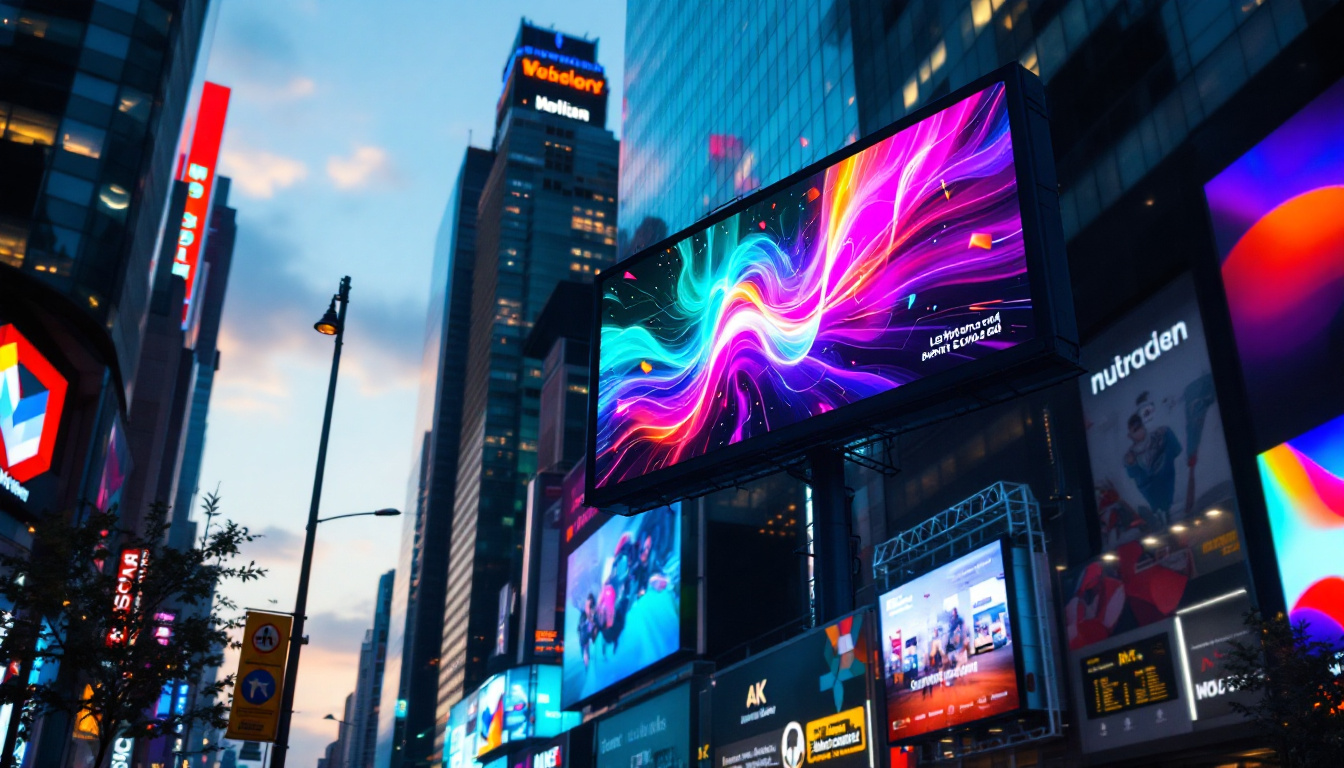
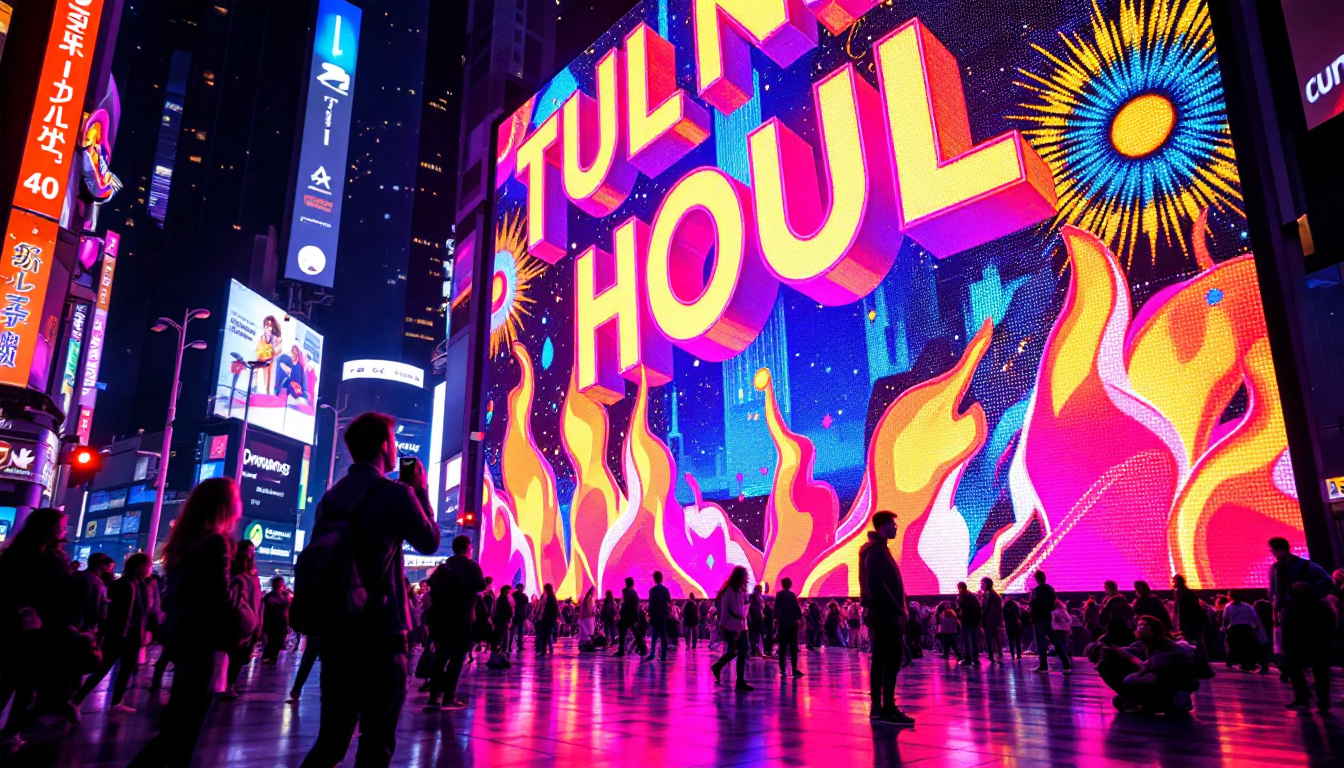
Las Vegas is synonymous with bright lights and bold visuals. The integration of massive LED displays into its architecture amplifies this identity, turning buildings into living billboards that contribute to the city’s unique ambiance. The LED display on Resorts World adds a new dimension to this tradition, combining scale, technology, and creativity to create a landmark that is both functional and artistic.
By transforming the building into a dynamic canvas, the display fosters a sense of place and excitement, attracting tourists and locals alike. It also serves as a platform for local artists and brands to reach a vast audience, enriching the cultural fabric of the city.
Economic and Environmental Considerations
From an economic standpoint, the LED display system is a powerful marketing tool that drives foot traffic and revenue for Resorts World and surrounding businesses. Its ability to showcase targeted advertisements and event promotions helps maximize the building’s commercial potential.
Environmentally, the use of energy-efficient LED technology aligns with broader sustainability goals. While large-scale displays do consume significant power, advances in LED efficiency and smart control systems help minimize their carbon footprint. Resorts World has implemented energy management protocols to ensure the display operates sustainably without compromising its visual impact.
The Future of LED Displays in Las Vegas Architecture
As LED technology continues to evolve, its applications in urban architecture are expected to expand. Innovations such as micro-LEDs, flexible displays, and augmented reality integration promise even more immersive and interactive experiences. Las Vegas, with its appetite for spectacle and innovation, is poised to remain at the forefront of these developments.
Future buildings may feature even larger and more sophisticated LED installations, blending digital art with architectural design to create environments that respond dynamically to their inhabitants and surroundings. This evolution will further cement Las Vegas’s status as a global hub for entertainment, technology, and design.
Challenges and Considerations
Despite the exciting possibilities, there are challenges to address, including light pollution, energy consumption, and content regulation. Balancing the desire for bright, engaging displays with community standards and environmental concerns will be critical to sustainable growth.
Stakeholders, including city planners, architects, and technology providers, must collaborate to develop guidelines and innovations that maximize benefits while mitigating potential drawbacks. This collaborative approach will ensure that LED displays enhance rather than detract from the urban experience.
Conclusion
The biggest building in Las Vegas, Resorts World, exemplifies how LED display technology can transform urban architecture into a vibrant, interactive spectacle. Its massive LED façade not only showcases the latest advancements in display technology but also enriches the city’s cultural and economic landscape.
As LED technology continues to advance, Las Vegas is likely to see even more impressive installations that push the boundaries of design and storytelling. For residents and visitors, these displays offer a glimpse into the future of urban entertainment — one where buildings themselves become dynamic stages for creativity and innovation.
Illuminate Your Space with LumenMatrix
As you marvel at the transformative power of LED displays in Las Vegas’s architectural wonders, imagine the potential for your own space. LumenMatrix, a pioneer in LED display technology, offers an array of solutions to bring your vision to life. From the dazzling heights of Outdoor LED Wall Displays to the interactive engagement of Floor LED Displays, our products are designed to captivate and communicate with unparalleled clarity. Ready to elevate your brand’s presence and create immersive experiences? Check out LumenMatrix LED Display Solutions and join the revolution in visual storytelling.