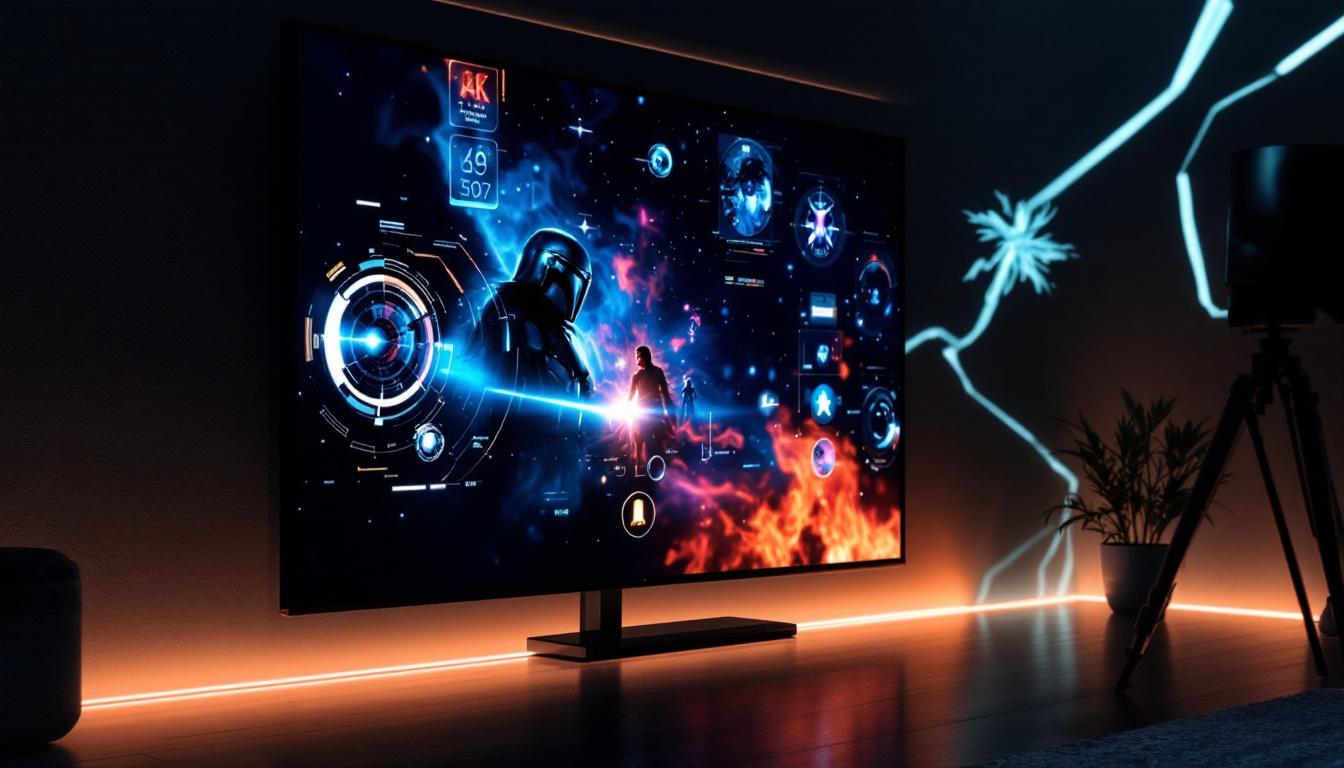
The Mandalorian series has captivated audiences worldwide with its rich storytelling, immersive visuals, and groundbreaking production techniques. One of the most fascinating aspects behind the scenes is the use of LED display technology to create the show’s dynamic backgrounds. This innovative approach has revolutionized how visual effects are integrated into live-action filming, offering filmmakers unprecedented creative freedom and realism.
In this article, we will explore the technology behind the Mandalorian’s LED backgrounds, how it works, why it matters, and the broader implications for the film and television industry. Whether you’re a tech enthusiast, a filmmaker, or simply a fan of the series, understanding this technology provides a deeper appreciation of the magic behind the scenes.
The Evolution of Visual Effects in Filmmaking
From Green Screens to LED Walls
Traditional visual effects have long relied on green screen technology, where actors perform in front of a solid green backdrop that is later replaced with digital environments in post-production. While effective, this method has limitations. Actors often struggle to visualize the setting, lighting can be inconsistent, and the final composite may lack the subtle nuances of real-world lighting interactions.
Enter LED display technology. Instead of shooting against a green screen, filmmakers now use large, high-resolution LED panels that display real-time digital environments during filming. This means actors can see and interact with their surroundings, and the camera captures the background naturally, including accurate reflections and lighting effects. The immersive experience provided by LED walls allows for a more organic performance, as actors can react to their environment in real-time, enhancing the believability of their portrayals.
Moreover, the use of LED technology significantly reduces the time spent in post-production. With traditional green screens, the process of keying out the green and integrating digital backgrounds can be labor-intensive and time-consuming. LED walls streamline this process, allowing for a more efficient workflow where the final visual effects are effectively captured in-camera. This not only speeds up production timelines but also opens up creative possibilities, as directors can experiment with lighting and angles on set without the constraints of post-production adjustments.
Why the Mandalorian Pioneered This Approach
The Mandalorian was among the first major productions to embrace this technology on a large scale, primarily to bring the Star Wars universe to life without the logistical challenges of location shoots or extensive post-production compositing. The show’s creators sought a solution that could deliver immersive environments while maintaining flexibility and efficiency.
By using LED walls, the production team could simulate alien planets, starships, and other fantastical settings with remarkable realism. This approach not only saved time and money but also enhanced performances by providing actors with tangible surroundings. The ability to adjust the LED backgrounds in real-time allowed directors to create dynamic scenes that could evolve as the actors performed, fostering a collaborative atmosphere on set. Additionally, the technology enabled the seamless integration of practical effects with digital elements, creating a more cohesive visual experience that resonates with audiences.
Furthermore, the success of The Mandalorian has sparked a wider industry trend towards the adoption of LED technology in various genres of filmmaking. From high-budget blockbusters to independent films, filmmakers are increasingly recognizing the advantages of this method. As the technology continues to advance, we can expect to see even more innovative applications that push the boundaries of storytelling and visual artistry, transforming the way we experience cinema. The potential for interactive environments could also pave the way for new forms of audience engagement, blurring the lines between film and immersive experiences.
Understanding LED Display Technology in The Mandalorian
What Are LED Walls?
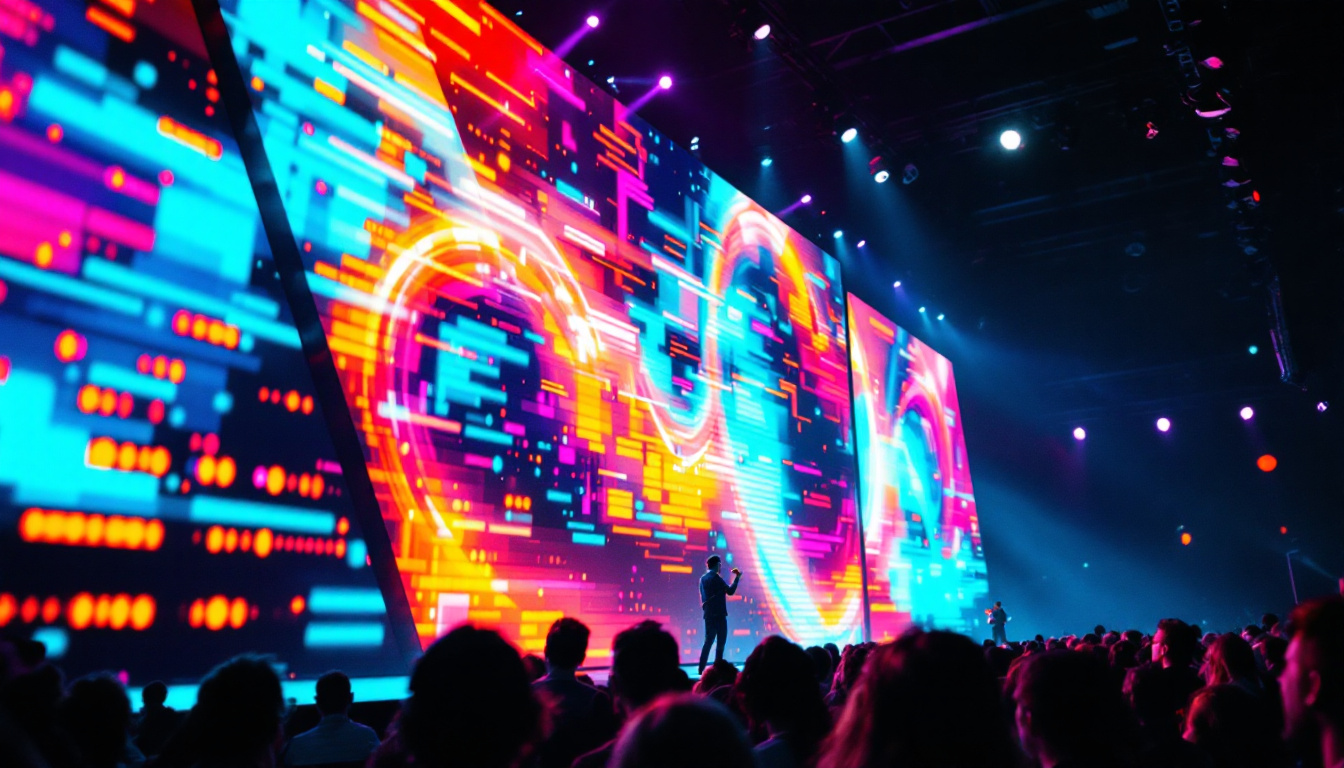
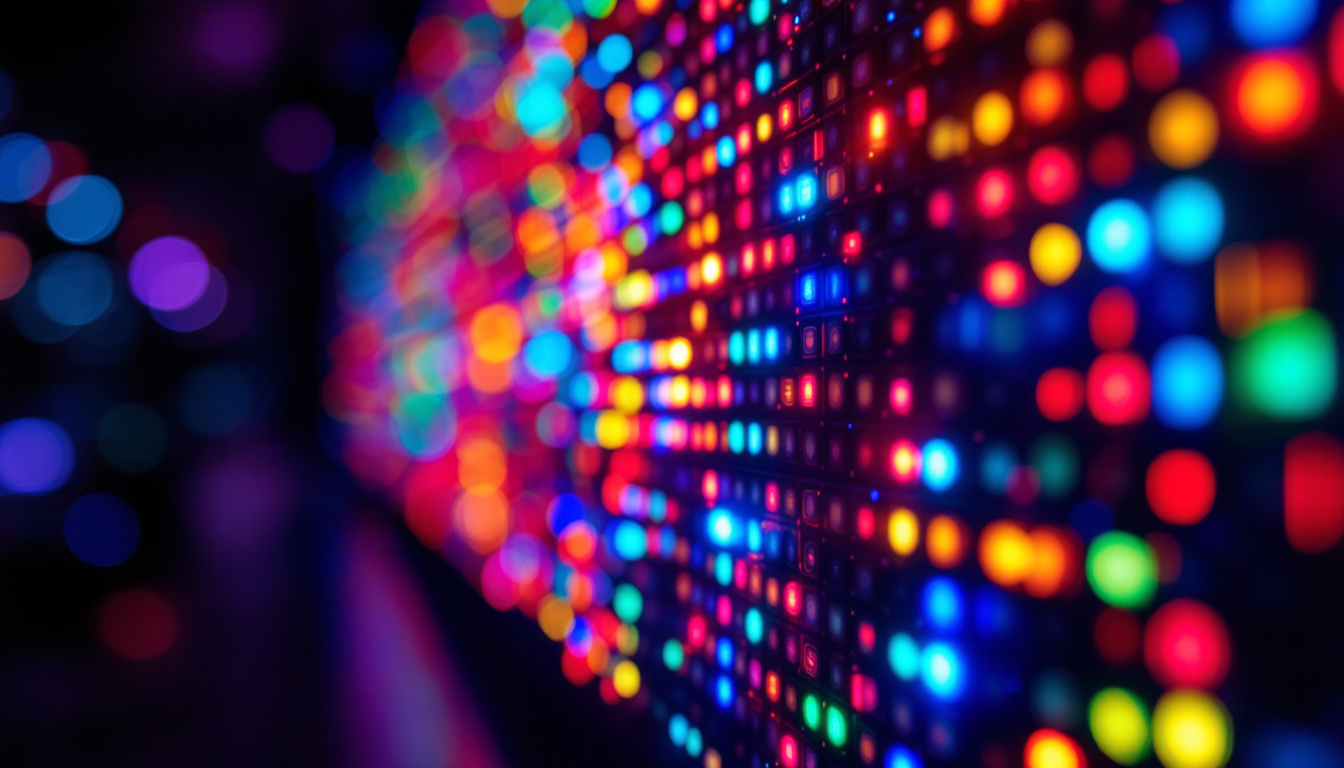
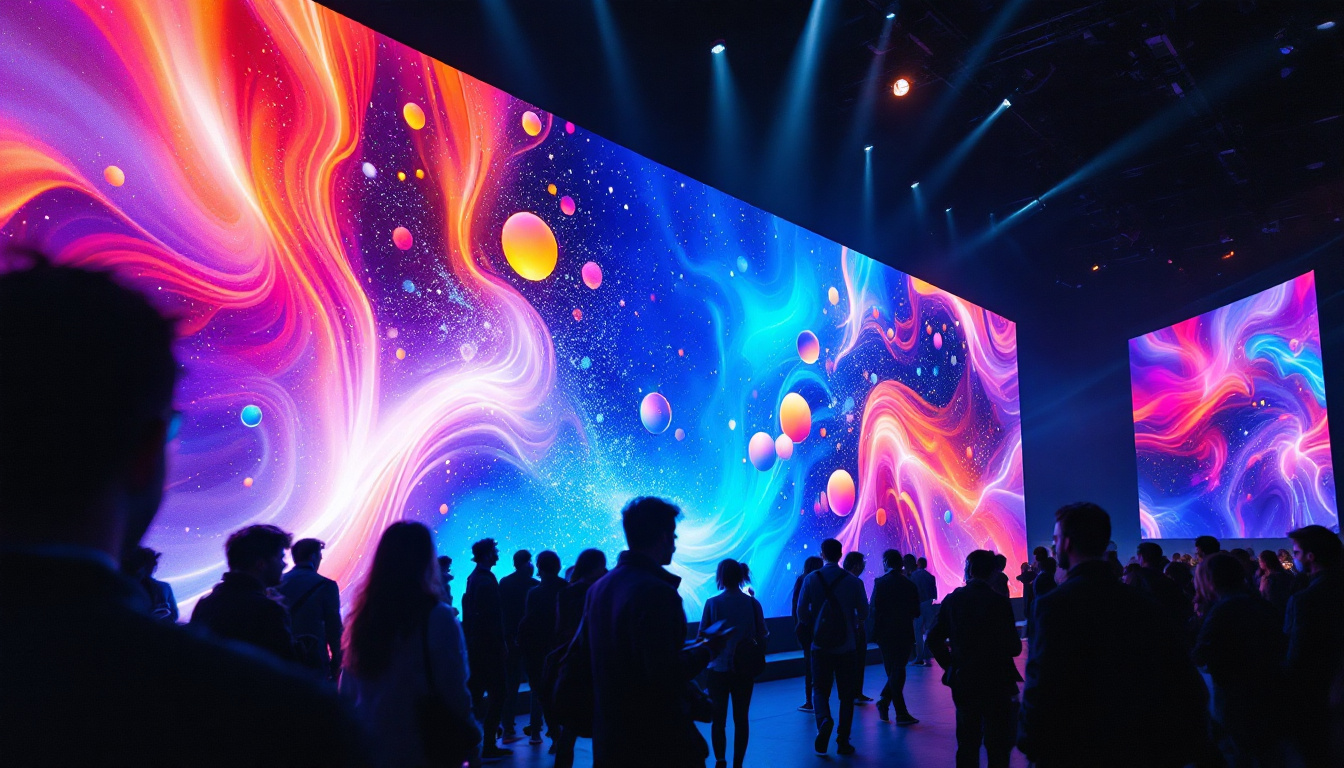
LED walls are massive displays made up of thousands of tiny light-emitting diodes (LEDs) arranged in panels. These panels are seamlessly connected to form a continuous screen that can display high-resolution images and videos. For The Mandalorian, these walls often span dozens of feet, wrapping around the set to create a 360-degree immersive environment.
The key to their effectiveness lies in their brightness, color accuracy, and refresh rate. The LED panels must be bright enough to compete with studio lighting and natural reflections, while also rendering colors faithfully to match the scene’s mood and atmosphere.
Real-Time Rendering and Camera Tracking
One of the most impressive features of the Mandalorian’s LED setup is the integration of real-time rendering engines, such as Unreal Engine, which generate the digital backgrounds on the fly. These engines respond dynamically to camera movements, adjusting the perspective and parallax of the displayed environment to maintain realism.
Camera tracking systems monitor the position and orientation of the camera, feeding data to the rendering engine. As the camera moves, the background shifts accordingly, creating the illusion of depth and space. This synchronization is crucial to avoid visual discrepancies and maintain immersion.
Lighting Integration and Practical Effects
LED walls do more than just display backgrounds; they also serve as dynamic light sources. The light emitted from the screens naturally illuminates actors and physical set pieces, matching the colors and intensity of the virtual environment. This results in more natural lighting interactions compared to traditional green screen setups, where lighting must be carefully simulated.
Additionally, practical effects such as smoke, dust, and physical props are combined with the LED backgrounds to enhance realism. This hybrid approach blends digital and physical elements seamlessly, creating a cohesive visual experience.
Benefits of LED Backgrounds in Film Production
Enhanced Actor Performance and Immersion
One of the most significant advantages of LED backgrounds is the impact on actor performance. When actors can see and react to their environment, their performances become more authentic and emotionally grounded. Instead of imagining alien landscapes or futuristic interiors, they experience them in real time.
This immersion reduces the cognitive load on actors, allowing for more natural interactions and expressions. For a character-driven show like The Mandalorian, where subtlety and nuance are essential, this technology is a game-changer.
Reduced Post-Production Time and Costs
Traditional green screen workflows require extensive post-production compositing, color correction, and lighting adjustments to blend live-action footage with digital backgrounds. This process can be time-consuming and expensive.
With LED backgrounds, much of the visual effects work happens during filming. The camera captures the final composite in-camera, significantly reducing the need for post-production fixes. This efficiency translates into faster turnaround times and lower overall production costs.
Creative Flexibility and On-Set Collaboration
LED walls offer directors, cinematographers, and production designers unprecedented flexibility. Environments can be changed instantly by swapping digital assets, allowing for rapid experimentation with different settings and lighting scenarios.
This adaptability fosters collaboration on set, as creative decisions can be made in real time. Directors can see how scenes will look immediately, making adjustments that enhance storytelling and visual impact.
Technical Challenges and Solutions
Managing Resolution and Pixel Density
To maintain realism, LED walls must have a high pixel density, ensuring that images remain sharp even when viewed up close or through high-resolution cameras. Early LED panels had limitations in resolution, leading to visible pixelation or moiré patterns.
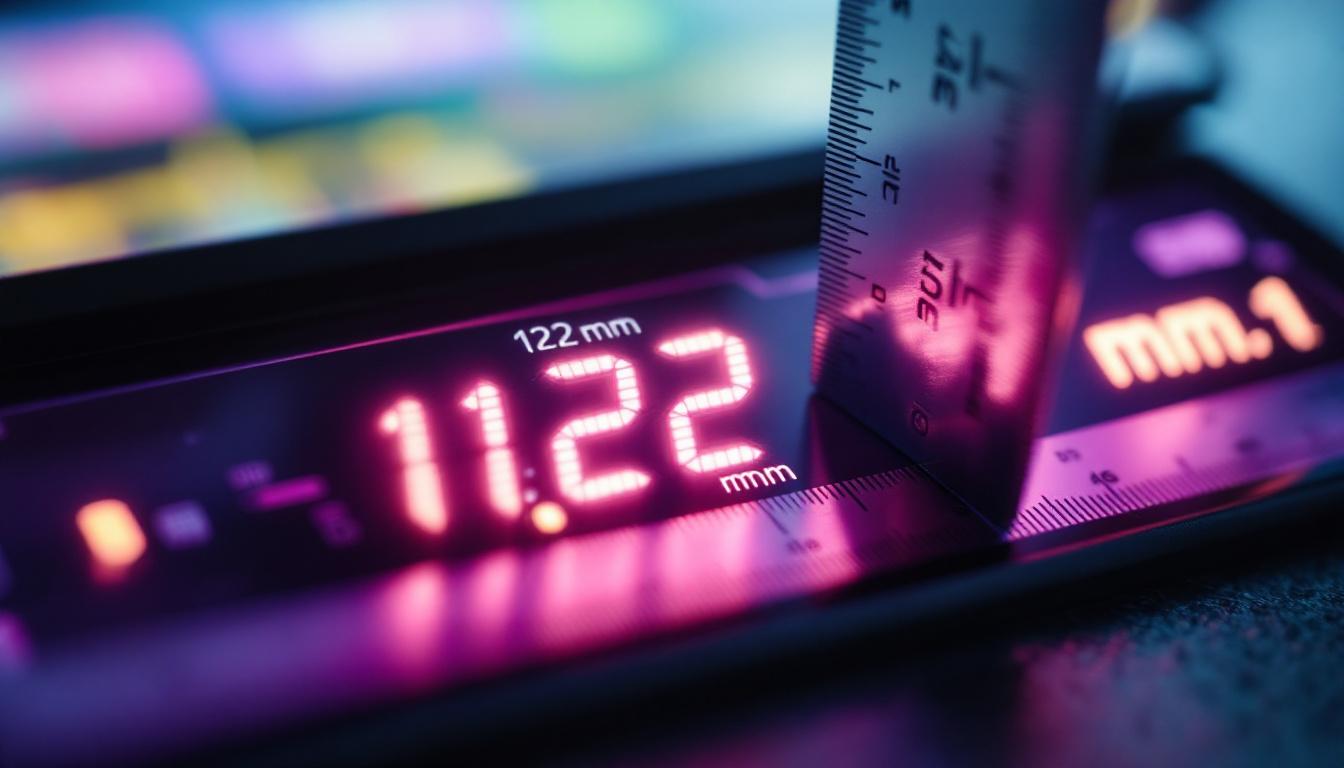
The Mandalorian production team addressed this by using state-of-the-art LED panels with fine pitch (the distance between individual LEDs), achieving resolutions suitable for 4K and even 8K cameras. This level of detail is essential for close-up shots and wide-angle scenes alike.
Synchronizing Frame Rates and Reducing Flicker
Another technical hurdle is synchronizing the refresh rate of the LED walls with the camera’s shutter speed to avoid flickering or banding artifacts. Mismatched frame rates can cause distracting visual effects that break immersion.
To solve this, the production used specialized hardware and software to synchronize the LED refresh cycle with the camera’s frame rate precisely. This coordination ensures smooth, flicker-free visuals that maintain the illusion of reality.
Handling Reflections and Glare
Because LED walls emit light, they can create unwanted reflections on shiny surfaces such as helmets, armor, or glass props. Managing these reflections is crucial to avoid visual distractions or inconsistencies.
The team employed a combination of anti-reflective coatings, strategic camera angles, and controlled lighting to minimize glare. Additionally, the LED content was carefully designed to avoid overly bright or high-contrast areas that could cause problematic reflections.
The Future of LED Display Technology in Entertainment
Expanding Beyond The Mandalorian
The success of LED backgrounds in The Mandalorian has sparked widespread interest across the entertainment industry. Studios and productions worldwide are adopting similar technology for films, television shows, commercials, and live events.
As LED panels become more affordable and accessible, smaller productions can leverage this technology to enhance their visual storytelling. This democratization of advanced visual effects tools promises a new era of creativity and innovation.
Advancements in LED and Rendering Technologies
Ongoing improvements in LED panel design, such as microLED and miniLED technologies, offer higher brightness, better contrast ratios, and improved energy efficiency. These advancements will further enhance the quality and versatility of LED backgrounds.
Simultaneously, real-time rendering engines continue to evolve, incorporating artificial intelligence and machine learning to generate more realistic and dynamic environments. These tools will enable filmmakers to create even more immersive worlds on set.
Integration with Virtual Production and Beyond
LED display technology is a cornerstone of the broader virtual production movement, which combines physical and digital filmmaking techniques. This integration allows for complex storytelling possibilities, including interactive environments, real-time character animation, and augmented reality.
Looking ahead, the convergence of LED displays, motion capture, and advanced rendering will redefine how stories are told, blurring the lines between reality and imagination.
Conclusion
The Mandalorian’s use of LED display technology represents a significant milestone in the evolution of visual effects and filmmaking. By replacing traditional green screens with immersive, real-time digital environments, the production has set new standards for realism, efficiency, and creative collaboration.
This technology not only enriches the viewing experience but also empowers actors and filmmakers to push the boundaries of storytelling. As LED display technology continues to advance and proliferate, it promises to transform the entertainment landscape, bringing audiences closer to the worlds they love.
Understanding the intricacies of LED backgrounds offers valuable insight into the future of filmmaking and the innovative spirit driving the industry forward. The Mandalorian’s groundbreaking approach is just the beginning of a new era where technology and creativity merge seamlessly on screen.
Explore Cutting-Edge LED Display Solutions
As you’ve seen with The Mandalorian, LED display technology is transforming the entertainment industry and beyond. If you’re inspired to elevate your own projects with the same level of immersive visual experiences, look no further than LumenMatrix. As a leader in LED display innovation, LumenMatrix offers a wide range of solutions, from Indoor and Outdoor LED Wall Displays to specialized options like Vehicle LED Displays and Transparent LED Displays. Discover how our advanced LED modules can bring your creative vision to life and captivate your audience. Check out LumenMatrix LED Display Solutions and join the revolution in visual communication.