Museums have long been custodians of history, culture, and knowledge, preserving artifacts and stories for generations to come. However, the way these stories are told is evolving rapidly. In the digital age, museums are embracing technology to create immersive, engaging experiences that captivate visitors of all ages. Among the most transformative tools in this evolution are interactive LED displays. This article explores how LED technology is revolutionizing museum exhibits, enhancing visitor engagement, and setting new standards for educational and experiential storytelling.
The Rise of Interactive Displays in Museums
Over the past decade, museums worldwide have increasingly integrated interactive technologies into their exhibits. According to a 2023 report by the American Alliance of Museums, over 70% of museums in the United States now incorporate some form of digital interactivity, ranging from touchscreens to augmented reality. Interactive displays enable visitors to engage with content dynamically rather than passively observing, making the learning experience more memorable and impactful.
Interactive displays come in various forms, but LED technology stands out due to its versatility, brightness, and scalability. Unlike traditional static exhibits, LED displays can present vibrant visuals, videos, animations, and real-time data, all of which can be tailored to individual visitor interactions. This adaptability makes LED displays particularly suited for the diverse and evolving needs of modern museums.
Furthermore, the incorporation of interactive displays has transformed the way museums curate their narratives. By utilizing gamification elements, such as quizzes and challenges, museums can encourage deeper exploration and retention of information. For instance, visitors might engage in a scavenger hunt that leads them through different sections of an exhibit, unlocking content and rewards as they progress. This not only enhances visitor engagement but also fosters a sense of community as guests share their experiences and discoveries with one another.
Moreover, the rise of mobile technology has further complemented interactive displays. Many museums now offer apps that allow visitors to access additional content on their smartphones, such as audio guides, augmented reality features, and personalized itineraries. This synergy between mobile devices and interactive displays creates a seamless experience, allowing visitors to delve deeper into their interests while navigating the museum. As technology continues to evolve, the potential for innovative storytelling and immersive experiences in museums appears limitless, promising a future where learning and engagement are more intertwined than ever before.
What is an LED Display?
Understanding the Basics
LED stands for Light Emitting Diode, a semiconductor device that emits light when an electric current passes through it. LED displays consist of numerous tiny LEDs arranged in a grid to form pixels, which collectively create images and videos. These displays are known for their high brightness, energy efficiency, and long lifespan, making them ideal for environments like museums that require reliable and vivid visual presentations. The technology behind LEDs has evolved significantly over the years, leading to advancements in color accuracy and resolution. As a result, modern LED displays can produce a wider color gamut and sharper images, enhancing the overall viewing experience for museum-goers.
Types of LED Displays Used in Museums
Museums typically utilize several types of LED displays depending on their specific needs:
- Indoor LED Panels: These are high-resolution screens designed for close viewing distances, perfect for detailed images and interactive touch interfaces.
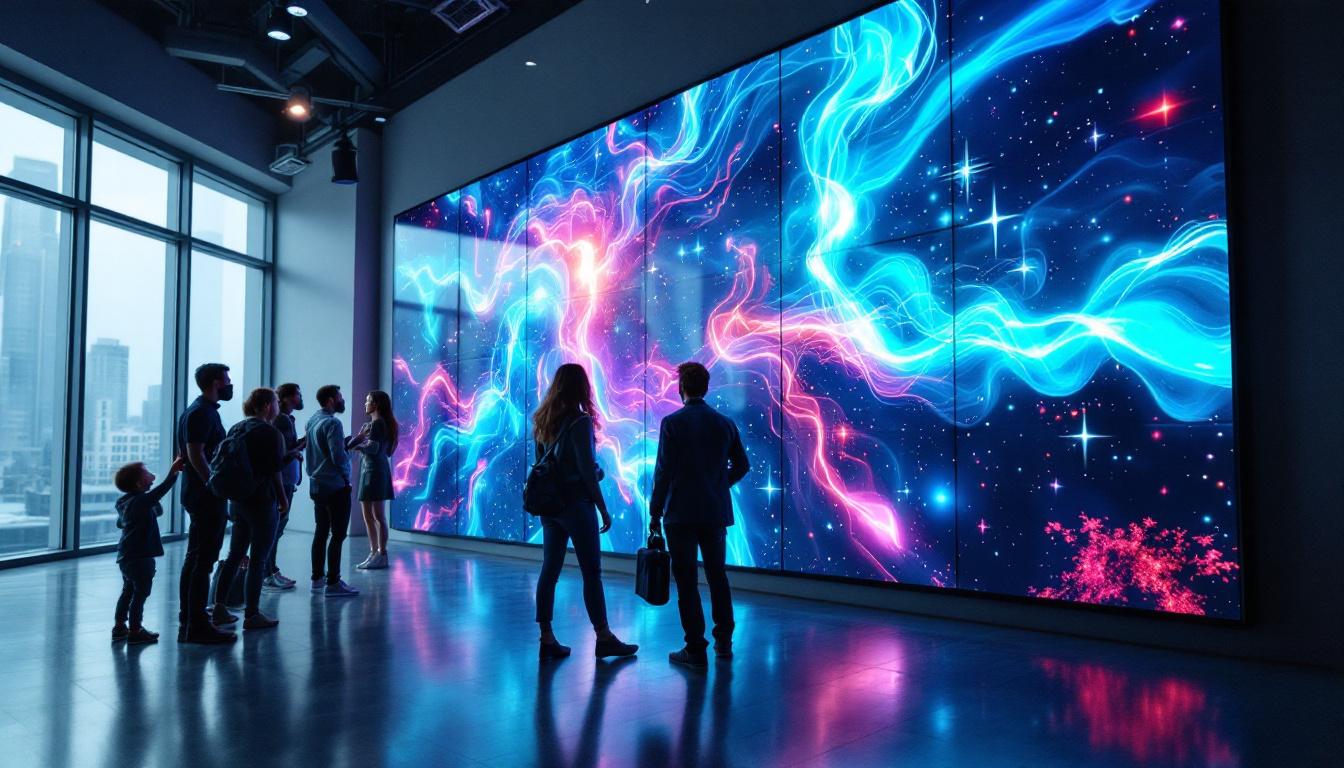
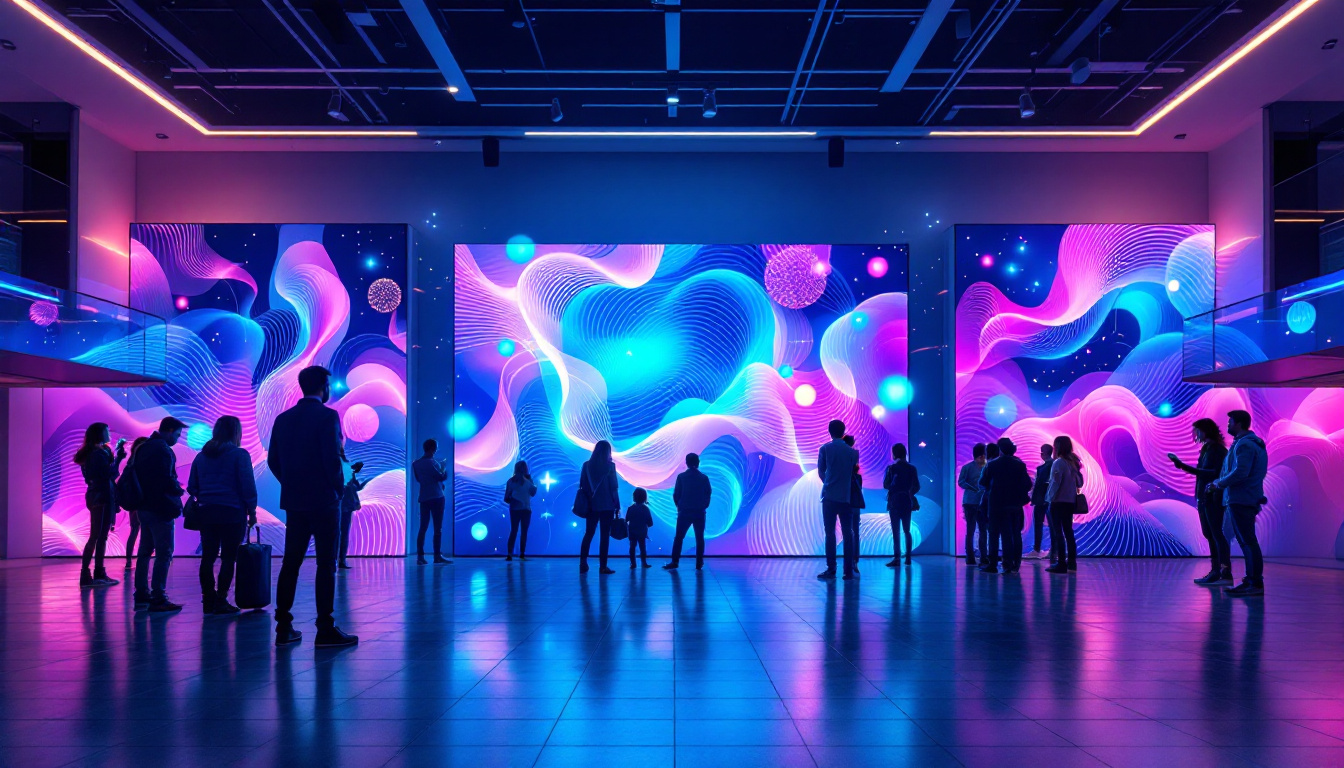
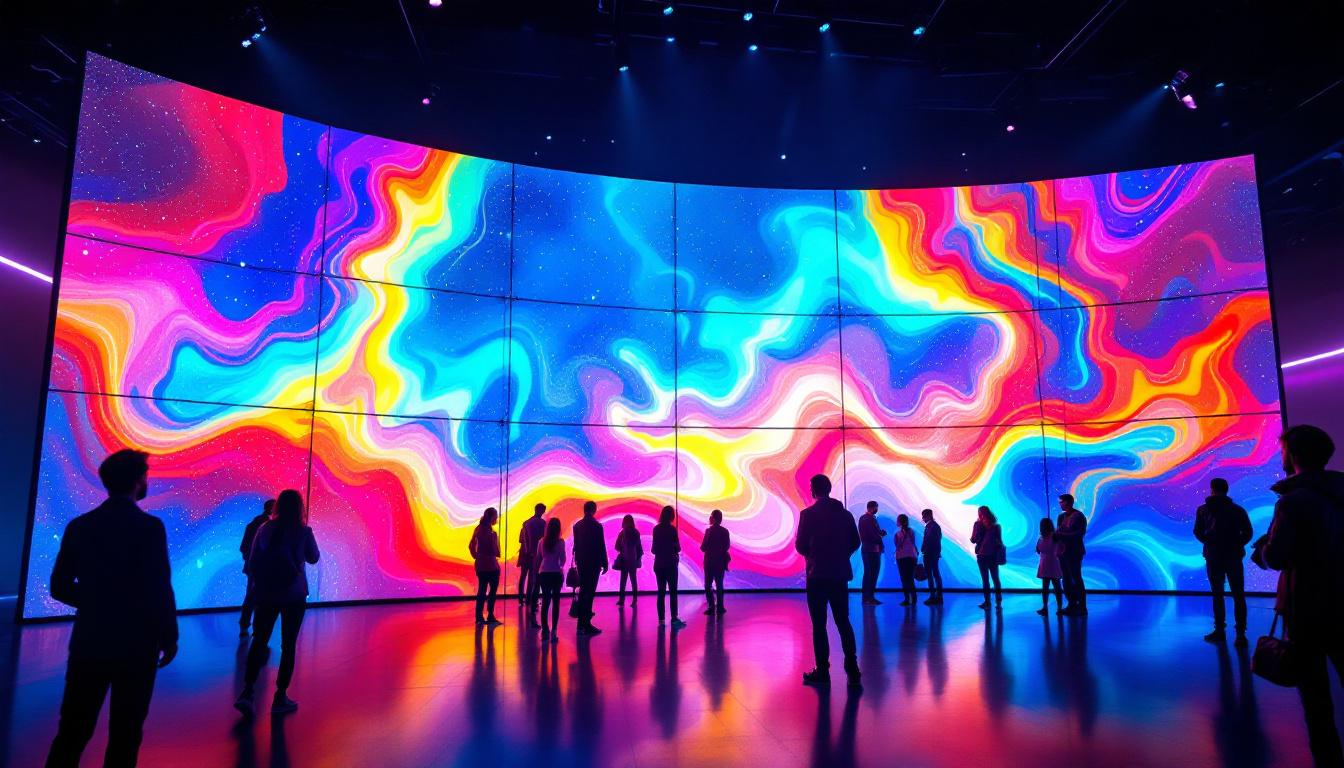
- Video Walls: Large-scale LED installations composed of multiple panels tiled together to create expansive, immersive visuals.
- Transparent LED Displays: Innovative displays that allow light to pass through, enabling layering of digital content over physical artifacts without obstructing the view.
- Flexible LED Screens: Curved or bendable displays that can be integrated into unique exhibit shapes, enhancing the aesthetic and engagement factor.
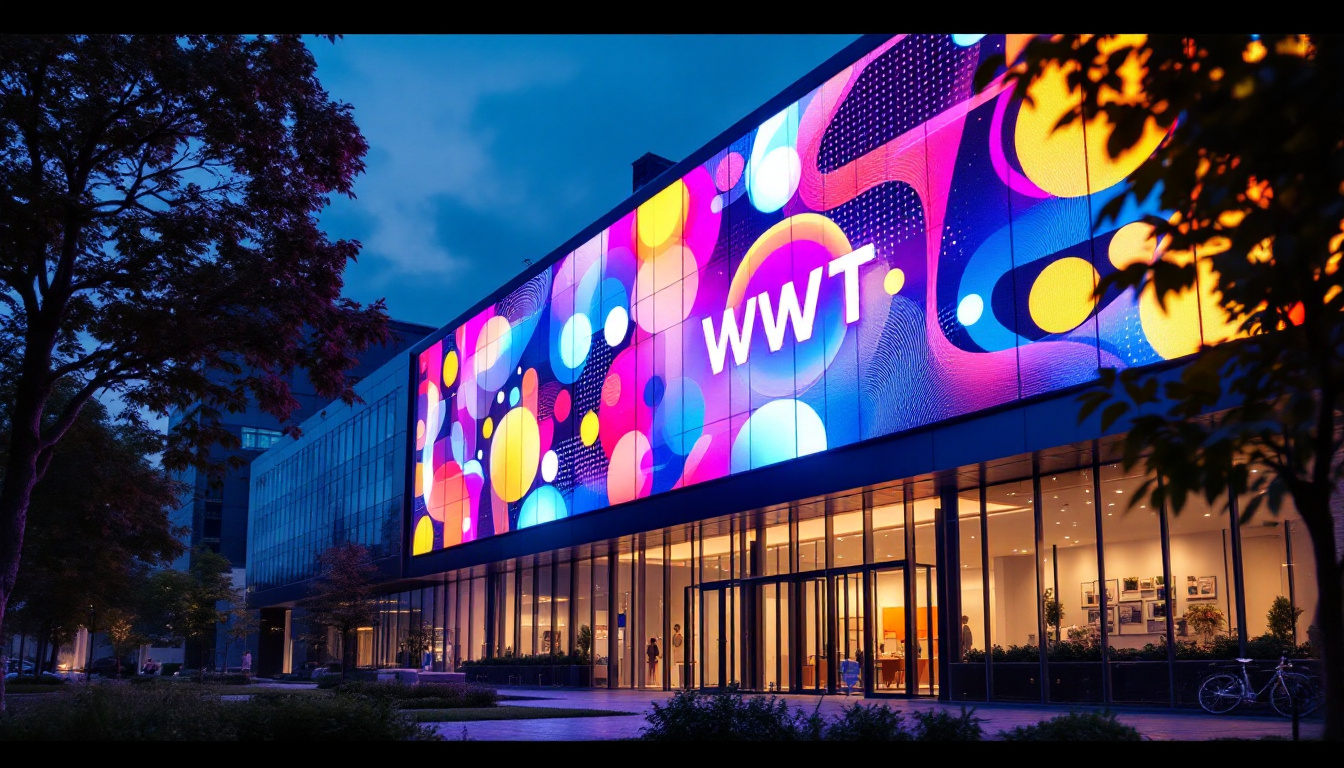
In addition to these types, museums are increasingly exploring the use of outdoor LED displays to attract visitors from afar. These robust screens are designed to withstand various weather conditions while delivering vibrant content that can be seen even in bright sunlight. Outdoor LED displays can serve as dynamic billboards, showcasing upcoming exhibitions or events, and can be programmed to change content throughout the day, keeping the information fresh and engaging. Furthermore, some museums are beginning to incorporate augmented reality (AR) features into their LED displays, allowing visitors to interact with digital elements overlaid on real-world artifacts, thus creating a more immersive educational experience.
The integration of LED technology in museums not only enhances the visual appeal but also plays a crucial role in storytelling. By utilizing high-definition visuals and dynamic content, museums can create narratives that resonate with visitors on a deeper level. For instance, a historical exhibit might use LED displays to animate scenes from the past, providing context and bringing history to life. This innovative approach to display technology helps museums connect with diverse audiences, making learning more accessible and engaging for all age groups.
Why LED Displays Are Transforming Museum Experiences
Enhanced Visual Engagement
One of the primary advantages of LED displays is their exceptional brightness and color accuracy. Museums often face challenges with lighting conditions, especially when preserving sensitive artifacts that require low ambient light. LED displays can compensate by offering vivid visuals that stand out even in dim environments, drawing visitors’ attention effectively.
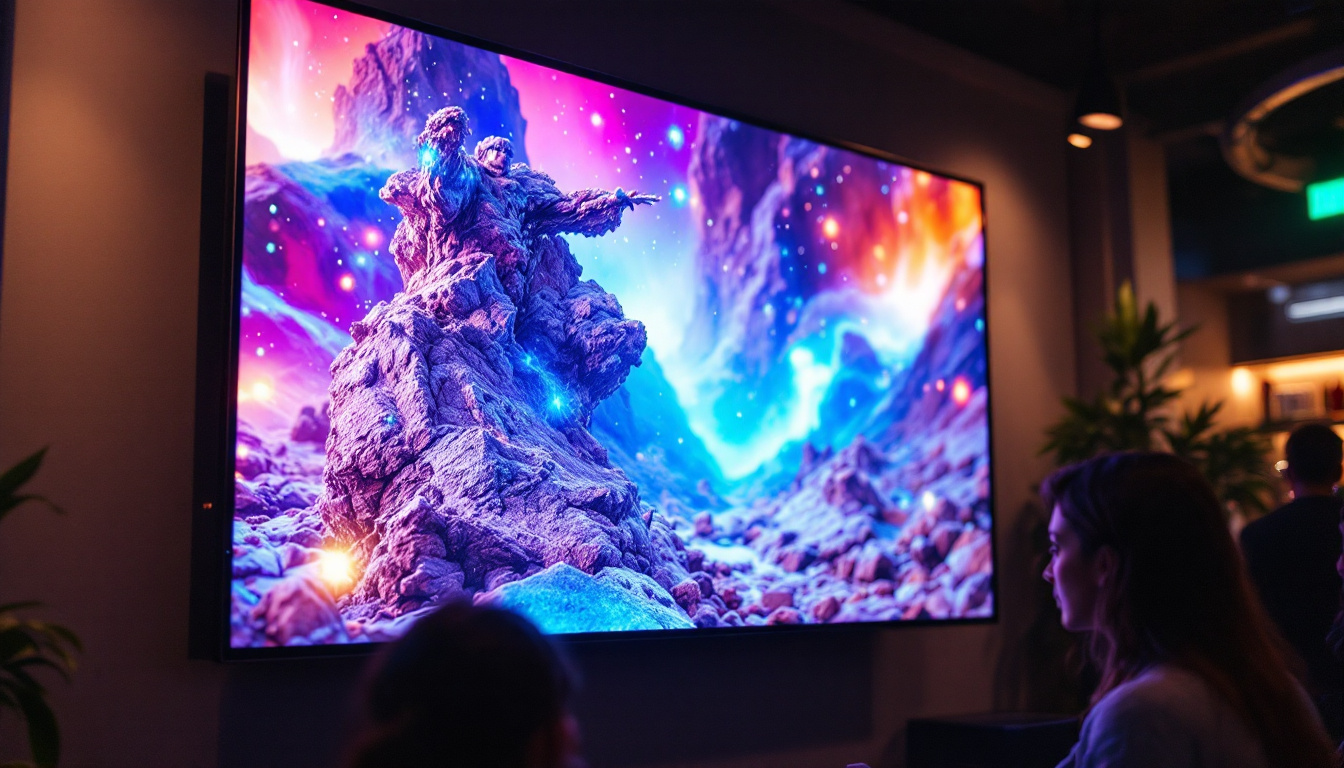
Moreover, the ability to display dynamic content such as animations, interactive maps, and videos transforms static exhibits into living stories. For example, a museum showcasing ancient civilizations can use LED displays to animate archaeological sites, reconstruct artifacts digitally, or simulate historical events, providing visitors with a richer understanding.
Interactivity and Personalization
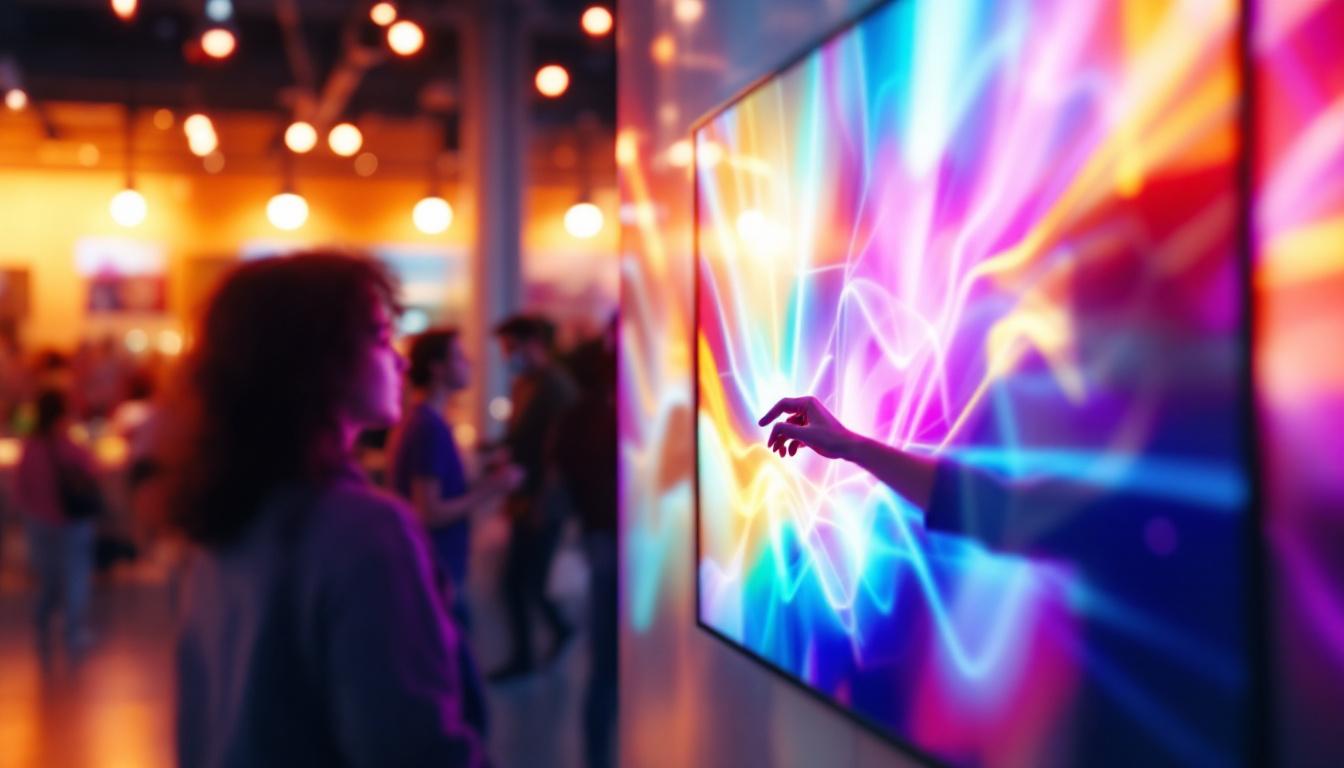
Interactivity is a game-changer in museum education. LED touchscreens and motion-sensitive displays allow visitors to explore content at their own pace and according to their interests. This personalized approach caters to diverse learning styles and age groups, making museums more inclusive.
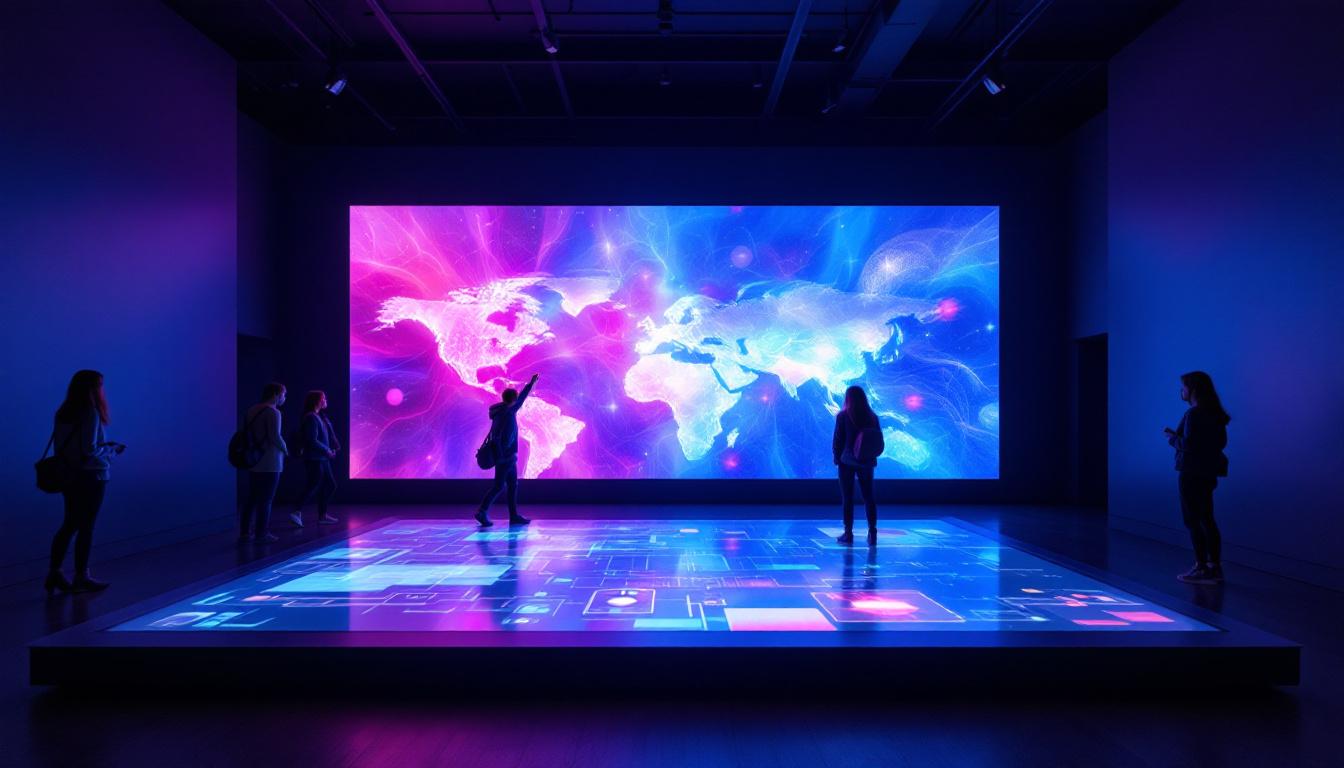
Some museums have implemented multi-user LED tables where groups can collaborate on interactive puzzles or quizzes related to the exhibit. This social dimension enhances engagement and encourages deeper learning through discussion and shared discovery.
Durability and Energy Efficiency
Museums require technology that can withstand heavy daily use and operate efficiently over long hours. LED displays offer superior durability compared to older display technologies like LCD or plasma. Their solid-state design is less prone to damage, and they consume significantly less energy, aligning with many museums’ sustainability goals.
Practical Applications of LED Displays in Museums
Interactive Exhibit Labels
Traditional exhibit labels provide basic information, but LED displays can offer much more. Interactive labels can display multilingual content, detailed descriptions, videos, and even augmented reality overlays. Visitors can tap on different parts of the display to learn about specific features, making the experience more engaging and informative.
Immersive Storytelling Environments
LED video walls are increasingly used to create immersive environments that transport visitors to different times and places. For instance, the Smithsonian National Museum of Natural History employs massive LED walls to simulate prehistoric landscapes, complete with moving dinosaurs and changing weather patterns. Such installations heighten emotional connection and make learning unforgettable.
Wayfinding and Visitor Information
Large museums often challenge visitors with complex layouts. LED displays strategically placed near entrances and key junctions can provide interactive maps, event schedules, and personalized recommendations. These displays improve visitor flow and satisfaction by making navigation intuitive and stress-free.
Temporary and Traveling Exhibits
LED displays’ modularity and portability make them ideal for temporary exhibitions and traveling shows. Museums can quickly install and dismantle LED setups, adapting content for different venues without compromising quality. This flexibility supports collaboration between institutions and broadens access to unique exhibits.
Case Studies: LED Displays Making an Impact
The Museum of Modern Art (MoMA), New York
MoMA has integrated LED displays into several exhibits to showcase digital art and interactive installations. One notable example is the use of transparent LED screens that overlay digital animations onto physical sculptures, creating a dialogue between traditional and contemporary art forms. These displays have enhanced visitor engagement, particularly among younger audiences who appreciate the blend of technology and creativity.
The British Museum, London
The British Museum uses large LED video walls to reconstruct historical sites such as the ancient city of Babylon. Visitors can walk through these digital recreations, exploring architectural details and cultural narratives that would otherwise be impossible to experience firsthand. The immersive quality of these LED installations has increased visitor dwell time and educational impact.
The National Museum of Australia, Canberra
This museum employs interactive LED touch tables in its Indigenous cultures gallery. Visitors can explore stories, artifacts, and multimedia content by interacting with the tables, which support multi-touch gestures and group collaboration. The technology has helped the museum present complex cultural narratives in an accessible and respectful manner.
Challenges and Considerations When Implementing LED Displays
Cost and Budget Constraints
While LED technology offers many benefits, initial investment costs can be significant, especially for large-scale installations. Museums must balance the desire for cutting-edge displays with budget realities. However, the long-term savings in maintenance and energy consumption often justify the upfront expenditure.
Content Development and Maintenance
LED displays require high-quality, engaging content to realize their full potential. Museums need skilled digital content creators and curators who can design interactive experiences that align with educational goals. Additionally, ongoing maintenance and software updates are essential to keep displays functioning smoothly and content relevant.
Preservation Concerns
Integrating bright LED displays near sensitive artifacts requires careful planning to avoid damage from heat or light exposure. Museums must work with conservation experts to ensure that technology enhances rather than compromises artifact preservation.
The Future of LED Displays in Museums
As LED technology continues to advance, its applications in museums will expand further. Emerging trends include ultra-high-resolution microLED displays that offer even greater detail and energy efficiency, as well as integration with artificial intelligence to provide adaptive, personalized visitor experiences.
Moreover, the convergence of LED displays with augmented reality (AR) and virtual reality (VR) technologies promises to create hybrid experiences that blend physical and digital worlds seamlessly. Museums that embrace these innovations will be well-positioned to attract diverse audiences, foster lifelong learning, and remain relevant in an increasingly digital society.
Conclusion
Interactive LED displays are transforming museums from passive repositories into dynamic learning environments. Their ability to deliver vivid visuals, support interactivity, and adapt to diverse content needs makes them invaluable tools for modern museums. While challenges exist, the benefits in visitor engagement, educational impact, and operational efficiency are compelling.
For museums aiming to enhance their exhibits and connect with contemporary audiences, investing in LED display technology represents a forward-thinking strategy. As the technology evolves, it will continue to open new possibilities for storytelling, education, and cultural preservation, ensuring that museums remain vibrant centers of discovery for generations to come.
Discover the Future of Museum Exhibits with LumenMatrix
Ready to elevate your museum’s exhibit experience with the latest in LED display technology? LumenMatrix is at the forefront of creating immersive and interactive visual experiences that captivate and educate audiences. From Indoor and Outdoor LED Wall Displays to specialized solutions like Vehicle, Sports, and Floor LED Displays, our products are designed to bring your exhibits to life. Embrace the future of storytelling and visitor engagement with our Custom, All-in-One, and Transparent LED Displays. Check out LumenMatrix LED Display Solutions today and transform your museum into a dynamic center of discovery.