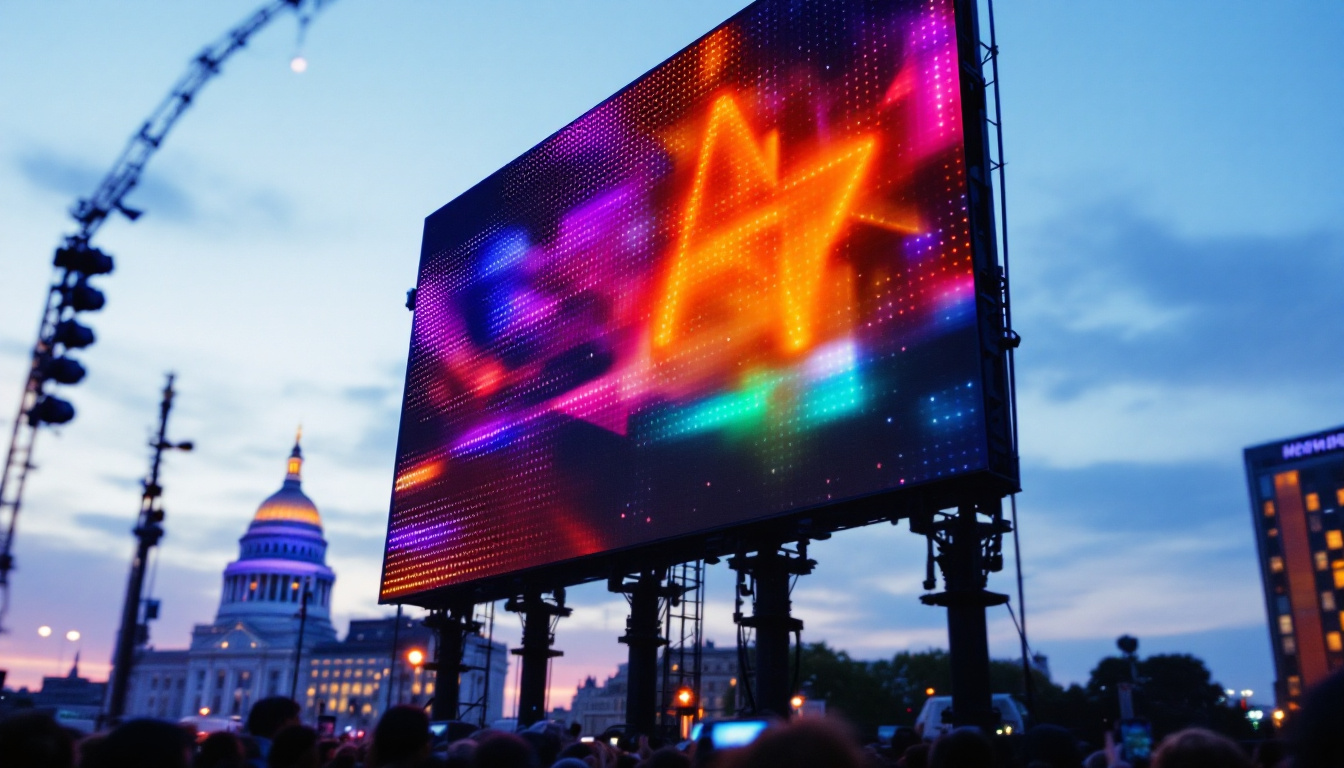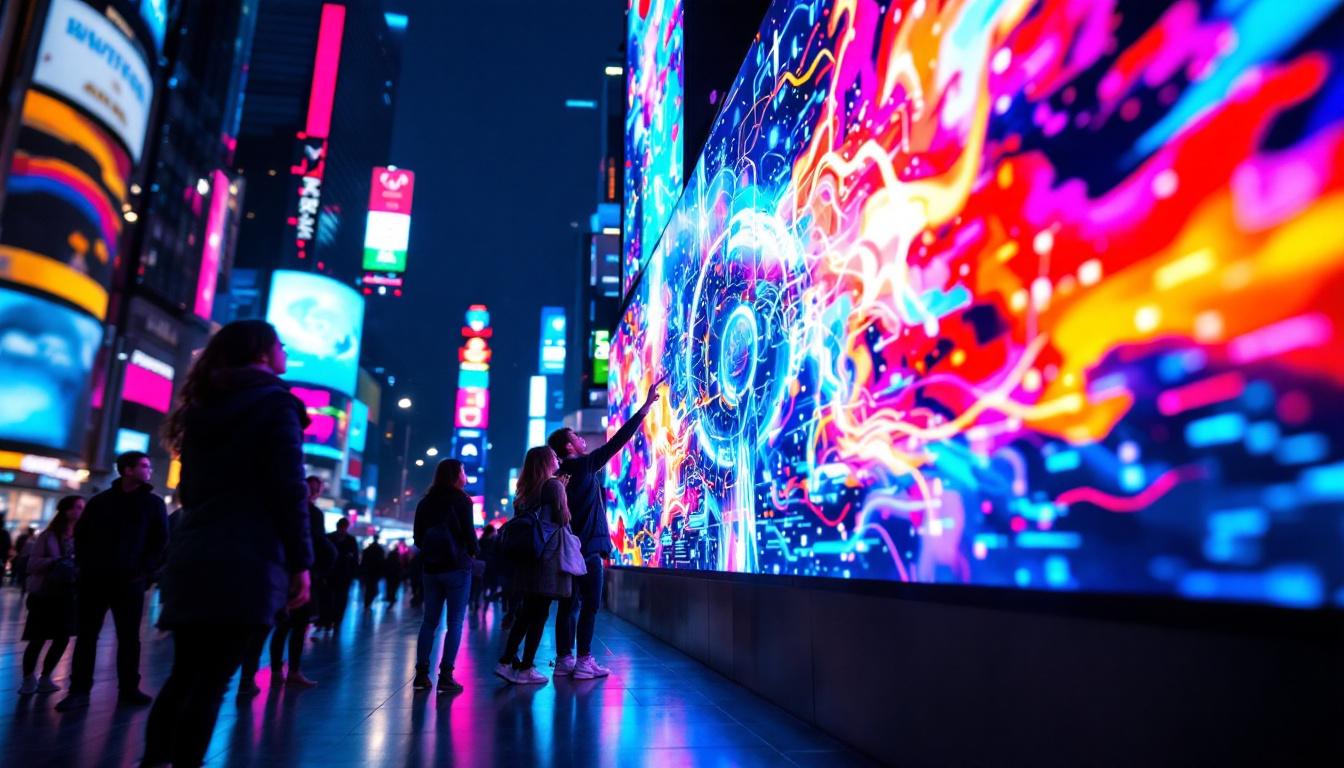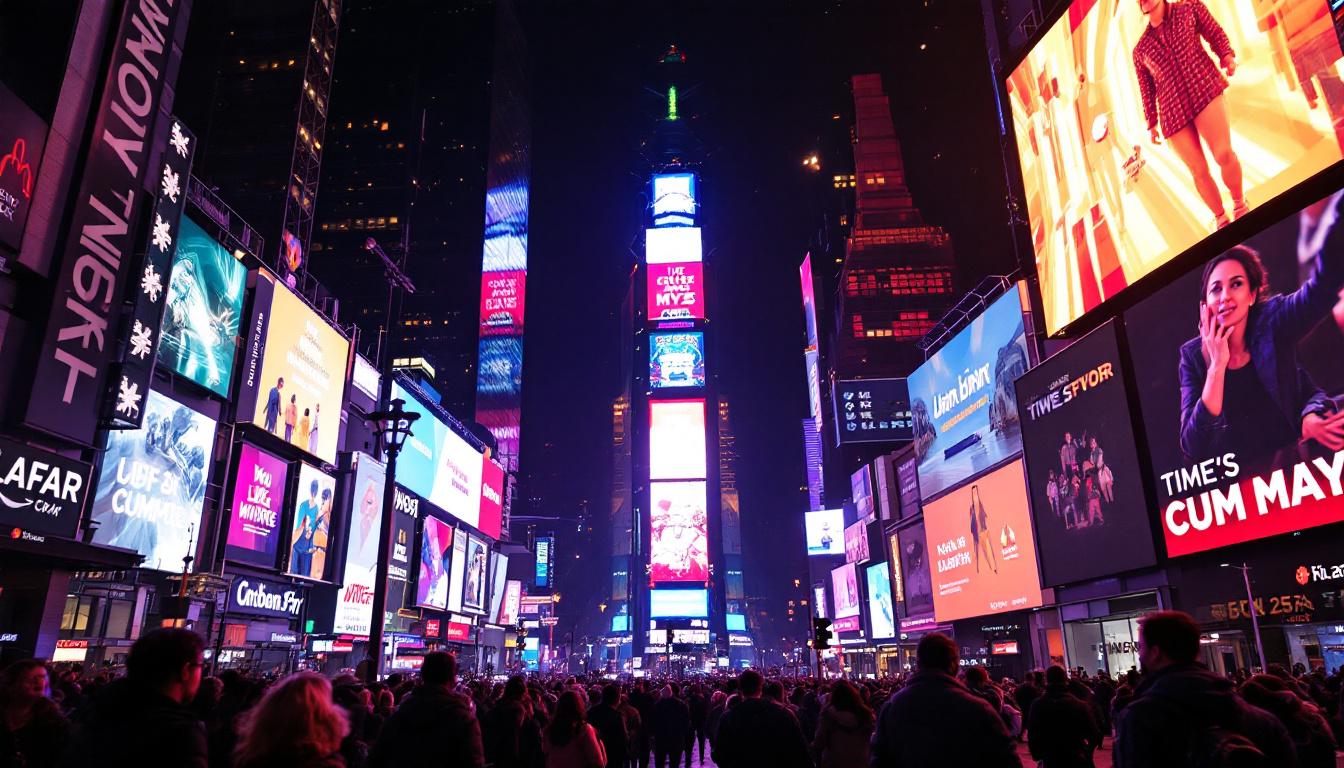
Times Square in New York City is often described as “The Crossroads of the World,” and for good reason. It is one of the most iconic and bustling commercial intersections globally, attracting over 330,000 pedestrians daily. Central to its vibrant atmosphere are the dazzling LED displays that light up the area, transforming it into a dynamic canvas of advertising innovation. This article delves into the world of Times Square advertising, with a particular focus on the technology, impact, and future of LED displays in this unique urban environment.
The Evolution of Times Square Advertising
Times Square’s advertising legacy dates back to the early 20th century, beginning with illuminated signs and progressing to the neon lights that defined mid-century New York. However, the transformation from traditional neon to LED technology marked a significant leap in the visual and functional capabilities of outdoor advertising.
LED (Light Emitting Diode) displays began to replace neon signs in the late 1990s and early 2000s, offering brighter, more energy-efficient, and versatile options. Unlike neon, which relies on gas-filled tubes, LEDs use semiconductor technology to emit light, allowing for a broader range of colors, dynamic content, and interactive possibilities.
This shift was not just technological but also strategic. Advertisers and city planners recognized the potential of LED displays to captivate audiences with high-resolution, animated content that could be updated in real-time. Times Square embraced this change, becoming the world’s premier hub for LED advertising.
From Static to Dynamic: A Paradigm Shift
Before LEDs, Times Square was dominated by static or limited-motion billboards. The introduction of LED displays enabled advertisers to create engaging, multimedia experiences that could tell stories, launch campaigns, and interact with passersby. This evolution has been pivotal in maintaining Times Square’s status as a top advertising destination.
Moreover, the integration of technology into advertising in Times Square has opened doors to innovative marketing strategies. Brands can now utilize data analytics to tailor their messages based on real-time audience demographics, weather conditions, or even trending social media topics. For instance, a clothing retailer might display ads featuring summer apparel on a sunny day, while promoting cozy winter wear during a cold snap. This level of responsiveness not only enhances viewer engagement but also maximizes the effectiveness of advertising campaigns.
Additionally, the iconic status of Times Square has made it a canvas for artistic expression. Many LED displays now incorporate elements of art, blurring the lines between advertising and creativity. Collaborations with artists and designers have resulted in visually stunning installations that draw attention and provoke thought, making the square not just a commercial hub but also a cultural landmark. This artistic approach to advertising has transformed the landscape of Times Square into a vibrant tapestry of light and color, captivating millions of visitors each year.
Understanding LED Display Technology in Times Square
LED displays in Times Square are complex, high-tech installations designed to withstand the city’s unique challenges, including weather, lighting conditions, and the sheer volume of viewers. Understanding how these displays work helps appreciate their impact and why they are favored over other advertising mediums.
How LED Displays Work
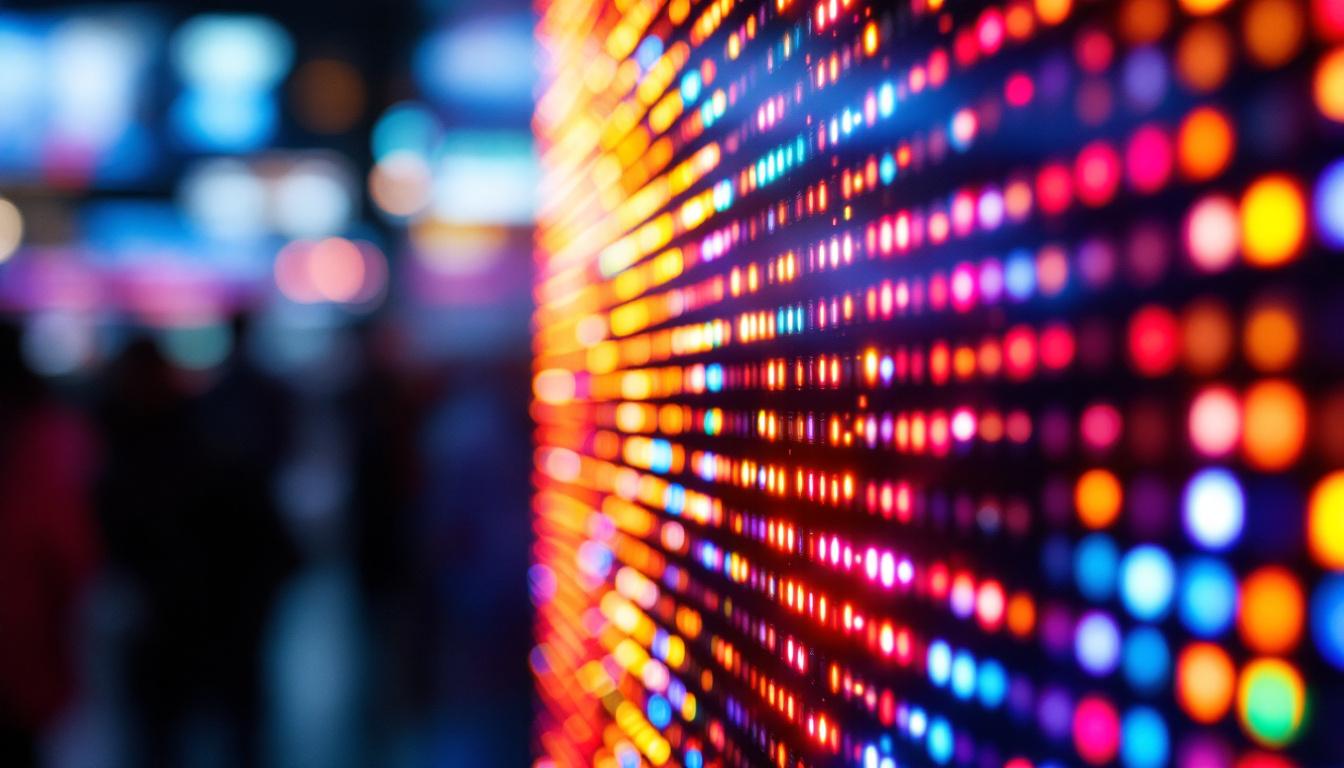
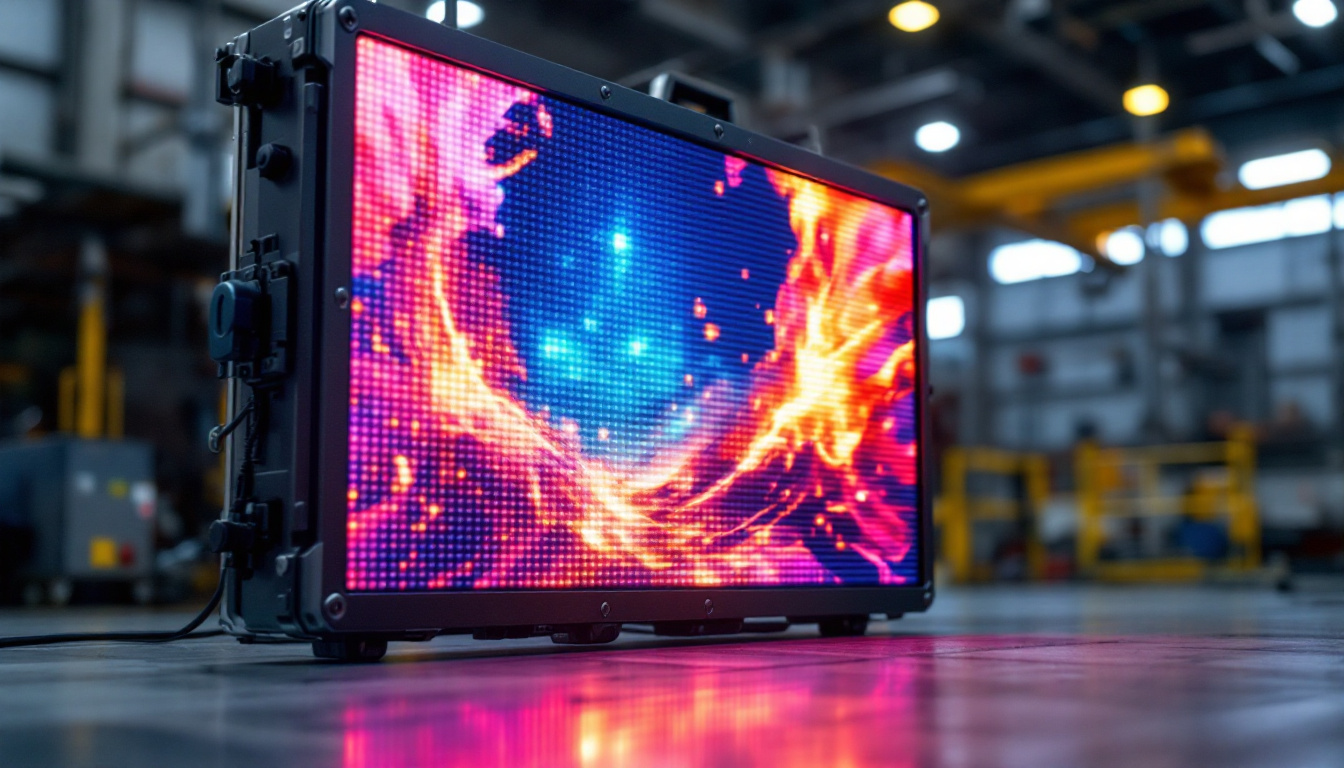
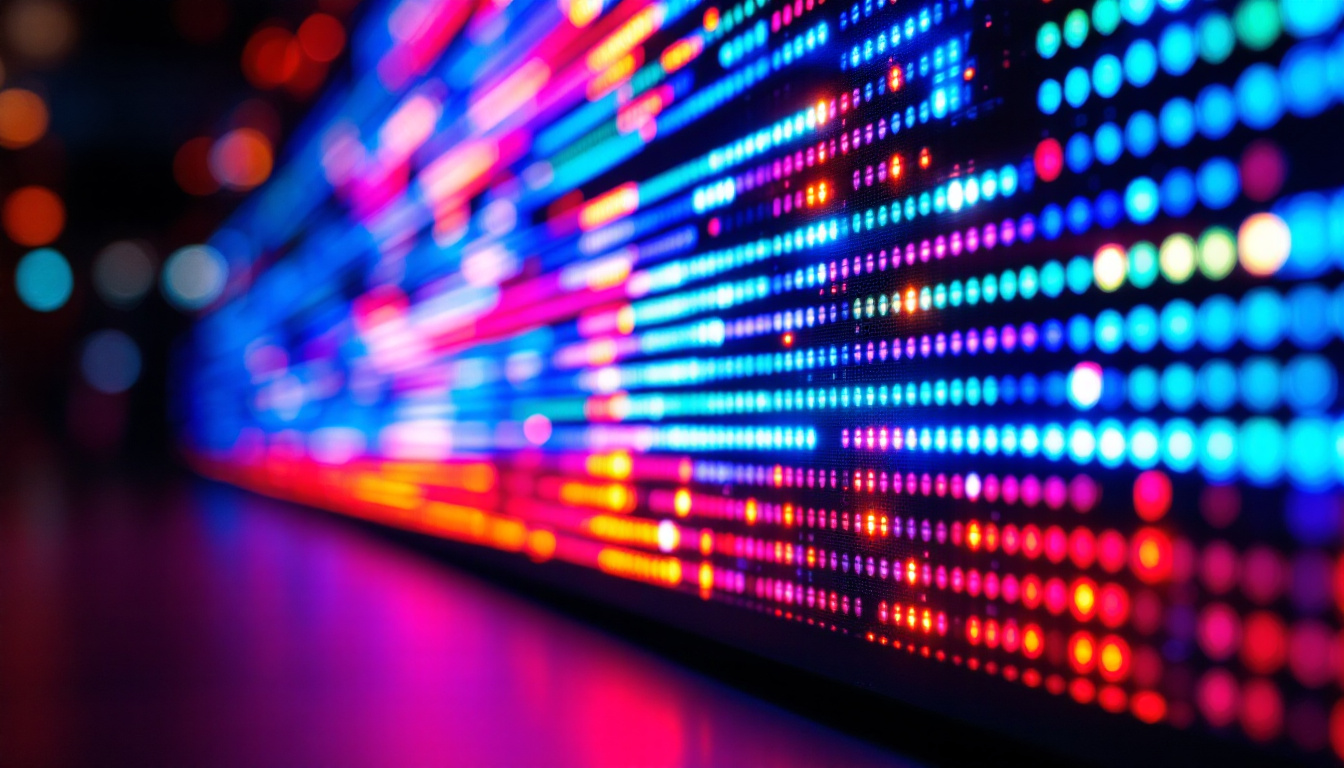
At their core, LED displays consist of numerous tiny light-emitting diodes arranged in a grid. Each diode can emit red, green, or blue light, and by varying the intensity of these colors, the display can produce millions of colors. The resolution and size of the display depend on the density of these diodes, measured in pixel pitch—the distance between each LED.
In Times Square, LED billboards often feature ultra-fine pixel pitches to deliver crisp, clear images even from a distance. Advanced control systems manage the content, allowing for seamless transitions between advertisements and real-time updates.
Key Features of Times Square LED Displays
- Brightness: LED displays in Times Square can reach brightness levels of up to 5,000 nits, ensuring visibility even in direct sunlight.
- Energy Efficiency: Compared to traditional neon or incandescent lighting, LEDs consume significantly less power, reducing operational costs and environmental impact.
- Durability: These displays are built to endure harsh weather conditions, including rain, snow, and extreme temperatures.
- Flexibility: Content can be changed instantly, allowing advertisers to tailor messages based on time of day, audience demographics, or special events.
Innovations Driving LED Advertising in Times Square
Recent advancements have further enhanced LED display capabilities. For example, the integration of 4K and even 8K resolution screens provides stunning visual fidelity. Additionally, some displays incorporate augmented reality (AR) elements and interactive features, engaging viewers in novel ways.
Artificial intelligence (AI) is also playing a role, enabling real-time content optimization based on audience analytics, weather conditions, or social media trends. These innovations ensure that Times Square remains at the forefront of advertising technology.
The Impact of LED Advertising on Brands and Audiences
LED advertising in Times Square is more than just flashy visuals; it is a powerful marketing tool that delivers measurable results. The combination of location, technology, and audience diversity creates a unique environment for brand storytelling and consumer engagement.
Unmatched Visibility and Reach
Times Square attracts millions of visitors annually, including tourists, commuters, and locals. This diverse foot traffic provides advertisers with unparalleled exposure. According to the Times Square Alliance, the area sees approximately 1.5 million visitors on weekends, making it a prime location for brands seeking broad reach.
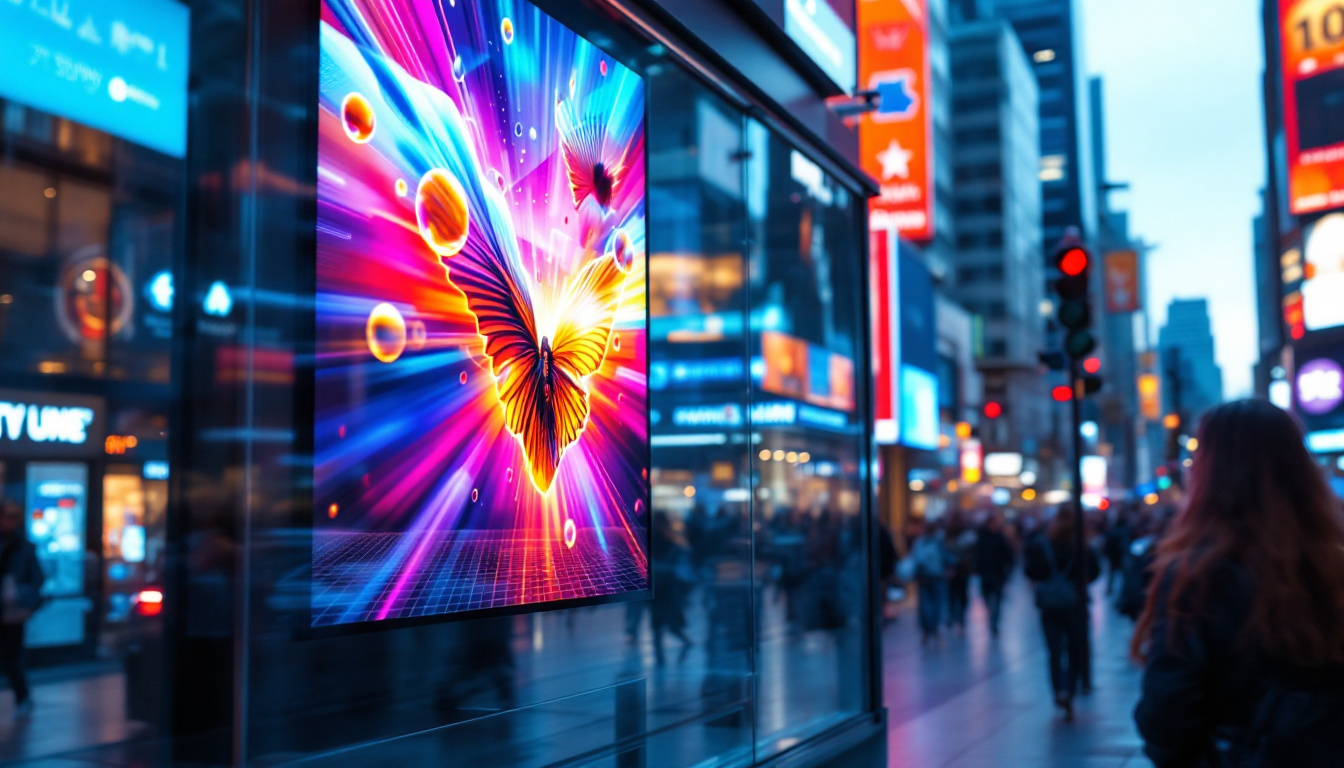
The high brightness and dynamic nature of LED displays ensure that advertisements stand out amid the urban clutter, capturing attention effectively. Brands like Coca-Cola, Samsung, and Disney have leveraged Times Square’s LED billboards to launch global campaigns, often synchronizing their digital and physical marketing efforts.
Emotional and Experiential Engagement
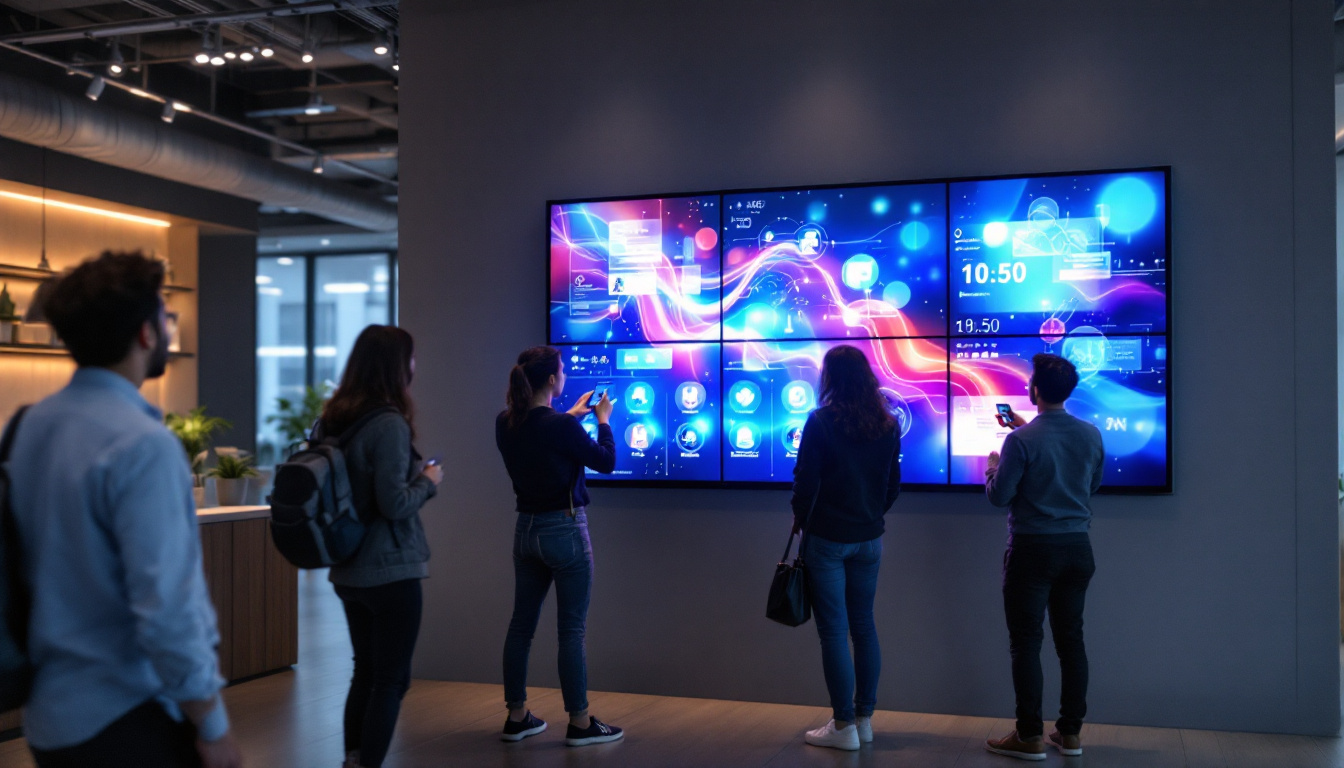
LED displays enable brands to create immersive experiences that resonate emotionally with audiences. For instance, interactive campaigns that respond to real-time data or user input can foster a sense of connection and participation.
One notable example is the annual New Year’s Eve Ball Drop, where LED screens around Times Square play a crucial role in building anticipation and excitement. Advertisers also use these displays to celebrate cultural moments, holidays, and social causes, enhancing their brand’s relevance and goodwill.
Measuring Effectiveness and ROI
While traditional billboards offered limited data on audience engagement, LED advertising in Times Square benefits from digital analytics. Technologies such as facial recognition (used ethically and anonymously), mobile device tracking, and social media monitoring provide insights into viewer demographics, dwell time, and interaction rates.
This data-driven approach allows advertisers to optimize campaigns, measure return on investment (ROI), and justify the premium costs associated with Times Square advertising. Recent studies indicate that LED billboard campaigns in Times Square can increase brand recall by up to 30% compared to static billboards.
Challenges and Considerations in Times Square LED Advertising
Despite its advantages, advertising in Times Square via LED displays involves unique challenges that brands and advertisers must navigate carefully.
High Costs and Competitive Space
Advertising in Times Square is among the most expensive outdoor advertising in the world. Premium locations with high foot traffic command prices ranging from $1.1 million to over $4 million for a 4-week campaign, depending on size and placement.
This high cost necessitates strategic planning to ensure that campaigns deliver sufficient impact and ROI. Additionally, the intense competition for space means advertisers must differentiate their content creatively and technologically.
Regulatory and Environmental Constraints
The City of New York enforces strict regulations on signage, including brightness limits, content restrictions, and operational hours to minimize light pollution and ensure public safety. Advertisers must comply with these rules, which can affect creative freedom and scheduling.
Environmental sustainability is also a growing concern. While LEDs are energy-efficient, the cumulative energy consumption of thousands of displays is significant. Efforts to incorporate renewable energy sources and optimize power usage are ongoing.
Technical Maintenance and Upkeep
Maintaining LED displays in a high-traffic, outdoor environment requires regular technical support. Issues such as pixel failure, weather damage, and software glitches can impact display quality and brand reputation.
Leading advertisers invest in robust maintenance contracts and remote monitoring systems to ensure continuous operation and quick resolution of problems.
The Future of LED Advertising in Times Square
As technology evolves and urban landscapes change, the future of LED advertising in Times Square looks promising and transformative.
Integration with Smart City Technologies
Times Square is part of New York City’s broader smart city initiatives, which aim to enhance urban living through technology. LED displays are expected to integrate more deeply with these systems, enabling real-time data exchange, personalized advertising, and enhanced public services.
For example, displays could adapt content based on traffic patterns, weather alerts, or emergency notifications, providing both commercial and civic value.
Immersive and Interactive Experiences
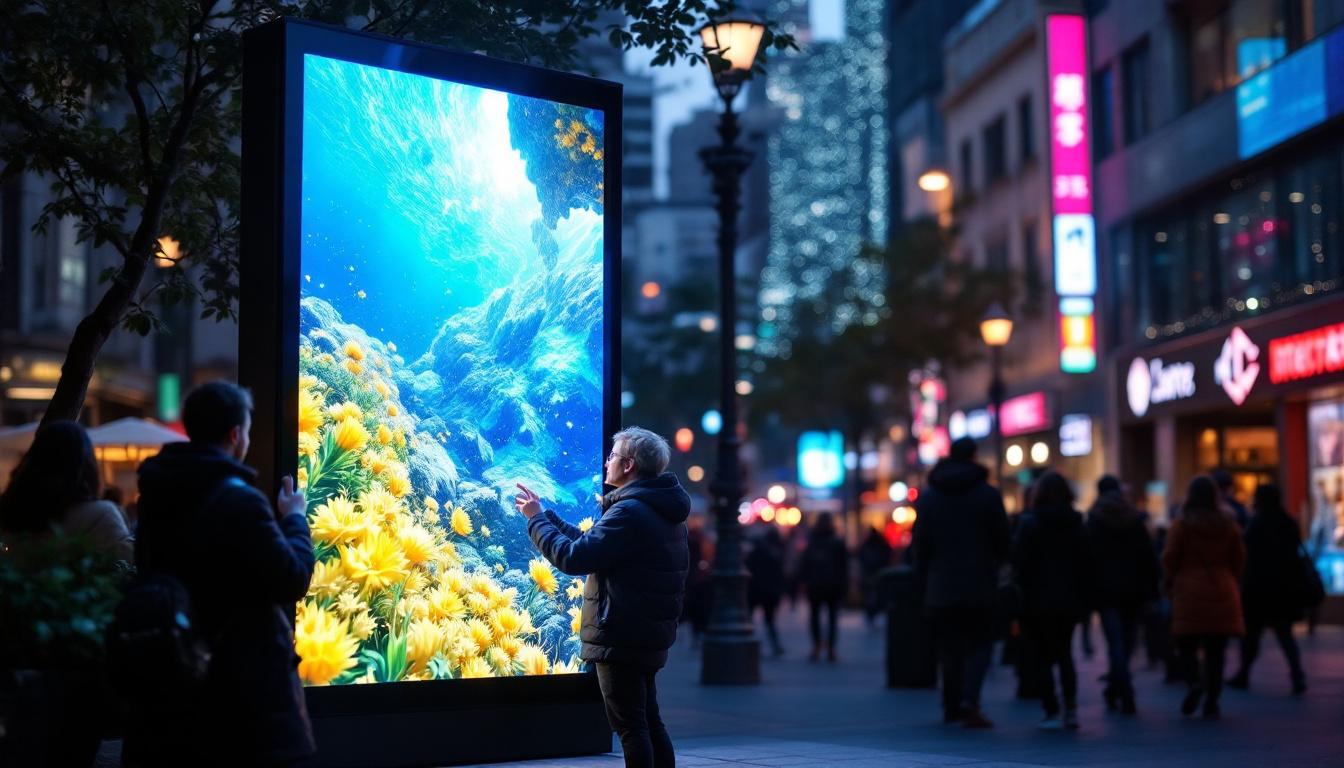
Future LED installations will likely incorporate more immersive technologies such as holography, 3D visuals, and augmented reality. These innovations will allow advertisers to create captivating experiences that blur the line between physical and digital worlds.
Interactive elements, such as gesture recognition or mobile device integration, will enable personalized engagement, making advertising more relevant and memorable.
Sustainability and Energy Innovation
Environmental considerations will drive innovations in energy-efficient LED technology, including the use of solar power, advanced materials, and smart energy management systems. These developments will help reduce the carbon footprint of Times Square’s advertising ecosystem while maintaining visual impact.
Conclusion
LED advertising in Times Square represents a remarkable fusion of technology, creativity, and urban culture. It has revolutionized outdoor advertising by providing brands with a powerful platform to reach diverse audiences through vibrant, dynamic content. Despite challenges such as cost and regulation, LED displays remain central to Times Square’s identity as a global advertising hub.
Looking ahead, continued innovation promises even more engaging, sustainable, and integrated advertising experiences. For marketers, understanding the nuances of LED technology and the unique environment of Times Square is essential to harnessing its full potential and making an unforgettable impact in the world’s most famous commercial intersection.
Illuminate Your Brand with LumenMatrix
As you consider the unparalleled advantages of LED advertising in Times Square, imagine what LumenMatrix can do for your brand. Our commitment to innovation in LED display technology is unmatched, offering an array of solutions from Indoor and Outdoor LED Wall Displays to niche products like Vehicle LED Displays and LED Sports Displays. Whether you’re looking to create a custom LED spectacle or seeking a versatile All-in-One LED Display, LumenMatrix is your partner in crafting visual experiences that are as unforgettable as Times Square itself. Check out LumenMatrix LED Display Solutions today and let us help you share your message with the world in the most vibrant and impactful way.