In today’s fast-paced digital marketplace, the ability to customize products visually before purchase has become a significant competitive advantage. Among the many industries embracing this trend, LED display manufacturing and sales stand out as a prime example. Visual product configurators have revolutionized how businesses and customers interact with LED display products, enabling tailored solutions that meet precise needs. This article explores the concept of visual product configurators in the context of LED displays, explaining their benefits, technological underpinnings, and practical applications.
Understanding Visual Product Configurators
What Is a Visual Product Configurator?
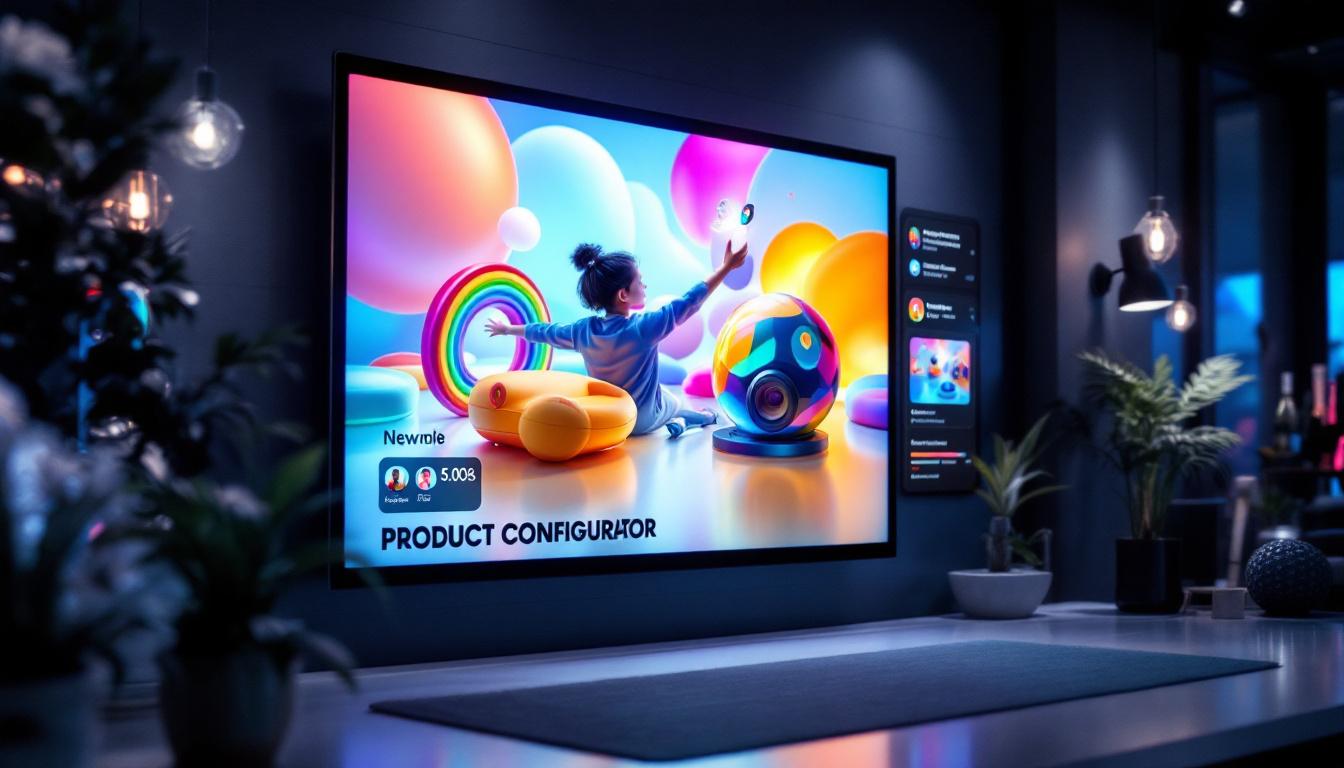
A visual product configurator is an interactive software tool that allows users to customize a product’s features and see the changes in real-time through a graphical interface. Unlike traditional product customization methods, which rely on static images or textual descriptions, visual configurators provide a dynamic, 3D or 2D representation of the product as it is being configured.
This technology is particularly valuable for complex products with multiple customizable options, such as LED displays. Customers can adjust size, resolution, pixel pitch, frame design, and other specifications while immediately visualizing how these changes affect the final product. The immediacy of feedback not only enhances the user experience but also fosters creativity, allowing customers to experiment with various configurations that they may not have considered otherwise.
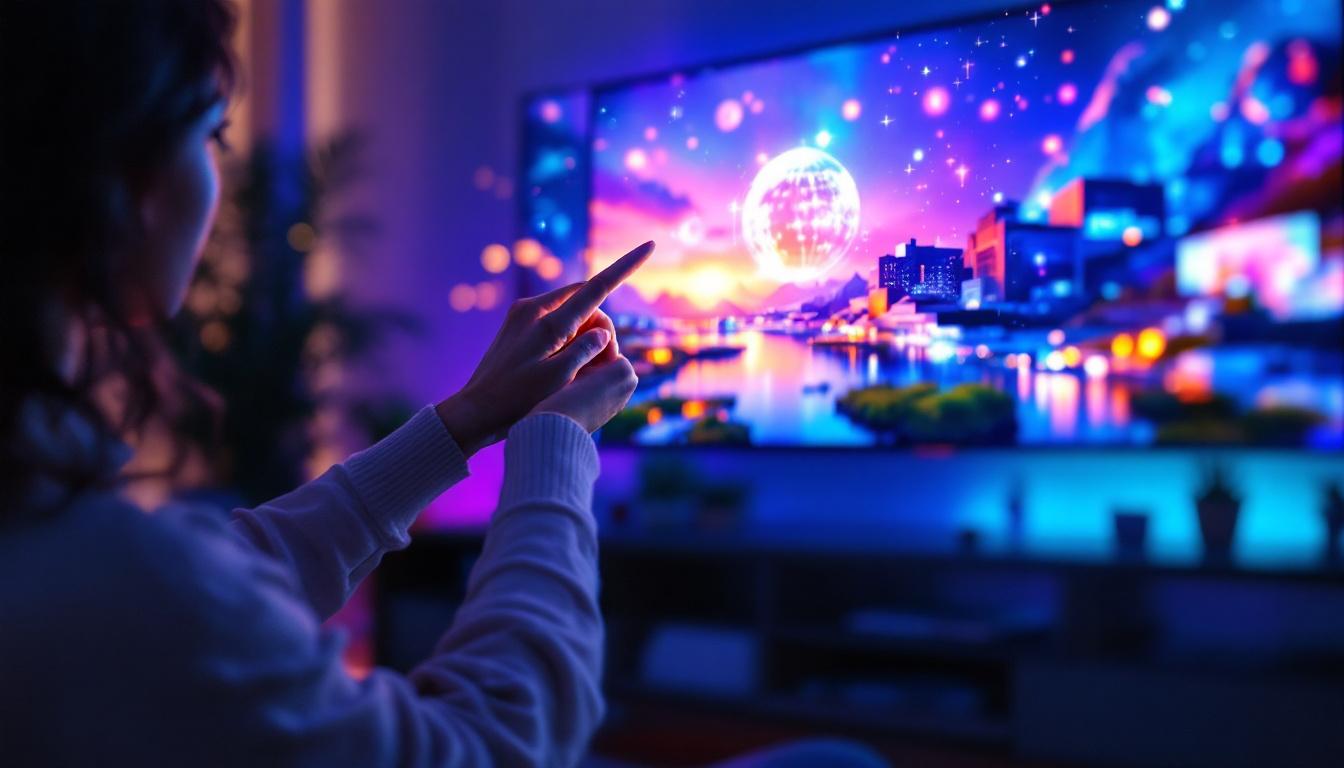
Moreover, visual configurators often incorporate advanced technologies such as augmented reality (AR) and virtual reality (VR), which can further enrich the customization experience. By using AR, customers can visualize how the product would look in their intended environment, providing a more immersive and realistic preview. This level of interactivity can be particularly beneficial in industries where aesthetics and context are crucial, such as interior design or event planning.
Why Visual Configurators Matter for LED Displays
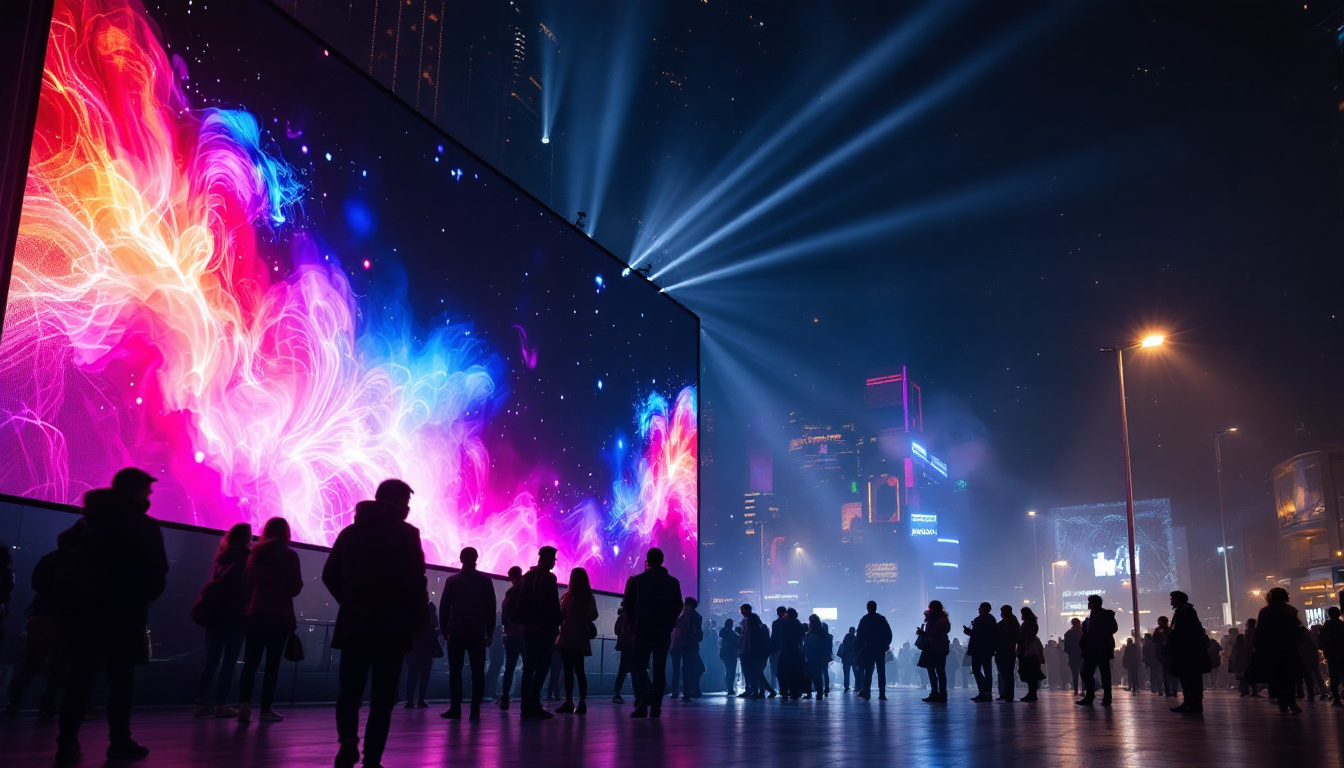
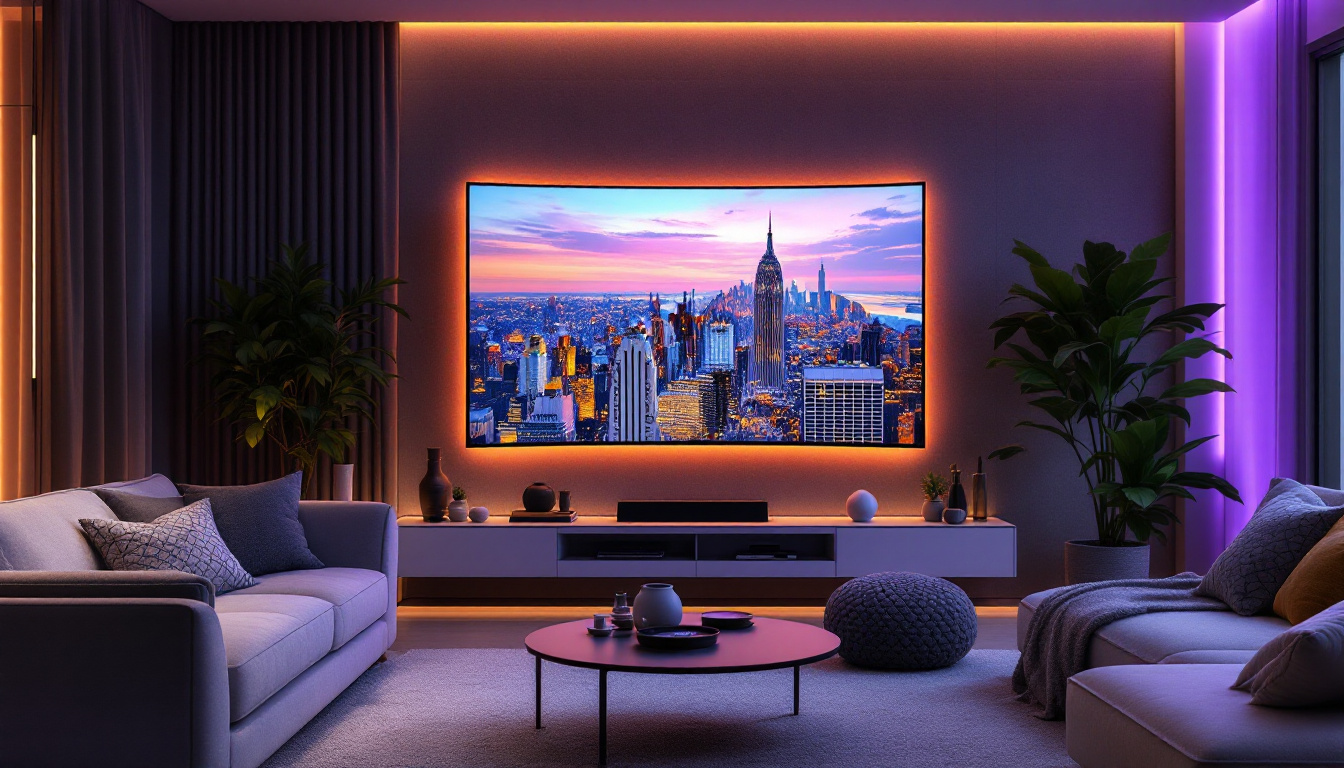
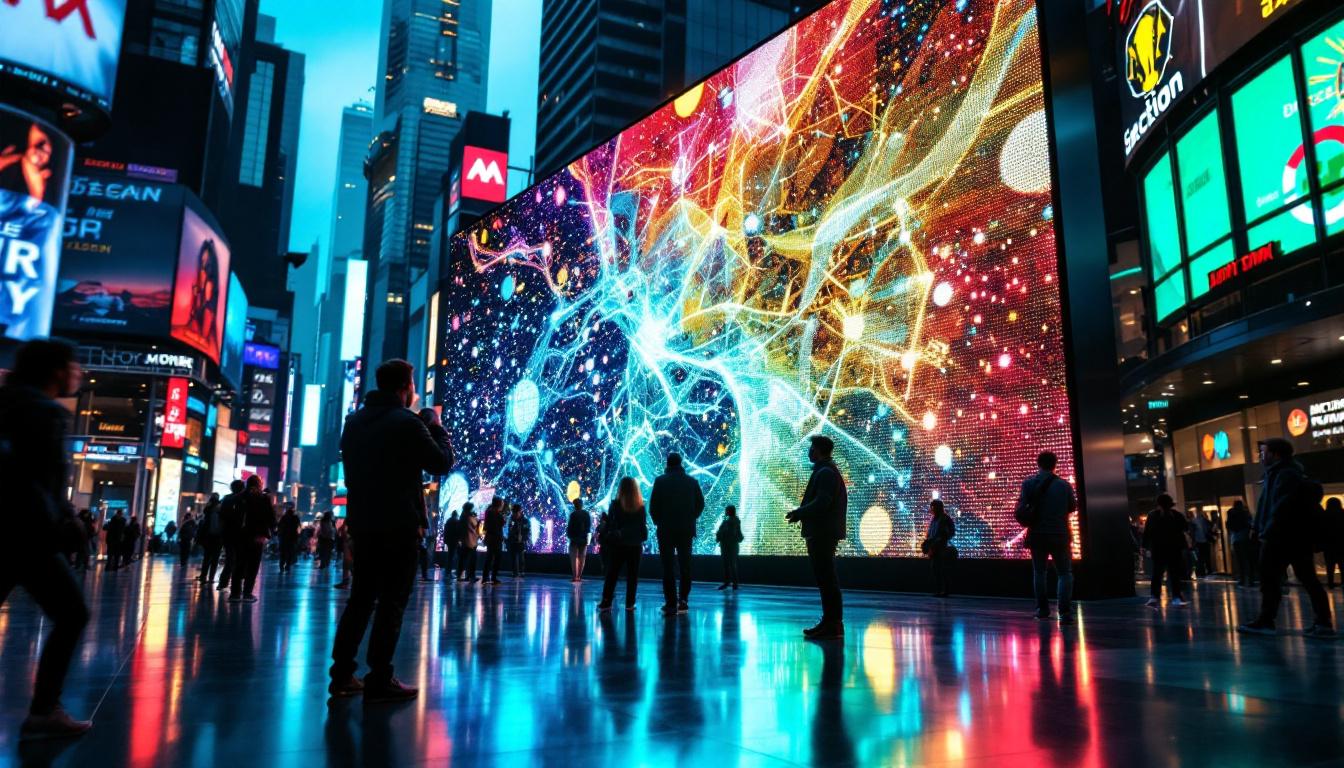
LED displays are highly versatile products used in various applications, including advertising billboards, event screens, retail signage, and architectural installations. Each use case demands different specifications, and the cost implications of these choices can be significant.
Visual configurators empower customers to make informed decisions by demonstrating the impact of each customization on performance and appearance. This reduces the risk of misunderstandings, streamlines the sales process, and enhances customer satisfaction. Additionally, by providing a platform for customers to visualize their choices, companies can reduce the number of returns and exchanges, as clients are more likely to be satisfied with their tailored products.
Furthermore, the data collected from visual configurators can offer valuable insights into customer preferences and trends. By analyzing which configurations are most popular, businesses can better align their offerings with market demand, optimize inventory, and even inform future product development. This feedback loop not only enhances the customer experience but also drives innovation within the company, ensuring that they remain competitive in a fast-paced market.
Key Features of LED Display Visual Configurators
Real-Time 3D Visualization
One of the most compelling features of LED display configurators is real-time 3D visualization. Customers can rotate, zoom, and interact with a lifelike model of the LED display, observing how changes in size, pixel density, or frame design affect the overall look and feel.
This immersive experience helps bridge the gap between technical specifications and user expectations, making it easier for non-experts to understand complex product details. By allowing users to visualize their selections in a virtual environment, configurators enhance the decision-making process, ensuring that clients can envision how the display will integrate into their specific spaces, whether for retail, events, or advertising. Additionally, the ability to simulate various lighting conditions can further aid in understanding how the display will perform in real-world scenarios.
Dynamic Specification Adjustment
Configurators typically allow users to modify essential specifications such as:
- Display dimensions: width, height, and aspect ratio
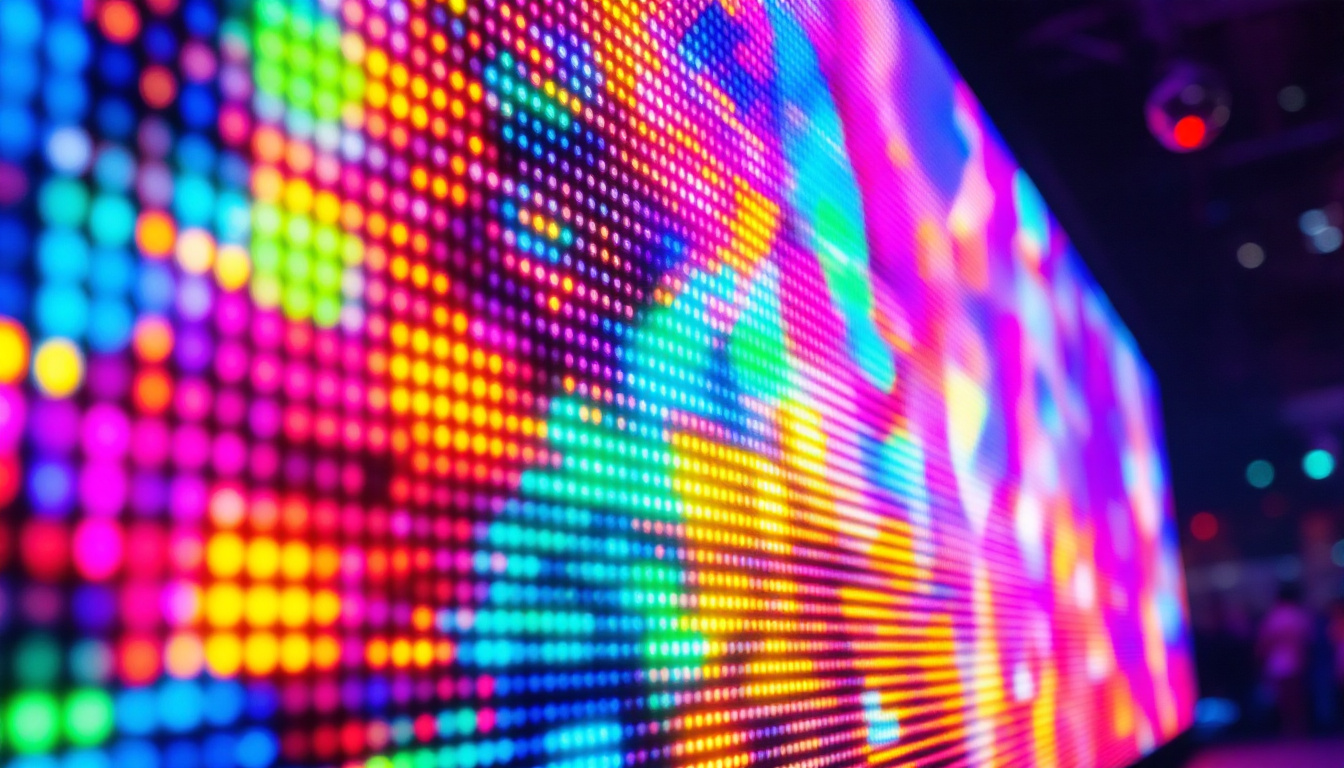
- Pixel pitch: the distance between LED pixels, affecting resolution and viewing distance
- Brightness and color options: tailored for indoor or outdoor use
- Frame and mounting options: including weatherproofing and structural support
Each adjustment updates the visual model and often recalculates pricing and technical feasibility in real-time. This dynamic capability not only empowers users to experiment with their designs but also allows for immediate feedback on how each choice impacts the overall project. For instance, a user may wish to explore different pixel pitches to see how it affects clarity from various distances, or they might adjust the frame design to better match their branding. Such flexibility encourages creativity and can lead to more personalized and effective display solutions.
Integration with Pricing and Inventory Systems
Advanced configurators are integrated with backend systems to provide accurate pricing based on selected options and current inventory availability. This feature ensures that customers receive up-to-date cost estimates and reduces the likelihood of ordering configurations that are out of stock or require long lead times.
Moreover, this integration often extends to project management tools, enabling users to save their configurations for future reference or share them with team members for collaborative decision-making. By streamlining the entire process from design to purchase, these configurators not only enhance user experience but also improve operational efficiency for businesses. As a result, companies can better manage their resources and reduce the time spent on revisions and approvals, leading to faster project turnaround times and increased customer satisfaction.
Benefits of Using Visual Product Configurators for LED Displays
Enhanced Customer Engagement and Satisfaction
Visual configurators create an engaging and interactive shopping experience. Customers are more likely to spend time exploring options and understanding product features, leading to higher satisfaction rates. According to a 2023 study by Deloitte, businesses that implemented visual configurators saw a 30% increase in customer engagement and a 25% boost in conversion rates.
For LED display manufacturers and resellers, this means fewer abandoned carts and more confident buyers.
Reduced Sales Cycle and Improved Accuracy
By enabling customers to visualize their exact requirements, configurators reduce the back-and-forth communication typically needed to clarify orders. This accelerates the sales cycle and minimizes errors caused by misinterpretation of specifications.
Moreover, sales teams can focus on higher-value activities rather than spending time manually creating quotes or correcting orders.
Customization at Scale
LED displays often require bespoke configurations to fit specific environments or branding needs. Visual configurators make it feasible to offer extensive customization options without overwhelming customers or sales staff.
As a result, companies can cater to a broader range of customer needs while maintaining operational efficiency.
Technical Considerations in Developing LED Display Configurators
3D Modeling and Rendering Technologies
Creating realistic and responsive 3D models is crucial for an effective configurator. Technologies such as WebGL, Three.js, and Unity WebGL enable browser-based 3D rendering without the need for additional plugins.
These tools allow for smooth interaction and high-fidelity visuals, which are essential for accurately representing LED display products.
User Interface and Experience Design
The configurator’s usability directly impacts customer satisfaction. Intuitive controls, clear option descriptions, and responsive performance are vital. Additionally, accessibility considerations ensure that a wider audience can benefit from the tool.
Designers often employ progressive disclosure techniques to present options in manageable steps, preventing users from feeling overwhelmed.
Backend Integration and Data Management
To provide accurate pricing and availability, the configurator must integrate seamlessly with enterprise resource planning (ERP), customer relationship management (CRM), and inventory management systems.
This integration requires robust APIs and real-time data synchronization to maintain consistency across platforms.
Practical Applications and Industry Examples
Outdoor Advertising and Digital Billboards
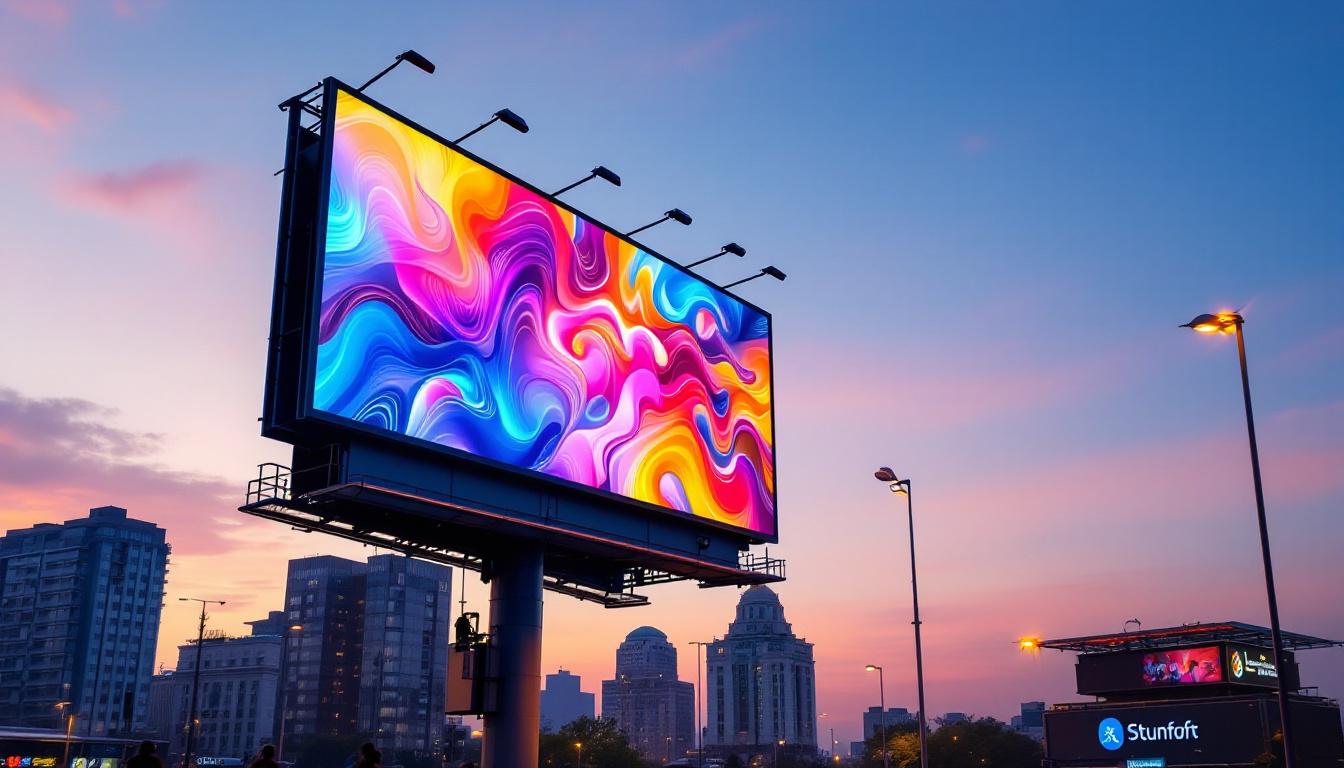
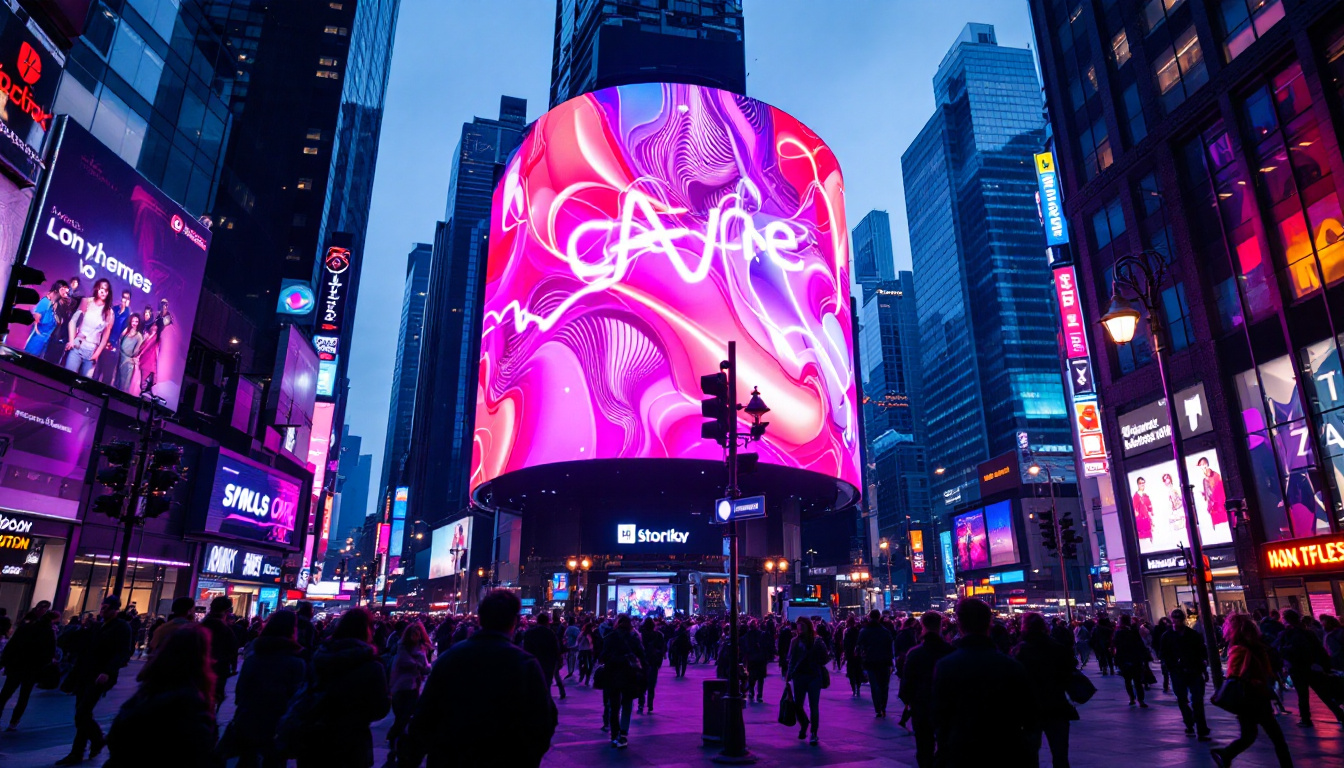
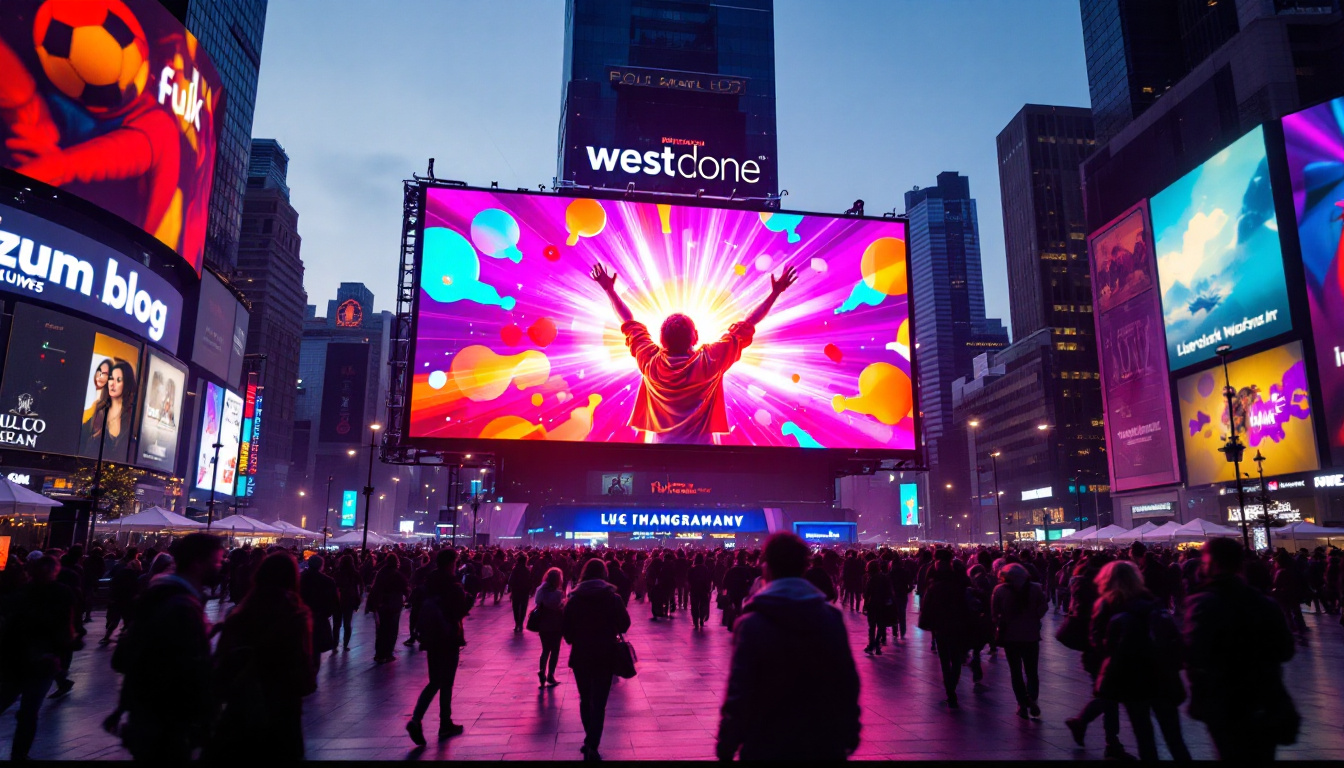
Companies specializing in outdoor advertising benefit greatly from configurators that allow clients to specify size, brightness, and weather resistance. For example, a retail chain planning a digital billboard campaign can use the configurator to select a display optimized for high brightness and visibility in direct sunlight.
This tailored approach ensures the display performs well in its environment while controlling costs.
Event Production and Rental Services
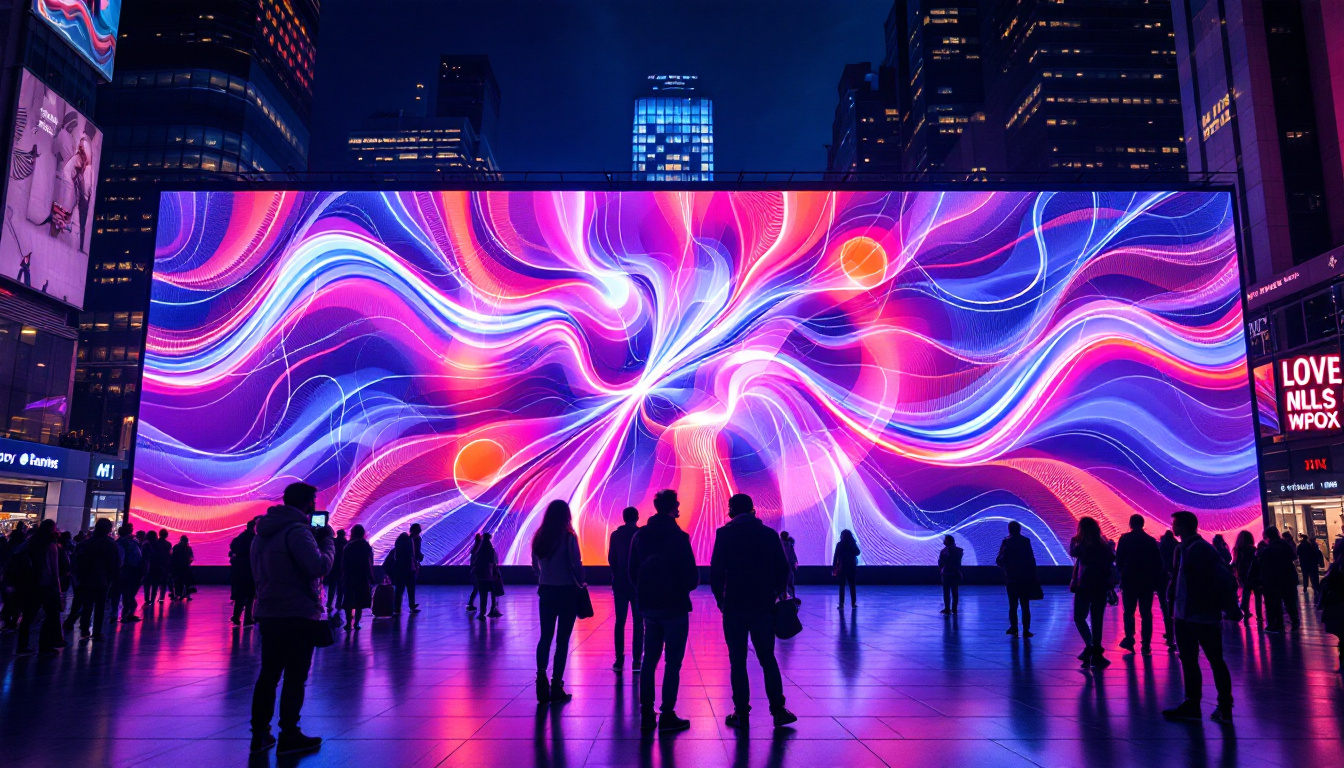
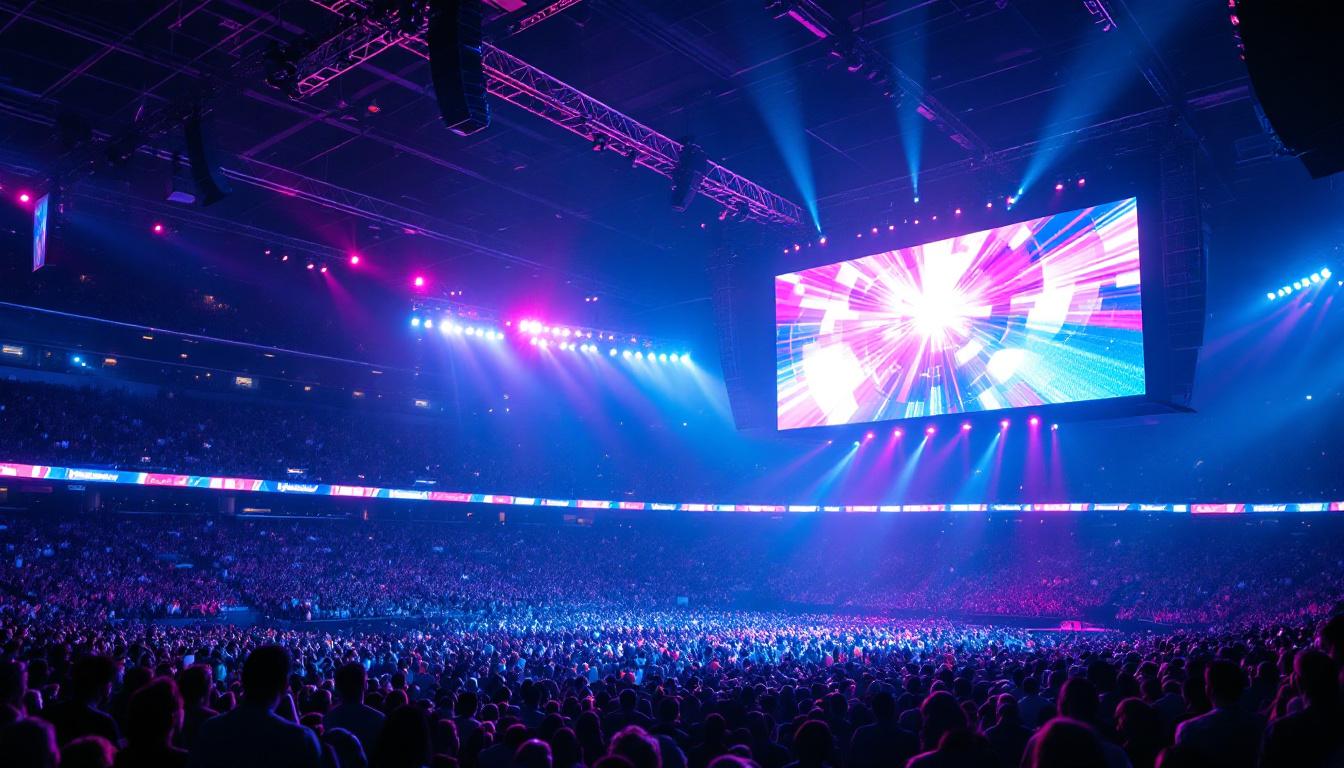
Event organizers often require temporary LED displays with specific dimensions and modularity. Visual configurators help rental companies showcase available configurations and enable clients to customize setups for concerts, trade shows, or sports events.
The ability to visualize the display in context helps clients make decisions quickly and accurately.
Architectural and Retail Installations
In architectural projects, LED displays may be integrated into building facades or interior designs. Configurators allow architects and designers to experiment with shapes, sizes, and pixel pitches to achieve the desired aesthetic and functional outcomes.
Retailers can similarly use configurators to design in-store digital signage that aligns with brand identity and spatial constraints.
Future Trends in LED Display Configurators
Augmented Reality (AR) Integration
The next frontier for visual configurators is the incorporation of augmented reality. AR can project a virtual LED display into a real-world environment via smartphones or AR glasses, giving customers an even more immersive preview.
This technology is already gaining traction in various industries and is expected to become mainstream for LED display customization within the next few years.
Artificial Intelligence and Recommendation Engines
AI-driven configurators can analyze customer preferences and usage scenarios to suggest optimal configurations automatically. This reduces decision fatigue and helps users discover features they might not have considered.
Machine learning algorithms can also predict pricing trends and supply chain constraints, providing smarter quotes and delivery estimates.
Cloud-Based Collaboration
Cloud platforms enable multiple stakeholders—customers, designers, engineers, and sales teams—to collaborate in real-time on LED display configurations. This collaborative approach streamlines project workflows and improves communication.
Conclusion
Visual product configurators have transformed the way LED display products are customized, marketed, and sold. By providing real-time, interactive visualization combined with dynamic specification and pricing updates, these tools enhance customer engagement, reduce sales cycle times, and enable scalable customization.
As technology advances, the integration of augmented reality, artificial intelligence, and cloud collaboration will further elevate the configurator experience, making it an indispensable asset for LED display manufacturers and their customers.
For businesses looking to stay competitive in the LED display market, investing in a sophisticated visual product configurator is no longer optional—it’s essential.
Discover LumenMatrix’s Innovative LED Display Solutions
Ready to take your visual displays to the next level? Explore LumenMatrix’s comprehensive range of LED display technologies, designed to captivate and engage your audience. Whether you’re looking for an Indoor LED Wall Display, a vibrant Outdoor LED Wall Display, or specialized solutions like Vehicle LED Displays and LED Sports Displays, LumenMatrix has you covered. Embrace the future of visual communication with our Custom LED Displays, All-in-One LED Displays, and LED Transparent Displays. Visit LumenMatrix LED Display Solutions today and see how we can help you create unforgettable visual experiences that resonate with your audience.