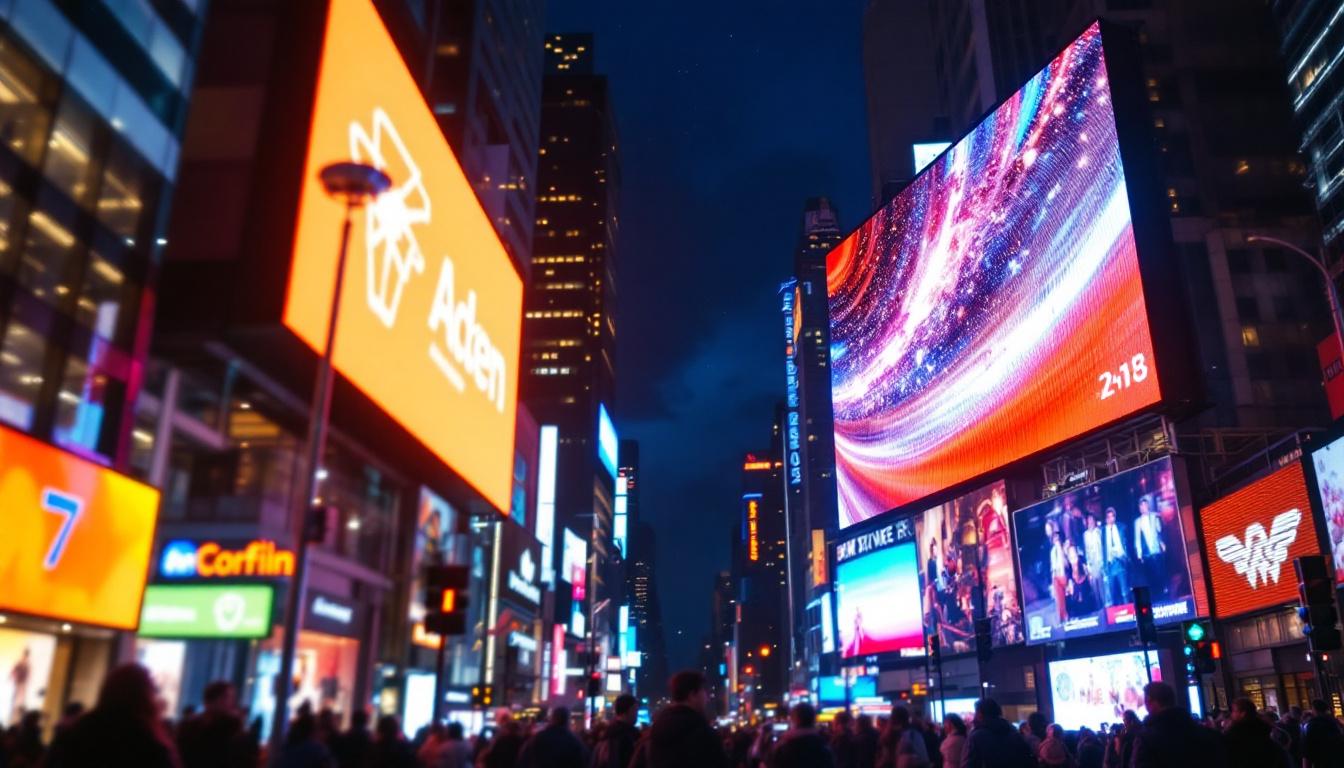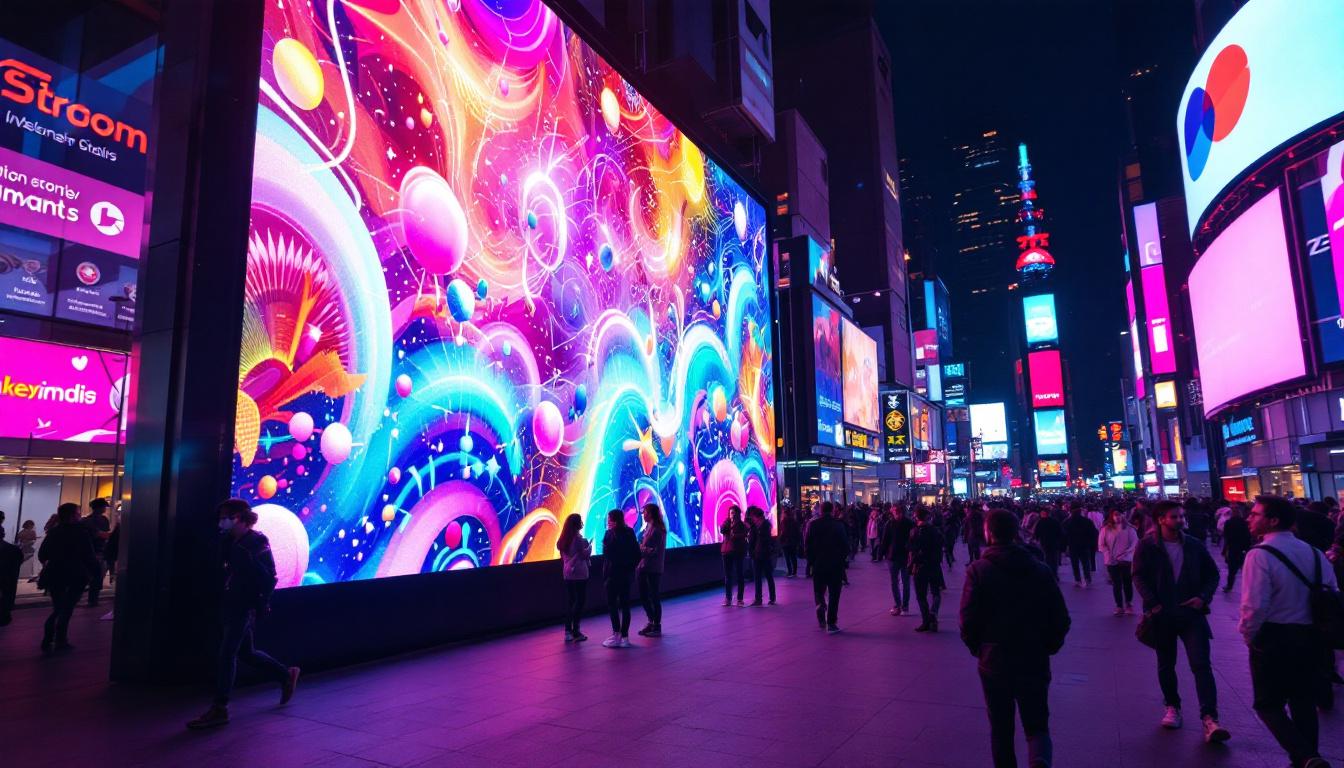
In today’s digital age, LED displays have become a cornerstone of visual communication, transforming everything from advertising billboards to stadium screens and indoor signage. Their vibrant colors, energy efficiency, and versatility make them a preferred choice for businesses and event organizers worldwide. But what exactly are LED displays, how do they work, and why are they so impactful? This article dives deep into the world of LED displays, explaining the technology, types, applications, and future trends to give you a comprehensive understanding of this dynamic medium.
Understanding LED Display Technology
What is an LED Display?
LED stands for Light Emitting Diode, a semiconductor device that emits light when an electric current passes through it. An LED display is a flat panel that uses an array of these tiny diodes to produce images and videos. Unlike traditional LCD or plasma screens, LED displays generate their own light, which results in brighter images and better contrast ratios.
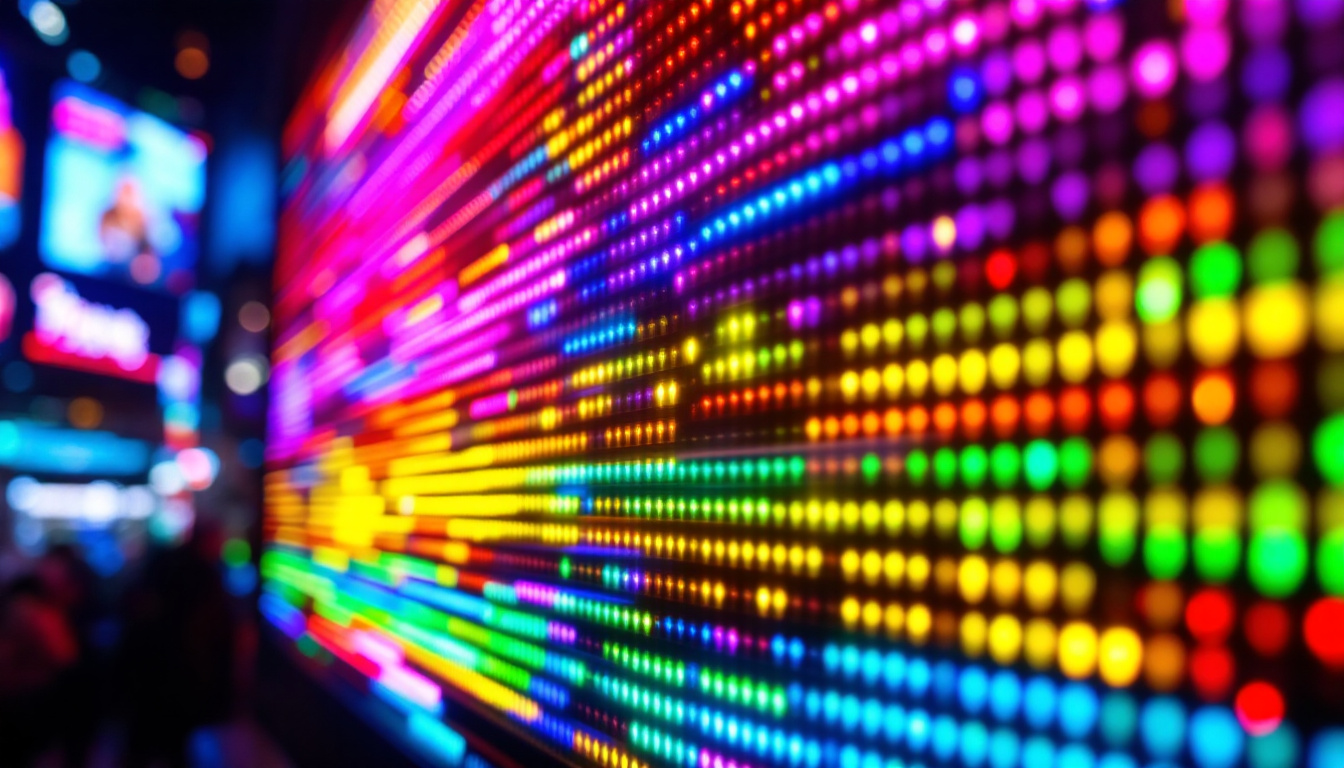
LED displays are composed of thousands, sometimes millions, of individual LEDs arranged in a grid. Each LED acts as a pixel or part of a pixel, and by controlling the brightness and color of each LED, the display can render detailed images and videos with remarkable clarity and vibrancy.
How Do LED Displays Work?
The core principle behind LED displays is the control of light emission at the pixel level. Each LED can emit red, green, or blue light (RGB), and by combining these three colors at varying intensities, the display can produce a full spectrum of colors. This process is known as additive color mixing.
Modern LED displays often use surface-mounted device (SMD) technology, where tiny LEDs for red, green, and blue are packaged together as a single pixel unit. This allows for higher pixel density and finer image resolution, especially in indoor displays where viewers are closer to the screen.
Additionally, LED displays are driven by sophisticated electronics that process video signals and translate them into precise instructions for each LED. This enables smooth motion, high refresh rates, and accurate color reproduction, essential for dynamic content like video advertisements or live broadcasts.
Types of LED Displays
Indoor vs. Outdoor LED Displays
One of the primary distinctions in LED displays is their intended environment. Indoor LED displays are designed for controlled lighting conditions and typically have a higher pixel density, resulting in sharper images at close viewing distances. These are common in retail stores, conference rooms, and television studios.
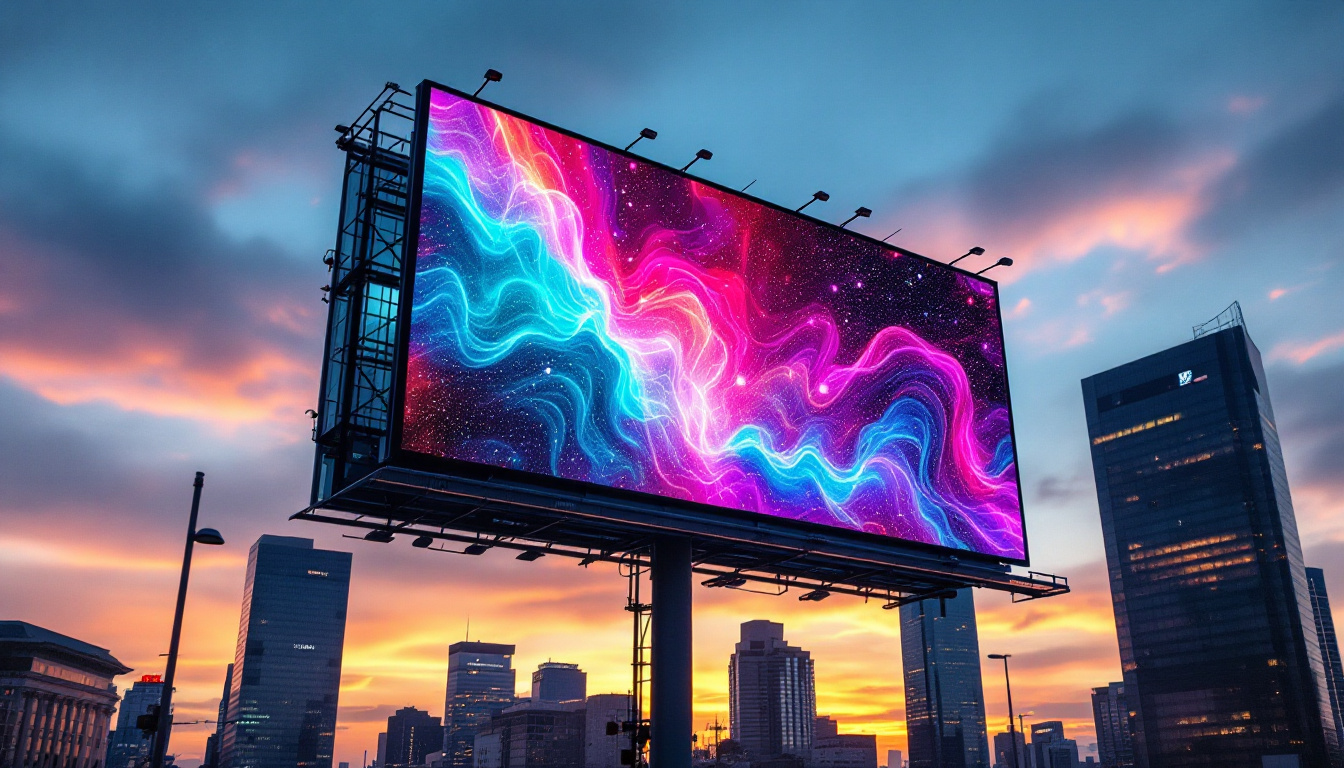
Outdoor LED displays, on the other hand, must withstand weather elements such as rain, wind, and sunlight. They are built with robust materials and have higher brightness levels—often exceeding 5,000 nits—to remain visible even in direct sunlight. Examples include digital billboards, sports arena screens, and public information displays.
Direct View LED vs. LED-Backlit LCD
It’s important to differentiate between direct view LED displays and LED-backlit LCD screens. Direct view LED displays consist entirely of LEDs that emit light directly to form the image. This allows for superior contrast, deeper blacks, and wider viewing angles.
In contrast, LED-backlit LCDs use LEDs as a backlight behind a liquid crystal display panel. While this technology improves brightness and energy efficiency over older CCFL backlights, it cannot match the contrast and color performance of direct view LED displays, especially in large-scale applications.
Flexible and Transparent LED Displays
Innovation in LED technology has led to the development of flexible and transparent LED displays. Flexible LED panels can be curved or bent, enabling creative installations on irregular surfaces such as building facades or curved walls. This flexibility opens new possibilities for architectural integration and immersive experiences.
Transparent LED displays, meanwhile, allow light to pass through the screen, making them ideal for storefront windows or glass walls. They combine advertising or informational content with the ability to see through the display, preserving natural light and visibility.
Applications of LED Displays
Advertising and Marketing
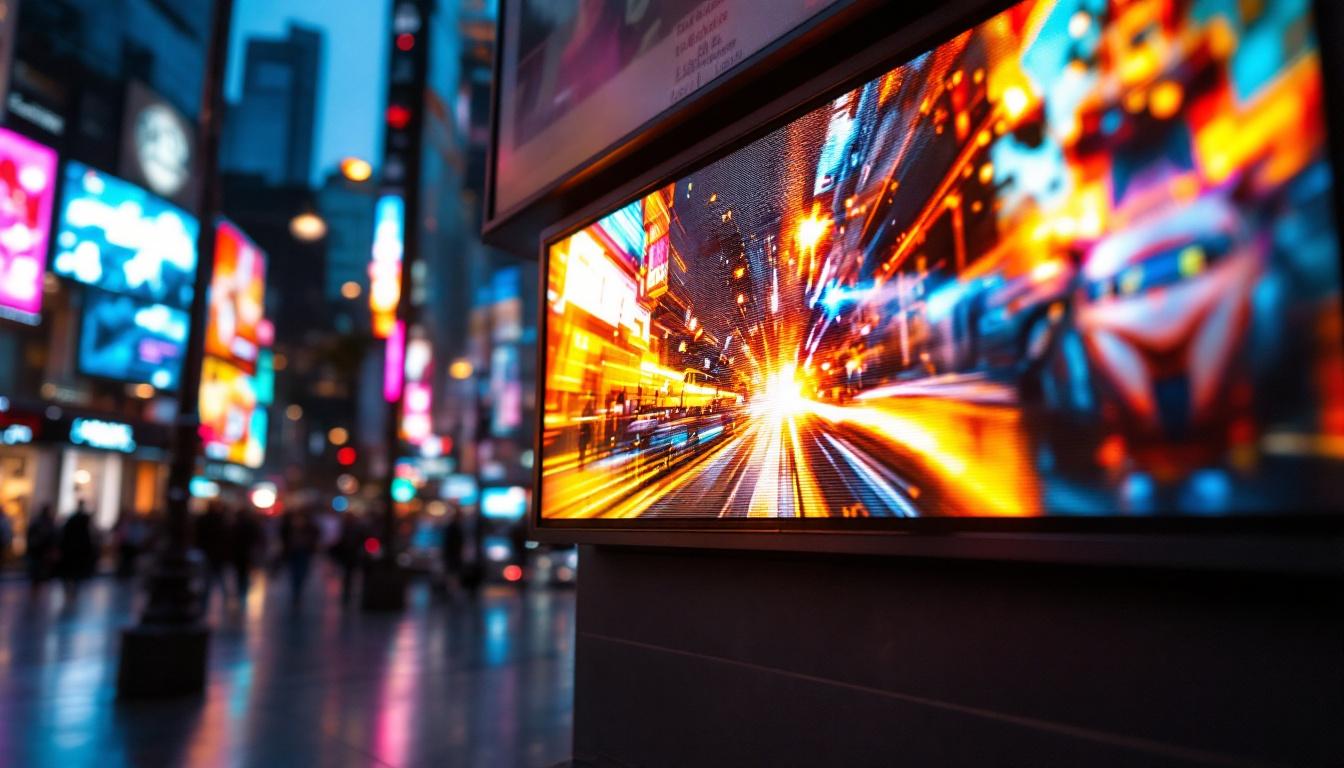
LED displays have revolutionized advertising by offering dynamic, eye-catching content that can be updated in real-time. According to a 2023 report by Grand View Research, the global LED display market is expected to grow at a compound annual growth rate (CAGR) of 13.2% through 2030, driven largely by demand in outdoor advertising.
Billboards equipped with LED technology can display multiple advertisements in rotation, incorporate animations, and even interact with viewers through sensors or mobile integration. This flexibility results in higher engagement rates compared to static signage.
Sports and Entertainment Venues
Stadiums and arenas rely heavily on LED displays to enhance the spectator experience. From giant jumbotrons that show live game footage and replays to perimeter advertising boards, LED screens provide vivid visuals that keep audiences engaged. The ability to display high-definition content in bright sunlight or under stadium lighting is a key advantage.
Concerts and live events also utilize LED walls and panels to create immersive stage backdrops and visual effects, contributing to the overall atmosphere and storytelling of performances.
Corporate and Educational Settings
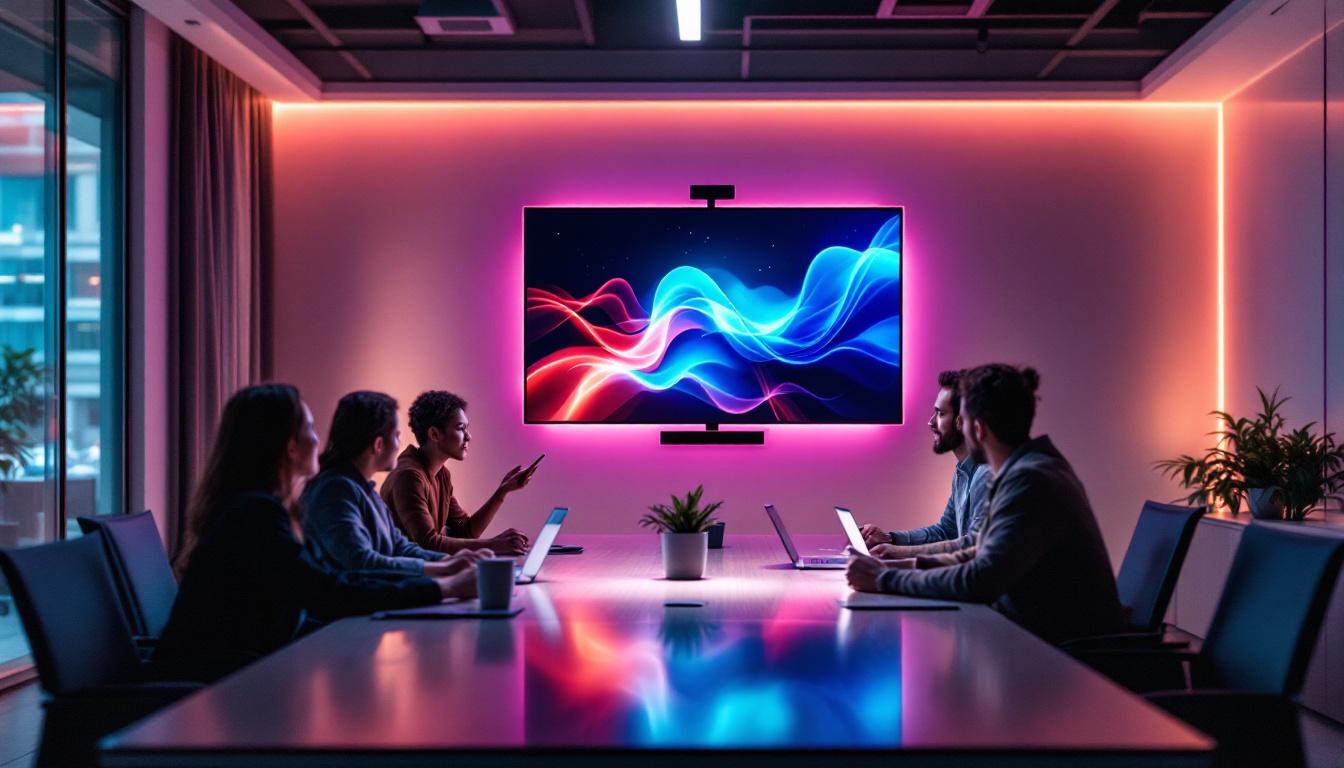
In corporate environments, LED displays are increasingly used for digital signage, video conferencing, and presentation screens. Their clarity and brightness improve communication in meeting rooms and lobbies, while their durability ensures long-term use.
Educational institutions employ LED displays for digital notice boards, interactive learning tools, and event broadcasting. The ability to update content remotely and instantly makes LED displays a practical solution for campuses.
Transportation and Public Information
LED displays play a critical role in transportation hubs such as airports, train stations, and bus terminals. They provide real-time updates on schedules, delays, and safety messages, helping to manage passenger flow and improve overall experience.
Public spaces also benefit from LED displays for emergency alerts, weather updates, and community announcements, ensuring timely and visible communication to large audiences.
Advantages of LED Displays
Energy Efficiency and Longevity
Compared to traditional lighting and display technologies, LEDs consume significantly less power. This energy efficiency translates into lower operating costs, especially for large-scale installations that run continuously. Many LED displays can operate for 50,000 to 100,000 hours, far exceeding the lifespan of other display types.
The reduced energy consumption also contributes to sustainability goals, an increasingly important consideration for businesses and municipalities aiming to reduce their carbon footprint.
Brightness and Visibility
One of the standout features of LED displays is their exceptional brightness, which can be adjusted to suit ambient lighting conditions. This adaptability ensures content remains visible and impactful whether viewed indoors or under direct sunlight outdoors.
The high brightness levels also improve readability from long distances, making LED displays ideal for billboards and large public screens.
Color Accuracy and Contrast
LED technology offers superior color reproduction and contrast ratios compared to many other display types. The ability to produce deep blacks and vibrant colors enhances image quality, making content more engaging and visually appealing.
This is particularly important for advertising and entertainment applications where visual impact drives audience attention and retention.
Durability and Maintenance
LED displays are built to withstand harsh environmental conditions, including moisture, dust, and temperature fluctuations. Their solid-state design means fewer moving parts and less susceptibility to mechanical failure.
Maintenance is generally straightforward, with modular panels that can be replaced individually if damaged. This modularity reduces downtime and repair costs, ensuring displays remain operational with minimal disruption.
Challenges and Considerations
Initial Investment and Installation
While LED displays offer long-term benefits, the upfront costs can be significant, especially for large-format or high-resolution installations. Budget planning should account not only for the display panels but also for supporting infrastructure such as mounting systems, power supplies, and control hardware.
Professional installation is often required to ensure optimal performance and safety, adding to the initial investment.
Pixel Pitch and Viewing Distance
Pixel pitch—the distance between the centers of adjacent pixels—is a critical factor in determining image clarity. Smaller pixel pitches yield higher resolution and are suited for close viewing distances, while larger pixel pitches are more cost-effective for displays viewed from afar.
Choosing the right pixel pitch based on the intended audience and viewing environment is essential to maximize the display’s effectiveness and avoid unnecessary expenses.
Environmental Impact and Light Pollution
Although LED displays are energy-efficient, their widespread use, especially in outdoor advertising, raises concerns about light pollution. Excessive brightness and flashing content can disrupt local ecosystems and affect human health by interfering with natural circadian rhythms.
Regulations in many cities now govern the brightness and operating hours of outdoor LED displays to mitigate these effects, and responsible operators should adhere to these guidelines.
The Future of LED Displays
Advancements in MicroLED and MiniLED
Emerging technologies such as MicroLED and MiniLED promise to further enhance the capabilities of LED displays. MicroLEDs are significantly smaller than traditional LEDs, allowing for even higher pixel densities and improved image quality. They also offer better energy efficiency and longer lifespans.
MiniLED technology uses smaller LEDs for backlighting in LCD panels, improving brightness and contrast while reducing blooming effects. These innovations are expected to drive the next generation of displays in consumer electronics, automotive dashboards, and large-scale digital signage.
Integration with Smart Technologies
LED displays are increasingly integrated with smart technologies such as IoT (Internet of Things) and AI (Artificial Intelligence). This integration enables real-time content personalization, automated brightness adjustment based on ambient light, and interactive features that respond to viewer behavior.
For example, digital billboards can tailor advertisements based on demographic data or current events, enhancing relevance and engagement.
Sustainability and Recycling Initiatives
As LED display adoption grows, there is a parallel focus on sustainability throughout the product lifecycle. Manufacturers are developing more recyclable materials and designing displays for easier disassembly and component reuse.
End-of-life management programs aim to reduce electronic waste and recover valuable materials, aligning the LED display industry with global environmental goals.
Conclusion
LED displays have fundamentally transformed how information and entertainment are delivered across various sectors. Their brightness, color fidelity, energy efficiency, and versatility make them indispensable tools for advertisers, event organizers, corporations, and public institutions alike.
Understanding the technology behind LED displays, their different types, applications, and future trends equips businesses and professionals to make informed decisions when investing in this powerful medium. As innovations continue to emerge, LED displays will only become more immersive, intelligent, and sustainable, shaping the visual landscape for years to come.
Discover LumenMatrix’s Advanced LED Display Solutions
Ready to elevate your visual communication with the latest in LED technology? LumenMatrix is at the forefront of innovation, offering a comprehensive range of LED display solutions tailored to your needs. From vibrant Indoor and Outdoor LED Wall Displays to dynamic Vehicle and Sports LED Displays, our products are designed to captivate and engage. Experience the future of digital signage with our All-in-One LED Displays, LED Transparent Displays, and more. Check out LumenMatrix LED Display Solutions today and transform your space into a mesmerizing visual experience.