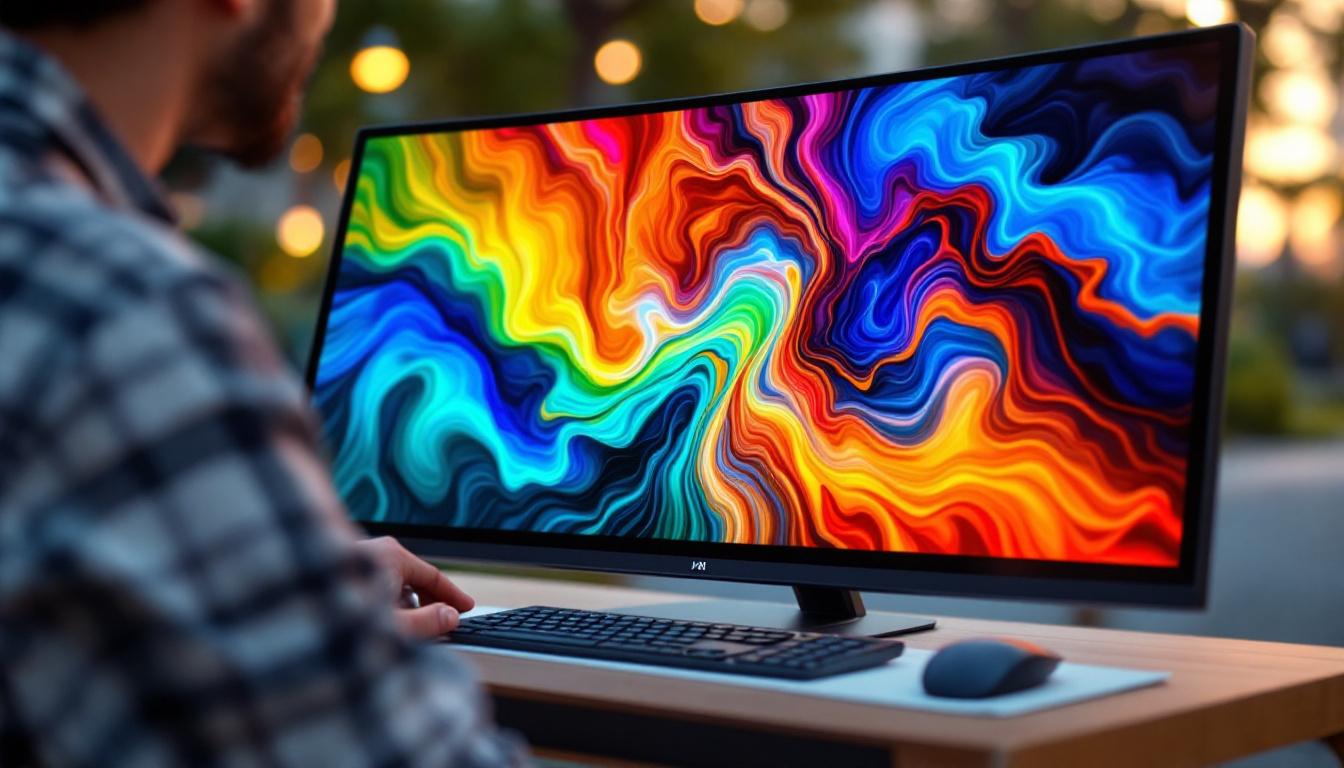
In today’s fast-paced and increasingly mobile work environment, the demand for portable large monitors has surged dramatically. Whether for remote work, gaming on the go, or professional presentations, having a high-quality, lightweight, and easily transportable display can transform productivity and user experience. Among various display technologies, LED displays have emerged as a popular choice for portable large monitors due to their vibrant colors, energy efficiency, and slim profiles.
This article delves into the world of portable large monitors with LED displays, explaining their technology, benefits, and key considerations for users. By the end, readers will have a comprehensive understanding of why LED portable monitors are rapidly becoming essential tools for professionals, creatives, and tech enthusiasts alike.
Understanding Portable Large Monitors
What Defines a Portable Large Monitor?
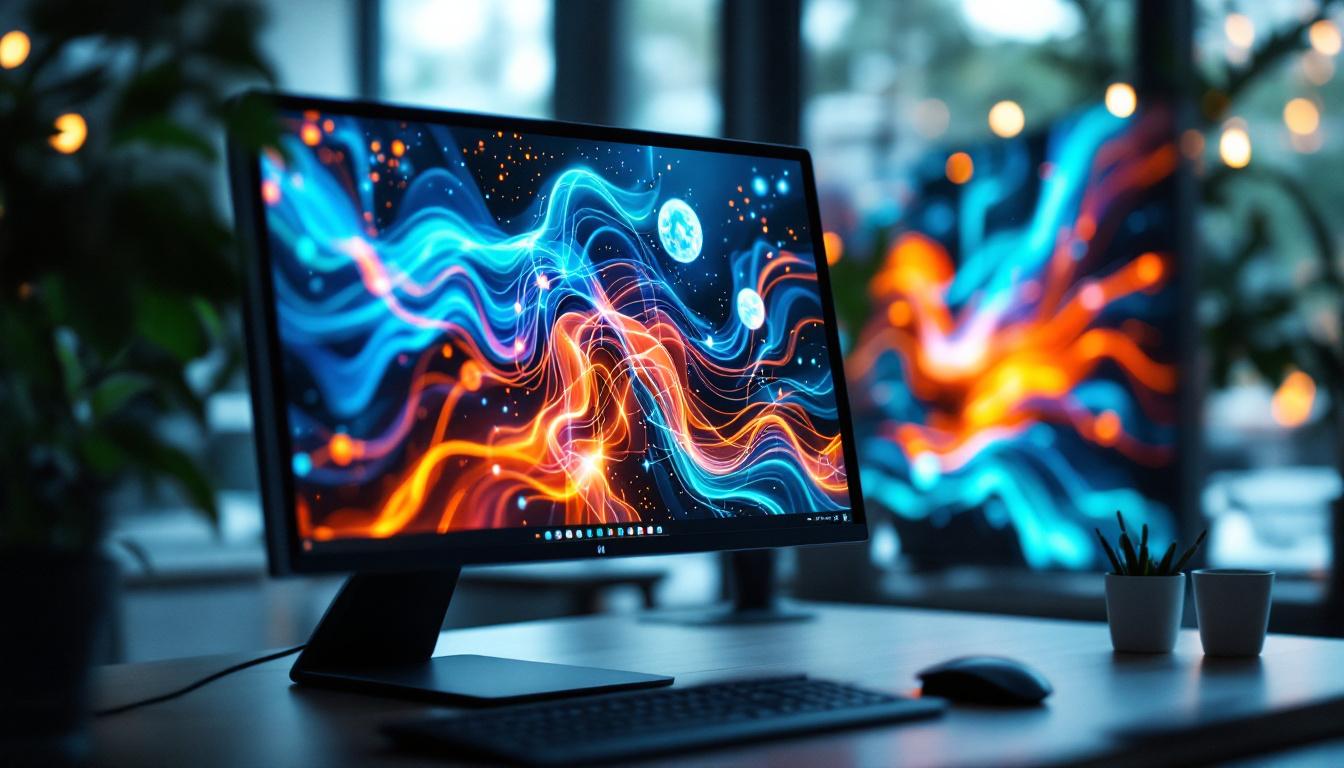
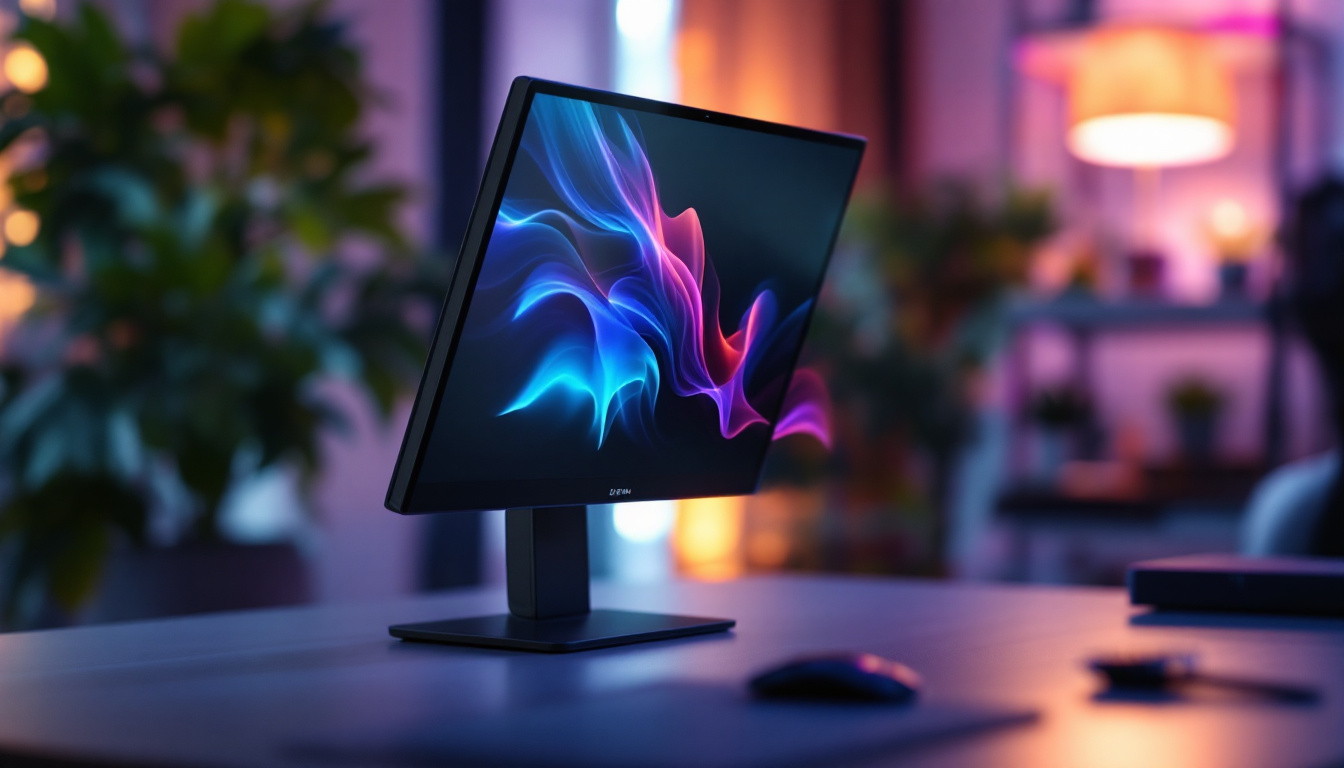
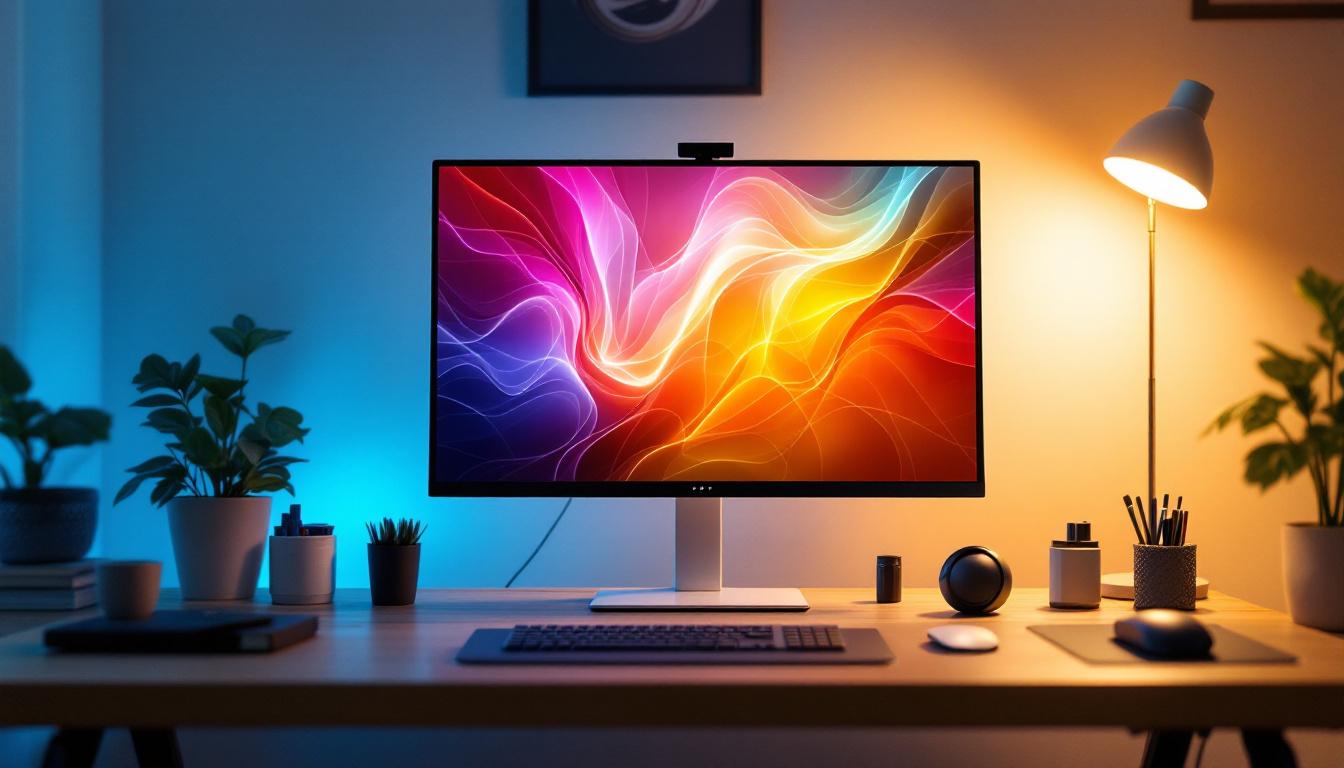
A portable large monitor is essentially a display device that combines the size and functionality of a traditional desktop monitor with the convenience of portability. Typically, these monitors range from 15 to 17 inches or larger, offering ample screen real estate for multitasking, detailed design work, or immersive gaming. Unlike standard monitors, they are designed to be lightweight, slim, and easy to connect to laptops, tablets, or smartphones.
Portability is not just about size and weight; it also involves features such as built-in batteries, foldable or protective cases, and versatile connectivity options like USB-C or HDMI. These features allow users to carry their monitors effortlessly and set up productive workstations anywhere—from coffee shops and co-working spaces to client meetings and outdoor environments. The convenience of having a portable large monitor means that users can enjoy the benefits of a dual-screen setup without the hassle of traditional monitor setups, which often require dedicated desk space and cumbersome cables.
Additionally, many portable monitors come equipped with advanced display technologies, such as IPS panels, which provide wider viewing angles and better color accuracy. This is particularly beneficial for professionals in creative fields, as it allows for precise color grading and design work that can be done on the go. Furthermore, some models offer touch screen capabilities, enhancing interactivity and making them ideal for presentations or collaborative projects where multiple users can engage with the content simultaneously.
The Rise in Demand for Portable Displays
According to recent market research, the global portable monitor market is projected to grow at a compound annual growth rate (CAGR) of over 8% between 2023 and 2028. This growth is fueled by the increasing number of remote workers, digital nomads, and gamers seeking flexible multi-screen setups. The COVID-19 pandemic accelerated this trend, with many professionals realizing the value of having a secondary screen that travels with them.
Moreover, industries such as graphic design, video editing, and software development benefit immensely from additional screen space. Portable large monitors enable these professionals to maintain productivity without being tethered to a fixed office setup. This flexibility has made portable LED monitors a staple in modern tech arsenals. As the demand for these devices rises, manufacturers are continuously innovating, introducing features like higher refresh rates for gamers and enhanced color profiles for designers, ensuring that there is a portable monitor to meet every user’s specific needs.
In addition to these advancements, the rise of cloud computing and collaborative software tools has further propelled the need for portable displays. With many teams working remotely, having the ability to share screens and collaborate in real-time has never been more important. Portable monitors facilitate this by allowing users to connect their devices easily, making it simple to present ideas, share documents, or conduct virtual meetings from virtually anywhere. As technology continues to evolve, the role of portable large monitors in enhancing productivity and collaboration will likely become even more significant.
LED Display Technology Explained
What is an LED Display?
LED stands for Light Emitting Diode, a semiconductor device that emits light when an electric current passes through it. In the context of monitors, LED displays refer to LCD (Liquid Crystal Display) panels that use LED backlighting instead of traditional cold cathode fluorescent lamps (CCFLs). This distinction is crucial because the LED backlight significantly enhances display quality and energy efficiency.
Unlike OLED (Organic LED) displays, where each pixel emits its own light, LED monitors rely on an LCD panel to create images, with LEDs providing the light source behind or along the edges of the screen. This technology allows for thinner and lighter monitors, making it ideal for portable applications.
Types of LED Backlighting
There are primarily two types of LED backlighting used in portable large monitors:
- Edge-lit LED: LEDs are placed along the edges of the screen, and light is distributed across the display using light guides. This design allows for ultra-thin monitors but may result in slightly uneven brightness in some cases.
- Direct-lit or Full-array LED: LEDs are placed directly behind the LCD panel in a grid pattern, offering better uniformity and contrast. While this can improve image quality, it often results in a thicker and heavier display, which may reduce portability.
Most portable large monitors favor edge-lit LED technology to maintain a slim profile without sacrificing too much image quality.
Advantages of LED Displays for Portable Monitors
LED displays offer several benefits that make them particularly suitable for portable large monitors:
- Energy Efficiency: LED backlighting consumes less power than CCFLs, extending battery life in monitors with built-in power sources.
- Brightness and Color Accuracy: LEDs provide higher brightness levels and better color reproduction, essential for outdoor use and creative work.
- Thin and Lightweight Design: The compact nature of LEDs allows manufacturers to produce sleek and lightweight monitors, enhancing portability.
- Durability: LEDs have a longer lifespan and are less prone to damage from shocks or drops, which is important for devices frequently transported.
Key Features of Portable Large LED Monitors
Screen Size and Resolution
When selecting a portable large monitor, screen size and resolution are critical factors. Most portable monitors range between 15.6 inches and 17.3 inches diagonally, striking a balance between usability and portability. Larger screens provide more workspace but can be heavier and bulkier to carry.
Resolution is equally important. Full HD (1920×1080 pixels) is the most common resolution for portable LED monitors, offering sharp images and compatibility with most devices. However, higher-end models now feature 4K UHD (3840×2160 pixels) displays, delivering exceptional detail and clarity for professionals in photography, video editing, and design.
Connectivity Options
Versatile connectivity is essential for portable monitors to work seamlessly with various devices. USB-C has become the standard port due to its ability to transmit power, video, and data through a single cable. This simplifies setup and reduces cable clutter.
In addition to USB-C, many portable LED monitors include HDMI ports, allowing connection to gaming consoles, cameras, and older laptops. Some models also support DisplayPort or Mini DisplayPort for enhanced compatibility. Wireless connectivity options, such as Miracast or Wi-Fi, are emerging but are less common due to latency and reliability concerns.
Battery Life and Power Management
Battery life is a crucial consideration for truly portable monitors. While many portable LED monitors rely on external power sources, some include built-in rechargeable batteries that can last between 4 to 8 hours, depending on usage and brightness settings.
Power-efficient LED backlighting contributes significantly to longer battery life. Additionally, features like auto-brightness adjustment and power-saving modes help extend usage time. For users who require extended use, monitors that support pass-through charging allow simultaneous use and charging via USB-C.
Additional Features
Several other features enhance the usability of portable large LED monitors:
- Touchscreen Capability: Some models incorporate touch functionality, enabling intuitive interaction and compatibility with tablets and smartphones.
- Adjustable Stands and Cases: Foldable stands or protective cases that double as stands improve ergonomics and portability.
- Anti-glare and Blue Light Filters: These features reduce eye strain during extended use, especially in bright environments.
- Speakers and Audio Jacks: Built-in speakers and headphone jacks add convenience for multimedia consumption and conferencing.
Choosing the Right Portable Large LED Monitor
Assessing Your Needs
Selecting the ideal portable LED monitor depends on the primary use case. For business professionals who frequently travel, a lightweight, Full HD monitor with USB-C connectivity and a built-in battery might be ideal. Creative professionals may prioritize color accuracy, higher resolution, and touchscreen capabilities.
Gamers and video editors might seek models with higher refresh rates (e.g., 120Hz or 144Hz) and low response times to ensure smooth visuals. Meanwhile, casual users may focus on affordability and basic functionality.
Budget Considerations
Portable large LED monitors vary widely in price, from under $200 for basic models to over $600 for premium displays with advanced features. Investing in a higher-quality monitor can pay off in durability, image quality, and user experience, but budget-conscious buyers can find reliable options that meet essential needs.
Brand Reputation and Reviews
Given the growing market, numerous brands offer portable LED monitors. Researching brand reputation, customer reviews, and professional evaluations helps ensure product reliability and after-sales support. Features such as warranty length and customer service responsiveness are also important factors.
Future Trends in Portable LED Monitors
Advancements in Display Technology
Emerging technologies promise to further enhance portable LED monitors. Mini-LED backlighting, which uses thousands of tiny LEDs for more precise local dimming, is making its way into portable displays, offering improved contrast ratios and HDR performance. Additionally, OLED portable monitors are gaining traction, delivering true blacks and vibrant colors, though currently at a higher cost and with some durability concerns.
Integration with Mobile Ecosystems
As mobile devices become more powerful, portable monitors are evolving to integrate more seamlessly with smartphones and tablets. Features like wireless screen mirroring, app-based calibration, and touch input synchronization are improving user experiences. The rise of USB4 and Thunderbolt 4 standards will also enhance connectivity speeds and power delivery.
Sustainability and Energy Efficiency
Environmental considerations are increasingly influencing product design. Manufacturers are focusing on reducing power consumption, using recyclable materials, and extending product lifespans. LED technology’s inherent energy efficiency aligns well with these sustainability goals.
Conclusion
Portable large monitors with LED displays represent a significant advancement in display technology, offering users the flexibility to expand their digital workspace without sacrificing mobility. Their combination of vibrant image quality, energy efficiency, and sleek design makes them indispensable tools for a wide range of users—from remote workers and creatives to gamers and business professionals.
Understanding the technology behind LED displays and the key features to consider can help buyers make informed decisions tailored to their specific needs. As technology continues to evolve, portable LED monitors will become even more versatile, powerful, and integral to the way people work and play on the move.
Investing in a quality portable large LED monitor today is not just about convenience; it’s about embracing the future of flexible, high-performance computing.
Discover LumenMatrix’s Advanced LED Solutions
Ready to elevate your digital workspace with the latest in LED display technology? Look no further than LumenMatrix, a pioneer in crafting immersive visual experiences through innovative LED solutions. Whether you’re seeking to enhance your brand’s presence with an Indoor LED Wall Display, captivate passersby with an Outdoor LED Wall Display, or create dynamic content with a Custom LED Display, LumenMatrix has the expertise to bring your vision to life. Embrace the future of high-performance, flexible computing and Check out LumenMatrix LED Display Solutions today to see how they can transform your professional or creative endeavors.