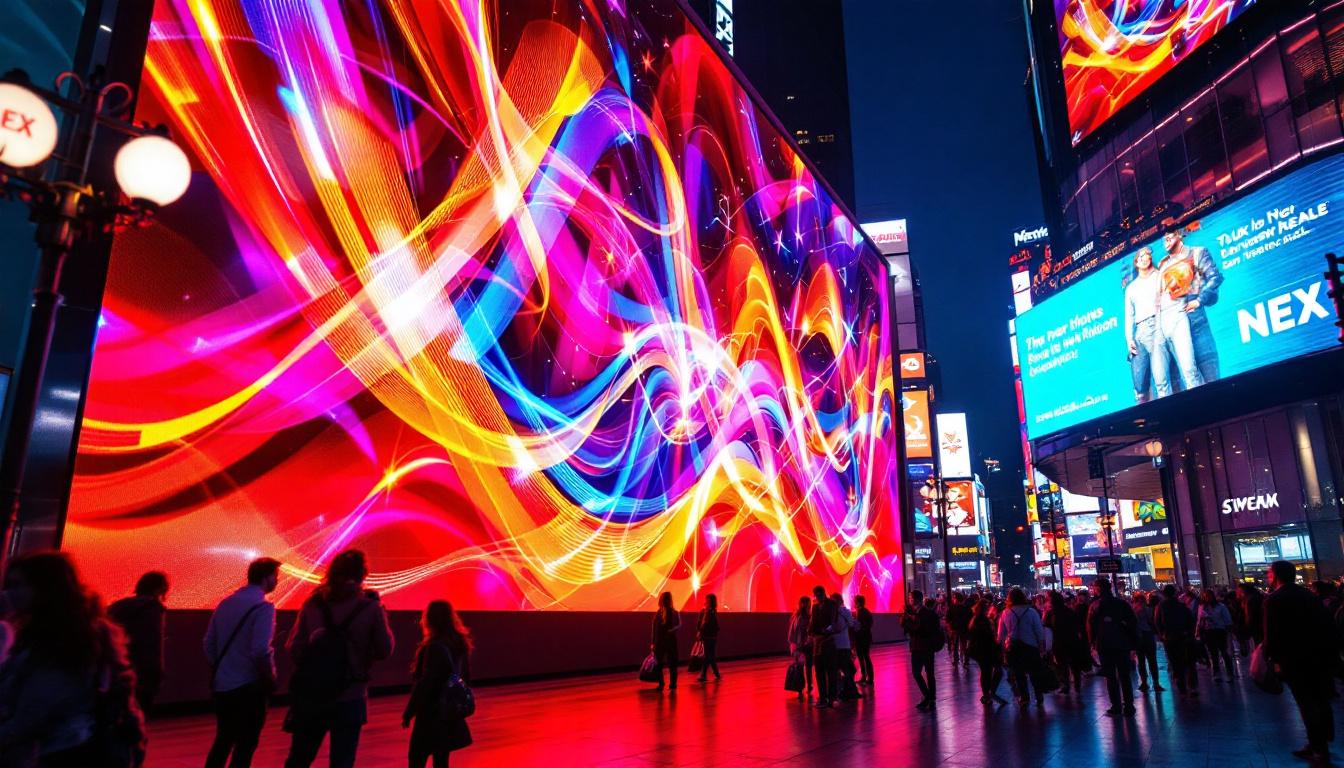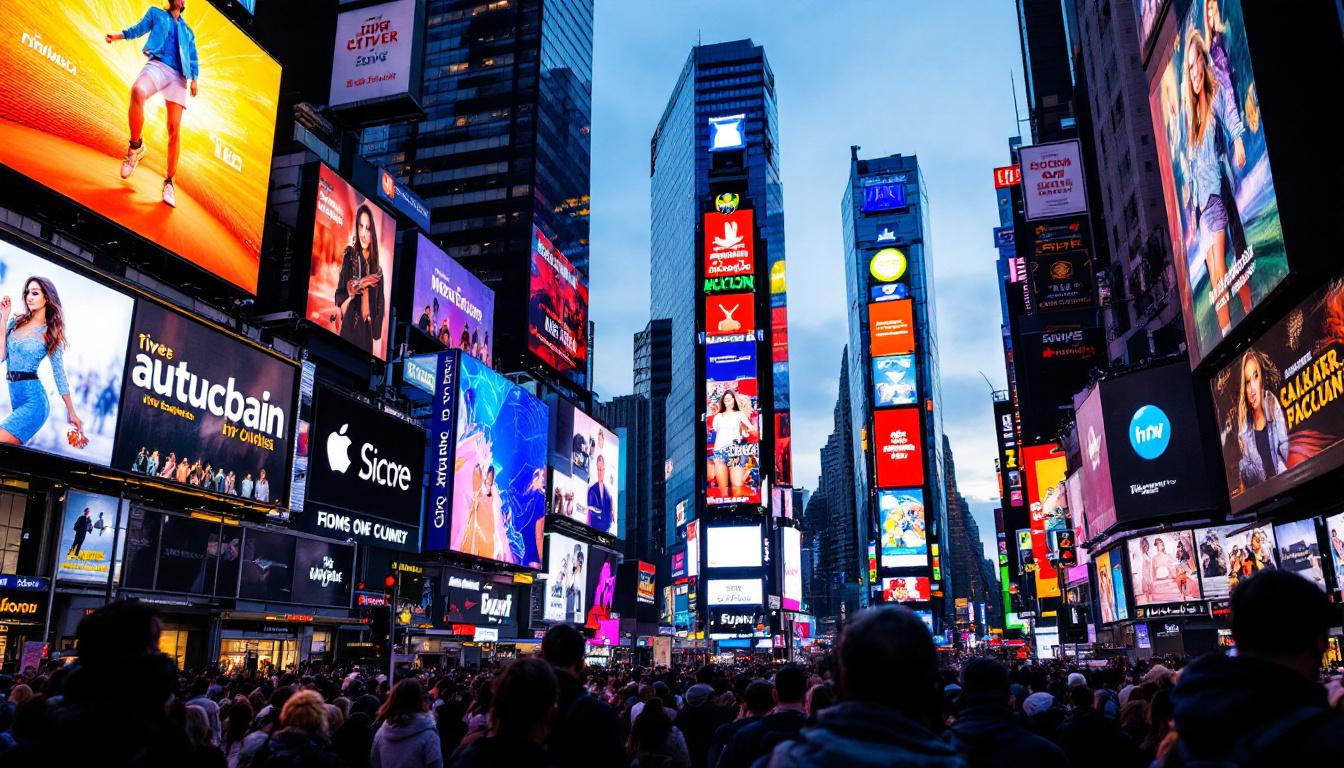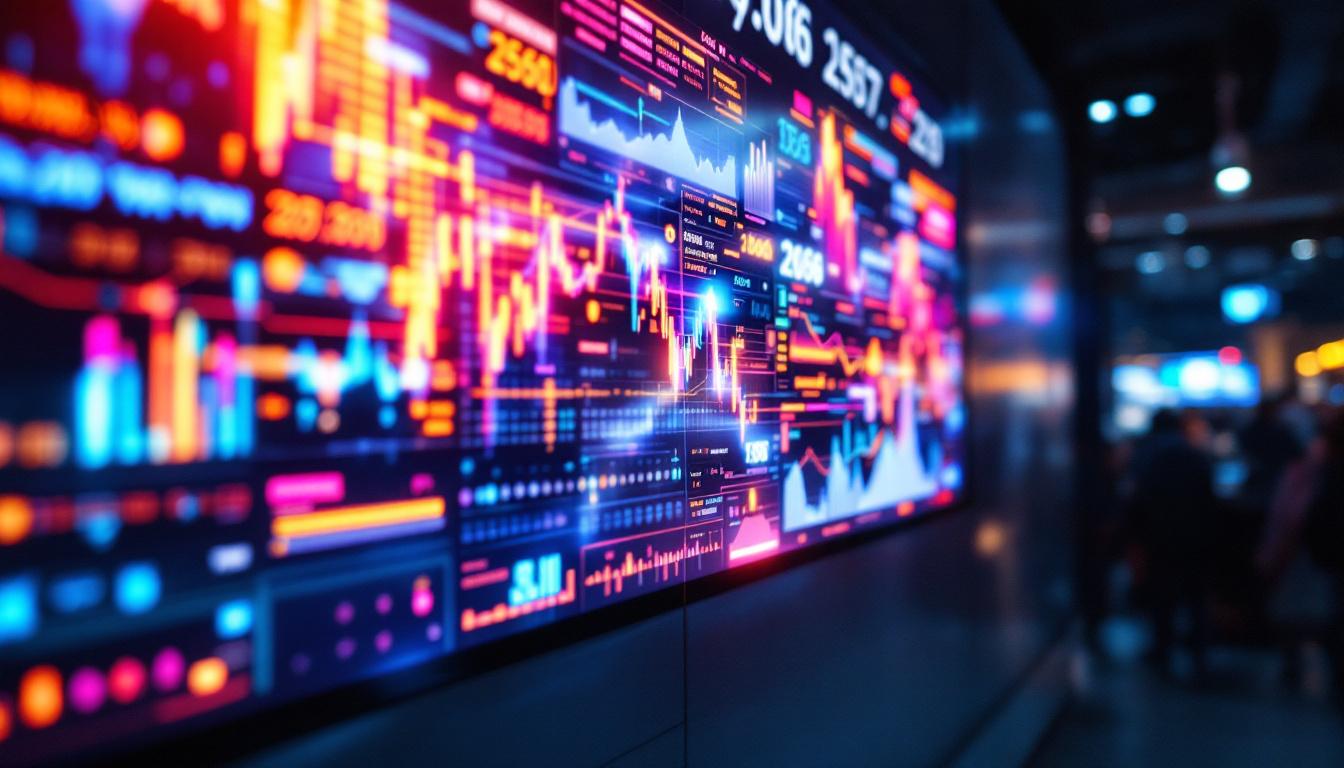
In an era where visual communication is paramount, LED displays have become a cornerstone technology for businesses, advertisers, and public information systems worldwide. From vibrant billboards in Times Square to dynamic scoreboards in sports arenas, LED displays are transforming how data and messages are presented to audiences large and small. This article delves into the fundamentals of LED display technology, its applications, benefits, and future trends, providing a comprehensive understanding for professionals and enthusiasts alike.
Understanding LED Display Technology
What is an LED Display?
LED stands for Light Emitting Diode, a semiconductor device that emits light when an electric current passes through it. An LED display is a flat panel that uses an array of these tiny LEDs as pixels to create images, video, and text. Unlike traditional LCD or plasma displays, LED displays are known for their brightness, energy efficiency, and ability to produce vivid colors, making them ideal for both indoor and outdoor applications.
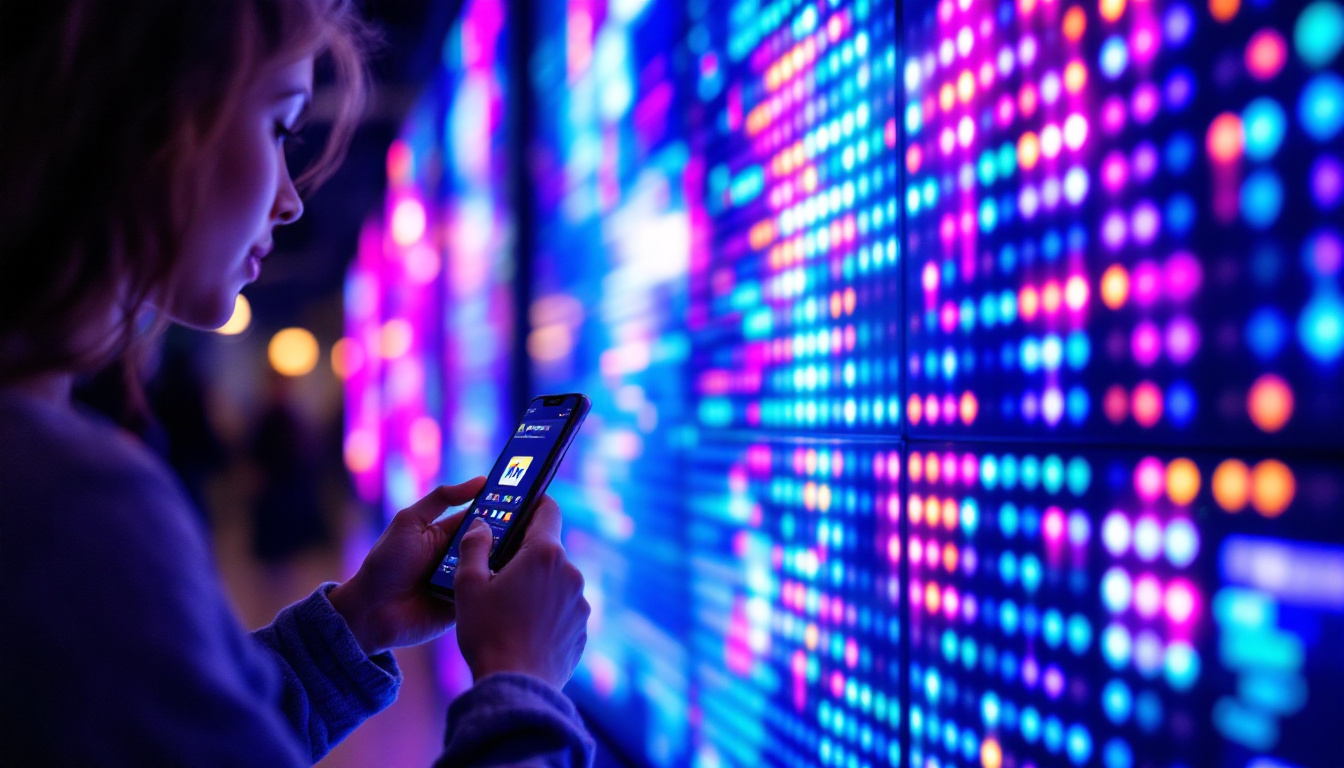
At its core, an LED display is composed of numerous small LED modules arranged in a grid. Each module contains multiple LEDs that can be individually controlled to vary in brightness and color, enabling the display to render complex visuals with high clarity and contrast. The resolution of an LED display depends on the pixel pitch—the distance between the centers of two adjacent LEDs. Smaller pixel pitches result in higher resolution and sharper images, which is critical for close-viewing environments. Additionally, the longevity of LED technology contributes to its popularity; LED displays can last tens of thousands of hours, significantly reducing maintenance and replacement costs over time.
Types of LED Displays
LED displays come in various forms tailored to different use cases. The main types include:
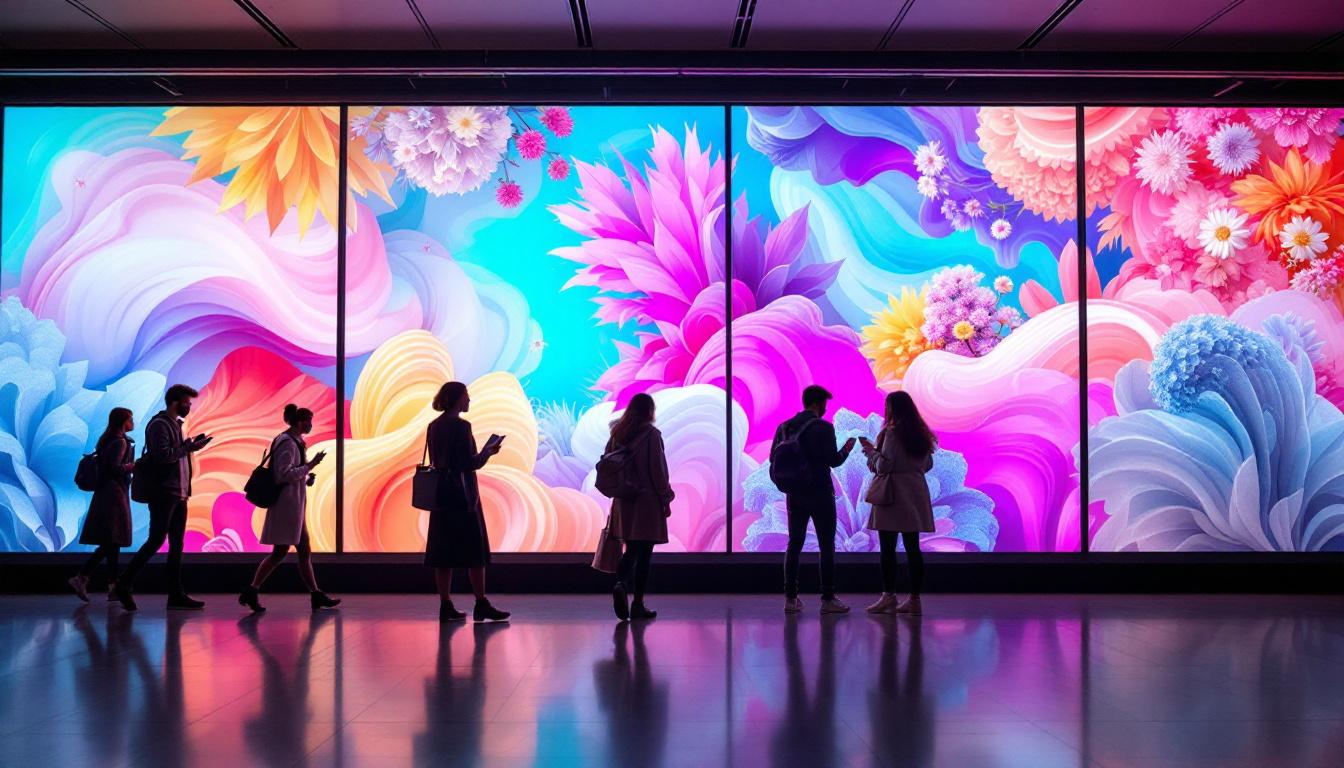
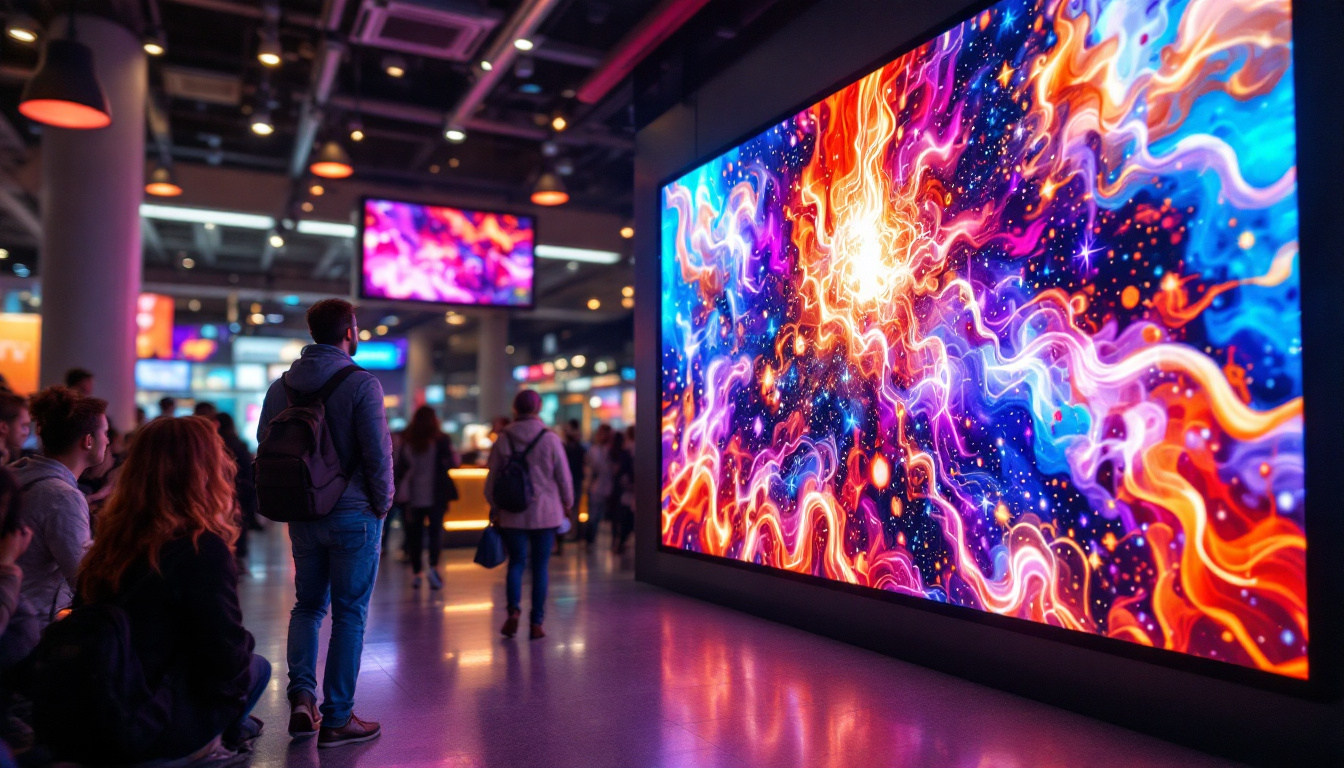
- Indoor LED Displays: Designed for environments with controlled lighting, these displays have smaller pixel pitches (often less than 2mm) to provide high-resolution images for close viewing distances, such as retail stores, conference rooms, and museums. Their versatility allows for dynamic content that can be easily updated, making them a favorite for advertising and presentations.
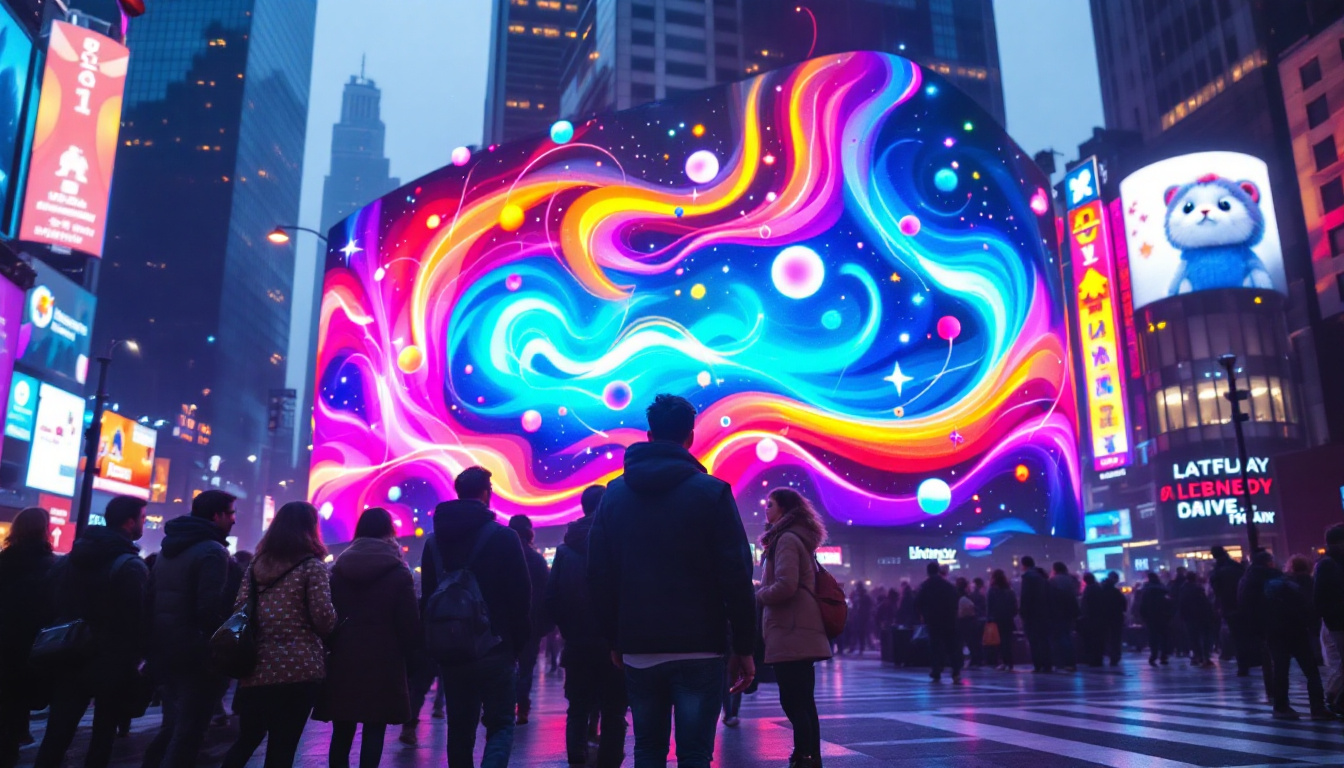
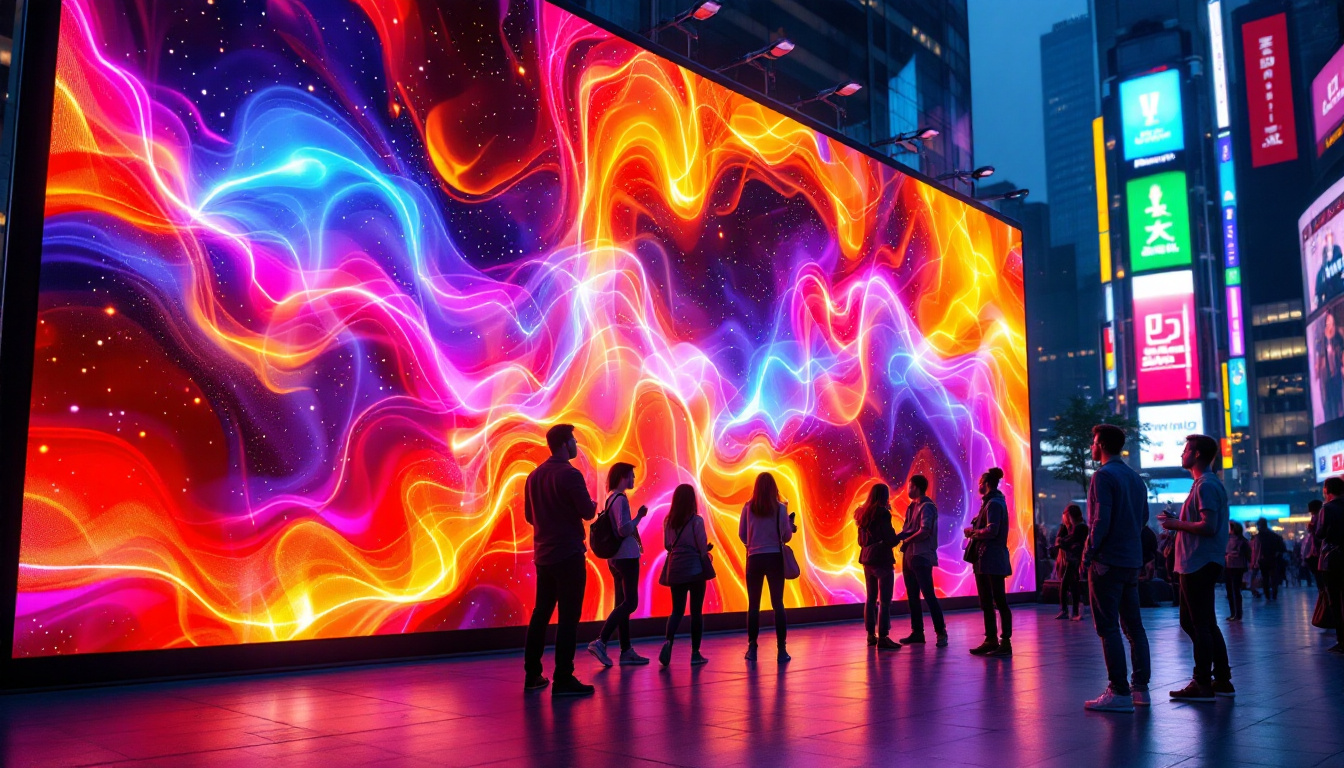
- Outdoor LED Displays: Built to withstand harsh weather conditions and direct sunlight, these displays have larger pixel pitches (usually 4mm and above) but are extremely bright, often exceeding 5,000 nits, ensuring visibility even under bright daylight. They are commonly used for billboards, sports arenas, and public information displays, where high visibility is crucial for capturing the attention of passersby.
- Transparent LED Displays: These innovative displays allow light to pass through them, making them perfect for glass windows and storefronts where maintaining visibility is essential while still delivering dynamic content. This technology opens up new possibilities for advertising and branding, as businesses can showcase their products without obstructing the view of the interior.
- Flexible and Curved LED Displays: Utilizing flexible substrates, these displays can be bent or shaped to fit unique architectural designs, enhancing aesthetic appeal and engagement. This adaptability allows for creative installations in various settings, from art exhibits to immersive environments, where traditional flat displays may not suffice.
In addition to these types, LED technology continues to evolve, with advancements such as microLED and miniLED displays on the horizon. MicroLED technology, for instance, promises even smaller individual light sources, leading to unprecedented levels of brightness and color accuracy, while miniLED technology enhances traditional LCD displays by using smaller LEDs for backlighting, resulting in improved contrast ratios and energy efficiency. As the demand for high-quality visual experiences grows across industries, the future of LED display technology looks promising, with innovations that will further enhance how we interact with digital content.
Applications of LED Displays Across Industries
Advertising and Marketing
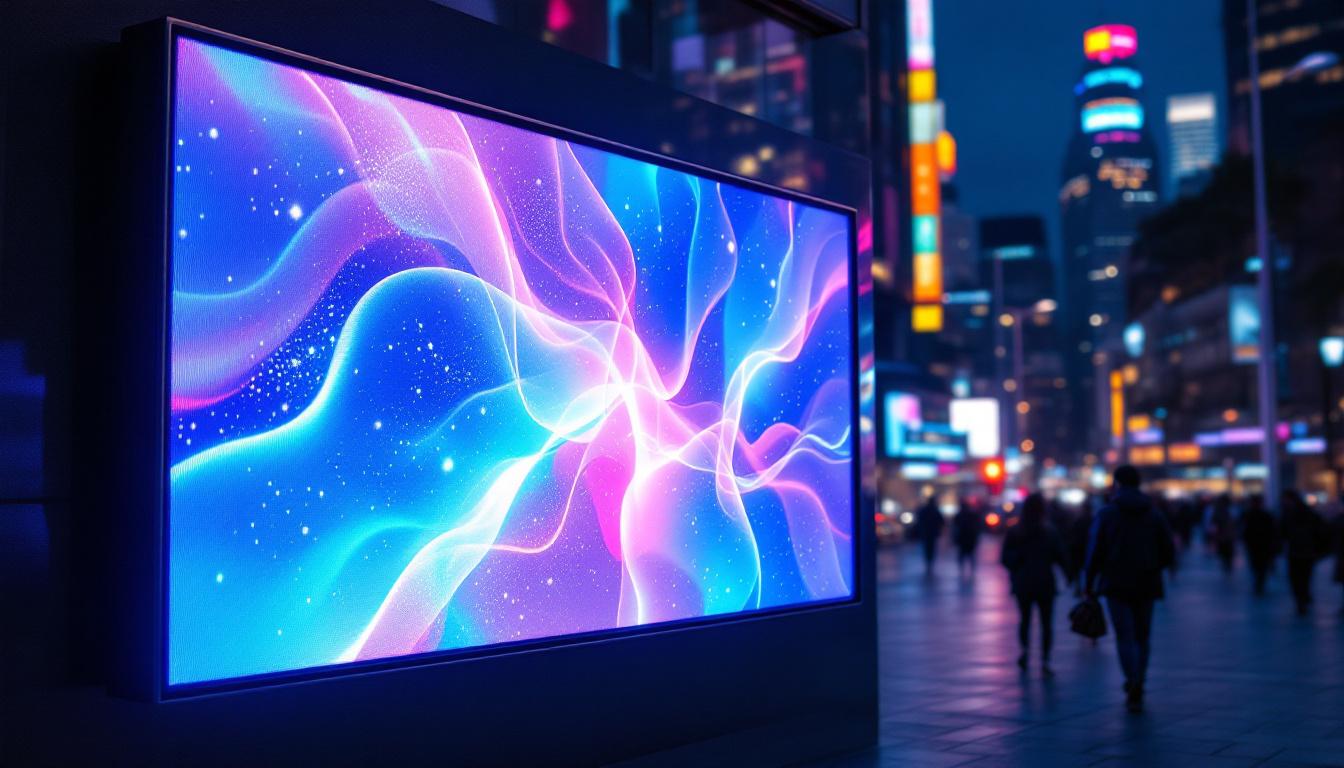
One of the most prominent uses of LED displays is in advertising. Digital billboards equipped with LED technology have revolutionized outdoor advertising by enabling dynamic, eye-catching content that can be updated in real-time. According to the Outdoor Advertising Association of America, digital out-of-home (DOOH) advertising, which heavily relies on LED displays, is projected to grow by over 10% annually, reflecting its increasing effectiveness and popularity.
LED displays allow advertisers to tailor messages based on time of day, weather conditions, or audience demographics, enhancing engagement and return on investment. For example, a fast-food chain might display breakfast promotions in the morning and switch to lunch offers later in the day, all controlled remotely through centralized software.
Sports and Entertainment Venues
Sports arenas and concert venues utilize LED displays extensively for scoreboards, video walls, and immersive fan experiences. The ability to deliver high-definition video content and live feeds enhances audience engagement and creates memorable events. The 2022 FIFA World Cup, for instance, featured state-of-the-art LED screens around stadiums that provided instant replays, player statistics, and interactive advertisements, elevating the viewing experience both on-site and for broadcast audiences.
Corporate and Educational Environments
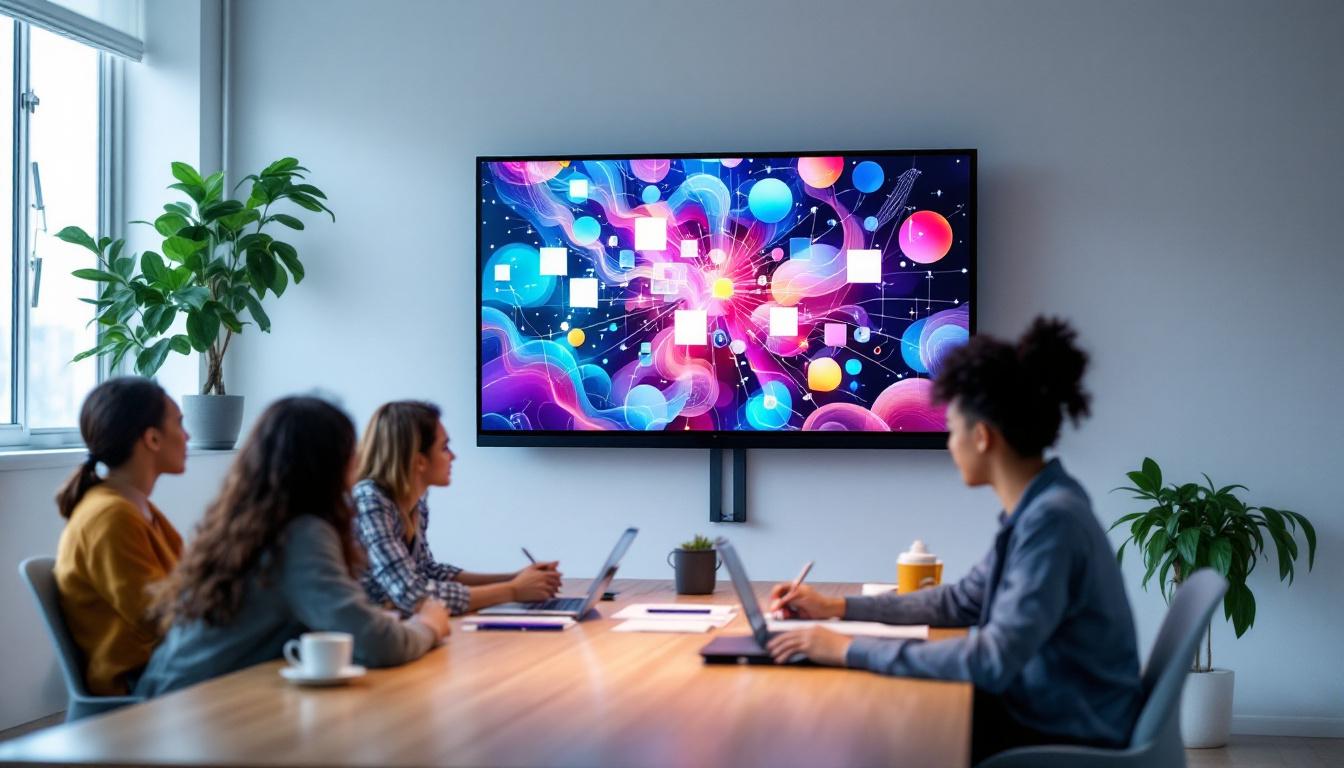
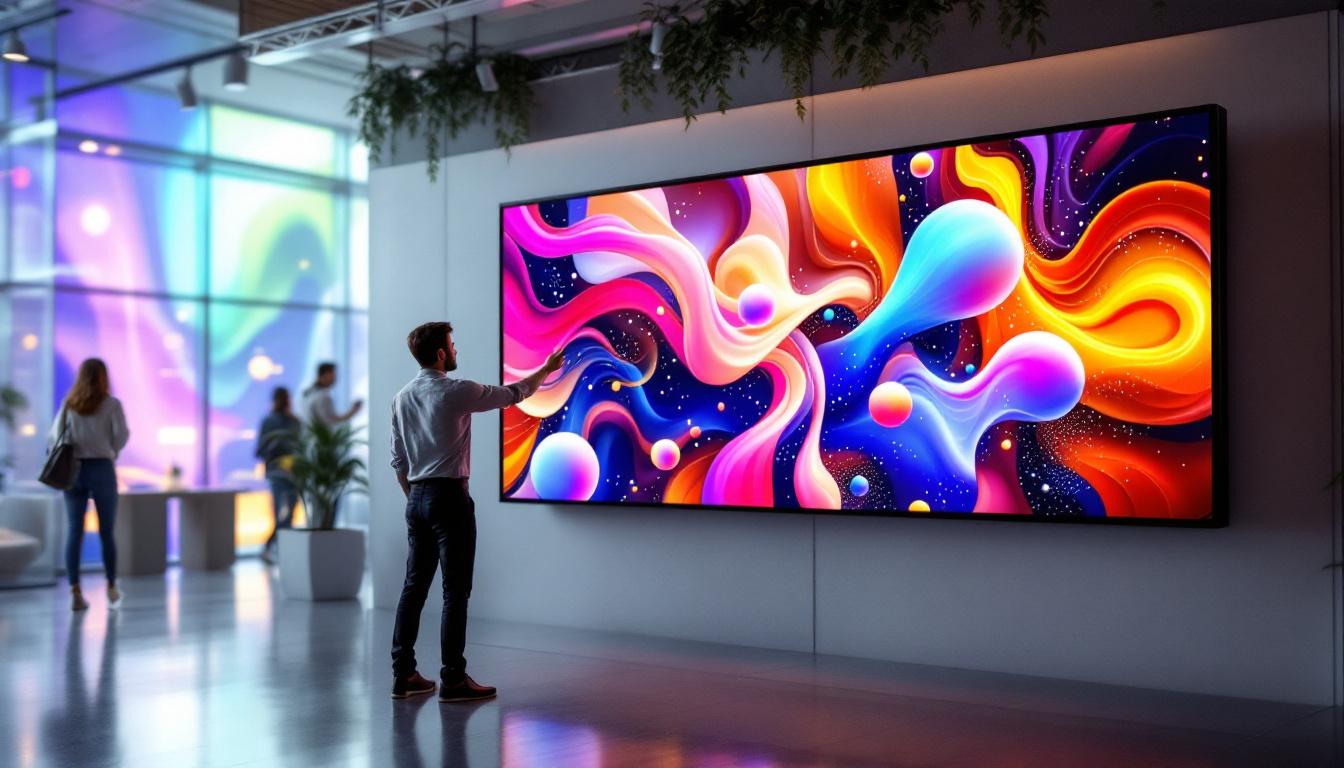
In corporate settings, LED displays are used for presentations, digital signage, and video conferencing. Their brightness and clarity make them ideal for boardrooms and lobbies, where impactful communication is essential. Educational institutions also benefit from LED technology by integrating digital displays into classrooms and auditoriums, facilitating interactive learning and information dissemination.
Transportation and Public Information Systems
LED displays are critical in transportation hubs such as airports, train stations, and bus terminals. They provide real-time updates on schedules, delays, and safety information, improving passenger experience and operational efficiency. Cities also deploy LED screens for public announcements, emergency alerts, and community engagement, leveraging their visibility and reliability.
Benefits of LED Displays Compared to Other Technologies
Superior Brightness and Visibility
One of the defining advantages of LED displays is their exceptional brightness. With luminance levels often exceeding 5,000 nits for outdoor models, LED screens remain clearly visible even under direct sunlight, a challenge for many other display technologies. This makes them indispensable for outdoor advertising and public information where visibility is critical.
Energy Efficiency and Longevity
LEDs are inherently energy-efficient, consuming significantly less power than traditional incandescent or fluorescent lighting. This efficiency translates into lower operational costs and a reduced environmental footprint. Moreover, LED displays typically have a lifespan of 50,000 to 100,000 hours, far surpassing that of LCD or plasma screens, which reduces maintenance and replacement expenses.
Flexibility and Scalability
LED displays can be manufactured in various sizes and shapes, from small indoor panels to massive outdoor video walls spanning thousands of square feet. Their modular design allows for easy scalability and customization, enabling businesses to create tailored solutions that fit their unique spatial and functional requirements.
Enhanced Color Accuracy and Contrast
Modern LED displays offer excellent color reproduction and high contrast ratios, delivering vivid and lifelike images. This capability is particularly important for advertising and entertainment applications, where visual impact directly influences audience engagement and brand perception.
Key Considerations When Choosing an LED Display
Pixel Pitch and Resolution
Choosing the appropriate pixel pitch is crucial to ensure optimal image quality. For close-viewing environments, such as retail stores or corporate lobbies, a smaller pixel pitch (1.2mm to 2.5mm) is recommended to provide sharp images without visible pixelation. For outdoor displays viewed from a distance, larger pixel pitches (4mm to 10mm or more) are sufficient and more cost-effective.
Brightness and Environmental Durability
Outdoor LED displays must offer high brightness levels to combat sunlight glare and be rated for weather resistance, including protection against rain, dust, and temperature extremes. IP ratings (Ingress Protection) provide guidance on a display’s durability, with IP65 or higher being standard for outdoor use.
Control Systems and Software Integration
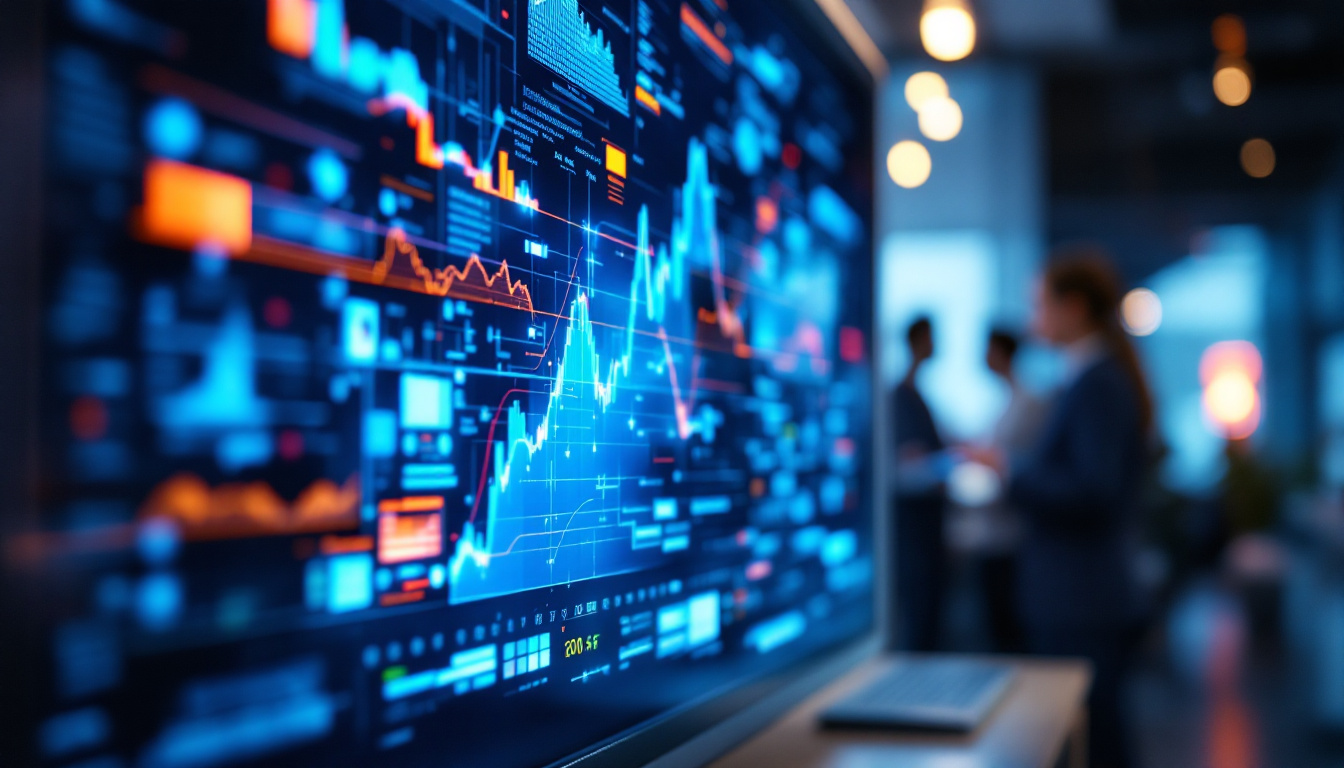
Modern LED displays are managed via sophisticated control systems that allow content scheduling, remote updates, and integration with other digital platforms. Choosing a display with compatible and user-friendly software is essential for efficient operation and maximizing the display’s potential.
Cost and Return on Investment
While LED displays represent a significant upfront investment, their long-term benefits in terms of durability, energy savings, and advertising effectiveness often justify the cost. Businesses should evaluate the total cost of ownership alongside potential revenue or engagement gains to make informed decisions.
The Future of LED Display Technology
MicroLED and MiniLED Innovations
Emerging technologies such as MicroLED and MiniLED are pushing the boundaries of LED display performance. MicroLEDs, which are even smaller than conventional LEDs, offer higher resolution, improved brightness, and better energy efficiency, making them ideal for next-generation smartphones, TVs, and wearable devices. MiniLED technology enhances backlighting for LCD panels, providing improved contrast and color accuracy at a lower cost than OLED displays.
Integration with AI and IoT
Artificial intelligence (AI) and the Internet of Things (IoT) are transforming LED displays into smart, interactive devices. AI-powered content management systems can analyze audience demographics and behavior to deliver personalized advertisements in real-time. IoT connectivity enables seamless integration with other smart city infrastructure, enhancing public services and urban experiences.
Sustainability and Environmental Impact
As sustainability becomes a priority, manufacturers are focusing on eco-friendly materials and energy-saving designs for LED displays. Advances in recycling and modular repairability aim to reduce electronic waste, while innovations in power management further decrease environmental impact.
Conclusion
LED displays represent a dynamic and versatile technology that continues to reshape how information and advertising are delivered across various sectors. Their unmatched brightness, energy efficiency, and adaptability make them a preferred choice for businesses and organizations seeking impactful visual communication solutions. By understanding the technology, applications, and future trends, stakeholders can make informed decisions to harness the full potential of LED displays in their operations.
As LED technology evolves, integrating smarter features and sustainable practices, its role in data display products will only grow, offering exciting possibilities for innovation and engagement in the years to come.
Explore Cutting-Edge LED Solutions with LumenMatrix
Ready to elevate your visual communication strategy with the latest in LED display technology? LumenMatrix is at the forefront of innovation, offering a diverse range of LED display solutions tailored to your needs. From Indoor and Outdoor LED Wall Displays to specialized options like Vehicle, Sports, and Floor LED Displays, our products are designed to captivate and engage your audience. Experience the transformative power of Custom, All-in-One, and Transparent LED Displays. Discover how LumenMatrix can revolutionize your brand’s visibility and create unforgettable visual experiences. Check out LumenMatrix LED Display Solutions today and step into the future of digital signage.