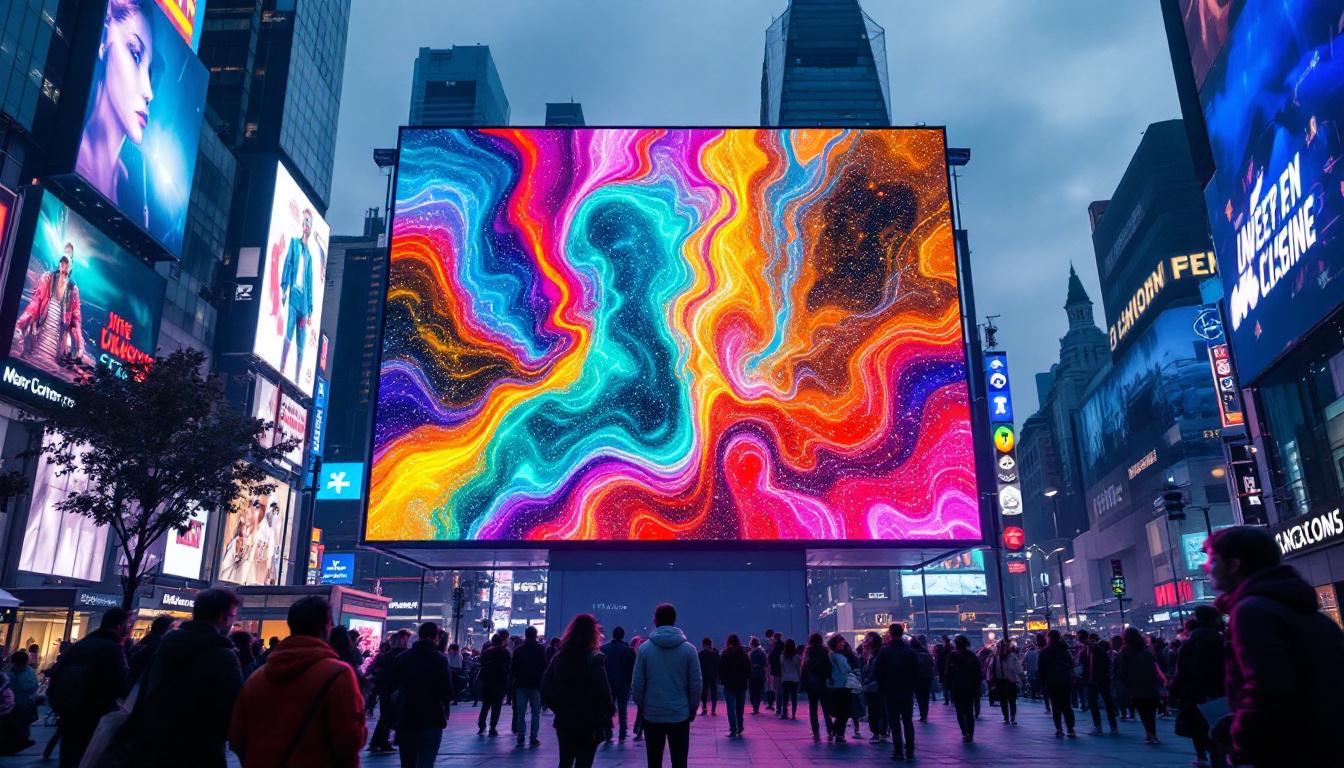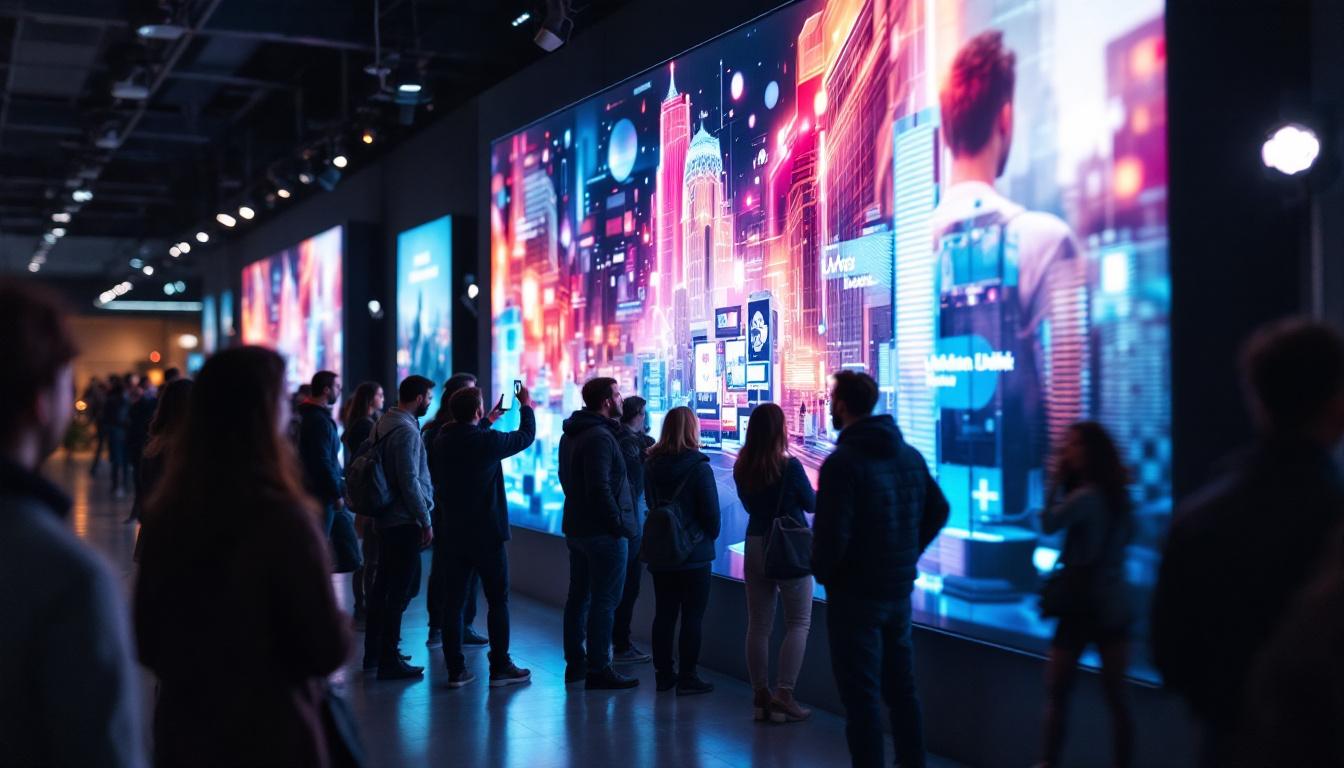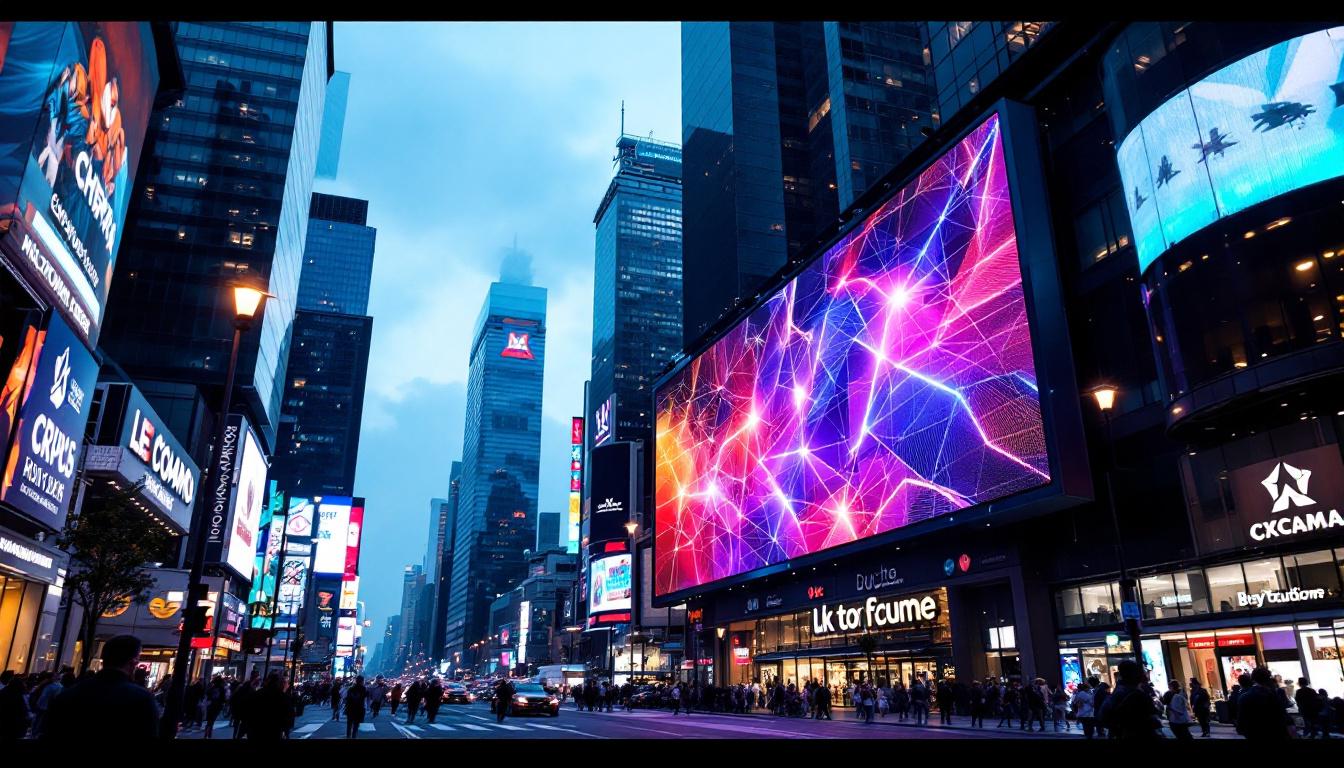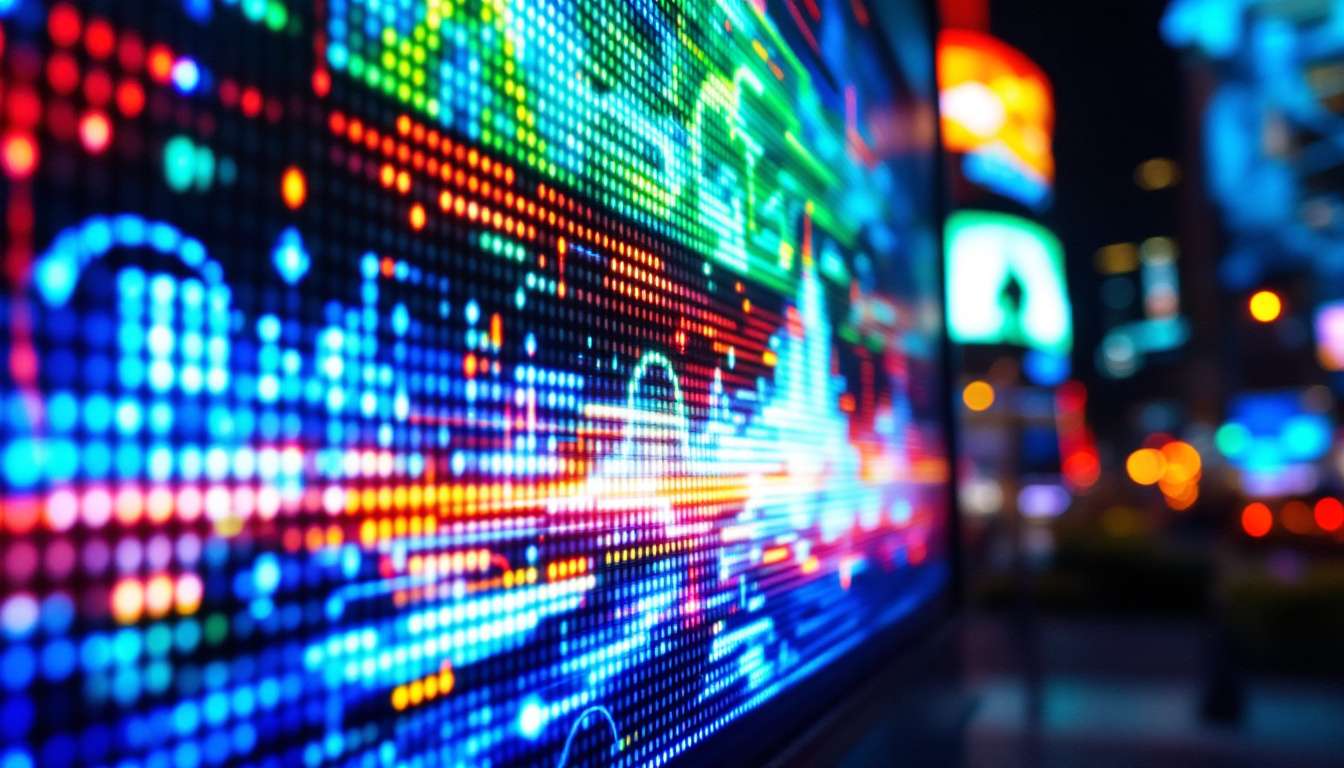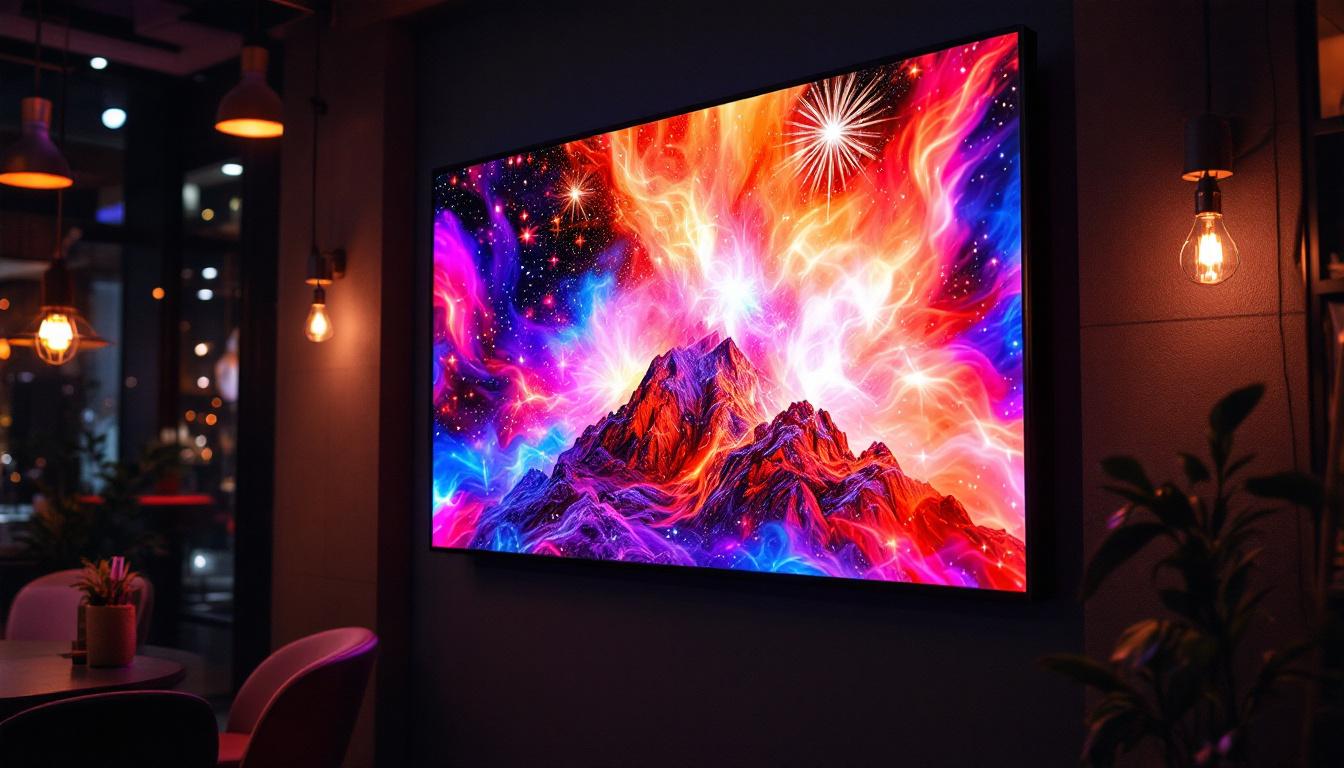
In today’s fast-paced digital world, visual communication has become paramount. Among the many display technologies available, LED wall panels stand out as a versatile and powerful solution for a wide range of applications. From advertising billboards and concert stages to corporate lobbies and control rooms, LED displays offer vibrant, dynamic, and scalable visual experiences that captivate audiences and convey messages effectively.
This comprehensive article delves into the fundamentals of LED wall panels, exploring their technology, advantages, types, and practical applications. Whether you are a business owner considering digital signage, an event organizer, or a technology enthusiast, understanding LED wall panels will help you make informed decisions and appreciate the innovation behind these luminous surfaces.
Understanding LED Wall Panels: The Basics
What Are LED Wall Panels?
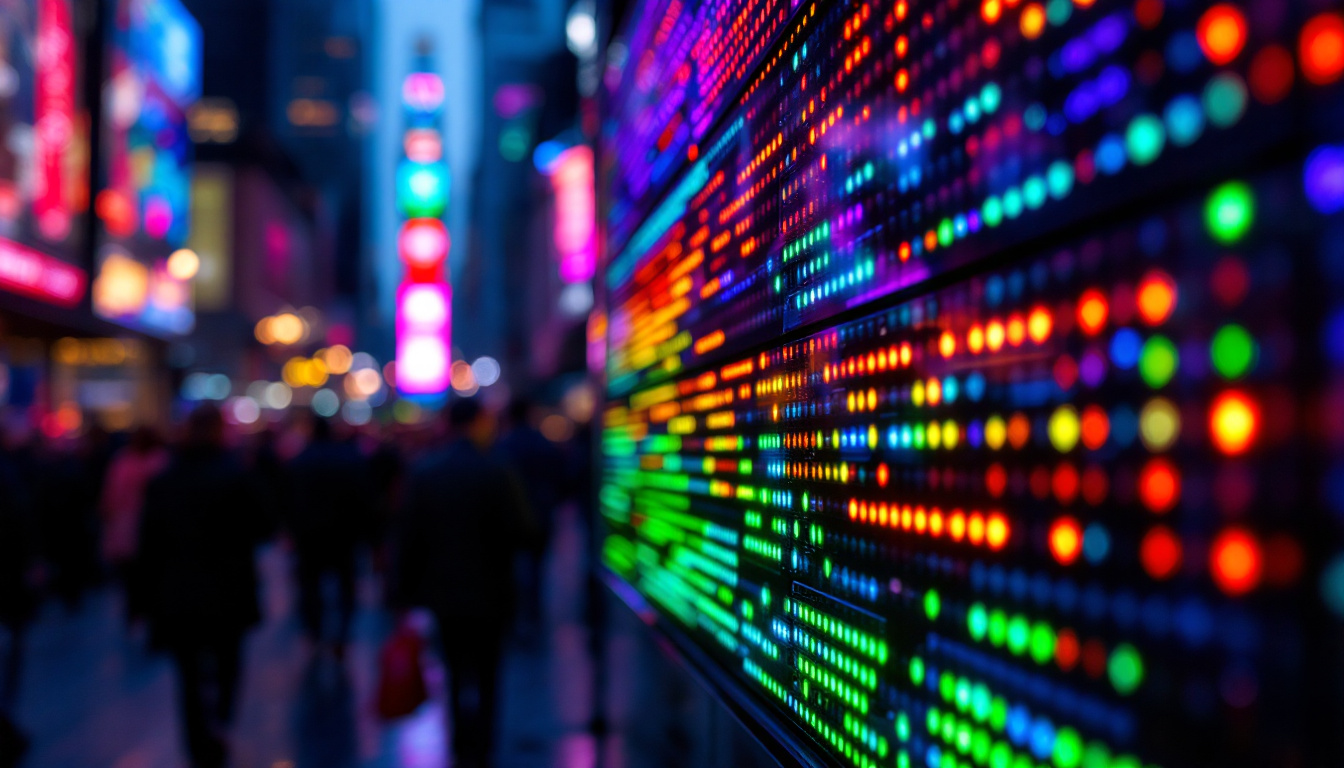
LED wall panels are large-format display units composed of numerous light-emitting diodes (LEDs) arranged in a grid. Each LED acts as a tiny pixel capable of emitting red, green, and blue light, which combine to produce full-color images and videos. When these panels are tiled together, they form a seamless, high-resolution digital canvas that can be customized in size and shape. This versatility allows for creative installations in a variety of settings, from corporate environments to artistic displays in galleries.
Unlike traditional LCD or projection displays, LED panels emit their own light, resulting in brighter images with superior contrast and visibility, even in brightly lit environments. This self-emissive property makes LED wall panels particularly effective for both indoor and outdoor use. Additionally, their lightweight design and modular construction enable easy transport and installation, making them a popular choice for events and temporary setups.
How Do LED Displays Work?
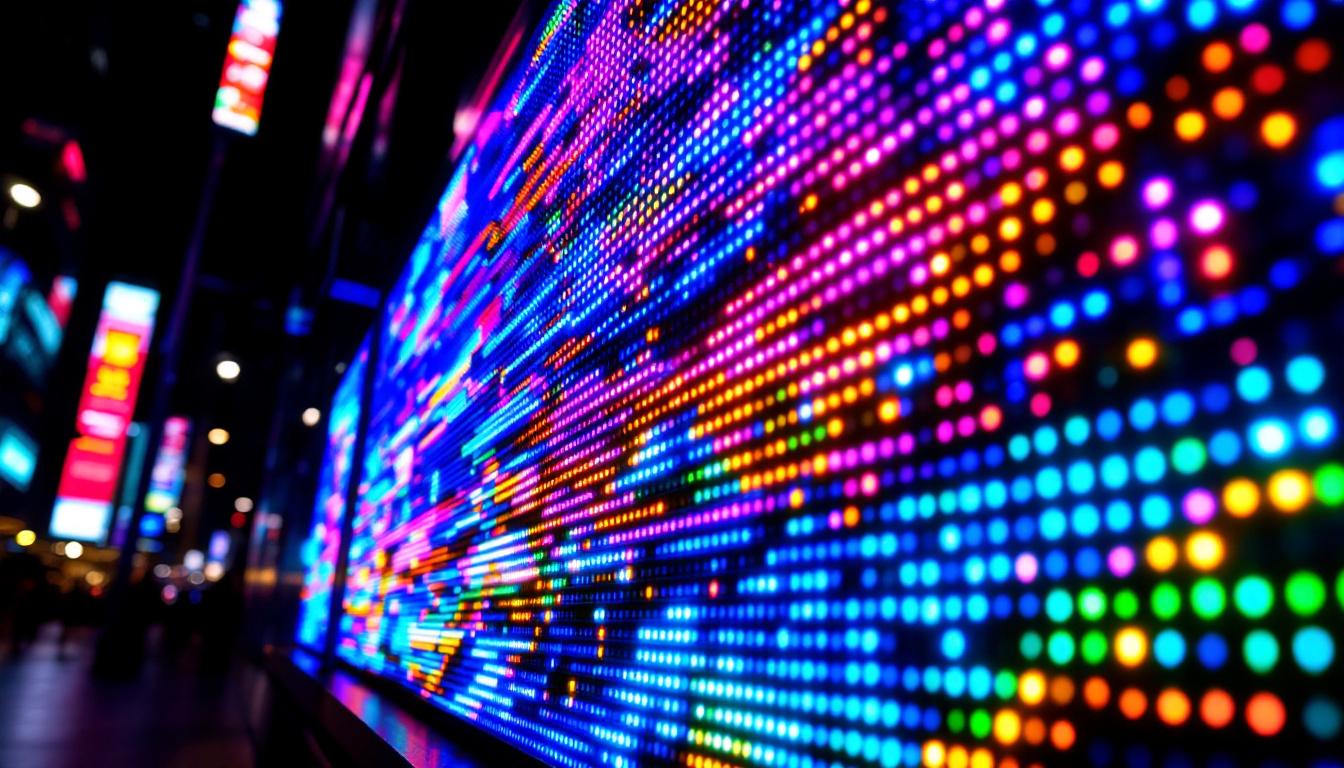
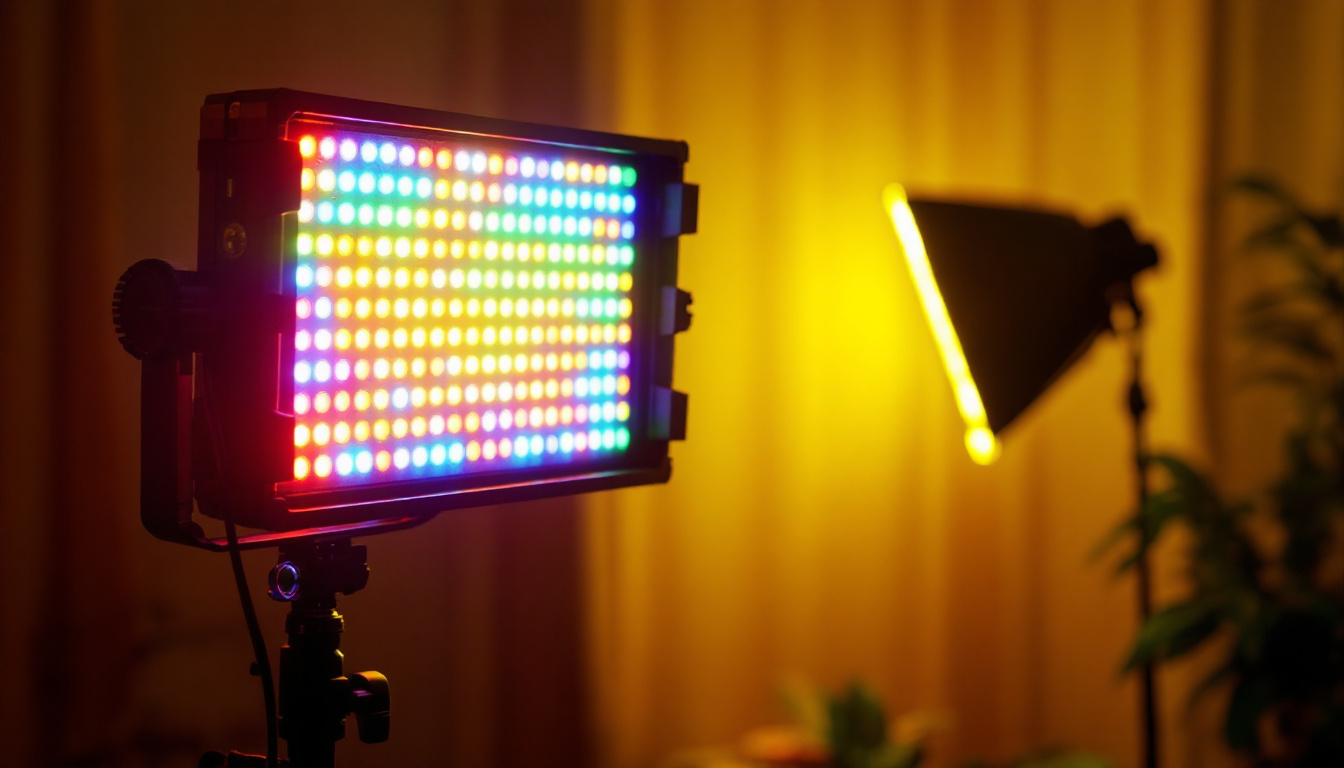
At the heart of an LED display is the pixel, which consists of three subpixels: red, green, and blue LEDs. By varying the intensity of each subpixel, the panel can render a vast spectrum of colors. The control system sends signals to each LED to adjust brightness and color in real-time, enabling smooth video playback and dynamic content display. This capability is particularly beneficial for applications such as live events, where content can be changed on-the-fly to match the mood or theme of the occasion.
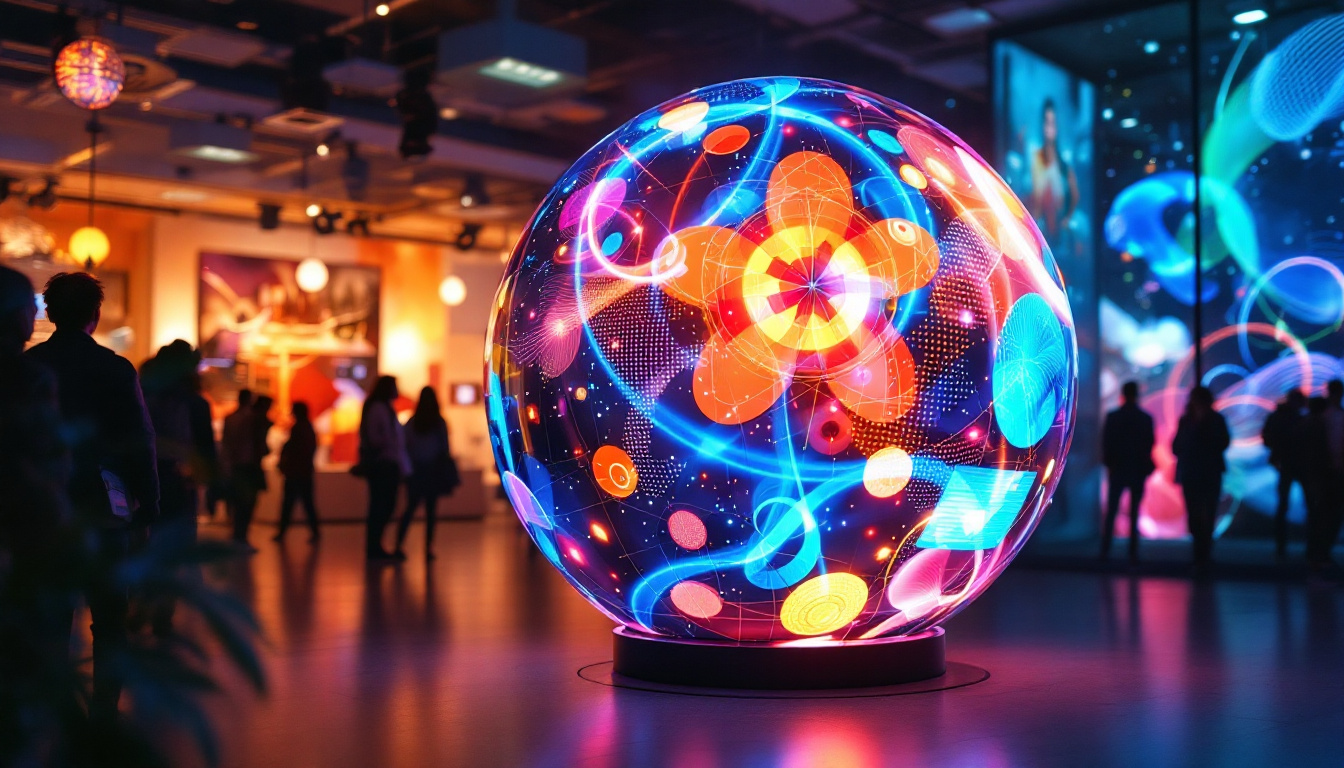
The resolution of an LED wall panel depends on the pixel pitch—the distance between the centers of adjacent pixels. Smaller pixel pitches mean higher pixel density, resulting in sharper images, especially when viewed up close. Conversely, larger pixel pitches are suitable for displays intended to be seen from a distance, such as stadium screens or roadside billboards. Furthermore, advancements in technology have led to the development of flexible LED panels, which can be bent or curved to fit unique architectural designs, opening up new possibilities for creative expression in commercial and artistic installations.
Advantages of LED Wall Panels
Brightness and Visibility
One of the most significant benefits of LED wall panels is their outstanding brightness. Modern LED displays can achieve brightness levels exceeding 5,000 nits, which is substantially higher than typical LCD screens. This high luminance ensures that content remains clear and vivid even under direct sunlight or in brightly lit indoor spaces.
High brightness also improves visibility from various angles and distances, making LED walls ideal for environments where audience engagement is critical, such as retail stores, airports, and sports arenas. In addition, the ability to adjust brightness levels dynamically allows for optimal viewing experiences in varying light conditions, enhancing the overall impact of the displayed content. Whether it’s a vibrant advertisement or a live sports event, the clarity and vibrancy of LED panels captivate audiences, drawing them in and keeping their attention.
Energy Efficiency and Longevity
LED technology is renowned for its energy efficiency compared to other display methods. LEDs consume less power while delivering brighter images, which translates to lower operating costs over time. Additionally, LED wall panels boast an impressive lifespan, often rated between 50,000 to 100,000 hours of continuous use.
This durability reduces maintenance requirements and replacement frequency, making LED walls a cost-effective investment for businesses and venues seeking long-term digital signage solutions. Furthermore, the low heat emission of LED panels not only contributes to their energy efficiency but also minimizes the need for additional cooling systems, further reducing operational costs. This combination of longevity and efficiency positions LED wall panels as an environmentally friendly choice, appealing to organizations looking to enhance their sustainability efforts while still achieving high-impact visual communication.
Customization and Scalability
LED wall panels offer unparalleled flexibility in design and installation. Panels can be combined to create displays of virtually any size or shape, from small video walls to massive outdoor screens spanning hundreds of square meters. This scalability allows for tailored solutions that fit specific spatial and visual needs.
Moreover, LED panels can be curved, angled, or even suspended, enabling creative architectural integrations and immersive experiences. The modular nature of LED systems also facilitates easy upgrades and repairs, as individual panels can be replaced without dismantling the entire display. This adaptability makes LED walls particularly appealing for event venues and exhibitions, where the configuration may need to change frequently to accommodate different themes or layouts. Additionally, advanced control systems allow for synchronized content across multiple panels, creating a seamless visual experience that can be tailored to fit any occasion, from corporate events to entertainment showcases.
Types of LED Wall Panels
Indoor vs. Outdoor LED Panels
LED wall panels are broadly categorized into indoor and outdoor types, each designed to meet distinct environmental and performance requirements.
Indoor LED Panels: These panels typically have a smaller pixel pitch (ranging from 0.9mm to 4mm) to deliver high-resolution images suitable for close viewing distances. They are built with lighter materials and often feature higher refresh rates to ensure smooth video playback without flicker, which is essential for broadcast-quality displays.
Outdoor LED Panels: Designed to withstand harsh weather conditions, outdoor LED panels feature robust enclosures with waterproof and dustproof ratings (usually IP65 or higher). They have larger pixel pitches (4mm to 20mm or more) to maintain visibility from greater distances. Their higher brightness levels combat sunlight glare, ensuring content remains vibrant and readable.
Fixed vs. Rental LED Panels
Another important distinction is between fixed-installation and rental LED panels.
Fixed LED Panels: These are permanently installed in locations such as retail stores, airports, or stadiums. They are optimized for long-term use, with considerations for durability, energy efficiency, and integration with building infrastructure.
Rental LED Panels: Designed for temporary setups like concerts, exhibitions, and corporate events, rental panels prioritize portability, quick assembly, and modularity. They often have features such as lightweight frames and quick-lock mechanisms to facilitate rapid deployment and dismantling.
Transparent LED Panels
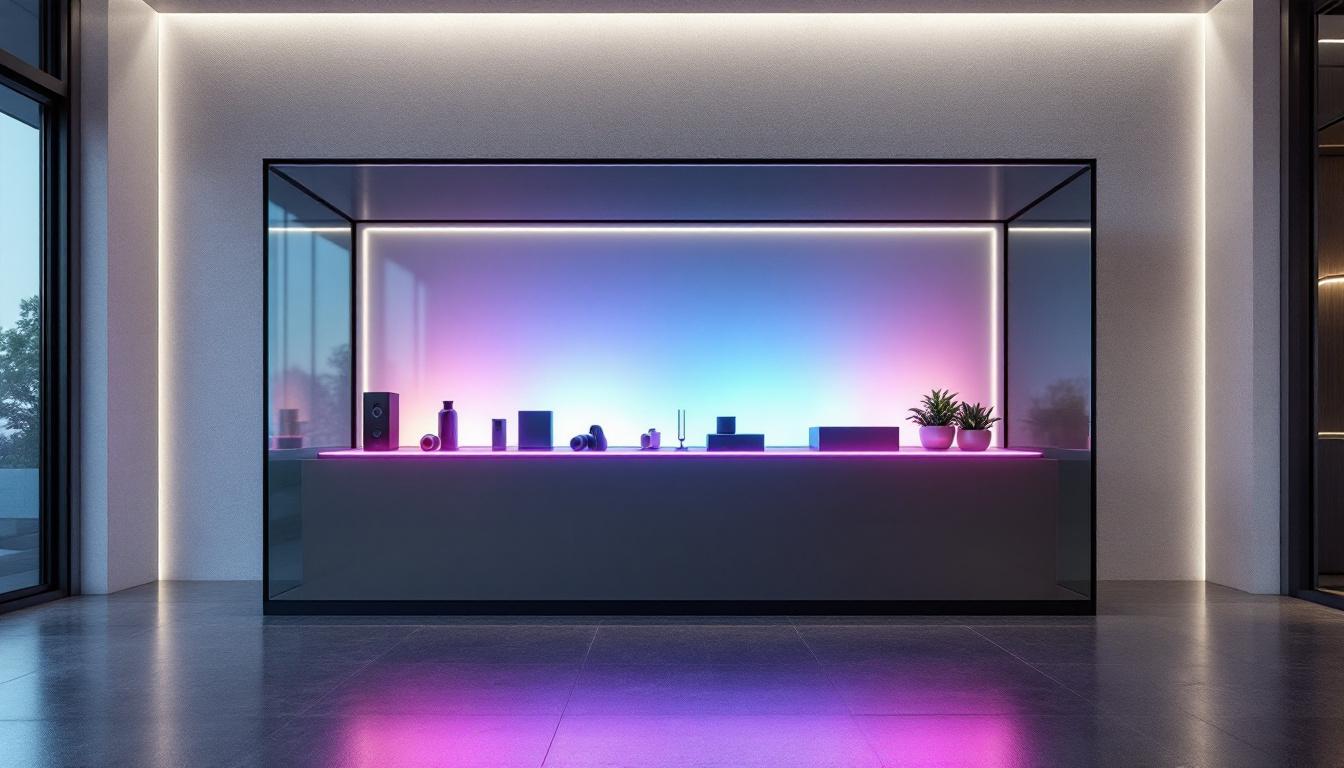
Innovations in LED technology have led to the development of transparent LED panels, which combine display functionality with see-through aesthetics. These panels are constructed with spaced LEDs on a transparent substrate, allowing natural light to pass through while displaying dynamic content.
Transparent LED walls are popular in retail storefronts, museums, and architectural applications where maintaining visibility through glass surfaces is important. They offer a futuristic look and enable unique marketing opportunities without obstructing natural views.
Applications of LED Wall Panels
Advertising and Digital Signage
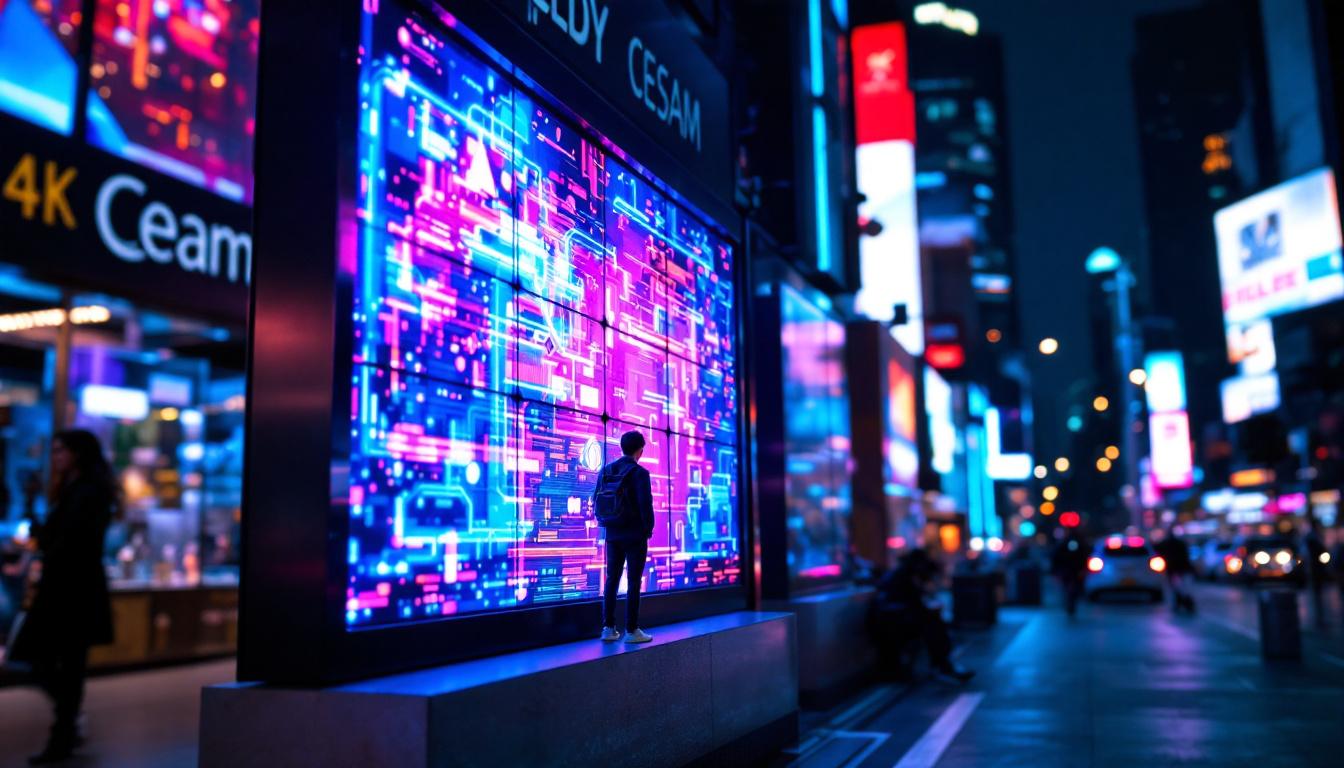
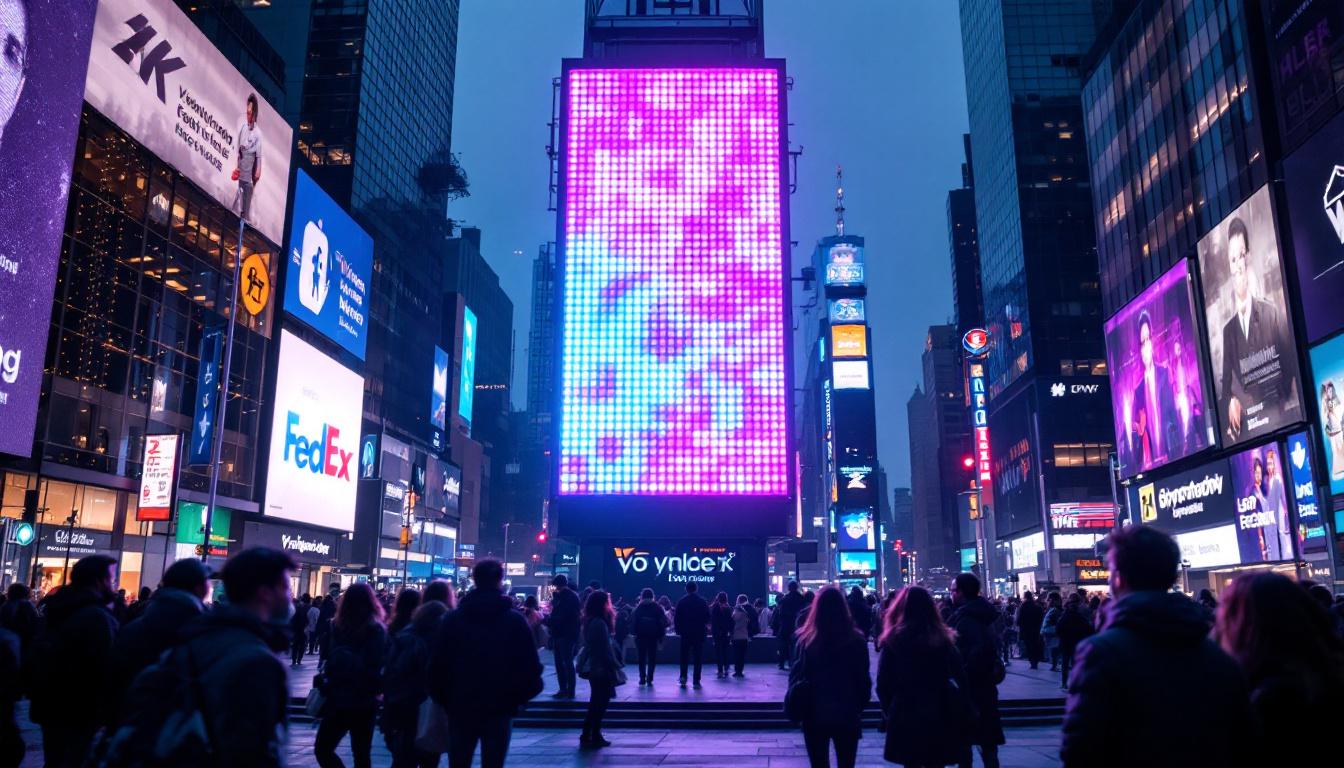
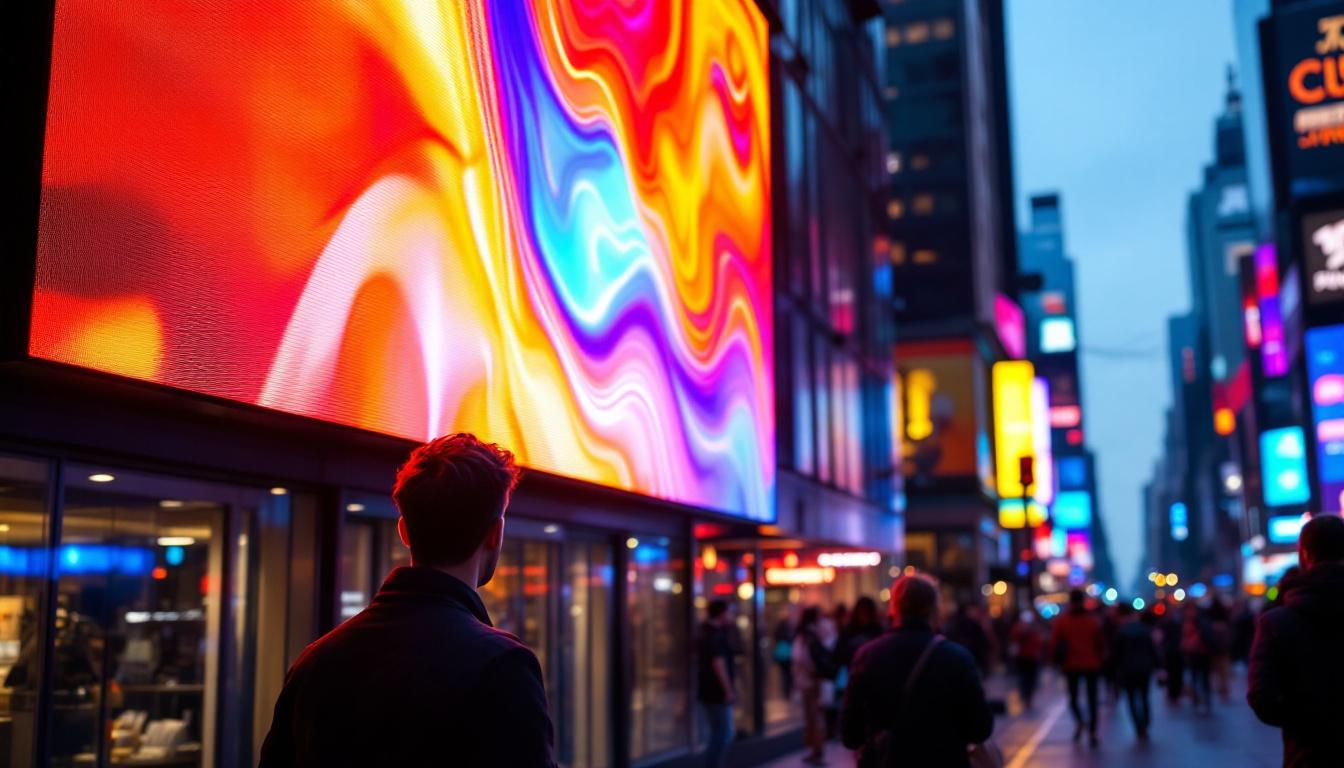
LED wall panels have revolutionized outdoor and indoor advertising by enabling dynamic, eye-catching content that can be updated instantly. Digital billboards using LED technology generate significantly higher engagement rates compared to static signs, with studies showing up to a 400% increase in viewer attention.
Retailers use LED video walls to showcase promotions, product launches, and interactive content, enhancing the shopping experience and driving sales. The ability to schedule and tailor content based on time of day or audience demographics further amplifies marketing effectiveness.
Entertainment and Events
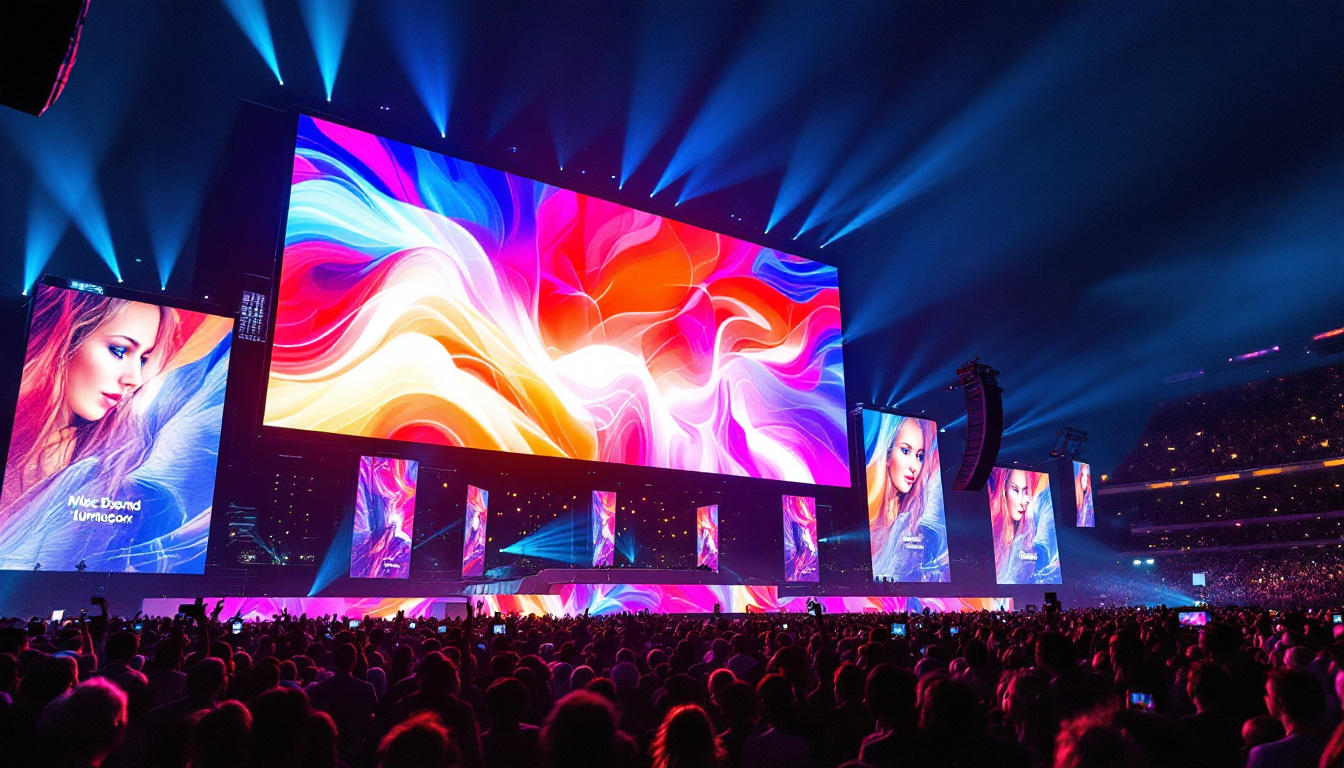
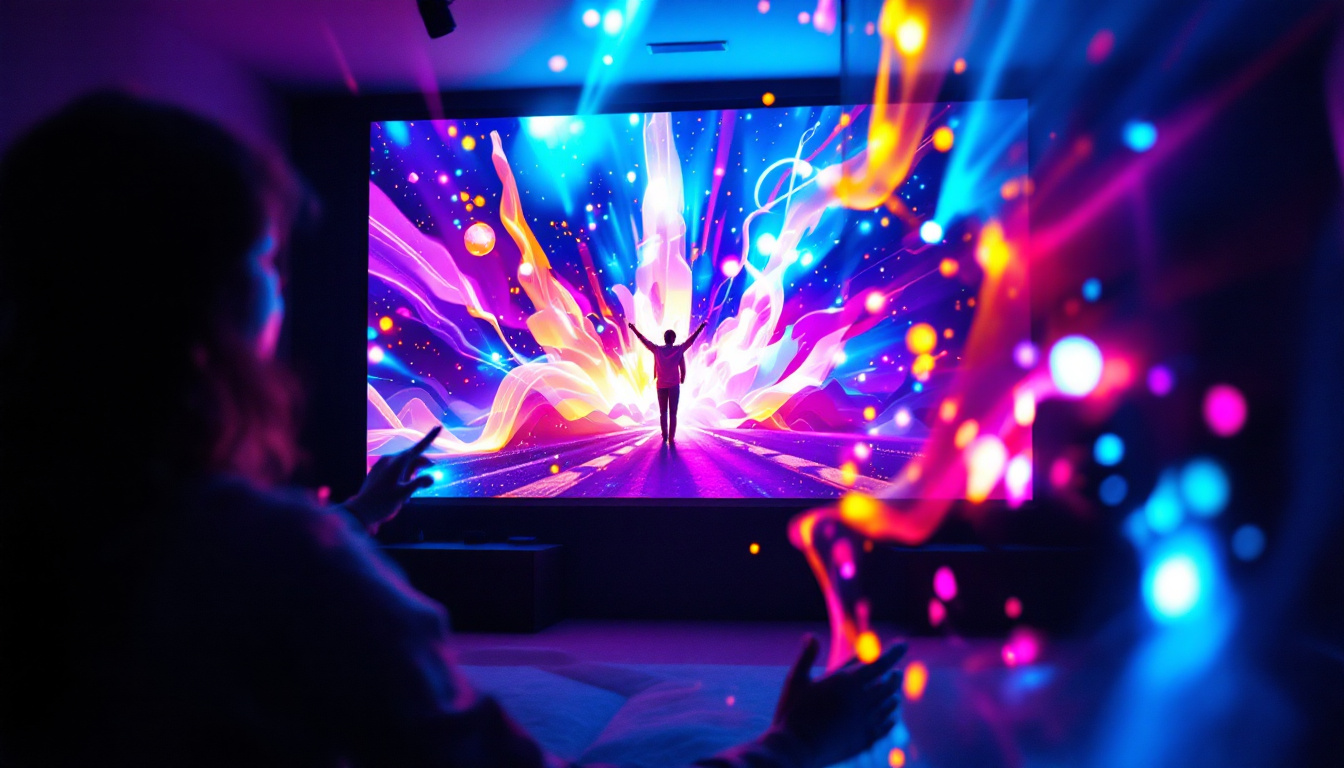
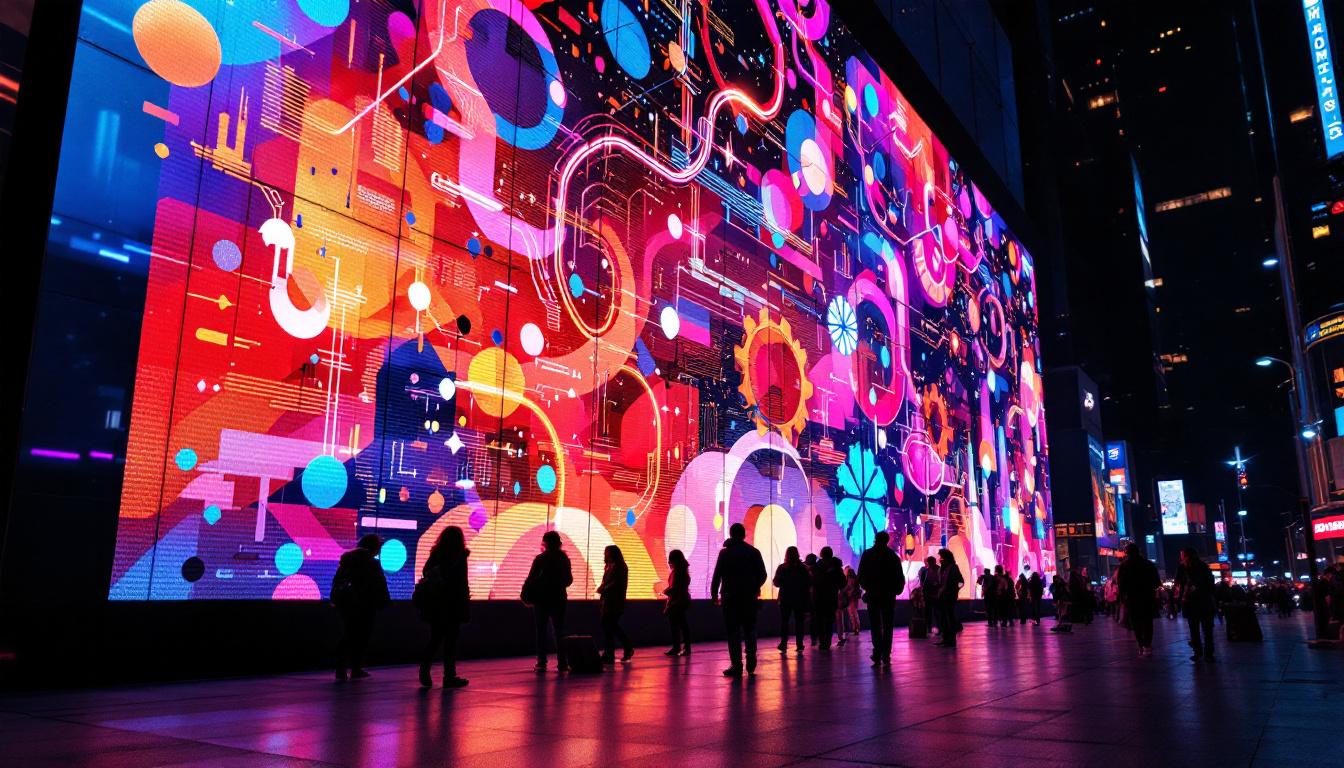
Concerts, festivals, and sports events rely heavily on LED wall panels to create immersive visual environments. Large-scale LED screens provide live video feeds, graphics, and special effects that enhance audience engagement and atmosphere.
In theaters and studios, LED walls are increasingly used as virtual backdrops, replacing traditional green screens. This technology allows real-time rendering of backgrounds and environments, reducing production costs and enabling creative flexibility.
Corporate and Control Rooms
In corporate settings, LED video walls serve as communication hubs in lobbies, conference rooms, and executive suites. They facilitate presentations, video conferencing, and real-time data visualization, fostering collaboration and professionalism.
Control rooms in industries such as transportation, utilities, and emergency services utilize high-resolution LED walls to monitor operations, display critical information, and coordinate responses efficiently. The clarity and reliability of LED displays are crucial in these high-stakes environments.
Choosing the Right LED Wall Panel
Key Factors to Consider
Selecting the appropriate LED wall panel depends on several factors:
- Viewing Distance: Determines the required pixel pitch for optimal image clarity.
- Location: Indoor or outdoor usage affects brightness, weatherproofing, and durability requirements.
- Content Type: Static images, videos, or interactive content may require different refresh rates and resolutions.
- Budget: Balancing upfront costs with long-term operational expenses is essential.
- Installation Constraints: Space, mounting options, and structural support influence panel choice.
Emerging Trends in LED Wall Technology
Advancements in LED technology continue to push the boundaries of what wall panels can achieve. Mini-LED and micro-LED displays offer even higher resolution and contrast, rivaling OLED screens while maintaining the brightness and durability advantages of LEDs.
Integration with artificial intelligence and IoT devices enables smarter content management, personalized advertising, and predictive maintenance. Additionally, energy-efficient designs and sustainable manufacturing practices are becoming priorities as environmental concerns grow.
Conclusion
LED wall panels represent a transformative technology in the realm of digital displays, combining brightness, flexibility, and durability to meet diverse needs across industries. Understanding their underlying technology, types, and applications empowers businesses and organizations to harness their full potential effectively.
Whether enhancing brand visibility, creating immersive entertainment experiences, or facilitating critical operations, LED wall panels continue to illuminate the future of visual communication with vibrant clarity and innovation.
Illuminate Your Space with LumenMatrix
Ready to transform your environment with the vibrant clarity and innovation of LED display technology? Explore LumenMatrix’s comprehensive suite of LED display solutions, from Indoor and Outdoor LED Wall Displays to specialized options like Vehicle, Sports, and Floor LED Displays. Embrace the future of visual communication with our Custom, All-in-One, and Transparent LED Displays, designed to captivate your audience and amplify your message. Check out LumenMatrix LED Display Solutions today and see how we can help you create unforgettable visual experiences.