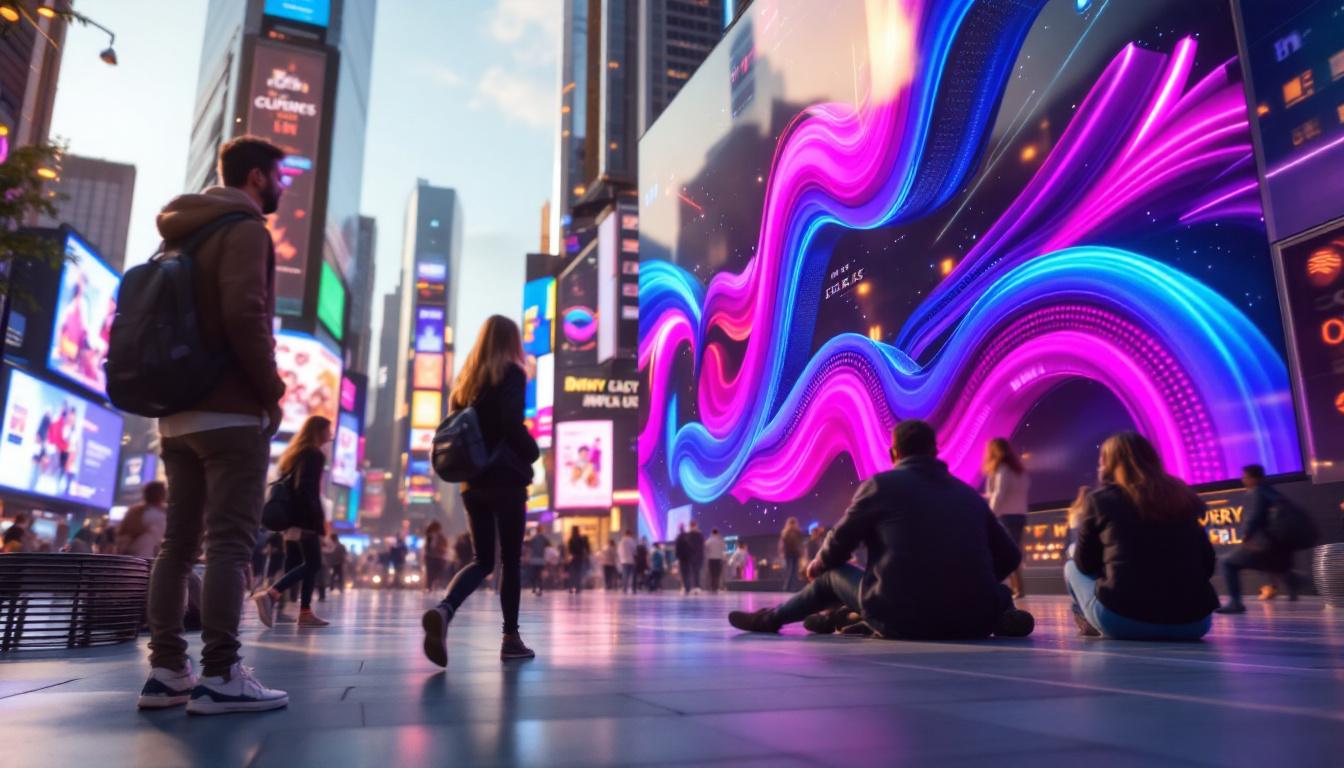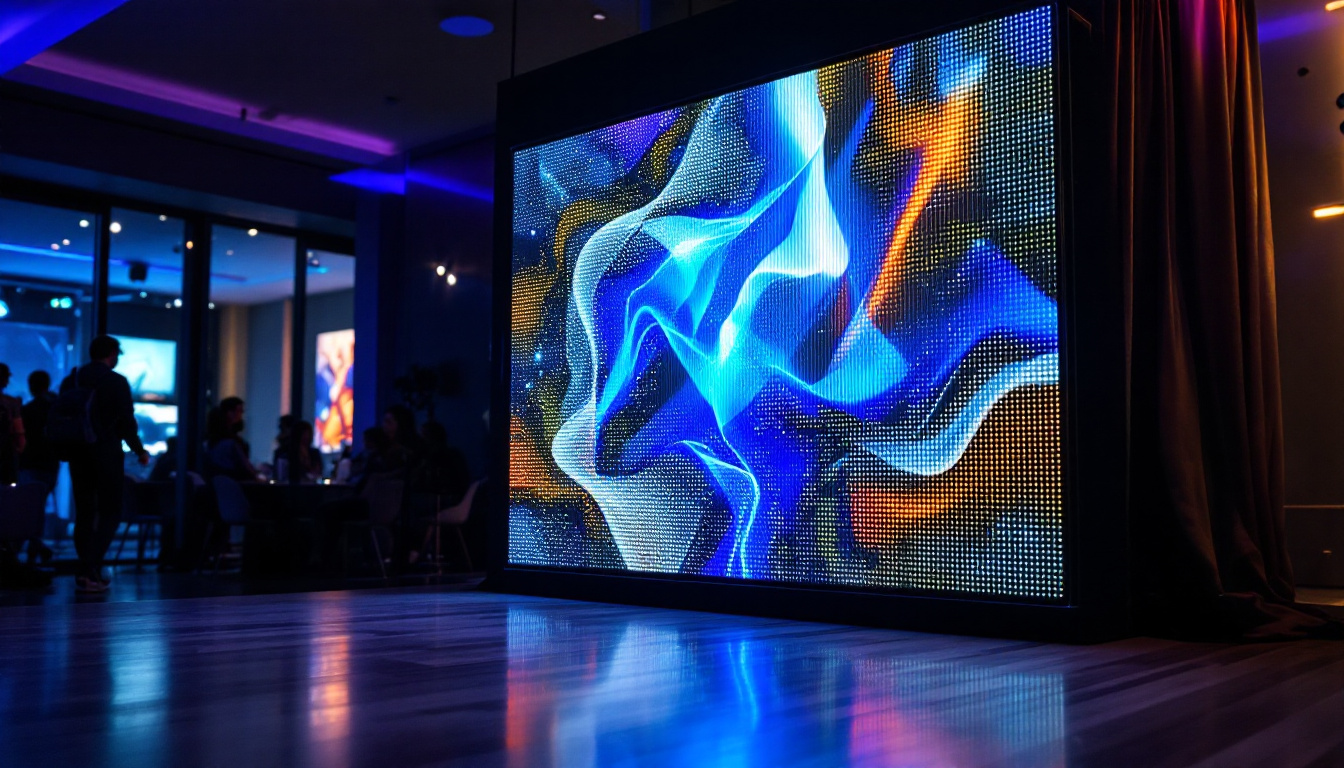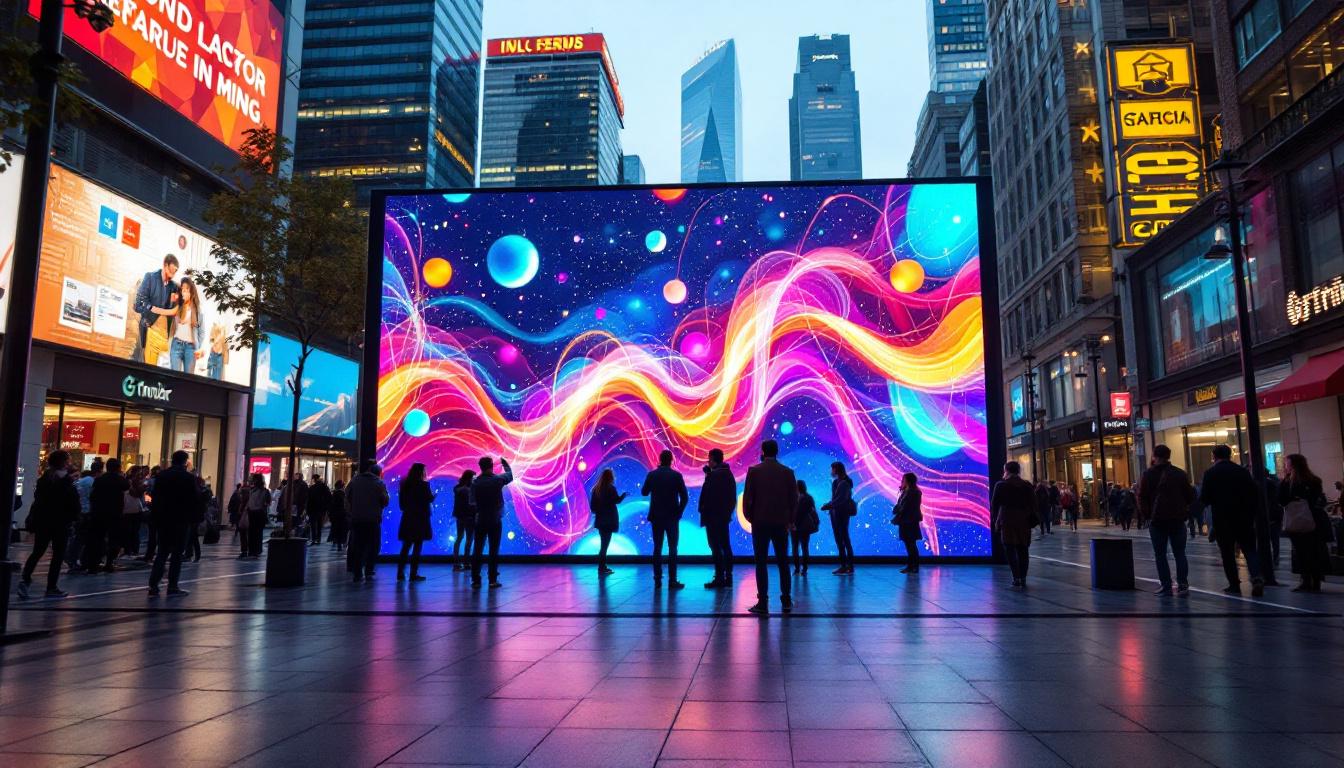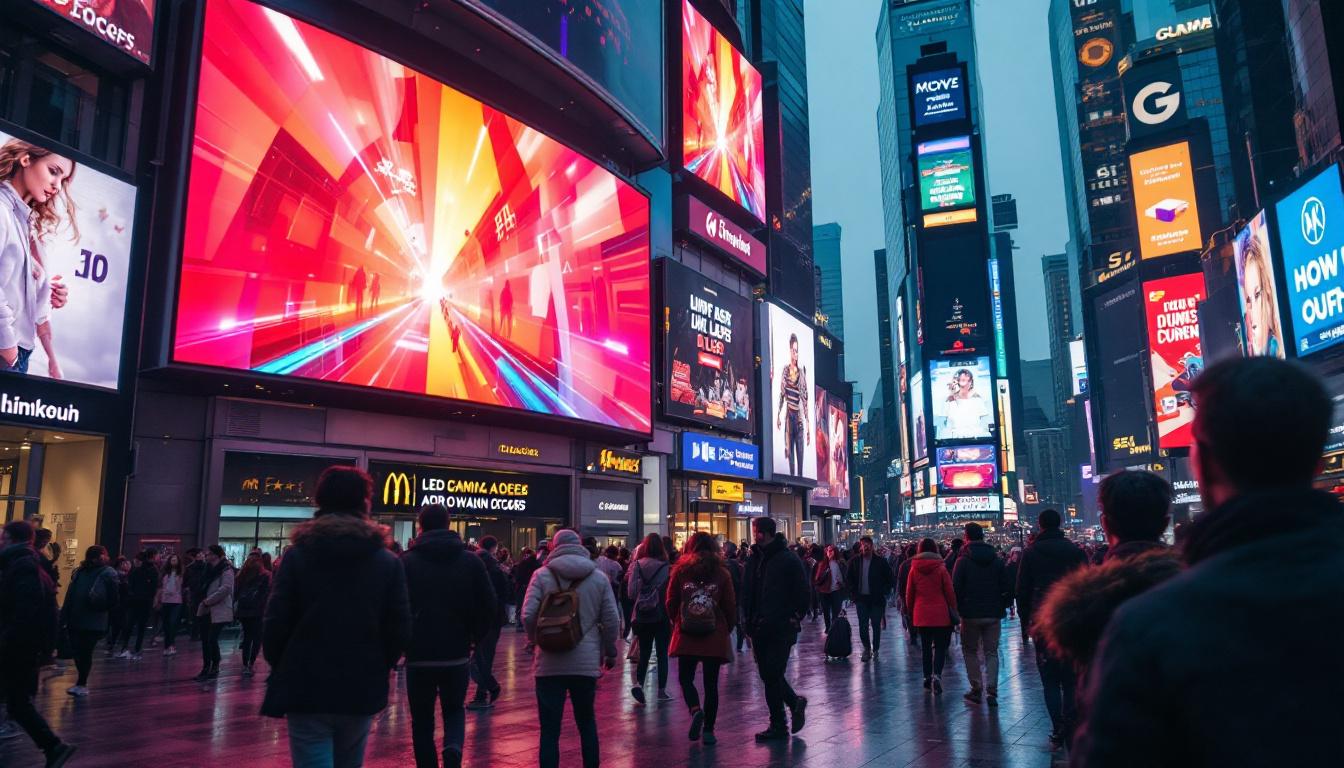
In today’s fast-paced digital world, LED displays have become a cornerstone of visual communication. From vibrant billboards in Times Square to dynamic screens at sports arenas and sleek digital signage in retail stores, LED technology is transforming the way brands and businesses engage audiences. But what exactly is an LED display, and why has it become the preferred choice for so many applications? This article provides a comprehensive explanation of LED displays, exploring their technology, types, benefits, and future trends.
Understanding LED Display Technology
What Is an LED Display?
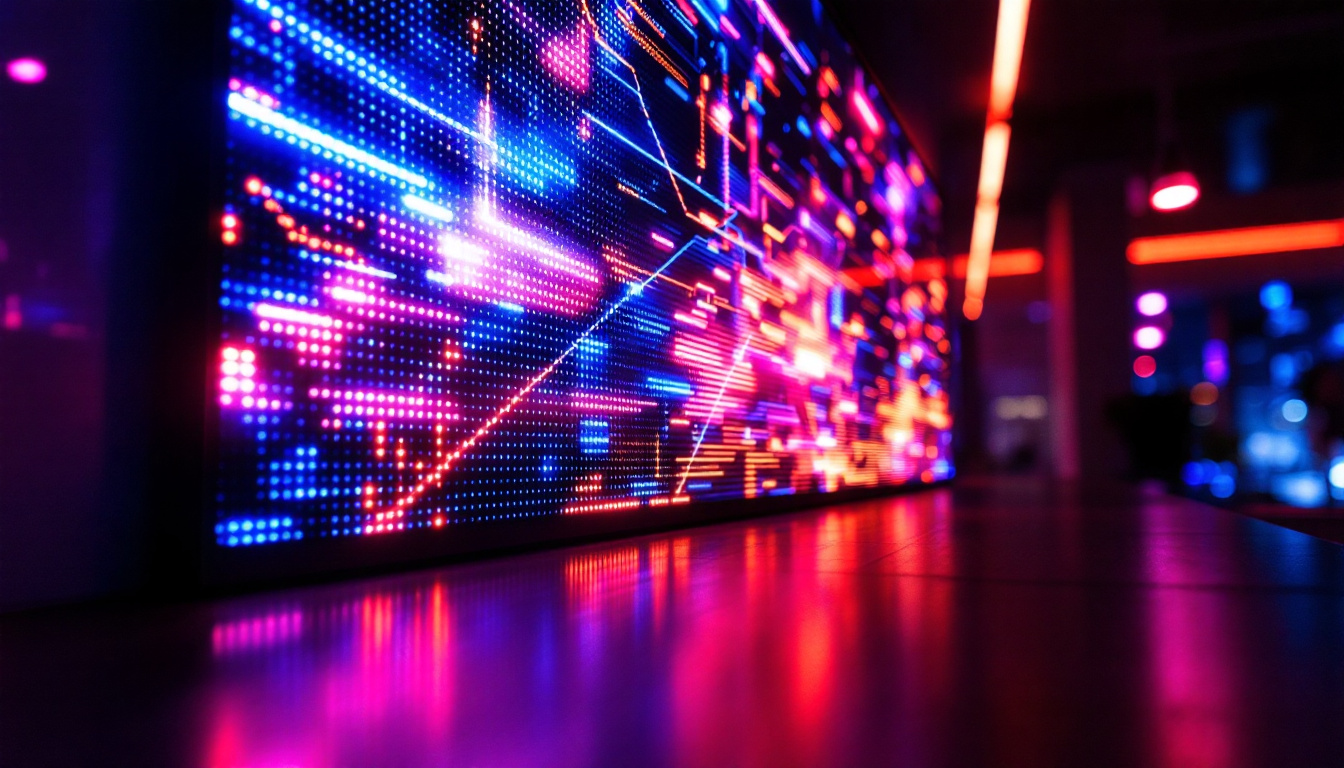
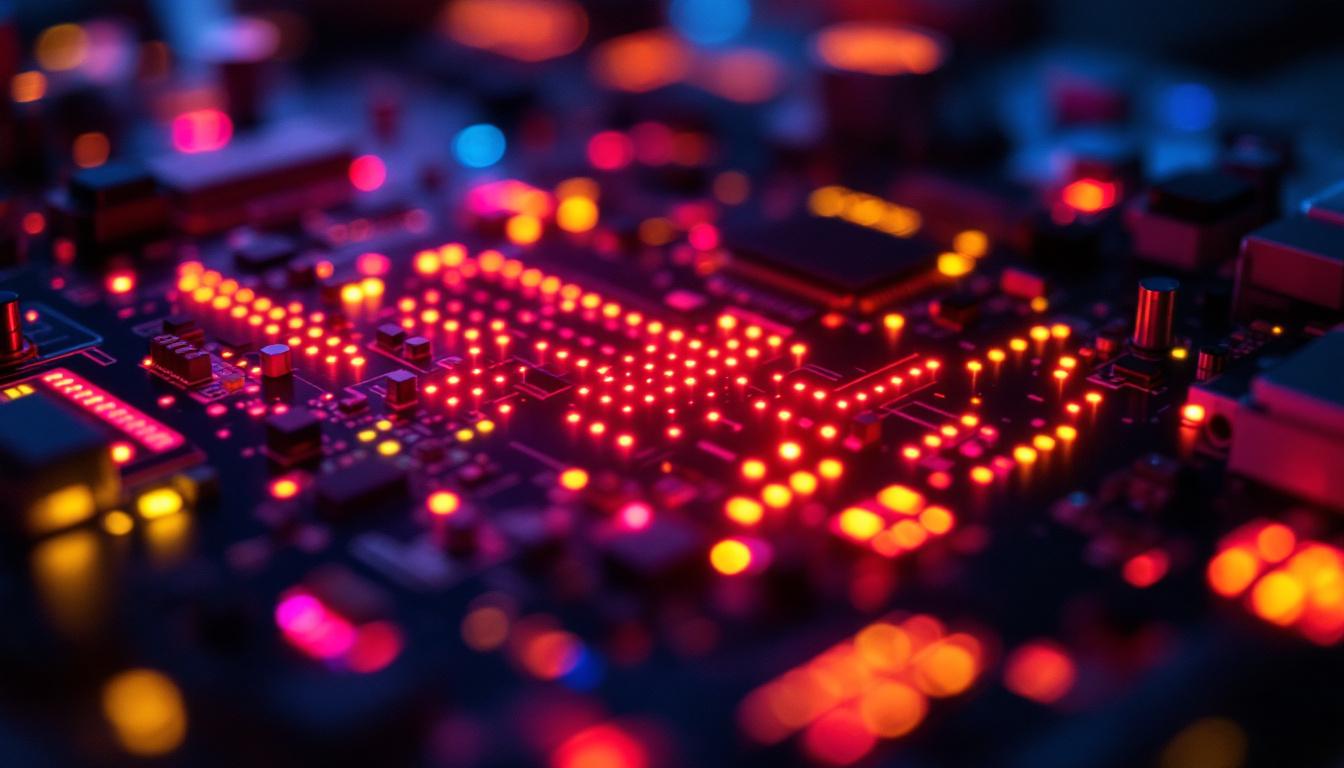
LED stands for Light Emitting Diode, a semiconductor device that emits light when an electric current passes through it. An LED display is a flat panel display that uses an array of these tiny LEDs as pixels to create images, videos, and text. These displays can range from small screens used in handheld devices to massive outdoor billboards visible from miles away.
The fundamental principle behind LED displays is the precise control of individual LEDs to produce a wide spectrum of colors and brightness levels. By combining red, green, and blue LEDs at each pixel, the display can render millions of colors, delivering vivid and sharp visuals. This capability not only enhances the viewing experience but also allows for dynamic content that can change in real-time, making LED displays particularly popular for advertising and information dissemination in public spaces.
Furthermore, LED displays are known for their energy efficiency compared to traditional display technologies. They consume less power while providing brighter images, which is especially beneficial for large-scale installations where energy costs can be significant. The longevity of LED technology also means that these displays can last for many years, reducing the need for frequent replacements and maintenance.
How Do LED Displays Work?
Each pixel on an LED display consists of multiple LEDs, typically red, green, and blue, which are mixed to create different colors through a process called additive color mixing. By adjusting the intensity of each LED, the display can produce a broad range of colors and shades. This flexibility allows for not only vibrant images but also subtle gradients and detailed textures, making LED displays suitable for a variety of applications, from digital signage to high-definition television.
Control electronics manage the timing and brightness of each LED, refreshing the image multiple times per second to create smooth motion and clear images. The resolution of an LED display depends on the number of pixels per unit area, with higher pixel densities producing sharper images. Additionally, advancements in technology have led to the development of flexible LED displays that can be bent or shaped to fit unconventional spaces, opening up new possibilities for creative installations in architecture and design.
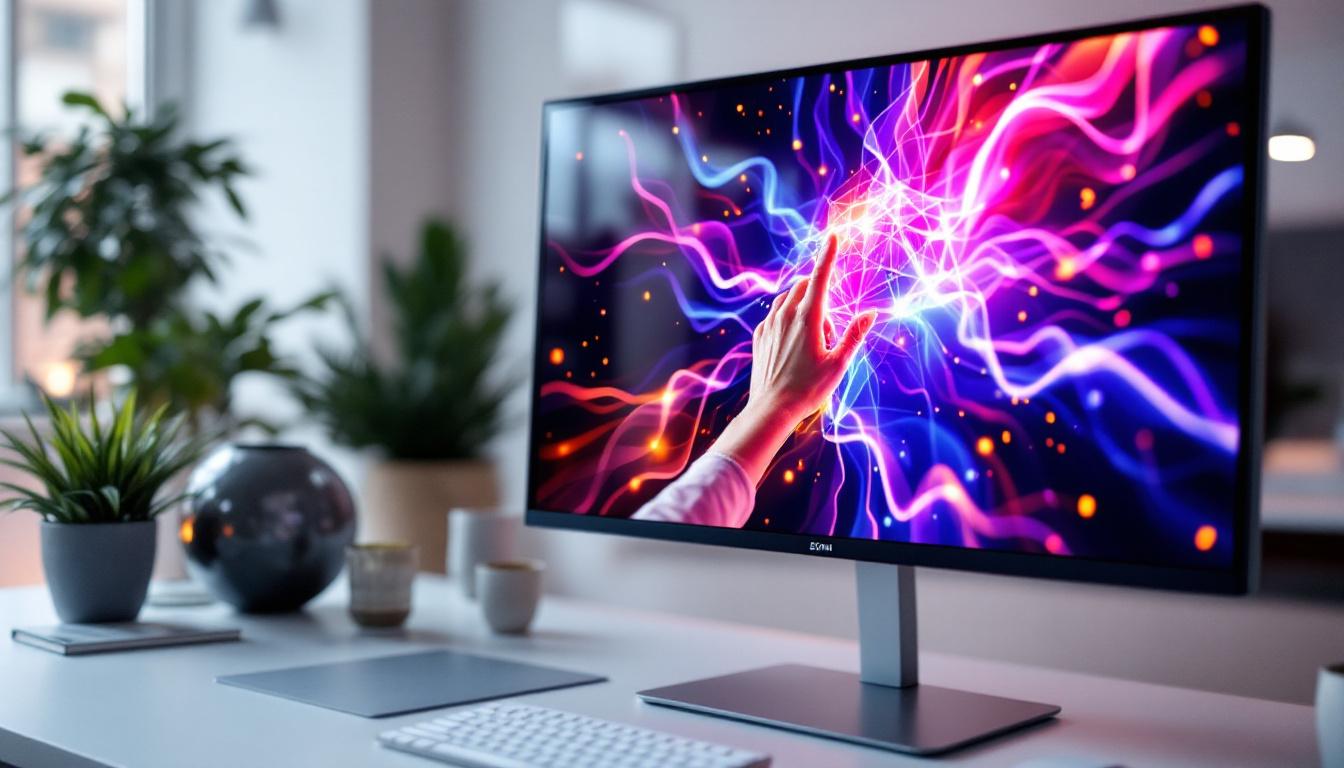
Moreover, the integration of smart technology into LED displays has transformed them into interactive platforms. Touch-sensitive screens and connectivity options allow users to engage with the content directly, making them ideal for retail environments, exhibitions, and educational settings. As the technology continues to evolve, we can expect even more innovative features, such as augmented reality overlays and enhanced environmental adaptability, further expanding the potential uses of LED displays in our daily lives.
Types of LED Displays
Indoor vs. Outdoor LED Displays
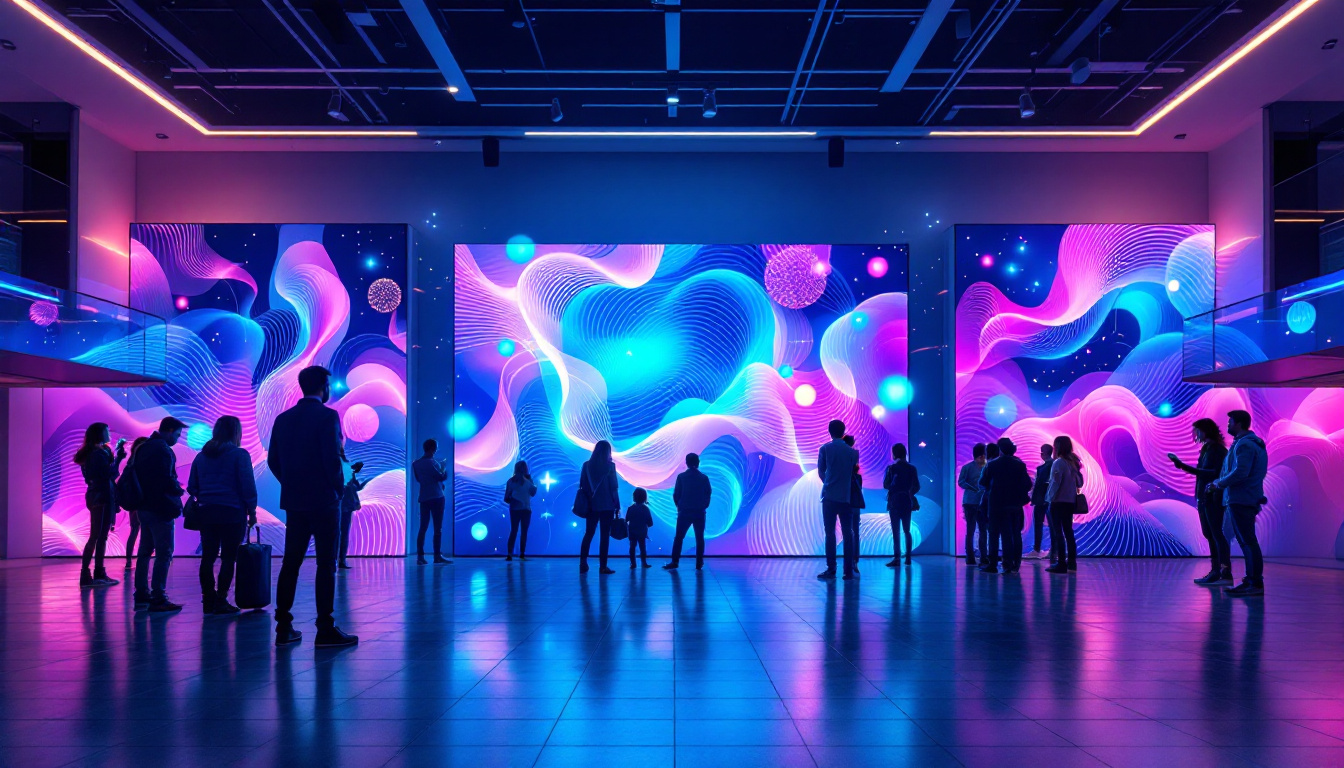
LED displays are broadly categorized into indoor and outdoor types, each optimized for their environment. Indoor LED displays typically have a higher pixel density, allowing for close-up viewing with crisp detail. They are used in conference rooms, retail environments, and entertainment venues.
Outdoor LED displays, on the other hand, are designed to withstand harsh weather conditions and have higher brightness levels to remain visible in direct sunlight. These displays are commonly found in stadiums, transportation hubs, and roadside advertising.
Direct View LED vs. LED-Backlit LCD
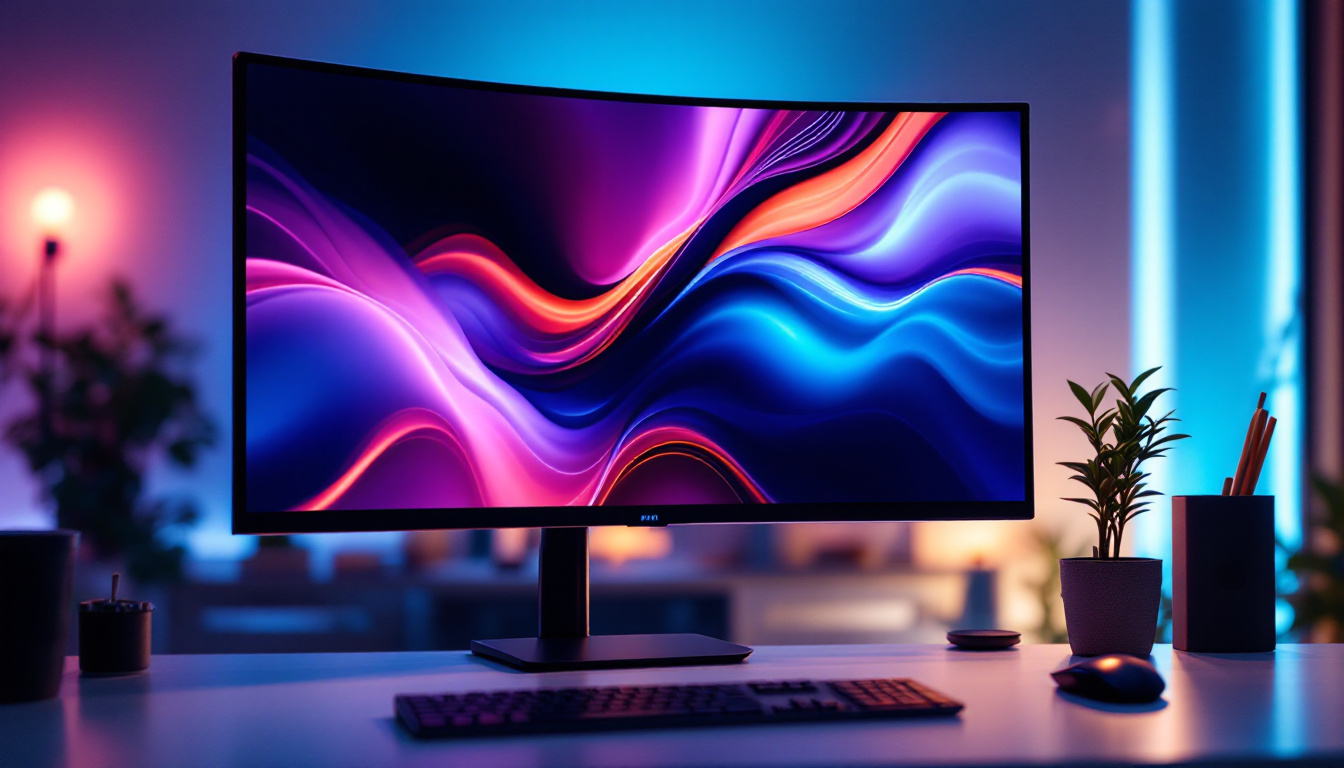
It’s important to differentiate between direct view LED displays and LED-backlit LCD screens. Direct view LED displays use LEDs as both the light source and the pixel itself, allowing for superior brightness and contrast. LED-backlit LCDs, meanwhile, use LEDs to illuminate an LCD panel, which modulates the light to form images.
Direct view LED displays offer better color accuracy, wider viewing angles, and higher durability, making them ideal for large-scale and outdoor applications.
Flexible and Transparent LED Displays
Recent innovations have introduced flexible and transparent LED displays, expanding the possibilities for creative installations. Flexible LED panels can bend and curve, enabling designers to create immersive environments and wrap displays around structures.
Transparent LED displays allow light to pass through, making them perfect for storefront windows or architectural glass, where maintaining visibility while displaying dynamic content is essential.
Key Benefits of LED Displays
Brightness and Visibility
One of the most significant advantages of LED displays is their exceptional brightness. Outdoor LED displays can reach brightness levels exceeding 5,000 nits, ensuring visibility even under direct sunlight. This capability is crucial for advertising and public information displays that must capture attention regardless of environmental conditions.
Indoor LED displays also offer high brightness and contrast ratios, providing vibrant images that enhance audience engagement in retail, corporate, and entertainment settings.
Energy Efficiency and Longevity
LED technology is highly energy-efficient compared to traditional display technologies like incandescent or fluorescent lighting. LEDs consume less power while delivering superior brightness, reducing operational costs significantly over time.
Furthermore, LEDs have a long lifespan, often exceeding 100,000 hours of operation. This durability minimizes maintenance requirements and downtime, making LED displays a cost-effective investment for businesses.
Flexibility and Customization
LED displays offer unparalleled flexibility in size, shape, and resolution. They can be custom-built to fit unique spaces and design requirements, from small digital signage to massive video walls spanning entire building facades.
The modular nature of LED panels allows for easy scalability and maintenance. Individual modules can be replaced without dismantling the entire display, reducing service time and costs.
Superior Image Quality
With high contrast ratios, wide color gamuts, and fast refresh rates, LED displays deliver outstanding image quality. This makes them ideal for applications requiring detailed visuals and smooth video playback, such as live events, broadcasting, and digital advertising.
Applications of LED Displays
Advertising and Digital Signage
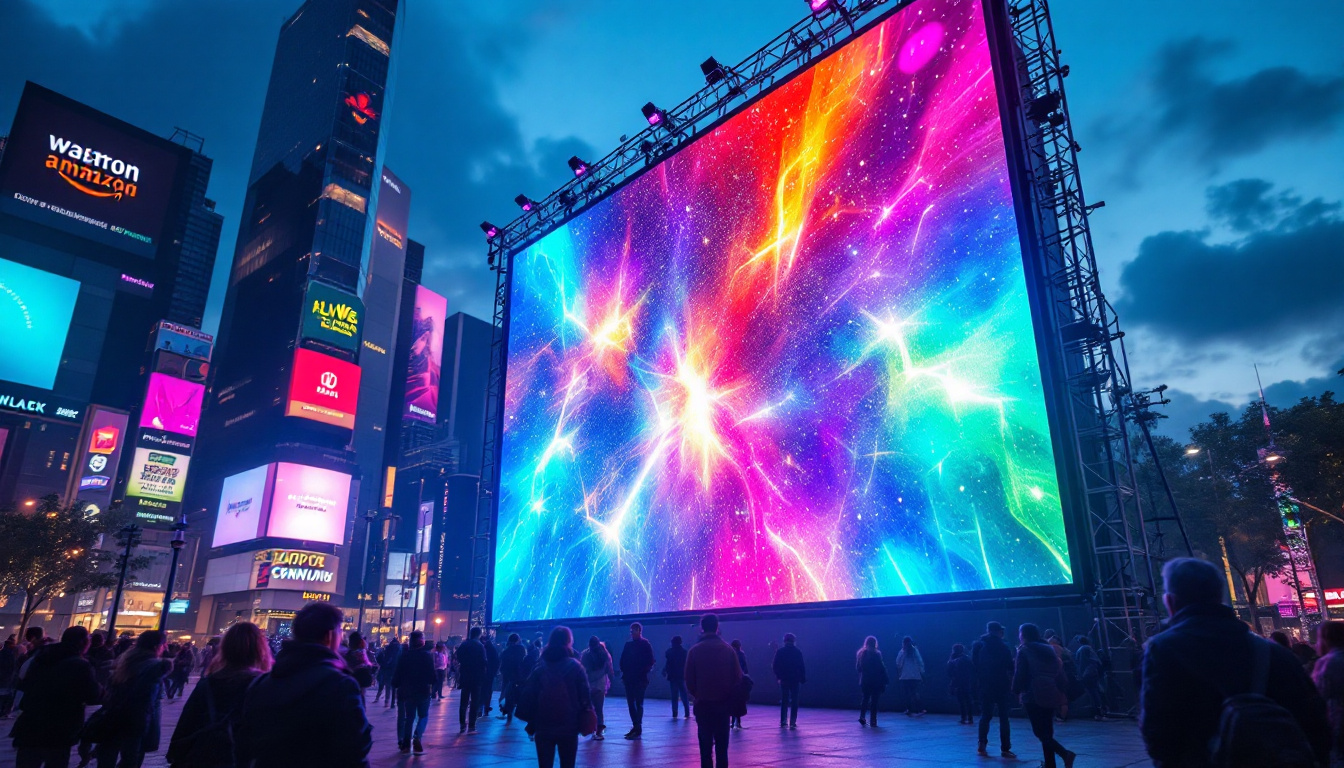
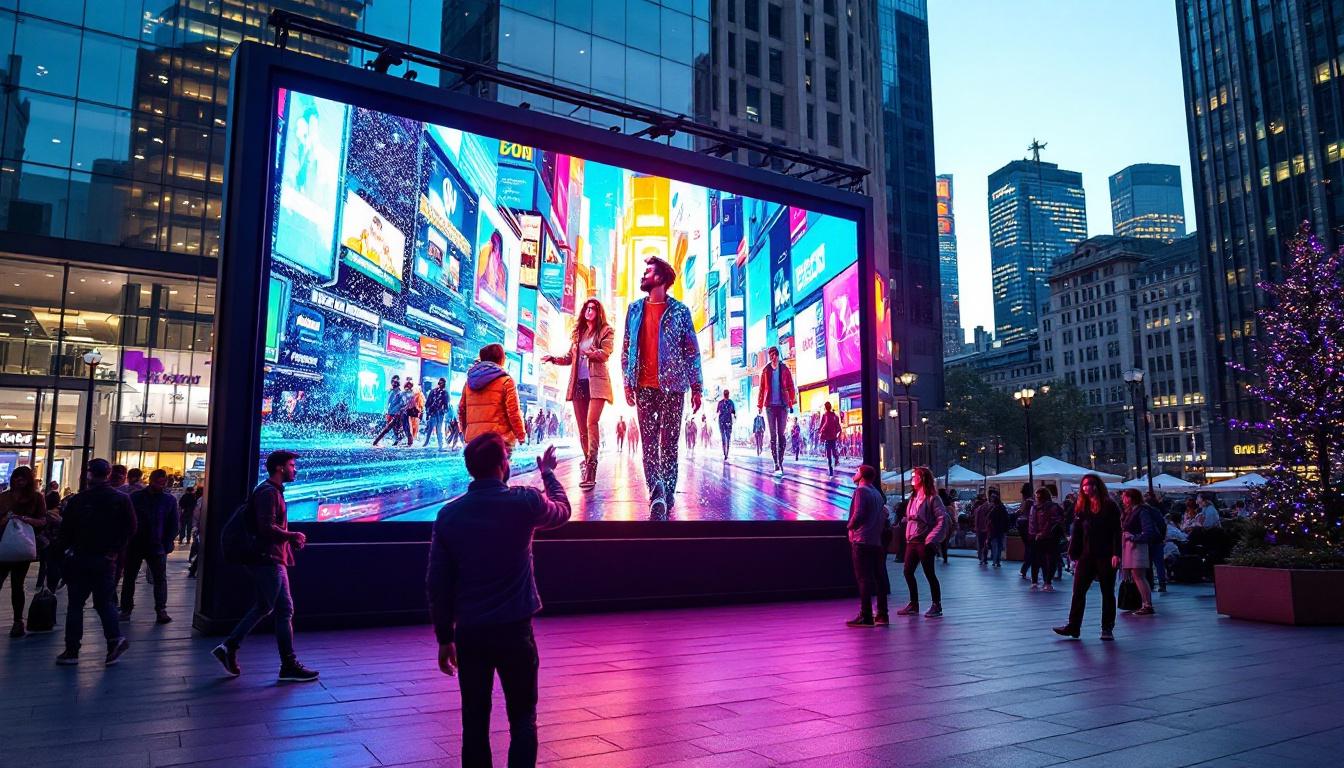
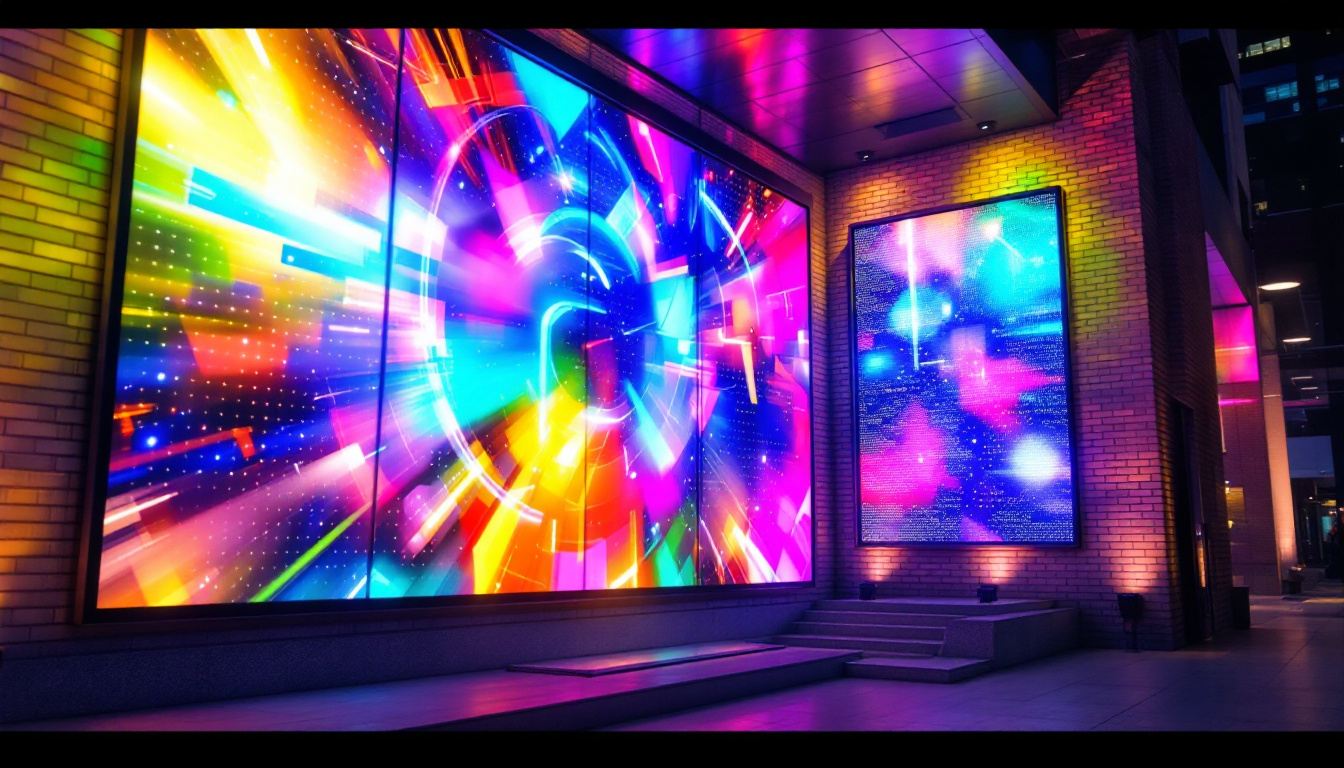
LED displays have revolutionized advertising by enabling dynamic, eye-catching content that can be updated in real-time. Brands use LED billboards and digital signage to deliver targeted messages, promotions, and interactive experiences.
According to a recent report by Grand View Research, the global digital signage market is expected to reach $32.84 billion by 2028, driven largely by the adoption of LED technology in retail, transportation, and entertainment sectors.
Sports and Entertainment Venues
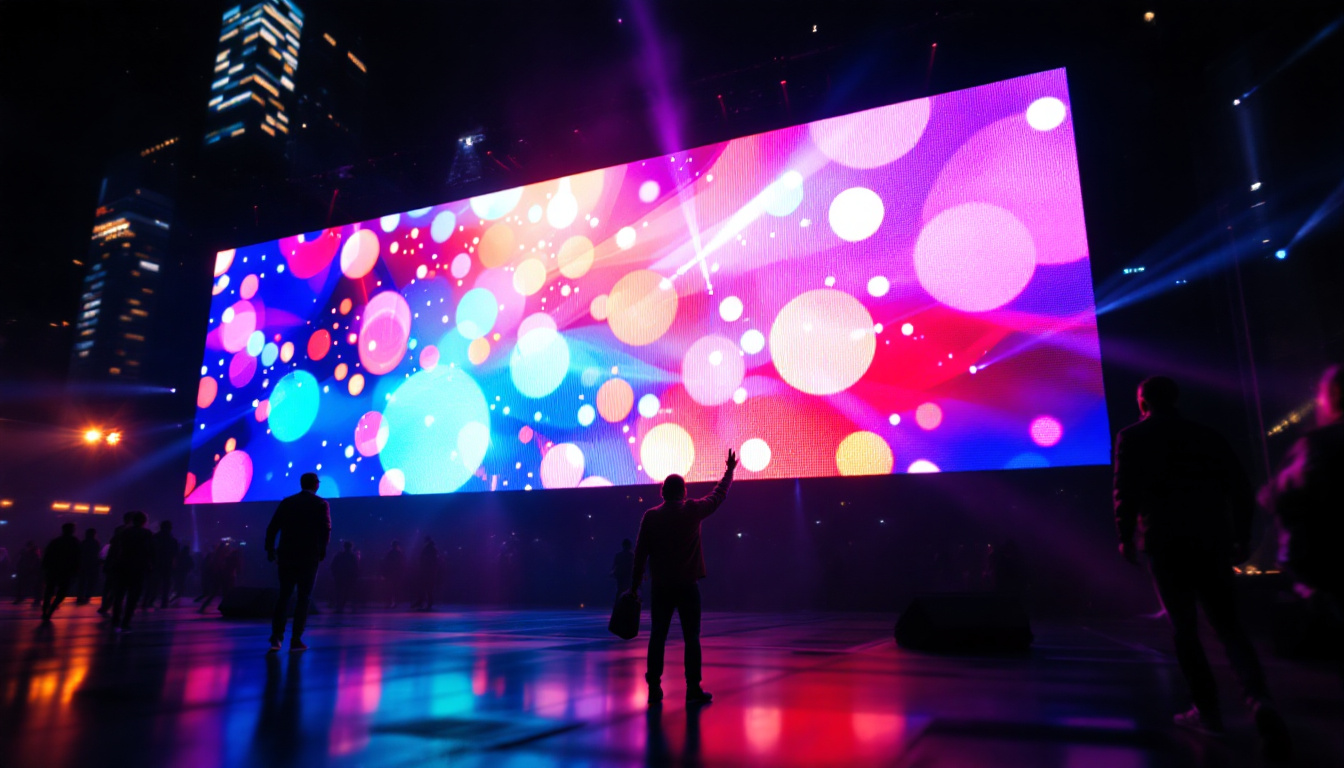
Stadiums and arenas rely heavily on LED displays for scoreboards, replays, and immersive fan experiences. The ability to produce bright, high-resolution images visible from great distances enhances audience engagement and event atmosphere.
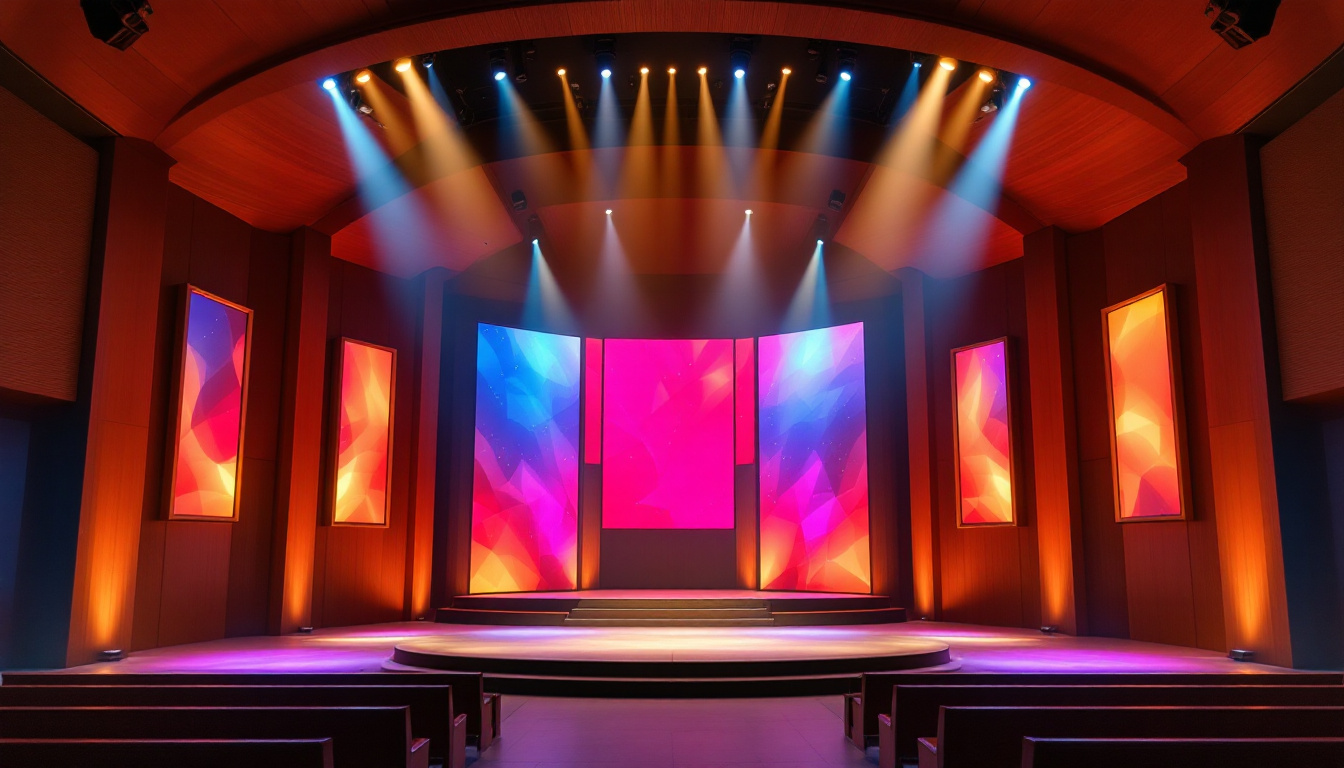
LED video walls are also popular in concerts and theater productions, providing dynamic backdrops and enhancing stage visuals.
Corporate and Educational Environments
In corporate settings, LED displays are used for presentations, video conferencing, and digital communication boards. Their clarity and brightness improve information sharing and collaboration.
Educational institutions utilize LED displays for interactive learning, campus announcements, and event promotion, benefiting from their versatility and ease of use.
Transportation and Public Spaces
LED displays are integral to transportation hubs such as airports, train stations, and bus terminals, providing real-time schedules, alerts, and wayfinding information. Their high visibility and reliability ensure passengers receive timely updates.
Public spaces also use LED displays for public service announcements, emergency alerts, and community engagement.
Future Trends in LED Display Technology
MicroLED and MiniLED Innovations
Emerging technologies like MicroLED and MiniLED promise to push LED display performance even further. MicroLED displays use microscopic LEDs to achieve higher pixel densities, improved brightness, and better energy efficiency, rivaling OLED technology in image quality.
MiniLED technology enhances backlighting in LCD panels, offering improved contrast and color accuracy at a lower cost than MicroLED.
Integration with IoT and AI
As the Internet of Things (IoT) and artificial intelligence (AI) continue to evolve, LED displays are becoming smarter and more interactive. AI-driven content management systems can tailor messages based on audience demographics, weather, or time of day, maximizing impact.
IoT integration enables remote monitoring and maintenance, ensuring displays operate optimally and reducing downtime.
Sustainability and Eco-Friendly Designs
With growing environmental concerns, manufacturers are focusing on sustainable LED display designs. This includes using recyclable materials, reducing power consumption, and implementing energy-saving features like automatic brightness adjustment.
These efforts align with corporate social responsibility goals and regulatory requirements, making LED displays a greener choice for businesses.
Choosing the Right LED Display for Your Needs
Assessing Your Environment and Audience
Selecting the appropriate LED display starts with understanding the environment where it will be installed. Factors such as ambient light, viewing distance, and weather conditions influence the choice between indoor and outdoor models, pixel pitch, and brightness levels.
Knowing your target audience and how they will interact with the display helps determine size, resolution, and content strategy.
Evaluating Technical Specifications
Key specifications to consider include pixel pitch (the distance between pixels), refresh rate, brightness, contrast ratio, and viewing angle. A smaller pixel pitch means higher resolution and sharper images, which is critical for close-up viewing.
Refresh rates above 1,000 Hz are preferred for video content to avoid flickering, especially in broadcast environments.
Budget and Total Cost of Ownership
While initial purchase price is important, the total cost of ownership should also be evaluated. This includes installation, energy consumption, maintenance, and potential upgrades. Investing in high-quality LED displays can lead to long-term savings and better performance.
Conclusion
LED displays represent a powerful medium for visual communication, combining cutting-edge technology with flexibility and durability. Their ability to deliver bright, vibrant images in a variety of environments makes them indispensable across industries ranging from advertising and entertainment to education and public services.
As LED technology continues to advance, with innovations like MicroLED and AI integration on the horizon, the potential for more immersive and efficient displays will only grow. Understanding the fundamentals of LED displays and their applications is essential for businesses and organizations seeking to leverage this dynamic medium to connect with their audiences effectively.
Discover LumenMatrix’s Innovative LED Solutions
Ready to elevate your visual communication with the latest in LED technology? LumenMatrix is at the forefront of creating immersive and dynamic visual experiences. Whether you’re looking for Indoor LED Wall Displays, Outdoor LED Wall Displays, or specialized solutions like Vehicle LED Displays, LED Sports Displays, or Custom LED Displays, LumenMatrix has the cutting-edge technology to bring your vision to life. Experience the future of vibrant and engaging displays. Check out LumenMatrix LED Display Solutions today and transform the way you connect with your audience.