In the modern world of visual technology, LED displays have become ubiquitous, transforming everything from advertising billboards to home entertainment systems. Understanding the fundamentals of LED lighting for displays is essential for businesses, designers, and consumers alike who seek vibrant, energy-efficient, and durable visual solutions. This article delves into the technology behind LED displays, their applications, advantages, and considerations for selecting the right LED display for various needs.
What is an LED Display?
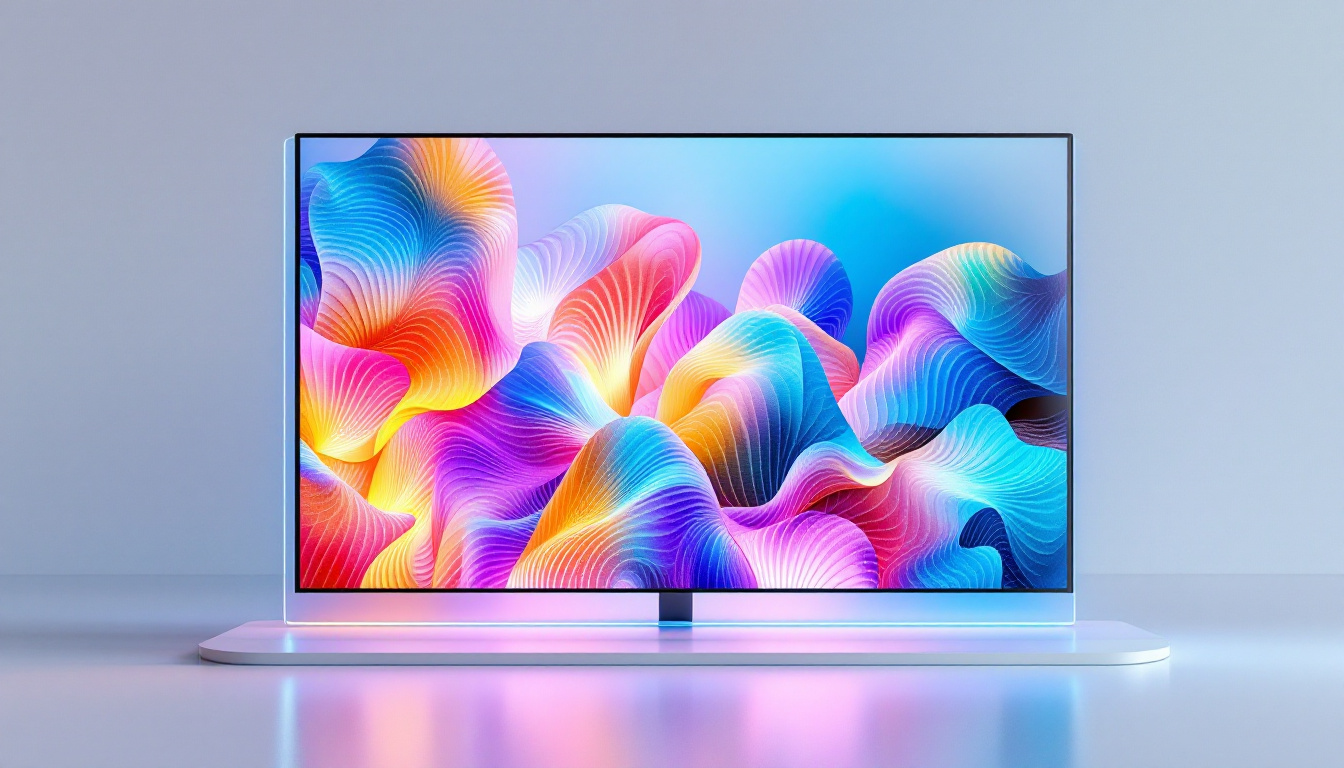
LED stands for Light Emitting Diode, a semiconductor device that emits light when an electric current passes through it. An LED display is a flat panel display that uses an array of light-emitting diodes as pixels to create images, videos, or text. Unlike traditional display technologies such as LCD or plasma, LED displays rely on these tiny diodes to produce bright, vivid colors with high energy efficiency.
LED displays can be found in various forms, including small indicator lights, large outdoor billboards, television screens, and digital signage. Their versatility and scalability make them suitable for both indoor and outdoor environments. The core principle involves combining red, green, and blue LEDs to create a full spectrum of colors through a process called additive color mixing.
How Do LED Displays Work?
Basic Structure and Components
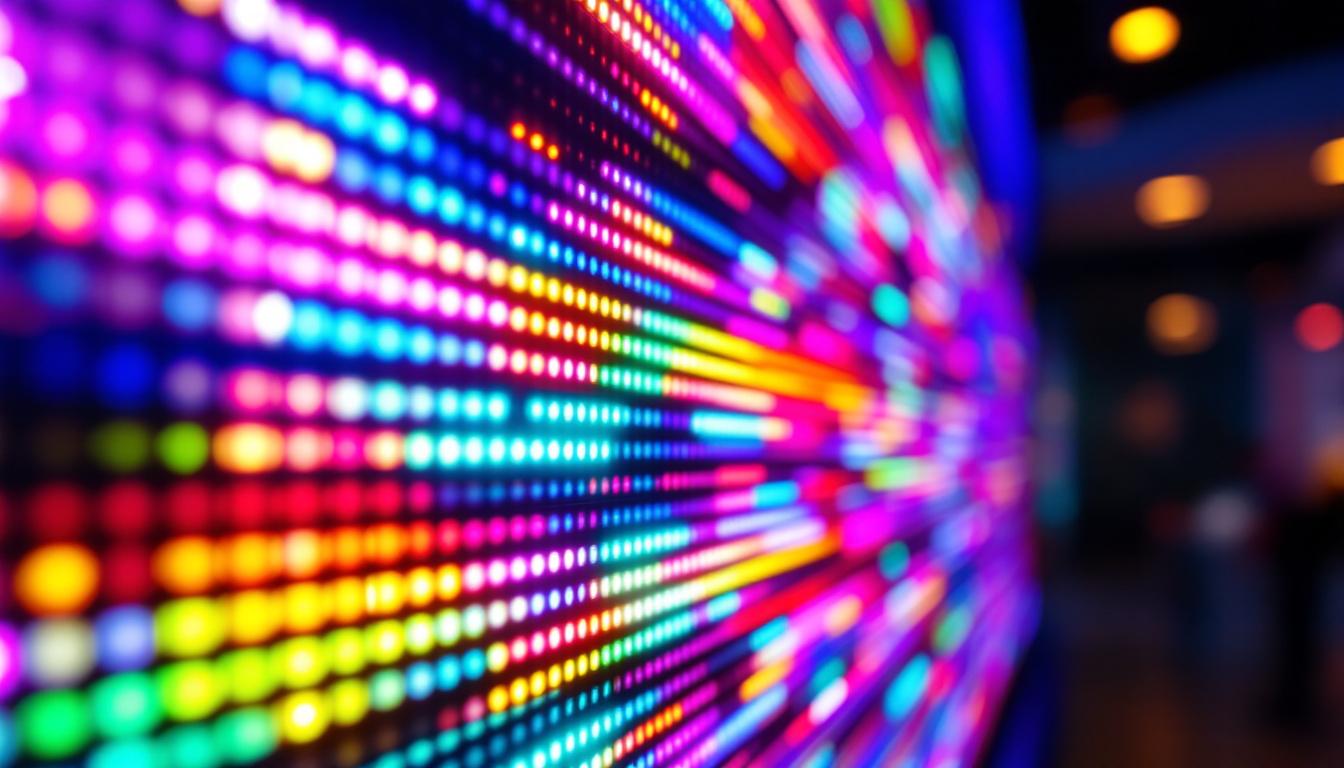
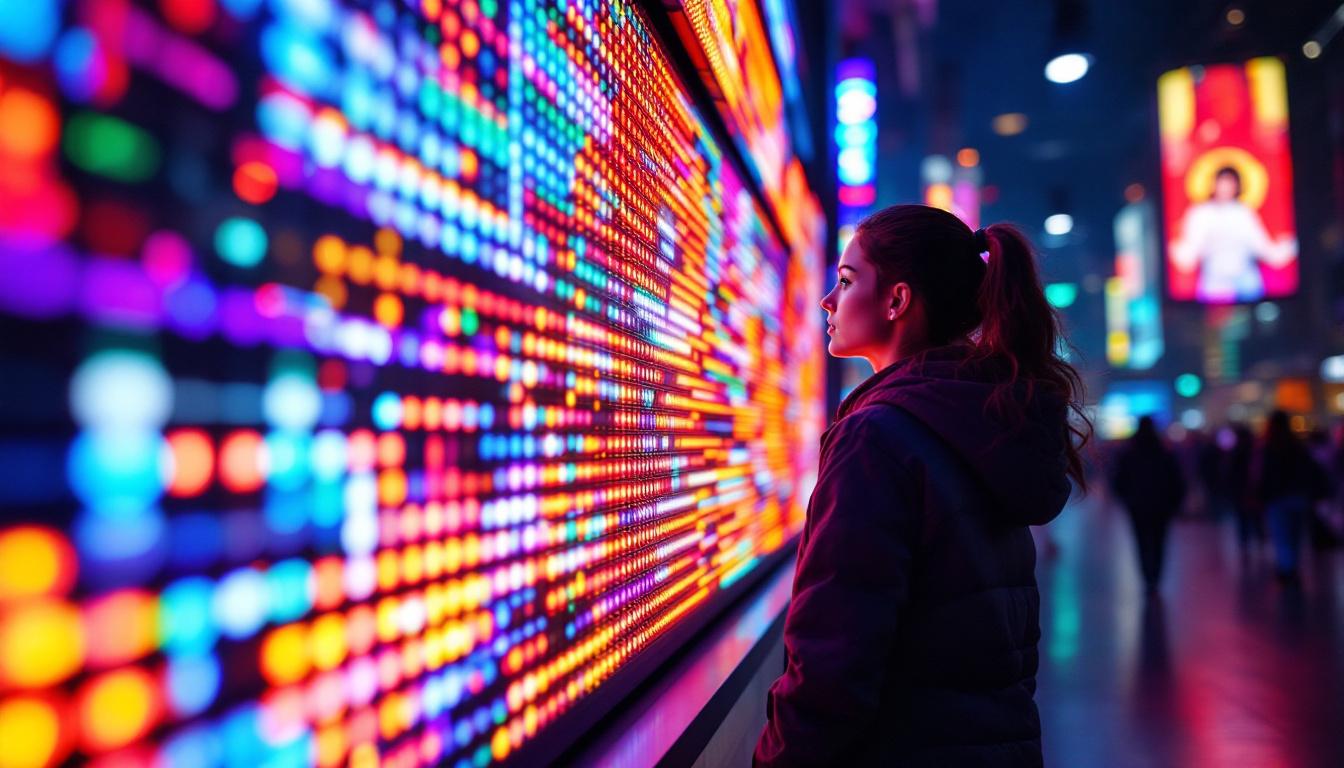
At the heart of an LED display is a matrix of individual LEDs arranged in rows and columns. Each LED acts as a single pixel or part of a pixel, and by controlling the brightness of each diode, the display can render images with varying colors and intensities. The primary components include:
- LED Pixels: The smallest unit that emits light, usually composed of red, green, and blue diodes.
- Driver ICs: Integrated circuits that control the current and voltage supplied to each LED, enabling precise color and brightness control.
- Control System: The processor or controller that manages image data and refresh rates to ensure smooth display output.
- Power Supply: Provides the necessary electrical power to the LED array and control electronics.
Pixel Pitch and Resolution
One of the critical factors in LED display quality is the pixel pitch, which refers to the distance between the centers of two adjacent pixels. A smaller pixel pitch means higher pixel density, resulting in sharper and more detailed images. For instance, an indoor LED display might have a pixel pitch as small as 1.2mm, suitable for close viewing distances, while large outdoor displays might have a pitch of 10mm or more, optimized for visibility from afar.
Resolution is directly related to pixel pitch and the physical size of the display. Higher resolution displays provide crisper images but typically come at a higher cost. Choosing the right balance between resolution and viewing distance is essential for effective LED display deployment.
Types of LED Displays
Indoor LED Displays
Indoor LED displays are designed for controlled environments such as conference rooms, retail stores, airports, and stadiums. These displays prioritize high resolution and color accuracy, as viewers are usually closer to the screen. Indoor LEDs often feature smaller pixel pitches (ranging from 1.2mm to 4mm) to deliver sharp images and smooth video playback.
They are typically lighter and thinner than their outdoor counterparts and may include features such as anti-glare coatings and enhanced color calibration to improve viewing comfort and image fidelity.
Outdoor LED Displays
Outdoor LED displays are built to withstand harsh environmental conditions, including rain, dust, extreme temperatures, and direct sunlight. To ensure visibility in bright daylight, these displays have higher brightness levels, often exceeding 5,000 nits, compared to indoor displays that usually operate around 800 to 1,000 nits.
Pixel pitches for outdoor displays tend to be larger, usually between 6mm and 20mm, since viewers typically observe these screens from greater distances. Additionally, outdoor LED displays are housed in rugged enclosures with weatherproofing and ventilation systems to maintain performance and longevity.
Transparent and Flexible LED Displays
Innovations in LED technology have led to the development of transparent and flexible LED displays. Transparent LED screens allow light to pass through, making them ideal for storefront windows or architectural applications where visibility from both sides is desired. These displays maintain high brightness and color quality while offering up to 70% transparency.
Flexible LED displays use pliable materials that can bend or curve, opening new possibilities for creative installations on irregular surfaces or dynamic signage. These are increasingly popular in exhibitions, stage design, and advertising where unique visual effects are required.
Advantages of LED Displays Over Other Technologies
Energy Efficiency and Longevity
One of the most significant benefits of LED displays is their energy efficiency. LEDs consume far less power than traditional incandescent or fluorescent lighting and even outperform many LCD and plasma displays in this regard. This efficiency translates into lower operating costs, especially for large-scale installations that run continuously.
Moreover, LEDs have a longer lifespan, often rated between 50,000 to 100,000 hours, reducing maintenance and replacement expenses. This durability is particularly advantageous for outdoor displays exposed to environmental stress.
Brightness and Color Quality
LED displays excel in brightness, capable of producing vivid images even under direct sunlight. Their ability to achieve high contrast ratios and wide color gamuts results in vibrant, true-to-life visuals. This makes LED displays ideal for advertising, where capturing attention is paramount.
Additionally, LEDs offer faster response times compared to LCDs, enabling smoother video playback and reduced motion blur, which is critical for dynamic content such as sports broadcasts or interactive signage.
Design Flexibility
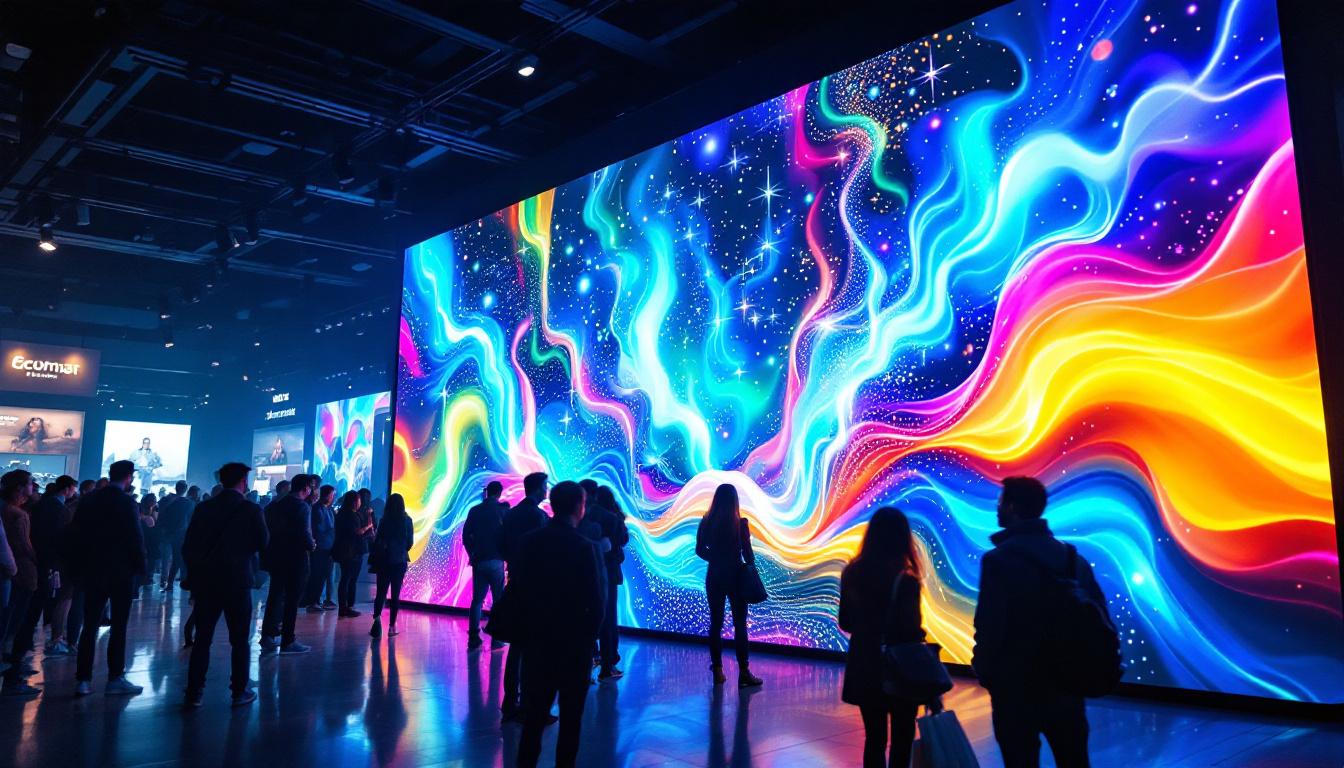
LED technology allows for a wide range of design options, including various sizes, shapes, and configurations. Modular LED panels can be combined to create massive video walls or customized to fit unique architectural spaces. The availability of transparent and flexible LEDs further expands creative possibilities, enabling designers to integrate displays seamlessly into their environments.
Applications of LED Displays
Advertising and Digital Signage
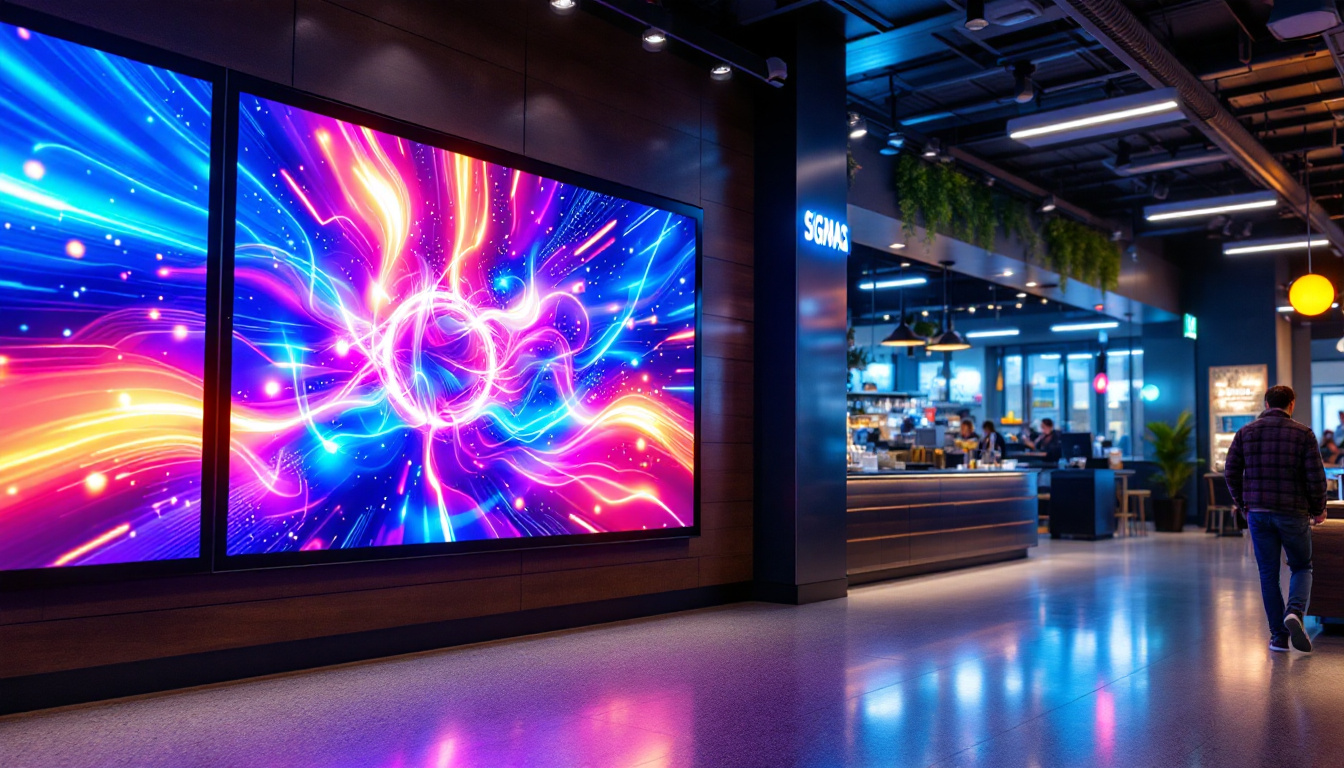
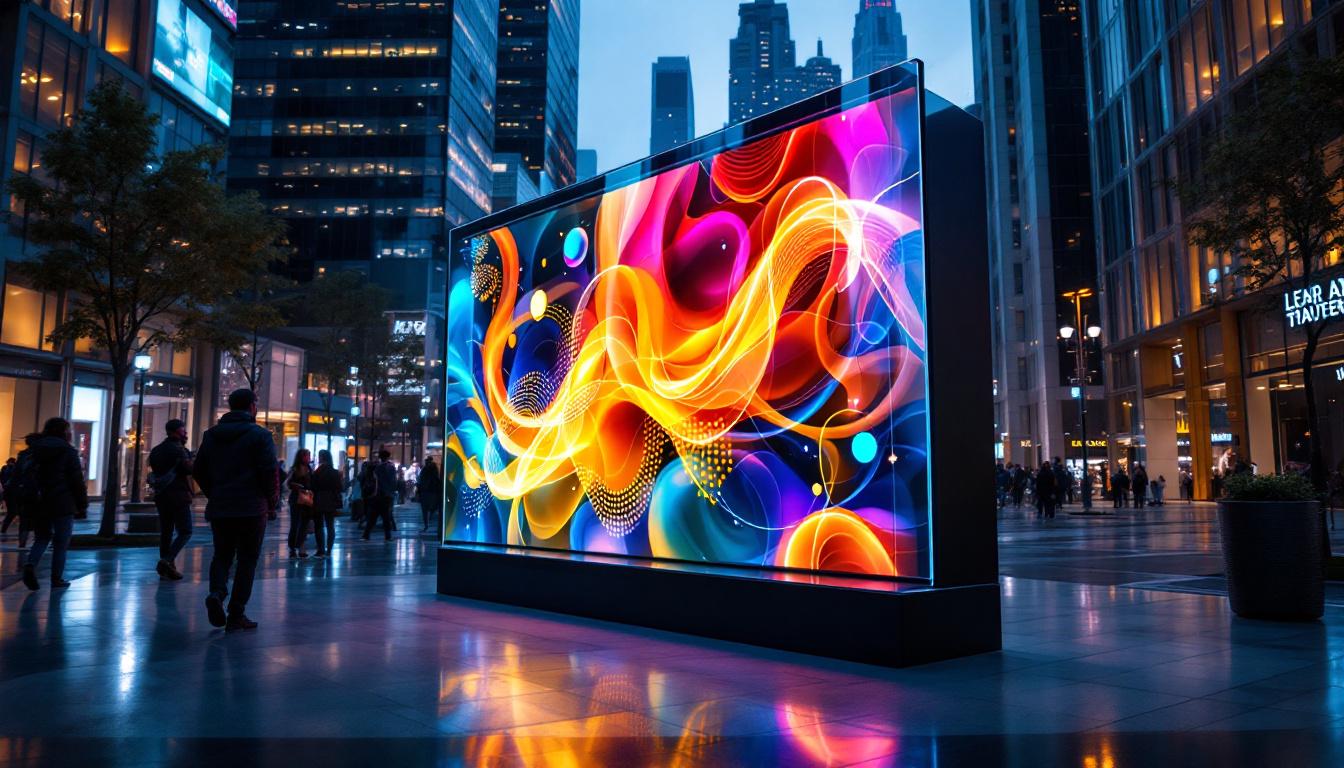
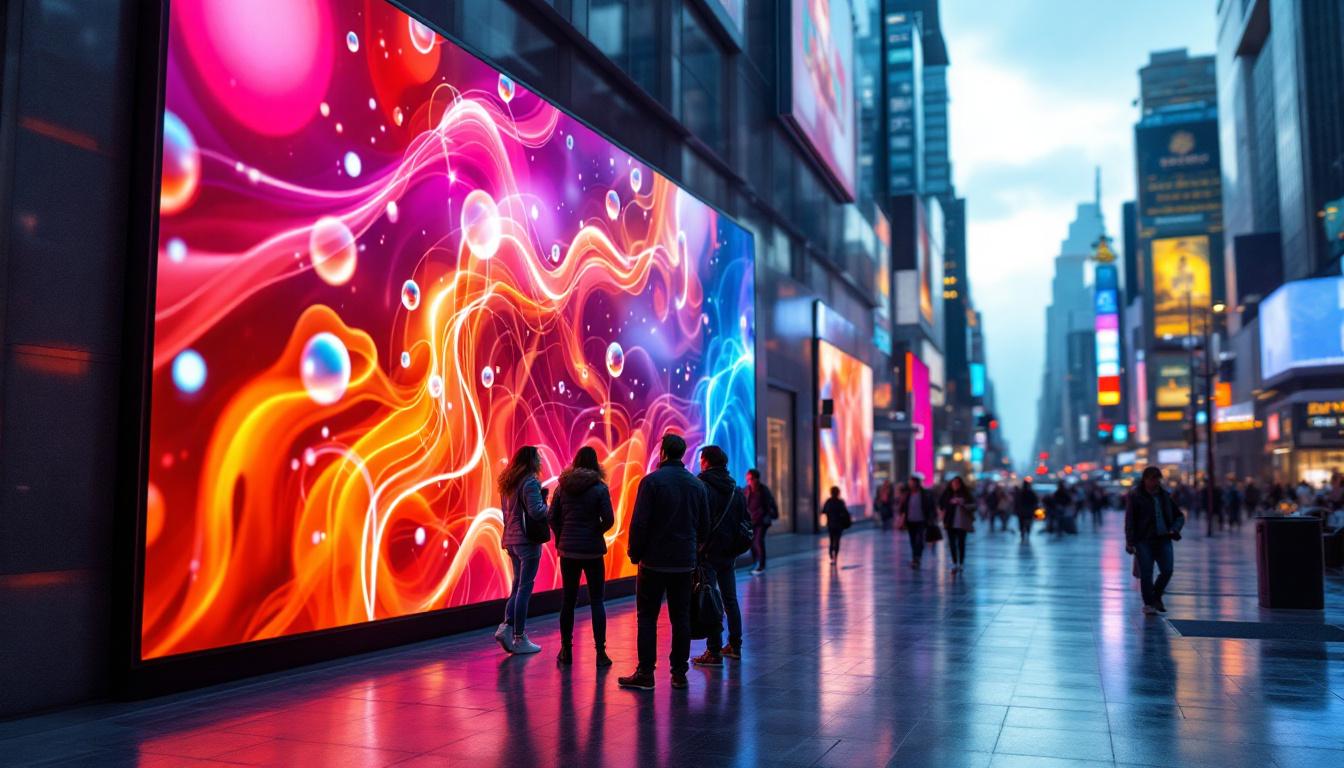
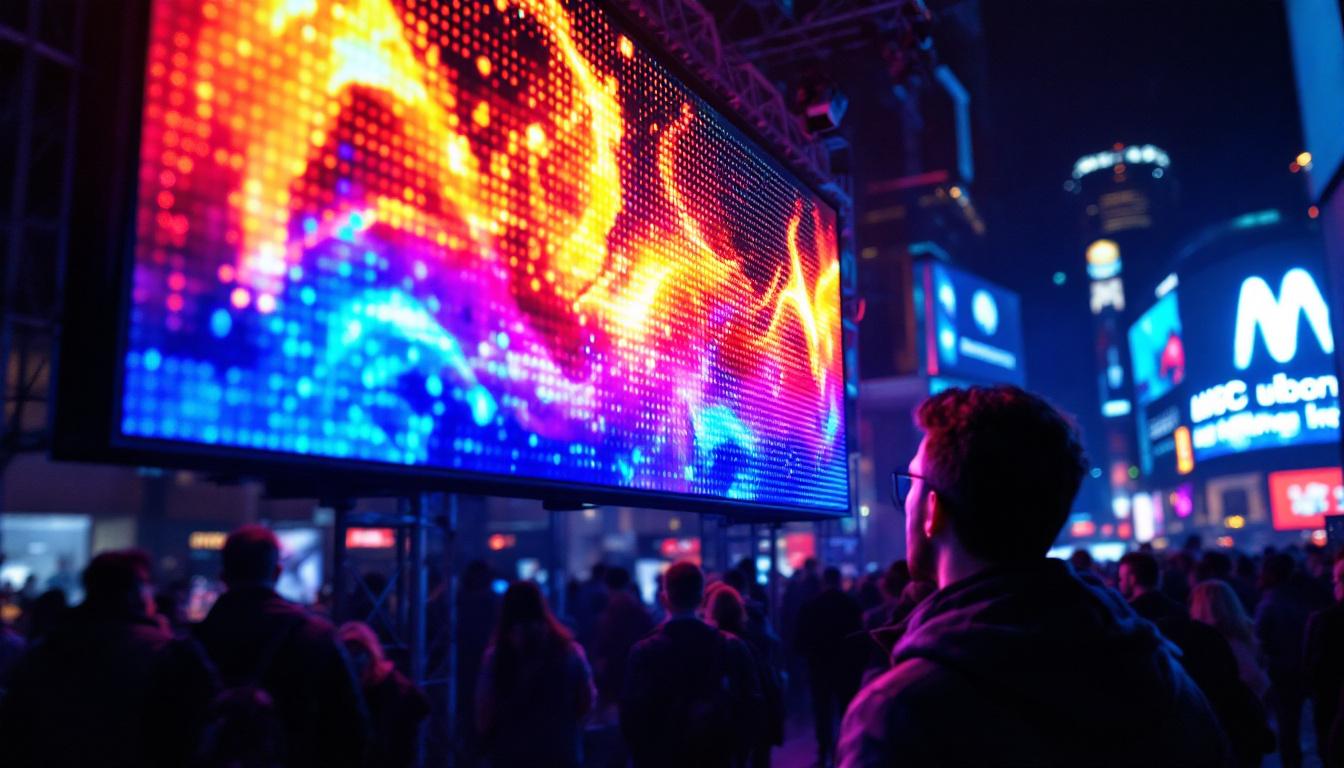
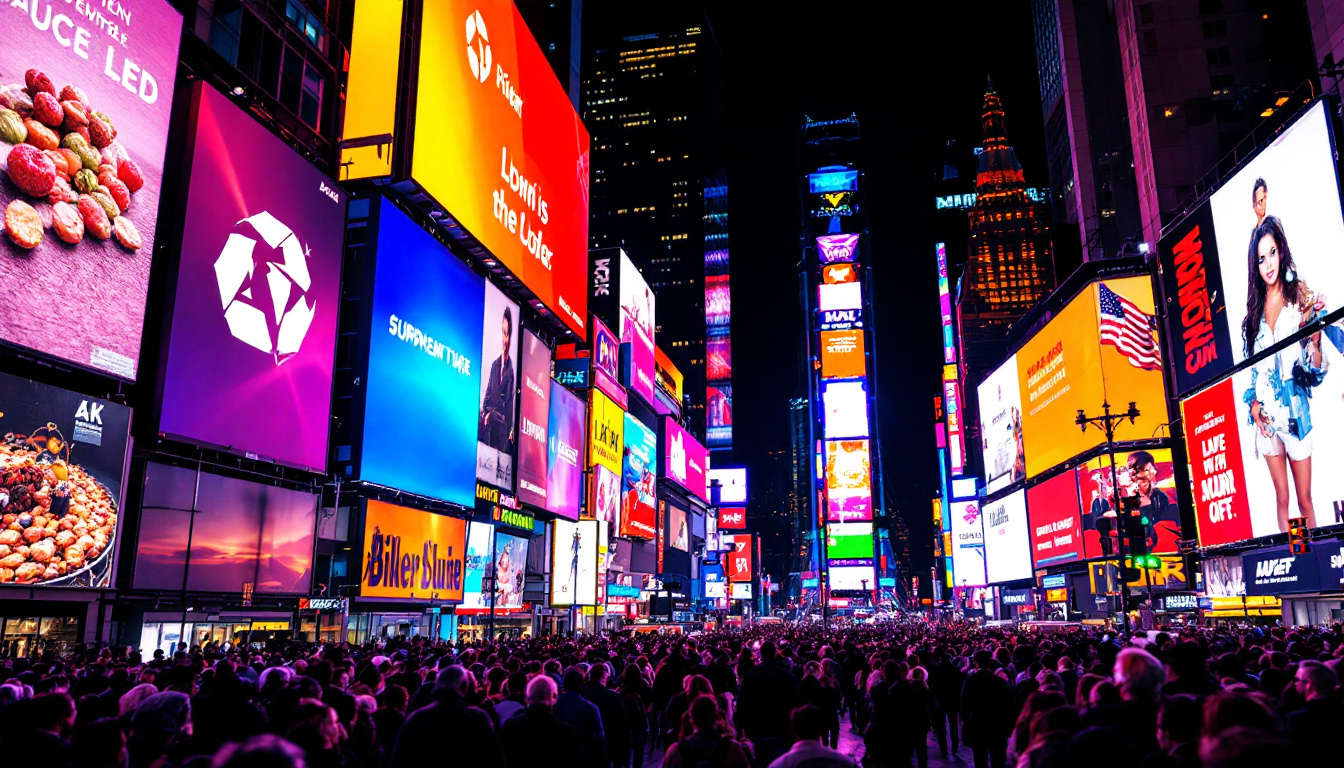
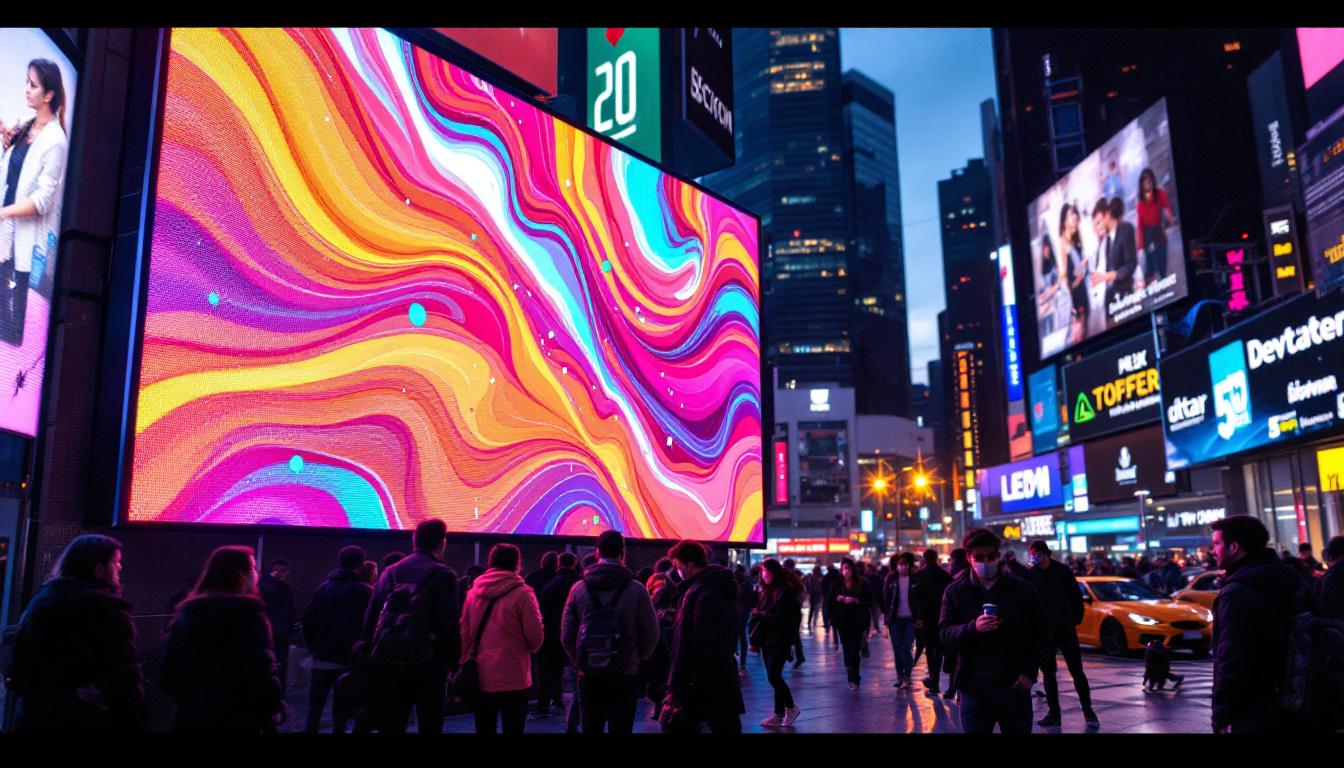
LED displays have revolutionized advertising by enabling dynamic, eye-catching content that can be updated in real time. From Times Square’s towering billboards to shopping mall directories, LED signage attracts customers with bright, animated visuals that outperform static posters.
Digital signage powered by LED technology also supports interactive features, such as touchscreens and sensors, enhancing customer engagement and delivering targeted marketing messages.
Entertainment and Events
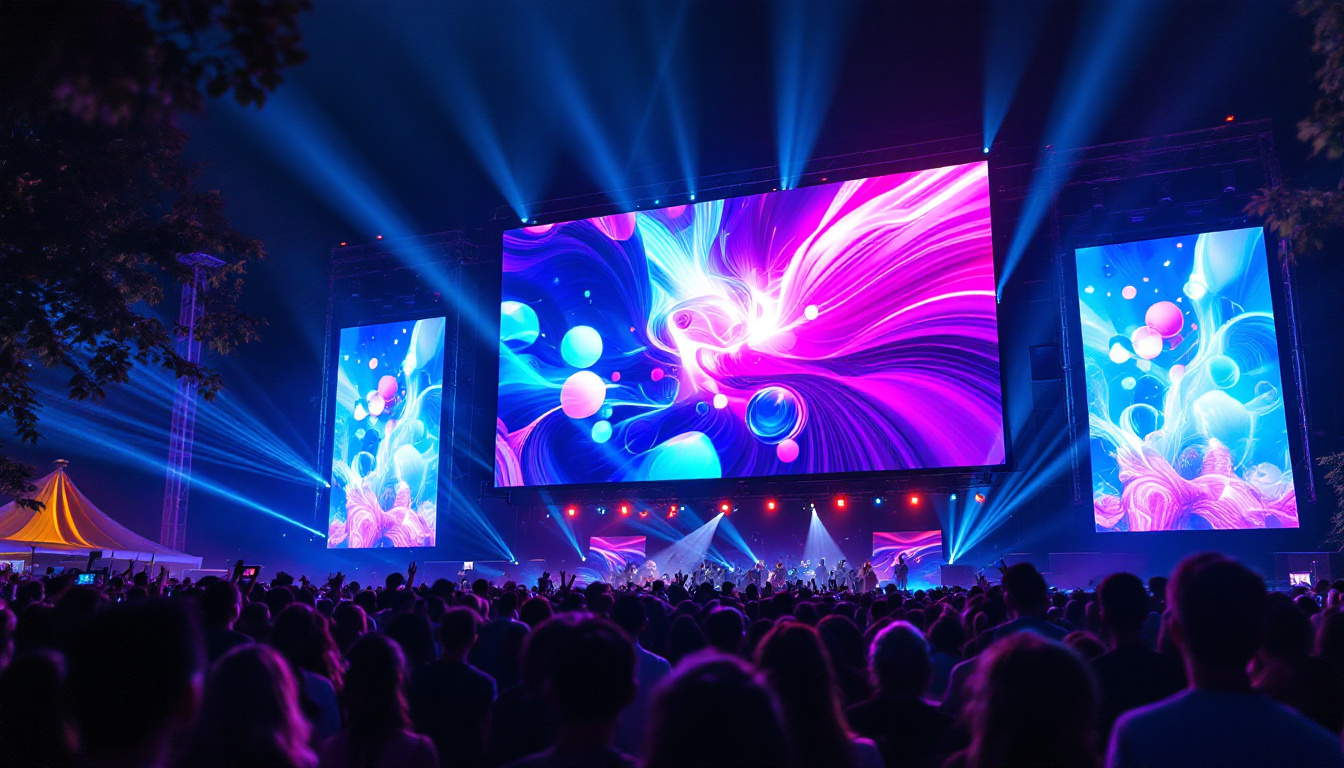
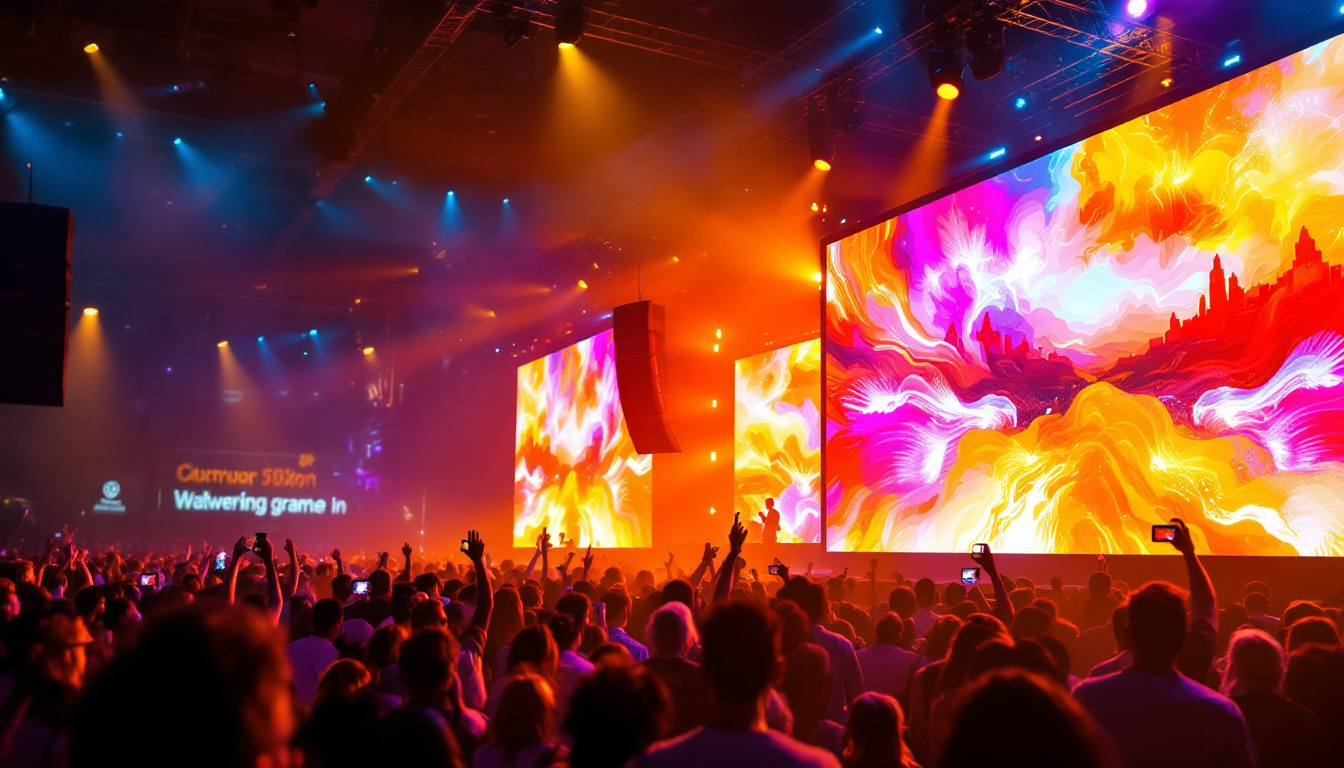
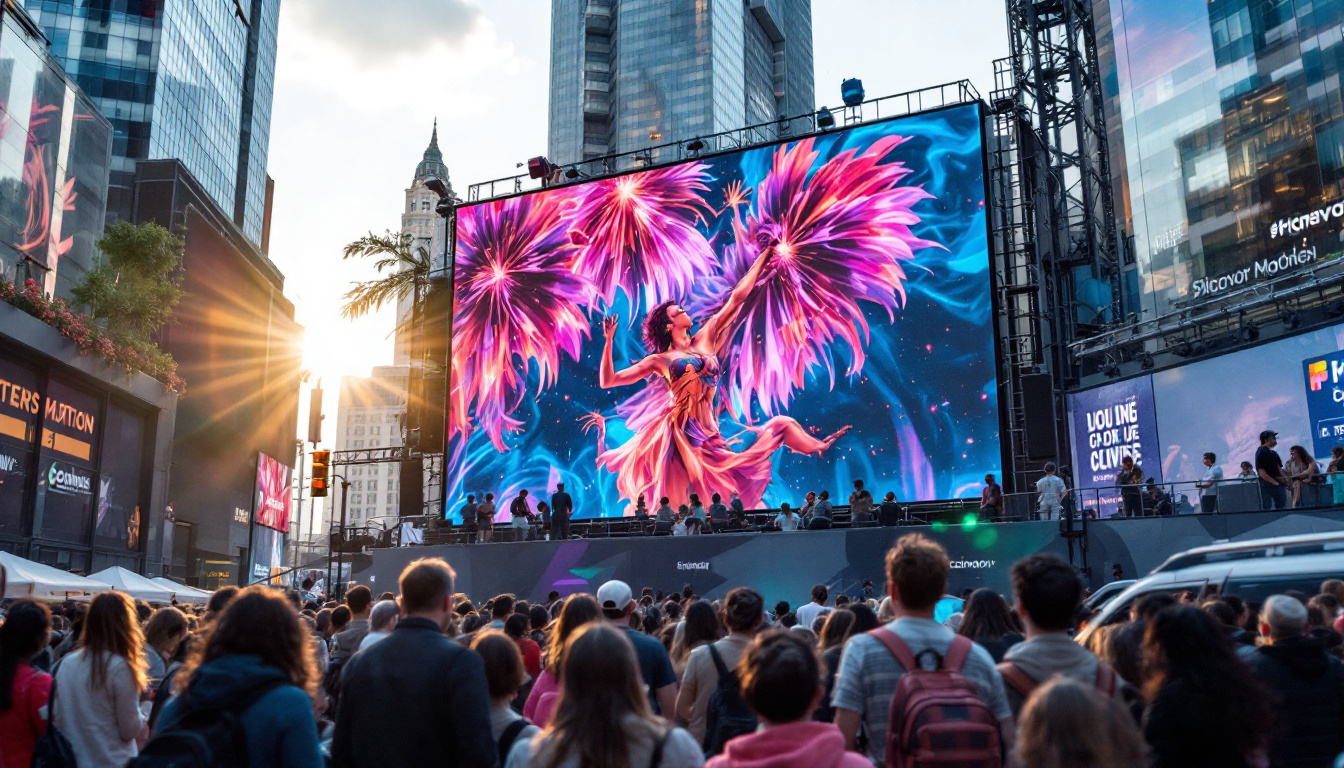
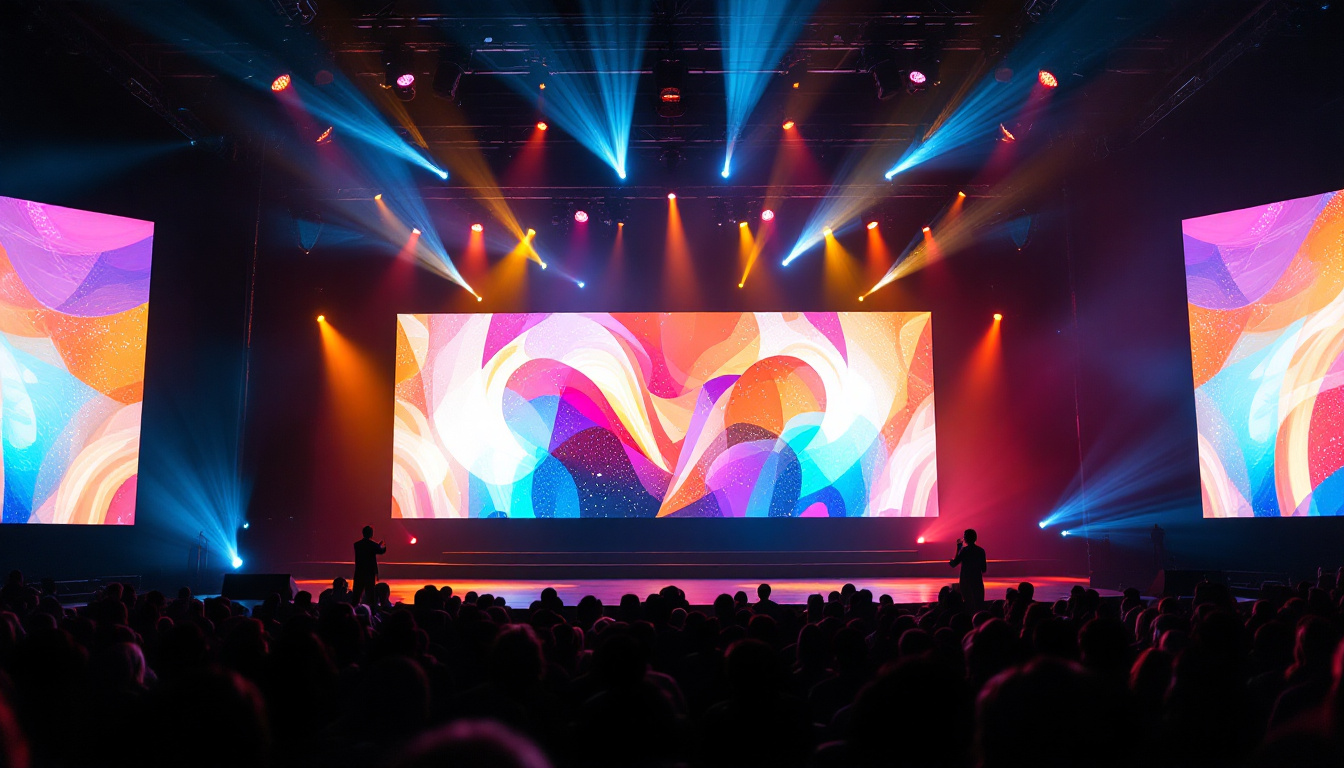
Concerts, sports arenas, and theaters frequently use LED displays to enhance the audience experience. Large LED video walls provide live feeds, replays, and immersive visuals that complement live performances. Their scalability and brightness make them suitable for both indoor and outdoor venues.
Additionally, LED displays are integral to broadcast studios and control rooms, where accurate color representation and high resolution are essential for content production and monitoring.
Retail and Corporate Environments
Retailers use LED displays to showcase products, promotions, and brand messaging in-store, creating engaging environments that influence purchasing decisions. Corporate offices employ LED video walls for presentations, video conferencing, and digital communications, improving collaboration and information sharing.
Transportation and Public Information
LED displays are widely used in transportation hubs such as airports, train stations, and bus terminals to provide real-time information on schedules, delays, and safety announcements. Their high visibility and reliability ensure that critical messages reach large audiences effectively.
Choosing the Right LED Display
Consider Viewing Distance and Environment
Determining the appropriate pixel pitch and brightness depends largely on the intended viewing distance and environmental conditions. For close-up viewing, such as retail displays or control rooms, a smaller pixel pitch is necessary to achieve clarity. Conversely, for outdoor billboards or stadium screens viewed from hundreds of feet away, a larger pixel pitch suffices.
Environmental factors like ambient light, weather exposure, and temperature fluctuations must also be considered, especially for outdoor installations. Selecting an LED display with suitable ingress protection (IP) ratings ensures durability against dust and moisture.
Resolution and Content Requirements
The type of content to be displayed influences the resolution needs. High-definition video and detailed graphics require higher resolution displays, while simpler text-based messaging may allow for lower resolutions. Understanding content requirements helps balance cost and performance.
Budget and Maintenance
While LED displays offer long-term savings through energy efficiency and durability, initial investment costs can vary significantly based on size, resolution, and features. It is important to factor in installation, maintenance, and potential repair costs when budgeting for an LED display project.
Choosing reputable manufacturers and suppliers can also impact overall reliability and support services, ensuring the display performs optimally over its lifespan.
Future Trends in LED Display Technology
The LED display industry continues to evolve rapidly, driven by advances in materials science, manufacturing techniques, and digital processing. Emerging trends include microLED technology, which promises even higher resolution and brightness with lower power consumption by using microscopic LEDs as pixels.
Integration with artificial intelligence and IoT (Internet of Things) enables smarter displays that adapt content based on audience behavior, environmental conditions, or real-time analytics. Additionally, improvements in flexible and transparent LEDs are expanding creative possibilities for architects and designers.
As these innovations mature, LED displays will become increasingly immersive, interactive, and energy-efficient, further solidifying their role as a cornerstone of modern visual communication.
Conclusion
LED displays represent a powerful and versatile technology that has transformed how information and entertainment are presented across numerous industries. Their superior brightness, color quality, energy efficiency, and design flexibility make them ideal for a wide range of applications, from advertising and entertainment to corporate communication and public information.
Understanding the technical aspects of LED displays, such as pixel pitch, resolution, and environmental suitability, is crucial for selecting the right solution tailored to specific needs. As technology advances, LED displays will continue to offer innovative possibilities, enhancing visual experiences and communication worldwide.
Discover LumenMatrix’s Innovative LED Display Solutions
Ready to elevate your visual experience with the latest in LED display technology? Look no further than LumenMatrix, where innovation meets excellence. Our comprehensive range of LED display modules, from Indoor and Outdoor LED Wall Displays to specialized solutions like Vehicle LED Displays and LED Sports Displays, is designed to captivate your audience and amplify your brand’s presence. Embrace the future of visual communication with our Custom, All-in-One, and Transparent LED Displays. Don’t miss out on the opportunity to transform your space. Check out LumenMatrix LED Display Solutions today and see your vision come to life.