In today’s visually driven world, LED displays have become an integral part of communication, advertising, and entertainment. From the massive billboards that light up cityscapes to the vibrant screens on smartphones and televisions, LED technology shapes how information is presented and consumed. This article delves deep into the world of LED displays, exploring their technology, applications, advantages, and future trends, with a focus on Ultra LEDs — a leading innovation in this space.
Understanding LED Display Technology
What is an LED Display?
LED stands for Light Emitting Diode, a semiconductor device that emits light when an electric current passes through it. An LED display is a flat panel display that uses an array of LEDs as pixels to create images, videos, or text. Unlike traditional display technologies such as LCD or plasma, LED displays rely on these tiny light sources, which can be individually controlled to produce bright and vivid visuals.
The core advantage of LED displays lies in their ability to emit light directly, which results in higher brightness, better contrast, and improved energy efficiency. This makes them ideal for both indoor and outdoor applications, where visibility under various lighting conditions is crucial. Additionally, LED displays have a longer lifespan compared to traditional displays, often exceeding 100,000 hours of use. This longevity not only reduces the need for frequent replacements but also contributes to lower maintenance costs over time, making them a smart investment for businesses and consumers alike.
Types of LED Displays
LED displays come in various forms, each designed for specific uses and environments. The most common types include:
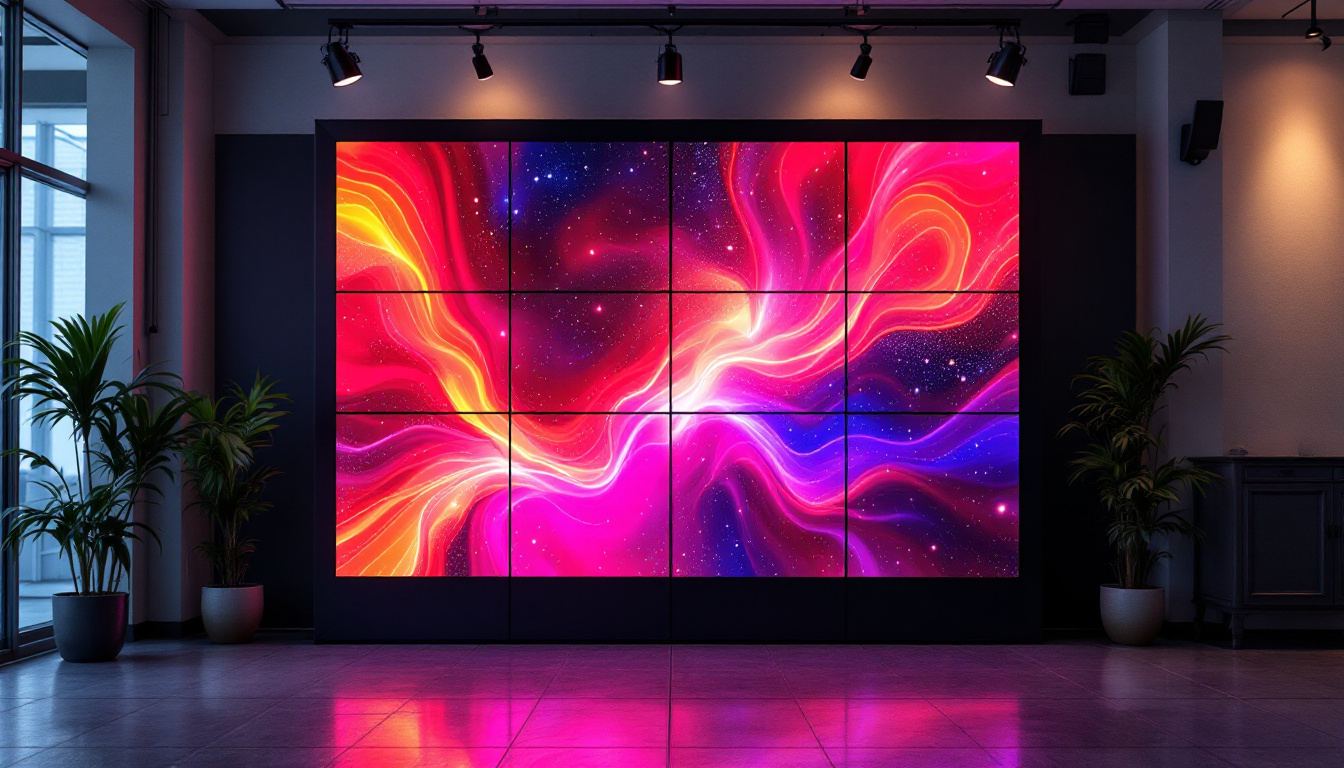
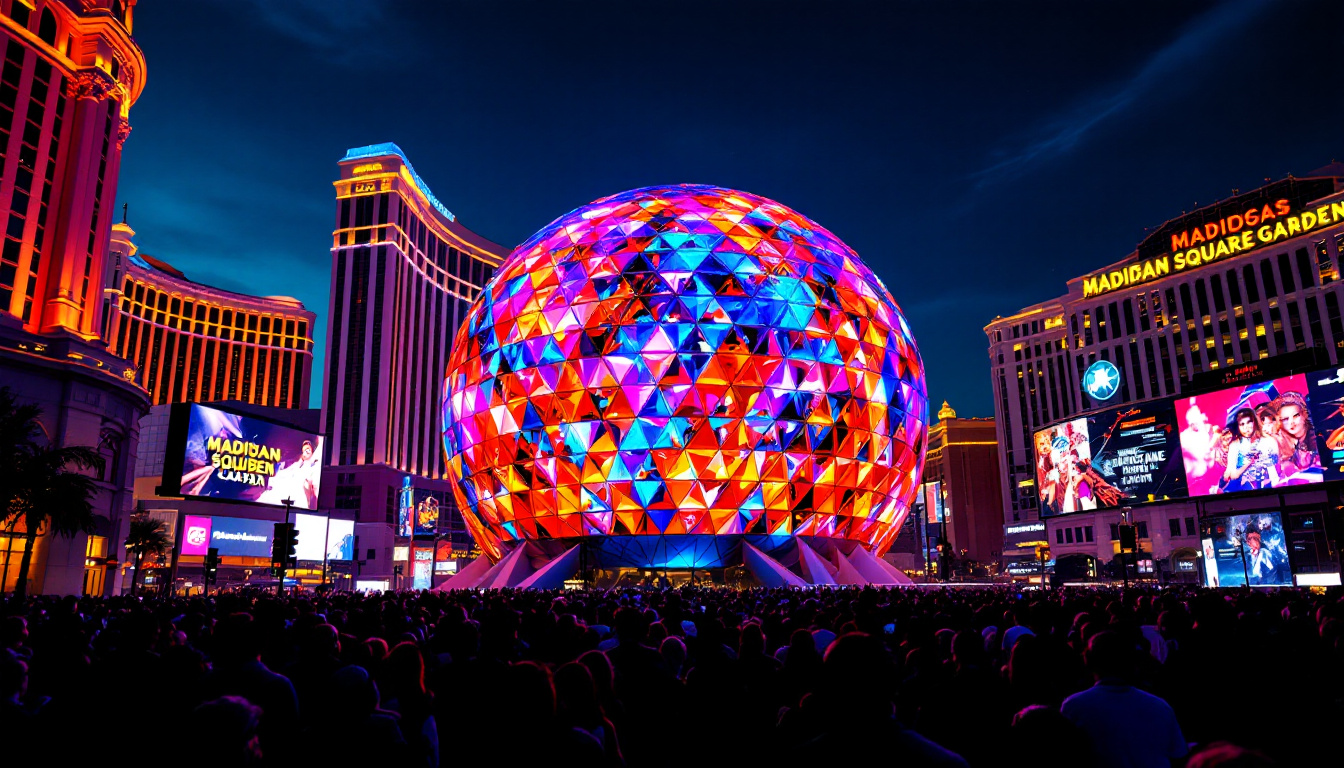
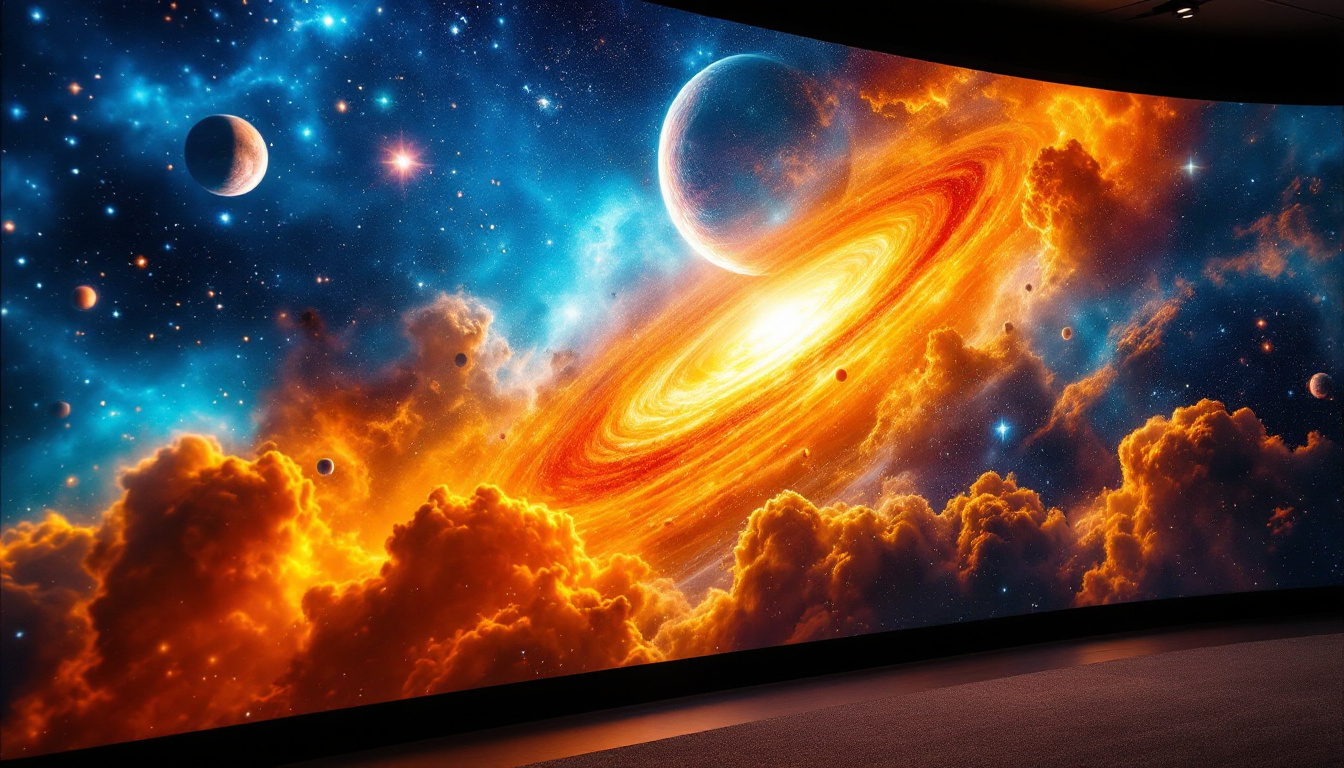
- Direct View LED Displays: These are large-scale displays where the LEDs themselves form the image. They are commonly used for outdoor billboards, stadium screens, and large video walls. The modular nature of these displays allows for creative configurations, enabling them to fit into diverse architectural designs and advertising strategies.
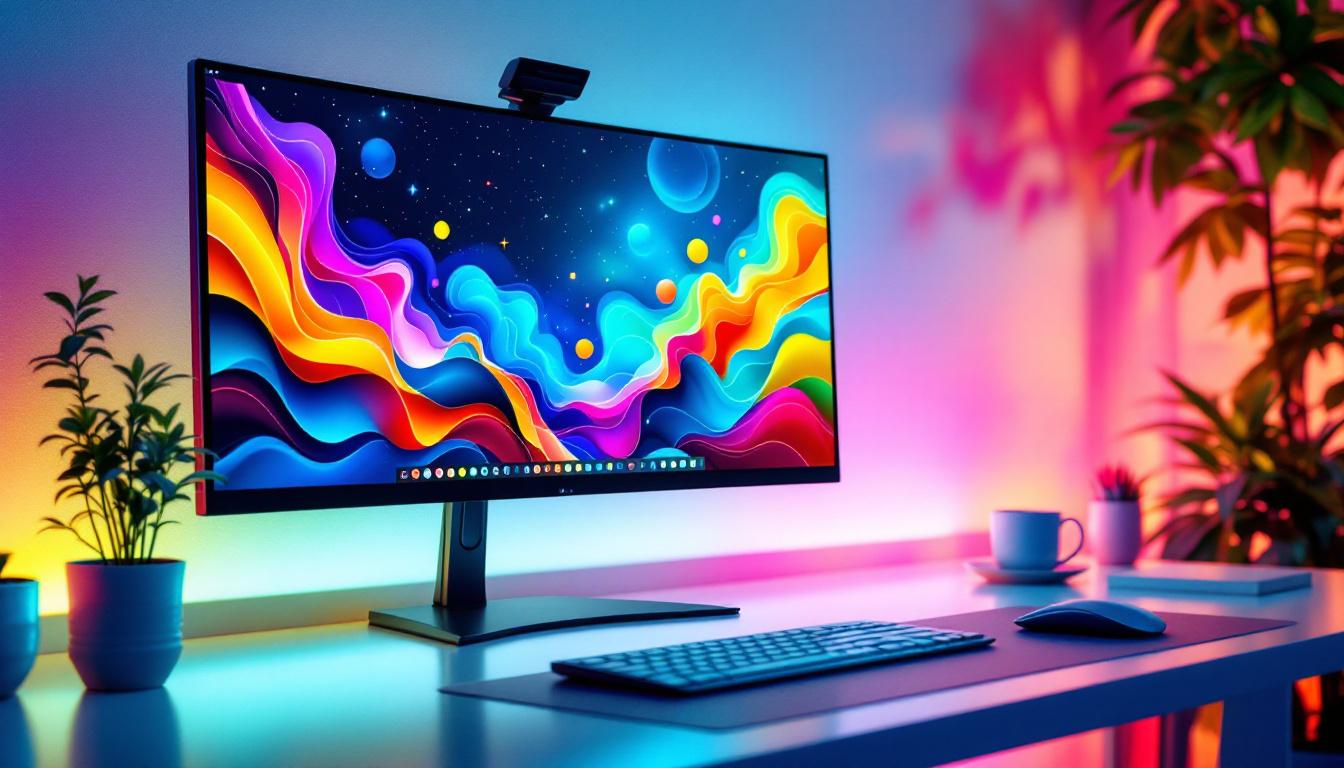
- LED-backlit LCD Displays: These use LEDs as a backlight behind an LCD panel, enhancing brightness and color accuracy. This technology is prevalent in televisions, monitors, and smartphones. The combination of LED backlighting with LCD technology has revolutionized the way we experience media, providing sharper images and deeper blacks.
- OLED Displays: Organic LEDs are a variation where organic compounds emit light. OLEDs offer superior color reproduction and flexibility but are typically used in smaller devices. Their ability to produce true blacks, as each pixel can be turned off individually, makes them particularly appealing for high-end televisions and smartphones.
Ultra LEDs primarily refer to high-performance direct view LED displays that offer exceptional brightness, resolution, and durability, making them suitable for demanding commercial and public environments. These displays often incorporate advanced technologies such as HDR (High Dynamic Range) and wide color gamut capabilities, which enhance the viewing experience by delivering richer colors and more detailed images. Furthermore, the integration of smart technologies allows for real-time content updates and remote management, making them increasingly popular in advertising and information dissemination.
As the demand for high-quality visual experiences continues to grow, LED display technology is evolving rapidly. Innovations such as flexible LED screens and transparent displays are on the horizon, promising to further expand the possibilities of how we interact with digital content. With applications ranging from retail environments to immersive art installations, the versatility of LED displays is transforming the way we communicate and engage with visual media in our daily lives.
Key Components and How Ultra LEDs Work
LED Modules and Pixels
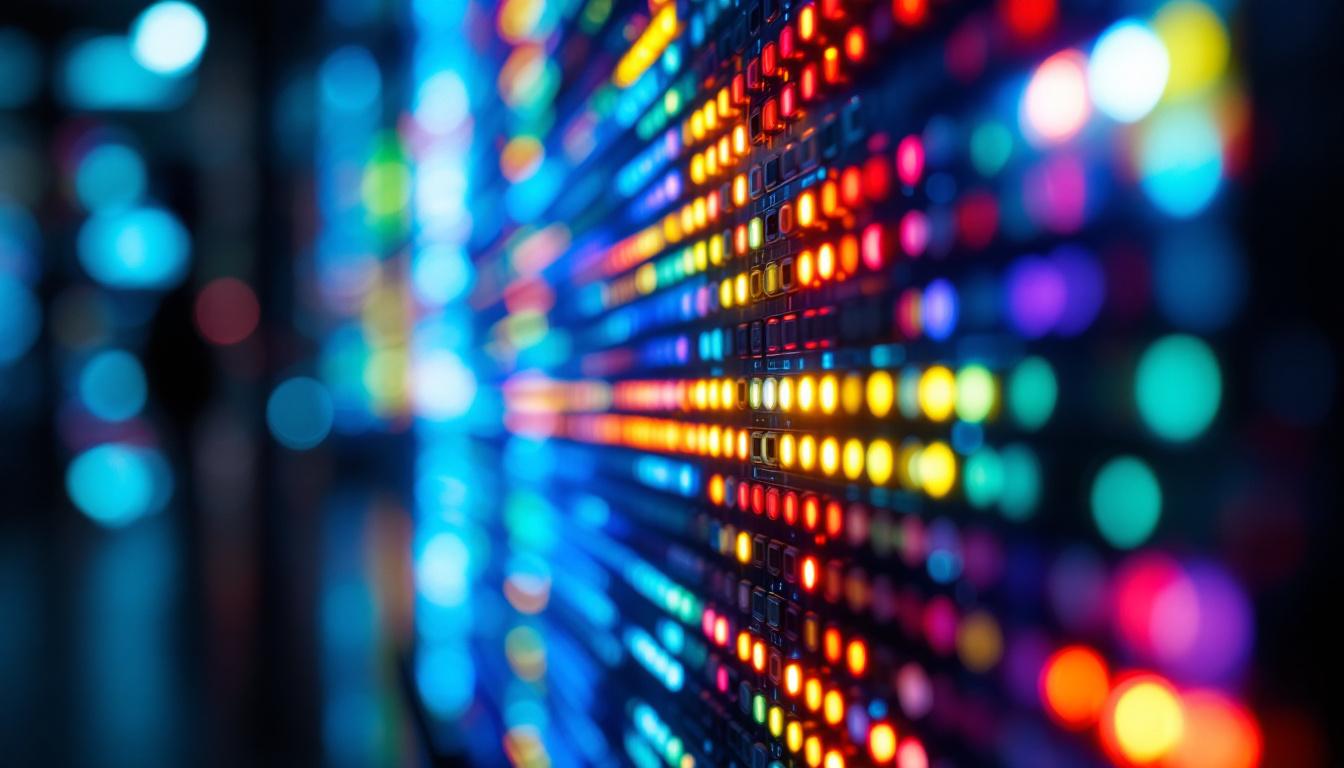
At the heart of an Ultra LED display are the LED modules, which consist of numerous individual LEDs arranged in a grid. Each LED acts as a pixel or part of a pixel, emitting red, green, or blue light to create the full spectrum of colors through a process called additive color mixing.
The pixel pitch, which is the distance between the centers of two adjacent pixels, is a critical specification. Smaller pixel pitches mean higher resolution and sharper images, especially important for close viewing distances. Ultra LEDs often feature pixel pitches as low as 1.2mm, enabling crystal-clear visuals even from short distances.
Control Systems and Software
LED displays require sophisticated control systems to manage the color, brightness, and timing of each LED. These systems receive input from video sources and translate it into signals that control the LEDs in real time. Advanced software platforms allow for dynamic content management, scheduling, and remote monitoring, enabling operators to deliver tailored messages and interactive experiences.
Power and Heat Management
Given the high brightness levels and continuous operation of Ultra LED displays, efficient power management and heat dissipation are essential. Modern Ultra LEDs incorporate energy-efficient components and heat sinks to maintain optimal operating temperatures, which prolongs lifespan and ensures consistent performance.
Applications of Ultra LED Displays
Outdoor Advertising and Digital Billboards
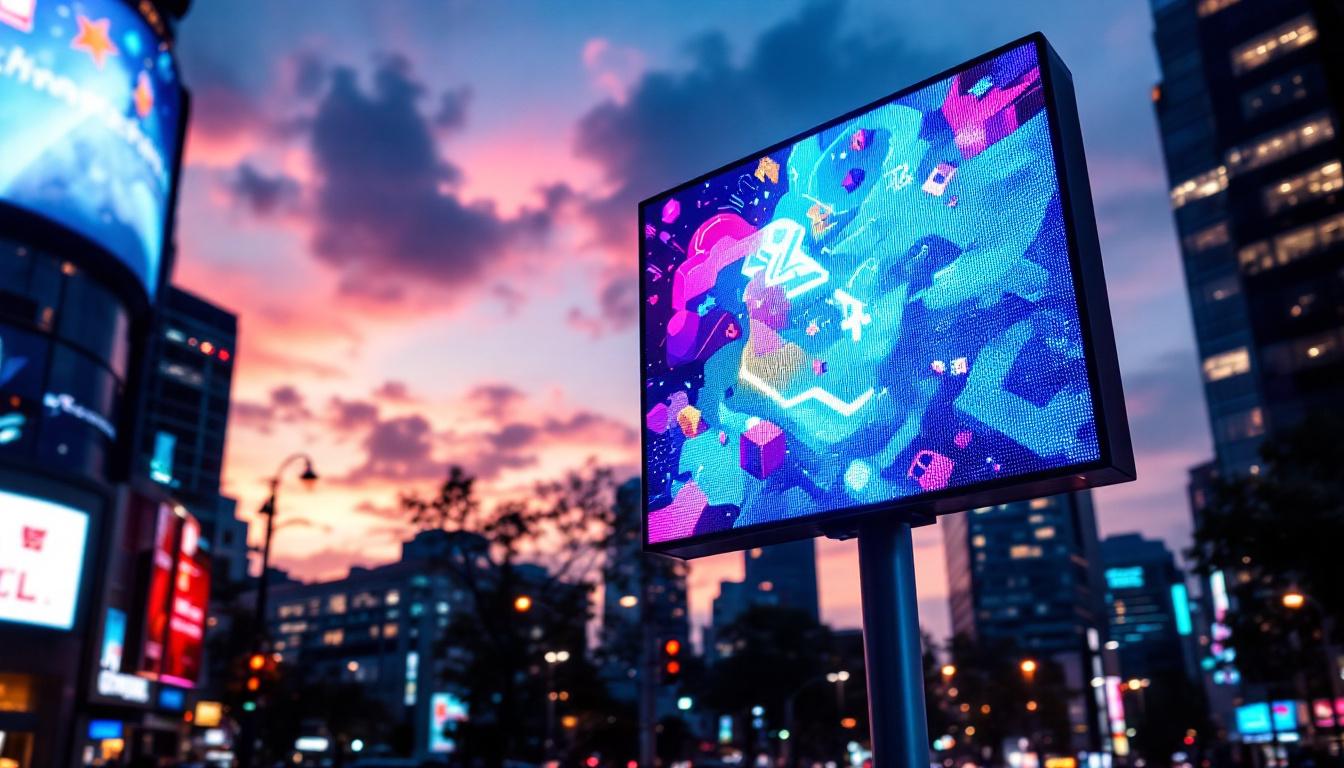
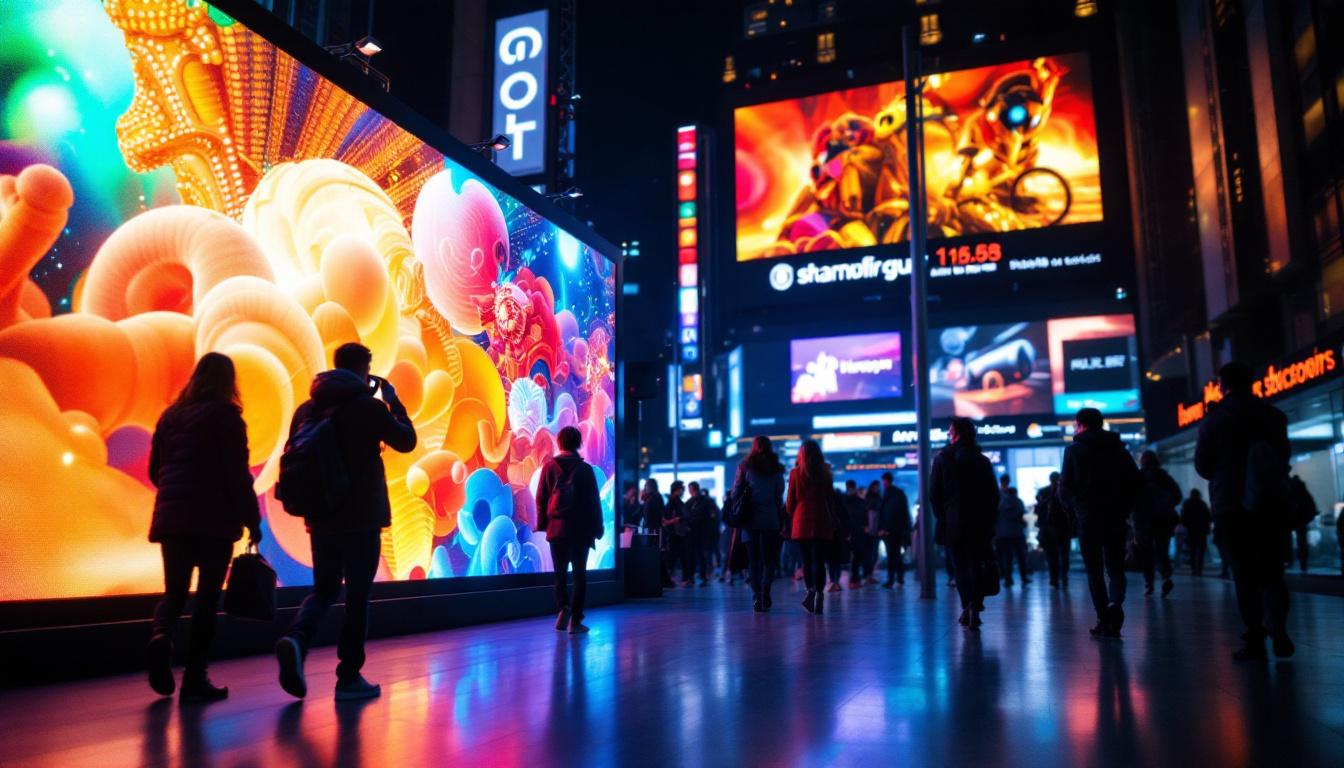
One of the most visible uses of Ultra LED displays is in outdoor advertising. Digital billboards powered by Ultra LEDs can achieve brightness levels exceeding 5,000 nits, ensuring content is visible even under direct sunlight. Their durability and weather resistance make them ideal for urban environments, highways, and stadiums.
According to recent market research, the global digital out-of-home (DOOH) advertising market is expected to grow at a compound annual growth rate (CAGR) of over 13% through 2028, driven largely by advancements in Ultra LED technology. This growth underscores the increasing importance of LED displays in marketing strategies worldwide.
Sports and Entertainment Venues
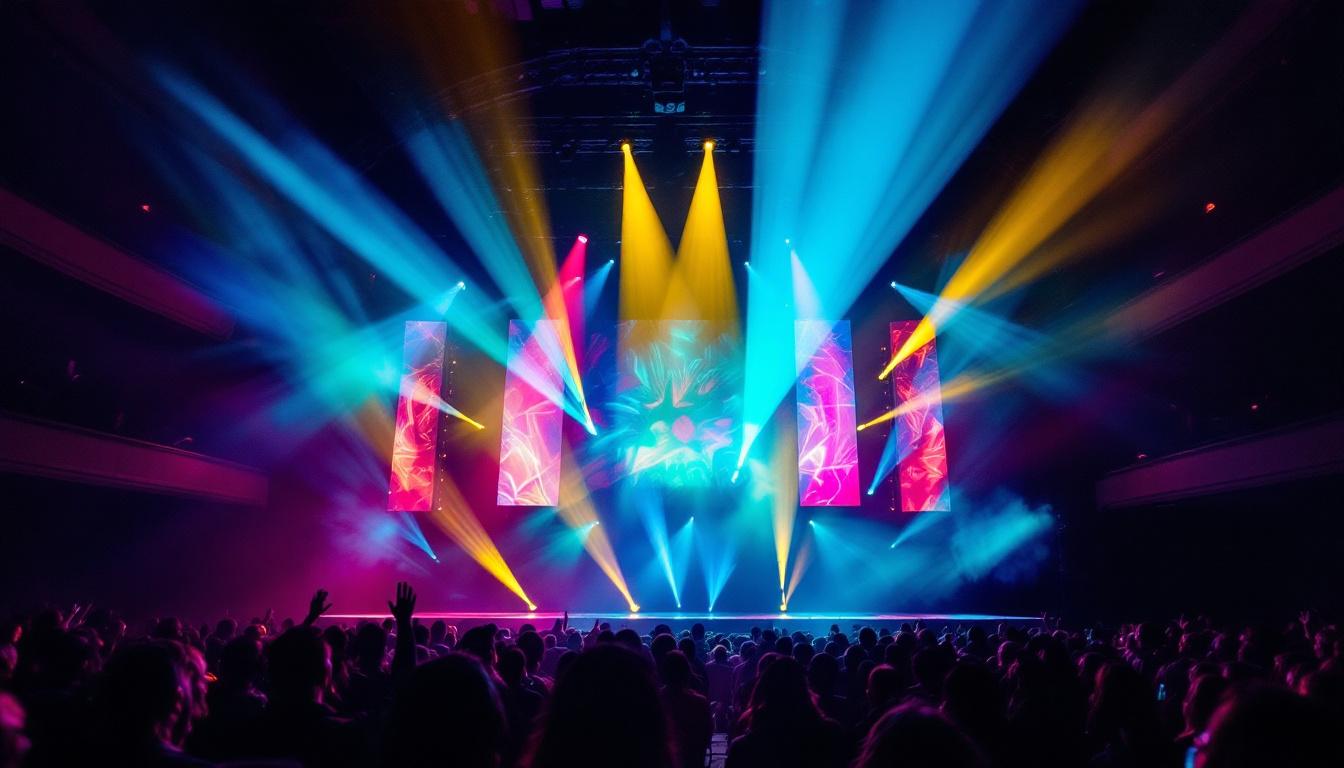
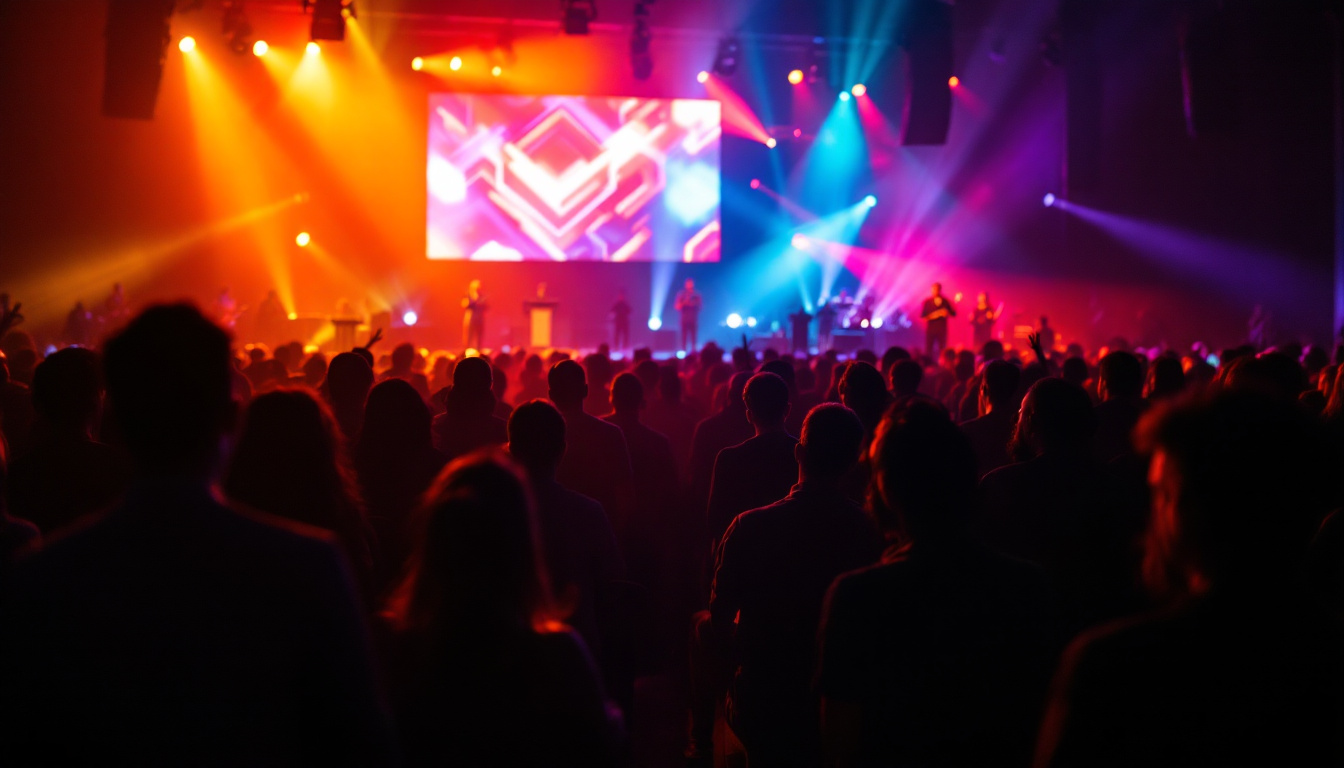
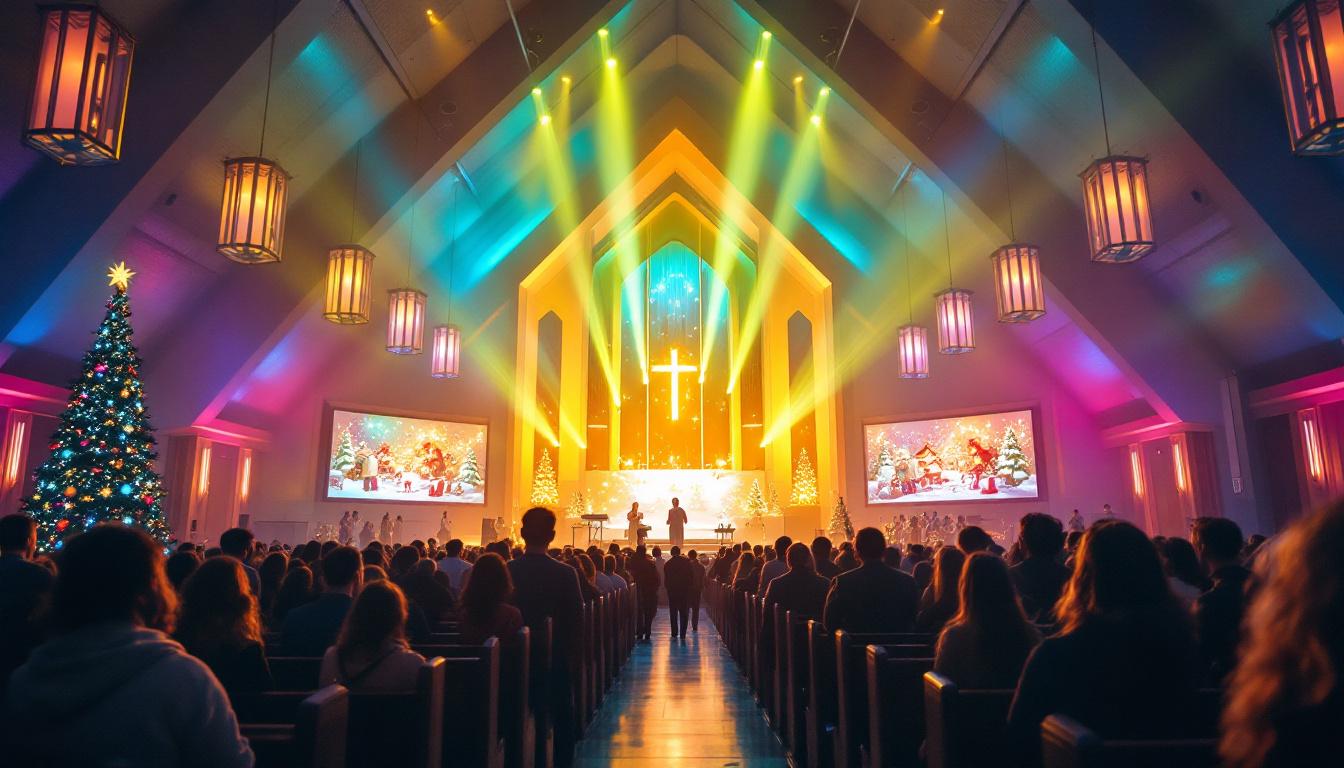
Ultra LED displays have revolutionized the fan experience in sports arenas and concert venues. Large video walls and ribbon boards provide real-time replays, scores, and interactive content, enhancing engagement. The high refresh rates and color accuracy of Ultra LEDs ensure smooth motion and vibrant visuals, critical for live events.
Retail and Corporate Environments
In retail, Ultra LED displays serve as dynamic signage that can adapt to promotions, seasons, or customer demographics. Corporations use these displays for presentations, brand messaging, and immersive experiences in lobbies or conference rooms. The ability to customize content quickly and remotely adds significant value to these environments.
Transportation and Public Information Systems
Airports, train stations, and bus terminals utilize Ultra LED displays to provide travelers with real-time updates, directions, and safety information. Their high visibility and reliability make them indispensable for managing large crowds and ensuring smooth operations.
Advantages of Ultra LED Displays Over Traditional Technologies
Superior Brightness and Visibility
Ultra LED displays can achieve brightness levels far beyond those of LCD or plasma screens. This capability enables them to remain clear and legible in direct sunlight or brightly lit environments, a critical factor for outdoor and public applications.
Energy Efficiency and Longevity
LED technology inherently consumes less power than traditional lighting and display options. Ultra LEDs are engineered to maximize energy savings without compromising performance. Additionally, they offer longer operational lifespans, often exceeding 100,000 hours, reducing maintenance costs and downtime.
Flexibility and Scalability
Ultra LED displays can be configured in virtually any size or shape, allowing for creative and impactful installations. Modular designs enable easy scaling, repair, and upgrades, which is particularly advantageous for large-scale projects.
Enhanced Color Accuracy and Contrast
The ability to control each LED individually results in exceptional color precision and contrast ratios. This leads to more vibrant images and deeper blacks, improving overall visual quality and viewer engagement.
Challenges and Considerations When Choosing Ultra LED Displays
Initial Investment and Cost
While Ultra LED displays offer long-term benefits, the upfront cost can be significant compared to other display technologies. Factors influencing cost include resolution, size, pixel pitch, and additional features such as weatherproofing or interactive capabilities.
Installation and Maintenance
Proper installation is crucial to ensure optimal performance and longevity. This often requires skilled technicians and specialized equipment. Maintenance, while generally less frequent than other technologies, still involves periodic cleaning, calibration, and potential module replacement.
Environmental Impact and Sustainability
Manufacturers are increasingly focusing on eco-friendly materials and recycling programs for LED components. When selecting Ultra LED displays, considering the environmental footprint and energy consumption aligns with corporate social responsibility goals.
The Future of Ultra LED Displays
MicroLED and MiniLED Innovations
Emerging technologies such as MicroLED and MiniLED are pushing the boundaries of LED display performance. MicroLEDs offer even smaller pixel sizes and higher brightness, promising displays with unparalleled clarity and efficiency. These advancements are expected to complement and eventually integrate with Ultra LED solutions, expanding their applications.
Integration with Smart Technologies
Ultra LED displays are increasingly being integrated with Internet of Things (IoT) platforms, artificial intelligence (AI), and augmented reality (AR). These integrations allow for interactive, context-aware content that can adapt in real time to audience behavior and environmental conditions.
Expanding Use Cases
As costs decrease and technology advances, Ultra LED displays are finding new applications in education, healthcare, and smart cities. From digital classrooms to interactive hospital signage and urban information hubs, the potential for Ultra LEDs to enhance communication and engagement is vast.
Conclusion
Ultra LED displays represent a pinnacle of modern display technology, combining brightness, durability, and versatility to meet the demands of diverse industries. Their ability to deliver vivid, high-resolution content in challenging environments makes them indispensable in advertising, entertainment, retail, and public information systems.
Understanding the technology behind Ultra LEDs, their applications, advantages, and future trends equips businesses and organizations to make informed decisions when investing in display solutions. As LED technology continues to evolve, Ultra LEDs will remain at the forefront, illuminating the path toward more dynamic and engaging visual communication.
Discover the Future of Visual Communication with LumenMatrix
Ready to elevate your visual messaging and captivate your audience like never before? Explore LumenMatrix’s comprehensive range of LED display solutions, where innovation meets practicality. From the vibrancy of an Indoor LED Wall Display to the dynamic impact of an Outdoor LED Wall Display, and the versatility of Custom and All-in-One LED Displays, LumenMatrix is your partner in revolutionizing visual communication. Check out LumenMatrix LED Display Solutions today and see your brand in a whole new light.