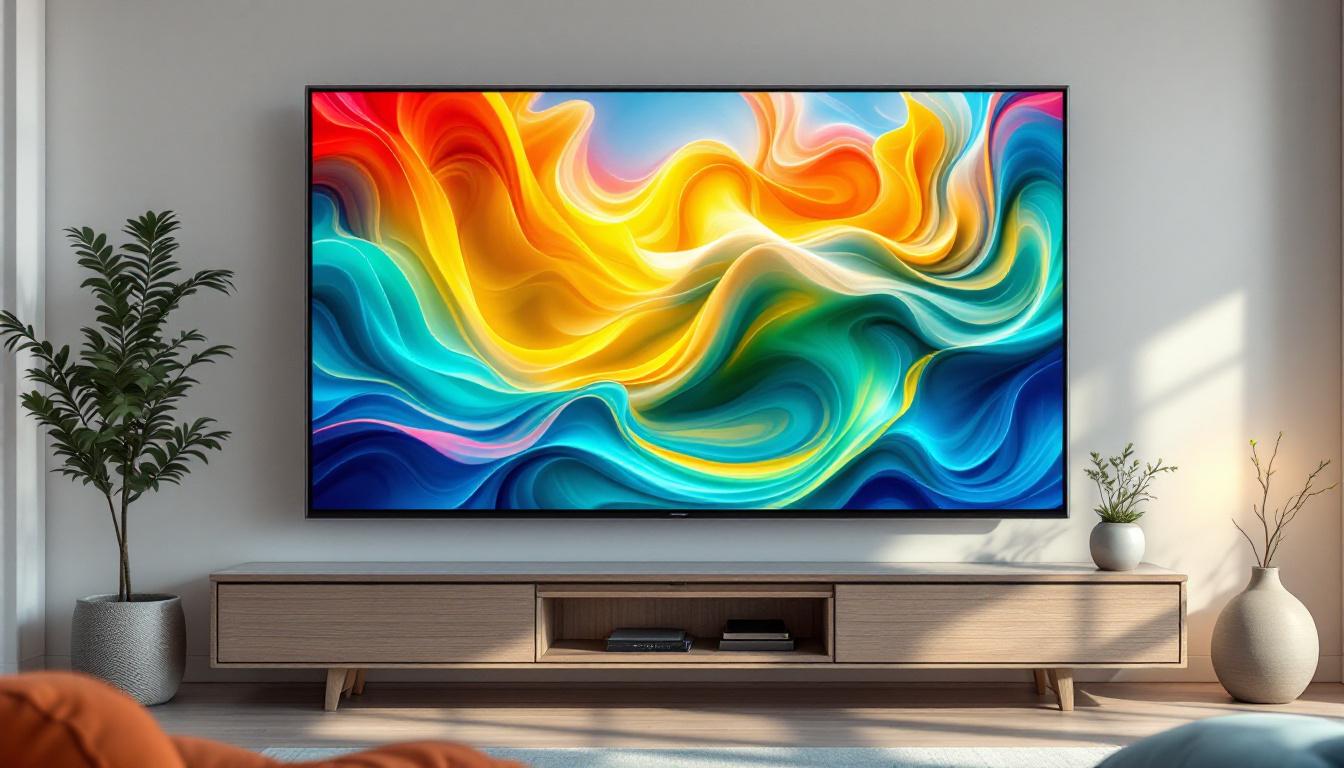
Large Screen Flat Panel TV: LED Display Explained
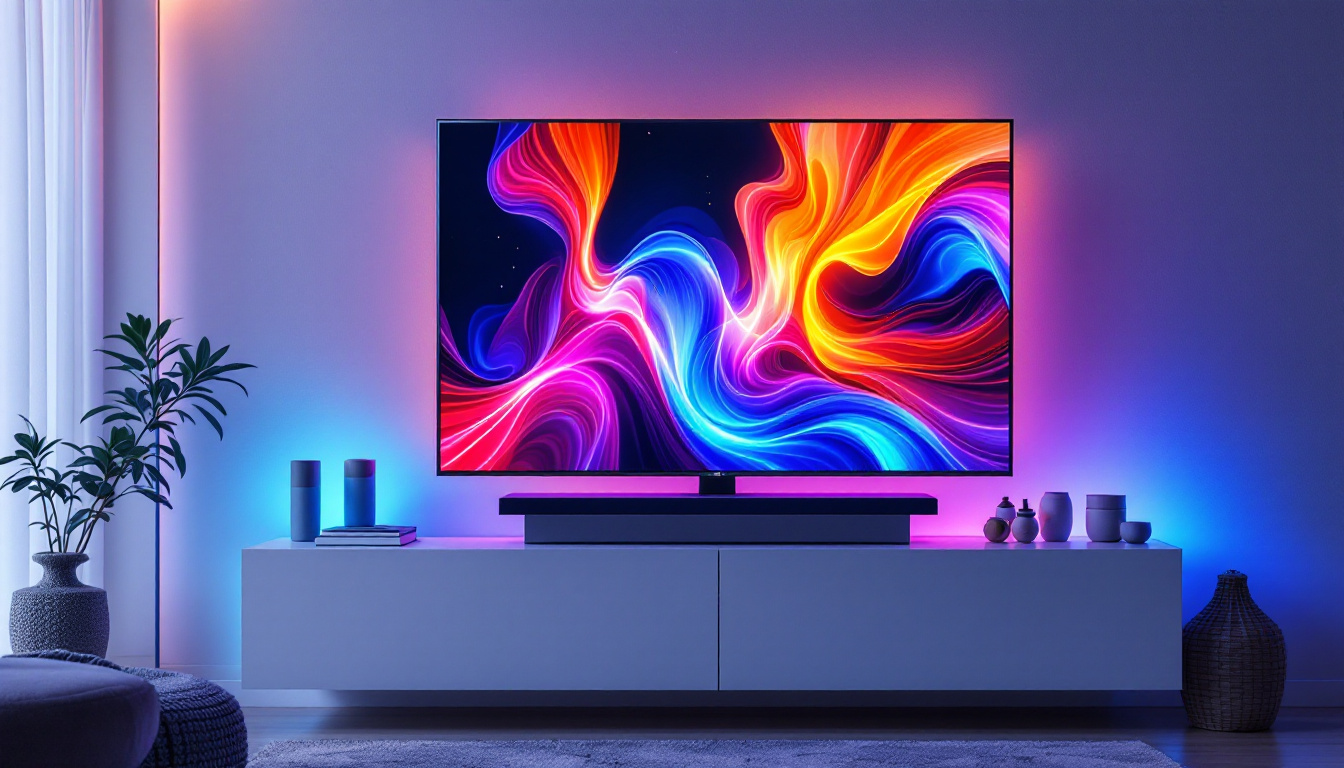
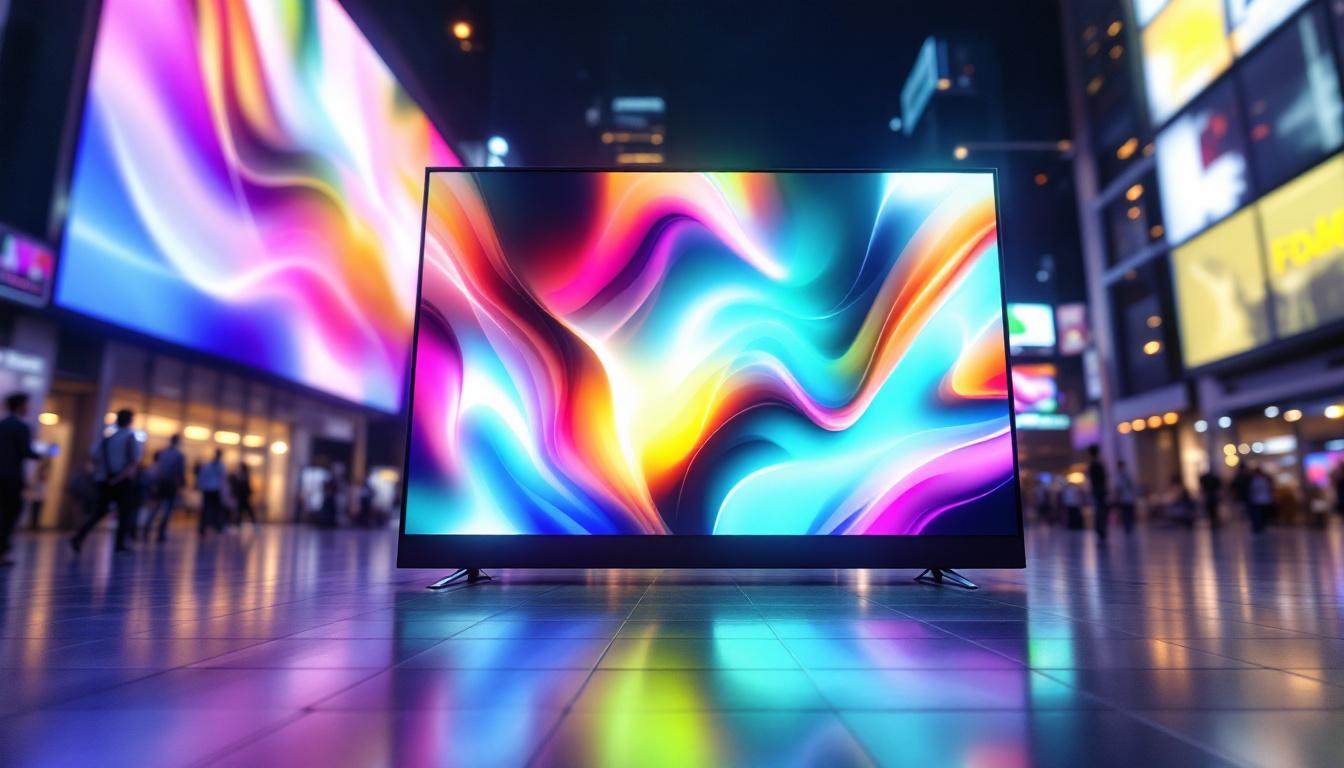
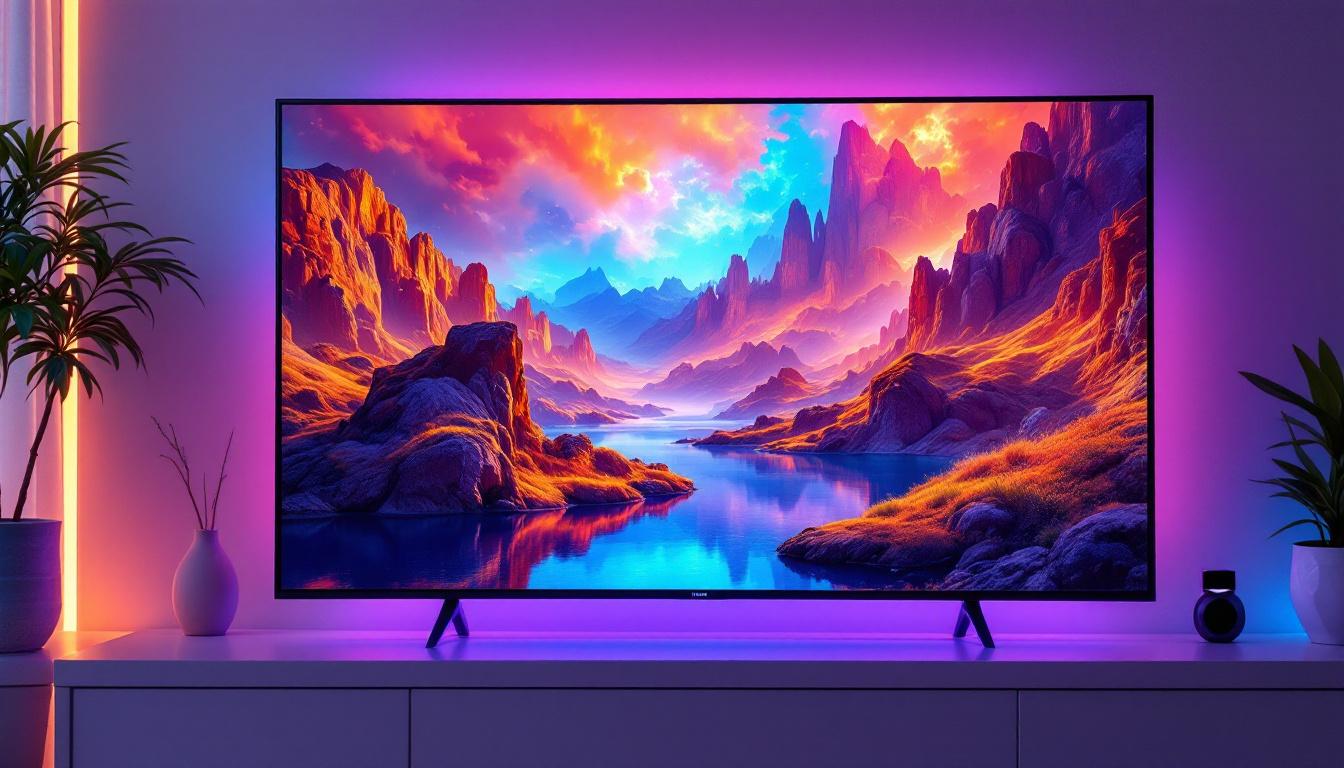
In today’s world of home entertainment, large screen flat panel TVs have become a centerpiece in many living rooms. Among the various technologies available, LED displays stand out for their vibrant picture quality, energy efficiency, and sleek design. But what exactly is an LED display, and why has it become the preferred choice for large screen TVs? This comprehensive guide delves into the technology behind LED displays, their advantages, and what consumers should consider when purchasing a large screen LED TV.
Understanding LED Display Technology
What is an LED Display?
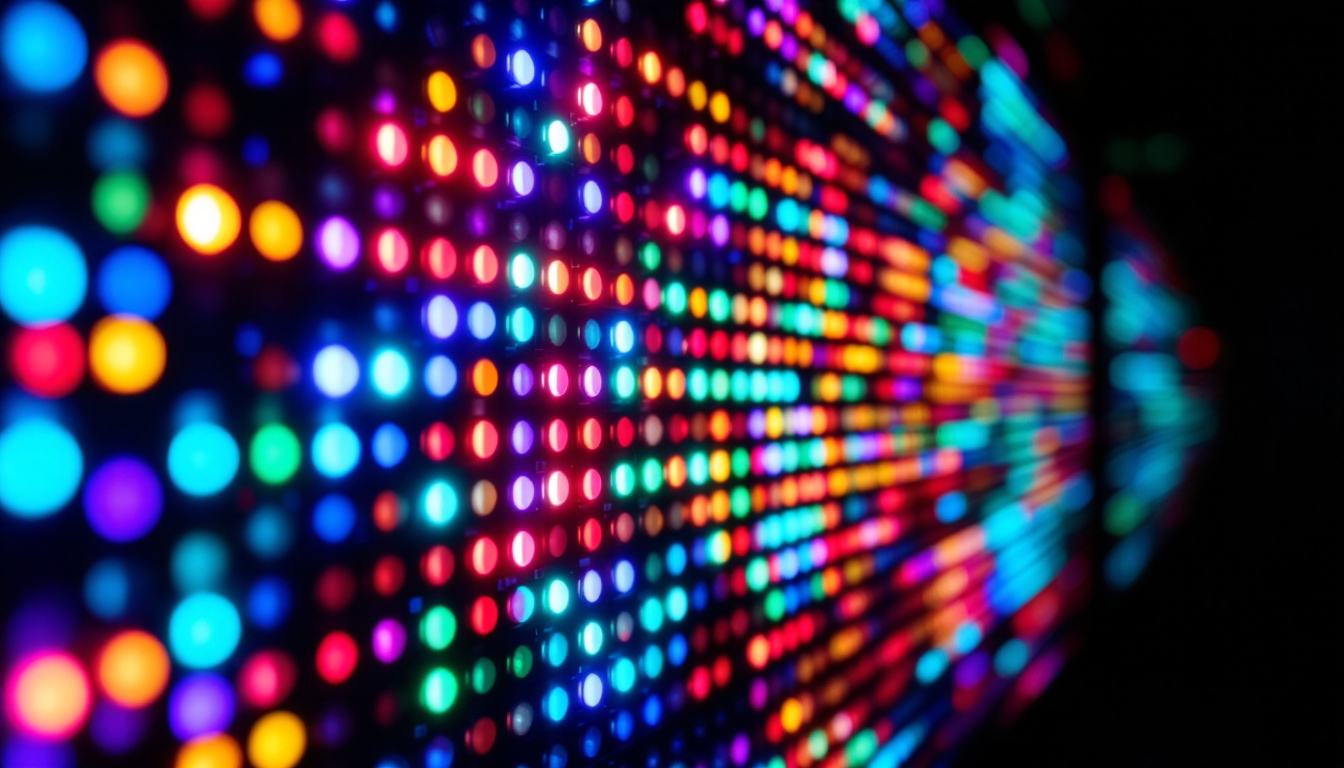
LED stands for Light Emitting Diode, a semiconductor device that emits light when an electric current passes through it. In the context of large screen TVs, LED displays refer to LCD (Liquid Crystal Display) panels that use LEDs as their backlighting source. This is different from older LCD TVs that used cold cathode fluorescent lamps (CCFLs) for backlighting.
The LED backlighting allows for thinner panels, improved brightness, better contrast ratios, and more energy-efficient operation. Essentially, the LED display is an evolution of the LCD technology, combining the liquid crystal panel with LED backlighting to enhance overall picture quality. The transition to LED technology has not only revolutionized the design of televisions but has also paved the way for advancements in other display technologies, such as OLED (Organic Light Emitting Diode) and QLED (Quantum Dot LED), which further enhance color accuracy and viewing experiences.
Types of LED Backlighting
There are primarily two types of LED backlighting used in large screen TVs: edge-lit and full-array (also called direct-lit).
- Edge-lit LED: LEDs are positioned along the edges of the TV screen. Light is distributed across the display using light guides. This design allows for ultra-thin TVs but can sometimes lead to uneven brightness and less precise local dimming.
- Full-array LED: LEDs are placed directly behind the entire screen in a grid-like pattern. This setup enables better control over brightness zones, enhancing contrast and black levels through local dimming technology.
Some high-end TVs feature mini-LED technology, which uses thousands of tiny LEDs for even more precise backlight control, resulting in superior contrast and brightness. This technology has gained popularity due to its ability to produce deeper blacks and more vibrant colors, making it an attractive option for movie enthusiasts and gamers alike. Furthermore, the integration of advanced algorithms for local dimming in mini-LED displays allows for a more dynamic range of brightness, adapting to the content being viewed and providing an immersive experience.
In addition to these backlighting methods, consumers are increasingly drawn to the benefits of HDR (High Dynamic Range) content, which takes full advantage of the capabilities of LED displays. HDR enhances the viewing experience by providing a wider range of colors and brightness levels, allowing for more realistic images that closely resemble what the human eye perceives in real life. As a result, many modern LED TVs are designed to support HDR formats, making them an excellent choice for those looking to elevate their home entertainment experience.
Advantages of LED Displays in Large Screen TVs
Superior Picture Quality
LED TVs generally offer brighter images and better contrast than their CCFL-backlit LCD predecessors. The ability to control backlighting zones with local dimming means deeper blacks and more vibrant colors, which is crucial for immersive viewing experiences, especially in dark room environments.
Modern LED TVs also support high dynamic range (HDR) content, which significantly expands the range of colors and luminance levels. This technology brings out subtle details in both bright and dark scenes, making movies and sports more lifelike.
Energy Efficiency and Longevity
LED backlighting consumes less power than older CCFL technology, making LED TVs more energy-efficient. This efficiency not only reduces electricity bills but also contributes to a smaller environmental footprint. Additionally, LEDs have a longer lifespan, often exceeding 60,000 hours of use, which translates to many years of reliable performance.
Sleek and Lightweight Design
The compact size of LEDs enables manufacturers to produce ultra-thin and lightweight TVs. This design flexibility allows for stylish aesthetics and easier wall mounting, which is particularly appealing for modern home setups where space and design matter.
Key Features to Consider When Choosing a Large Screen LED TV
Screen Size and Viewing Distance
Large screen TVs typically range from 55 inches to over 85 inches diagonally. The ideal screen size depends on the viewing distance and room size. For example, a 65-inch TV is suitable for a viewing distance of about 8 to 10 feet, while an 85-inch or larger screen is better suited for bigger rooms or home theaters.
Choosing the right size ensures optimal immersion without causing eye strain or requiring excessive head movement.
Resolution: 4K and Beyond
Most large screen LED TVs today offer 4K Ultra HD resolution (3840 x 2160 pixels), which provides four times the pixel count of Full HD. This higher resolution delivers sharper images and finer detail, especially noticeable on screens 55 inches or larger.
Some premium models now support 8K resolution (7680 x 4320 pixels), but 8K content is still limited, and these TVs come at a premium price. For most consumers, 4K remains the sweet spot for picture quality and content availability.
Refresh Rate and Motion Handling
The refresh rate, measured in hertz (Hz), indicates how many times per second the TV updates its image. A higher refresh rate (120Hz or more) helps reduce motion blur during fast-moving scenes, such as sports or action movies.
Many LED TVs use motion interpolation technology to simulate higher refresh rates, but native refresh rate is a better indicator of smooth motion performance.
Smart TV Capabilities
Almost all modern large screen LED TVs come equipped with smart features, enabling access to streaming services like Netflix, Amazon Prime Video, Disney+, and YouTube directly from the TV interface. The quality of the smart platform, user interface, and app availability can vary, so it’s worth exploring the options before purchasing.
Voice control integration with assistants like Alexa, Google Assistant, or Siri is increasingly common, offering hands-free convenience.
Connectivity Options
Multiple HDMI ports, USB inputs, and support for wireless connections such as Wi-Fi and Bluetooth are essential for connecting gaming consoles, soundbars, external drives, and other peripherals.
HDMI 2.1 support is particularly important for gamers, as it enables features like variable refresh rate (VRR), auto low latency mode (ALLM), and 4K at 120Hz gaming.
Comparing LED TVs with Other Display Technologies
LED vs OLED
OLED (Organic Light Emitting Diode) TVs differ fundamentally from LED TVs. In OLED panels, each pixel emits its own light, allowing for perfect black levels and infinite contrast ratios. This results in exceptional picture quality, especially in dark scenes.
However, OLED TVs are generally more expensive and can be susceptible to burn-in if static images are displayed for prolonged periods. LED TVs, particularly those with full-array local dimming, have improved significantly and offer excellent performance at a more affordable price point.
LED vs QLED
QLED (Quantum Dot LED) TVs are a type of LED TV that uses quantum dot technology to enhance color accuracy and brightness. These TVs typically deliver more vivid colors and higher peak brightness compared to standard LED TVs, making them well-suited for bright room environments.
QLED TVs are often marketed by major brands as premium LED options, combining the benefits of LED backlighting with quantum dot enhancements.
Maintaining and Optimizing Your Large Screen LED TV
Proper Placement and Lighting
To get the best picture quality, place the TV where glare and reflections from windows or lights are minimized. Ambient lighting can affect perceived contrast and color accuracy, so a controlled lighting environment is ideal.
Calibration and Picture Settings
Most LED TVs come with preset picture modes such as Standard, Cinema, Sports, and Game. For the most accurate colors and optimal viewing experience, professional calibration or using calibration tools can significantly improve picture quality.
Adjusting settings like brightness, contrast, color temperature, and sharpness according to room conditions and content type can enhance viewing comfort and image fidelity.
Cleaning and Care
Use a soft, dry microfiber cloth to clean the screen. Avoid harsh chemicals or abrasive materials that can damage the display surface. Regularly dusting the TV vents helps maintain proper ventilation and prevents overheating.
The Future of Large Screen LED TVs
LED display technology continues to evolve rapidly. Innovations such as mini-LED and micro-LED promise even better contrast, brightness, and energy efficiency. Micro-LED, in particular, offers self-emissive pixels like OLED but with the durability and brightness advantages of LED technology.
Additionally, advancements in HDR formats, AI-driven upscaling, and smart home integration are making large screen LED TVs smarter and more adaptable to user preferences.
With the increasing availability of 4K and 8K content, as well as gaming technologies that leverage HDMI 2.1 features, large screen LED TVs are positioned to remain a dominant choice for immersive home entertainment for years to come.
Conclusion
Large screen flat panel TVs with LED displays offer a compelling combination of picture quality, energy efficiency, and sleek design. Understanding the underlying technology, types of LED backlighting, and key features helps consumers make informed decisions tailored to their viewing habits and room environments.
Whether upgrading a home theater or outfitting a living room, LED TVs provide vibrant images, smart functionality, and reliable performance. As technology advances, these displays will continue to deliver immersive and enjoyable viewing experiences for a wide range of audiences.
Discover the Future of Home Entertainment with LumenMatrix
As you consider elevating your home theater or living space with a large screen LED TV, LumenMatrix stands at the forefront of LED display innovation. Our commitment to enhancing your visual experience is reflected in our diverse range of LED display solutions, from Indoor and Outdoor LED Wall Displays to specialized options like Vehicle LED Displays and LED Sports Displays. Embrace the cutting-edge technology that LumenMatrix offers, and transform the way you enjoy movies, sports, and gaming. Check out LumenMatrix LED Display Solutions today and step into a world where clarity meets brilliance.