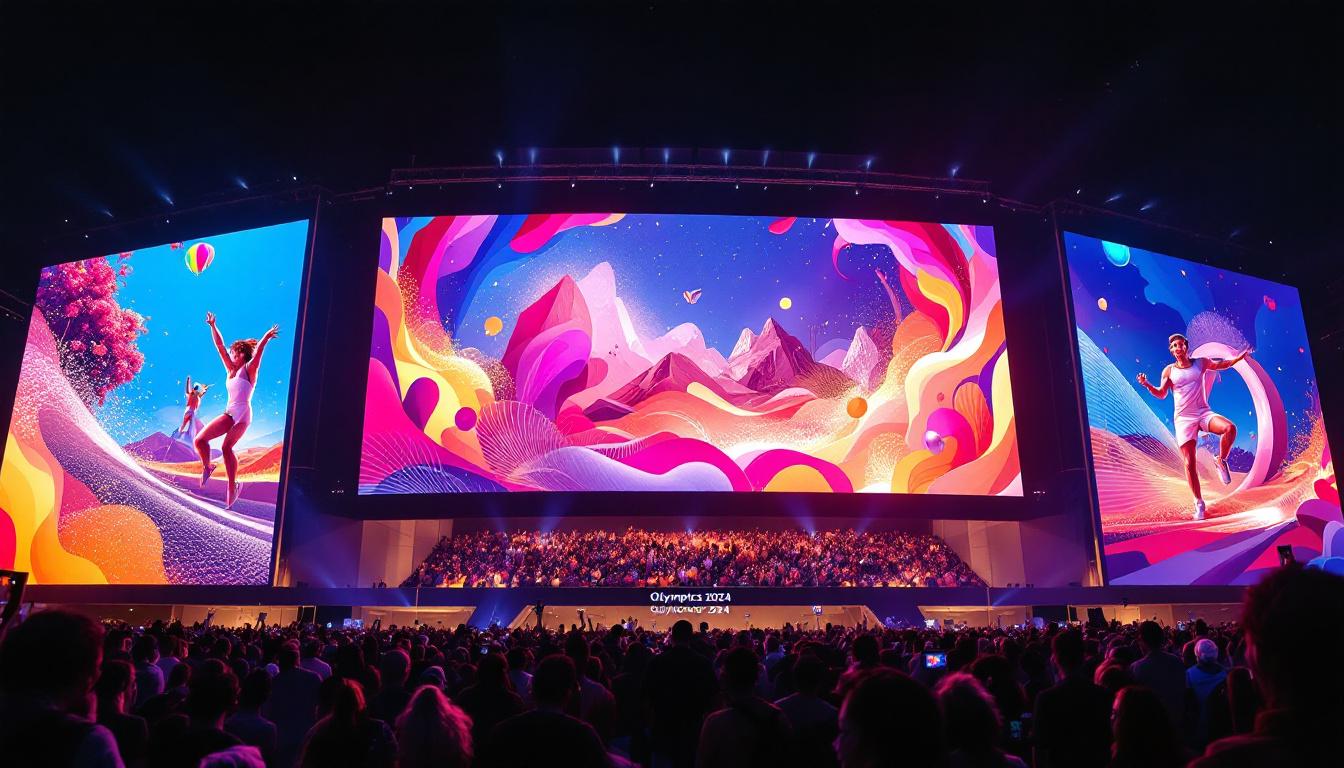
The Ashland Drive In has long been a cherished entertainment venue, blending nostalgia with modern technology to create a unique movie-going experience. Central to this transformation is the installation of a state-of-the-art LED display, which has revolutionized how audiences enjoy films under the stars. This article delves into the technology behind the Ashland Drive In’s LED display, exploring its advantages, technical specifications, and the impact it has on both the venue and its visitors.
The Evolution of Drive-In Theater Displays
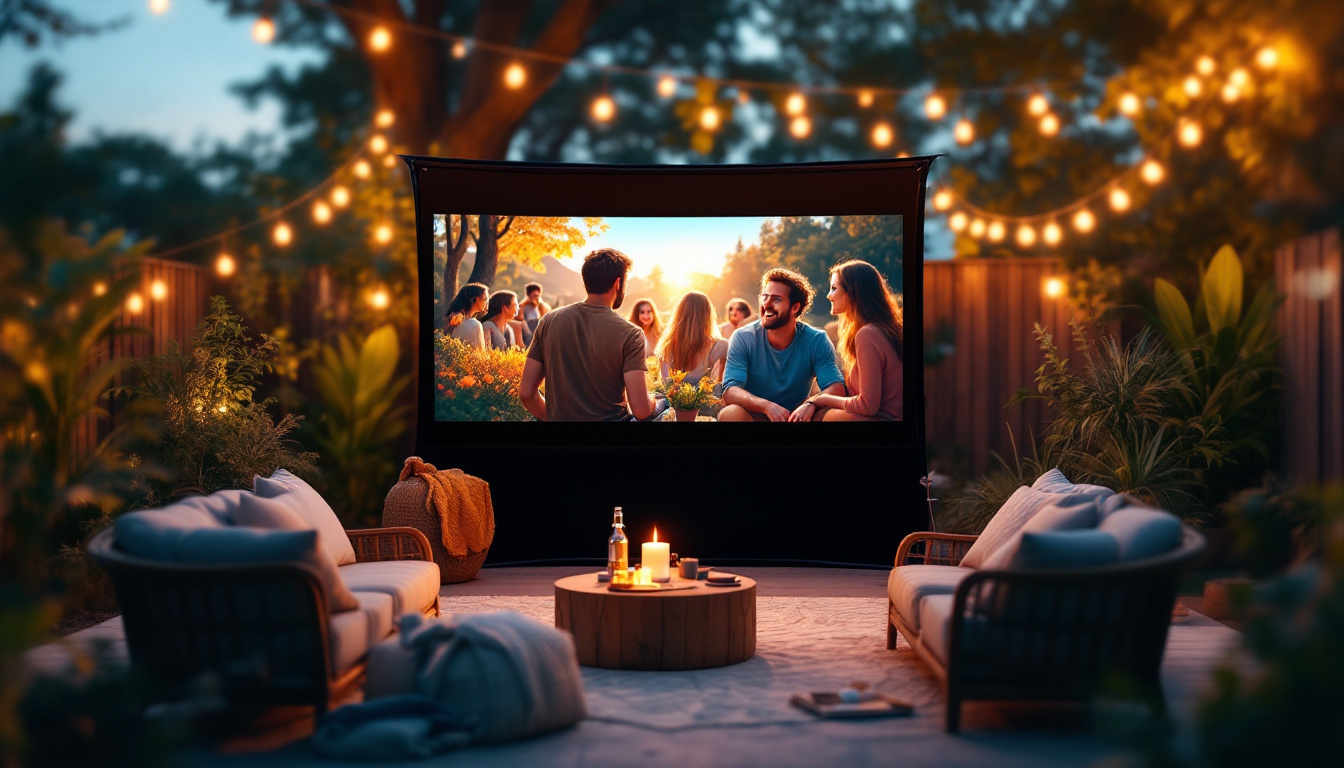
Drive-in theaters have been a staple of American culture since the 1930s, offering a communal yet private way to watch movies. Traditionally, these theaters relied on large projection screens paired with analog projectors. While this setup was effective for decades, it had inherent limitations such as image brightness, weather sensitivity, and maintenance challenges. The nostalgic charm of sitting in a car under the stars, munching on popcorn, and enjoying a film has kept this experience alive, but the technology behind it has needed to evolve to keep pace with changing viewer expectations.
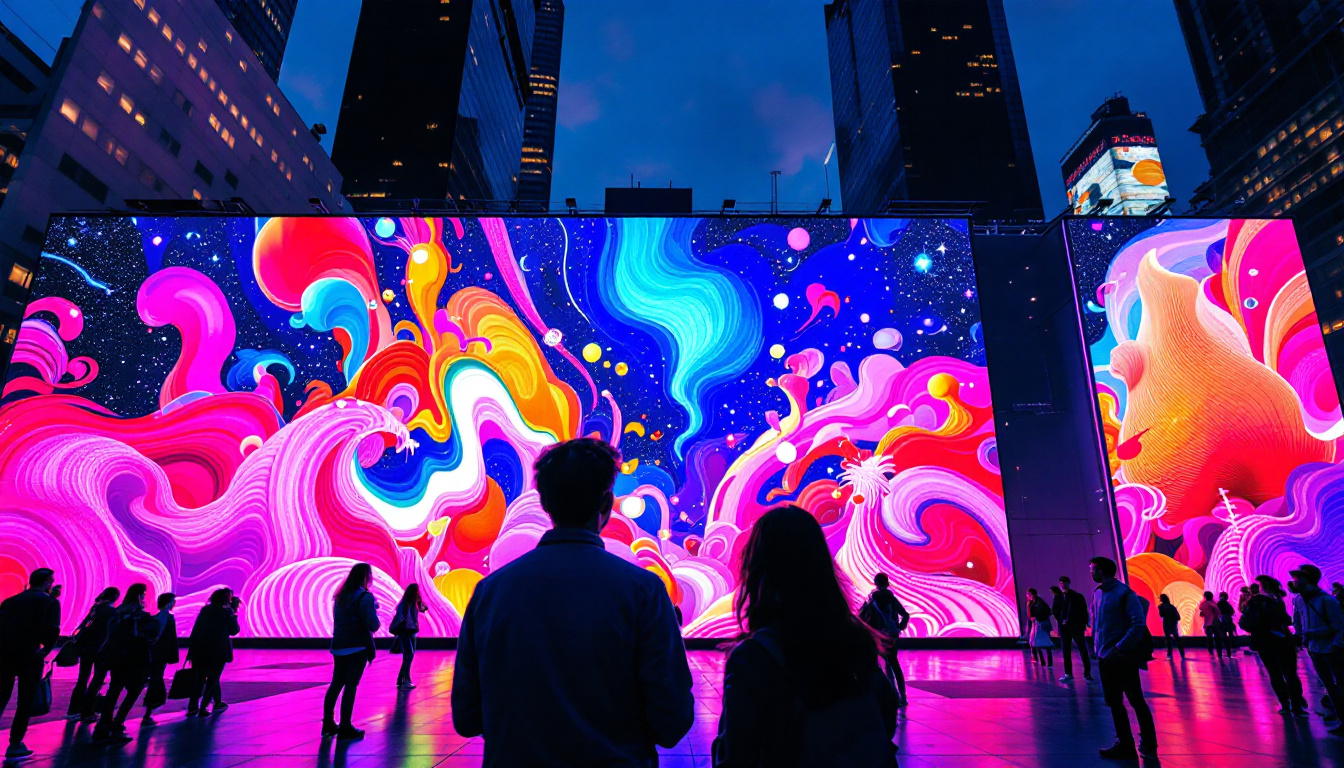
With advancements in display technology, many drive-ins began exploring alternatives to traditional projection systems. The emergence of LED (Light Emitting Diode) displays marked a significant turning point. Unlike projectors that cast light onto a screen, LED displays are composed of thousands of tiny light sources that emit their own light, resulting in brighter, sharper images that are visible even in ambient light conditions. This shift not only enhances the visual experience but also opens up opportunities for drive-ins to host events beyond just movie screenings, such as live concerts or community gatherings, further enriching the cultural fabric of these venues.
Why LED Displays Are a Game-Changer for Drive-Ins
LED technology addresses many of the challenges faced by traditional projectors. For instance, LED displays offer superior brightness, which is crucial for outdoor venues where ambient light can diminish picture quality. Moreover, LED screens are less affected by weather conditions such as fog or rain, ensuring consistent viewing experiences regardless of the environment. This reliability allows drive-in operators to schedule showings more flexibly, without the constant worry of weather interruptions that plagued their predecessors.
Maintenance is another critical factor. Projectors require regular lamp replacements and alignment checks, whereas LED displays have longer lifespans and lower upkeep costs. This reliability makes LED screens a practical investment for drive-in theaters aiming to modernize without compromising their classic appeal. Furthermore, the vibrant colors and high-definition resolution of LED displays can attract a younger audience, who may be more accustomed to the high-quality visuals of modern cinema. As a result, drive-ins can not only preserve their nostalgic charm but also rejuvenate their image, appealing to a new generation of moviegoers eager for a unique cinematic experience.
Technical Overview of the Ashland Drive In LED Display
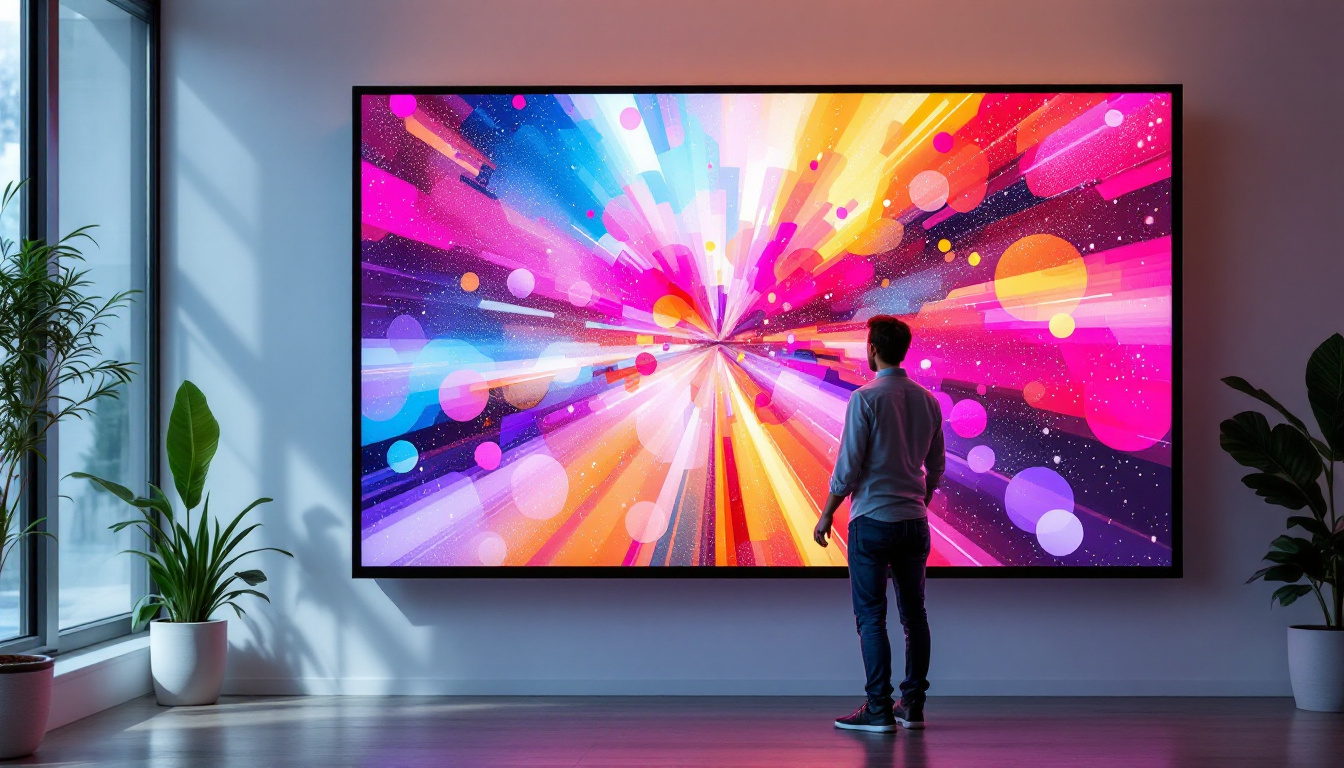
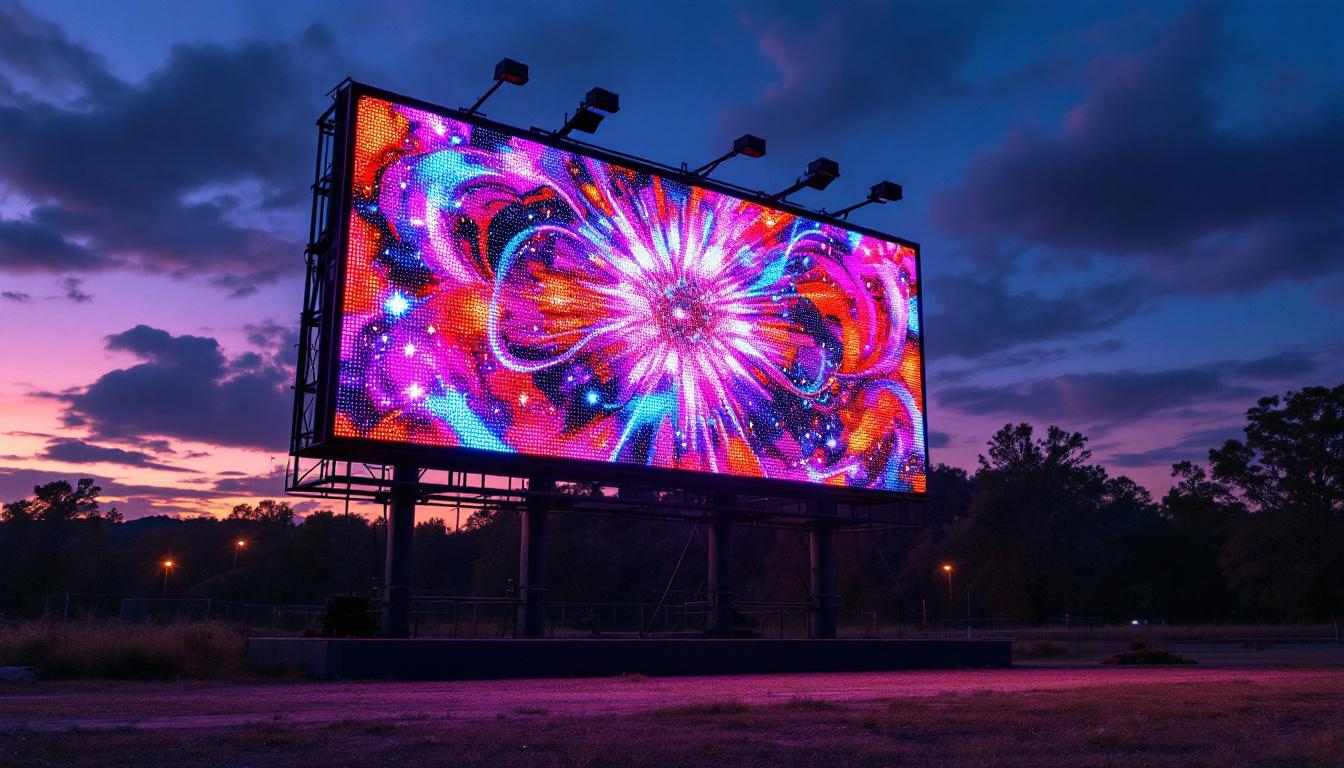
The LED display installed at the Ashland Drive In is a cutting-edge system designed specifically for outdoor cinematic use. Measuring approximately 50 feet wide by 28 feet tall, the screen boasts a resolution that supports high-definition content, ensuring crisp and vibrant visuals for every viewer in the lot.
Display Specifications
- Pixel Pitch: 10mm – This refers to the distance between the centers of two adjacent pixels. A 10mm pitch strikes a balance between resolution and viewing distance, ideal for large outdoor screens.
- Brightness: 6,500 nits – This level of brightness allows the screen to remain clearly visible even during twilight or under street lighting.
- Contrast Ratio: 5,000:1 – High contrast ensures deep blacks and vivid colors, enhancing the cinematic experience.
- Refresh Rate: 3,840 Hz – A high refresh rate reduces flicker, which is especially important for video content and reduces eye strain for viewers.
- Weatherproofing: IP65 rated – This rating guarantees protection against dust and water, making the display resilient against rain and dust storms common in the region.
Installation and Infrastructure
The installation of the LED display was a complex project that required careful planning and engineering. The structure supporting the screen was reinforced to withstand wind loads and seismic activity, ensuring safety and durability. Additionally, the system is integrated with advanced control software that allows operators to adjust brightness, color calibration, and content playback remotely.
Sound integration was also a key consideration. The Ashland Drive In uses a combination of FM radio transmission and high-quality outdoor speakers to deliver synchronized audio to vehicles and the surrounding area, complementing the visual clarity of the LED screen. This dual approach not only enhances the viewing experience but also allows patrons to enjoy the film in a way that suits their preferences, whether they choose to listen through their car radios or through the speakers positioned throughout the venue.
Moreover, the LED display is equipped with smart technology that enables it to adapt to varying environmental conditions. For instance, the brightness can automatically adjust based on ambient light levels, ensuring optimal visibility at all times. This feature not only enhances the viewing experience but also contributes to energy efficiency, reducing power consumption during daylight hours. The screen is also capable of displaying real-time information, such as upcoming showtimes, special promotions, and interactive content, keeping the audience engaged and informed as they wait for the feature presentation to begin.
Benefits of the LED Display for Audiences and Operators
Enhanced Viewing Experience
The most immediate benefit of the LED display is the vastly improved image quality. Traditional projectors often struggle with image degradation due to ambient light, screen wear, or projector lamp dimming. The LED screen’s brightness and color accuracy create a vivid picture that captivates audiences, making even classic films feel fresh and immersive.
Moreover, the LED display’s ability to maintain image integrity in various weather conditions means fewer cancellations and a more reliable schedule for moviegoers. This consistency helps build trust and encourages repeat visits. The high refresh rate of LED technology also ensures that fast-moving scenes are displayed smoothly, enhancing the overall cinematic experience. Audiences can enjoy rich colors and deep contrasts that bring the film to life, making every viewing a memorable occasion.
Operational Efficiency and Cost Savings
From an operational standpoint, the LED display reduces maintenance demands and energy consumption. Unlike projectors that require frequent lamp replacements—costing hundreds of dollars each—the LED modules have a lifespan of over 100,000 hours. This longevity translates into significant savings over time. Additionally, the durability of LED screens means they are less prone to damage from environmental factors, reducing the need for costly repairs or replacements.
Energy efficiency is also improved. LED technology consumes less power than traditional projection systems, aligning with sustainability goals and reducing the venue’s carbon footprint. The lower energy consumption not only cuts costs but also positions the venue as an environmentally conscious choice for audiences, appealing to a growing demographic that prioritizes sustainability in their entertainment choices.
Marketing and Advertising Opportunities
Beyond movie screenings, the LED display offers dynamic advertising capabilities. Local businesses and event organizers can leverage the screen for high-impact promotions, generating additional revenue streams for the Ashland Drive In. The ability to quickly switch content allows for flexible scheduling of ads, announcements, and special event messages. This adaptability means that the venue can respond to current events or seasonal promotions, keeping the content fresh and engaging for audiences.
Furthermore, the interactive potential of LED displays opens up exciting avenues for audience engagement. For instance, live polls or social media feeds can be integrated into the display, encouraging audience participation and creating a sense of community among viewers. This not only enhances the viewing experience but also fosters a deeper connection between the venue and its patrons, making each visit feel more personalized and memorable.
Challenges and Considerations in LED Display Implementation
While the benefits are substantial, the transition to LED displays is not without challenges. The initial investment cost is significantly higher than traditional projectors, which can be a barrier for smaller drive-in theaters. However, the long-term savings and enhanced audience experience often justify the upfront expense.
Technical expertise is required to operate and maintain the LED system effectively. This includes routine calibration, software updates, and troubleshooting, which may necessitate staff training or hiring specialized personnel.
Additionally, ensuring that the LED display integrates seamlessly with existing audio systems and infrastructure demands careful planning. The Ashland Drive In addressed this by partnering with experienced vendors and engineers to customize the installation to their unique needs.
The Future of Drive-In Theaters with LED Technology
The adoption of LED displays at the Ashland Drive In exemplifies a broader trend in the entertainment industry toward blending tradition with innovation. As audiences seek high-quality, safe, and socially distanced entertainment options, drive-in theaters equipped with modern LED technology are well-positioned to thrive.
Looking forward, advancements in LED technology continue to push the boundaries of resolution, brightness, and energy efficiency. Emerging features such as 3D capability and interactive content could further enhance the drive-in experience, attracting new demographics and expanding the venue’s appeal.
Moreover, the versatility of LED displays opens possibilities beyond movies. Community events, concerts, and live broadcasts can be hosted, turning the drive-in into a multi-purpose entertainment hub.
Conclusion
The Ashland Drive In’s LED display represents a significant leap forward in outdoor cinematic technology. By embracing LED, the venue has enhanced the quality and reliability of its movie presentations, improved operational efficiency, and expanded its potential as a community gathering space. For audiences, this means brighter, clearer, and more immersive movie nights under the open sky.
As LED technology continues to evolve, the Ashland Drive In stands as a model for how traditional entertainment venues can innovate while preserving their unique charm. The future of drive-in theaters looks brighter than ever—quite literally—with LED displays leading the way.
Discover the Future of Visual Experience with LumenMatrix
As you’ve seen with the Ashland Drive In, LED technology is transforming the way we experience outdoor cinema and events. LumenMatrix is at the forefront of this innovation, offering a wide range of LED display solutions that cater to any need—from Indoor and Outdoor LED Wall Displays to specialized options like Vehicle, Sports, and Floor LED Displays. Whether you’re looking to enhance your brand’s visibility or create a mesmerizing visual experience, LumenMatrix has the technology to bring your vision to life. Check out LumenMatrix LED Display Solutions and see how you can redefine engagement and captivate your audience.