8K Video: LED Display Explained
As the world of visual technology continues to evolve at a rapid pace, 8K video and LED displays are becoming increasingly prominent in both consumer and professional markets. These advancements promise breathtaking image quality, unprecedented detail, and immersive viewing experiences. However, understanding what 8K video entails and how LED display technology supports it can be complex. This article breaks down the essentials of 8K video and LED displays, exploring how they work together to redefine visual media.
Understanding 8K Video: What Does It Mean?
The Definition and Resolution
8K video refers to a display resolution of approximately 8000 pixels across the horizontal axis. Specifically, the standard resolution is 7680 x 4320 pixels, which equates to over 33 million pixels on the screen. This is four times the pixel count of 4K (3840 x 2160) and sixteen times that of Full HD (1920 x 1080).
To put this into perspective, an 8K display offers such a high pixel density that individual pixels are almost impossible to discern with the naked eye at typical viewing distances. This results in an incredibly sharp, lifelike image with fine details that were previously unattainable. The clarity of 8K video allows viewers to experience textures and subtleties in scenes that enhance the overall viewing experience, whether it’s the intricate details of a landscape or the delicate features of a character in a film.
Why 8K Matters: The Benefits of Ultra-High Resolution
The jump to 8K resolution offers several tangible benefits. For one, it enables larger screen sizes without sacrificing image clarity, making it ideal for home theaters, digital signage, and professional applications like medical imaging and design visualization. This capability is particularly valuable in environments where precision is crucial, such as in architectural renderings or surgical procedures, where every detail can impact the outcome.
Moreover, 8K video allows for enhanced post-production flexibility. Filmmakers and content creators can crop or zoom into footage without losing quality, enabling creative freedom in editing. This level of detail not only benefits visual storytelling but also opens up new avenues for immersive experiences, such as virtual reality and augmented reality applications. Additionally, 8K content supports future-proofing as display technology continues to evolve. As more consumers upgrade their home entertainment systems, having access to high-resolution content ensures that they can fully utilize their investments in cutting-edge technology.
As the demand for 8K content grows, so does the potential for innovative storytelling techniques. Filmmakers can experiment with new visual styles, using the depth and detail of 8K to create more engaging narratives. The increased resolution also enhances the viewer’s emotional connection to the story, as they can see subtle expressions and movements that add layers of meaning to the characters’ performances. This evolution in visual fidelity is not just a technical advancement; it represents a shift in how stories can be told and experienced in the digital age.
The Role of LED Displays in 8K Video
What Is an LED Display?
LED (Light Emitting Diode) displays are screens that use tiny light-emitting diodes as pixels to create images. Unlike traditional LCDs that rely on backlighting, LED displays produce their own light, which can lead to better contrast ratios, deeper blacks, and more vibrant colors.
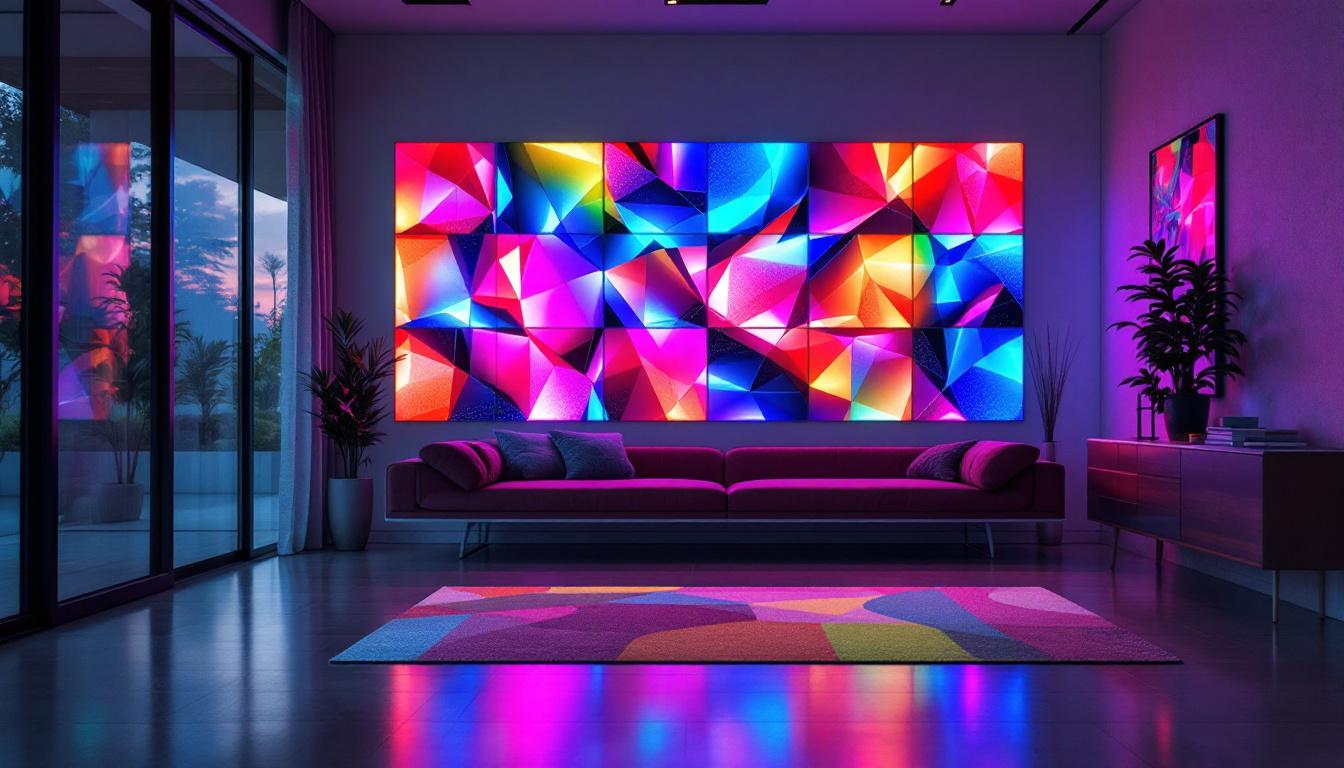
There are two main types of LED displays used in 8K technology: direct-view LED displays and LED-backlit LCDs. Direct-view LED displays consist of individual LEDs for each pixel, often used in large-scale video walls and commercial signage. LED-backlit LCDs, on the other hand, use LEDs to illuminate an LCD panel and are common in consumer televisions. The versatility of LED technology allows it to be adapted for various applications, from high-end home theaters to massive outdoor billboards, showcasing the flexibility and capability of LED displays in delivering stunning visual experiences.
How LED Technology Supports 8K Resolution
Achieving 8K resolution requires a display capable of handling an immense number of pixels with precision. LED technology is well-suited for this because LEDs can be manufactured at very small sizes, allowing for high pixel density.
In direct-view LED displays, each pixel is made up of multiple LEDs (typically red, green, and blue) that can be individually controlled. This granular control enables ultra-high-resolution displays that maintain brightness and color accuracy even at large sizes. Moreover, the ability to adjust each pixel independently allows for dynamic range enhancements, which means that scenes with both bright highlights and deep shadows can be rendered with remarkable detail. This is particularly important for 8K content, which often features intricate textures and subtle color gradients that can be lost on lower-resolution displays. As a result, the combination of LED technology and 8K resolution not only enhances the viewing experience but also pushes the boundaries of what is possible in digital imaging, making it a crucial advancement in the world of visual media.
Technical Challenges and Innovations in 8K LED Displays
Bandwidth and Processing Power
One of the primary challenges in 8K video is the massive amount of data that needs to be processed and transmitted. An uncompressed 8K video stream can require upwards of 80 Gbps of bandwidth, which is far beyond the capacity of most current consumer interfaces.
To address this, advanced compression technologies such as HEVC (High Efficiency Video Coding) and AV1 are employed to reduce file sizes without significant loss of quality. Additionally, powerful processors and graphics cards are necessary to decode and display 8K content smoothly.
Manufacturing Precision and Pixel Pitch
For LED displays, pixel pitch—the distance between the centers of two adjacent pixels—is a critical factor. Smaller pixel pitches mean higher resolution and sharper images, but they also require greater manufacturing precision and increase production costs.
Recent advancements have pushed pixel pitches down to less than 0.9 millimeters for direct-view LED displays, enabling true 8K resolution even on relatively large screens. This level of precision demands sophisticated assembly techniques and rigorous quality control.
Heat Management and Power Consumption
High-resolution LED displays consume significant power and generate heat, which can impact performance and longevity. Effective thermal management solutions, including heat sinks and advanced materials, are essential to maintain optimal operating temperatures.
Manufacturers are also exploring energy-efficient LED components and dynamic brightness controls to balance power consumption with image quality, especially for commercial and public installations that operate for extended periods.
Applications of 8K LED Displays
Home Entertainment and Consumer Electronics
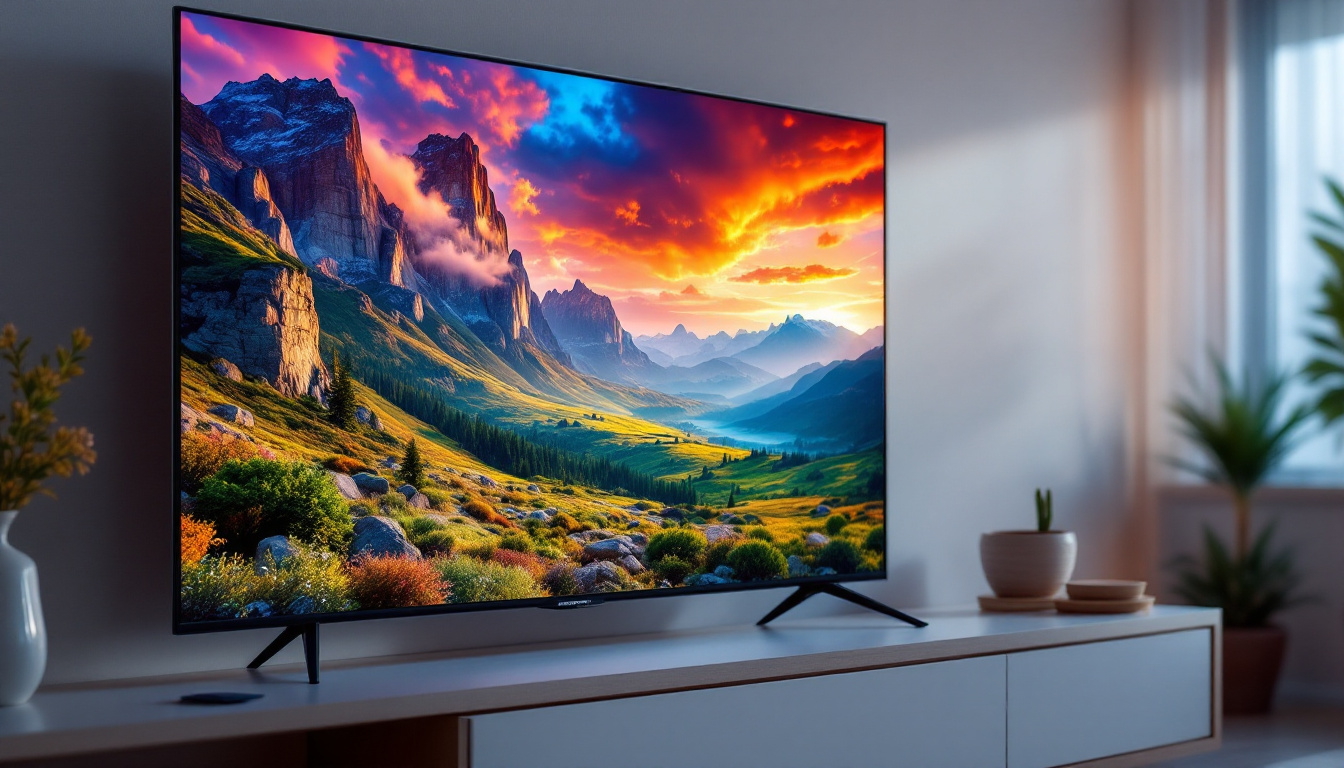
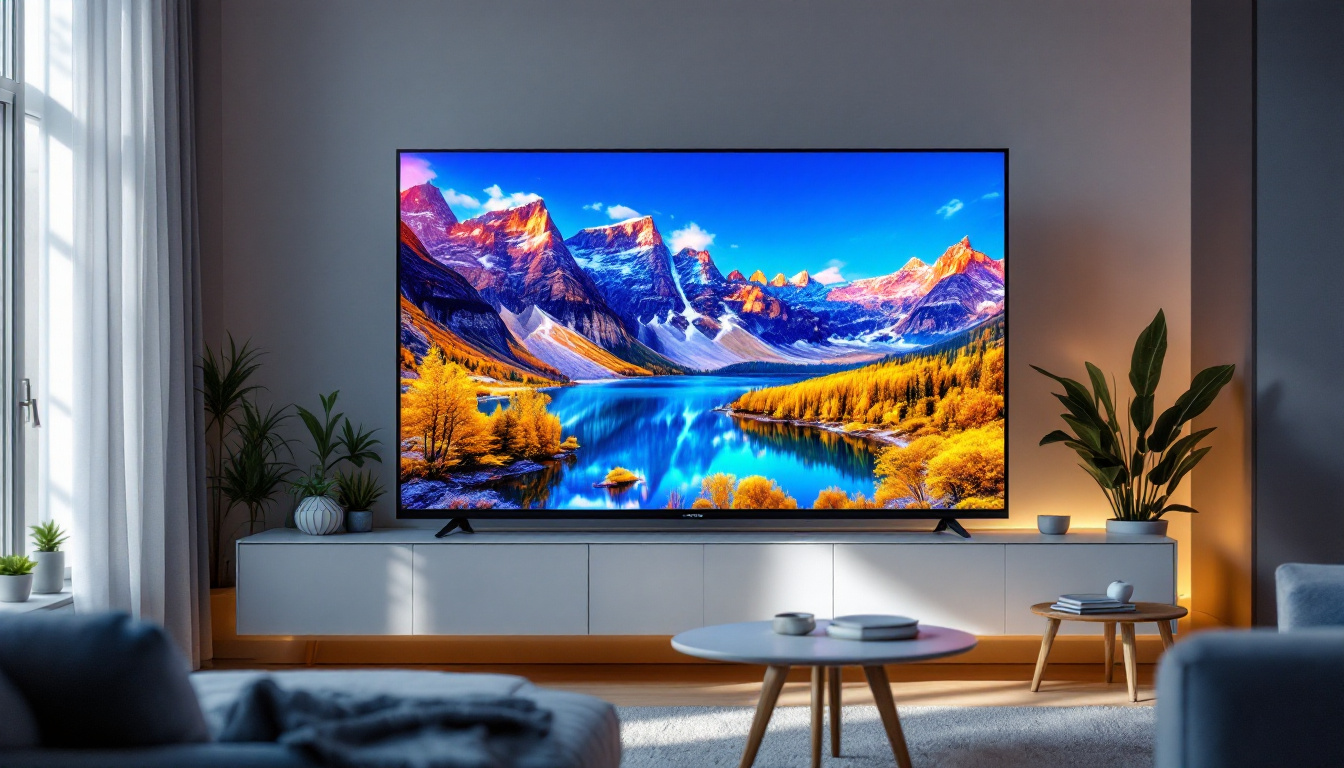
While 8K content is still emerging, consumer electronics companies have begun releasing 8K LED TVs designed to deliver stunning picture quality in home environments. These TVs leverage LED-backlit LCD technology with local dimming to enhance contrast and color depth.
Streaming services and broadcasters are gradually adopting 8K content, although widespread availability remains limited due to bandwidth constraints. Upscaling technology also plays a role, enabling 4K and HD content to appear sharper on 8K screens.
Commercial and Professional Uses
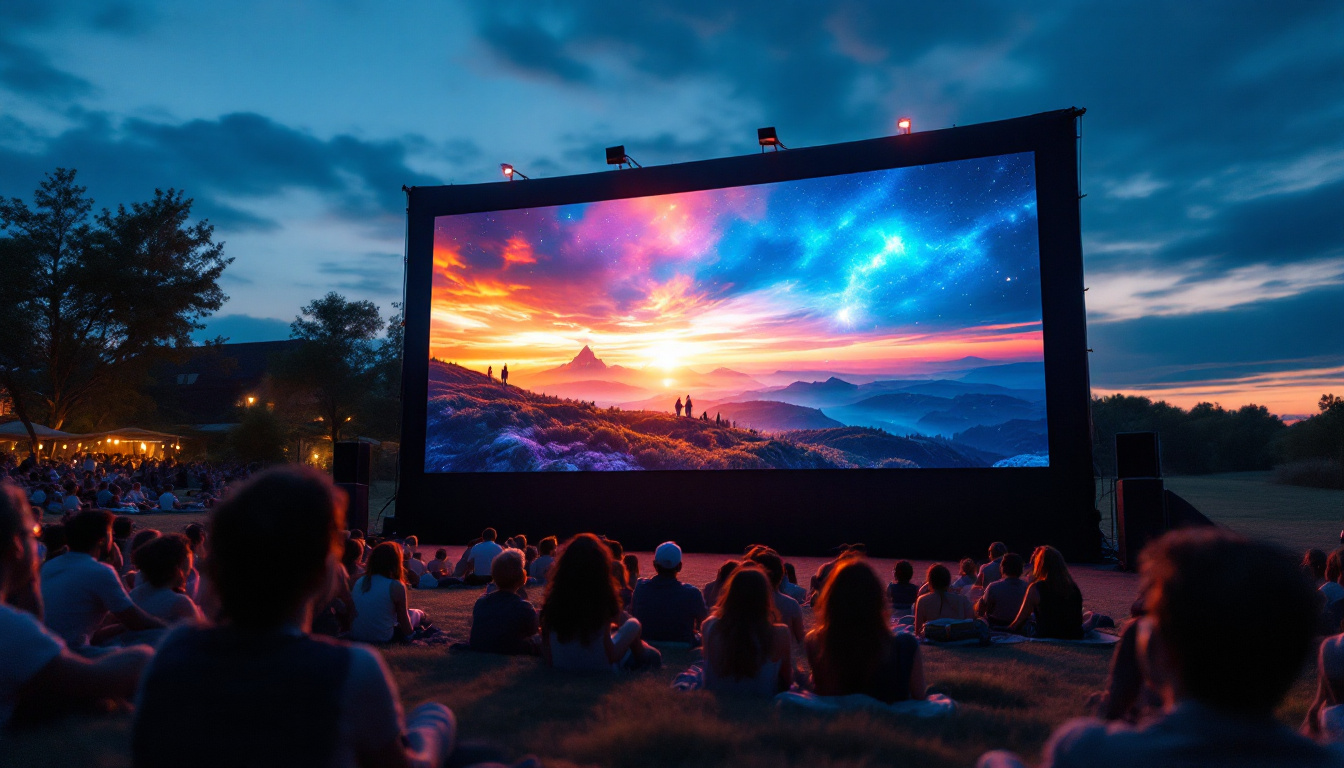
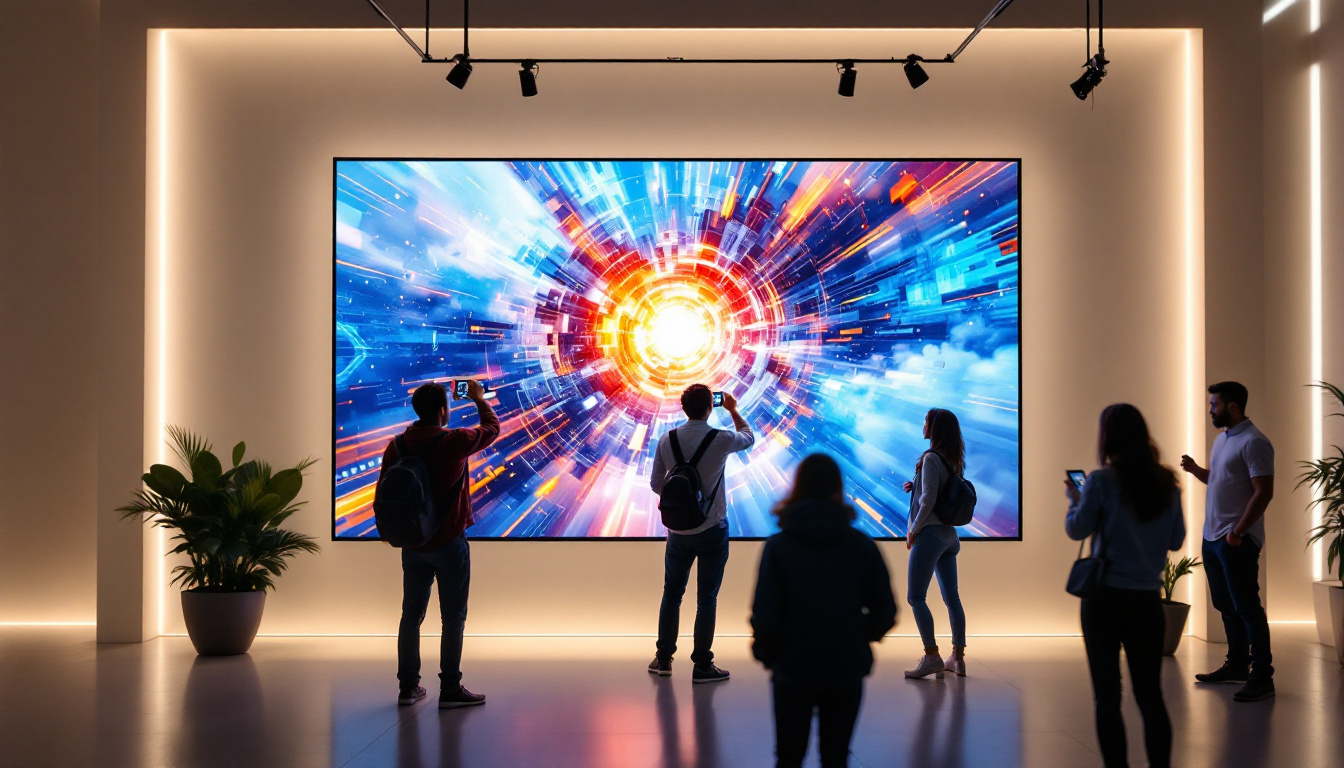
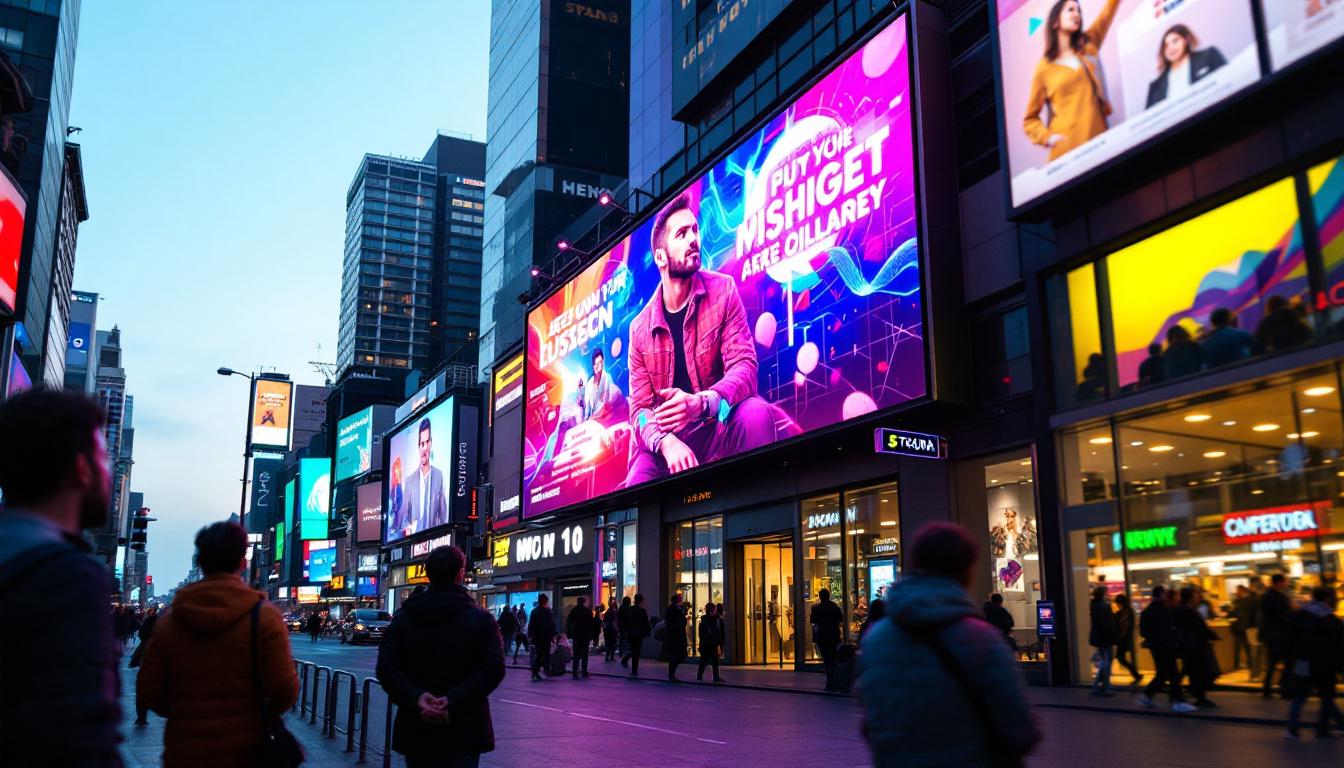
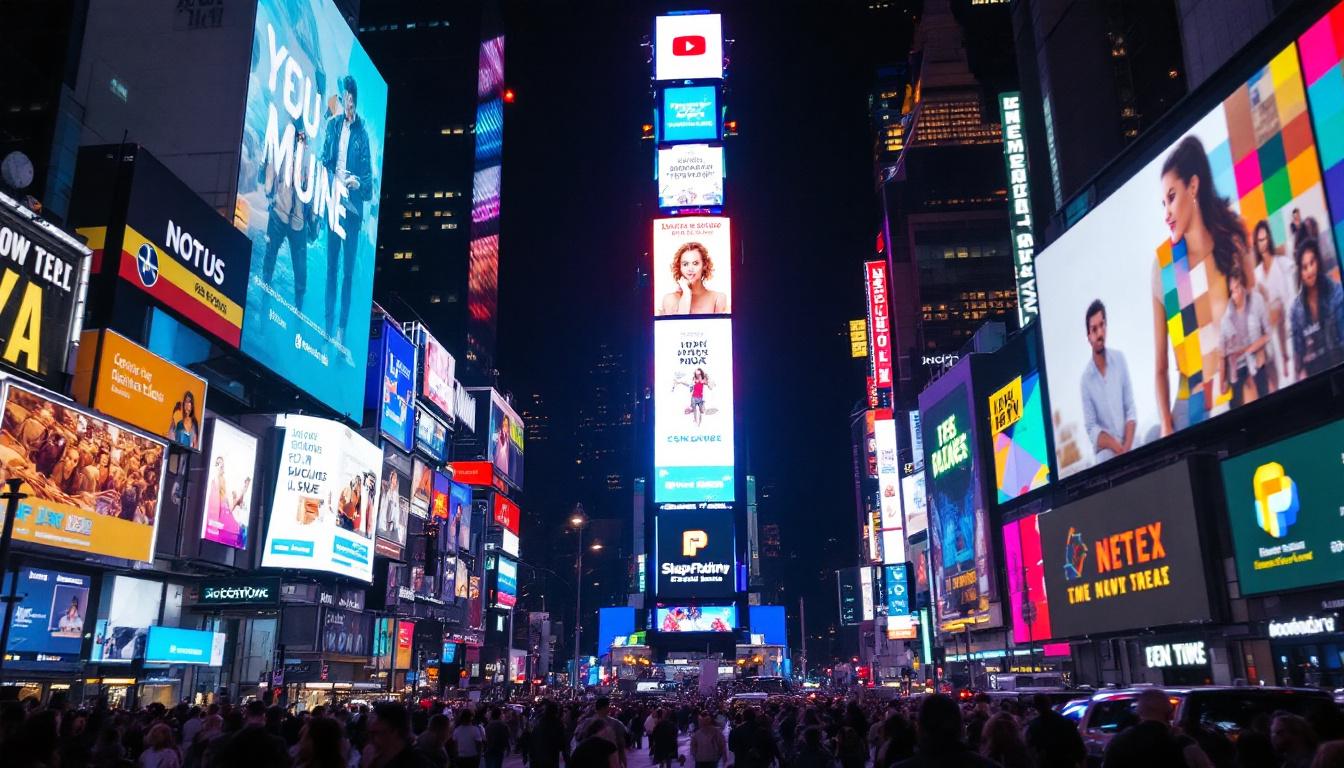
In commercial settings, 8K direct-view LED displays are used for large-scale digital signage, advertising, and event backdrops. Their ability to produce vivid images at large sizes makes them ideal for airports, stadiums, and retail environments.
Professionals in fields such as medical imaging, architecture, and design benefit from 8K LED displays for detailed visualization. For example, surgeons can view ultra-high-definition scans with greater clarity, improving diagnostic accuracy and surgical outcomes.
Virtual Reality and Simulation
8K resolution is also critical in virtual reality (VR) and simulation applications, where immersive environments require extremely high pixel densities to avoid the “screen door effect”—the visible grid of pixels that can break immersion.
LED displays with 8K resolution contribute to more realistic simulations in training, gaming, and entertainment, enhancing user experience and effectiveness.
The Future of 8K Video and LED Display Technology
Content Creation and Distribution
The future of 8K video depends heavily on content creation and distribution infrastructure. As camera technology advances, more filmmakers and creators are producing native 8K footage. For instance, RED Digital Cinema and Sony have released professional 8K cameras that enable high-quality production.
On the distribution side, improvements in internet bandwidth, 5G networks, and streaming protocols will facilitate wider access to 8K content. Cloud-based editing and AI-driven upscaling are also expected to play significant roles.
Integration with Emerging Technologies
8K LED displays are poised to integrate with emerging technologies such as AI, augmented reality (AR), and smart home ecosystems. AI algorithms can optimize image processing, enhance upscaling, and personalize viewing experiences based on user preferences.
Moreover, as smart homes become more prevalent, 8K LED displays will serve as central hubs for entertainment, communication, and information, seamlessly connecting with other devices and services.
Challenges to Overcome
Despite the promising future, challenges remain. The high cost of 8K LED displays and compatible hardware limits accessibility for many consumers. Additionally, the environmental impact of manufacturing and disposing of high-tech displays calls for sustainable practices.
Industry collaboration and continued innovation will be essential to making 8K LED technology more affordable, energy-efficient, and environmentally friendly.
Conclusion
8K video and LED display technology represent the cutting edge of visual media, offering unprecedented resolution, color accuracy, and immersive experiences. While challenges in bandwidth, manufacturing, and content availability persist, ongoing advancements are steadily overcoming these hurdles.
Whether for home entertainment, professional applications, or commercial signage, 8K LED displays are setting new standards for image quality. As the ecosystem around 8K continues to mature, viewers can expect richer, more detailed visuals that bring digital content to life like never before.
Discover the Future of Visual Experience with LumenMatrix
Ready to immerse yourself in the world of ultra-high-definition visuals? LumenMatrix is at the forefront of LED display innovation, offering a wide array of solutions that bring your content to life in stunning 8K resolution. From breathtaking Indoor LED Wall Displays to dynamic Outdoor LED Wall Displays, and from versatile Vehicle LED Displays to sleek LED Poster Displays, our technology is designed to captivate and engage. Experience the pinnacle of visual communication with our LED Sports Displays, interactive Floor LED Displays, and customizable Custom LED Displays. Our All-in-One and Transparent LED Display options further redefine the boundaries of digital signage. Elevate your visual storytelling and brand presence with LumenMatrix. Check out LumenMatrix LED Display Solutions and join the revolution in high-impact, crystal-clear visual engagement.