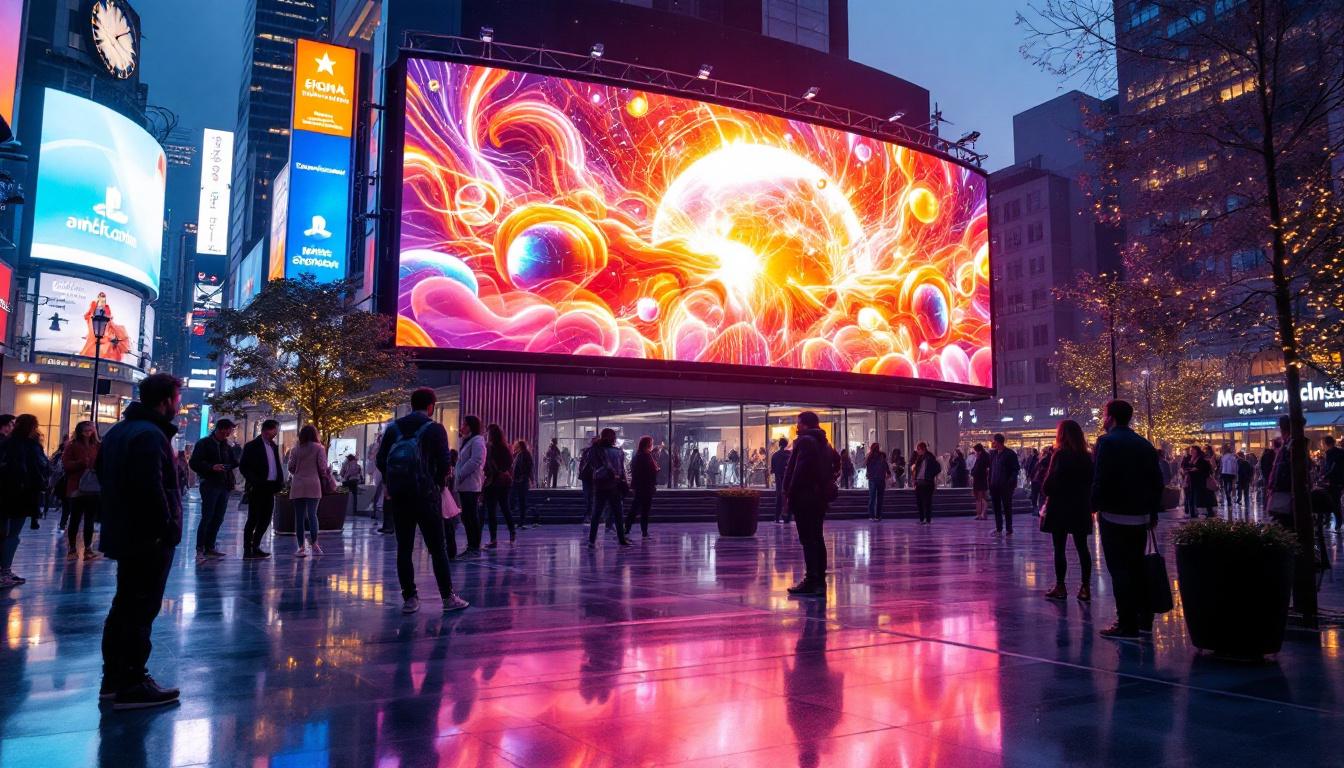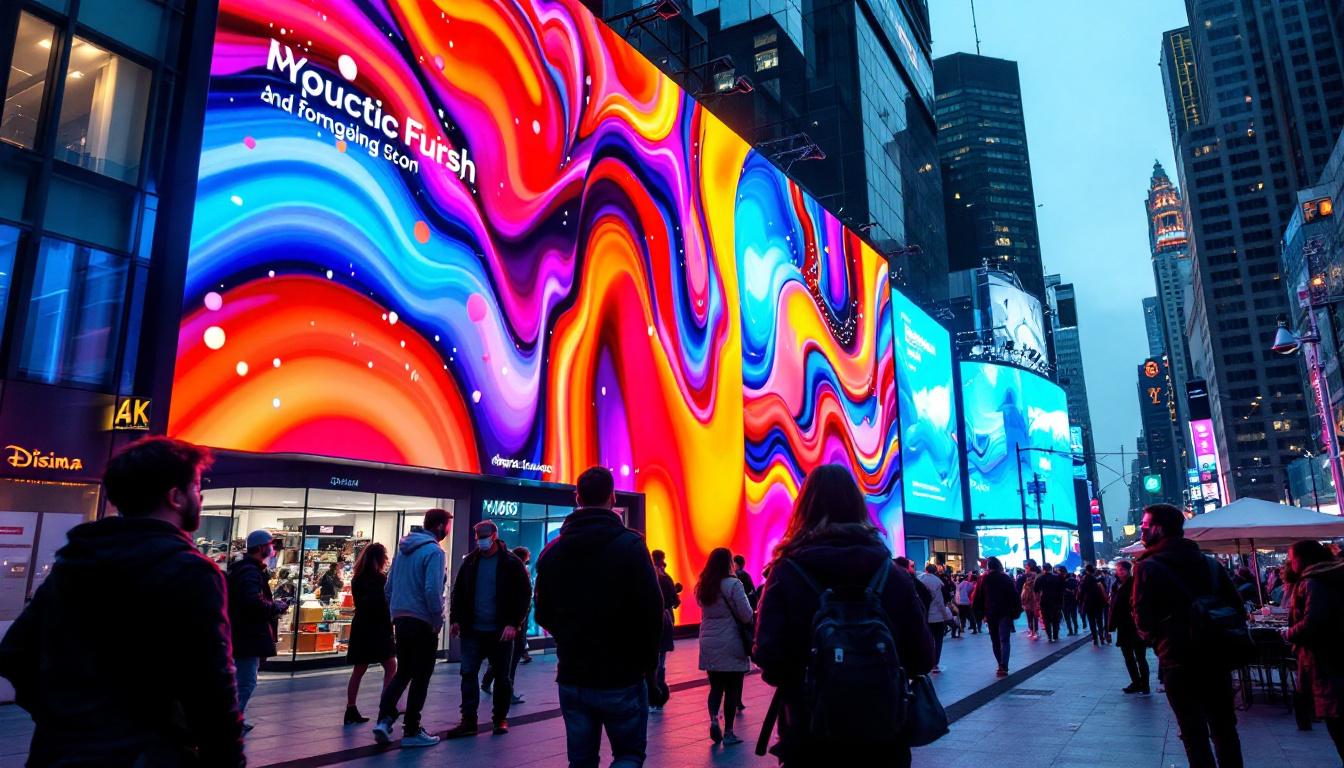
In today’s digital age, screens dominate our daily lives—from the smartphones in our pockets to the billboards lighting up city streets. Among the most common display technologies, LCD and LED stand out as key players. Yet, the terminology often confuses many consumers and even professionals. This article aims to demystify LED displays, explain their relationship with LCD technology, and explore why understanding these distinctions matters for both users and industry experts.
Understanding Display Technologies: LCD and LED Basics
What is an LCD?
LCD stands for Liquid Crystal Display, a technology that has been widely used since the late 20th century. An LCD screen works by manipulating liquid crystals sandwiched between two layers of polarized glass. When an electric current passes through these crystals, they align in a way that either blocks or allows light to pass, creating images on the screen.
LCDs require a backlight to illuminate the display because the liquid crystals themselves do not emit light. Traditionally, this backlight has been provided by cold cathode fluorescent lamps (CCFLs), but modern LCDs predominantly use LED backlighting due to its efficiency and quality advantages. The transition to LED backlighting has not only improved the brightness and color accuracy of LCDs but has also significantly reduced their power consumption, making them more environmentally friendly and cost-effective for consumers.
Moreover, advancements in LCD technology have led to the development of various types of displays, such as IPS (In-Plane Switching) and TN (Twisted Nematic) panels. IPS panels are known for their superior color reproduction and wider viewing angles, making them ideal for graphic design and professional use. On the other hand, TN panels are typically faster and more affordable, making them popular among gamers who prioritize response times over color accuracy.
What is an LED Display?
The term “LED display” can be somewhat misleading because it is often used interchangeably with “LED-backlit LCD.” True LED displays, however, are different from LCDs with LED backlighting. A genuine LED display is made up of light-emitting diodes (LEDs) that produce light themselves, forming the pixels directly on the screen.
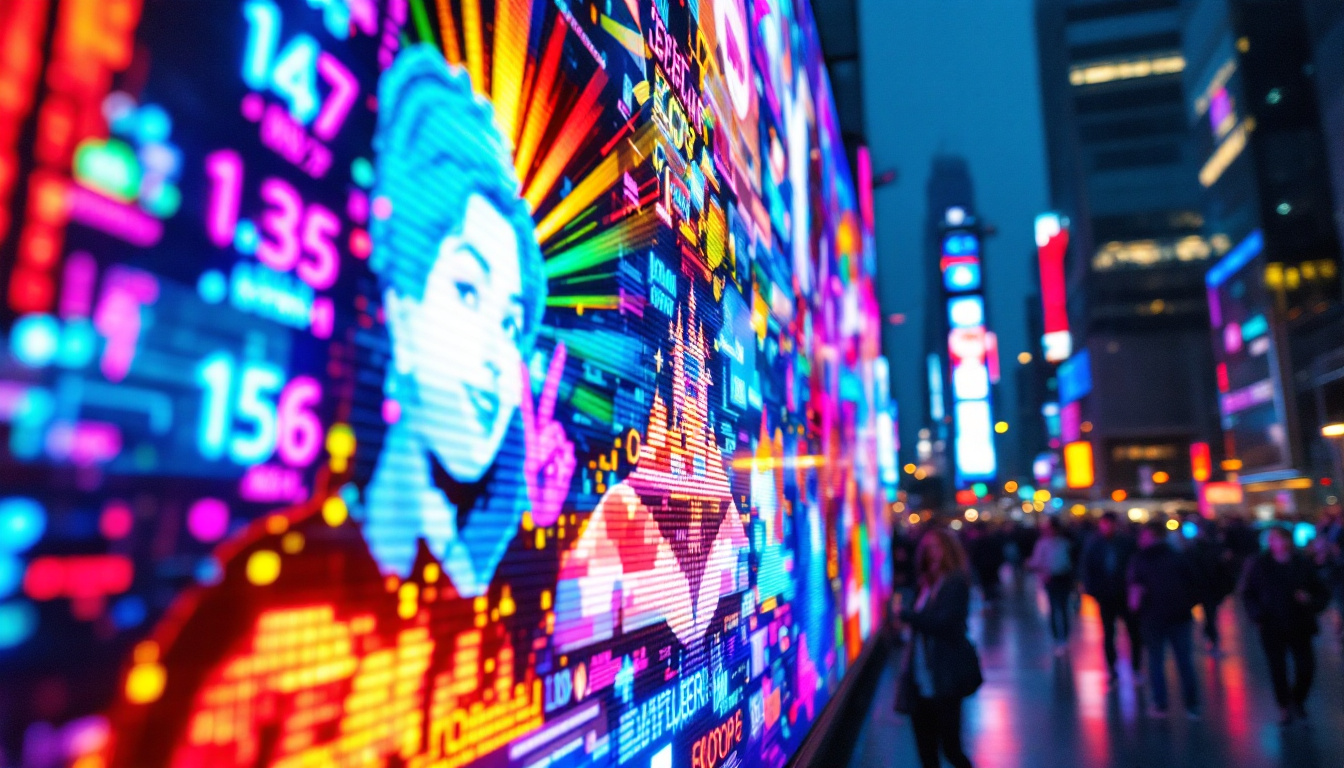
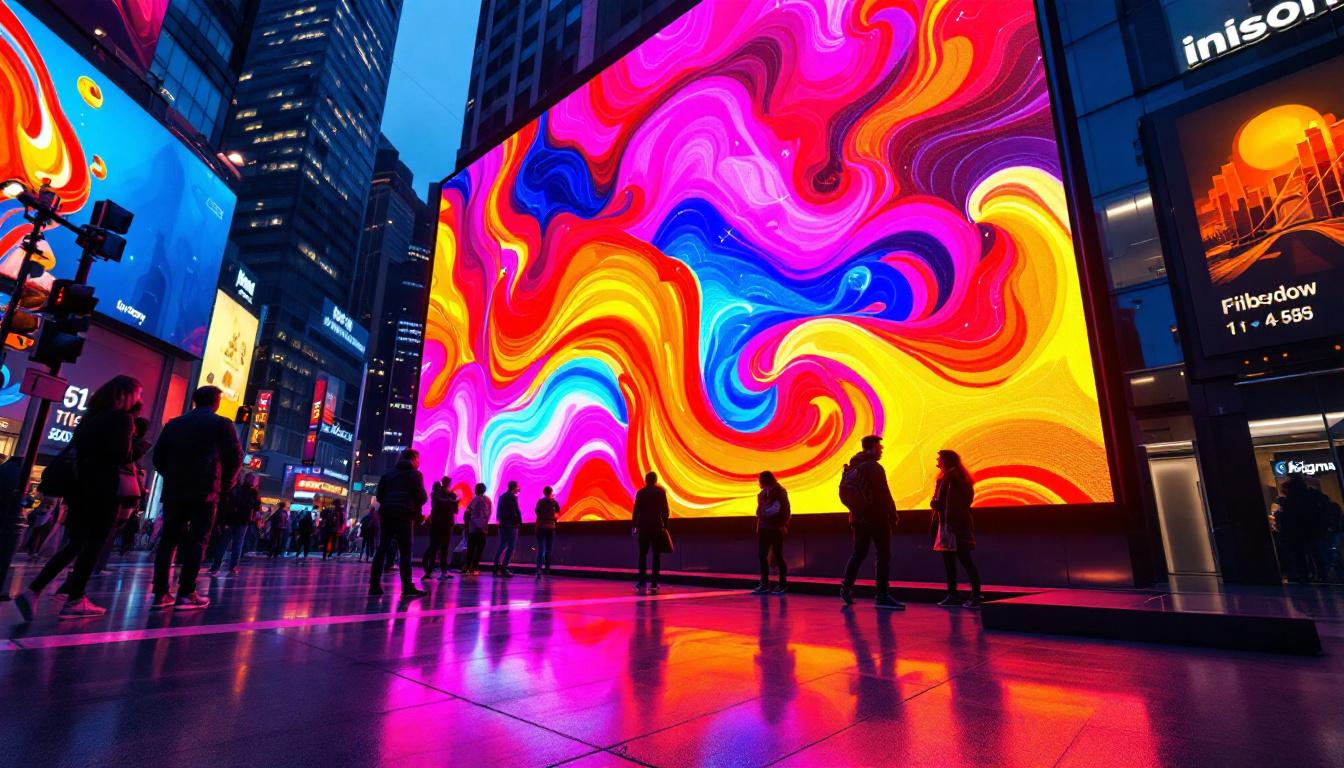
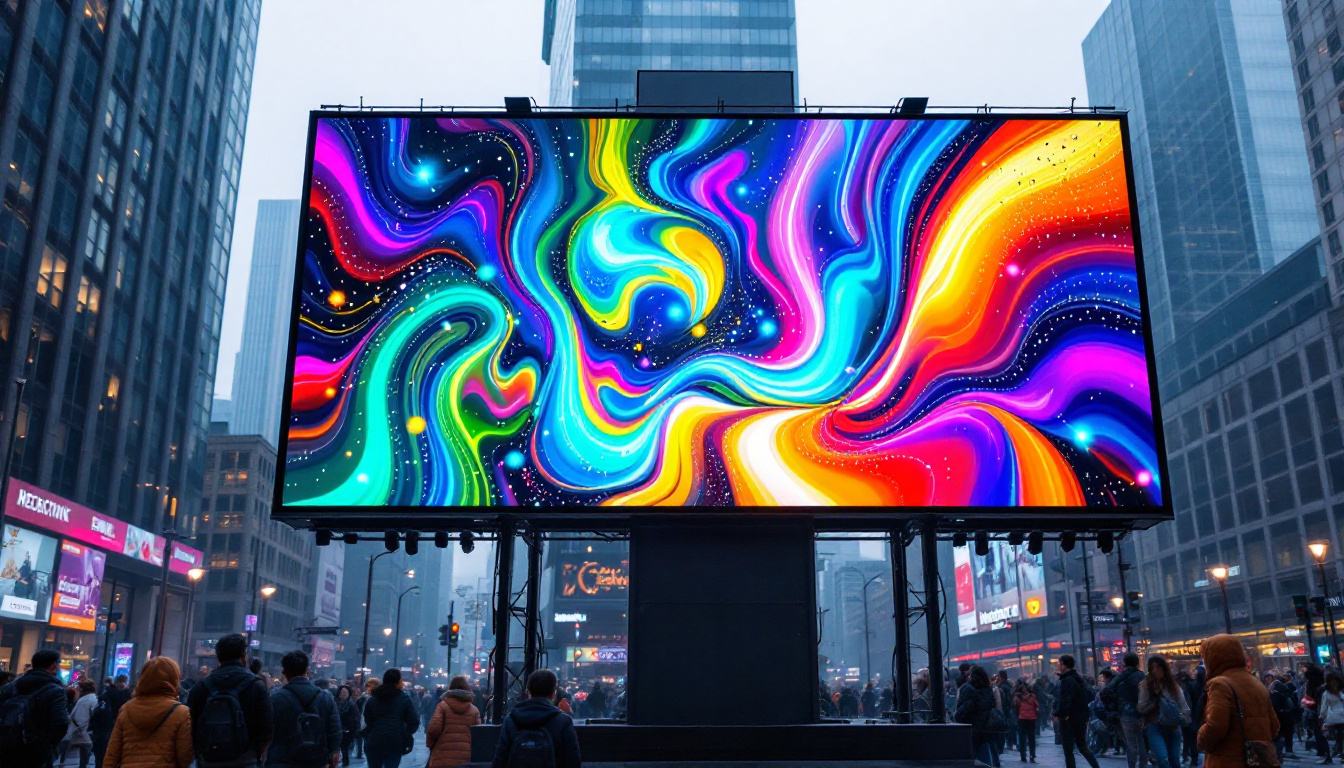
There are two main types of LED displays: direct-view LED and LED-backlit LCD. Direct-view LED displays are commonly used in large-scale applications like stadium screens and digital billboards, where each pixel is an individual LED. These displays can achieve remarkable brightness levels and vibrant colors, making them perfect for outdoor environments. Additionally, they are modular, allowing for flexible configurations and sizes, which is particularly advantageous for events and advertising.
In contrast, LED-backlit LCDs use LEDs as a light source behind an LCD panel. This design has led to the emergence of various backlighting techniques, such as edge-lit and full-array backlighting. Edge-lit displays are thinner and lighter, as the LEDs are positioned along the edges of the screen, whereas full-array backlighting offers better uniformity and contrast by placing LEDs directly behind the entire panel. As technology continues to evolve, the line between these display types may blur further, leading to even more innovative solutions for consumers and industries alike.
The Relationship Between LCD and LED Displays
LED-Backlit LCD: The Most Common Hybrid
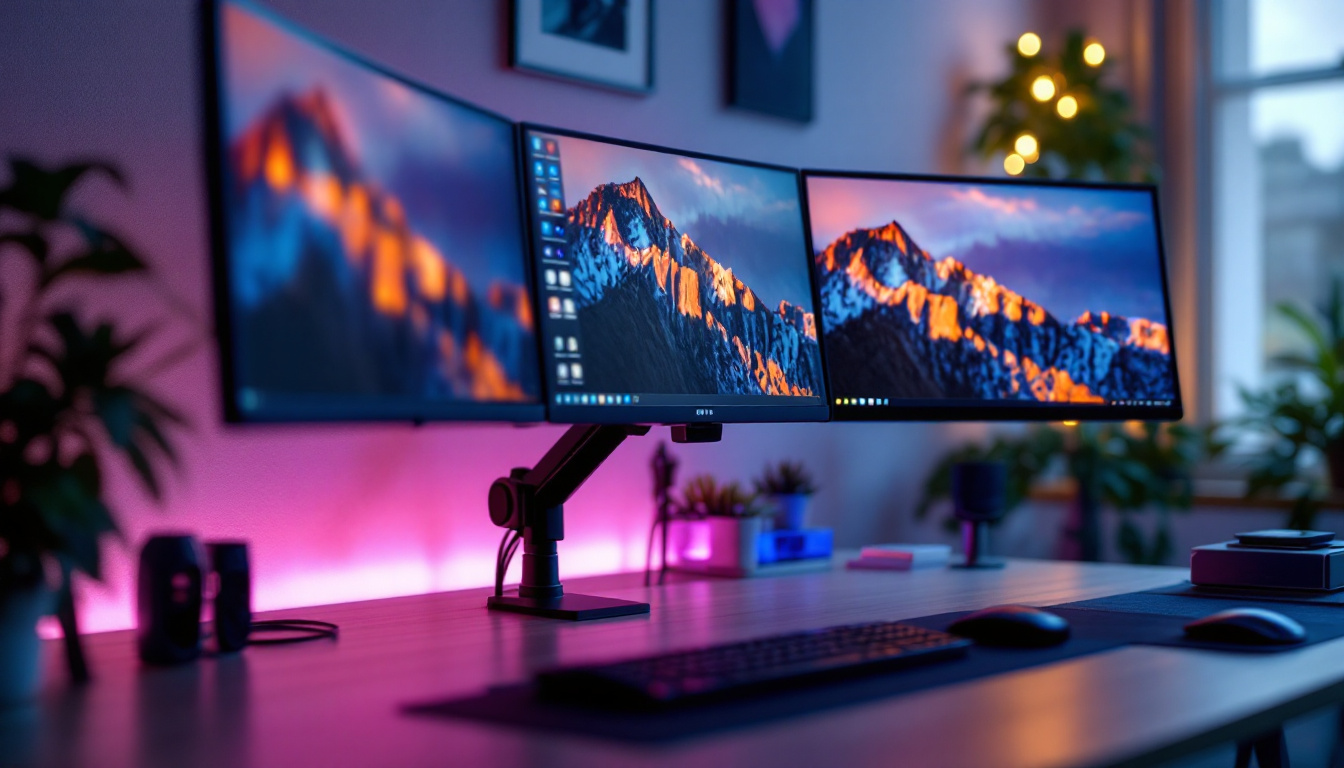
When most people say “LED TV” or “LED display,” they are usually referring to LED-backlit LCDs. This technology combines the liquid crystal panel with LED backlighting instead of the older CCFL technology. The LED backlight improves brightness, energy efficiency, and color accuracy, making it the preferred choice for modern televisions, monitors, and mobile devices.
LED-backlit LCDs come in two main backlighting configurations: edge-lit and full-array. Edge-lit LED displays place LEDs around the screen’s edges, allowing for thinner designs but sometimes uneven brightness. Full-array LED backlighting distributes LEDs across the entire back panel, enabling local dimming and better contrast ratios. This is particularly beneficial for viewing in darker environments, where the ability to dim specific areas of the screen enhances the overall viewing experience by providing deeper blacks and more vivid colors.
Moreover, the advancements in LED technology have led to improvements in color accuracy and energy consumption, making these displays not only visually appealing but also more environmentally friendly. Manufacturers are continually innovating, integrating features like HDR (High Dynamic Range) support, which allows for a wider range of colors and brightness levels, further enhancing the viewing experience. As a result, consumers are treated to a more immersive experience whether they are watching movies, playing video games, or simply browsing content online.
Direct-View LED Displays: The Future of Large Screens
Direct-view LED (DVLED) displays consist of thousands to millions of tiny LEDs that serve as individual pixels. These displays do not require a backlight, as each LED emits its own light. This results in superior contrast, brightness, and color vibrancy compared to LCDs.
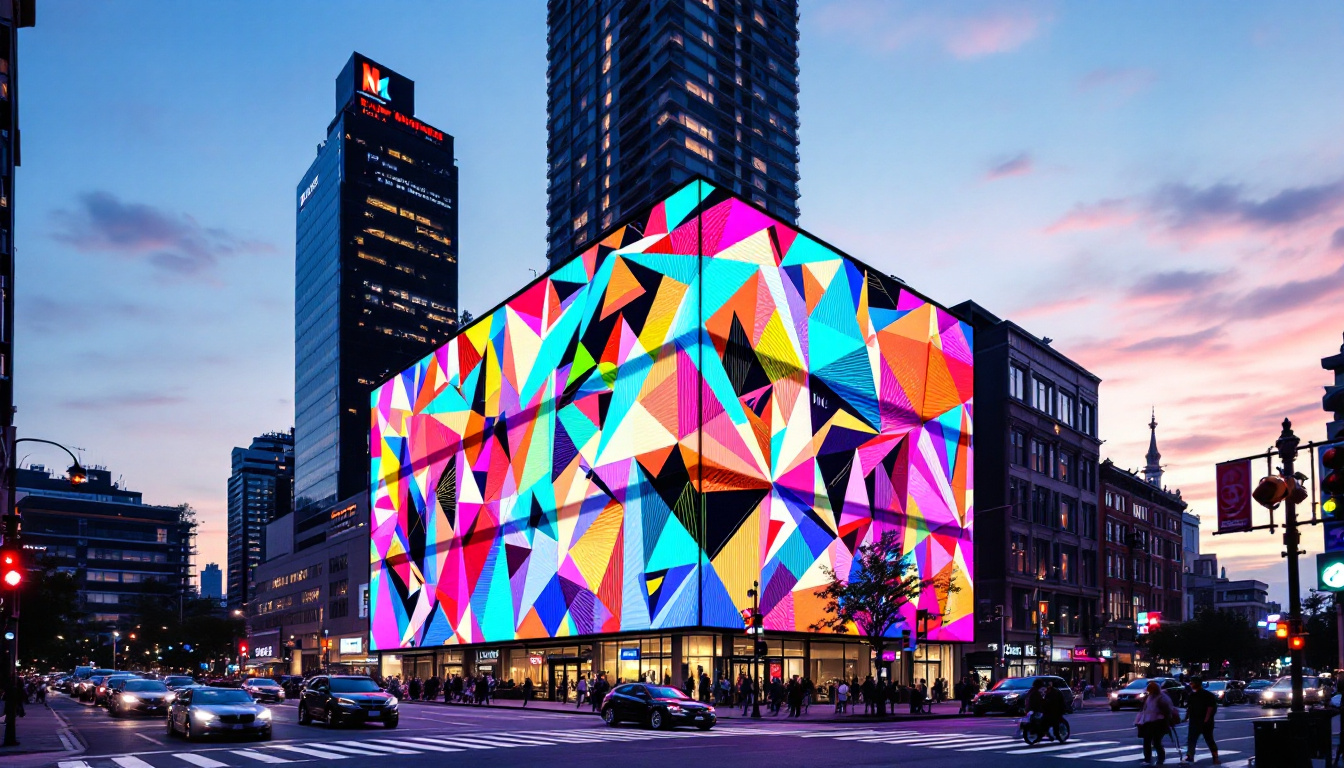
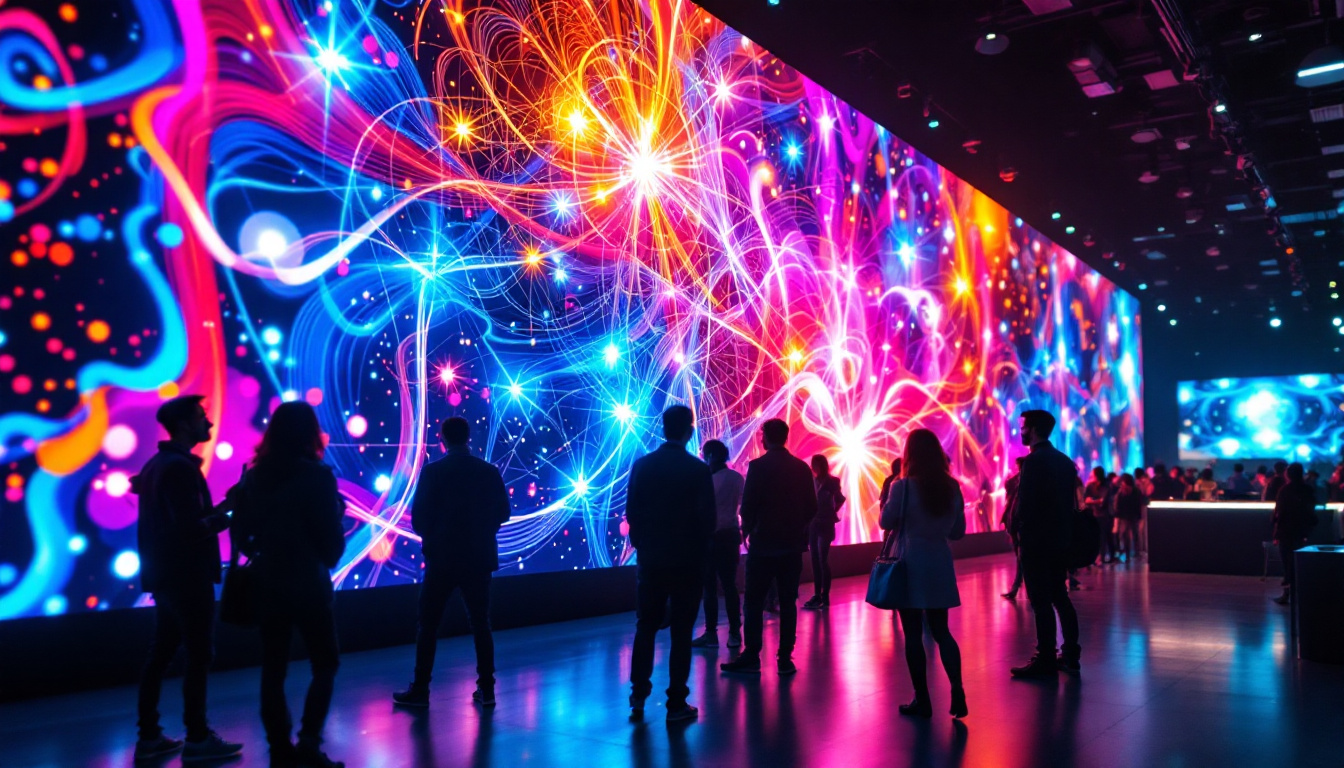
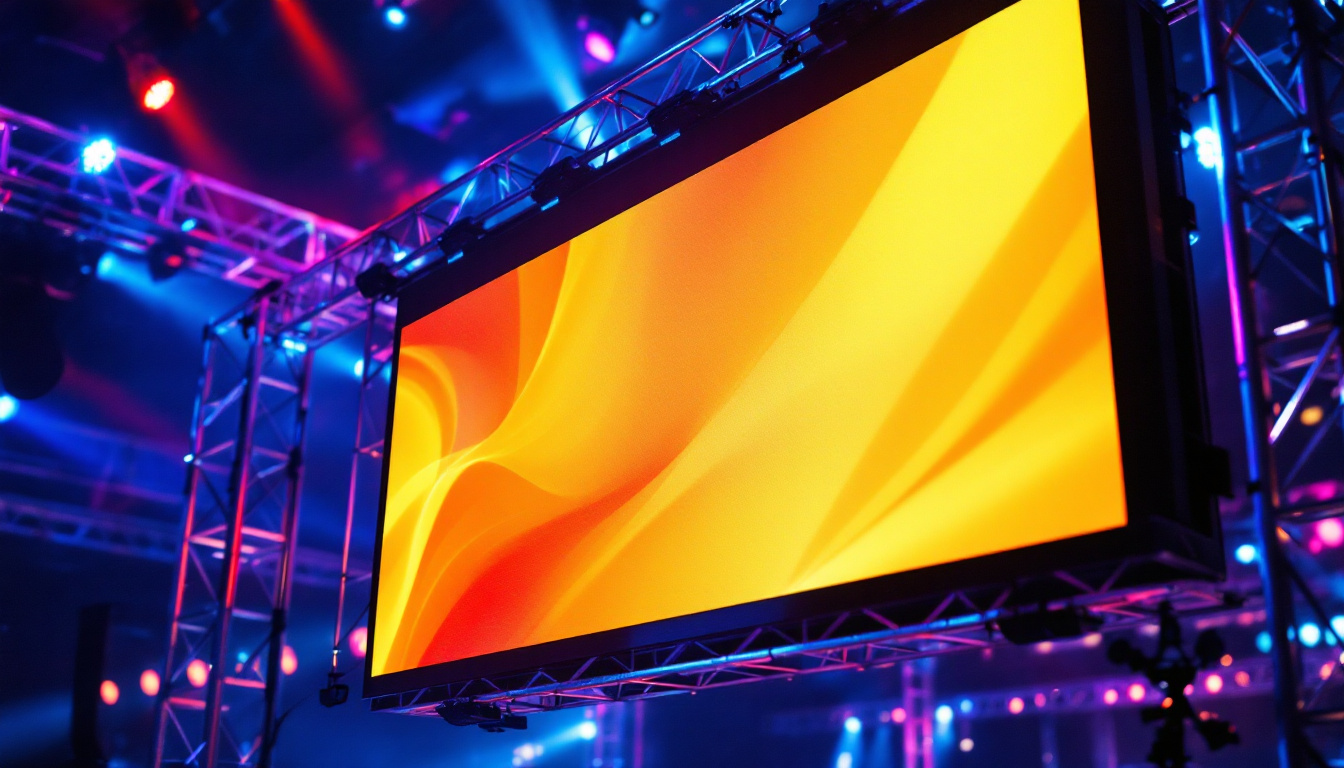
DVLED technology is rapidly advancing and becoming more affordable, leading to its adoption in indoor and outdoor digital signage, sports arenas, and even home theaters. Its modular nature allows for flexible screen sizes and shapes, making it a versatile solution for various applications. For instance, large-scale events can utilize DVLED displays to create stunning visual backdrops that are both captivating and engaging for audiences. Additionally, the durability of these displays makes them ideal for outdoor use, where they can withstand various weather conditions while still delivering high-quality visuals.
Furthermore, the ability to create curved or irregularly shaped screens opens up new possibilities for creative installations and advertising. Businesses are leveraging this technology to create eye-catching displays that attract customers and enhance brand visibility. As the technology continues to evolve, we can expect even more innovative applications, including augmented reality experiences and interactive displays that engage viewers in entirely new ways.
Why the Distinction Matters: Practical Implications for Consumers and Businesses
Image Quality and Viewing Experience
Understanding the difference between LED-backlit LCD and direct-view LED displays can significantly impact purchasing decisions. For example, LED-backlit LCDs offer excellent image quality suitable for everyday use, but they may struggle with deep blacks and uniform brightness due to the nature of backlighting.
In contrast, direct-view LED displays provide unmatched contrast and brightness, making them ideal for environments with high ambient light or where vivid color reproduction is critical. However, they can be more expensive and are typically used in specialized settings rather than general consumer electronics.
Energy Efficiency and Environmental Impact
LED backlighting has revolutionized LCD technology by reducing power consumption compared to CCFL backlights. According to the U.S. Department of Energy, LED-backlit LCD TVs consume up to 30% less energy than their CCFL counterparts, contributing to lower electricity bills and reduced environmental footprint.
Direct-view LED displays are also energy-efficient, especially when compared to older display technologies like plasma screens. Their ability to selectively illuminate pixels means less wasted energy, particularly in scenes with predominantly dark content.
Cost Considerations
Cost remains a significant factor in display technology adoption. LED-backlit LCDs have become affordable and widely available, making them the standard choice for most consumers. Prices for these displays vary depending on size, resolution, and additional features like HDR support and refresh rates.
Direct-view LED displays, while offering superior performance, come with higher initial costs due to complex manufacturing and materials. However, their durability and scalability can justify the investment for commercial and specialized applications, where long-term value outweighs upfront expenses.
Emerging Trends and Innovations in LED Display Technology
Mini-LED and Micro-LED: Pushing the Boundaries
Recent advancements in LED technology have introduced mini-LED and micro-LED displays, which aim to combine the best aspects of LCD and direct-view LED technologies. Mini-LEDs use thousands of tiny LEDs as backlights, enabling more precise local dimming and improved contrast in LCD panels.
Micro-LED displays take this a step further by using microscopic LEDs as individual pixels, similar to direct-view LED but on a much smaller scale. This technology promises exceptional brightness, color accuracy, and energy efficiency, potentially surpassing OLED displays in performance and lifespan.
Integration with Smart Technologies
LED displays are increasingly integrated with smart features such as adaptive brightness, AI-driven image processing, and connectivity options. These enhancements improve user experience by optimizing display settings based on ambient conditions and content type.
For businesses, smart LED displays enable dynamic content management and interactive capabilities, transforming traditional signage into engaging digital experiences. This trend is reshaping advertising, retail, and public information systems worldwide.
Choosing the Right LED Display for Your Needs
For Home Entertainment
Most consumers will find LED-backlit LCD TVs to be the best balance of quality, affordability, and versatility. When shopping, consider factors such as screen size, resolution (4K is now standard), HDR support, and refresh rate to match viewing preferences and usage scenarios.
For those seeking premium performance, especially in dedicated home theaters, exploring OLED or emerging micro-LED options might be worthwhile, though at a higher price point.
For Commercial and Outdoor Use
Businesses requiring large, bright displays for advertising or information dissemination should consider direct-view LED displays. Their scalability and visibility in various lighting conditions make them ideal for outdoor billboards, stadium screens, and retail signage.
Modular designs allow for customization and easy maintenance, which are critical factors in commercial environments where uptime and visual impact are paramount.
For Professional and Industrial Applications
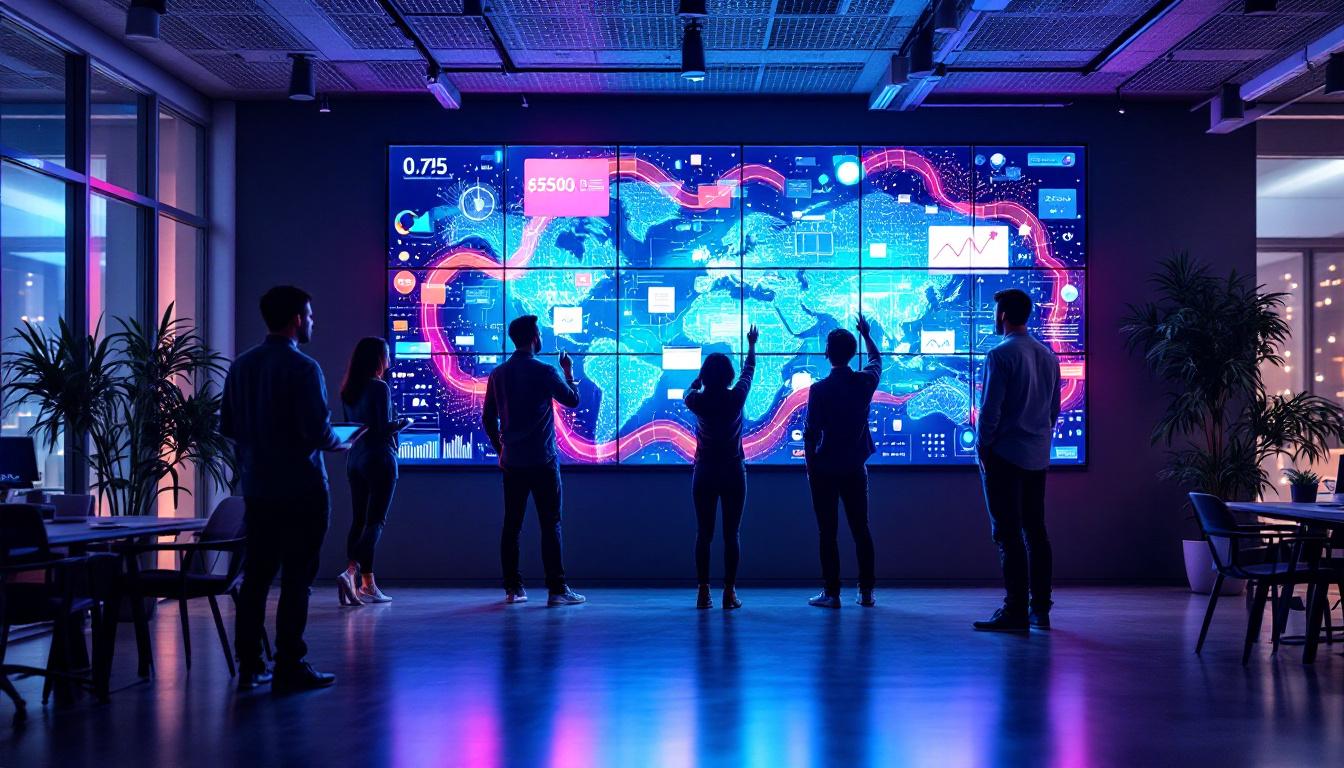
In professional settings such as control rooms, medical imaging, and broadcasting, display quality and reliability are crucial. LED-backlit LCD monitors with high color accuracy and uniform brightness are commonly used, while direct-view LED walls may be employed for large-scale visualization.
Emerging micro-LED technology holds promise for these sectors by offering unparalleled image quality and durability, potentially transforming workflows and enhancing decision-making.
Conclusion: Navigating the LED Display Landscape
The world of LED displays is rich and evolving, blending established technologies with cutting-edge innovations. Understanding the distinctions between LCD, LED-backlit LCD, and direct-view LED displays empowers consumers and professionals to make informed choices tailored to their specific needs.
As LED technology continues to advance, expect to see more immersive, energy-efficient, and versatile displays across all facets of life—from personal entertainment to global communication. Staying informed about these developments ensures that users can fully leverage the benefits of LED displays now and in the future.
Illuminate Your World with LumenMatrix
Ready to elevate your visual experience with the latest in LED display technology? LumenMatrix is at the forefront of innovation, offering a comprehensive range of LED display solutions tailored to your needs. From mesmerizing Indoor and Outdoor LED Wall Displays to dynamic Vehicle and Sports LED Displays, our products are designed to captivate and engage. Discover the transformative power of LED Transparent Displays and the versatility of our All-in-One LED solutions. Embrace the future of visual communication with LumenMatrix and let us help you make a lasting impression. Check out LumenMatrix LED Display Solutions today and see your message come to life in ways you never imagined.