In today’s fast-paced world, timekeeping devices have evolved far beyond the traditional analog clock. One innovative advancement is the LED projection clock, a device that combines modern LED technology with projection capabilities to offer a unique and practical way to display time. This article delves into the intricacies of LED projection clocks, explaining how LED displays work, their advantages, and why they have become a popular choice for both home and office environments.
Understanding LED Technology in Clocks
LED, or Light Emitting Diode, technology has revolutionized the way electronic displays function. Unlike incandescent bulbs, LEDs are semiconductor devices that emit light when an electric current passes through them. This fundamental property makes LEDs highly efficient, durable, and versatile for various applications, including clocks. The longevity of LEDs, which can last up to 25,000 hours or more, significantly reduces the need for frequent replacements, making them an eco-friendly choice as well.
In the context of clocks, LEDs serve as the primary light source for displaying digits and symbols. Their bright, clear illumination allows for easy readability in diverse lighting conditions, from bright daylight to complete darkness. The compact size of LEDs also enables manufacturers to design sleek, modern clock faces without compromising visibility. Additionally, the ability to produce various colors with LEDs allows for creative designs, where clocks can be customized to match home decor or personal preferences, enhancing their aesthetic appeal.
How LED Displays Work in Projection Clocks
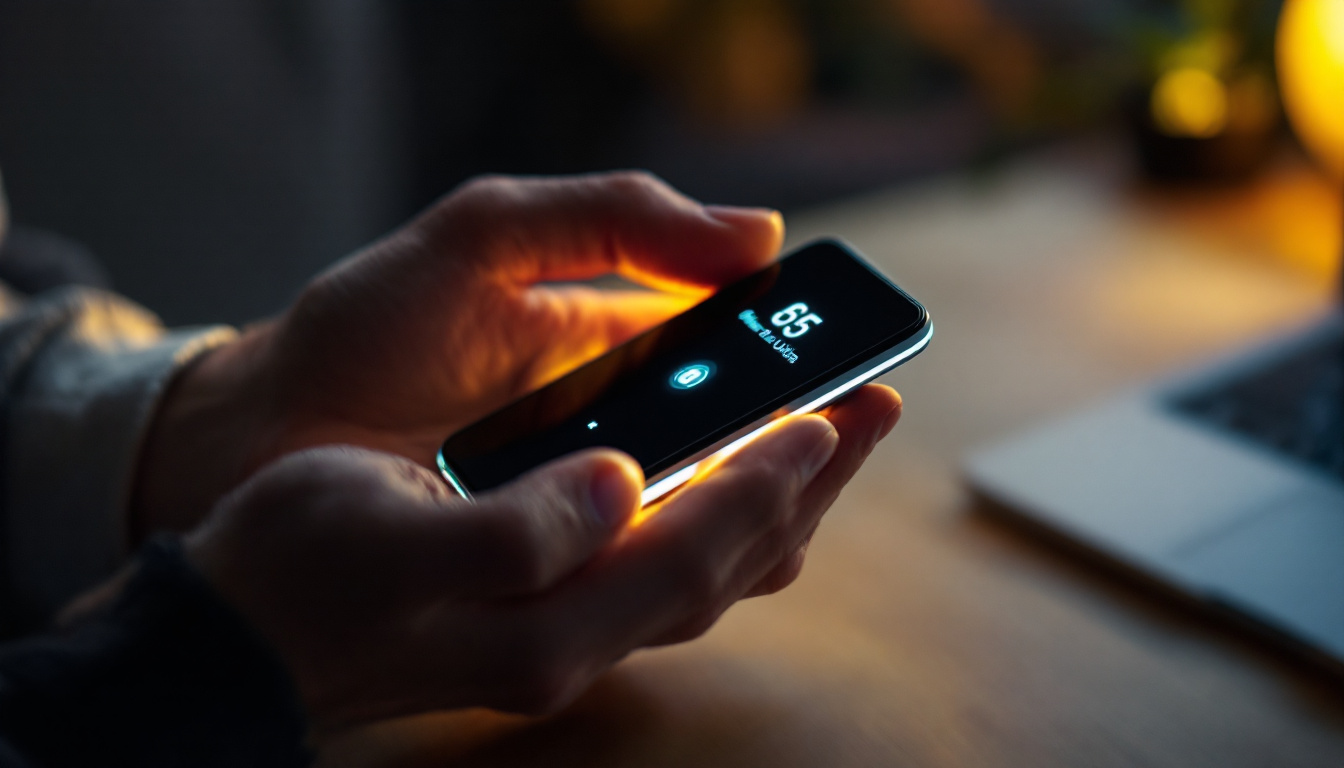
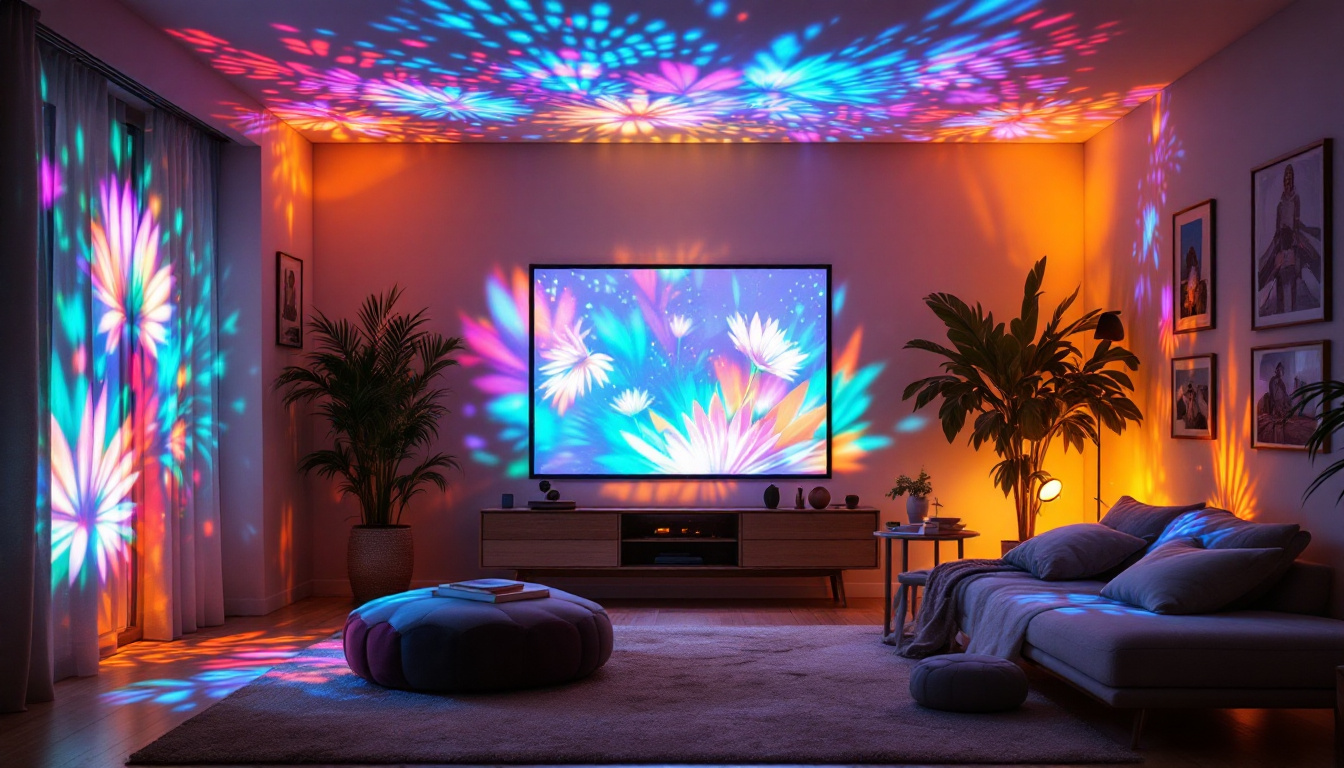
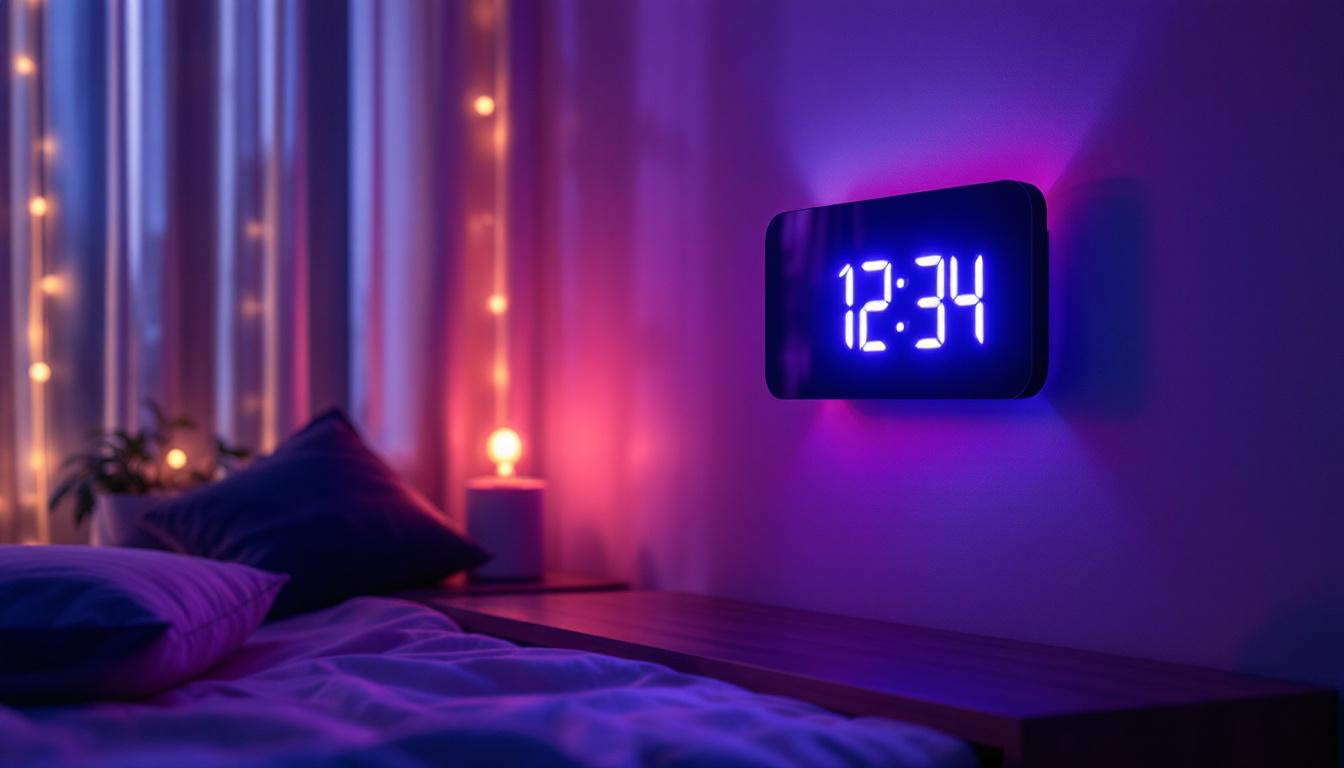
LED projection clocks utilize a combination of LED light sources and optical components to project the time onto a surface such as a wall or ceiling. The process begins with the LED display generating the numerical time in a digital format. This display is then magnified and focused through lenses and mirrors to project a crisp, clear image onto the chosen surface. The use of LEDs in this context not only ensures brightness but also allows for a range of display options, including different font styles and sizes that can be adjusted according to user preference.
The projection distance and clarity depend on the quality of the LEDs and the optical system. High-quality LEDs provide consistent brightness and color, while precision-engineered lenses ensure the projection remains sharp and legible even at varying distances. This technology allows users to glance at the time without needing to turn toward the clock itself, enhancing convenience, especially during nighttime. Moreover, many modern projection clocks come equipped with additional features such as ambient light sensors that automatically adjust the brightness of the projection based on the surrounding light conditions, ensuring optimal visibility at all times. This thoughtful integration of technology not only enhances functionality but also adds a layer of sophistication to everyday timekeeping.
Advantages of LED Projection Clocks
LED projection clocks offer several benefits that make them appealing to consumers. These advantages stem from the inherent properties of LED technology combined with the unique feature of time projection.
Enhanced Visibility and Convenience
One of the most significant advantages is the improved visibility. Traditional clocks require direct line-of-sight to read the time, which can be inconvenient in certain situations, such as when lying in bed or when the clock is placed far away. LED projection clocks eliminate this issue by projecting the time onto a surface within the user’s field of view.
This feature is particularly useful in bedrooms, where users can easily check the time without adjusting their position or turning on a light. The projection can often be rotated or focused to suit the user’s preference, ensuring optimal readability.
Energy Efficiency and Longevity
LEDs are known for their energy efficiency, consuming significantly less power than traditional incandescent or fluorescent bulbs. This efficiency translates to longer battery life or reduced electricity consumption for plugged-in models. For projection clocks, this means the device can operate continuously without frequent battery replacements or high energy costs.
Additionally, LEDs have a long operational lifespan, often exceeding 25,000 hours. This durability reduces maintenance needs and ensures that the clock remains functional for years, providing consistent performance without dimming or flickering.
Modern Aesthetic and Customization
LED projection clocks often feature sleek, contemporary designs that complement modern interiors. The ability to project time in various colors and brightness levels adds a customizable element that appeals to tech-savvy users. Some models even allow users to switch between 12-hour and 24-hour formats or display additional information such as temperature, date, or alarms alongside the time projection.
These customization options enhance user experience and make LED projection clocks more than just timekeeping devices—they become multifunctional gadgets that integrate seamlessly into daily life.
Key Components of an LED Projection Clock
To appreciate the technology behind LED projection clocks, it is essential to understand their main components and how they work together.
LED Display Panel
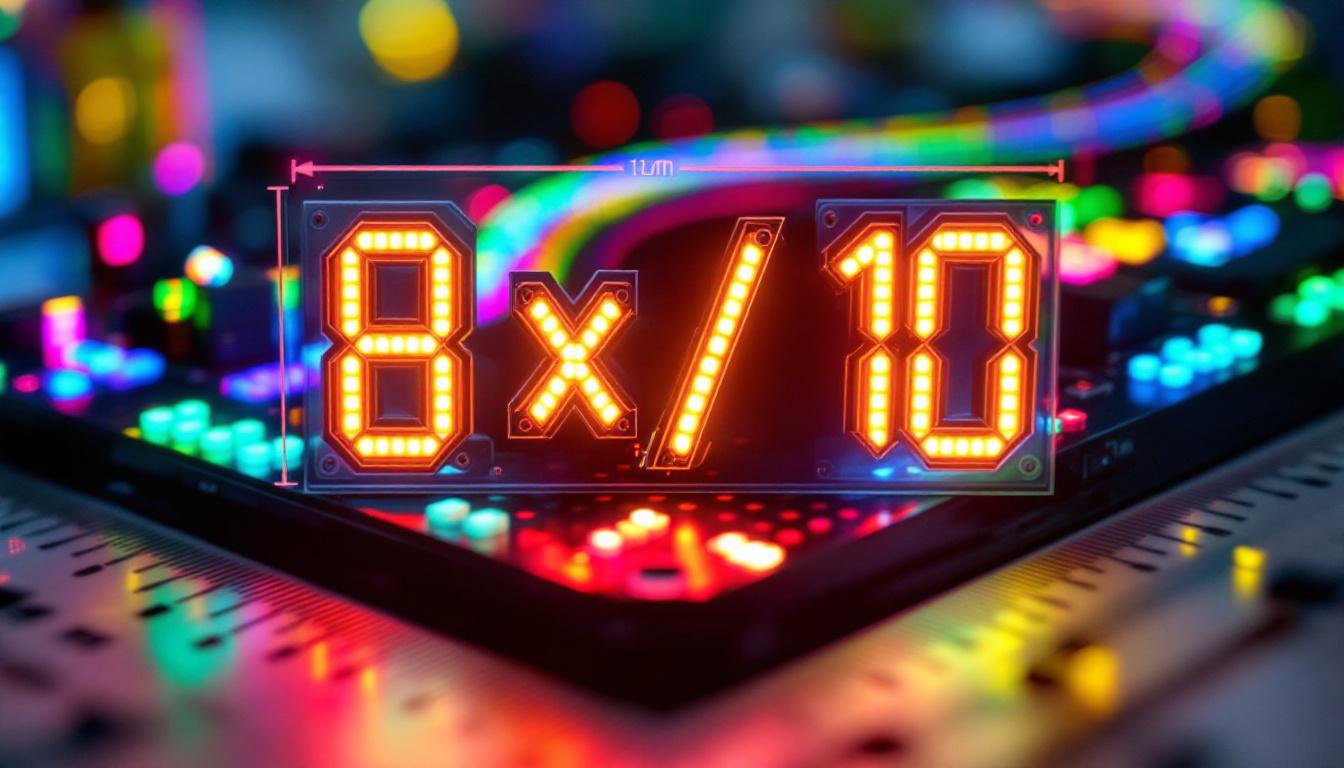
The heart of the clock is the LED display panel, which generates the digital time. This panel is composed of multiple LEDs arranged to form numbers and symbols. Common configurations include seven-segment displays for digits or dot-matrix arrays for more complex characters.
The quality of the LED panel affects brightness, color accuracy, and viewing angles. High-grade LEDs ensure that the projected time is clear and easy to read from various positions.
Projection Lens System
The projection lens system magnifies and focuses the LED display onto a surface. This system typically consists of one or more lenses and sometimes mirrors to direct the light path. The design of the lens system determines the size, sharpness, and distance of the projection.
Advanced projection clocks use adjustable lenses that allow users to fine-tune the focus and orientation of the projection. This flexibility is crucial for adapting to different room sizes and projection surfaces.
Control Circuitry and Power Supply
The control circuitry manages the clock’s functions, including timekeeping, LED illumination, and projection adjustments. It often incorporates microcontrollers programmed to handle user inputs, alarms, and display settings.
Power supply options vary, with some clocks operating on batteries for portability, while others use AC adapters for continuous power. Energy-efficient designs ensure minimal power consumption, contributing to longer battery life and lower operating costs.
Common Applications and User Scenarios
LED projection clocks are versatile devices suited for various environments and user needs. Their unique projection feature adds value in scenarios where traditional clocks might fall short.
Bedroom Use for Nighttime Convenience
One of the most popular uses of LED projection clocks is in bedrooms. The ability to project the time onto the ceiling or wall allows users to check the time without disrupting their sleep environment. This is especially beneficial for individuals who wake up during the night and want to avoid turning on bright lights or looking directly at a glowing clock face.
Some models include adjustable brightness settings or automatic dimming features that reduce light intensity during nighttime hours, minimizing sleep disturbances.
Office and Workspace Integration
In office settings, LED projection clocks can be mounted or placed strategically to provide time visibility without occupying desk space. Projecting the time onto a wall or partition ensures that employees can keep track of time effortlessly, aiding productivity and time management.
Additionally, projection clocks with multifunctional displays can show calendar dates, temperature, or reminders, enhancing workplace organization.
Accessibility for Visually Impaired Users
For individuals with certain visual impairments, large, bright projections can be easier to see than small clock faces. The ability to adjust projection size and brightness makes LED projection clocks a practical option for enhancing accessibility.
Some advanced models incorporate voice control or auditory time announcements, further supporting users with limited vision.
Choosing the Right LED Projection Clock
With a variety of models available on the market, selecting the ideal LED projection clock requires consideration of several factors to match individual preferences and needs.
Projection Quality and Adjustability
Evaluate the brightness, clarity, and focus adjustability of the projection. A high-quality lens system and bright LEDs ensure that the time is legible from different distances and angles. Adjustable projection angles and focus settings allow customization to fit specific room layouts.
Display Features and Formats
Consider whether the clock offers additional display features such as temperature, humidity, date, or alarm functions. Also, check if it supports both 12-hour and 24-hour time formats, depending on your preference.
Power Source and Battery Life
Determine whether you prefer a battery-operated model for portability or a plug-in version for continuous power. For battery-powered clocks, review the estimated battery life and whether the clock includes energy-saving modes.
Design and Size
The clock’s design should complement your space aesthetically while fitting comfortably in the intended location. Compact models are ideal for bedside tables, while larger units with more extensive projection capabilities suit living rooms or offices.
Future Trends in LED Projection Clocks
As LED and projection technologies continue to advance, LED projection clocks are poised to become even more sophisticated and user-friendly.
Integration with Smart Home Systems
Future models are expected to integrate seamlessly with smart home ecosystems, allowing users to control clocks via voice assistants or smartphone apps. This integration could enable features like automatic time zone adjustments, synchronization with calendars, and personalized display settings.
Improved Projection Technology
Emerging projection technologies, such as laser-based systems, promise sharper images with higher contrast and lower power consumption. These advancements will enhance the clarity and efficiency of time projections, making them visible in even brighter environments.
Eco-Friendly and Sustainable Designs
Manufacturers are increasingly focusing on sustainability, using recyclable materials and designing clocks that consume minimal energy. Innovations in LED efficiency and battery technology will contribute to longer-lasting, environmentally friendly products.
Conclusion
LED projection clocks represent a harmonious blend of technology and practicality, offering an innovative way to display time that enhances convenience and accessibility. By understanding the underlying LED technology, the benefits of projection, and the key features to consider, consumers can make informed choices that suit their lifestyle and environment.
As technology progresses, these clocks will continue to evolve, integrating smarter features and more efficient designs, solidifying their place as a modern essential in timekeeping devices.
Explore the Future of Timekeeping with LumenMatrix
As you embrace the innovation of LED projection clocks, take the next step with LumenMatrix, a pioneer in LED display technology. Our extensive range of solutions, from Indoor and Outdoor LED Wall Displays to Custom and All-in-One LED Displays, is designed to transform your environment and captivate your audience. Whether for home, office, or public spaces, LumenMatrix is committed to revolutionizing visual communication with displays that stand out. Check out LumenMatrix LED Display Solutions today and experience the pinnacle of clarity and engagement.