In today’s digital age, LED displays have become an integral part of how information is communicated visually. From vibrant advertising billboards to intricate control panels, LED technology powers a vast array of applications. This article delves into the world of LED displays, explaining their technology, types, advantages, and practical uses, with a focus on the role of planers in optimizing LED display performance.
Understanding LED Display Technology
LED stands for Light Emitting Diode, a semiconductor device that emits light when an electric current passes through it. LED displays harness this technology by arranging thousands, sometimes millions, of these tiny diodes into a matrix that can display images, text, and video content with remarkable clarity and brightness.
The fundamental principle behind an LED display is simple: each diode acts as a pixel that can be individually controlled to emit specific colors and intensities of light. By combining red, green, and blue LEDs in varying intensities, a full spectrum of colors can be produced, enabling vibrant and dynamic visuals.
How LEDs Work in Displays
Each LED in a display is a microscopic light source. When voltage is applied, electrons recombine with holes within the semiconductor material, releasing energy in the form of photons—this process is known as electroluminescence. The color of the light depends on the semiconductor material used.
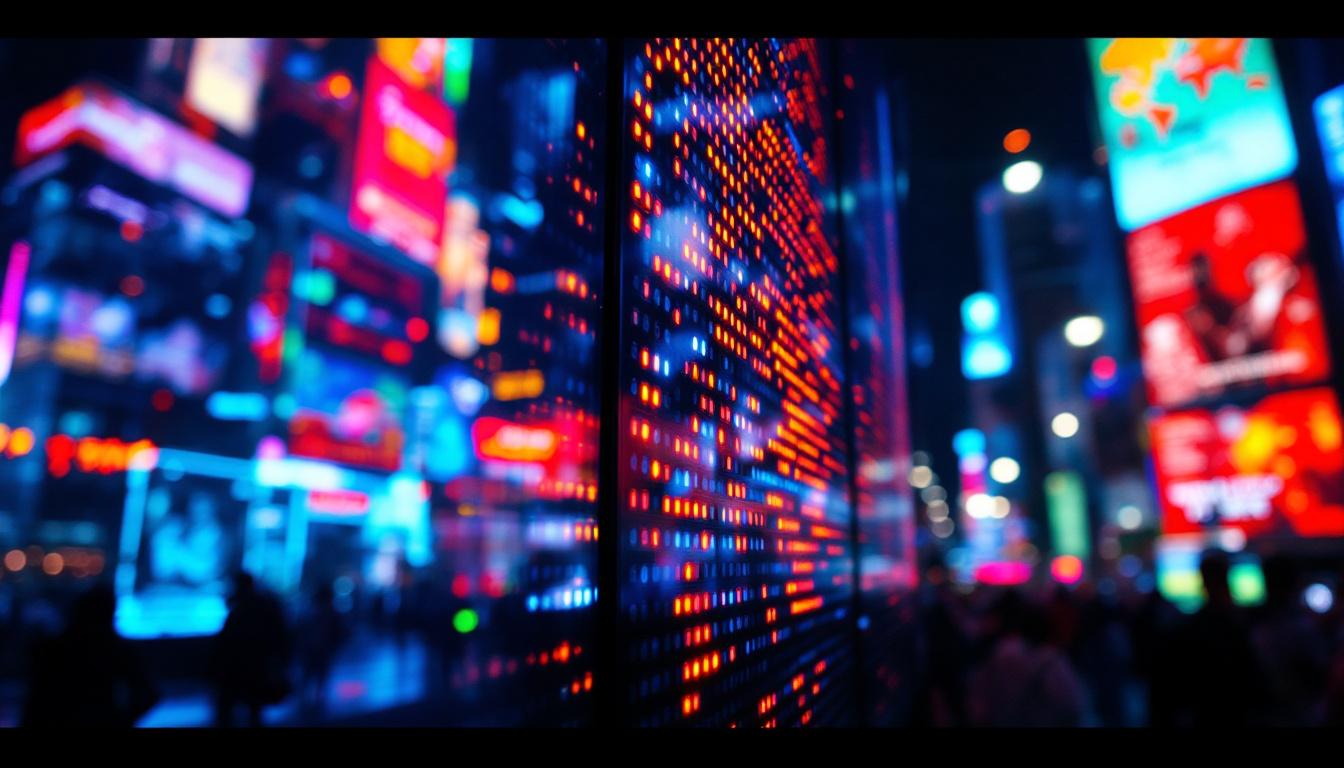
In LED displays, these tiny diodes are grouped into pixels, which are then arranged in rows and columns. The display controller manages the electrical signals to each pixel, determining which LEDs light up and their brightness, thereby forming images and videos. This precise control allows for quick refresh rates and high frame rates, making LED displays particularly suitable for dynamic content such as sports broadcasts and live events.
The Role of Planers in LED Displays
Planers, in the context of LED displays, refer to specialized devices or software tools that help in calibrating, aligning, and optimizing the display panels. Given the complexity and precision required in large-scale LED installations, planers ensure that the visual output is uniform, color-accurate, and free from distortions.
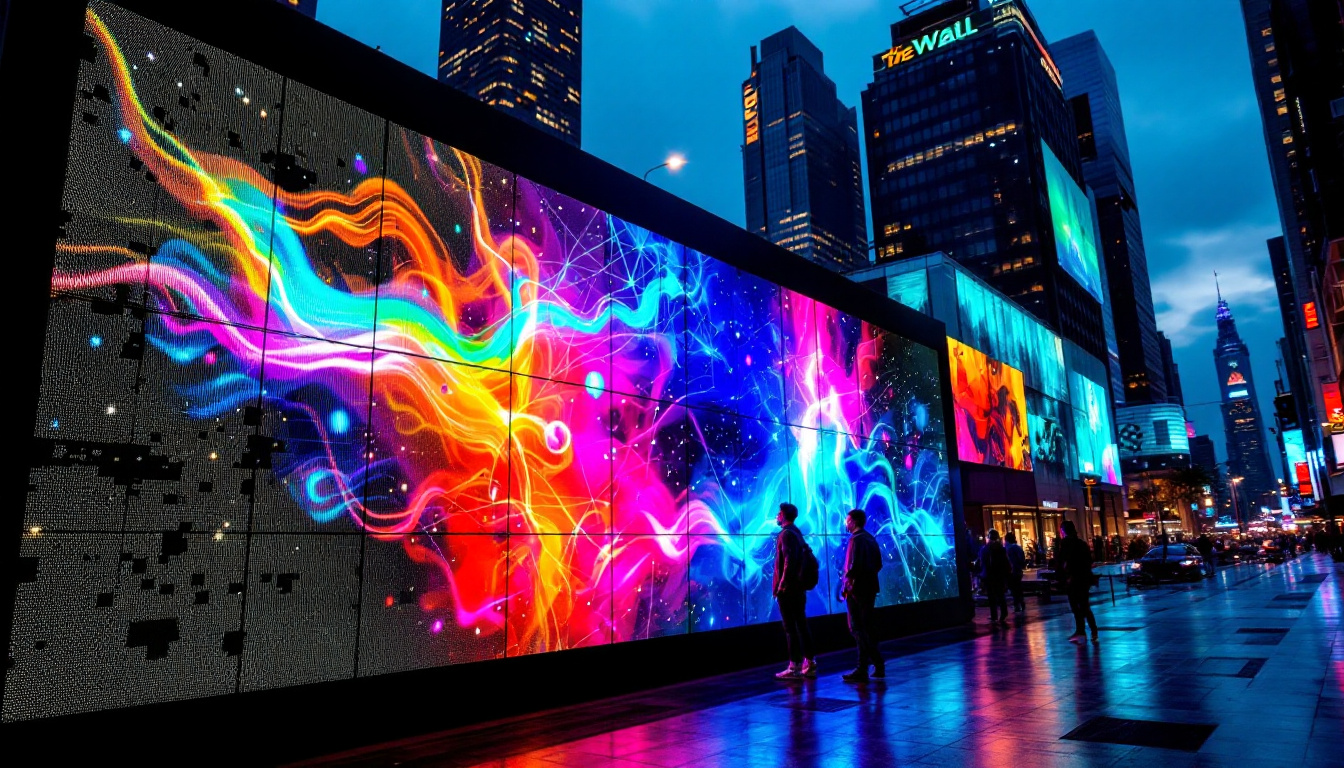
For example, in video walls composed of multiple LED modules, planers help in adjusting the brightness and color balance across all modules to create a seamless viewing experience. They also assist in correcting geometric distortions and aligning pixels precisely, which is critical for high-resolution displays. Additionally, planers can analyze environmental factors such as ambient light conditions and adjust the display settings accordingly, ensuring that the visuals remain vibrant and clear regardless of the surrounding lighting.
Moreover, the integration of advanced software in planning tools has revolutionized the way LED displays are set up and maintained. These tools can simulate various display configurations, allowing designers to visualize how different layouts will perform in real-world settings before installation. This capability not only saves time and resources but also enhances the overall effectiveness of the display, ensuring that it meets the specific needs of the audience and the environment in which it operates.
Types of LED Displays
LED displays come in various forms, each suited to different applications and environments. Understanding their differences helps in selecting the right display for specific needs.
Indoor LED Displays
Indoor LED displays are designed for environments such as shopping malls, conference rooms, and control centers. They typically have a higher pixel density, meaning the LEDs are packed more closely together, resulting in sharper images at close viewing distances.
Because indoor environments have controlled lighting, these displays do not require extremely high brightness levels. Instead, they focus on color accuracy and resolution. Pixel pitches for indoor displays often range from 1mm to 4mm, with smaller pitches offering finer detail.
Outdoor LED Displays
Outdoor LED displays are built to withstand harsh weather conditions and high ambient light levels, such as direct sunlight. Therefore, they are constructed with robust materials and have much higher brightness capabilities, often exceeding 5,000 nits, to ensure visibility even in bright daylight.
The pixel pitch for outdoor displays is generally larger, ranging from 4mm to 20mm or more, as viewers tend to observe these displays from greater distances. This allows for cost-effective manufacturing without sacrificing perceived image quality.
Flexible and Transparent LED Displays
Recent innovations have led to the development of flexible and transparent LED displays. Flexible displays can be curved or wrapped around surfaces, opening new possibilities for creative installations in architecture and design. Transparent LED displays allow light to pass through, making them ideal for storefront windows and glass facades.
These advanced types require sophisticated planning and calibration to maintain image integrity and brightness, highlighting the importance of planer tools and techniques in their deployment.
Advantages of LED Displays
LED displays offer numerous benefits over traditional display technologies such as LCD or projection systems. Their advantages contribute to their widespread adoption across industries.
High Brightness and Visibility
One of the most significant advantages of LED displays is their exceptional brightness. LEDs can produce intense light output, making them easily visible in various lighting conditions, including direct sunlight. This characteristic is vital for outdoor advertising and public information systems.
Energy Efficiency and Longevity
LED technology is highly energy-efficient compared to older lighting and display methods. LEDs consume less power while delivering superior brightness, reducing operational costs. Additionally, LEDs have a long lifespan, often exceeding 50,000 hours, which minimizes maintenance and replacement expenses.
Wide Viewing Angles and Color Accuracy
LED displays provide wide viewing angles, ensuring that images remain clear and colors consistent even when viewed from the side. This feature is crucial for public displays where audiences may be spread across different viewing positions.
Moreover, the ability to finely control red, green, and blue LEDs enables accurate color reproduction, enhancing the visual appeal and effectiveness of the displayed content.
Durability and Flexibility
LED displays are robust and can be designed to suit various shapes and sizes. Their solid-state nature makes them resistant to shock and vibration, ideal for transportation hubs, stadiums, and other high-traffic venues. Flexible and transparent LED displays further expand their versatility in creative applications.
Applications of LED Displays
The versatility of LED displays makes them suitable for a wide range of applications, from advertising to industrial control.
Advertising and Digital Signage
One of the most visible uses of LED displays is in advertising. Billboards, retail signage, and event promotions leverage the high brightness and dynamic content capabilities of LED screens to attract attention and convey messages effectively. According to recent market research, the global digital signage market is expected to grow at a compound annual growth rate (CAGR) of over 7% through 2027, driven largely by LED technology.
Sports and Entertainment Venues
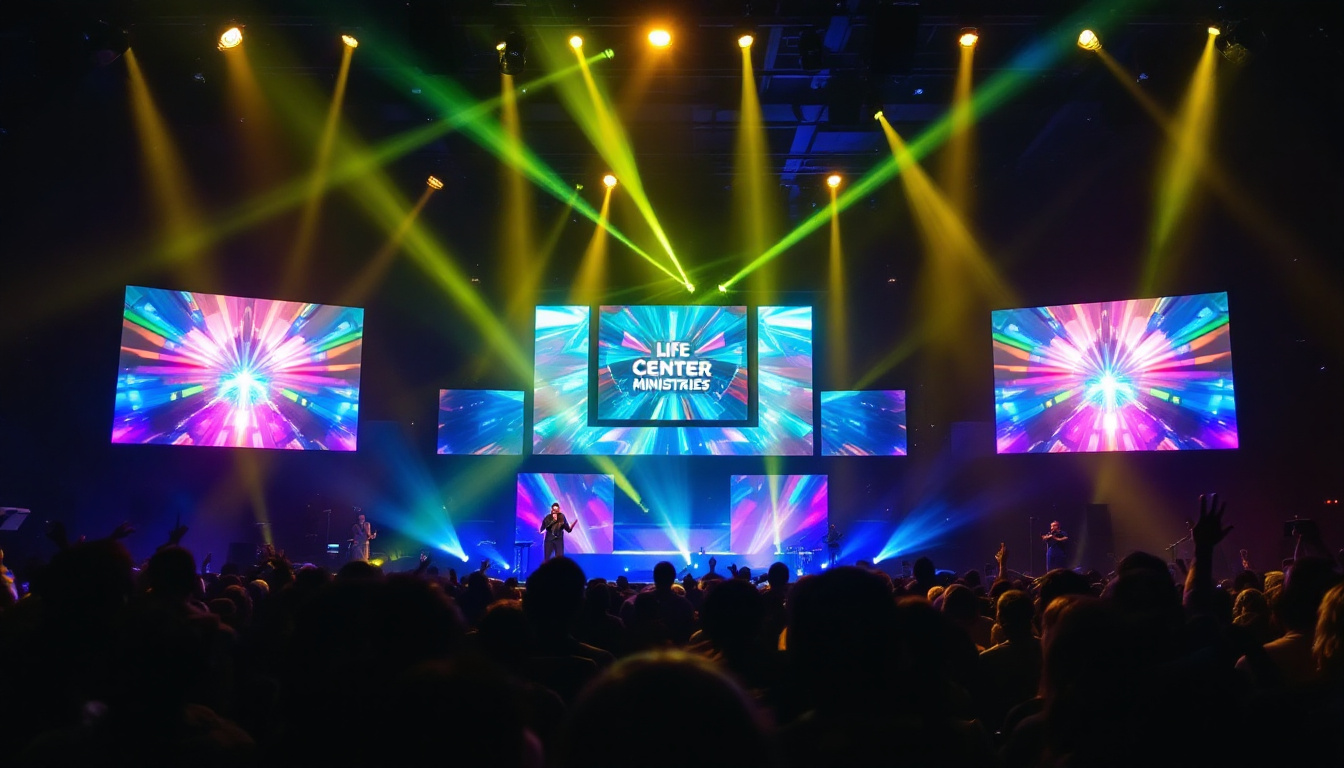
LED displays are a staple in stadiums and arenas, providing live game scores, instant replays, and engaging content to enhance the spectator experience. The ability to create massive video walls with seamless image quality is a key advantage in these settings.
Transportation and Public Information
Airports, train stations, and bus terminals use LED displays to provide real-time information such as schedules, alerts, and directions. The high visibility and reliability of LED displays ensure that travelers receive timely updates regardless of ambient lighting conditions.
Industrial and Control Rooms
In control rooms and industrial environments, LED displays are used to monitor processes, display critical data, and facilitate decision-making. Their clarity and durability make them suitable for continuous operation in demanding conditions.
Planning and Installation Considerations
Deploying an LED display involves careful planning and execution to maximize its performance and lifespan.
Determining the Right Pixel Pitch
Pixel pitch, the distance between the centers of adjacent LEDs, is a critical factor influencing image quality and cost. Smaller pixel pitches yield higher resolution but increase the number of LEDs and overall cost. The choice depends on the typical viewing distance; for example, a pixel pitch of 2mm is suitable for close-up indoor viewing, while 10mm or more is adequate for large outdoor displays viewed from afar.
Brightness and Environmental Factors
Understanding the lighting conditions of the installation site is essential. Outdoor displays require higher brightness ratings and weatherproofing, while indoor displays prioritize color accuracy and resolution. Temperature and humidity also affect LED lifespan and performance, necessitating appropriate ventilation and protective measures.
Power and Data Management
LED displays consume significant power and require reliable data transmission to maintain image quality. Planning for adequate power supply, backup systems, and high-speed data connections is vital. Modern LED displays often incorporate intelligent control systems that adjust brightness based on ambient light and optimize power usage.
Calibration and Maintenance
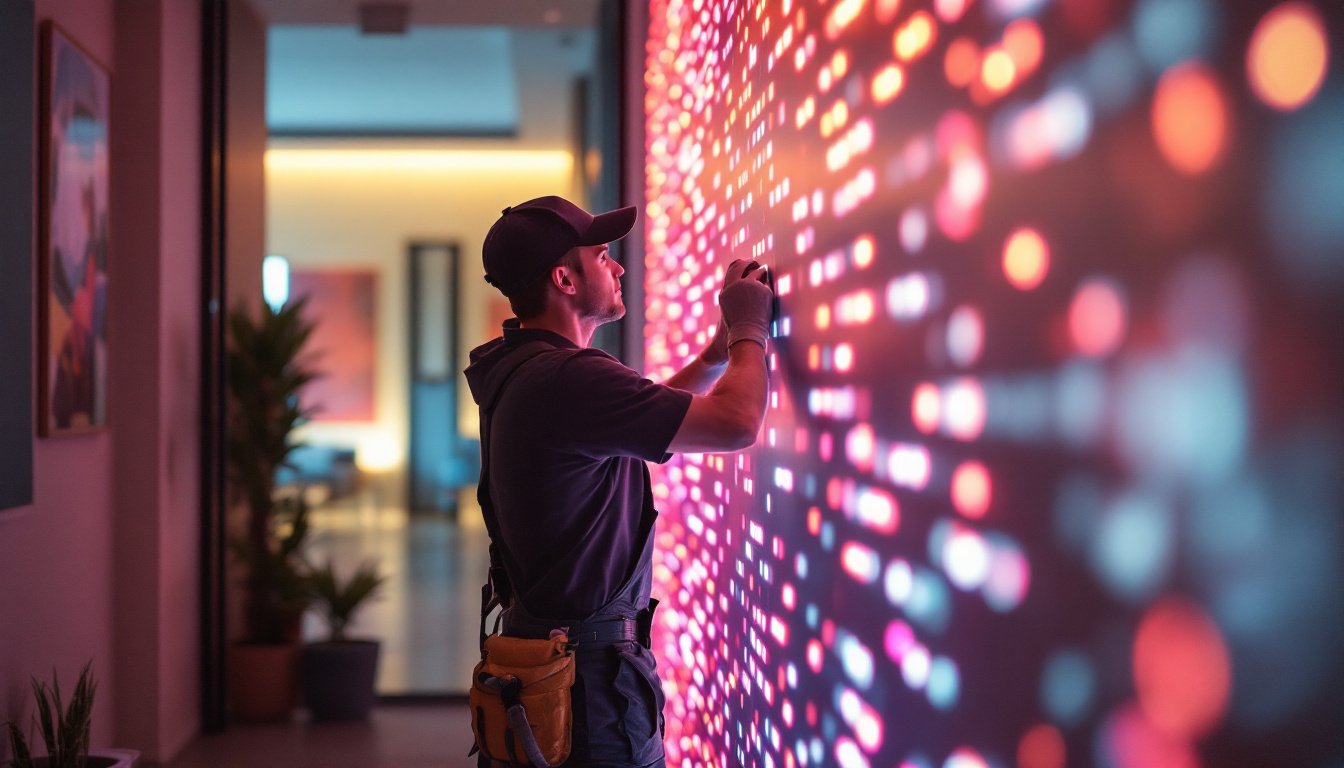
Regular calibration using planer tools ensures uniform brightness and color across the entire display. Maintenance plans should include cleaning, inspection, and timely replacement of faulty modules to prevent image degradation. Many manufacturers provide software solutions that simplify these tasks, enabling remote monitoring and diagnostics.
The Future of LED Displays
Advancements in LED technology continue to push the boundaries of what is possible with digital displays.
MicroLED and MiniLED Technologies
MicroLED and MiniLED represent the next generation of LED displays, offering even higher resolution, improved contrast ratios, and enhanced energy efficiency. MicroLEDs are microscopic LEDs that can be individually controlled, enabling displays with exceptional brightness and color fidelity without the need for backlighting.
Integration with Smart Technologies
LED displays are increasingly integrated with IoT (Internet of Things) and AI-driven content management systems. This integration allows for dynamic, context-aware content delivery that can adapt in real-time to audience demographics, environmental conditions, and other factors.
Sustainability and Eco-Friendly Designs
With growing emphasis on sustainability, manufacturers are developing LED displays that use less power, incorporate recyclable materials, and have longer lifespans, reducing environmental impact. These advances align with global efforts to reduce energy consumption and waste.
Conclusion
LED displays are a powerful medium for visual communication, combining brightness, durability, and versatility. Understanding the technology behind LEDs, the role of planers in optimizing display performance, and the diverse types and applications of LED displays equips businesses and organizations to make informed decisions when investing in this technology.
As LED technology continues to evolve, its applications will expand, offering even more innovative ways to engage audiences and convey information effectively. Whether for advertising, entertainment, or industrial use, LED displays remain at the forefront of digital display solutions.
Discover Cutting-Edge LED Display Solutions with LumenMatrix
Ready to elevate your visual communication with the latest in LED display technology? Look no further than LumenMatrix, a pioneer in crafting immersive and dynamic visual experiences. From the vibrant Indoor LED Wall Display to the robust Outdoor LED Wall Display, and from the innovative Vehicle LED Display to the sleek LED Poster Display, LumenMatrix offers a comprehensive range of solutions tailored to your needs. Whether you’re looking to captivate fans with an LED Sports Display, dazzle with a Floor LED Display, or customize your message with a Custom LED Display, our All-in-One and LED Transparent Displays are designed to revolutionize the way you engage with your audience. Check out LumenMatrix LED Display Solutions today and transform your brand’s visibility with unparalleled clarity and impact.