Understanding the dimensions and specifications of LED displays is crucial for professionals and hobbyists alike who work with electronic devices, digital signage, or embedded systems. One common specification that often arises is the size of the LED display, frequently given in inches. However, converting these measurements into centimeters (cm) can be essential for precise design, installation, and compatibility purposes. This article delves into the conversion of a 1.2-inch LED display to centimeters and explores the broader context of LED display technology, its applications, and key considerations.
Converting 1.2 Inches to Centimeters: The Basics
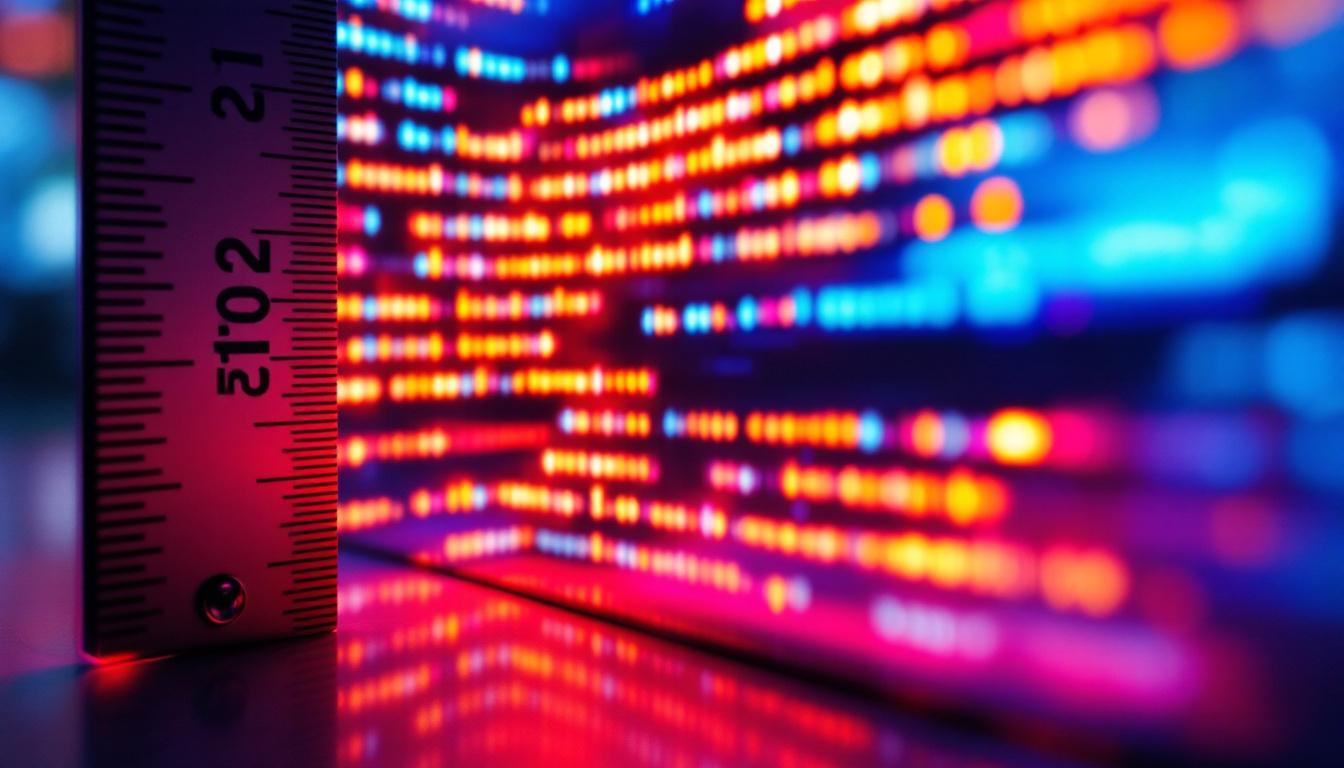
In the realm of electronic displays, size is typically measured diagonally across the screen. When a display is described as “1.2 inches,” it refers to the diagonal length of the visible screen area. To convert inches to centimeters, the universally accepted conversion factor is:
1 inch = 2.54 centimeters
Using this, the conversion for a 1.2-inch display is straightforward:
1.2 inches × 2.54 cm/inch = 3.048 cm
Therefore, a 1.2-inch LED display has a diagonal measurement of approximately 3.05 centimeters.
Why Use Centimeters Instead of Inches?
While inches remain standard in the United States and some other countries, centimeters and the metric system are more widely used globally, especially in scientific, engineering, and manufacturing contexts. Using centimeters can improve precision and universal understanding, particularly when collaborating internationally or sourcing components from overseas suppliers.
Moreover, many technical drawings, datasheets, and product specifications often use metric units, making it easier to integrate measurements into design software and CAD models. This is particularly important in industries such as electronics, where precision is paramount. For instance, when designing circuit boards or assembling intricate devices, even a small discrepancy in size can lead to compatibility issues or functional failures.
Additionally, the metric system is based on multiples of ten, which simplifies calculations and conversions. For example, converting between millimeters, centimeters, and meters is straightforward, allowing engineers and designers to work more efficiently. This ease of use can be particularly beneficial in educational settings, where students can focus on understanding concepts rather than getting bogged down in complex conversions. As such, the preference for centimeters over inches in many technical fields is not just a matter of convention, but a practical choice that enhances clarity and accuracy in communication and design.
Understanding LED Display Sizes and Their Importance
LED displays come in a variety of sizes, ranging from tiny modules used in wearable devices to massive outdoor billboards. The size of the display directly influences its application, resolution, and user experience. As technology continues to evolve, the versatility of LED displays has expanded, allowing for innovative uses in various fields, from advertising to healthcare. The choice of display size can significantly impact not only the aesthetic appeal of a device but also its functionality and user engagement.
Applications of a 1.2-Inch LED Display
A 1.2-inch LED display is considered small and is commonly found in devices where compactness is critical. Typical applications include:
- Wearable Technology: Smartwatches and fitness trackers often use small LED or OLED displays around this size to balance readability and device size. These displays allow users to quickly glance at notifications, health metrics, and other essential information without the need for larger, bulkier devices.
- Embedded Systems: Small control panels or handheld devices may incorporate 1.2-inch displays for status indicators or simple user interfaces. In industrial settings, these displays can provide real-time feedback on machinery performance, enhancing operational efficiency.
- Medical Devices: Portable diagnostic tools or monitoring devices use compact displays to provide essential information without bulk. For instance, glucose monitors and heart rate monitors benefit from the small size, ensuring that patients can easily carry these devices without inconvenience.
The compact size allows manufacturers to create sleek, lightweight products while maintaining sufficient display quality for basic interactions. Moreover, the integration of these small displays into everyday devices has led to a surge in user-friendly interfaces, where even complex information can be conveyed succinctly and effectively.
Resolution and Pixel Density Considerations
While size is an important factor, resolution and pixel density (measured in pixels per inch, or PPI) are equally critical in determining display clarity. A 1.2-inch display can vary significantly in resolution, affecting how sharp text and images appear. The advancement in display technology has enabled manufacturers to produce screens that not only fit within compact dimensions but also boast impressive resolutions.
For example, a 1.2-inch display with a resolution of 240×240 pixels offers a high pixel density, making it suitable for detailed graphics and text. Conversely, a lower resolution on the same size screen will appear less sharp. This is particularly important in applications where precision is key, such as in medical imaging or high-end consumer electronics where users expect crisp, clear visuals.
When selecting or designing a display, understanding the balance between size, resolution, and power consumption is vital to meet the intended use case. High-resolution displays may consume more power, which can be a critical consideration for battery-operated devices. Therefore, manufacturers must carefully evaluate the trade-offs between display quality and energy efficiency to ensure optimal performance in real-world applications. Additionally, advancements in technologies such as adaptive brightness and power-saving modes are helping to mitigate these concerns, allowing for longer battery life without compromising on display quality.
Key Features of LED Displays
LED (Light Emitting Diode) displays have become ubiquitous due to their energy efficiency, brightness, and durability. They differ from LCDs (Liquid Crystal Displays) and OLEDs (Organic Light Emitting Diodes) in several ways that affect their performance and application.
Brightness and Visibility
LED displays are known for their high brightness levels, which make them easily viewable in various lighting conditions, including direct sunlight. This is particularly important for outdoor signage and wearable devices used in diverse environments.
For small displays like a 1.2-inch module, brightness is balanced with power consumption to ensure battery life is not compromised, especially in portable devices.
Power Efficiency
One of the main advantages of LED technology is its low power consumption compared to older display technologies. This is crucial for battery-powered devices where energy efficiency extends operational time.
Modern LED displays also incorporate features such as adjustable brightness and sleep modes to optimize power usage further.
Durability and Longevity
LED displays tend to be more durable and have longer lifespans than many alternatives. They are less prone to screen burn-in and can withstand a wider range of temperatures and environmental conditions.
This makes them ideal for applications in industrial settings, medical devices, and outdoor installations.
Technical Specifications to Consider for a 1.2-Inch LED Display
When selecting or working with a 1.2-inch LED display, several technical parameters should be evaluated to ensure the display meets the requirements of the project or product.
Aspect Ratio
The aspect ratio defines the proportional relationship between the display’s width and height. Common aspect ratios include 4:3, 16:9, and square formats like 1:1.
A 1.2-inch display might have a square aspect ratio (e.g., 240×240 pixels), which is common in smartwatches, or a rectangular ratio depending on the application.
Interface and Connectivity
Understanding how the display communicates with the controlling microcontroller or processor is essential. Common interfaces include SPI (Serial Peripheral Interface), I2C, and parallel interfaces.
For embedded systems, SPI is frequently preferred due to its speed and simplicity, but the choice depends on the system architecture and available pins.
Color Depth and Display Type
LED displays can be monochrome or full-color. Monochrome displays use a single color (often white or green), suitable for simple indicators and text. Full-color displays support millions of colors, enabling rich graphics and multimedia content.
The color depth, measured in bits per pixel, affects the range of colors displayed. For example, an 18-bit color depth supports 262,144 colors, while 24-bit color depth supports over 16 million colors.
Practical Tips for Working with 1.2-Inch LED Displays
Integrating a small LED display into a device or project requires consideration of both hardware and software aspects to maximize performance and usability.
Designing for Readability
Given the small physical size, text and icons must be designed with clarity in mind. Using high-contrast colors and appropriately sized fonts ensures that information is legible at a glance.
Developers often use vector fonts and scalable graphics to maintain sharpness regardless of resolution.
Power Management Strategies
To extend battery life, implementing power-saving features such as dimming the display when idle or turning off unused pixels can be effective. Additionally, choosing displays with low standby current helps reduce overall power consumption.
Environmental Considerations
For devices exposed to outdoor or harsh environments, selecting displays with appropriate IP ratings (Ingress Protection) and temperature tolerance is critical. Protective coatings or enclosures can further enhance durability.
Future Trends in Small LED Displays
The technology behind small LED displays continues to evolve rapidly, driven by advances in materials science, manufacturing, and user interface design.
MicroLED Technology
MicroLED displays represent the next generation of LED technology, offering higher brightness, better color accuracy, and improved energy efficiency compared to traditional LEDs and OLEDs. Although currently more expensive, MicroLEDs are expected to become more accessible for small displays in wearable and mobile devices.
Flexible and Transparent Displays
Innovations in flexible LED displays allow screens to bend or curve, opening new possibilities for wearable devices and innovative form factors. Transparent LED displays also enable augmented reality applications and novel user experiences.
Integration with IoT and Smart Devices
As the Internet of Things (IoT) expands, small LED displays will play a vital role in providing real-time information and control interfaces on connected devices. Enhanced connectivity and smart features will make these displays more interactive and context-aware.
Conclusion
Converting a 1.2-inch LED display measurement to centimeters is a simple yet essential task for accurate design and integration. At approximately 3.05 cm diagonally, these small displays are integral components in a wide range of modern devices, from wearables to medical instruments.
Understanding the technical specifications, applications, and future trends of LED displays empowers engineers, designers, and enthusiasts to make informed decisions. As LED technology continues to advance, small displays like the 1.2-inch module will become increasingly versatile, efficient, and integral to the digital landscape.
Explore Cutting-Edge LED Displays with LumenMatrix
As you consider the precision and innovation required for integrating 1.2-inch LED displays into your projects, LumenMatrix stands at the forefront of LED display technology. With a commitment to revolutionizing visual communication, LumenMatrix offers an extensive range of solutions, from Indoor and Outdoor LED Wall Displays to specialized options like Vehicle LED Displays and Custom LED Displays. Whether you’re looking to enhance brand visibility or create immersive visual experiences, LumenMatrix has the expertise to bring your vision to life. Check out LumenMatrix LED Display Solutions today and take the first step towards transforming your digital signage and display endeavors.