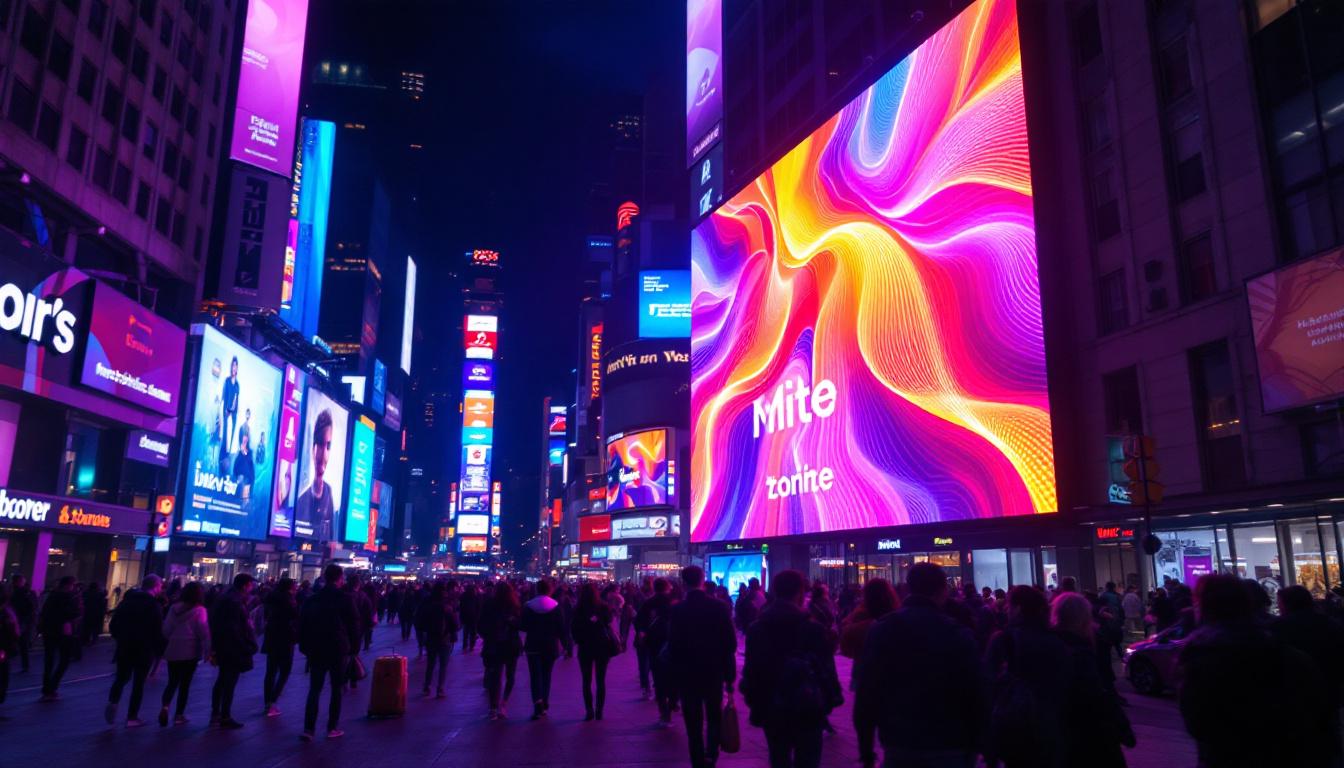
In today’s digital age, video monitors are at the heart of countless applications—from home entertainment and professional broadcasting to digital signage and control rooms. Among the various display technologies available, LED displays have emerged as a leading choice due to their superior brightness, color accuracy, and energy efficiency. This article delves into the fundamentals of LED video monitors, exploring their technology, advantages, types, and practical considerations for users and professionals alike.
Understanding LED Display Technology
What Is an LED Display?
LED stands for Light Emitting Diode, a semiconductor device that emits light when an electric current passes through it. In the context of video monitors, LED displays use an array of tiny LEDs to create images by controlling the brightness and color of each diode. Unlike traditional LCD monitors that rely on backlighting, LED displays either use LEDs as a backlight source or as the actual pixels themselves, depending on the type of LED technology employed.
The evolution of LED technology has led to two primary categories: LED-backlit LCDs and true LED displays, often referred to as direct-view LED or microLED. LED-backlit LCDs use LEDs to illuminate an LCD panel, improving brightness and energy efficiency compared to older CCFL (cold cathode fluorescent lamp) backlights. Direct-view LED displays, on the other hand, consist of millions of tiny LEDs that form the image directly, offering unparalleled brightness and contrast.
How LED Displays Work
In an LED-backlit LCD monitor, the LEDs serve as a light source behind the liquid crystal display panel. The LCD layer modulates this light to create images by blocking or allowing light through colored filters corresponding to red, green, and blue subpixels. The LED backlight can be arranged in different configurations, such as edge-lit or full-array, affecting the uniformity and contrast of the display.
Direct-view LED displays operate differently. Each pixel is composed of one or more LEDs that emit red, green, and blue light directly. By adjusting the intensity of these LEDs, the display produces vivid colors and deep blacks. This technology is commonly seen in large-scale video walls, stadium screens, and increasingly in consumer-grade TVs and monitors.
Advantages of LED Video Monitors
Brightness and Visibility
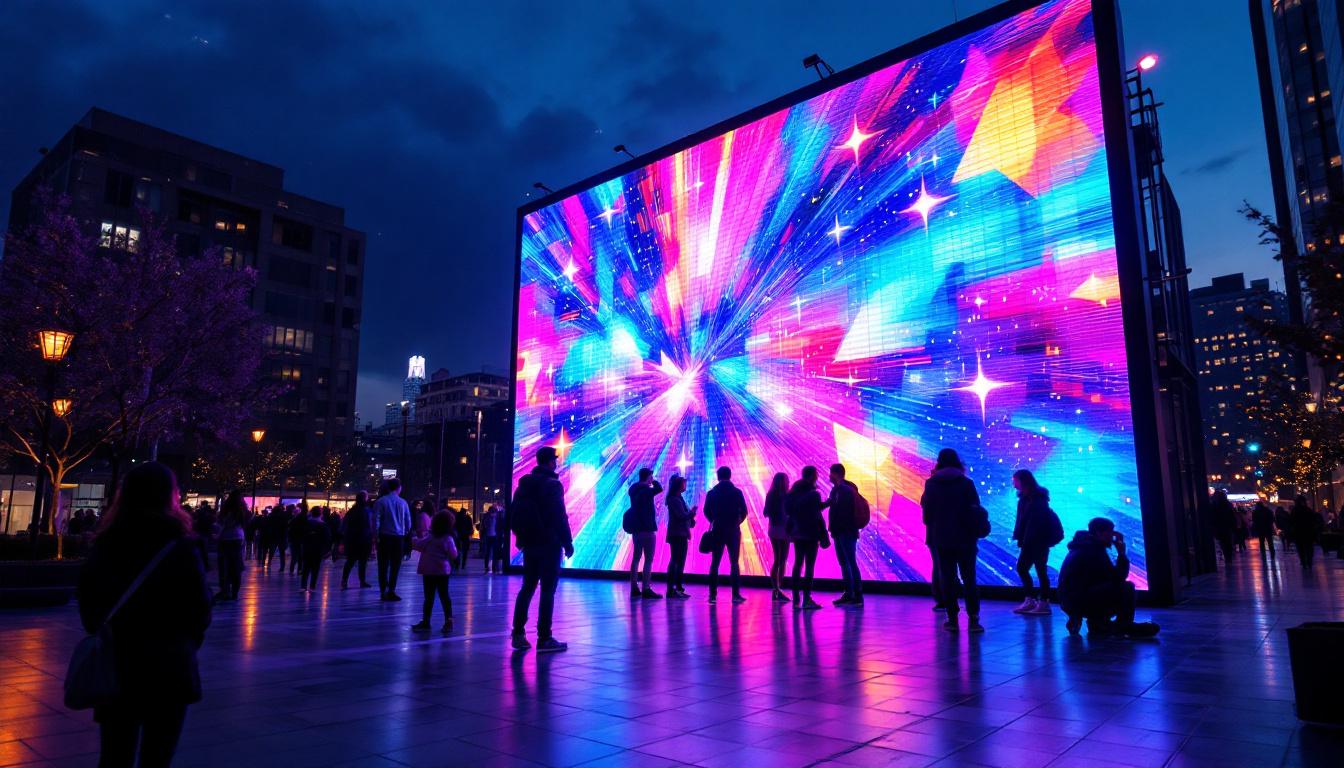
One of the most significant benefits of LED displays is their exceptional brightness. LED monitors can achieve luminance levels far beyond those of traditional LCDs or OLEDs, making them ideal for environments with high ambient light, such as outdoor digital signage or brightly lit control rooms. For example, some commercial LED video walls can reach brightness levels exceeding 5,000 nits, ensuring content remains visible even under direct sunlight.
This high brightness also contributes to better visibility and readability, which is crucial in professional settings like air traffic control or broadcast studios where accurate and clear visuals are essential.
Color Accuracy and Contrast
LED technology enables precise control over color reproduction. Direct-view LED displays offer a wide color gamut and excellent contrast ratios because each pixel emits its own light. This results in deeper blacks and more vibrant colors compared to LCDs that rely on backlighting. For content creators, graphic designers, and video professionals, this means more accurate color representation and a better viewing experience.
Moreover, advancements in LED technology, such as quantum dot enhancements, have pushed color accuracy even further, enabling displays to cover over 90% of the DCI-P3 color space—a standard used in digital cinema.
Energy Efficiency and Longevity
LED displays are generally more energy-efficient than older display technologies. LEDs consume less power than CCFL backlights and have longer lifespans, often rated at 50,000 to 100,000 hours of operation. This translates to lower operating costs and reduced environmental impact over time.
Energy efficiency also plays a role in heat generation. LED monitors produce less heat, which can improve device reliability and reduce the need for extensive cooling solutions in large installations.
Types of LED Video Monitors
LED-Backlit LCD Monitors
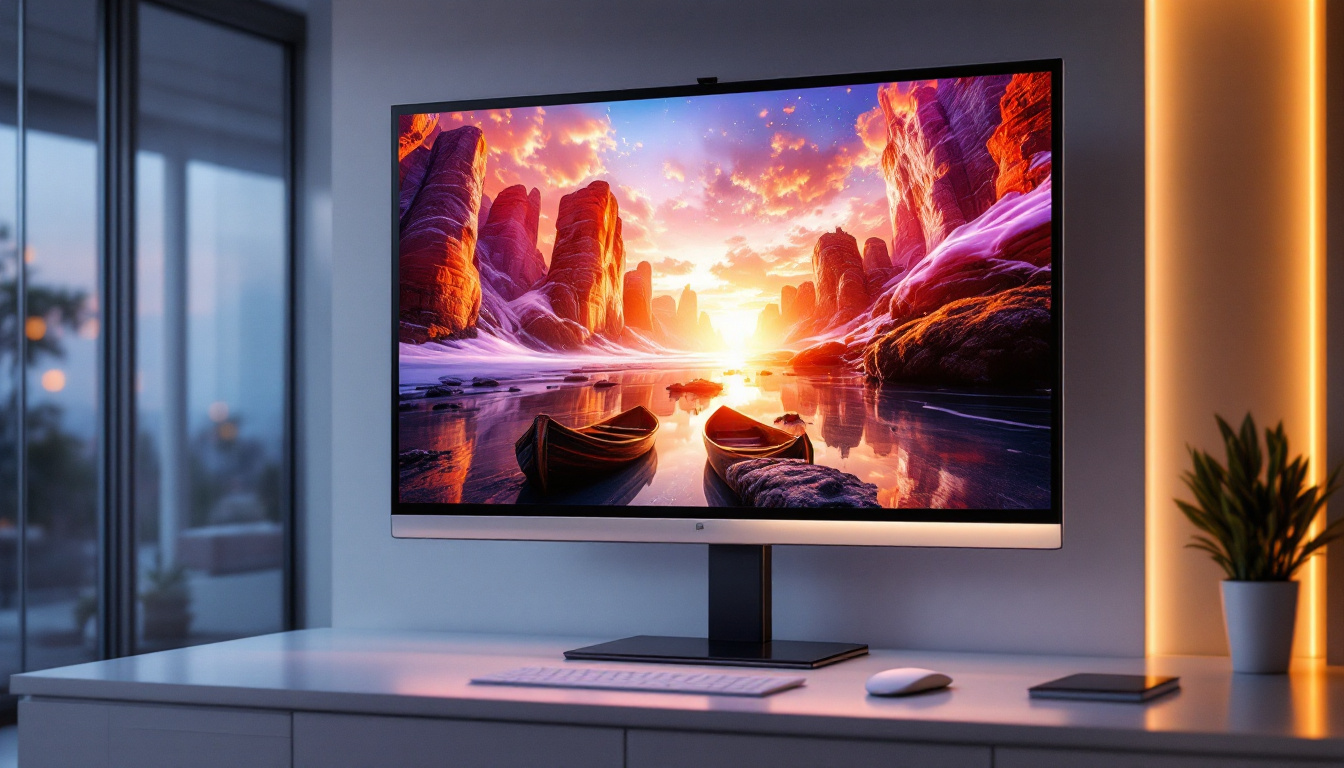
These are the most common type of LED monitors found in consumer electronics, including computer monitors, laptops, and televisions. The LED backlight replaces older CCFL tubes, providing better brightness, thinner profiles, and improved color accuracy.
Within this category, there are variations such as edge-lit LED and full-array LED backlighting. Edge-lit LED monitors place LEDs along the edges of the screen, allowing for thinner designs but sometimes sacrificing uniformity. Full-array LED backlighting uses a grid of LEDs behind the screen, enabling local dimming zones that improve contrast by dimming dark areas without affecting bright ones.
Direct-View LED Displays
Direct-view LED displays are composed of individual LEDs that form the image directly. These are typically used in large-scale applications such as:
- Outdoor advertising billboards
- Concert and event screens
- Sports stadium scoreboards
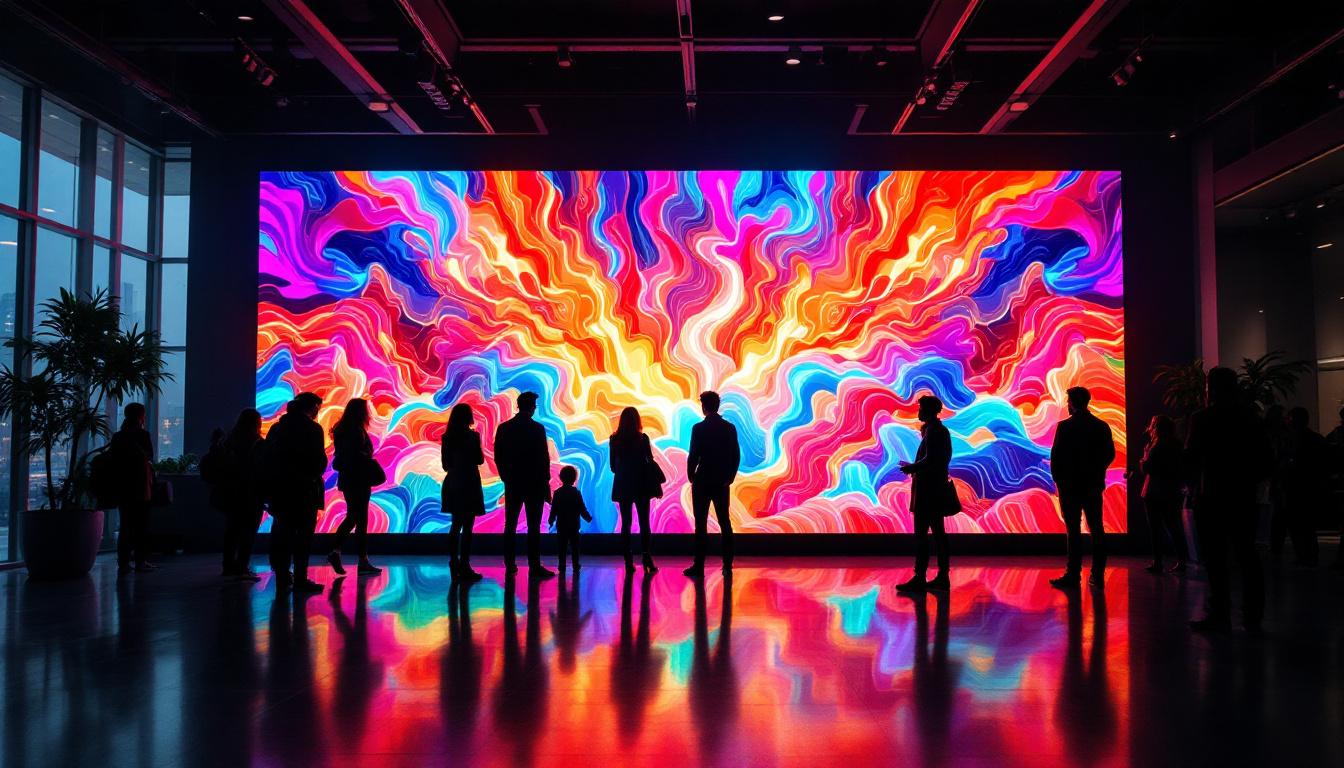
- Large video walls in corporate or control room environments
Because of their modular design, direct-view LED displays can be built to virtually any size and shape, making them highly versatile. Pixel pitch—the distance between the centers of adjacent LEDs—is a critical factor in determining image resolution and viewing distance. Smaller pixel pitches provide higher resolution suitable for close viewing, while larger pitches are acceptable for distant audiences.
MicroLED Technology
MicroLED is an emerging display technology that uses microscopic LEDs to create self-emissive pixels. It combines the best features of OLED and traditional LED displays, offering high brightness, perfect blacks, and exceptional color accuracy without the burn-in risks associated with OLED.
Although still in the early stages of commercialization, microLED displays are gaining attention for premium TVs, augmented reality devices, and professional monitors. Their scalability and durability make them promising for future video monitor applications.
Key Considerations When Choosing an LED Video Monitor
Resolution and Pixel Pitch
Resolution is a fundamental factor in determining the clarity and detail of the displayed image. For LED-backlit LCD monitors, common resolutions include Full HD (1920×1080), 4K UHD (3840×2160), and increasingly 8K for high-end models.
In direct-view LED displays, pixel pitch is more relevant than resolution alone. For example, a 1.2mm pixel pitch display will deliver sharp images suitable for close-up viewing, whereas a 10mm pixel pitch might be adequate for a billboard viewed from hundreds of feet away. Understanding the intended viewing distance is essential to selecting the appropriate pixel pitch.
Brightness and Contrast Ratio
Brightness requirements vary depending on the environment. Indoor monitors typically need around 250 to 500 nits, while outdoor LED displays may require thousands of nits to remain visible in sunlight. Contrast ratio—the difference between the darkest black and brightest white—affects image depth and realism. Higher contrast ratios are desirable for immersive viewing experiences.
Refresh Rate and Response Time
For video monitors used in gaming, broadcasting, or professional video editing, refresh rate and response time are critical. Higher refresh rates (120Hz or above) reduce motion blur and provide smoother visuals. Response time, measured in milliseconds, indicates how quickly a pixel can change color, impacting the clarity of fast-moving images.
Connectivity and Compatibility
Modern LED monitors support a variety of input interfaces, including HDMI, DisplayPort, USB-C, and sometimes legacy connectors like VGA or DVI. Ensuring compatibility with your source devices is essential for seamless integration. Some professional LED video walls also support networked control systems for synchronized content management.
Durability and Maintenance
Especially for large-scale or outdoor LED displays, durability against weather, dust, and mechanical impact is vital. Many LED modules are rated with IP (Ingress Protection) standards indicating their resistance to water and dust. Additionally, ease of maintenance—such as front or rear access for module replacement—can reduce downtime and service costs.
Applications of LED Video Monitors
Consumer Electronics
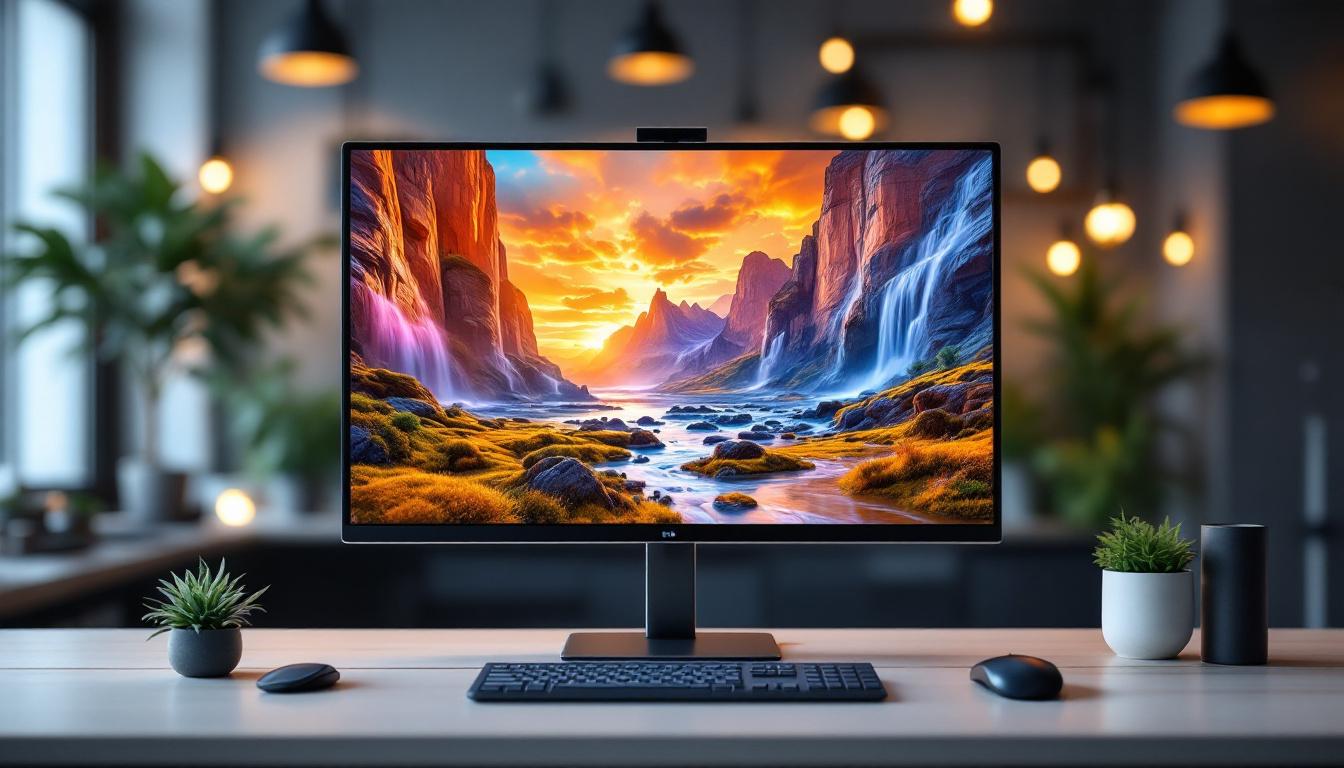
LED-backlit LCD monitors dominate the consumer market, powering everything from desktop displays to televisions and mobile devices. Their balance of performance, cost, and energy efficiency makes them ideal for everyday use.
Commercial and Advertising
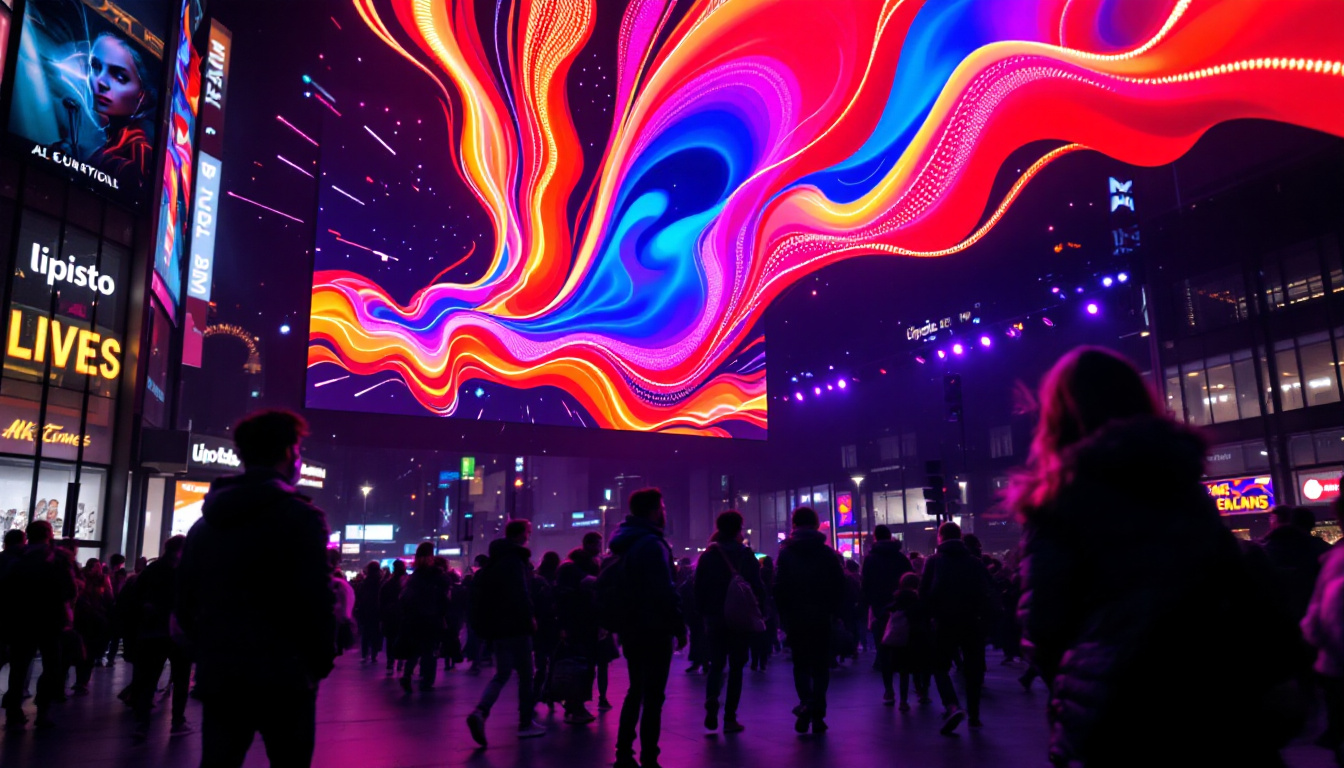
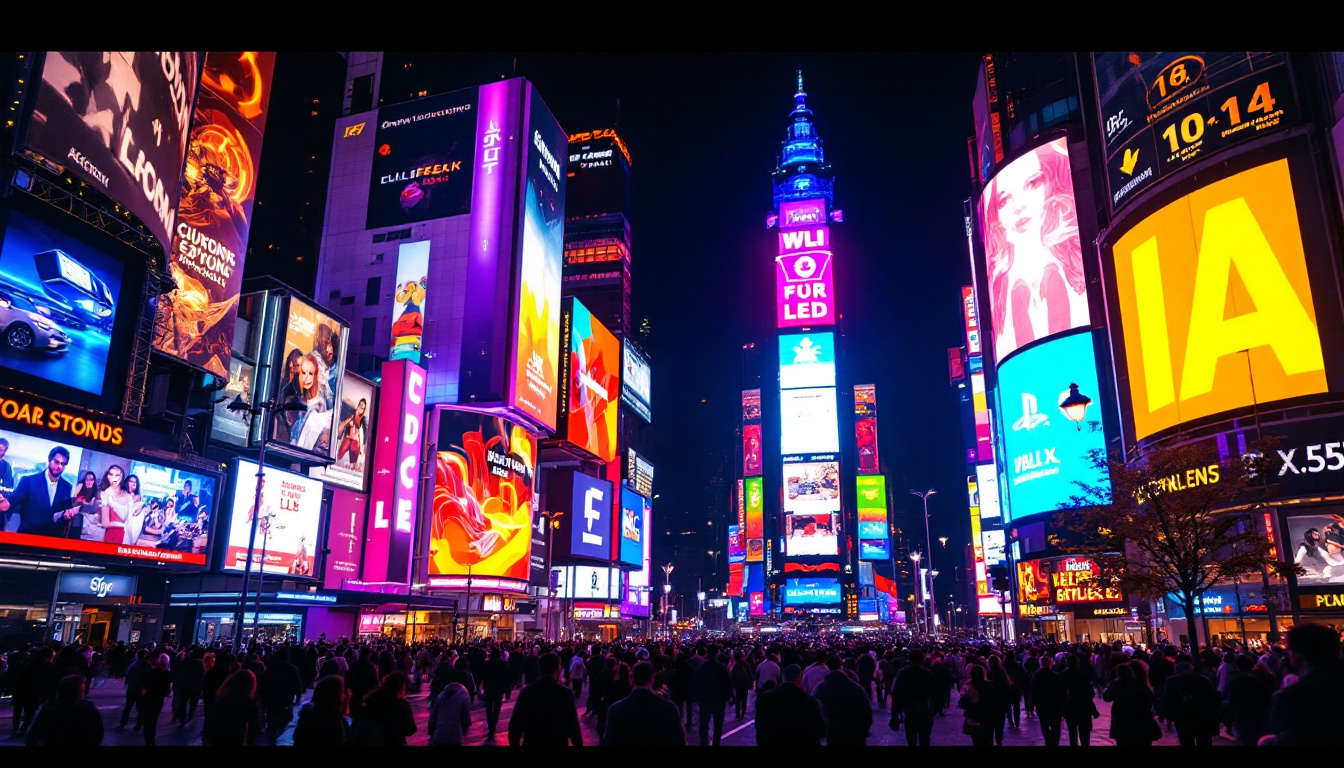
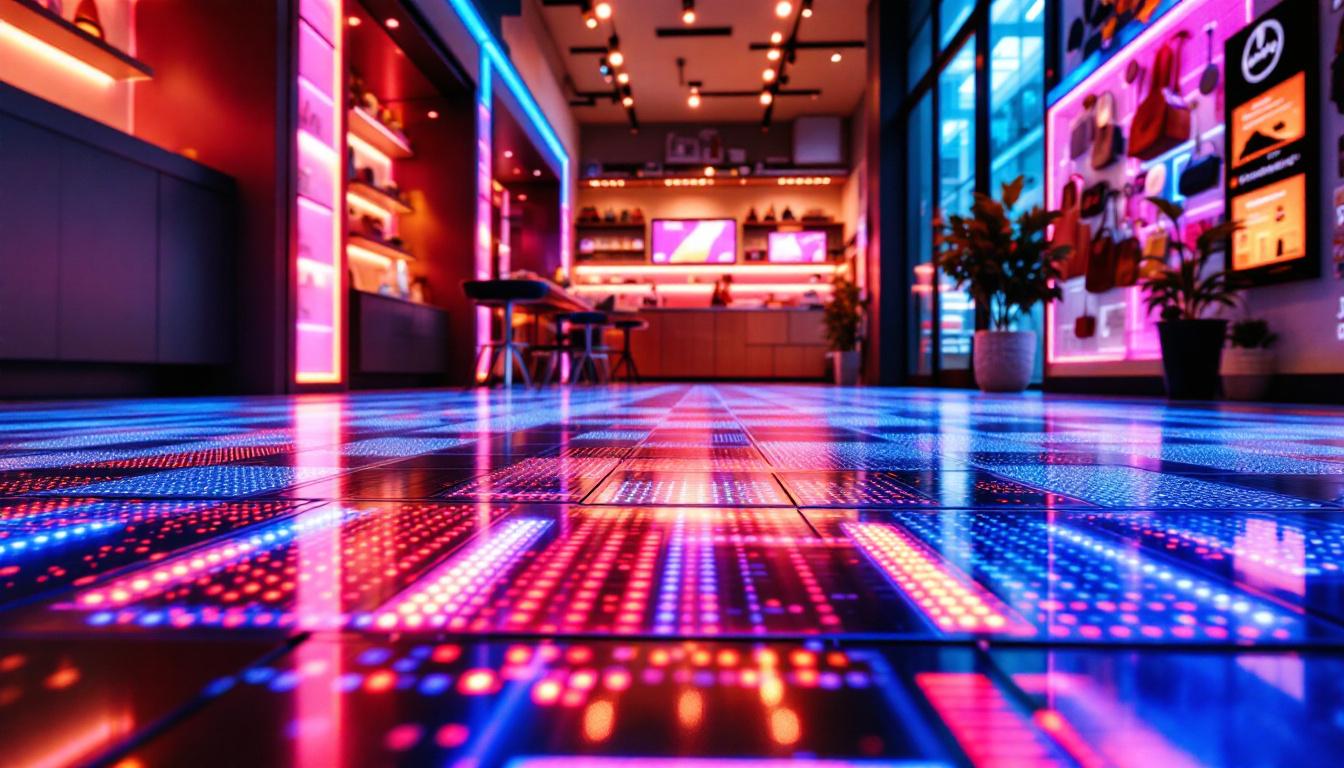
Direct-view LED displays have revolutionized outdoor advertising by enabling vibrant, dynamic content that captures attention in high-traffic areas. Retail stores, airports, and shopping malls also employ LED video walls for promotional and informational purposes.
Broadcast and Control Rooms
In professional environments, LED video monitors provide critical visual feedback. Control rooms for utilities, transportation, and emergency services rely on large LED video walls for real-time monitoring. Broadcast studios use LED displays for background visuals and content previewing.
Events and Entertainment
Concerts, sports arenas, and live events frequently use large LED screens to enhance audience engagement. The scalability and brightness of LED displays make them perfect for creating immersive visual experiences.
The Future of LED Video Monitors
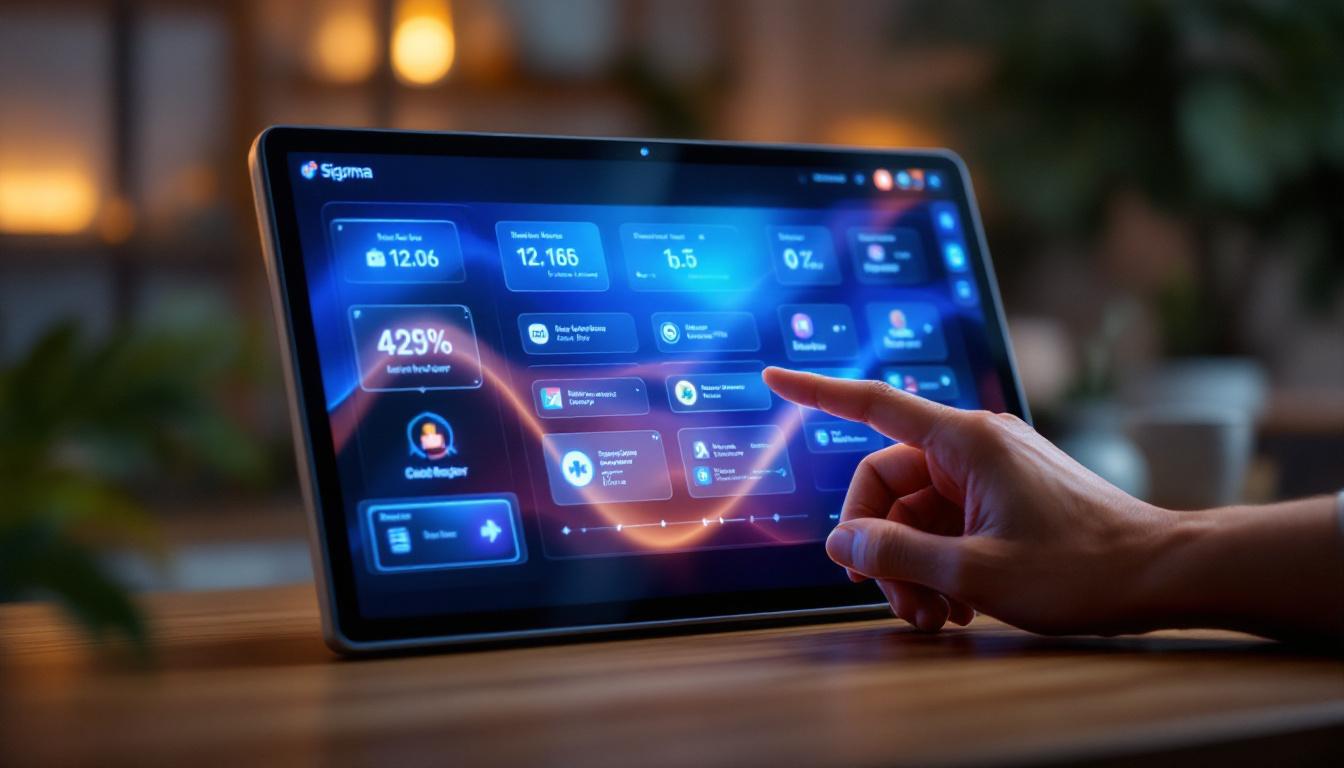
Advancements in LED technology continue to push the boundaries of what video monitors can achieve. MicroLED and miniLED technologies promise even greater contrast, brightness, and energy efficiency. Integration with AI and smart control systems is enabling more adaptive and interactive displays.
Moreover, sustainability is becoming a priority, with manufacturers focusing on reducing the environmental impact of LED production and disposal. As LED prices continue to fall and performance improves, these displays will become even more ubiquitous across industries and applications.
Conclusion
LED video monitors represent a versatile and powerful display technology that caters to a wide range of needs—from casual viewing to professional-grade applications. Understanding the underlying technology, benefits, and key specifications helps consumers and professionals make informed decisions when selecting the right LED display for their requirements.
Whether it’s a sleek LED-backlit LCD monitor for a home office or a massive direct-view LED video wall for a stadium, LED technology continues to redefine visual experiences with its brightness, color fidelity, and energy efficiency. Keeping abreast of emerging trends like microLED will ensure that users stay ahead in the rapidly evolving world of video displays.
Discover LumenMatrix’s Innovative LED Display Solutions
Ready to elevate your visual experience with the latest in LED technology? LumenMatrix is at the forefront of LED display innovation, offering a diverse range of solutions tailored to meet your unique needs. From captivating Indoor and Outdoor LED Wall Displays to dynamic Vehicle and Sports LED Displays, our products are designed to make your brand stand out. Explore our advanced LED Poster Displays, interactive Floor LED Displays, and the sleek All-in-One LED Display options. For a truly unique visual statement, inquire about our Custom and Transparent LED Displays. Experience the future of visual communication with LumenMatrix and Check out LumenMatrix LED Display Solutions today to see how we can help you share your message with unparalleled impact and clarity.