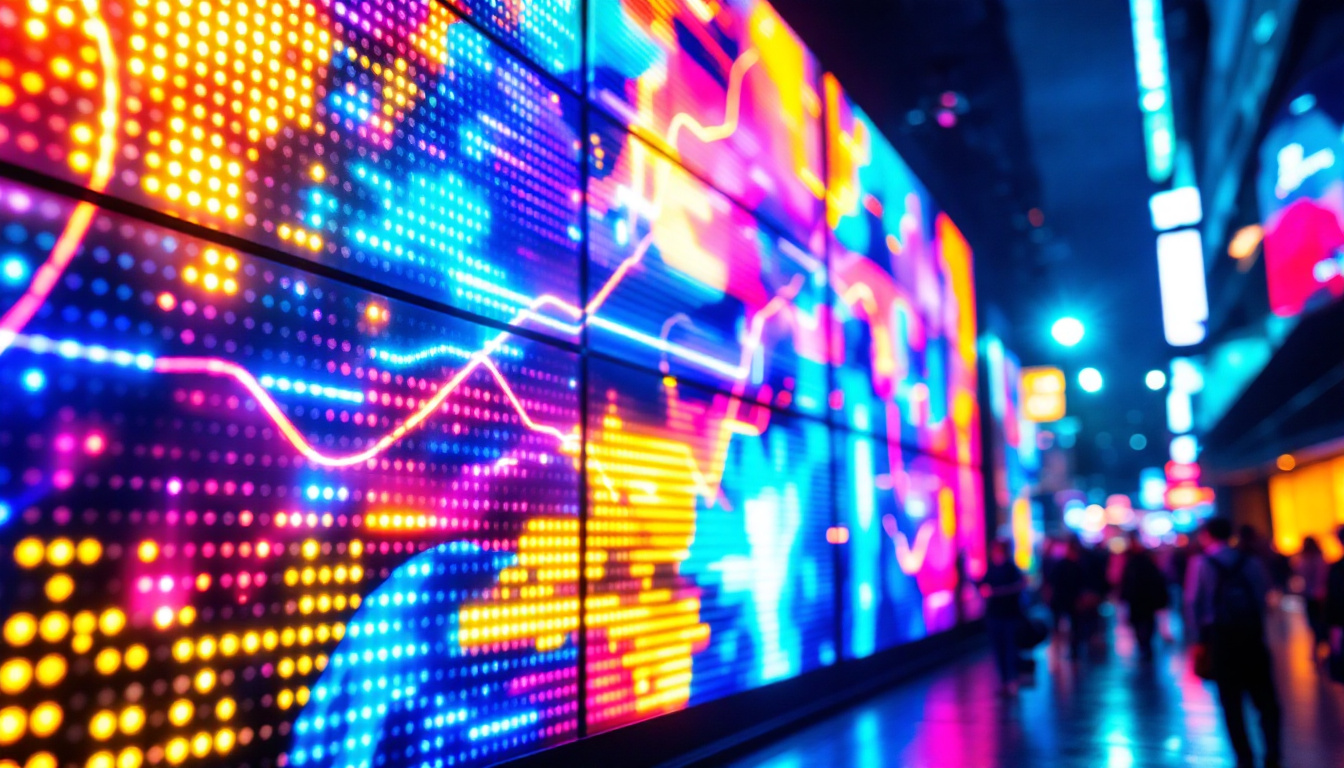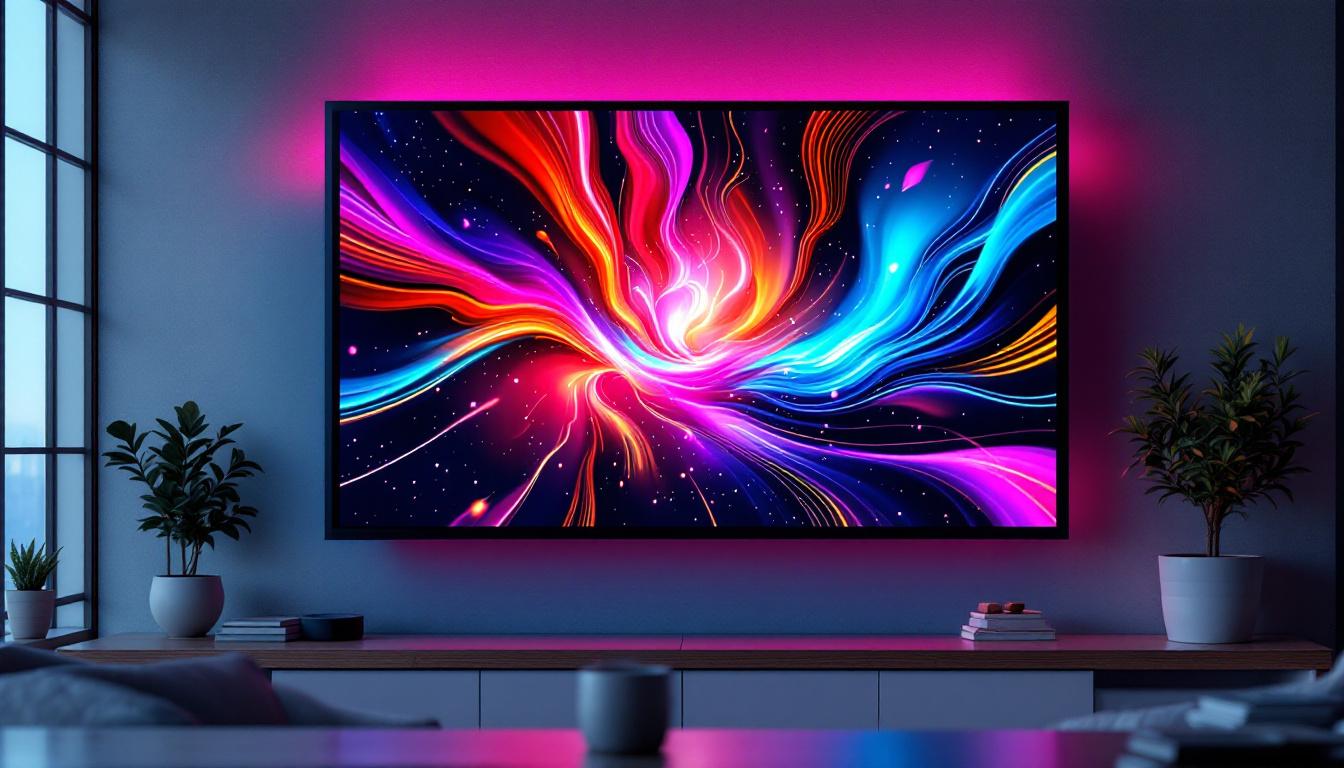
In the world of visual technology, LED displays have revolutionized how we experience digital content, especially in large-scale applications like background walls. From concerts and corporate events to retail environments and public information boards, LED displays offer vibrant, dynamic, and customizable visuals that captivate audiences. This article delves into the fundamentals of LED displays, their technology, applications, and why they have become the go-to solution for background walls in various industries.
Understanding LED Display Technology
What is an LED Display?
LED stands for Light Emitting Diode, a semiconductor device that emits light when an electric current passes through it. An LED display is essentially a screen made up of thousands to millions of these tiny diodes arranged in a matrix. Each diode acts as a pixel, producing light in different colors to create images, videos, or animations.
Unlike traditional LCD or projection screens, LED displays are self-illuminating, meaning they do not require a backlight. This characteristic allows for higher brightness levels, better contrast ratios, and improved viewing angles, making LED displays ideal for both indoor and outdoor environments. The versatility of LED technology has led to its widespread adoption in various applications, from advertising billboards and stadium screens to television sets and computer monitors, showcasing its adaptability to different lighting conditions and audience needs.
Key Components of LED Background Walls
At the heart of an LED background wall are several integral components:
- LED Modules: These are the building blocks of the display, containing clusters of LEDs arranged in pixels. The pixel pitch—the distance between the centers of two adjacent pixels—determines the display’s resolution and clarity. Smaller pixel pitches allow for closer viewing distances, making them suitable for environments like retail spaces or trade shows where viewers are often near the screen.
- Driving Circuits: These regulate the power and control signals sent to each LED, ensuring accurate color reproduction and brightness. The efficiency of these circuits is crucial, as they directly affect the performance and longevity of the display.
- Control System: This includes hardware and software that manage the content displayed, synchronize multiple panels, and adjust settings like brightness and refresh rate. Advanced control systems can also integrate with real-time data feeds, enabling dynamic content that can change based on audience interaction or environmental factors.
- Cabinet Frames: Modular frames that hold the LED modules together, allowing for scalability and easy maintenance. These frames are designed to be lightweight yet sturdy, facilitating quick assembly and disassembly for events or installations that require mobility.
How LED Displays Produce Color
Color in LED displays is typically produced through combinations of red, green, and blue (RGB) LEDs. By varying the intensity of each color, the display can reproduce millions of colors. More advanced displays may use additional colors or technologies like quantum dots to enhance color accuracy and vibrancy. This capability allows for a wider color gamut, making images appear more lifelike and engaging.
The precision of color mixing and the ability to control each pixel individually enable LED background walls to deliver stunning visuals that are both bright and true-to-life. Furthermore, the technology behind LED displays has evolved to include features like HDR (High Dynamic Range), which enhances the contrast and brightness of images, providing a more immersive viewing experience. This advancement is particularly beneficial in environments where lighting conditions can vary dramatically, such as outdoor venues or large auditoriums, ensuring that the displayed content remains clear and impactful regardless of the surrounding light.
Advantages of LED Displays for Background Walls
Superior Brightness and Visibility
One of the primary reasons LED displays are favored for background walls is their exceptional brightness. Modern LED panels can achieve brightness levels exceeding 1,000 nits for indoor use and up to 5,000 nits or more for outdoor applications. This ensures that content remains visible and vibrant even in direct sunlight or brightly lit environments.
Furthermore, LED displays maintain consistent brightness across the entire screen, avoiding the uneven lighting issues common in other display technologies.
High Resolution and Flexibility
LED background walls come in various pixel pitches, ranging from as fine as 0.9mm for ultra-high-definition indoor displays to 10mm or more for large outdoor installations. This flexibility allows designers to tailor the display resolution to the viewing distance and application requirements.
Because LED panels are modular, they can be assembled into virtually any size or shape. This adaptability makes them ideal for custom installations, from curved walls to irregular surfaces, expanding creative possibilities.
Durability and Longevity
LED displays are built to withstand harsh conditions, especially outdoor models that resist moisture, dust, and temperature fluctuations. High-quality LED panels can operate continuously for tens of thousands of hours, often exceeding 100,000 hours of use before noticeable brightness degradation.
This durability translates into lower maintenance costs and longer service life, making LED background walls a cost-effective investment over time.
Energy Efficiency
Compared to traditional lighting and projection systems, LED technology is significantly more energy-efficient. LEDs convert a higher percentage of electrical energy into light, reducing power consumption and heat generation. This efficiency is particularly important for large-scale background walls that operate for extended periods.
Applications of LED Background Walls
Entertainment and Live Events
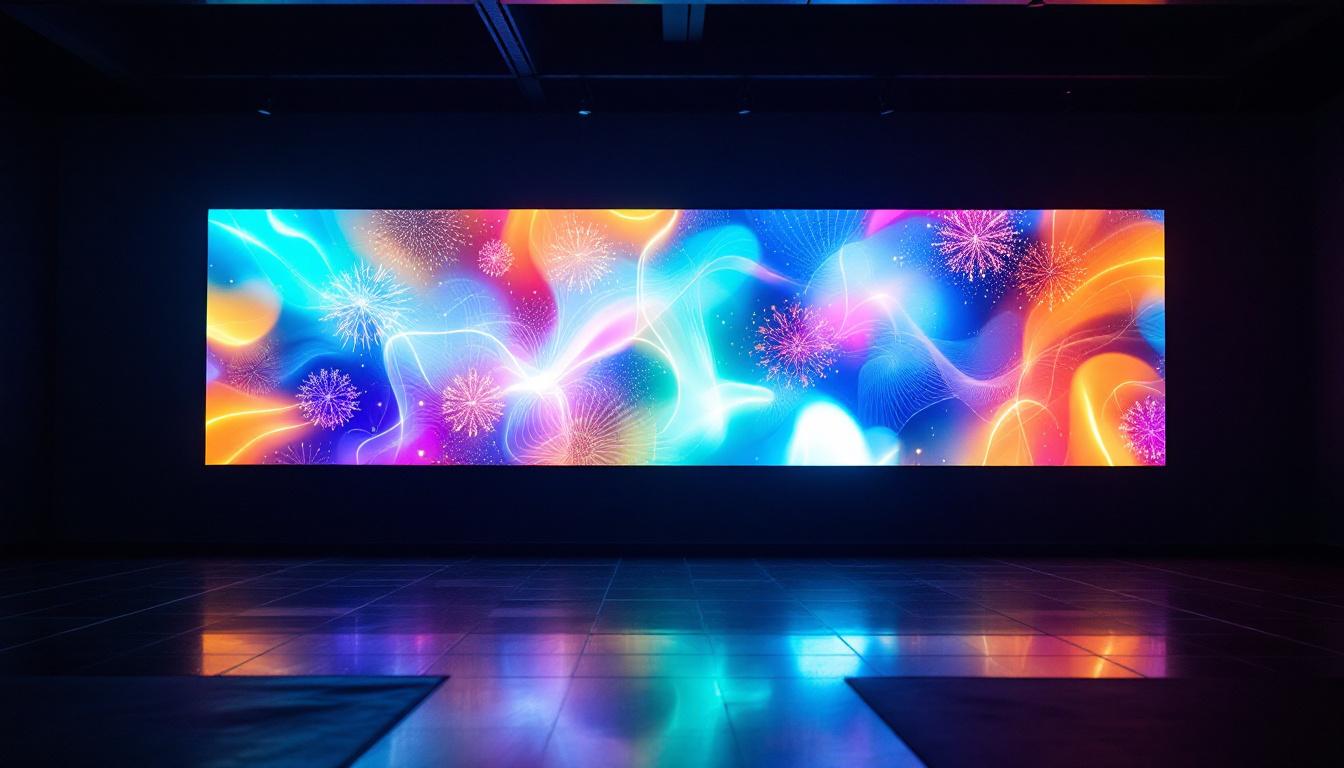
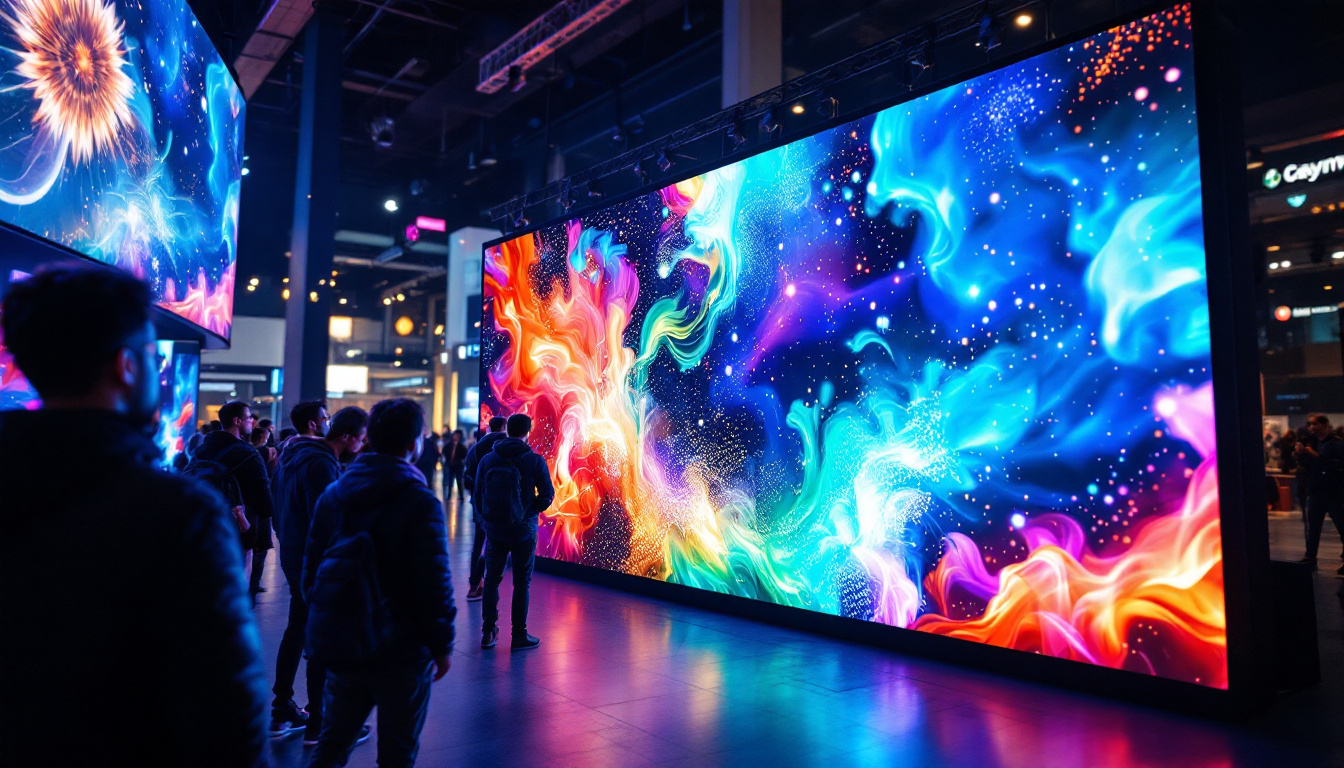
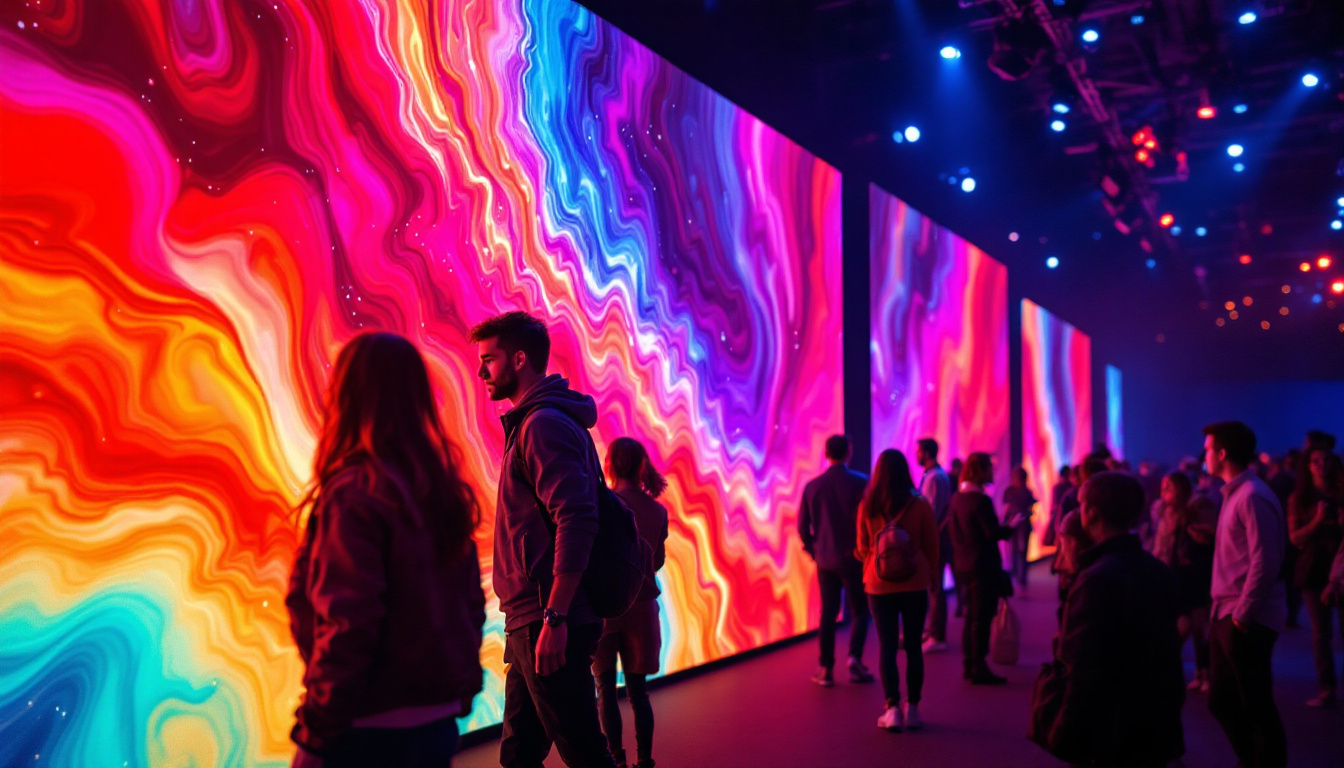
Concerts, festivals, and theatrical productions frequently use LED background walls to create immersive visual experiences. These displays can show dynamic graphics, live video feeds, and synchronized lighting effects that enhance performances and engage audiences.
For example, major music festivals often feature massive LED walls as backdrops, providing high-impact visuals that complement the stage design and lighting. The ability to quickly change content also allows event organizers to customize visuals for different acts or moments.
Corporate and Conference Settings
In corporate environments, LED background walls serve as powerful tools for presentations, branding, and communication. Their high resolution and brightness make them ideal for displaying detailed charts, videos, and live streams during conferences and product launches.
Companies can also use LED walls in lobbies or trade show booths to create eye-catching displays that attract visitors and convey brand messages effectively.
Retail and Advertising
Retail stores and shopping malls increasingly incorporate LED background walls for digital signage and advertising. These displays can showcase promotions, product information, and interactive content that drive customer engagement and sales.
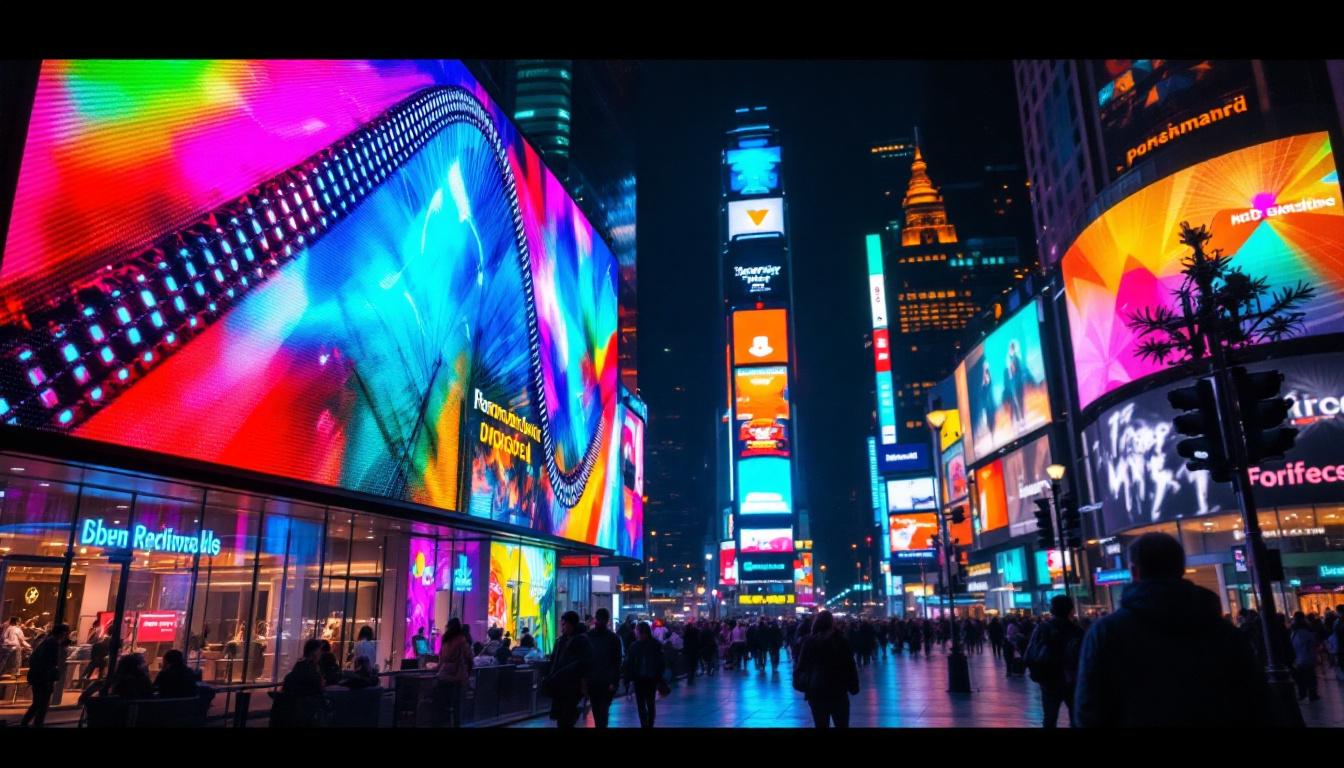
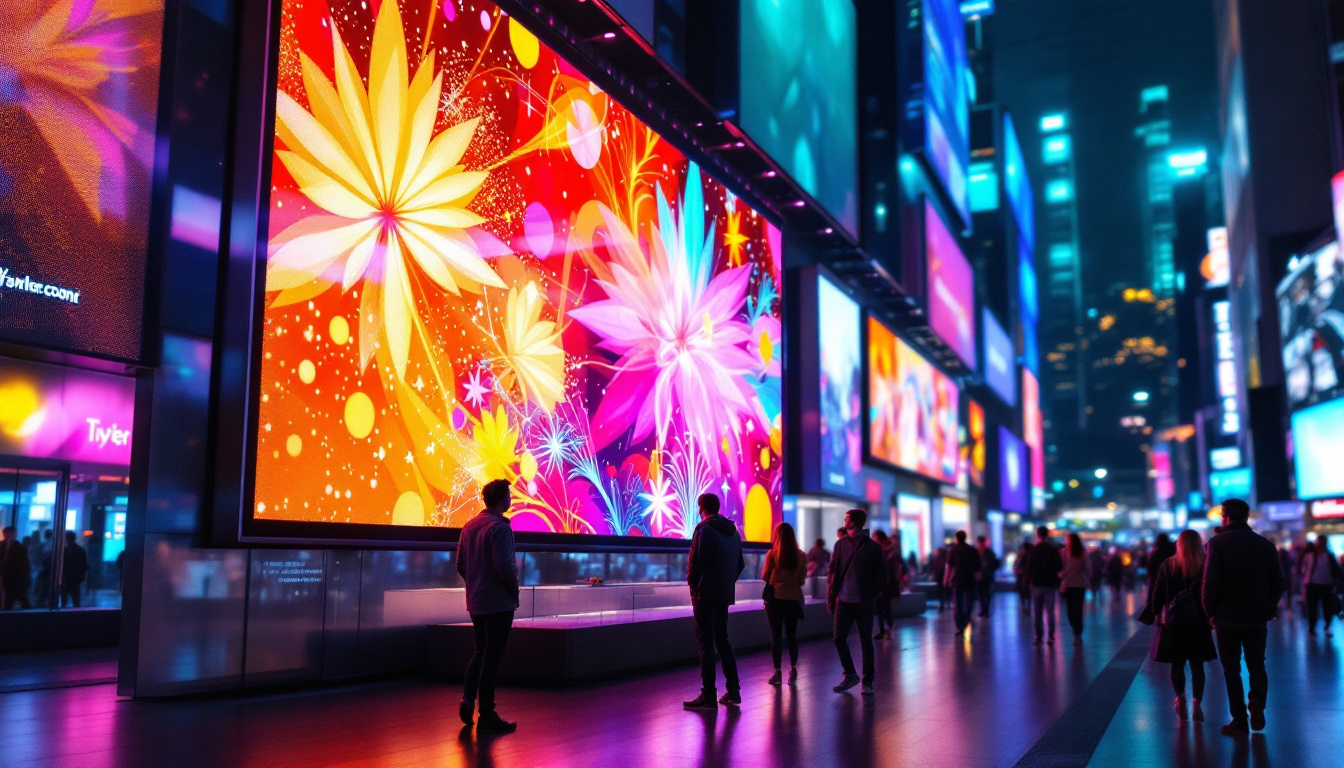
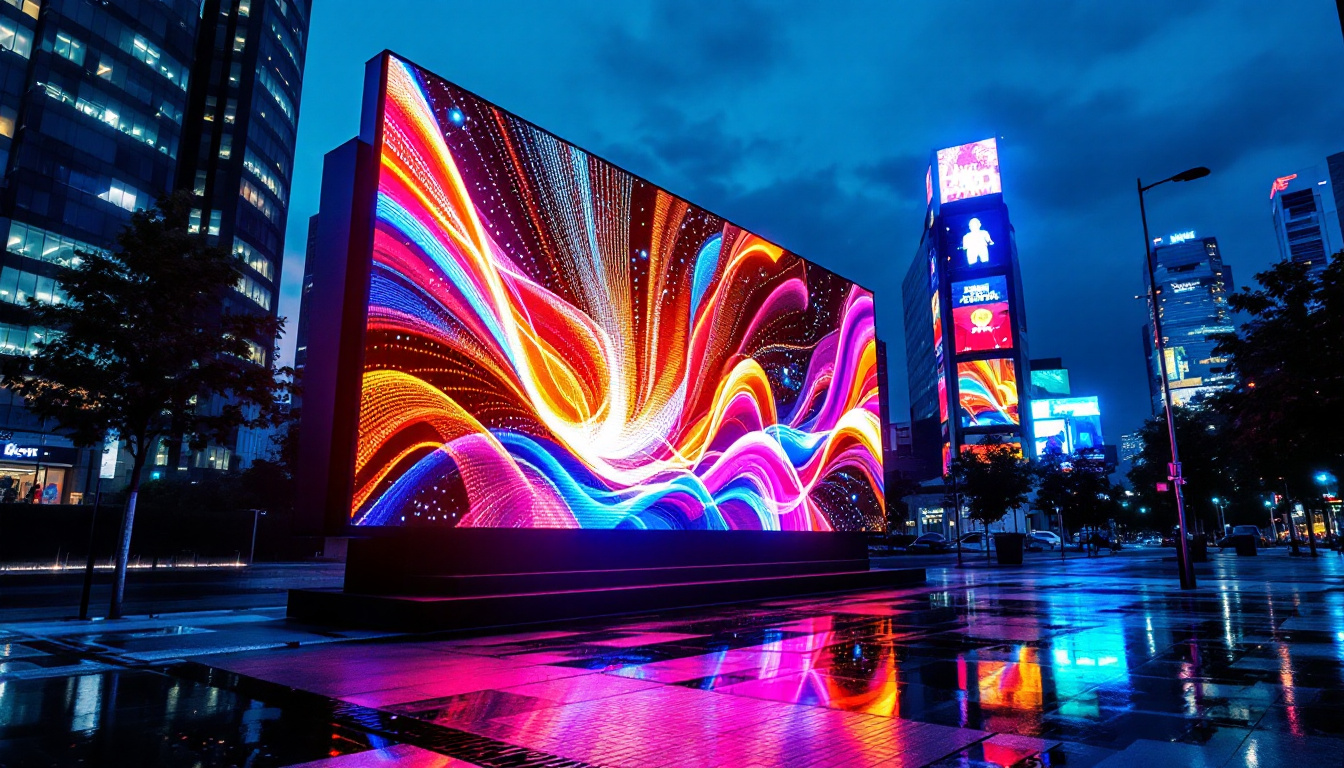
Outdoor LED billboards and background walls are also prevalent in urban environments, offering advertisers a dynamic platform to reach large audiences with vivid, attention-grabbing visuals.
Public Information and Transportation Hubs
Airports, train stations, and other transportation hubs use LED background walls to provide real-time information, wayfinding, and emergency alerts. The clarity and brightness of LED displays ensure that critical messages are visible to large crowds at all times.
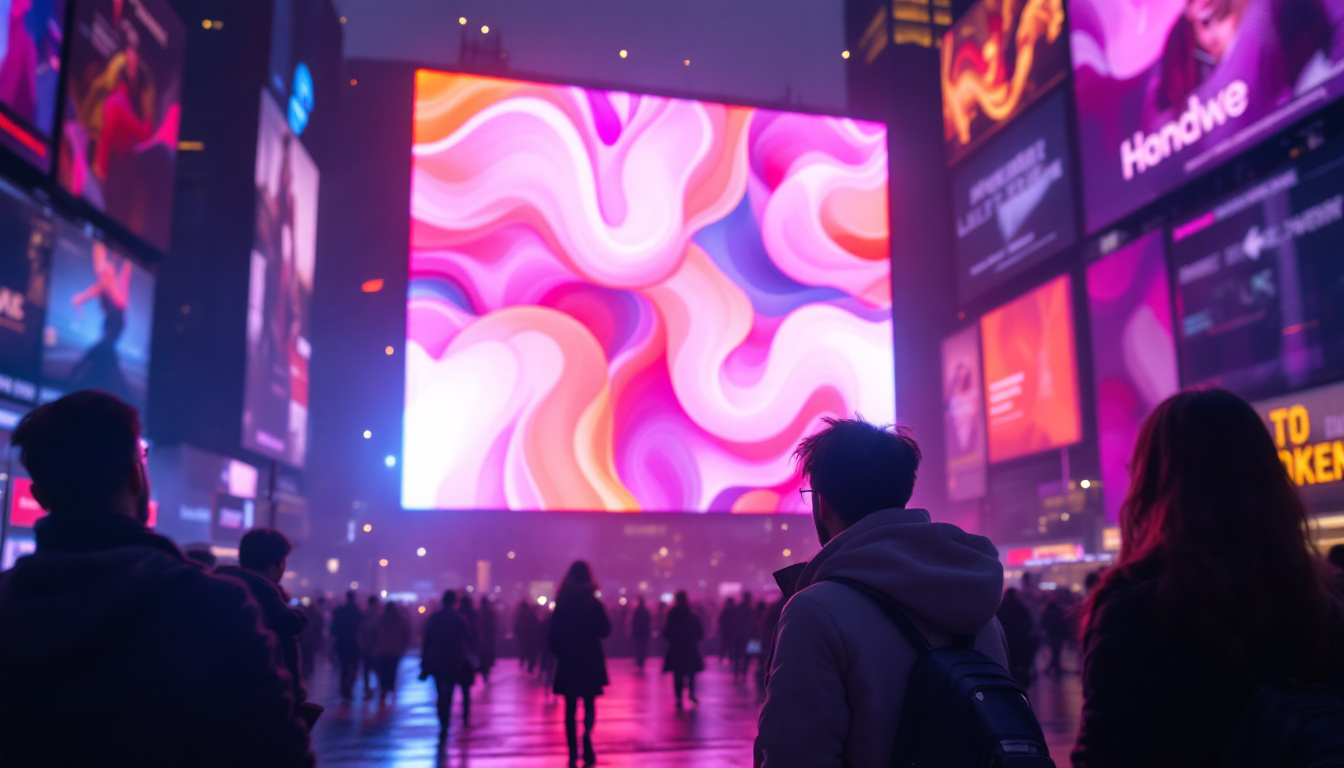
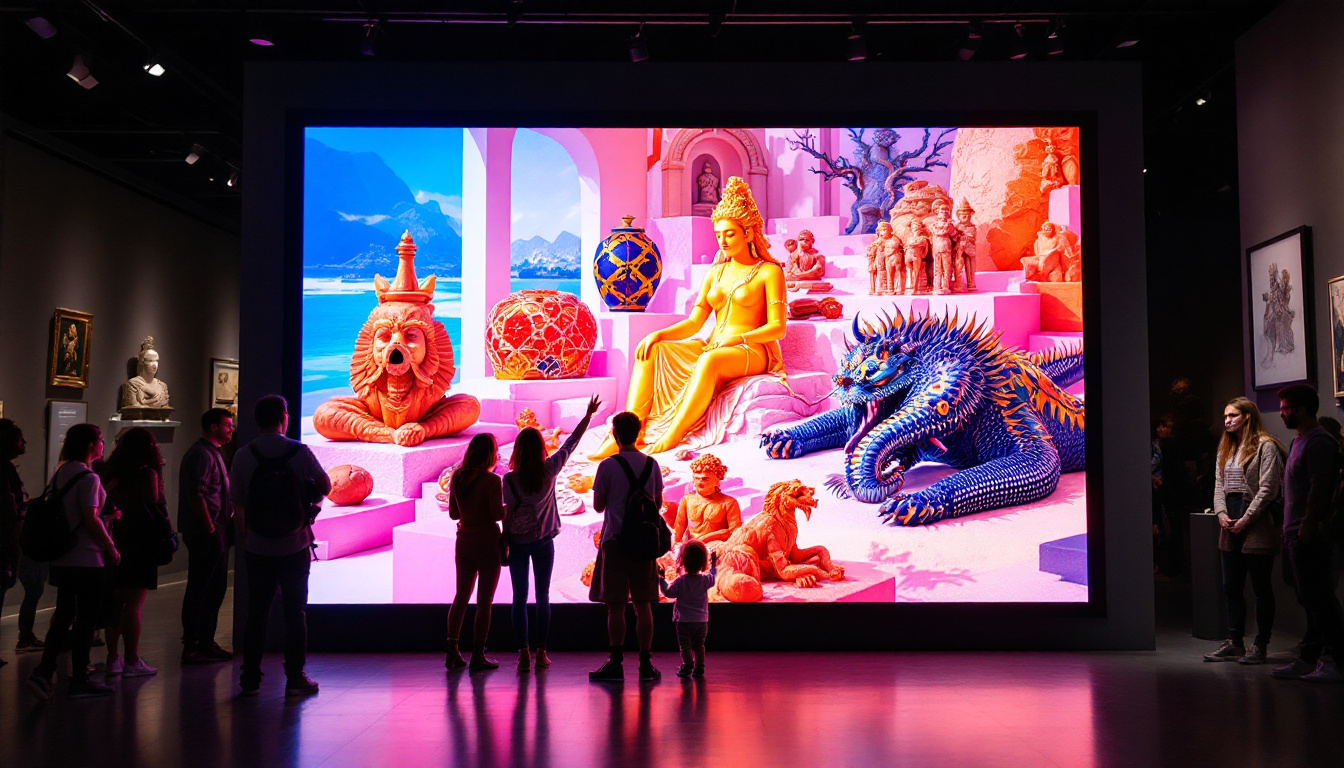
Similarly, municipalities deploy LED walls in public spaces for community announcements, event promotion, and digital art installations, enhancing urban environments.
Choosing the Right LED Background Wall
Assessing Viewing Distance and Resolution Needs
When selecting an LED background wall, understanding the typical viewing distance is crucial. A smaller pixel pitch (higher resolution) is necessary for close-up viewing to ensure crisp images, while larger pixel pitches suffice for distant viewing.
For instance, a pixel pitch of 1.5mm to 2.5mm is common for indoor applications where viewers are within a few meters, whereas outdoor displays might use 6mm to 10mm pixel pitches due to greater viewing distances.
Indoor vs. Outdoor Considerations
Environmental factors significantly influence LED display selection. Indoor LED walls prioritize high resolution, color accuracy, and lower brightness to prevent eye strain. Conversely, outdoor LED walls require weatherproofing, higher brightness to combat sunlight, and robust structural support.
Understanding the installation environment helps ensure the display performs optimally and lasts longer.
Content Management and Control Systems
Modern LED background walls integrate sophisticated control systems that allow seamless content management. Features such as real-time content updates, remote control, and synchronization with audio or lighting systems enhance the overall experience.
Choosing a system with user-friendly software and compatibility with various media formats simplifies operation and expands creative possibilities.
Future Trends in LED Background Walls
MicroLED and MiniLED Technologies
Emerging technologies like MicroLED and MiniLED promise to push the boundaries of LED display performance. MicroLEDs are smaller than traditional LEDs, enabling even higher resolution and improved color accuracy, while MiniLEDs enhance backlighting for LCD displays, improving contrast and brightness.
These advancements are expected to lead to thinner, more energy-efficient, and visually stunning background walls in the near future.
Flexible and Transparent LED Displays
Innovations in flexible and transparent LED panels are opening new creative avenues. Flexible LED walls can curve or wrap around surfaces, while transparent LED displays allow viewers to see through the screen, making them perfect for retail windows and architectural integration.
Such versatility expands the potential applications of LED background walls beyond traditional flat screens.
Integration with Augmented Reality (AR) and Interactive Technologies
Combining LED background walls with AR and interactive technologies is transforming user engagement. Interactive LED walls respond to gestures, touch, or mobile devices, creating immersive experiences in retail, education, and entertainment.
As these technologies mature, LED background walls will become central components of smart environments and experiential design.
Conclusion
LED background walls have become indispensable in delivering high-impact visual experiences across a wide range of industries. Their superior brightness, flexibility, durability, and energy efficiency make them the preferred choice for applications requiring dynamic, large-scale displays.
Understanding the underlying technology, advantages, and application-specific considerations is essential for selecting and deploying the right LED background wall. As innovations continue to emerge, LED displays will only grow more versatile and captivating, redefining the possibilities for digital visual communication.
Discover LumenMatrix’s Innovative LED Solutions
Ready to elevate your visual experience with the latest in LED technology? LumenMatrix is at the forefront of creating immersive and dynamic displays that truly transform spaces. Whether you’re looking to captivate your audience with an Indoor LED Wall Display, make a statement in the great outdoors with an Outdoor LED Wall Display, or innovate on the move with Vehicle LED Displays, LumenMatrix has a solution tailored to your needs. Our mission is to revolutionize your visual communication, ensuring your message resonates with brilliance and clarity. Check out LumenMatrix LED Display Solutions today and see how we can help you create unforgettable visual experiences.