In the rapidly evolving world of display technology, transparent screen monitors have emerged as a fascinating innovation, blending functionality with futuristic design. These displays, often utilizing LED technology, offer a unique way to present visuals without obstructing the view behind the screen. This article delves into the intricacies of transparent LED displays, exploring their technology, applications, benefits, and future prospects.
Understanding Transparent Screen Monitors
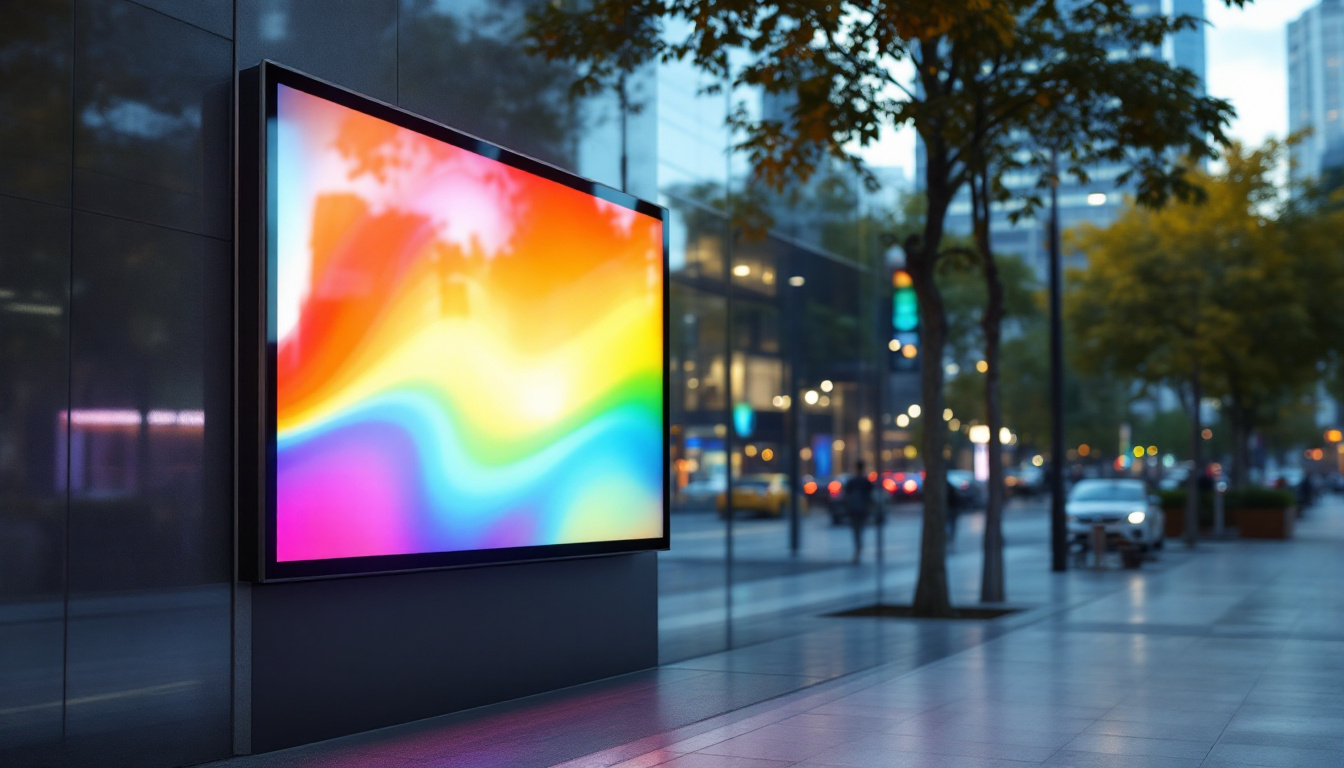
Transparent screen monitors are display devices that allow viewers to see images or videos while simultaneously being able to see through the screen itself. Unlike traditional monitors that block the background, these displays integrate transparency, creating an immersive and interactive visual experience.
The core technology enabling this effect is primarily based on transparent LED panels, OLEDs, or LCDs with special backlighting. Among these, transparent LED displays have gained significant traction due to their brightness, energy efficiency, and scalability. This innovative technology has found applications in various fields, from retail displays that showcase products while maintaining visibility to architectural installations that blend digital content with physical spaces.
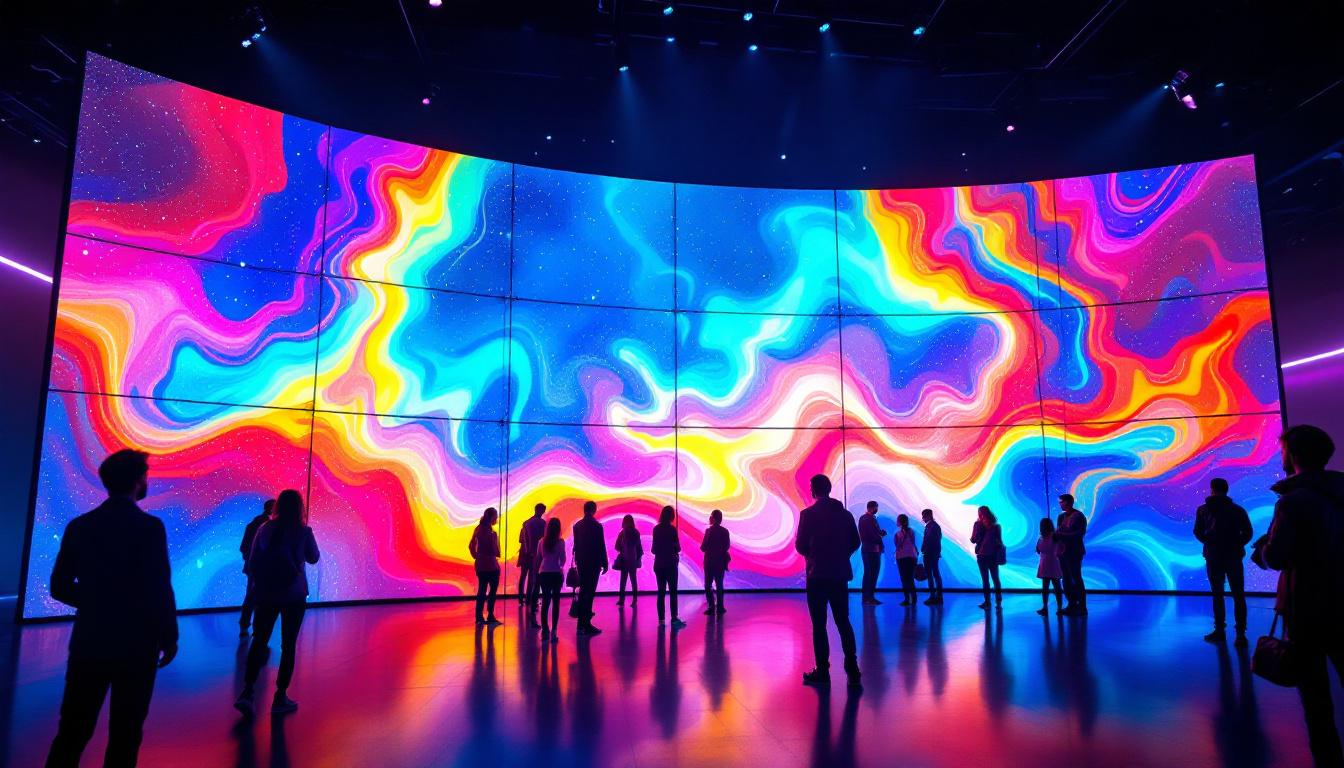
Furthermore, transparent screen monitors are revolutionizing the way information is presented in public spaces. For instance, museums and galleries are using these displays to overlay digital information on physical exhibits, enhancing the educational experience without obstructing the view of the artifacts. This capability not only captivates audiences but also encourages interaction, allowing viewers to engage with the content in a more meaningful way.
How Transparent LED Displays Work
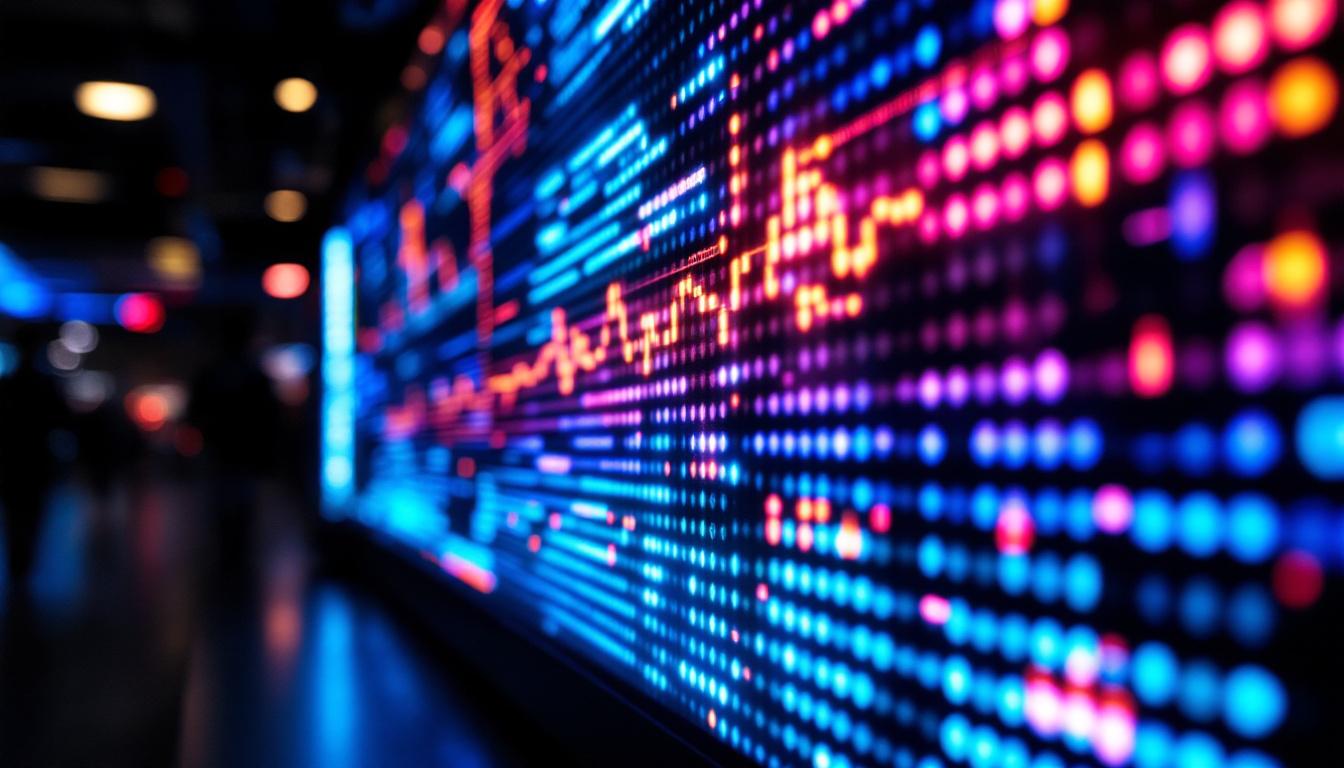
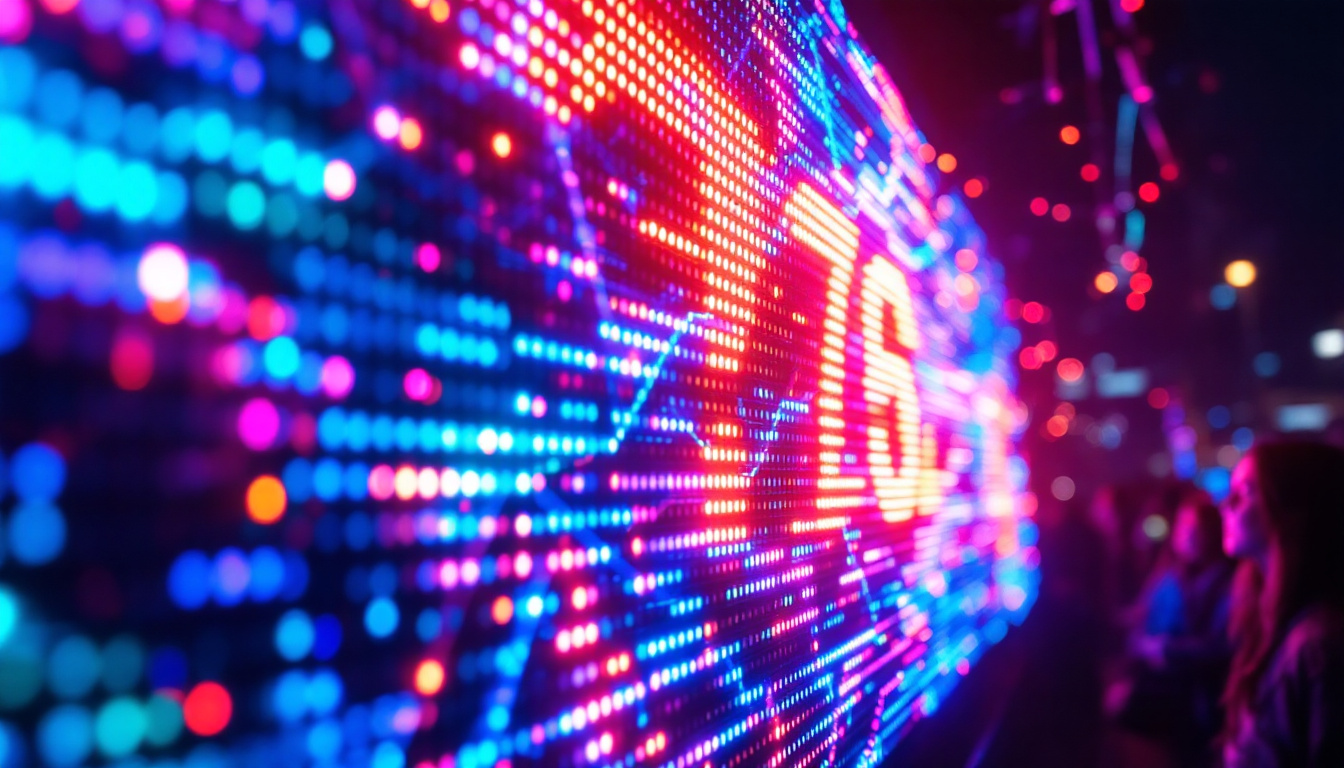
Transparent LED displays consist of a grid of tiny LED lights embedded on a transparent substrate, such as glass or acrylic. These LEDs are spaced apart to allow light and images to pass through the gaps, maintaining transparency. When powered, the LEDs emit light to form images, videos, or text, while the spaces between them remain see-through.
The pixel pitch—the distance between individual LEDs—plays a crucial role in balancing image clarity and transparency. A smaller pixel pitch results in higher resolution but less transparency, whereas a larger pitch increases transparency but reduces image sharpness. Manufacturers carefully optimize this balance based on the intended application. For instance, in retail environments, a slightly larger pixel pitch may be preferred to ensure that customers can view products clearly while still enjoying the dynamic digital content displayed on the screen.
Key Technical Specifications
Several technical factors define the performance of transparent LED displays:
- Transparency Rate: Typically ranges from 30% to 70%, indicating how much light passes through the screen.
- Brightness: Transparent LED displays often achieve brightness levels between 1,000 to 5,000 nits, ensuring visibility even in brightly lit environments.
- Viewing Angle: Wide viewing angles (up to 160 degrees) allow clear visibility from various positions.
- Resolution: Depending on pixel pitch, resolutions can vary widely, from basic signage quality to near-HD clarity.
- Power Consumption: Generally lower than traditional LED displays due to fewer LEDs per square meter and efficient design.
In addition to these specifications, the durability and weather resistance of transparent LED displays are crucial for outdoor applications. Many manufacturers are now designing these screens to withstand harsh environmental conditions, making them suitable for use in storefronts, transportation hubs, and even outdoor events. This adaptability not only enhances their functionality but also expands their potential market reach, allowing businesses to leverage cutting-edge technology in diverse settings.
Applications of Transparent LED Displays
The unique blend of transparency and display capability has opened up numerous innovative applications across industries. These displays are transforming how information is presented in retail, advertising, architecture, automotive, and more.
Retail and Advertising
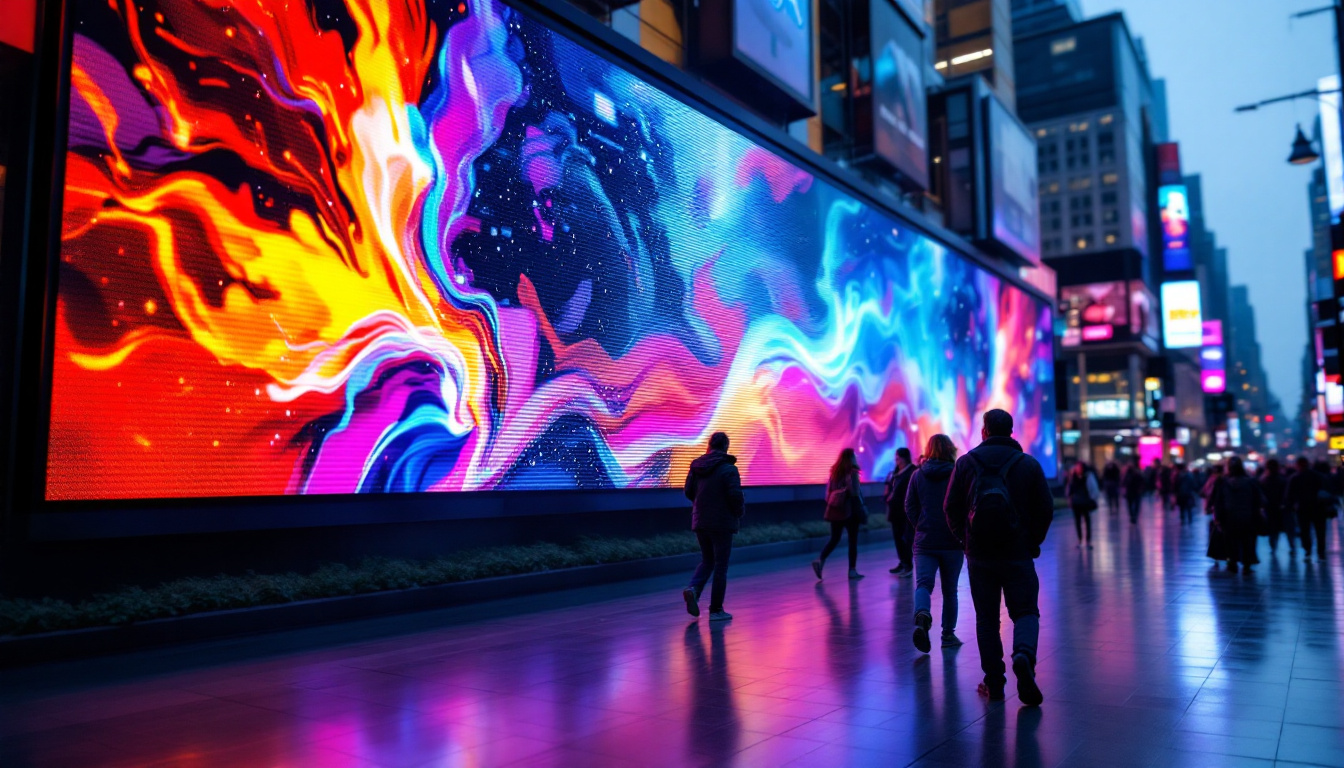
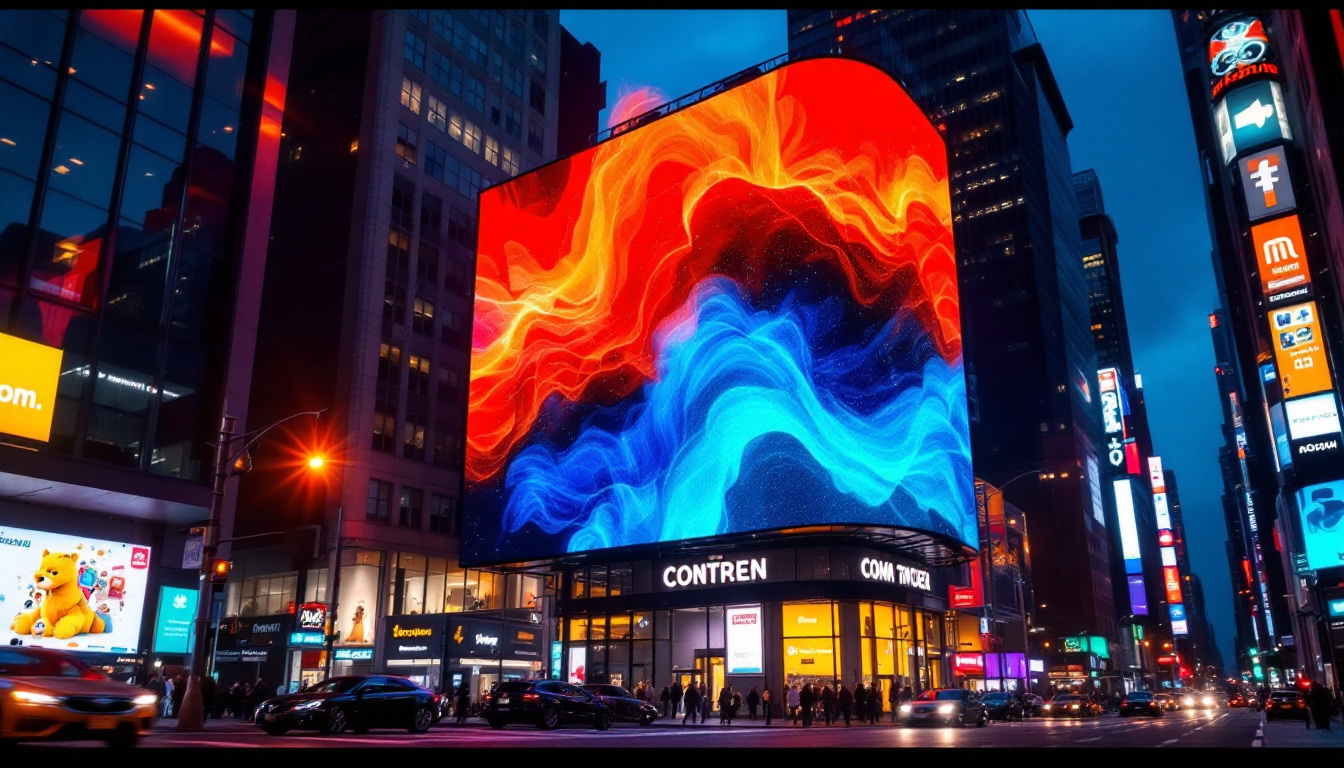
One of the most prominent uses of transparent LED displays is in retail storefronts and advertising. Shop windows equipped with transparent screens can showcase dynamic advertisements and product information while allowing customers to see inside the store. This dual functionality enhances customer engagement and boosts sales.
Major brands have adopted this technology for flagship stores in high-traffic locations, leveraging the eye-catching nature of transparent displays to stand out in competitive markets. For example, luxury fashion retailers use transparent LED screens to create visually stunning window displays that combine product showcases with digital storytelling. These displays can also be programmed to change content based on the time of day or seasonal promotions, ensuring that the messaging remains fresh and relevant to passersby.
Architectural Integration
In modern architecture, transparent LED displays are integrated into building facades, glass walls, and partitions. This integration allows buildings to become interactive canvases, displaying information, branding, or artistic visuals without compromising natural light or views.
Architects and designers appreciate the ability to maintain open, airy spaces while adding a digital layer of communication. Transparent displays can also serve functional purposes, such as displaying safety information or environmental data in real time. Furthermore, these displays can be programmed to change based on environmental conditions, such as showing weather updates or energy consumption statistics, thus promoting sustainability and awareness among occupants and visitors alike.
Automotive and Transportation
Transparent LED technology is making inroads into automotive design, particularly in heads-up displays (HUDs) and smart windows. HUDs project critical driving information onto the windshield, allowing drivers to stay informed without diverting attention from the road.
Smart windows embedded with transparent displays can provide passengers with entertainment, navigation data, or even augmented reality experiences. Public transportation systems also utilize transparent screens for real-time updates and advertising inside buses and trains. This technology not only enhances the travel experience by providing passengers with relevant information but also serves as a platform for advertising, creating additional revenue streams for transit authorities. As the automotive industry continues to evolve, the integration of transparent displays is likely to play a pivotal role in the development of smarter, more connected vehicles.
Corporate and Educational Environments
Transparent LED monitors are increasingly used in corporate offices and educational institutions. In conference rooms, transparent displays can function as interactive whiteboards or presentation screens that do not obstruct sightlines, fostering collaboration.
Educational settings benefit from the engaging visual capabilities of transparent displays, enabling teachers to overlay digital content on physical objects or environments, enhancing learning experiences. This technology can be particularly beneficial in science labs or art studios, where students can visualize complex concepts or see real-time data overlaid on their experiments. Additionally, the ability to connect multiple transparent displays can create immersive learning environments, allowing for group projects and presentations that captivate and inspire students.
Advantages of Transparent LED Displays
The rise of transparent LED technology is driven by several compelling advantages that address both aesthetic and functional needs.
Enhanced Visual Appeal and Engagement
Transparent displays offer a futuristic and sleek appearance that captivates audiences. Their ability to blend digital content with real-world environments creates immersive experiences that traditional screens cannot match. This visual appeal is particularly valuable in marketing and branding efforts.
Space Efficiency and Versatility
Because transparent screens do not require a solid backing, they can be installed in locations where traditional monitors are impractical. This includes glass walls, windows, and partitions, maximizing the use of available space without sacrificing openness or light.
Energy Efficiency
Transparent LED displays often consume less power compared to conventional LED screens due to the reduced number of LEDs and optimized brightness control. This efficiency is beneficial for large-scale installations and contributes to sustainable building practices.
Customization and Scalability
Manufacturers offer transparent LED panels in various sizes and configurations, allowing for custom installations tailored to specific needs. Panels can be tiled to create large displays or used individually for smaller applications, providing flexibility across different projects.
Challenges and Considerations
Despite their advantages, transparent LED displays come with certain limitations and considerations that potential users should be aware of.
Cost and Investment
Transparent LED technology is generally more expensive than traditional displays due to the complexity of manufacturing and specialized materials. Initial investment costs can be significant, especially for large-scale or high-resolution installations.
However, the long-term benefits in terms of engagement and energy savings often justify the expenditure for businesses seeking innovative display solutions.
Image Quality and Brightness Balance
Achieving high image quality while maintaining transparency is a technical balancing act. Increasing transparency reduces the density of LEDs, potentially lowering image resolution and brightness. Conversely, enhancing image clarity can diminish transparency.
Advances in LED technology continue to improve this balance, but users should carefully evaluate display specifications to ensure they meet their visual requirements.
Environmental Factors
Transparent LED displays installed in outdoor or high-ambient-light environments must be robust and weather-resistant. While many models are designed for such conditions, factors like glare, reflections, and temperature fluctuations can affect performance.
Proper installation and maintenance are essential to maximize lifespan and functionality.
The Future of Transparent LED Displays
As display technology progresses, transparent LED monitors are poised to become more prevalent and sophisticated. Innovations in materials science, LED miniaturization, and software integration will drive improvements in transparency, resolution, and interactivity.
Integration with Augmented Reality (AR)
Transparent displays are natural candidates for AR applications, overlaying digital information onto the physical world seamlessly. Future developments may see transparent LED screens combined with sensors and cameras to create interactive environments for retail, education, and entertainment.
Smart Cities and Public Spaces
Transparent LED technology is expected to play a significant role in smart city initiatives, providing dynamic information displays on public transportation shelters, building windows, and urban landmarks. These installations will enhance communication, safety, and urban aesthetics.
Advancements in Energy Efficiency and Sustainability
Ongoing research aims to reduce the environmental impact of display technologies. Transparent LED displays will benefit from more sustainable materials, lower power consumption, and recyclable components, aligning with global sustainability goals.
Conclusion
Transparent screen monitors utilizing LED technology represent a remarkable fusion of innovation, design, and practicality. Their ability to deliver vivid digital content without obstructing the environment opens up exciting possibilities across multiple sectors. While challenges remain in cost and technical optimization, the ongoing advancements suggest a bright future for transparent LED displays.
For businesses, architects, and technologists looking to push the boundaries of visual communication, transparent LED screens offer a compelling solution that combines aesthetic appeal with functional versatility.
Discover the Future of Visual Display with LumenMatrix
Ready to elevate your visual communication with the latest in transparent LED technology? LumenMatrix is at the forefront of LED display innovation, offering a wide range of solutions that bring your brand to life. From captivating Indoor and Outdoor LED Wall Displays to dynamic Vehicle and Sports LED Displays, our products are designed to make a lasting impression. Experience the unparalleled clarity and engagement of our Transparent LED Displays and discover how LumenMatrix can transform your space. Check out LumenMatrix LED Display Solutions today and join the revolution in digital signage.