Flexible LCD Screen: LED Display Explained
In recent years, display technology has undergone remarkable advancements, transforming the way we interact with digital content. Among the most exciting developments is the emergence of flexible LCD screens combined with LED display technology. These innovations are not only redefining design possibilities but also enhancing user experience across various industries—from consumer electronics to automotive and healthcare.
This article explores the fundamentals of flexible LCD screens and LED displays, their working principles, applications, and the future potential of this dynamic technology.
Understanding Flexible LCD Screens
What Is a Flexible LCD Screen?
Flexible LCD (Liquid Crystal Display) screens are a type of display panel that can bend, curve, or fold without compromising image quality or functionality. Unlike traditional rigid LCDs, which are fixed on glass substrates, flexible LCDs use plastic or ultra-thin glass substrates that allow them to be shaped into various forms.
This flexibility opens up new design opportunities, enabling devices with curved surfaces, foldable smartphones, wearable gadgets, and even rollable televisions. The ability to bend without breaking is a significant leap forward in display technology, offering both durability and versatility. As manufacturers continue to explore this technology, we may see even more innovative applications, such as smart clothing that integrates displays directly into the fabric, or furniture that incorporates screens for a seamless aesthetic.
How Do Flexible LCD Screens Work?
Flexible LCDs operate on the same basic principles as standard LCDs. They use liquid crystals sandwiched between two layers of electrodes, which manipulate light to produce images. The key difference lies in the materials used for the substrate and the backplane.
Traditional LCDs rely on glass substrates, which are rigid and fragile. Flexible LCDs replace these with plastic substrates such as polyimide, which can endure bending and twisting. Additionally, flexible thin-film transistors (TFTs) are integrated to control the pixels on the screen, ensuring high-resolution images even when the display is curved. This technology not only enhances the visual experience but also allows for the integration of touch-sensitive capabilities, making interactions more intuitive and engaging.
Advantages of Flexible LCD Technology
Flexible LCDs offer several advantages over traditional displays:
- Durability: Plastic substrates are less prone to shattering compared to glass, making flexible LCDs more resistant to impacts.
- Design Innovation: Enables new form factors like foldable phones, curved monitors, and wearable devices that conform to body contours.
- Lightweight and Thin: Flexible displays are often lighter and thinner, contributing to more portable and ergonomic devices.
- Energy Efficiency: Advances in backlighting and liquid crystal technology have improved power consumption, crucial for battery-powered devices.
Moreover, the adaptability of flexible LCD technology extends beyond consumer electronics. In automotive applications, for instance, flexible displays can be integrated into dashboards and infotainment systems, providing a sleek and modern interface that can be tailored to the driver’s preferences. This adaptability not only enhances user experience but also opens up possibilities for interactive displays in public spaces, such as smart signage that can change shape or size based on the context or content being displayed.
As the technology matures, we can expect to see improvements in manufacturing processes that will reduce costs and increase accessibility. This could lead to a broader adoption of flexible LCDs across various industries, from healthcare devices that monitor patient vitals to educational tools that promote interactive learning experiences. The potential applications are vast and could fundamentally change how we interact with digital content in our daily lives.
LED Displays: The Bright Backbone of Modern Screens
What Is an LED Display?
LED (Light Emitting Diode) displays are screens that use LEDs as the primary light source for illumination. Unlike LCDs, which rely on backlighting, LED displays can be self-emissive or use LEDs to enhance brightness and contrast.
There are two common types of LED displays:
- LED-backlit LCDs: These are LCD panels illuminated by an array of LEDs placed behind or along the edges of the screen. This approach improves brightness, color accuracy, and energy efficiency compared to older CCFL (Cold Cathode Fluorescent Lamp) backlighting.
- Direct-View LED Displays: These consist of individual LEDs arranged to form pixels, capable of emitting their own light. They are often used in large-scale displays like billboards, stadium screens, and increasingly in televisions with OLED or micro-LED technology.
How Do LED Displays Enhance Flexible LCD Screens?
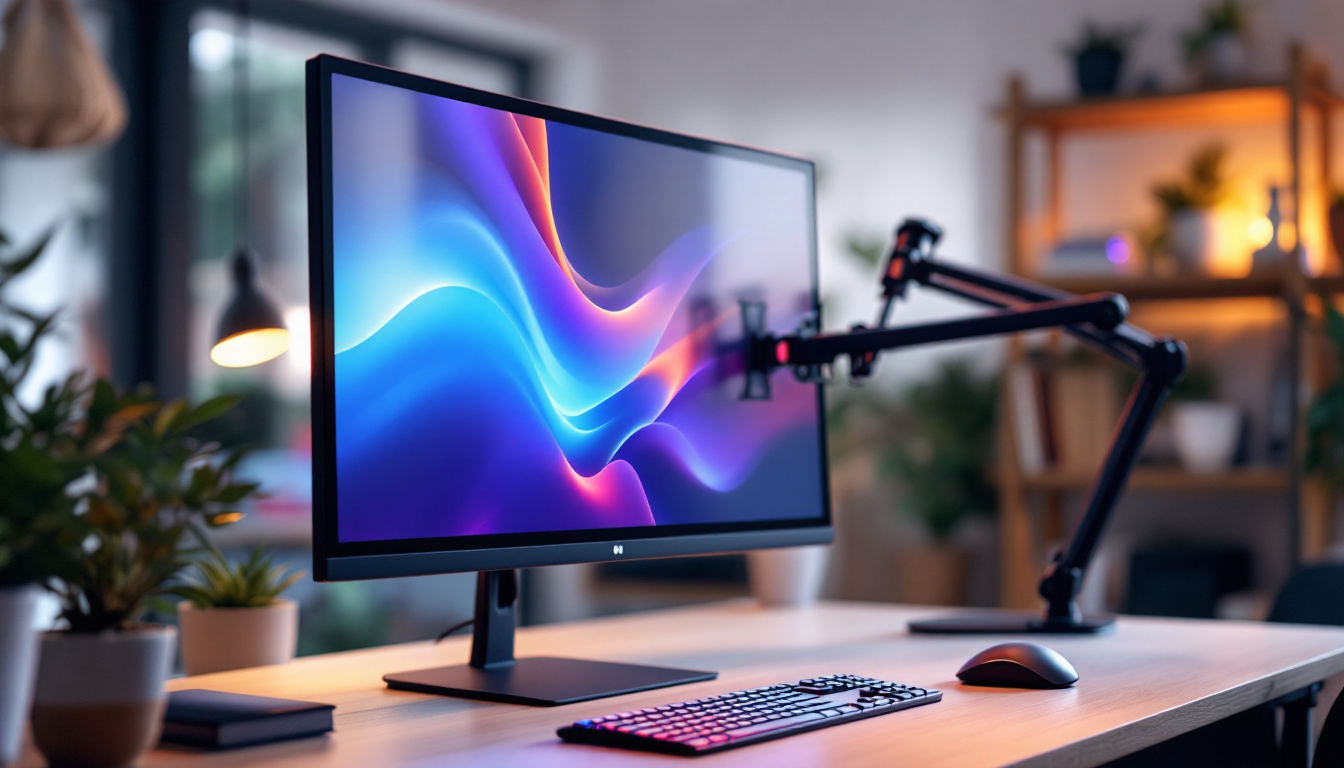
Flexible LCD screens often incorporate LED backlighting to achieve vivid colors and high brightness levels. The integration of LED technology into flexible displays enhances their performance in several ways:
- Improved Brightness and Contrast: LEDs provide brighter and more uniform backlighting, which is essential for visibility in various lighting conditions.
- Energy Efficiency: LEDs consume less power than traditional backlighting methods, extending battery life in portable devices.
- Thin Form Factor: LED backlighting enables thinner display assemblies, complementing the flexible nature of the screen.
Types of LEDs Used in Flexible Displays
Several LED technologies are relevant in the context of flexible displays:
- Mini-LED: Uses thousands of tiny LEDs to provide precise local dimming, improving contrast and HDR performance. Mini-LEDs can be integrated into flexible backlighting systems.
- Micro-LED: An emerging technology where microscopic LEDs serve as individual pixels, enabling self-emissive flexible displays with exceptional brightness and color accuracy.
- OLED: Though not LED in the traditional sense, OLED (Organic LED) displays are flexible by nature and emit light without backlighting, offering another route to flexible, high-quality displays.
The evolution of LED technology has not only transformed the way we view content but has also opened new avenues for design and functionality in consumer electronics. As manufacturers continue to innovate, we are witnessing the rise of ultra-thin, foldable devices that seamlessly integrate LED displays. These advancements allow for larger screen real estate without compromising portability, catering to the growing demand for versatile gadgets that fit into our fast-paced lifestyles.
Moreover, the environmental impact of LED displays is becoming increasingly significant. With their energy-efficient design, LED technology contributes to reducing carbon footprints in various applications, from home entertainment systems to large-scale advertising. As sustainability becomes a priority in technology development, the shift towards LED displays is a positive step towards greener electronics, promising both performance and environmental responsibility in the years to come.
Applications of Flexible LCD and LED Display Technology
Consumer Electronics
One of the most visible applications of flexible LCD and LED displays is in consumer electronics. Foldable smartphones, such as those launched by major brands, utilize flexible OLED or LCD panels with LED backlighting to offer larger screens that fit into compact devices.
Wearables like smartwatches and fitness trackers benefit from flexible displays that conform to the wrist, providing comfort and durability. Additionally, rollable TVs and monitors are emerging as luxury products that leverage flexible display technology to save space and enhance aesthetics.
Automotive Industry
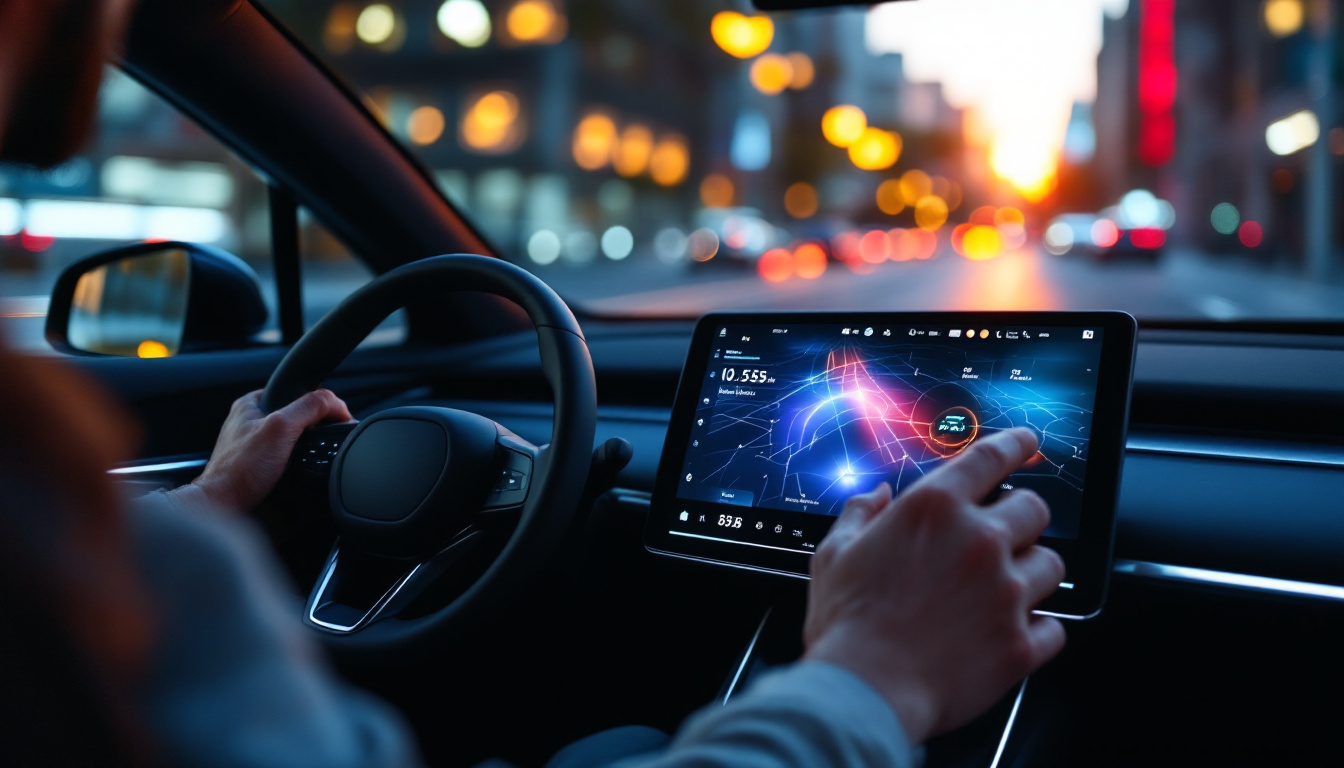
Flexible displays are transforming automotive interiors by enabling curved dashboards, customizable instrument clusters, and heads-up displays that blend seamlessly with the vehicle’s design. The use of LED backlighting ensures visibility under various lighting conditions, improving safety and user experience.
Manufacturers are also exploring flexible displays for exterior applications such as dynamic lighting and signage, which can adapt to different driving modes or communicate with pedestrians.
Healthcare and Wearable Devices
In healthcare, flexible displays are integrated into wearable medical devices that monitor vital signs continuously without restricting movement. Flexible LCDs with LED backlighting provide clear, real-time data visualization on curved surfaces, enhancing patient comfort and compliance.
Flexible displays are also used in prosthetics and rehabilitation equipment, offering interactive interfaces that adapt to the user’s body.
Advertising and Public Displays
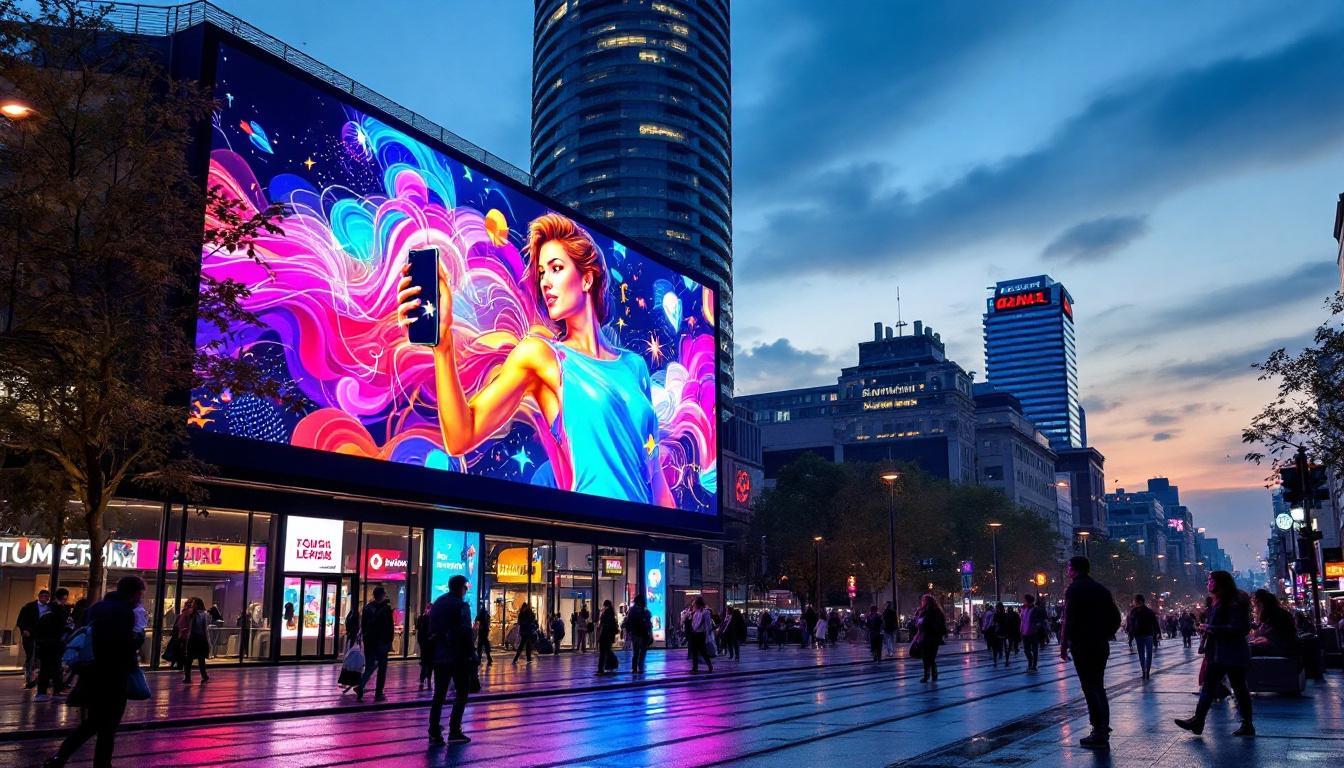
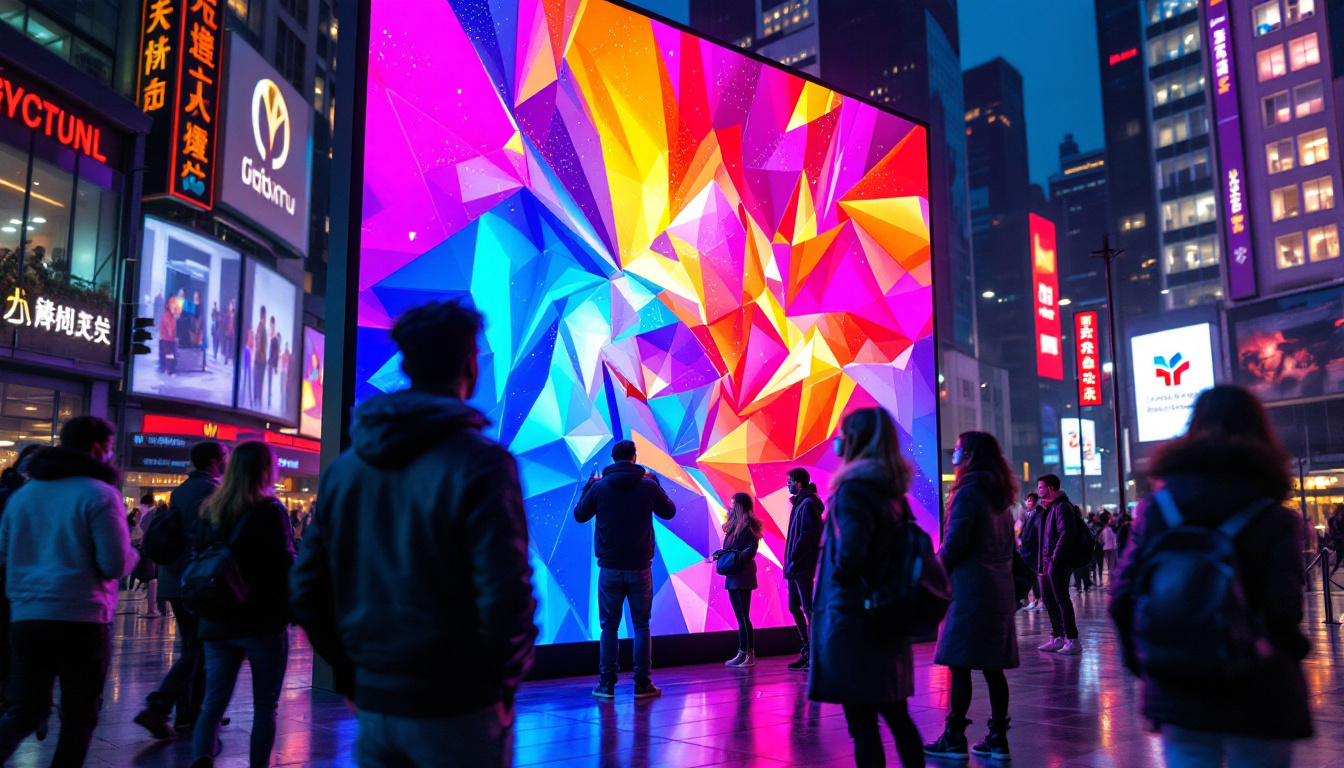
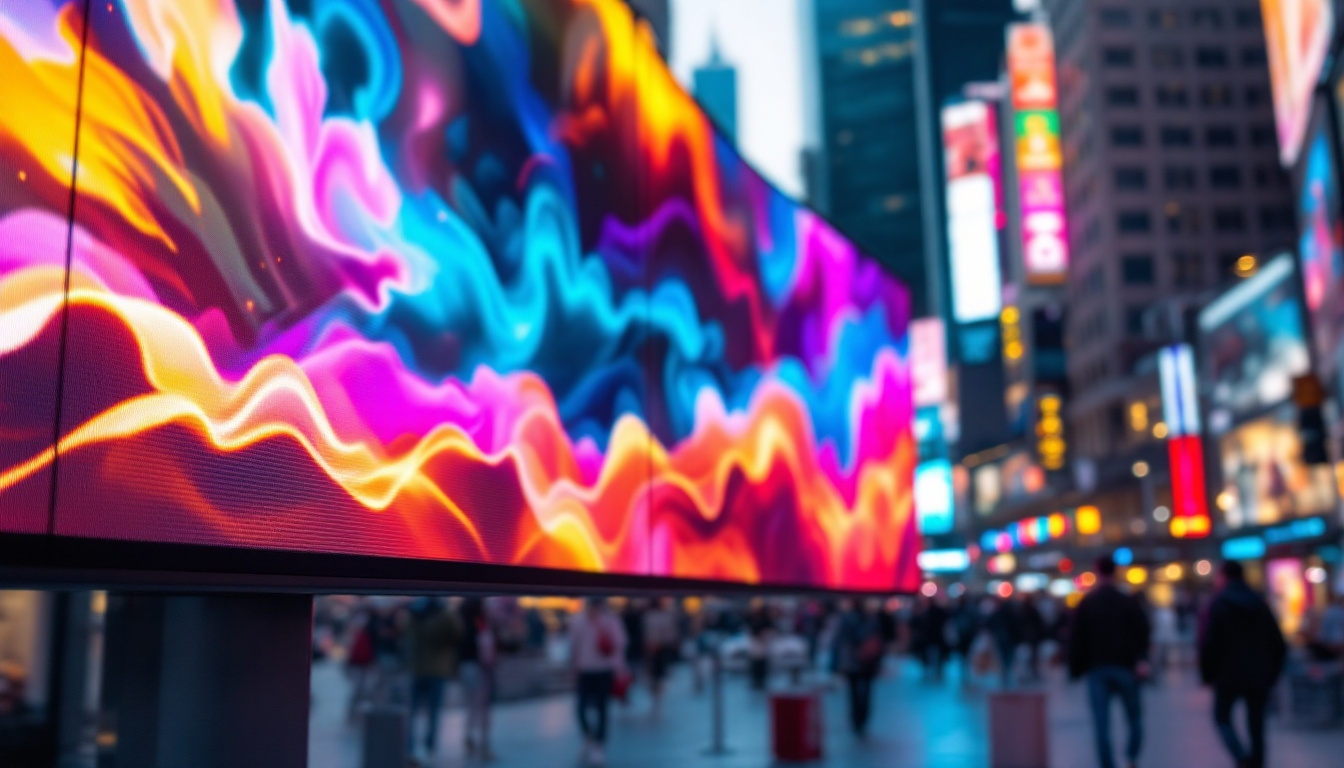
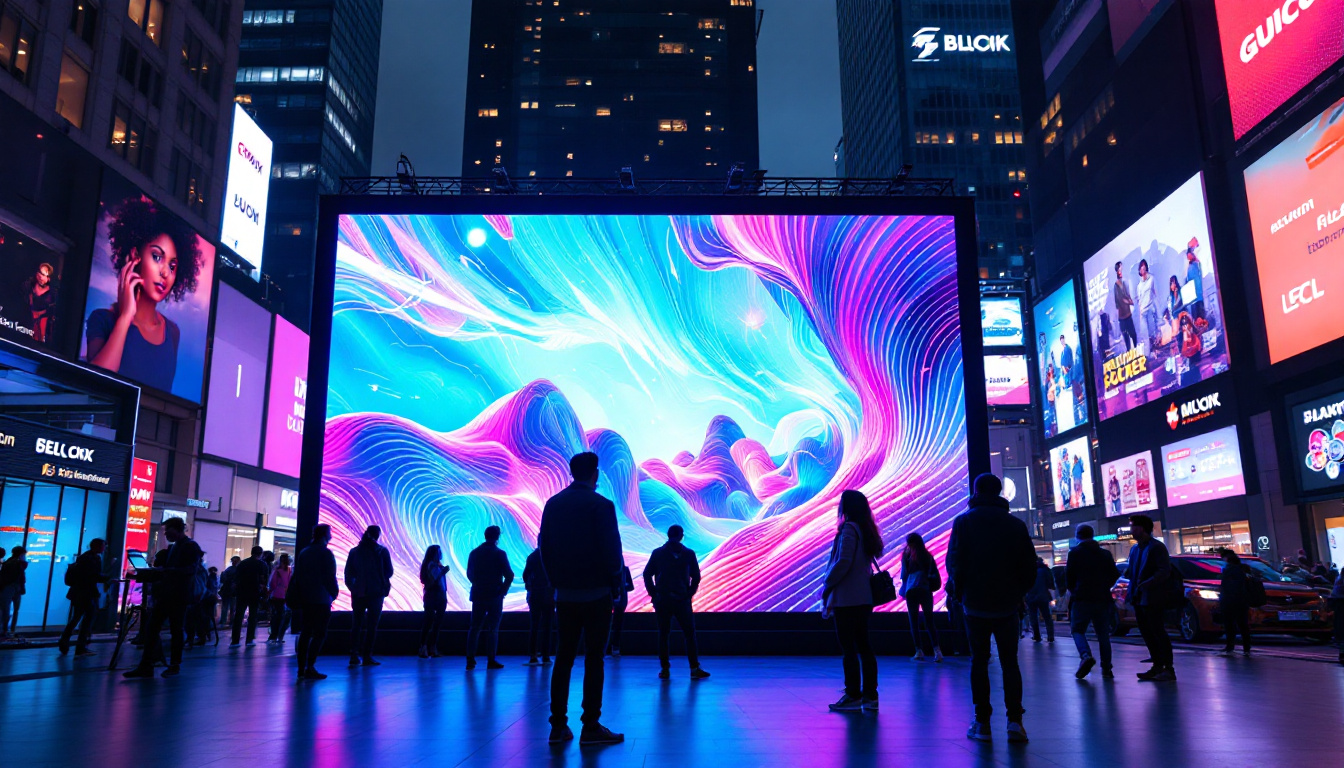
Flexible LED displays allow for innovative advertising solutions, such as curved or wrap-around digital billboards that capture attention in crowded urban environments. Their lightweight and flexible nature make installation easier on irregular surfaces, expanding creative possibilities for marketers.
Challenges and Future Trends in Flexible LCD and LED Displays
Technical Challenges
Despite the exciting potential, flexible LCD and LED display technology faces several challenges:
- Durability Under Repeated Bending: Although flexible, the materials must withstand thousands of bending cycles without degradation.
- Manufacturing Complexity: Producing flexible displays at scale requires advanced fabrication techniques, increasing costs.
- Color Accuracy and Brightness: Maintaining consistent color and brightness across a flexible surface can be difficult, especially in larger displays.
- Integration with Other Components: Flexible displays must be combined with flexible batteries, circuits, and protective layers to create fully flexible devices.
Emerging Innovations
Research and development continue to push the boundaries of flexible display technology. Some promising trends include:
- Micro-LED and Quantum Dot Integration: These technologies promise higher brightness, better color gamut, and improved energy efficiency for flexible displays.
- Stretchable Displays: Beyond bending, stretchable displays can deform in multiple directions, opening new possibilities for wearable tech and robotics.
- Advanced Materials: Innovations in substrates, encapsulation, and conductive inks are improving flexibility and durability.
- Hybrid Display Systems: Combining flexible LCDs with OLED or micro-LED layers to optimize performance and cost.
Market Outlook
The global flexible display market is projected to grow significantly over the next decade. According to recent industry reports, the market is expected to reach over $40 billion by 2030, driven by demand in smartphones, wearables, automotive, and consumer electronics.
Manufacturers are investing heavily in flexible display R&D, and as production costs decrease, flexible LCD and LED displays will become more accessible to a broader range of applications.
Conclusion
Flexible LCD screens combined with LED display technology represent a transformative shift in how displays are designed and used. Their ability to bend and conform without sacrificing image quality unlocks new possibilities across industries, from foldable smartphones to automotive dashboards and wearable medical devices.
While challenges remain in manufacturing and durability, ongoing innovations in materials and LED technologies continue to enhance the performance and affordability of flexible displays. As the market expands, consumers and businesses alike will benefit from more versatile, durable, and visually stunning display solutions.
Understanding the principles and potential of flexible LCD and LED displays is essential for anyone interested in the future of digital technology and design.
Discover the Future of Display Technology with LumenMatrix
Ready to experience the next generation of display innovation? LumenMatrix is at the forefront of LED display technology, offering a wide array of solutions that bring your visual communications to life. From captivating Indoor LED Walls to dynamic Outdoor LED Displays, and from versatile Vehicle LED Displays to sleek LED Poster Displays, our products are designed to elevate your brand’s presence and engage your audience. Explore our LED Sports Displays, interactive Floor LED Displays, and the revolutionary All-in-One LED Display. Embrace transparency with our LED Transparent Display and let us help you create a Custom LED Display that perfectly fits your unique needs. Don’t miss the opportunity to transform your visual storytelling. Check out LumenMatrix LED Display Solutions today and join the visual revolution.