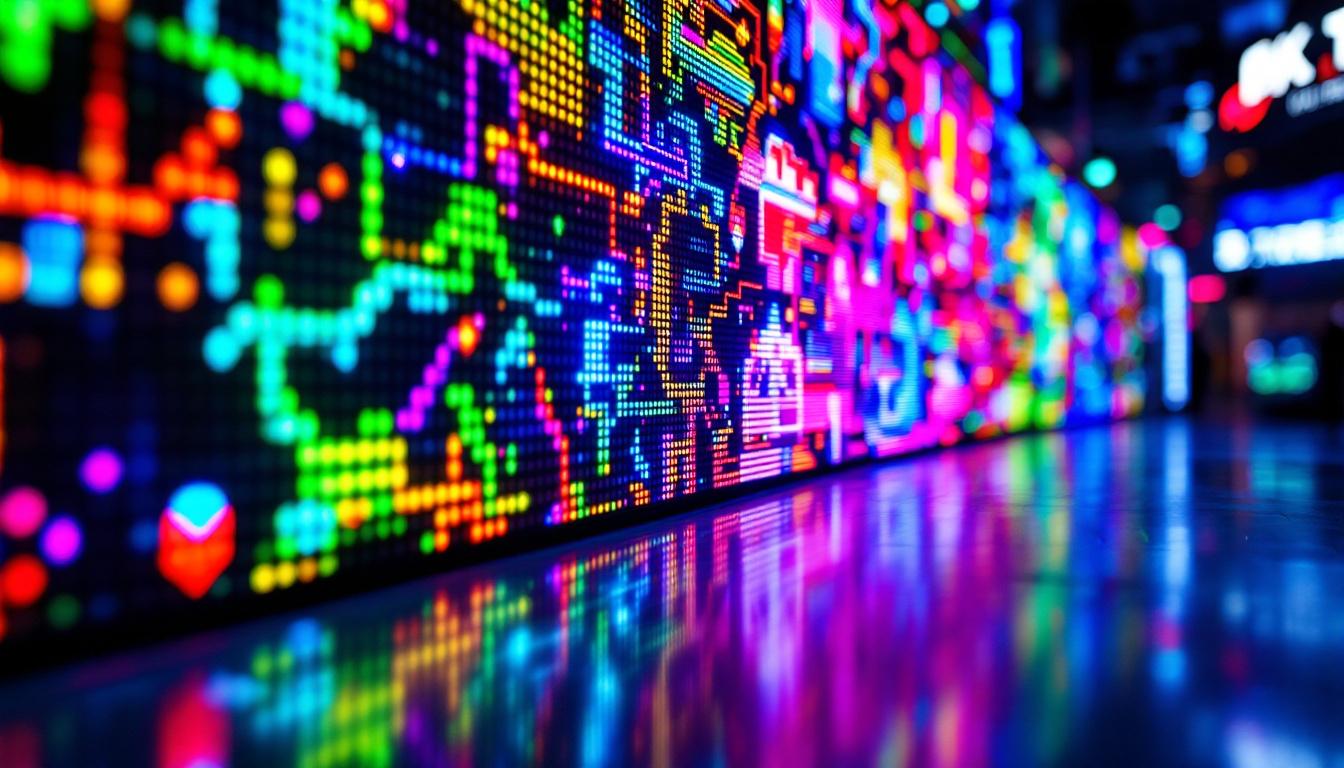
Pixel art and LED displays share a fascinating relationship rooted in the fundamental concept of pixels—the smallest units of a digital image. Understanding how pixel art sizes translate to LED displays is essential for designers, engineers, and enthusiasts working with digital visuals, signage, and interactive installations. This article explores the nuances of pixel art sizes, the technology behind LED displays, and how to optimize designs for various LED screen configurations.
Understanding Pixel Art and Its Dimensions
Pixel art is a form of digital art where images are created and edited at the pixel level. Unlike high-resolution digital paintings or photographs, pixel art embraces a deliberately low resolution, often characterized by sharp edges and a grid-like appearance. The charm of pixel art lies in its simplicity and nostalgia, reminiscent of early video games and computer graphics.
The size of pixel art is typically defined by its pixel dimensions—width and height measured in pixels. For example, a classic 16×16 pixel sprite contains 256 individual pixels, each representing a single color or transparency value. These dimensions directly influence the level of detail and clarity in the artwork.
When creating pixel art, artists must consider the intended display size. A 16×16 pixel image displayed on a small smartphone screen may appear crisp and clear, but the same image blown up to a large LED billboard without proper scaling will look blocky or distorted. This brings us to the critical relationship between pixel art sizes and LED display technology.
What Is an LED Display?
LED (Light Emitting Diode) displays are a popular technology for digital screens, ranging from small wearable devices to massive outdoor billboards. LED displays consist of an array of tiny light sources—LEDs—that emit light in various colors to form images and videos.
Each LED acts as a single pixel or a cluster of sub-pixels (red, green, and blue) to produce a full-color spectrum. The resolution of an LED display is determined by the number of these pixels arranged horizontally and vertically. For example, a 1920×1080 LED screen contains 2,073,600 individual pixels.
Unlike LCD or OLED screens, LED displays are often modular, meaning they are built from smaller panels tiled together. This modularity allows for flexible sizing but also introduces challenges in maintaining consistent pixel density and image quality across the entire display.
Pixel Pitch: The Key Metric
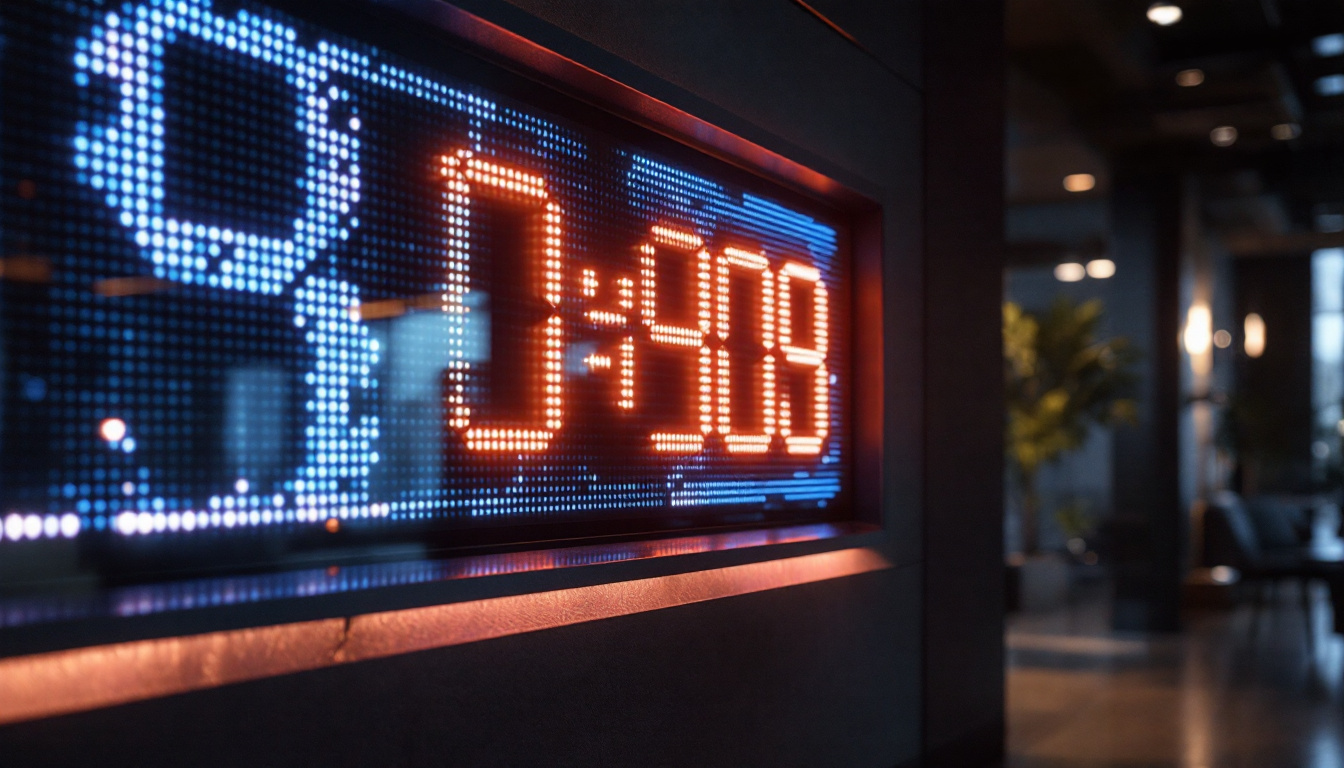
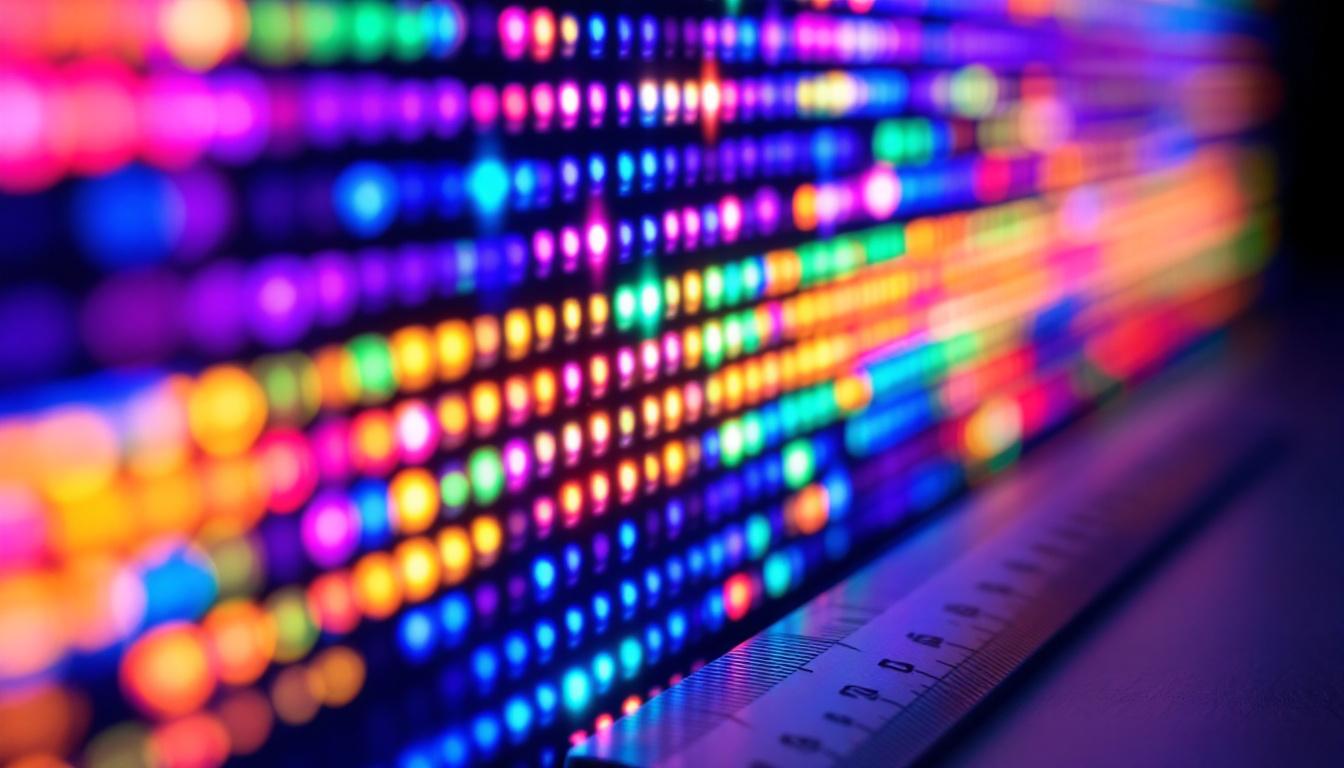
One of the most important specifications for LED displays is the pixel pitch, which measures the distance between the centers of two adjacent pixels. Pixel pitch is usually expressed in millimeters (mm). For example, a pixel pitch of 2.5mm means there is 2.5 millimeters between each pixel center.
Pixel pitch directly affects the display’s resolution and viewing distance. Smaller pixel pitches yield higher resolution and finer detail, suitable for close-up viewing, such as indoor LED screens or digital signage in retail environments. Larger pixel pitches are common in outdoor LED billboards, where viewers are typically farther away, and extremely high resolution is less critical.
How Pixel Art Sizes Translate to LED Displays
When displaying pixel art on an LED screen, understanding how the artwork’s pixel dimensions correspond to the LED display’s resolution and pixel pitch is crucial for preserving image quality.
For example, consider a pixel art image that is 32×32 pixels. If this image is displayed on an LED screen with a pixel pitch of 10mm, each pixel of the artwork will correspond to one LED pixel spaced 10mm apart. This means the entire image will measure 320mm by 320mm (32 pixels × 10mm per pixel).
If the same image is displayed on a screen with a 2mm pixel pitch, the physical size will be much smaller—64mm by 64mm. The smaller pixel pitch allows for a more compact and detailed display of the pixel art.
Scaling Pixel Art on LED Displays
Scaling pixel art for LED displays requires careful consideration to avoid distortion or blurring. Because pixel art is inherently low resolution, scaling it up by non-integer multiples can cause the pixels to become uneven or fuzzy.
The best practice is to scale pixel art by whole-number multiples (e.g., 2x, 3x, 4x) to maintain crisp edges and uniform pixel shapes. For LED displays, this means mapping each pixel in the artwork to a block of physical LED pixels. For instance, a 16×16 pixel art scaled 4x will occupy a 64×64 pixel area on the LED display.
Some LED display controllers and software support this kind of pixel-perfect scaling, ensuring the pixel art retains its intended aesthetic without unwanted interpolation.
Common LED Display Resolutions and Their Impact on Pixel Art
LED displays come in a wide range of resolutions, from small panels used in wearable devices to massive stadium screens. Understanding these common resolutions helps in planning pixel art projects for LED environments.
Low-Resolution LED Displays
Low-resolution LED displays typically have pixel pitches above 10mm and resolutions in the hundreds of pixels. These are often used for outdoor signage, scoreboards, and simple message boards. Pixel art displayed on such screens must be designed with large, bold pixels in mind, as fine details will be lost.
For example, a 64×64 pixel art image on a 10mm pitch display will be roughly 640mm square, which is suitable for large, visible icons or logos but not for intricate designs.
Mid-Resolution LED Displays
Mid-resolution LED displays have pixel pitches between 4mm and 10mm and are commonly used indoors or in semi-outdoor environments. These displays strike a balance between cost and image quality, making them popular for retail signage, event backdrops, and interactive installations.
Pixel art on these displays can include more detail and subtle color variations, especially when scaled appropriately. For instance, a 128×128 pixel art piece can be displayed with reasonable size and clarity on a 5mm pitch screen.
High-Resolution LED Displays
High-resolution LED displays feature pixel pitches below 4mm and resolutions reaching into the thousands of pixels. These are used in premium indoor applications such as broadcast studios, corporate lobbies, and digital art exhibitions.
Such displays can render pixel art with remarkable clarity, even at native resolution. Artists can create pixel art with hundreds of pixels per side, allowing for complex and colorful compositions that maintain the pixelated aesthetic.
Design Tips for Pixel Art on LED Displays
Creating pixel art for LED displays requires a blend of artistic skill and technical understanding. Here are some essential tips to ensure your pixel art looks great on LED screens:
1. Know Your Display Specifications
Before designing, gather detailed information about the LED display’s resolution, pixel pitch, and physical size. This knowledge allows you to tailor your pixel art dimensions and scaling factors precisely.
2. Use Integer Scaling Factors
Scale your pixel art by whole-number multiples to maintain sharp edges and avoid interpolation artifacts. This is especially important for LED displays with fixed pixel arrangements.
3. Optimize Color Palette
LED displays have varying color reproduction capabilities. Use a limited, high-contrast color palette optimized for the display’s capabilities to ensure vivid and clear visuals.
4. Test at Actual Size
Whenever possible, preview your pixel art on the actual LED display or a simulator that mimics its resolution and pixel pitch. This helps identify issues with scaling, color, and visibility before deployment.
5. Consider Viewing Distance
Design your pixel art with the typical viewing distance in mind. Larger pixel pitches require bolder designs, while closer viewing distances allow for more detailed artwork.
Applications of Pixel Art on LED Displays
Pixel art on LED displays is not just a niche interest; it has practical and creative applications across industries.
Digital Signage and Advertising
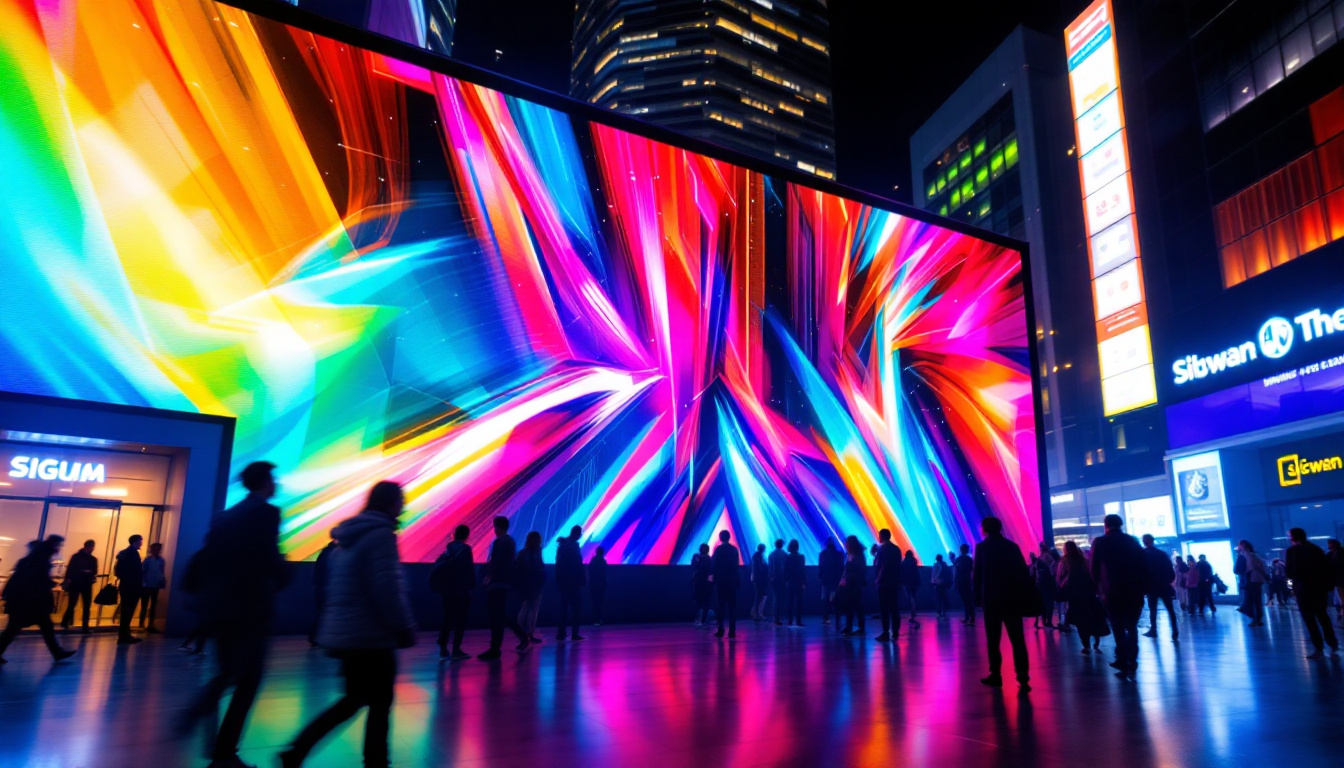
Brands use pixel art-inspired designs on LED billboards and signs to evoke nostalgia and capture attention. The simplicity of pixel art can make messages clear and memorable, especially in crowded urban environments.
Entertainment and Gaming
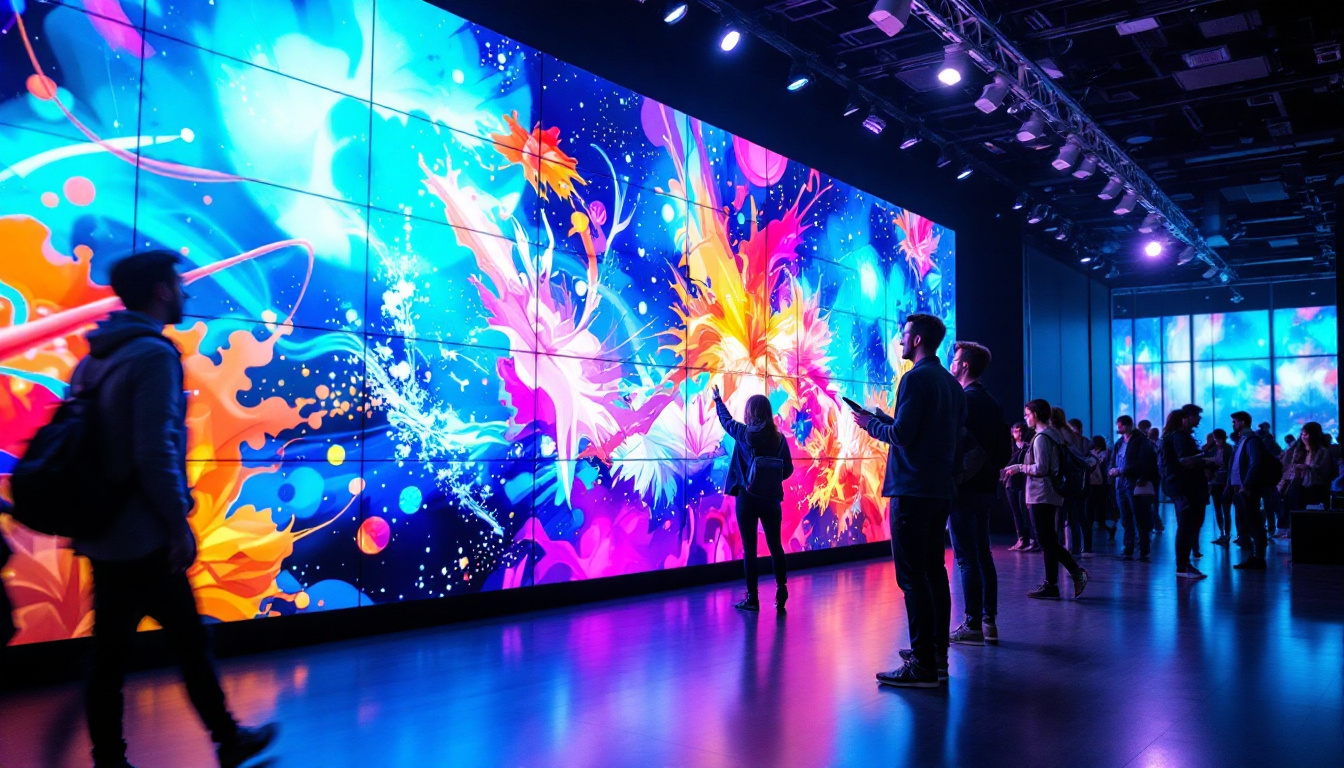
LED displays in arcades, gaming lounges, and events often showcase pixel art to complement retro gaming themes. Large LED walls displaying pixel art animations create immersive experiences for audiences.
Art Installations and Exhibitions
Contemporary artists leverage high-resolution LED displays to present pixel art as a modern medium. The interplay of light, color, and pixelation offers unique visual experiences that blend technology and creativity.
Wearable Technology and Gadgets
Small LED screens on wearable devices and gadgets use pixel art icons and animations due to their simplicity and low power consumption. This makes pixel art ideal for smartwatches, fitness trackers, and other compact displays.
Future Trends in Pixel Art and LED Display Technology
As LED technology advances, the relationship between pixel art and LED displays continues to evolve. Emerging trends include:
Increasing Resolution and Pixel Density
Advancements in LED manufacturing are enabling smaller pixel pitches and higher resolutions, allowing pixel art to be displayed with unprecedented detail and color accuracy.
Dynamic and Interactive Displays
Integration of sensors and real-time data processing enables LED displays to show interactive pixel art that responds to audience movement, sound, or environmental factors, creating engaging experiences.
Energy Efficiency and Sustainability
New LED technologies focus on reducing power consumption and environmental impact, making large-scale pixel art displays more sustainable and cost-effective.
Augmented Reality (AR) and Mixed Media
Combining LED pixel art with AR and other digital media creates hybrid experiences that blend physical and virtual worlds, expanding creative possibilities.
Conclusion
Understanding pixel art sizes in the context of LED displays is essential for anyone involved in digital design, signage, or visual arts. The interplay between pixel dimensions, pixel pitch, and display resolution shapes how pixel art is perceived and experienced.
By mastering the technical aspects of LED displays and applying thoughtful design principles, creators can produce stunning pixel art that leverages the unique capabilities of LED technology. Whether for advertising, entertainment, or artistic expression, the fusion of pixel art and LED displays offers a vibrant canvas for innovation and creativity.
Explore Cutting-Edge LED Displays with LumenMatrix
Ready to bring your pixel art to life with unparalleled clarity and vibrancy? Discover LumenMatrix’s innovative LED display solutions, where technology meets creativity. From Indoor and Outdoor LED Walls to specialized displays for vehicles, sports, and even customizable options, LumenMatrix is dedicated to revolutionizing visual communication. Elevate your digital signage and captivate your audience with our state-of-the-art LED displays. Check out LumenMatrix LED Display Solutions today and see your pixel art in a whole new light!