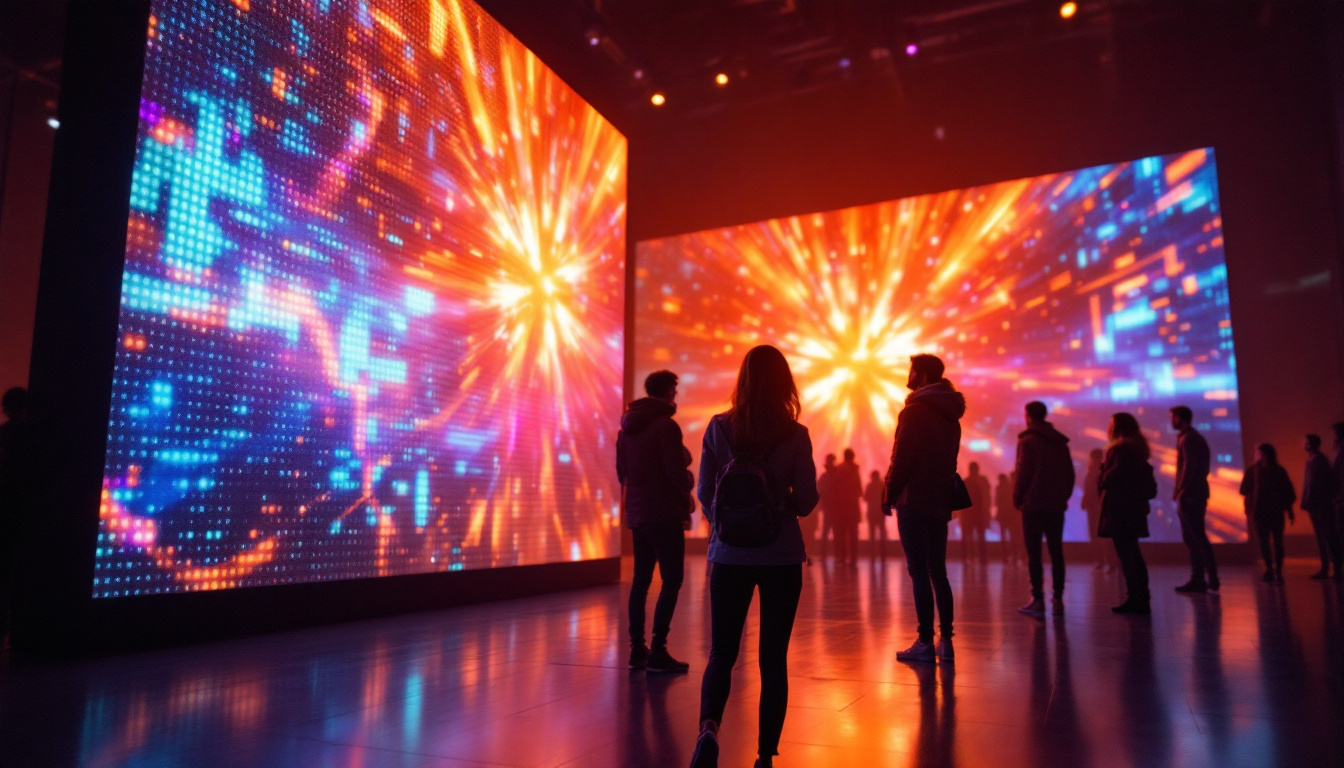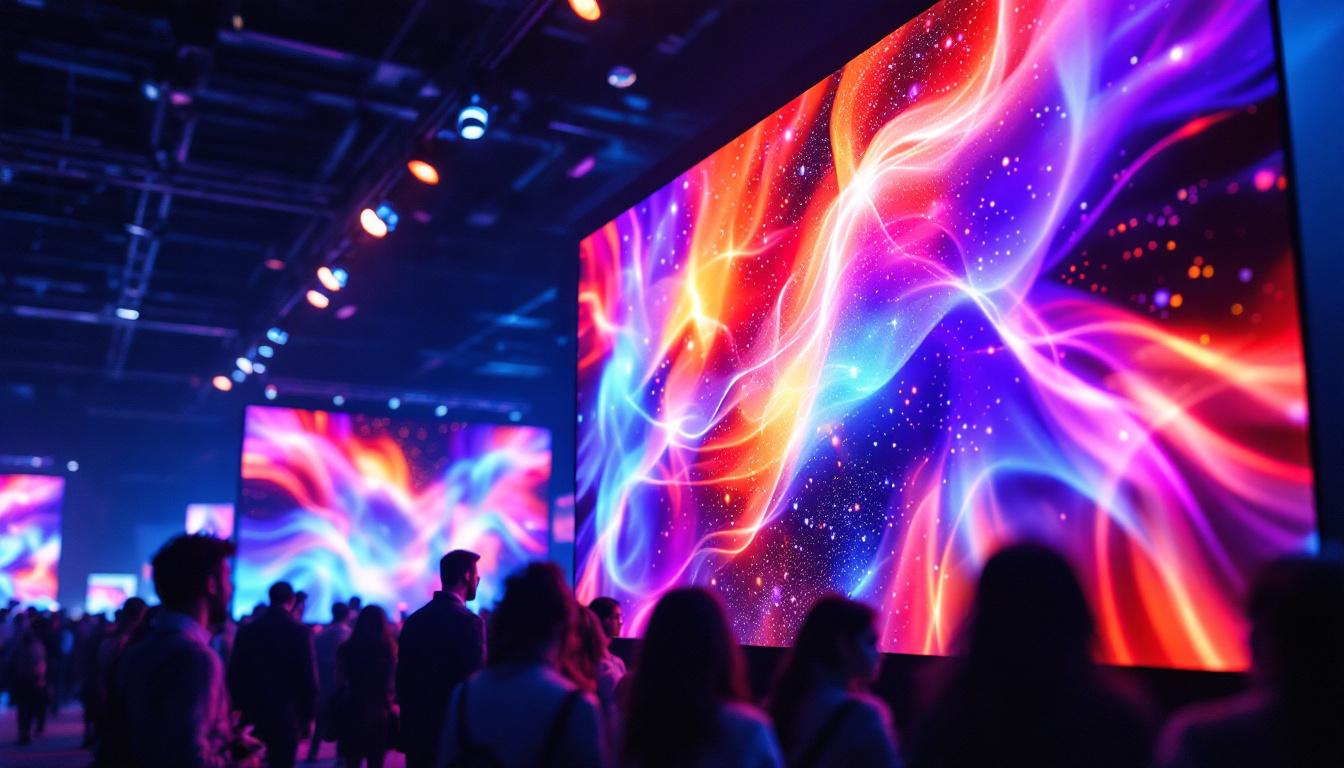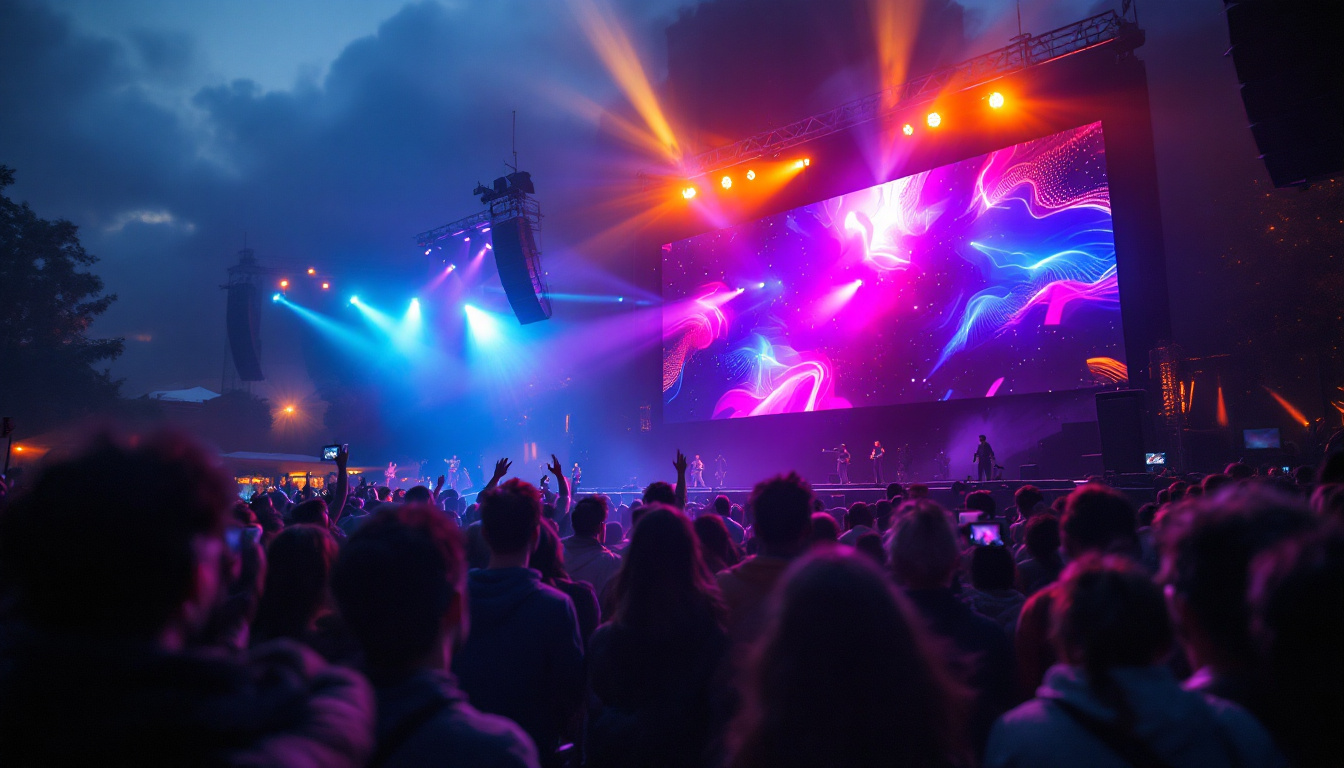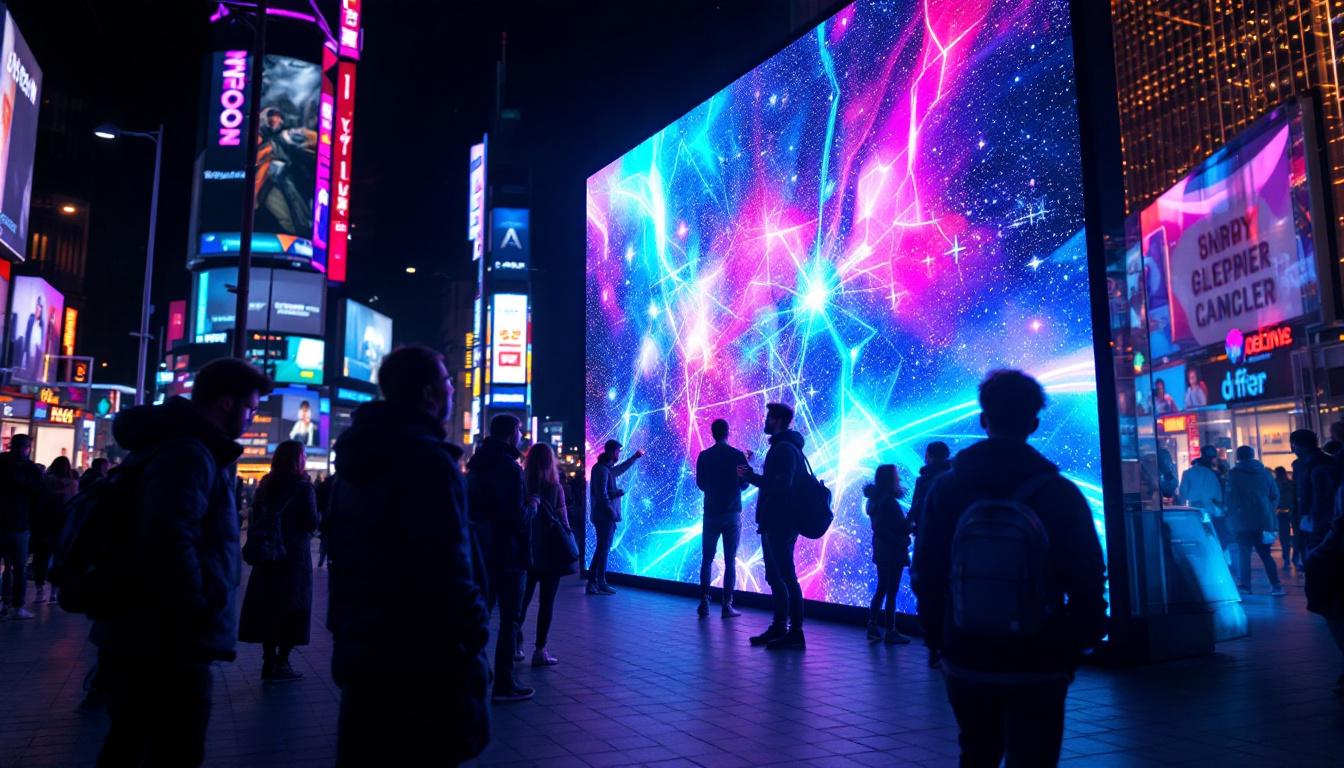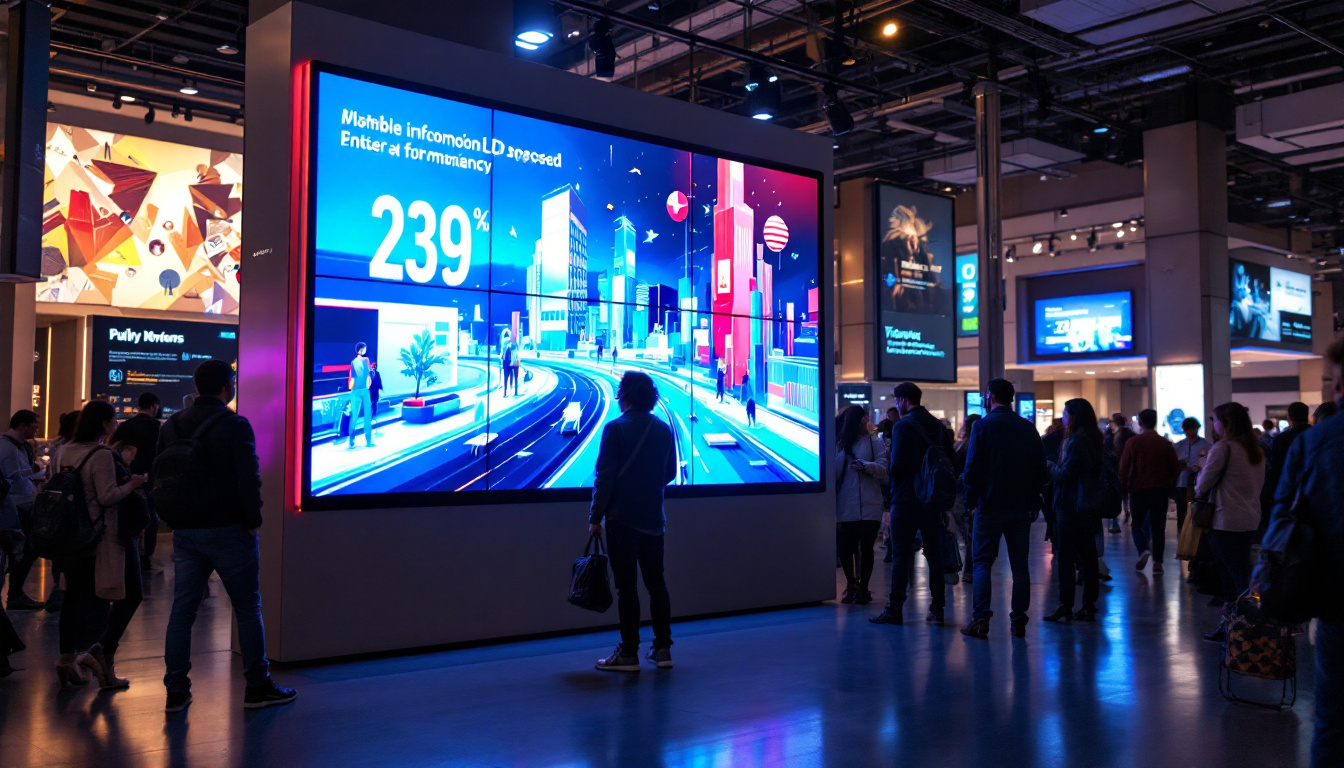
In today’s visually driven world, LED displays have become a cornerstone of digital communication, advertising, and entertainment. From towering billboards in Times Square to immersive video walls at concerts and corporate events, LED technology continues to revolutionize how images and videos are presented on large scales. This article delves into the intricacies of LED displays, exploring their technology, applications, and why they have become the preferred choice for dynamic visual content.
Understanding LED Display Technology
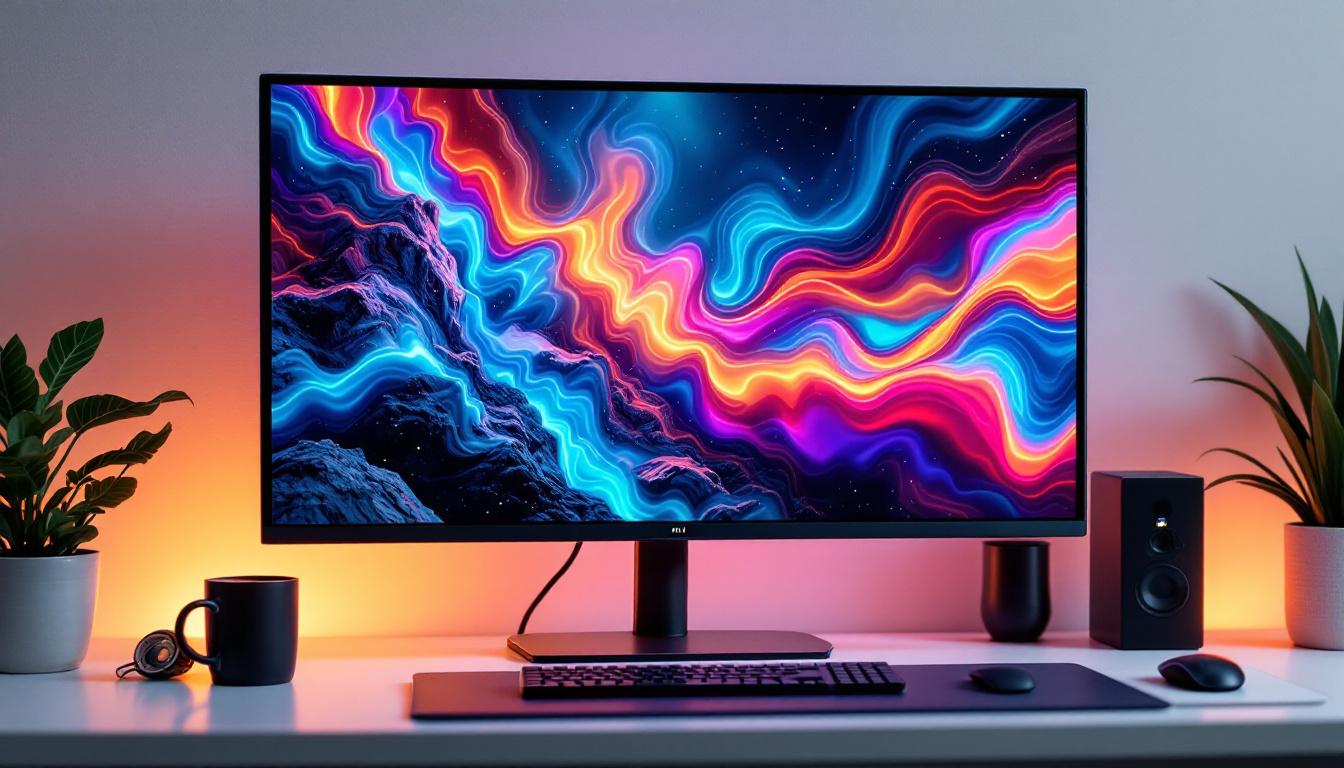
At its core, an LED display is a flat panel that uses light-emitting diodes (LEDs) as pixels to produce images. Unlike traditional LCD or plasma screens, LED displays emit their own light, which allows for higher brightness levels and better visibility under various lighting conditions. This self-illuminating feature not only enhances the viewing experience but also contributes to energy efficiency, as LEDs consume less power compared to their predecessors. The longevity of LED technology is another significant advantage, with many displays lasting upwards of 50,000 hours, making them a cost-effective choice for both commercial and personal use.
How LEDs Create Vivid Images
Each pixel in an LED display is made up of tiny diodes that emit red, green, and blue light. By adjusting the intensity of these three colors, the display can produce a broad spectrum of colors. This RGB (red, green, blue) color model is fundamental to creating the vibrant and accurate images seen on LED walls. The precision with which these colors can be manipulated allows for the reproduction of intricate details and subtle gradients, making LED displays a favorite among graphic designers and video producers.
The ability to control each pixel individually means LED displays can offer exceptional contrast ratios and deep blacks, enhancing the overall image quality. This is particularly important in outdoor environments where ambient light can wash out less bright displays. Furthermore, advancements in technology have introduced features such as High Dynamic Range (HDR), which further enhances the color depth and brightness range, allowing for a more lifelike viewing experience.
Types of LED Displays
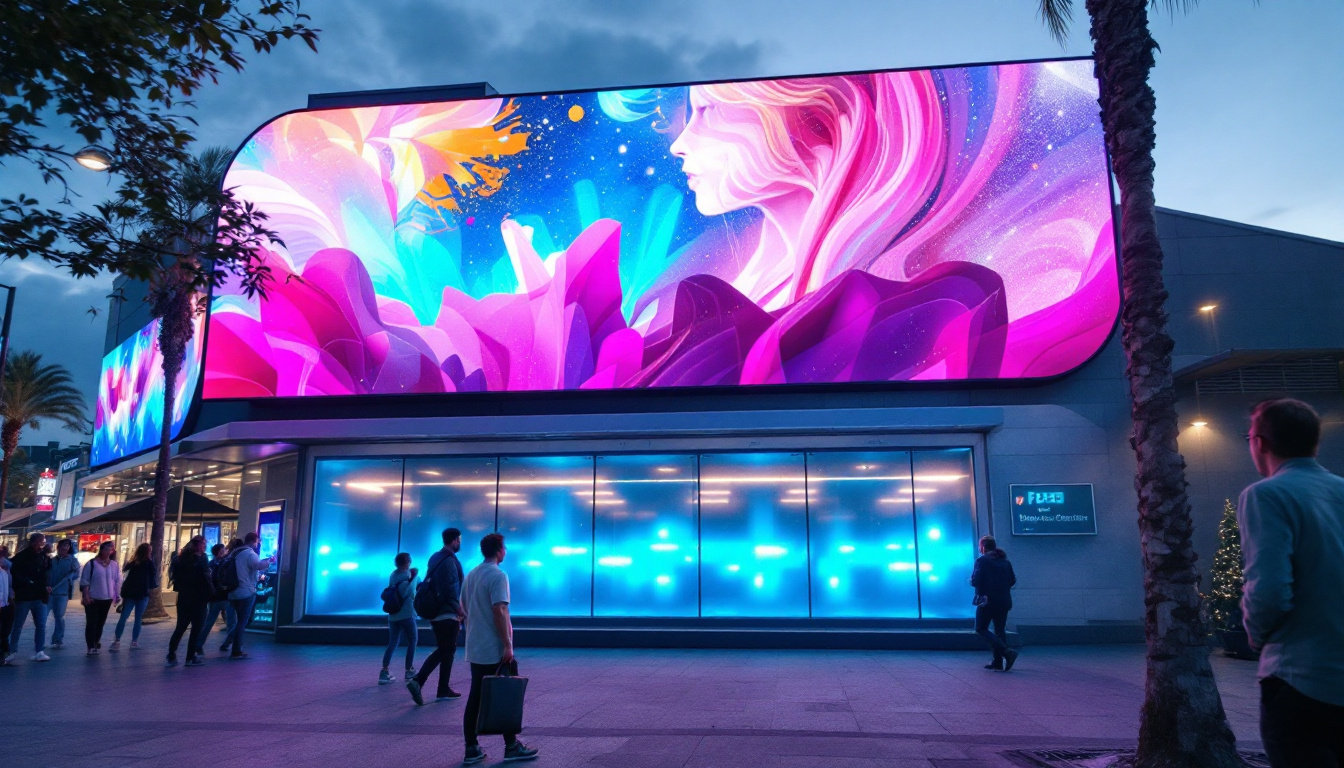
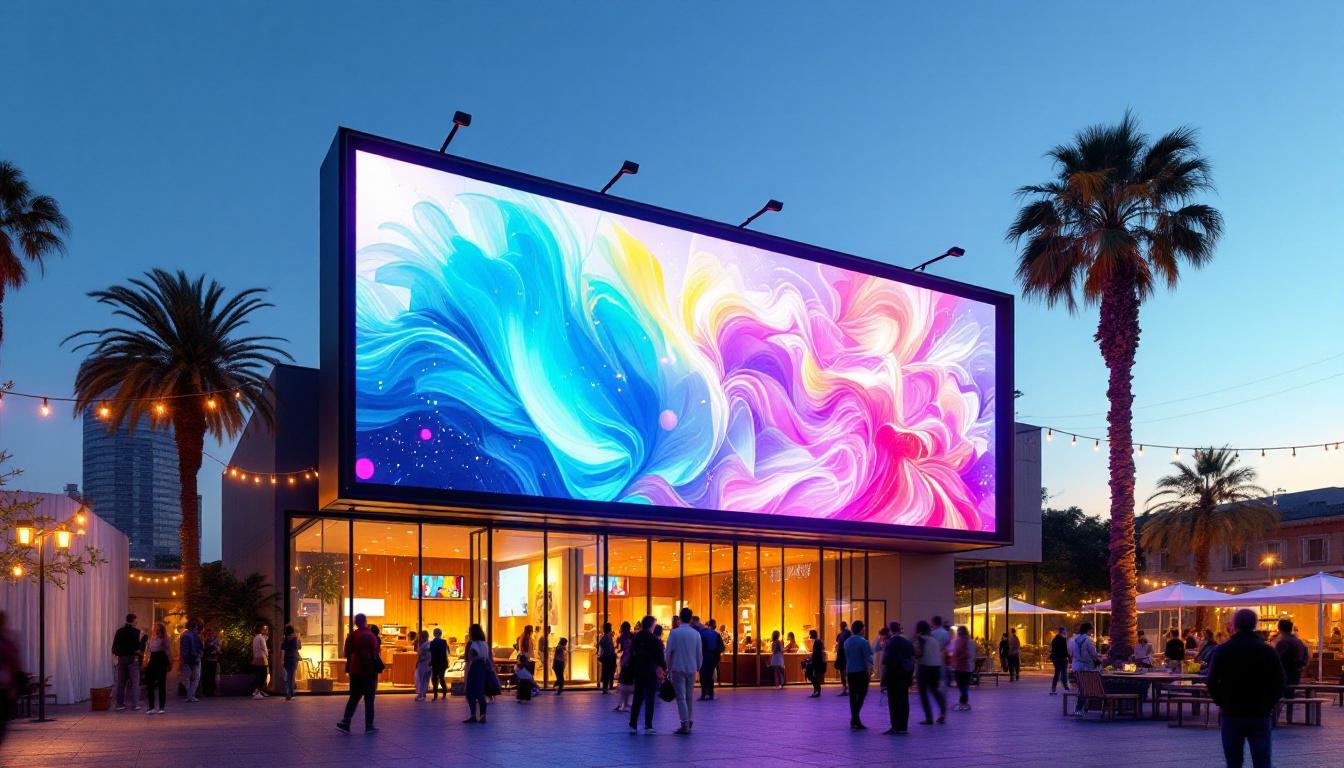
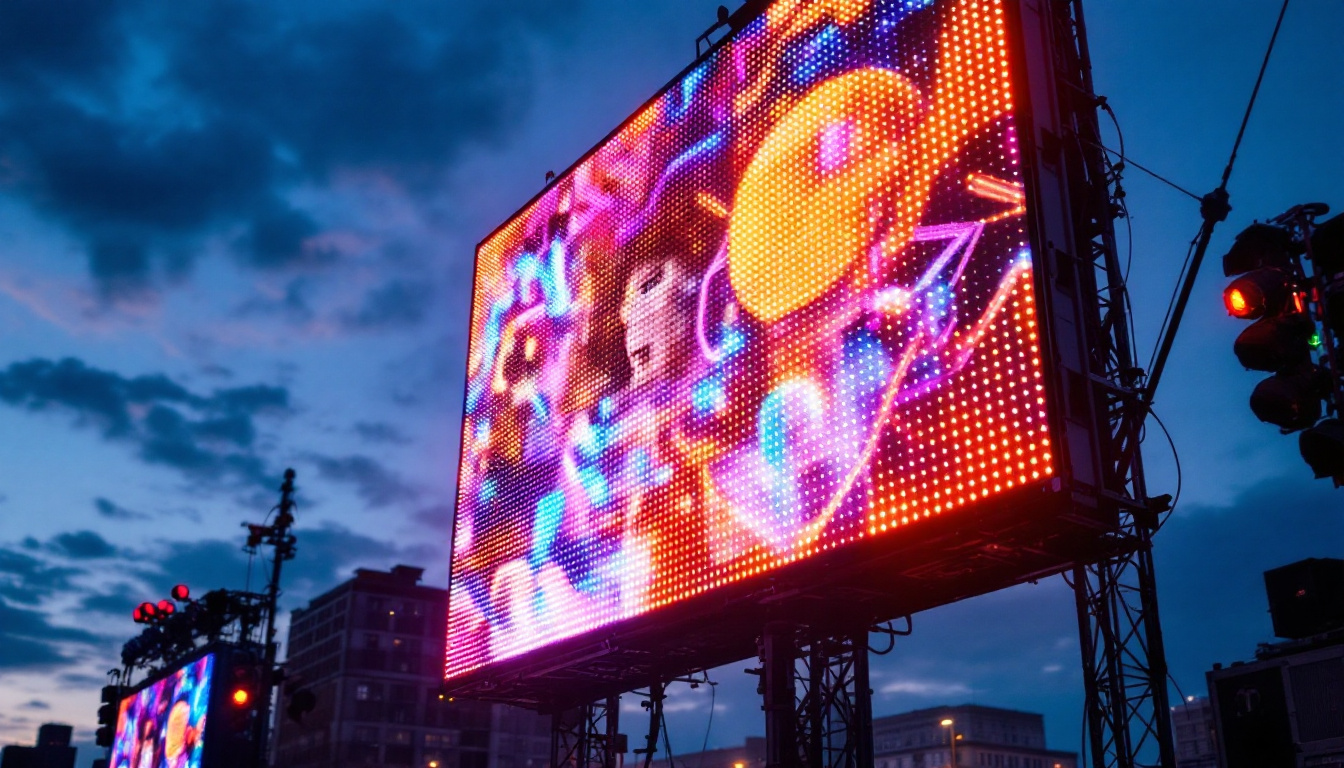
LED displays come in various forms, primarily categorized into indoor and outdoor types. Indoor LED displays are designed with smaller pixel pitches (the distance between individual LEDs) to provide higher resolution and clarity at close viewing distances. Outdoor LED displays, conversely, have larger pixel pitches to ensure visibility from afar and are built to withstand weather conditions. These outdoor displays are often equipped with protective coatings and robust housings to guard against rain, dust, and extreme temperatures, making them suitable for billboards and stadiums.
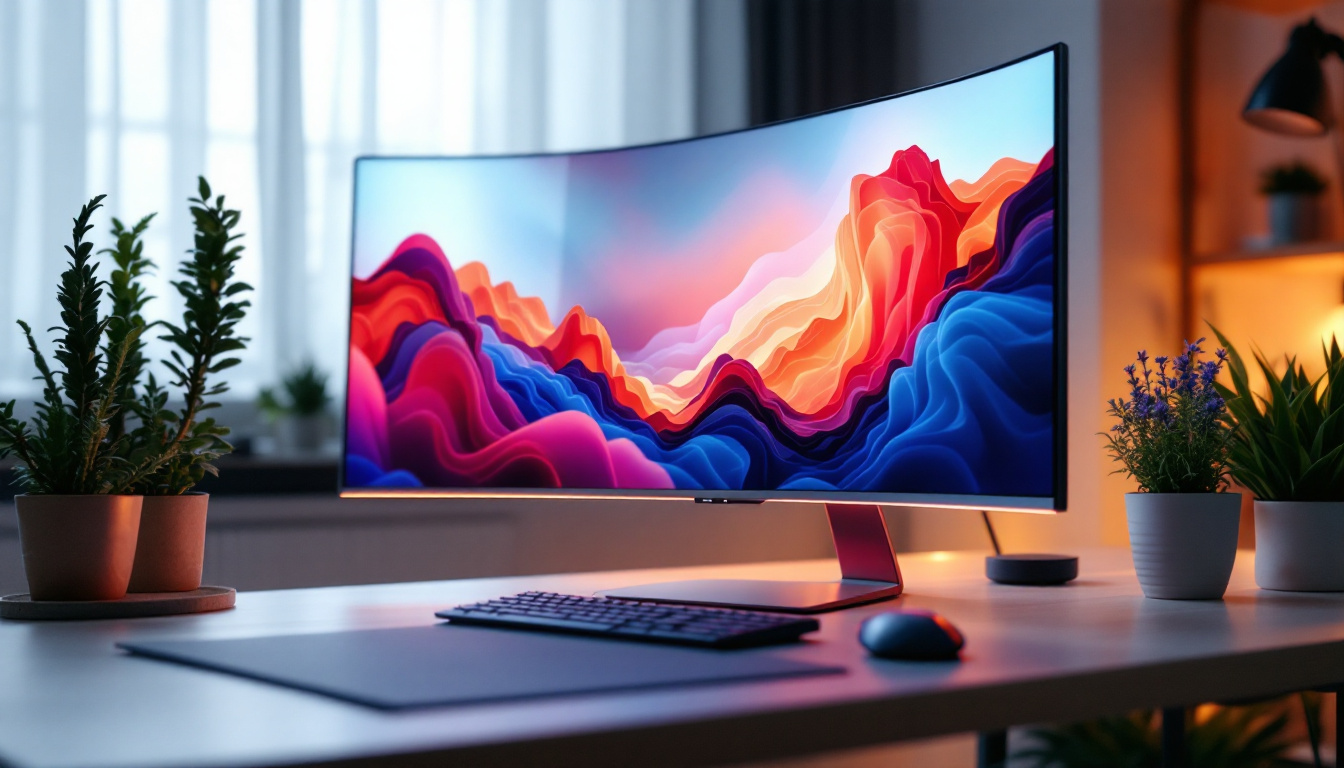
Another emerging category is flexible and transparent LED displays, which are being integrated into architectural designs and retail spaces to create novel visual experiences without compromising aesthetics. These displays can bend and curve to fit various surfaces, allowing for creative installations that enhance the visual appeal of a space. Transparent LED technology, in particular, offers a unique advantage by allowing light to pass through while still displaying vibrant images, making it ideal for shop windows and exhibitions where visibility is key. As technology continues to evolve, the potential applications for LED displays seem limitless, paving the way for innovative uses in advertising, entertainment, and beyond.
The Evolution and Advantages of LED Walls
LED walls have evolved significantly over the past decade, becoming larger, more energy-efficient, and easier to install. Their advantages over traditional display technologies have made them a popular choice across industries.
High Brightness and Visibility
One of the most significant benefits of LED walls is their brightness. With luminance levels often exceeding 5,000 nits for outdoor displays, LED walls remain visible even in direct sunlight. This makes them ideal for advertising billboards, sports stadiums, and public information displays.
In contrast, LCD screens typically max out around 500-700 nits, which can be insufficient for outdoor use. The self-emissive nature of LEDs means they don’t rely on backlighting, allowing for more vivid colors and deeper blacks.
Scalability and Customization
LED walls are highly modular, consisting of multiple panels that can be combined to create virtually any size or shape. This scalability allows businesses and event organizers to tailor displays to specific environments and needs.
For example, the massive video wall at the Fremont Street Experience in Las Vegas spans over 1,500 feet in length and 90 feet in width, creating an immersive canopy of light and motion. Such installations would be impossible with traditional display technologies.
Energy Efficiency and Longevity
Modern LED displays are designed with energy efficiency in mind. Advances in LED chip technology and power management have reduced energy consumption significantly compared to older models and other display types.
Additionally, LEDs have a longer lifespan, often rated between 50,000 to 100,000 hours of operation. This reduces maintenance costs and downtime, making LED walls a cost-effective solution over time.
Applications of LED Walls Across Industries
LED walls are not just large screens; they are versatile tools that enhance communication, engagement, and experience across various sectors.
Advertising and Marketing
Outdoor LED billboards dominate urban landscapes worldwide, offering advertisers dynamic and eye-catching ways to reach audiences. The ability to change content instantly allows for real-time marketing campaigns and interactive advertisements.
Brands leverage LED walls for product launches, experiential marketing, and event sponsorships. For instance, during major sporting events like the Super Bowl, LED displays are used extensively for branding and live content delivery.
Entertainment and Events
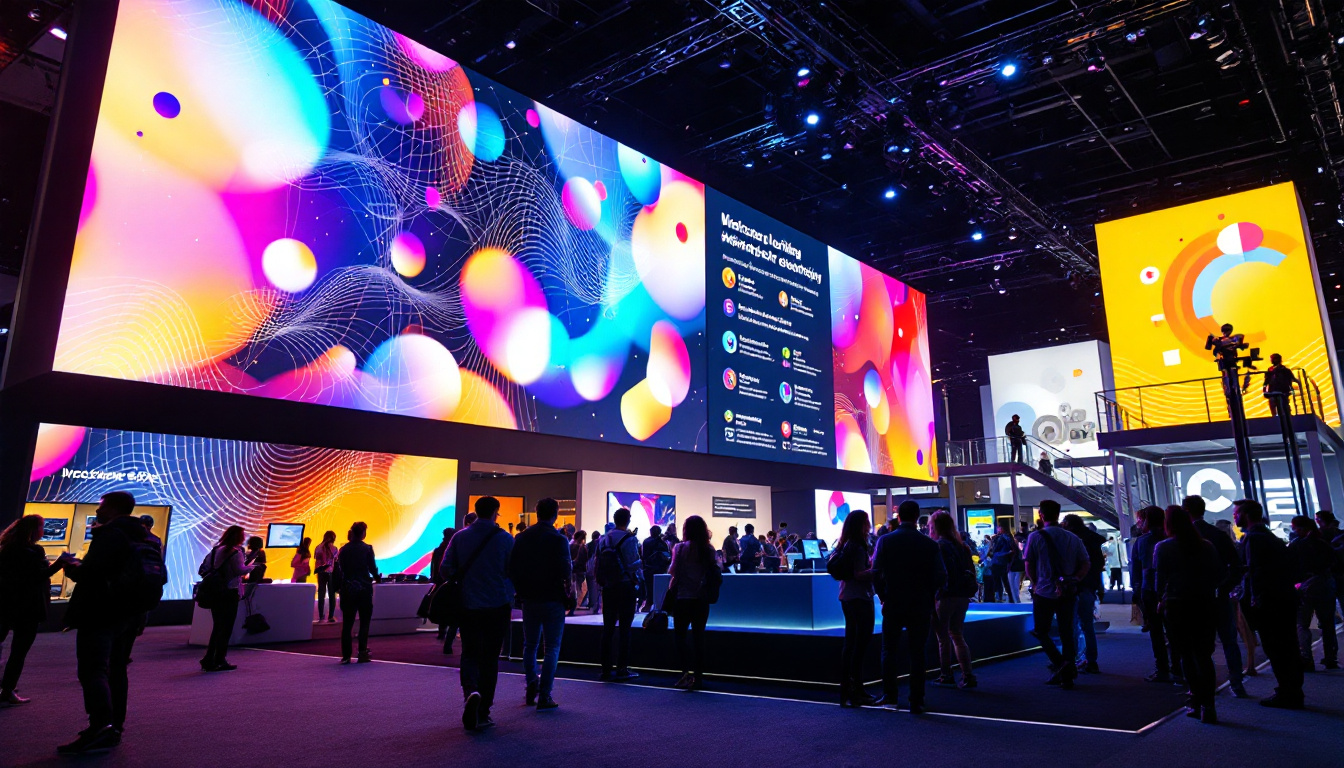
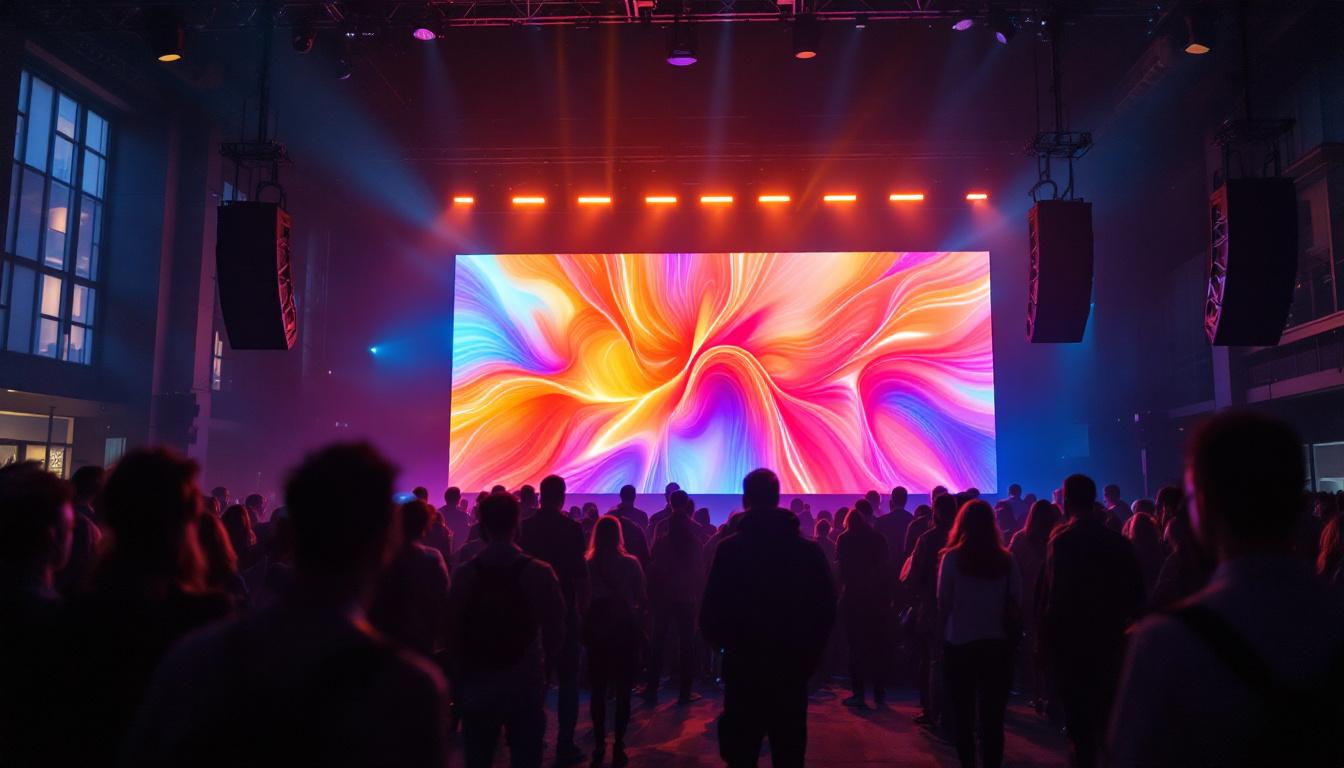
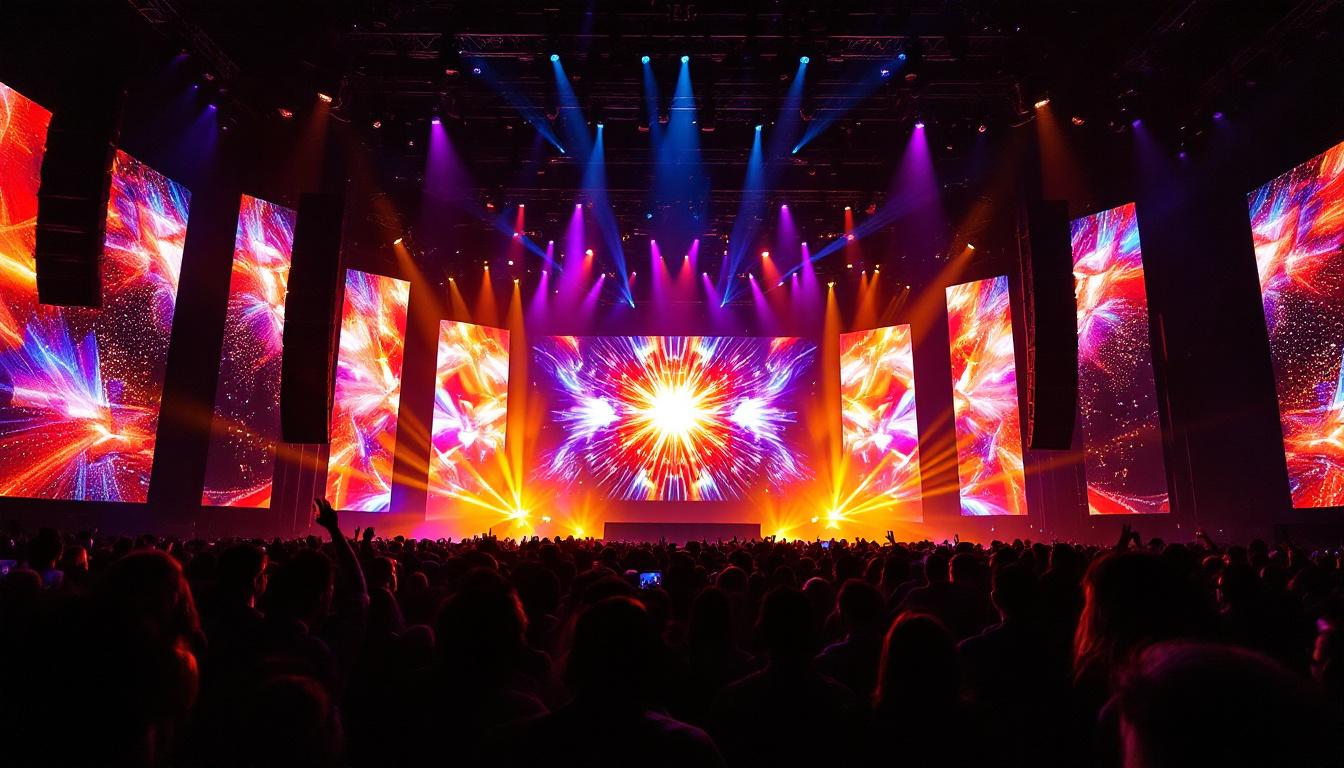
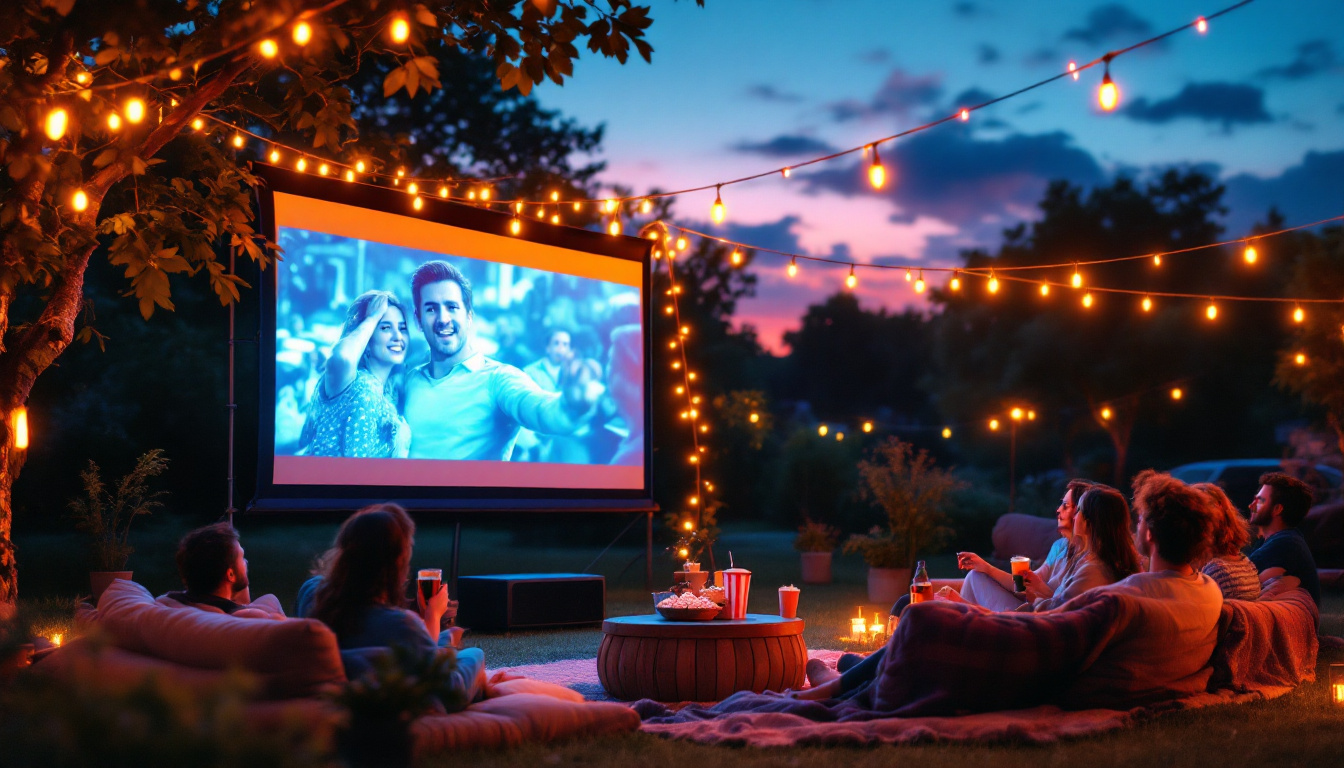
Concerts, festivals, and theatrical productions utilize LED walls to create immersive backdrops and enhance storytelling. The high resolution and brightness enable performers to engage audiences with stunning visuals that complement the live experience.
Beyond concerts, LED walls are integral to broadcast studios and esports arenas, providing dynamic backgrounds and real-time information to viewers both on-site and at home.
Corporate and Retail Environments
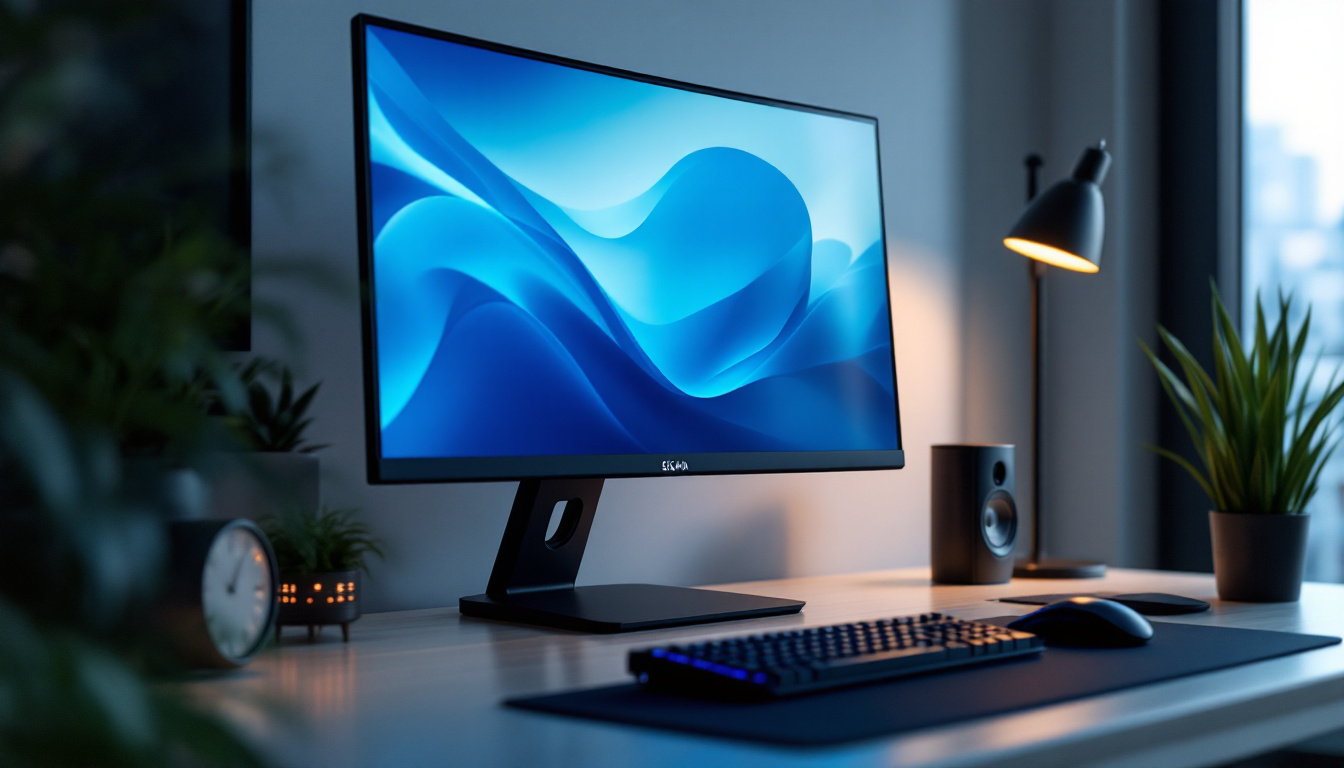
In corporate settings, LED walls are used for presentations, video conferencing, and digital signage. Their large size and clarity facilitate communication during meetings and conferences.
Retailers employ LED displays to attract customers, showcase products, and create interactive shopping experiences. Transparent LED displays, for example, allow window displays to combine digital content with physical products seamlessly.
Public Information and Transportation
Airports, train stations, and city centers use LED walls to provide real-time information, such as flight updates, schedules, and emergency alerts. The high visibility and reliability of LED displays ensure that critical information reaches large crowds efficiently.
Technical Considerations When Choosing an LED Display
Selecting the right LED display involves understanding several technical factors that impact performance and suitability for specific applications.
Pixel Pitch and Resolution
Pixel pitch is a crucial specification that determines the resolution and viewing distance of an LED display. Smaller pixel pitches mean higher resolution and better image quality at close range, which is essential for indoor displays or applications where viewers are near the screen.
For outdoor billboards, larger pixel pitches are acceptable because viewers typically observe the display from a distance. Choosing the appropriate pixel pitch balances cost and image clarity.
Brightness and Contrast Ratio
Brightness, measured in nits, affects visibility in different lighting conditions. Outdoor displays require higher brightness levels to combat sunlight glare, while indoor displays can operate at lower brightness to reduce eye strain.
Contrast ratio, the difference between the darkest and brightest parts of an image, impacts image depth and color accuracy. LED displays generally offer superior contrast ratios compared to LCDs due to their emissive nature.
Refresh Rate and Color Depth
Refresh rate, measured in Hertz (Hz), determines how often the image is updated per second. Higher refresh rates reduce flickering and motion blur, which is particularly important for video content and live broadcasts.
Color depth refers to the number of colors a display can render. Higher color depth results in smoother gradients and more realistic images, enhancing the viewer’s experience.
Durability and Weather Resistance
For outdoor LED walls, durability is paramount. Displays must withstand rain, wind, dust, and temperature fluctuations. Ratings such as IP65 or higher indicate strong protection against water and dust ingress.
Additionally, robust construction and quality components ensure long-term reliability, reducing maintenance and replacement costs.
Future Trends in LED Display Technology
The LED display industry is rapidly evolving, driven by technological innovation and changing consumer expectations.
Mini-LED and Micro-LED Technologies
Mini-LED and Micro-LED represent the next generation of LED displays, offering even smaller pixel pitches and improved performance. Micro-LEDs, in particular, promise higher brightness, better energy efficiency, and longer lifespans compared to traditional LEDs.
These technologies are expected to blur the lines between LED and OLED displays, combining the best features of both.
Integration with Augmented Reality and IoT
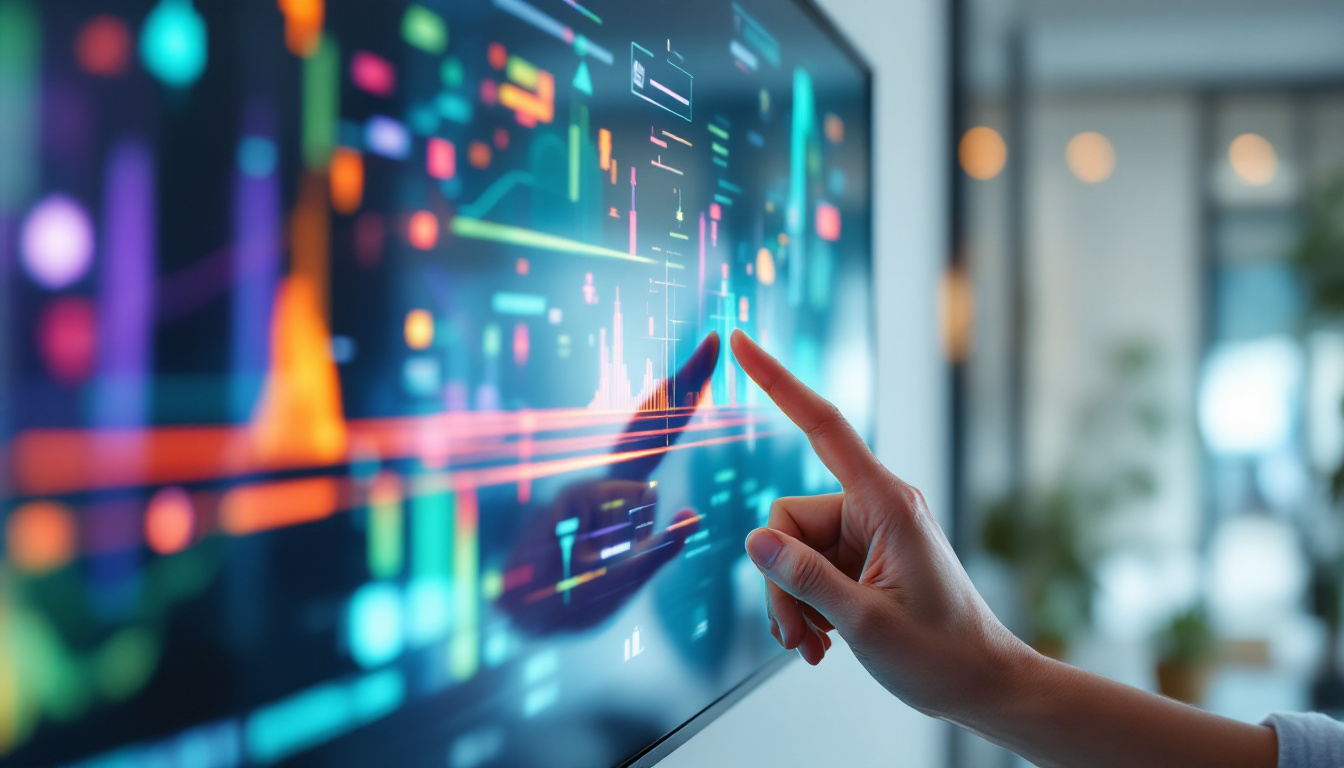
LED walls are increasingly being integrated with augmented reality (AR) and Internet of Things (IoT) technologies to create interactive and context-aware environments. For example, retail stores use LED displays combined with sensors and AR apps to personalize customer experiences.
Smart city initiatives also leverage LED displays for dynamic public messaging that adapts to real-time data such as traffic conditions or weather alerts.
Sustainability and Energy Efficiency
As environmental concerns grow, manufacturers are focusing on making LED displays more sustainable. Innovations include using recyclable materials, improving energy efficiency, and developing smarter power management systems.
These efforts not only reduce the environmental footprint but also lower operational costs for users.
Conclusion
LED displays have transformed the way images and videos are showcased in public and private spaces. Their superior brightness, scalability, and versatility make them indispensable tools for advertising, entertainment, corporate communication, and public information.
Understanding the technology behind LED walls, their advantages, and the factors to consider when selecting a display ensures that businesses and organizations can harness their full potential. As LED technology continues to advance, the future promises even more immersive and interactive visual experiences that will captivate audiences worldwide.
Illuminate Your Space with LumenMatrix
As you consider the transformative power of LED displays, LumenMatrix stands at the forefront of this vibrant technology. Our commitment to innovation ensures that whether you need an Indoor LED Wall Display, an Outdoor LED Wall Display, or any of our specialized solutions like Vehicle, Poster, Sports, Floor, Custom, All-in-One, or LED Transparent Displays, you’re equipped with the most advanced and impactful visual tools. Embrace the future of visual communication and check out LumenMatrix LED Display Solutions to elevate your brand and engage your audience like never before.