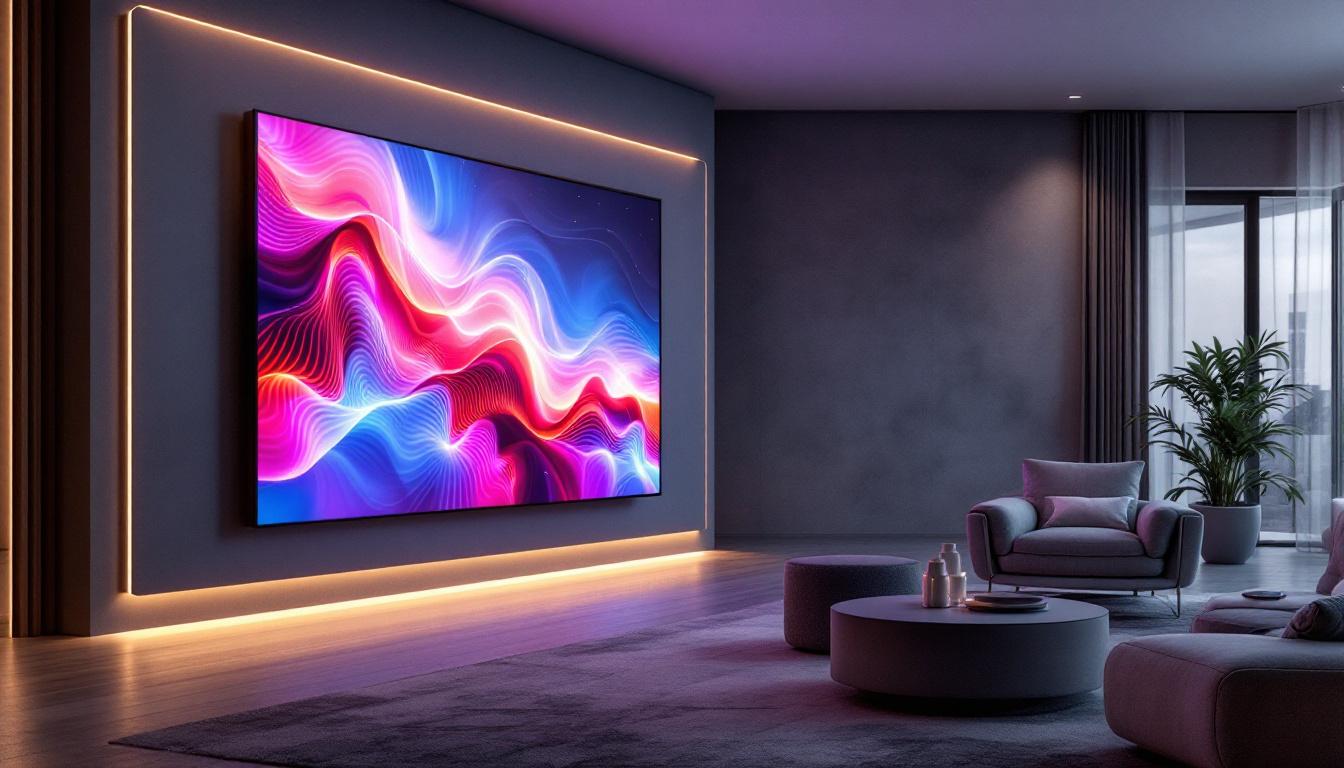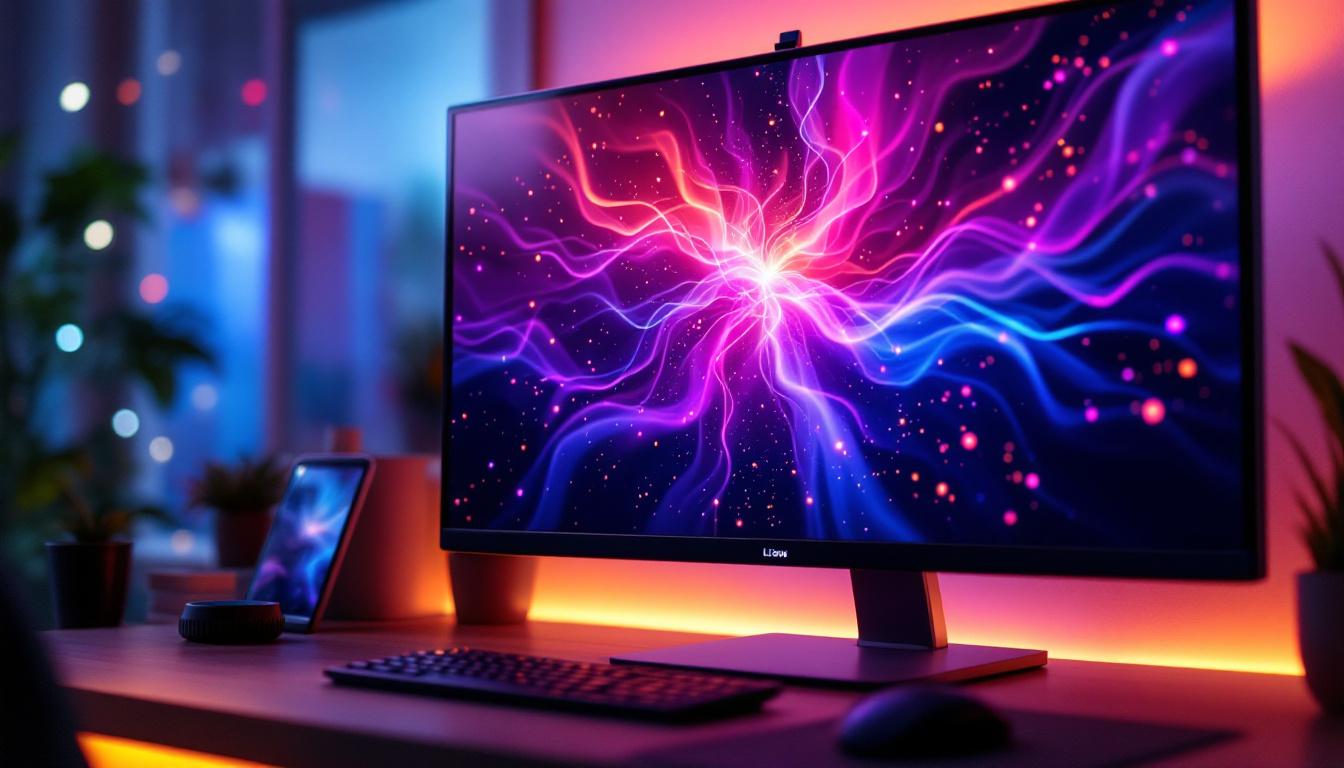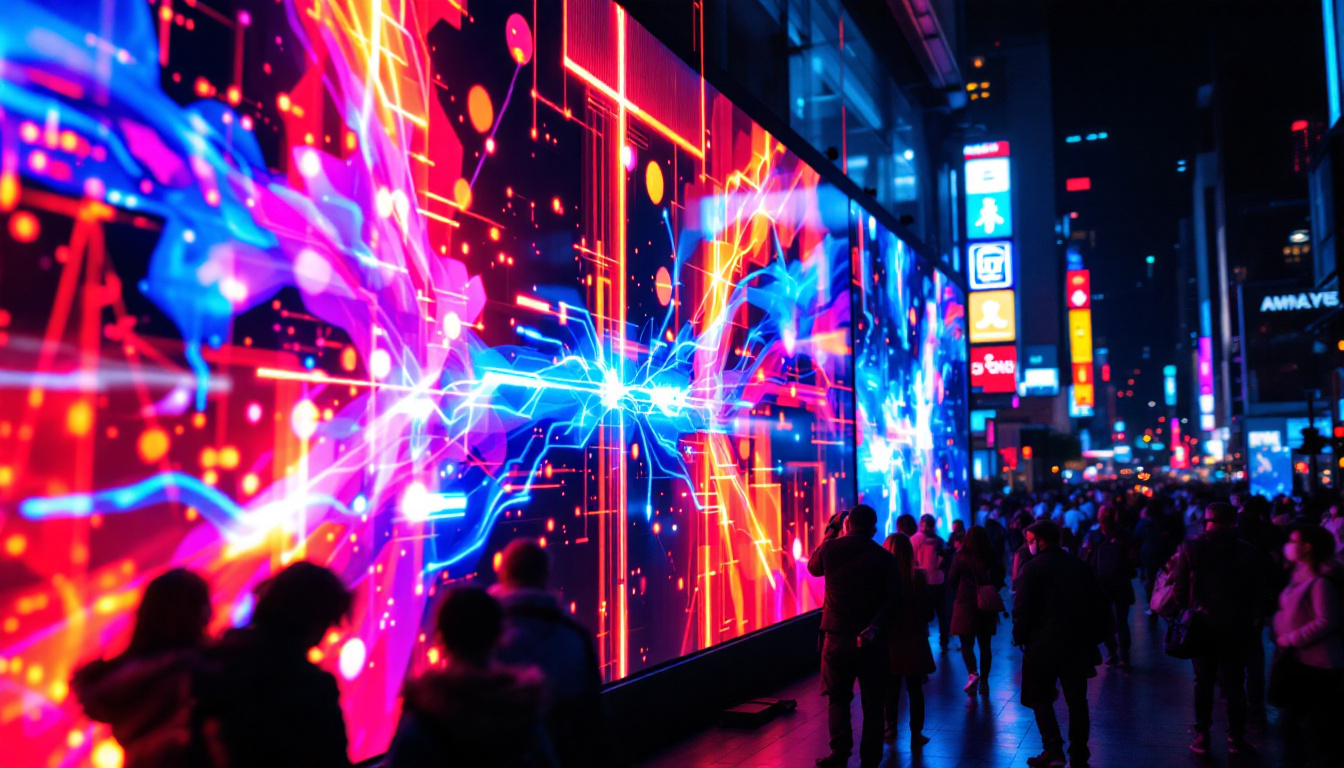
In today’s fast-paced retail and corporate environments, clear and dynamic communication is essential for driving sales, engaging customers, and motivating teams. Digital sales boards, particularly those utilizing LED display technology, have emerged as powerful tools to achieve these goals. This article explores what digital sales boards are, how LED displays work, their benefits, and practical considerations for implementation.
What is a Digital Sales Board?
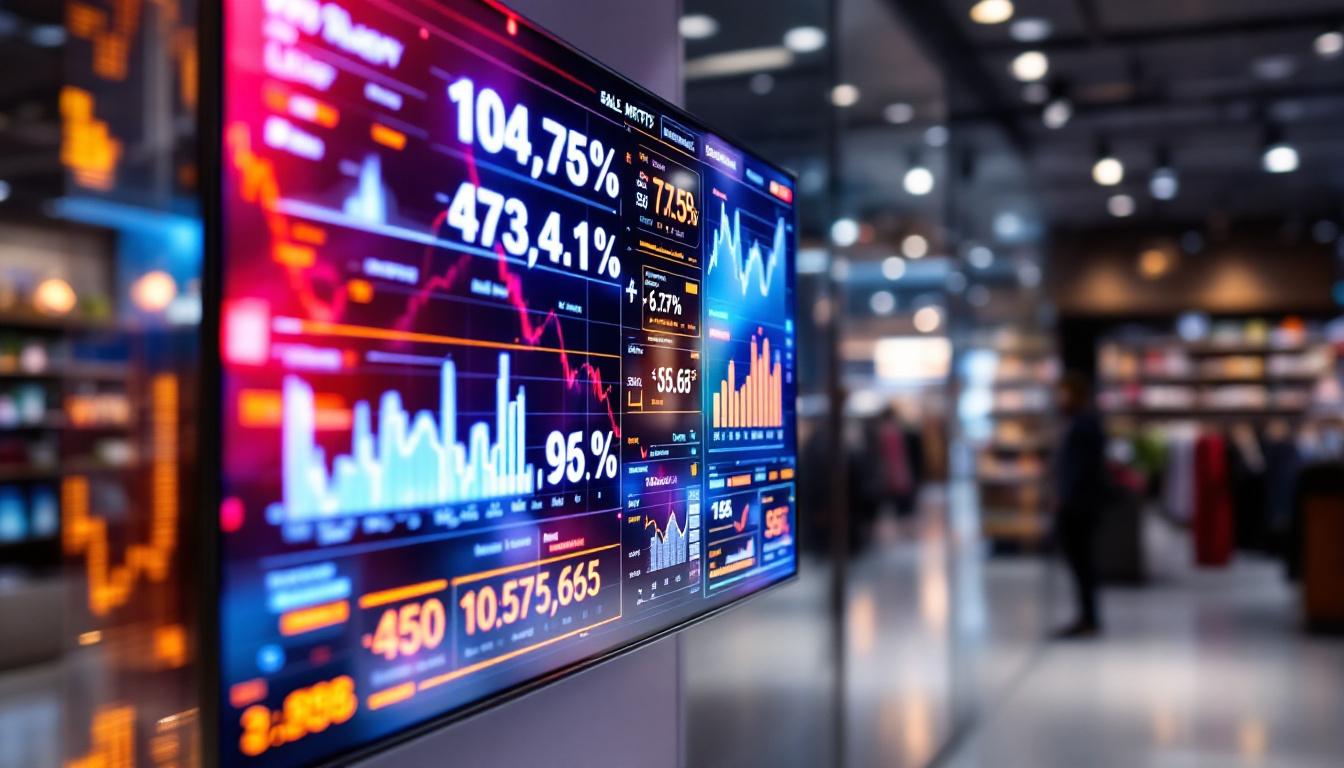
A digital sales board is an electronic display system designed to showcase real-time sales data, performance metrics, promotional content, and other relevant information. Unlike traditional static whiteboards or printed charts, digital sales boards leverage dynamic technology to present up-to-date information in an engaging and visually appealing manner.
These boards are commonly used in retail stores, call centers, corporate offices, and sales floors to keep teams informed and motivated. By displaying live sales figures, targets, leaderboards, and alerts, digital sales boards help create transparency and foster a competitive yet collaborative atmosphere. The immediacy of the information displayed can significantly enhance team morale, as employees can see their contributions in real-time, which encourages a culture of accountability and achievement.
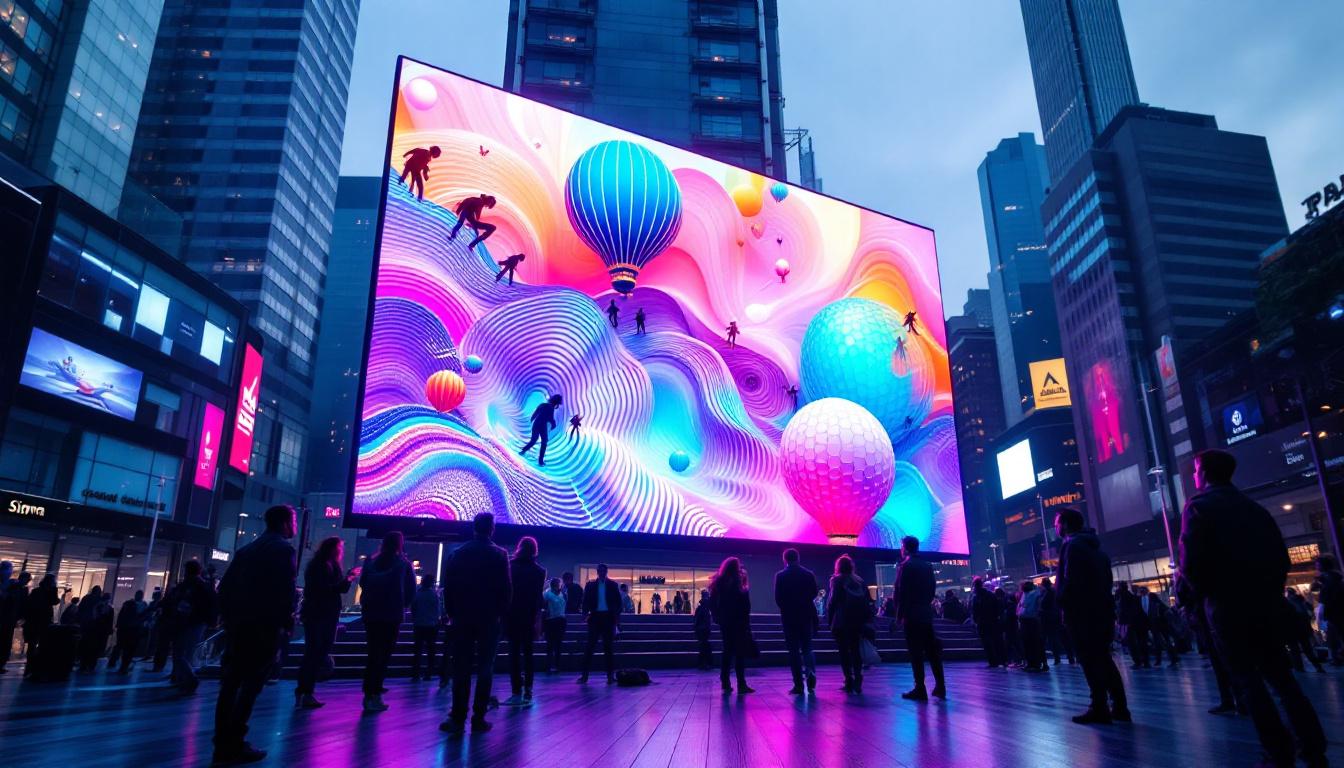
Moreover, the aesthetic appeal of digital sales boards plays a crucial role in their effectiveness. Bright colors, animations, and dynamic layouts can capture attention and make the information more digestible. This visual stimulation not only helps in retaining the attention of the sales team but also makes it easier for them to process and act upon the data presented. In environments where quick decision-making is essential, such as fast-paced sales floors, the ability to quickly interpret performance metrics can lead to improved outcomes and increased sales.
Key Features of Digital Sales Boards
Modern digital sales boards typically include:
- Real-time data integration: Connected to sales software or CRM systems to update figures instantly.
- Customizable content: Ability to display charts, graphs, videos, and promotional messages tailored to specific audiences.
- Remote management: Content can be updated remotely, allowing centralized control across multiple locations.
- Interactive capabilities: Some boards offer touchscreens or integration with mobile devices for interactive use.
In addition to these features, many digital sales boards are equipped with analytics tools that allow managers to track performance trends over time. This data can be invaluable for identifying high-performing sales strategies or pinpointing areas that require improvement. Furthermore, the integration of gamification elements, such as badges or rewards for achieving sales milestones, can further enhance engagement and motivation among team members. By transforming the sales process into a more interactive and rewarding experience, organizations can drive performance and foster a sense of community within their teams.
Understanding LED Display Technology
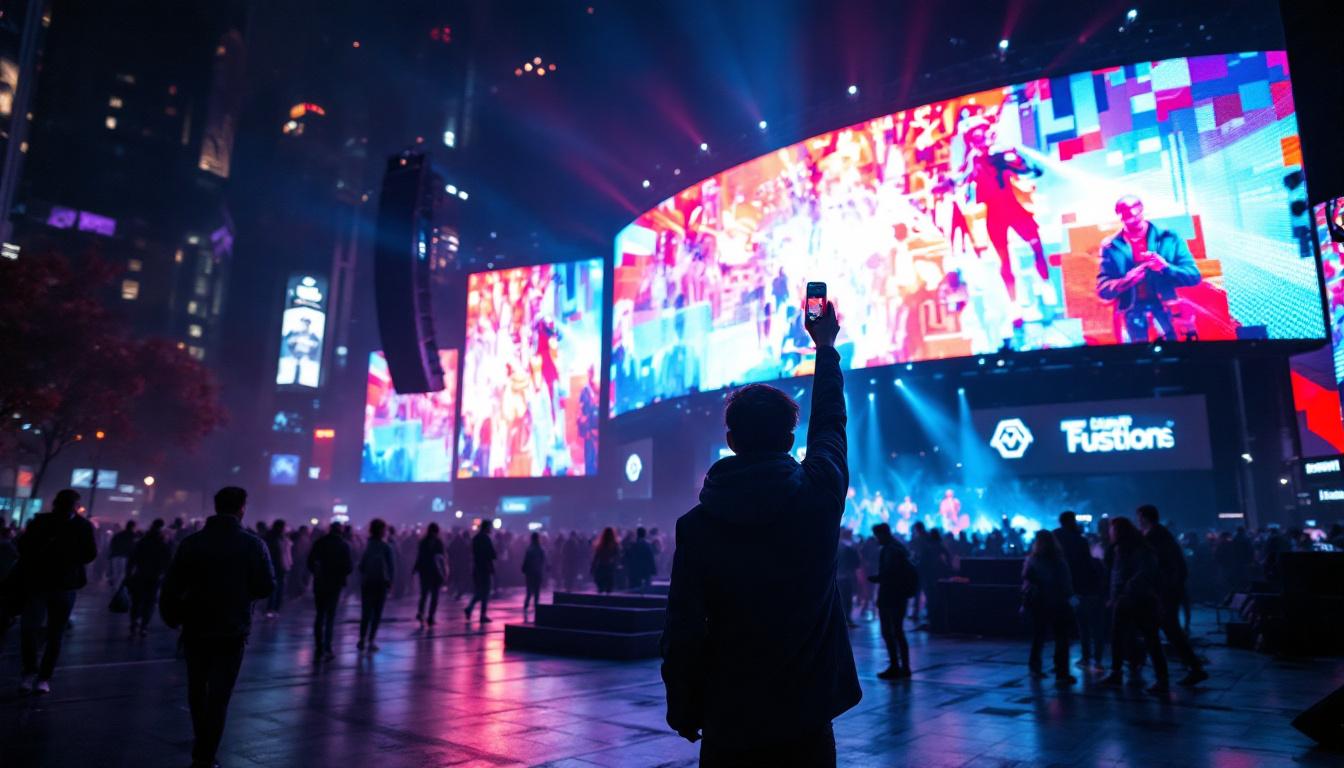
At the heart of many digital sales boards lies LED (Light Emitting Diode) display technology. LEDs are semiconductor devices that emit light when an electric current passes through them. LED displays are favored for their brightness, energy efficiency, and versatility.
How LED Displays Work
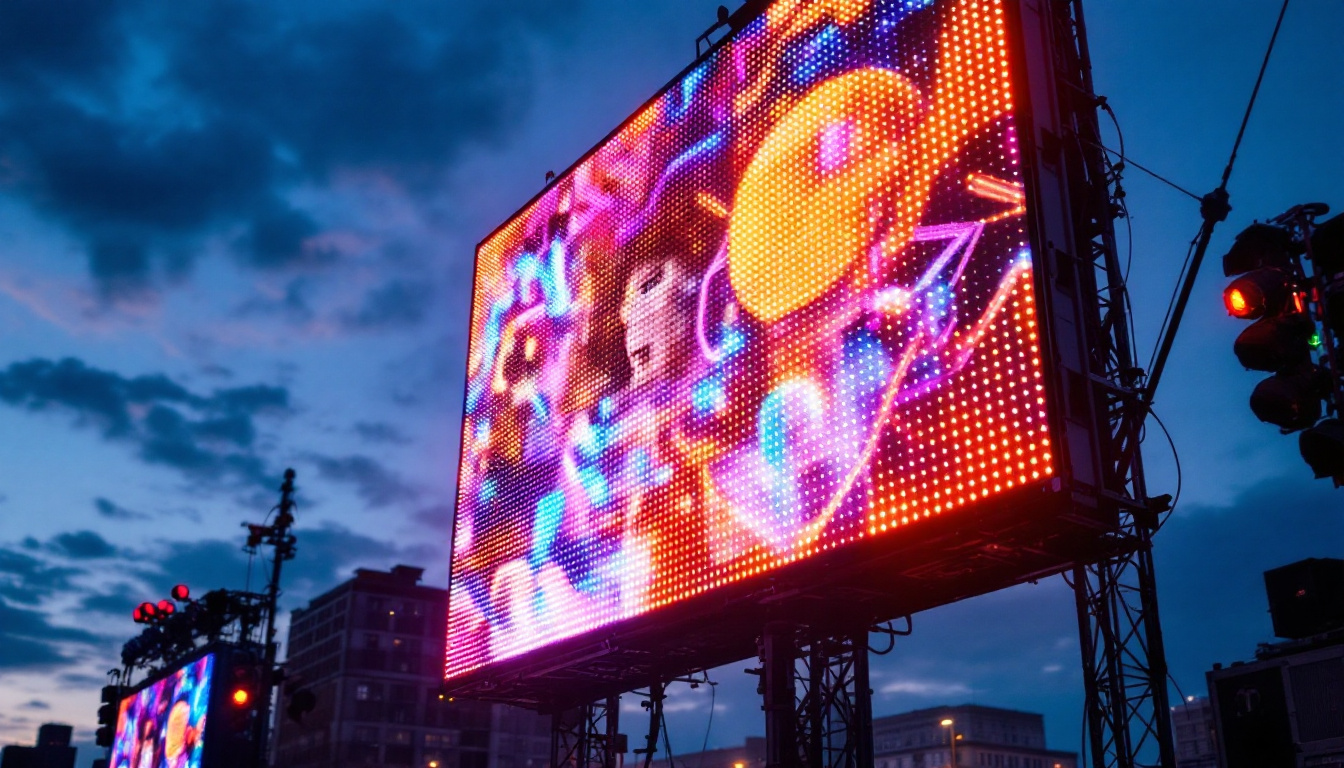
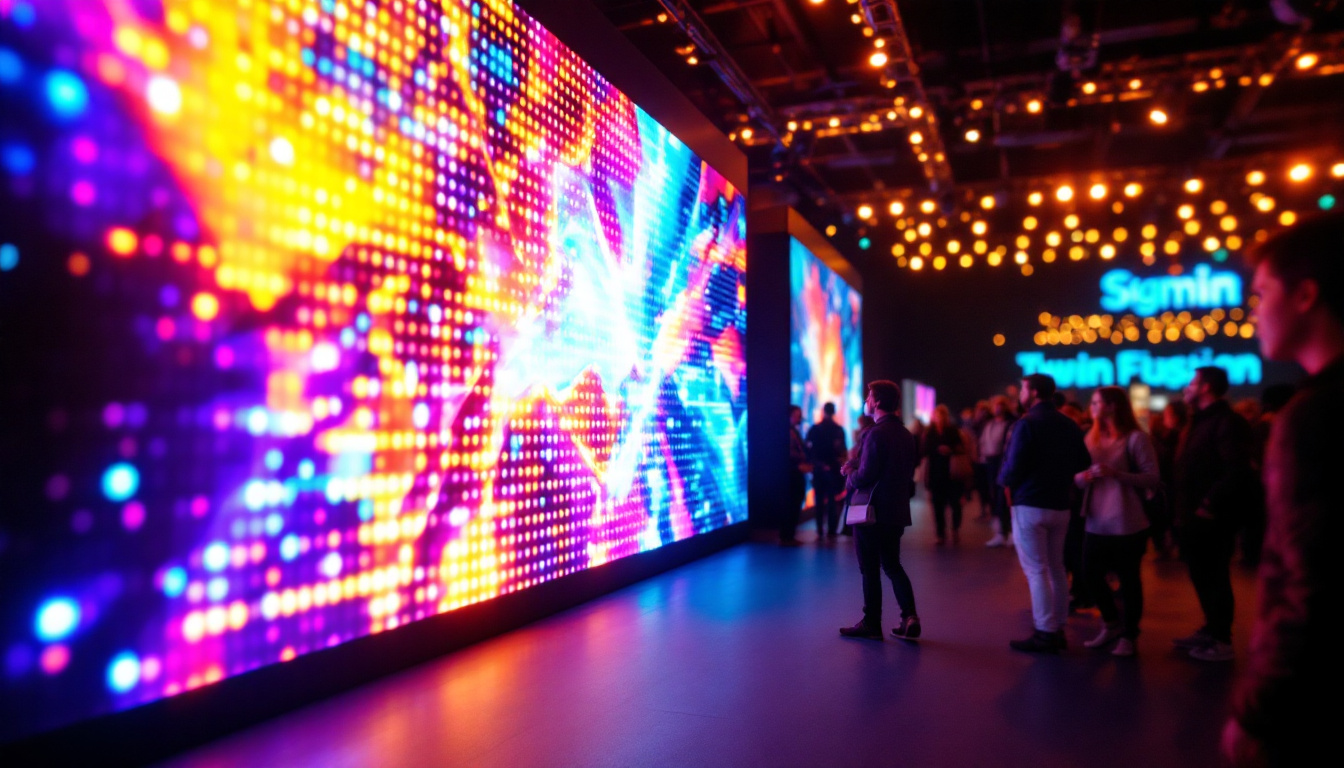
LED displays consist of thousands of tiny LEDs arranged in a grid or matrix. Each LED acts as a single pixel that can emit light in various colors. By controlling the intensity and color of each pixel, the display can render images, text, and videos with high clarity and vibrancy.
There are two primary types of LED displays used in digital sales boards:
- Direct View LED: This type uses individual LEDs as pixels and is known for excellent brightness and viewing angles. It is ideal for large-format displays visible from a distance.
- LED-backlit LCD: This combines LED backlighting with liquid crystal displays to produce sharper images and is often used for smaller or indoor screens.
Advantages of LED Displays for Sales Boards
LED technology offers several advantages that make it particularly suitable for digital sales boards:
- High brightness: Ensures visibility even in brightly lit environments such as retail stores or office spaces.
- Energy efficiency: LEDs consume less power compared to traditional display technologies, reducing operational costs.
- Long lifespan: LED displays typically last tens of thousands of hours, minimizing maintenance and replacement expenses.
- Vivid colors and contrast: Enhances readability and visual appeal, which is crucial for quickly conveying information.
Benefits of Using Digital Sales Boards in Business
Implementing digital sales boards powered by LED displays can transform how businesses communicate sales performance and motivate teams. Here are some of the key benefits:
Boosting Sales Performance Through Transparency
Displaying real-time sales data creates transparency and accountability. When salespeople see their progress toward targets clearly, it encourages them to stay focused and strive for better results. According to a 2023 study by the Sales Management Association, organizations using digital sales performance dashboards reported a 15% increase in sales productivity on average.
Moreover, leaderboards showcasing top performers foster healthy competition, which can drive motivation and engagement across the team.
Enhancing Customer Engagement and Experience
In retail settings, digital sales boards can also serve as marketing tools. By integrating promotional content alongside sales data, stores can inform customers about ongoing deals, new arrivals, or loyalty programs. The bright, eye-catching LED displays naturally draw attention, increasing the likelihood that customers will interact with the content.
For example, a clothing retailer might display daily sales highlights and flash limited-time discounts, encouraging impulse purchases and improving overall sales volume.
Streamlining Communication and Reducing Errors
Manual sales reporting and communication often lead to delays and inaccuracies. Digital sales boards automate data presentation, reducing the risk of human error and ensuring that everyone has access to the most current information. This is particularly valuable in fast-moving environments like call centers or multi-location retail chains.
Centralized control of content also means that updates can be pushed instantly across all displays, keeping teams aligned and informed.
Choosing the Right Digital Sales Board and LED Display
Selecting the appropriate digital sales board and LED display involves considering several factors to ensure it meets business needs effectively.
Display Size and Resolution
The size of the LED display should correspond to the viewing distance and the amount of information to be shown. Larger displays with higher resolution are necessary for spacious sales floors or conference rooms where visibility from afar is critical.
For example, a 55-inch LED display with 4K resolution might be perfect for a corporate sales floor, while a smaller 32-inch screen could suffice for a retail checkout area.
Indoor vs. Outdoor Use
LED displays designed for outdoor use are built to withstand weather conditions and offer higher brightness levels to combat sunlight glare. Indoor displays can prioritize color accuracy and viewing angles without needing extreme brightness.
Choosing the right type ensures durability and optimal performance in the intended environment.
Integration and Software Compatibility
Ensuring that the digital sales board integrates seamlessly with existing sales platforms and CRM systems is crucial. Many LED display providers offer software solutions or APIs that enable real-time data feeds, content scheduling, and remote management.
Businesses should evaluate the ease of use, customization options, and support services when selecting a solution.
Budget and Total Cost of Ownership
While LED displays may have a higher upfront cost compared to traditional boards, their energy efficiency and longevity often result in lower total cost of ownership. It is important to factor in installation, maintenance, software licensing, and potential upgrades when budgeting.
Implementing Digital Sales Boards: Best Practices
Successful deployment of digital sales boards requires thoughtful planning and execution. Here are some best practices to maximize their impact:
Define Clear Objectives and Metrics
Before installation, clarify what the digital sales board aims to achieve. Whether it is to increase sales, improve team motivation, or enhance customer engagement, having well-defined objectives helps tailor the content and functionality accordingly.
Identify key performance indicators (KPIs) that matter most to your business and ensure the board displays these metrics prominently.
Design Engaging and Clear Content
Content should be visually appealing but not overwhelming. Use clear fonts, contrasting colors, and simple graphics to enhance readability. Incorporate animations or video clips sparingly to draw attention without distracting from the core message.
Regularly update content to keep it fresh and relevant, avoiding stale or outdated information that can reduce credibility.
Train Staff and Encourage Interaction
Educate sales teams on how to interpret the data and use the board to their advantage. Encourage feedback and suggestions to improve the system over time.
Interactive features, such as touchscreens or mobile app integration, can further engage employees and create a sense of ownership.
Monitor Performance and Adapt
Track the impact of the digital sales board on sales performance and employee engagement. Use analytics tools to assess which content resonates most and adjust strategies accordingly.
Continuous improvement ensures the board remains a valuable asset rather than a static display.
Future Trends in Digital Sales Boards and LED Displays
As technology evolves, digital sales boards are becoming more sophisticated and integrated with advanced analytics and AI capabilities.
Artificial Intelligence and Predictive Analytics
Future digital sales boards may incorporate AI to analyze sales trends and predict future performance. This allows teams to proactively adjust strategies and focus efforts on high-impact opportunities.
Augmented Reality (AR) and Interactive Displays
Emerging AR technology could enable sales boards to offer immersive and interactive experiences, such as virtual product demonstrations or personalized sales coaching.
Eco-Friendly and Sustainable Solutions
With increasing emphasis on sustainability, LED display manufacturers are developing eco-friendly materials and energy-saving technologies to reduce environmental impact.
Conclusion
Digital sales boards powered by LED display technology represent a significant advancement in how businesses communicate sales performance and engage both employees and customers. Their ability to deliver real-time, visually compelling information fosters transparency, motivation, and improved decision-making.
By understanding the technology, benefits, and best practices for implementation, organizations can leverage digital sales boards to drive growth and maintain a competitive edge in today’s dynamic market landscape.
Transform Your Business Communication with LumenMatrix
Ready to elevate your sales performance and engage your audience like never before? Discover the full spectrum of LumenMatrix’s innovative LED display solutions, from vibrant Indoor and Outdoor LED Wall Displays to dynamic Vehicle and Sports Displays, and even customizable options tailored to your unique needs. Embrace the future of visual communication with our cutting-edge technology designed to captivate and inspire. Check out LumenMatrix LED Display Solutions today and start creating unforgettable visual experiences that drive results.