In the realm of digital imaging and display technology, understanding the fundamental building blocks is crucial for appreciating how images are rendered and viewed. Whether it’s the screen of a smartphone, a massive stadium scoreboard, or a cutting-edge television, the smallest unit of a digital image plays a pivotal role in determining image quality, color accuracy, and overall visual experience.
This article delves into the smallest unit of a digital image, particularly focusing on LED displays. It explains what these units are, how they function, and why they matter in today’s technology-driven world. By the end, readers will have a comprehensive understanding of the core components that make up digital images on LED screens and the technological innovations shaping their future.
Understanding Digital Images: Pixels as the Basic Unit
At the heart of every digital image is the pixel, short for “picture element.” A pixel is the smallest controllable element of a digital image or display. It represents a single point in a graphic or picture and contains information about color and brightness.
Digital images are composed of millions of these pixels arranged in a grid. The more pixels an image contains, the higher its resolution and the sharper and more detailed the image appears. For example, a Full HD screen has a resolution of 1920 x 1080 pixels, meaning it contains over 2 million pixels.
Pixels themselves are not visible as individual dots to the naked eye at typical viewing distances because they are extremely small and tightly packed. However, when zoomed in or viewed on large displays, the pixel grid becomes apparent. This phenomenon is particularly important in fields such as photography and digital art, where the clarity and detail of an image can significantly impact the viewer’s experience. The ability to manipulate pixels allows artists and photographers to create stunning visual effects and intricate designs that captivate audiences.
Pixel Composition: Red, Green, and Blue Subpixels
Each pixel is made up of three subpixels, which correspond to the primary colors of light: red, green, and blue (RGB). By varying the intensity of these subpixels, a pixel can produce a wide range of colors through additive color mixing.
This RGB model is fundamental to digital imaging and display technology. For instance, when all three subpixels are illuminated at full intensity, the pixel appears white. When all are off, the pixel appears black. Intermediate intensities produce millions of possible colors, enabling rich and vibrant images. The RGB color model is not just limited to screens; it is also widely used in digital cameras and scanners, where capturing and reproducing colors accurately is crucial. Moreover, advancements in display technology, such as OLED and HDR, have further enhanced the way pixels render colors, allowing for deeper blacks and more vibrant hues, which enrich the viewing experience.
What Is the Smallest Unit of a Digital Image on an LED Display?
While pixels are the smallest unit of a digital image in general, on an LED display, the concept becomes more nuanced due to the underlying technology. The smallest unit of a digital image on an LED display is often referred to as a “LED pixel”, but it is important to understand what this entails.
LED Pixel: Definition and Structure
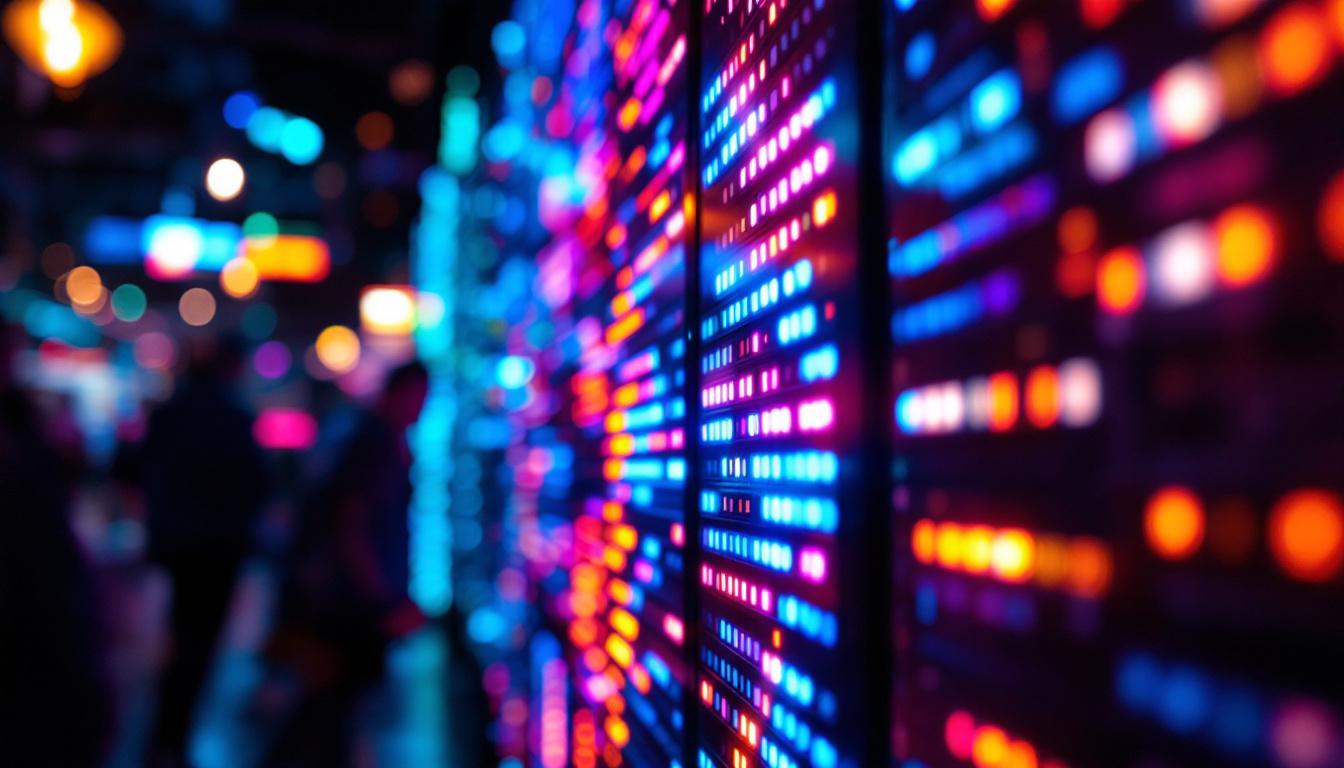
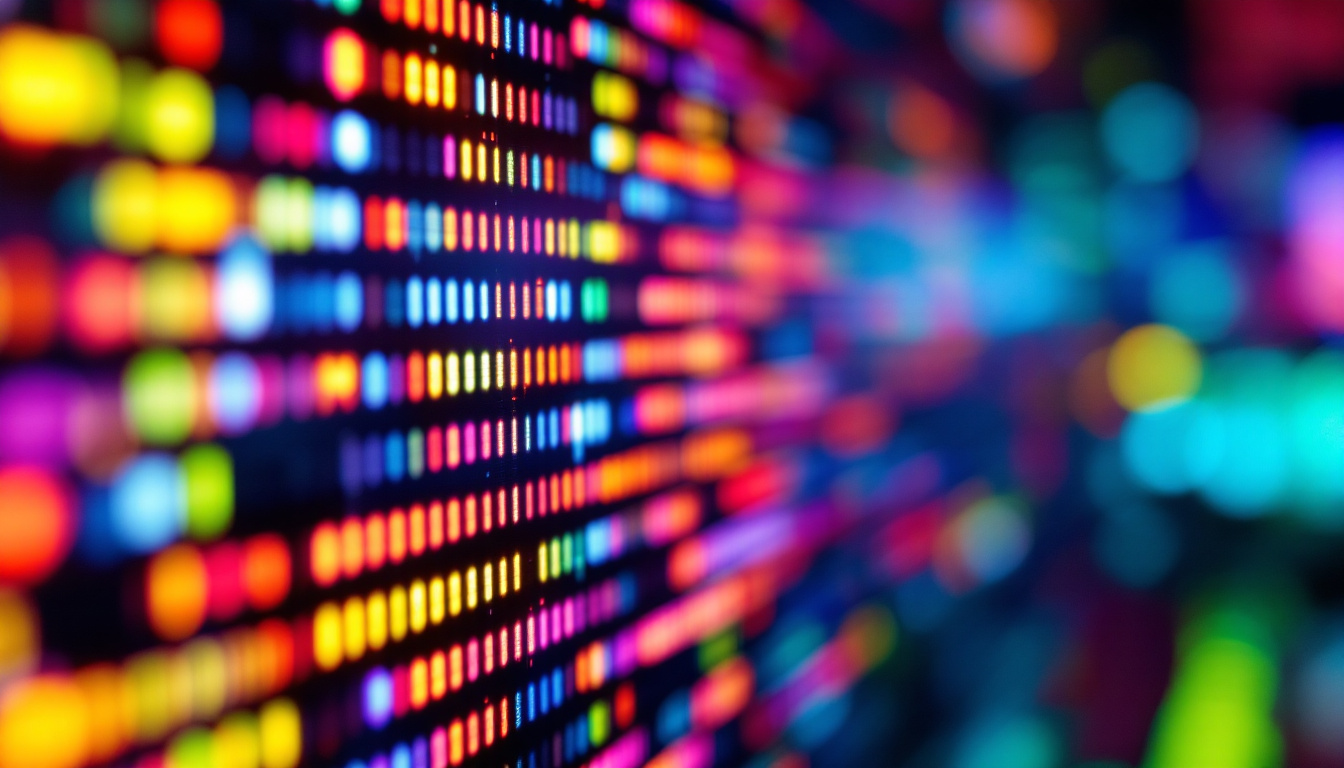
An LED pixel consists of multiple tiny light-emitting diodes (LEDs) grouped together to form a single pixel. Typically, each LED pixel contains three individual LEDs: one red, one green, and one blue. These LEDs work together to produce the full spectrum of colors by adjusting their brightness levels.
Unlike LCDs, which use a backlight and liquid crystals to modulate light, LED displays emit light directly from the LEDs themselves. This direct emission allows for higher contrast ratios, better color accuracy, and improved brightness.
Pixel Pitch: The Key Measurement
One critical specification related to LED pixels is the pixel pitch, which is the distance from the center of one LED pixel to the center of the adjacent pixel, usually measured in millimeters. Pixel pitch determines the density of pixels on the display and directly affects image resolution and viewing distance.
For example, a pixel pitch of 1.2 mm means the LEDs are very close together, resulting in a high-resolution display suitable for close viewing, such as indoor TVs or monitors. Conversely, a pixel pitch of 10 mm or higher is common for large outdoor billboards where viewers are far away.
Understanding pixel pitch is essential for designers and engineers when creating content for LED displays. A display with a smaller pixel pitch can show finer details, making it ideal for applications such as digital signage in retail environments or high-definition video walls in control rooms. In contrast, larger pixel pitches are often used in outdoor advertising, where the focus is more on visibility from a distance rather than intricate detail.
Moreover, advancements in LED technology have led to the development of various types of LEDs, such as SMD (Surface Mount Device) LEDs, which allow for even greater flexibility in pixel design. These innovations enable manufacturers to create displays that are not only thinner and lighter but also capable of producing vibrant colors and sharper images, enhancing the overall viewing experience.
How LED Pixels Differ from Other Display Technologies
Comparing LED pixels to other display technologies helps clarify their unique characteristics and advantages.
LED vs. LCD Pixels
Liquid Crystal Displays (LCDs) use pixels composed of subpixels that modulate light from a backlight. The light passes through liquid crystals and color filters to create the desired color and brightness. In contrast, LED displays use self-emitting diodes as pixels, which means each pixel produces its own light.
This difference results in LED displays typically offering better contrast ratios and more vibrant colors because they can turn off individual pixels completely to produce true blacks. LCDs often suffer from light bleed and limited contrast due to their reliance on backlighting.
MicroLED and OLED: Emerging Pixel Technologies
Newer display technologies like MicroLED and OLED also use self-emitting pixels but with different materials and structures. MicroLED displays use microscopic LEDs to create pixels, offering superior brightness and longevity compared to OLEDs, which use organic compounds that emit light when electrically stimulated.
While OLED pixels offer excellent color accuracy and contrast, they can suffer from burn-in and shorter lifespan. MicroLED aims to combine the best of both worlds, with high brightness, energy efficiency, and durability.
Applications and Importance of LED Pixels in Modern Displays
Understanding the smallest unit of a digital image on LED displays is essential because it directly impacts various applications, from consumer electronics to large-scale advertising and public information systems.
Consumer Electronics: TVs, Smartphones, and Monitors
In consumer devices, LED pixel density and quality influence screen resolution, color reproduction, and energy consumption. High pixel density (small pixel pitch) allows for ultra-high-definition displays, enabling users to enjoy crisp images and immersive experiences.
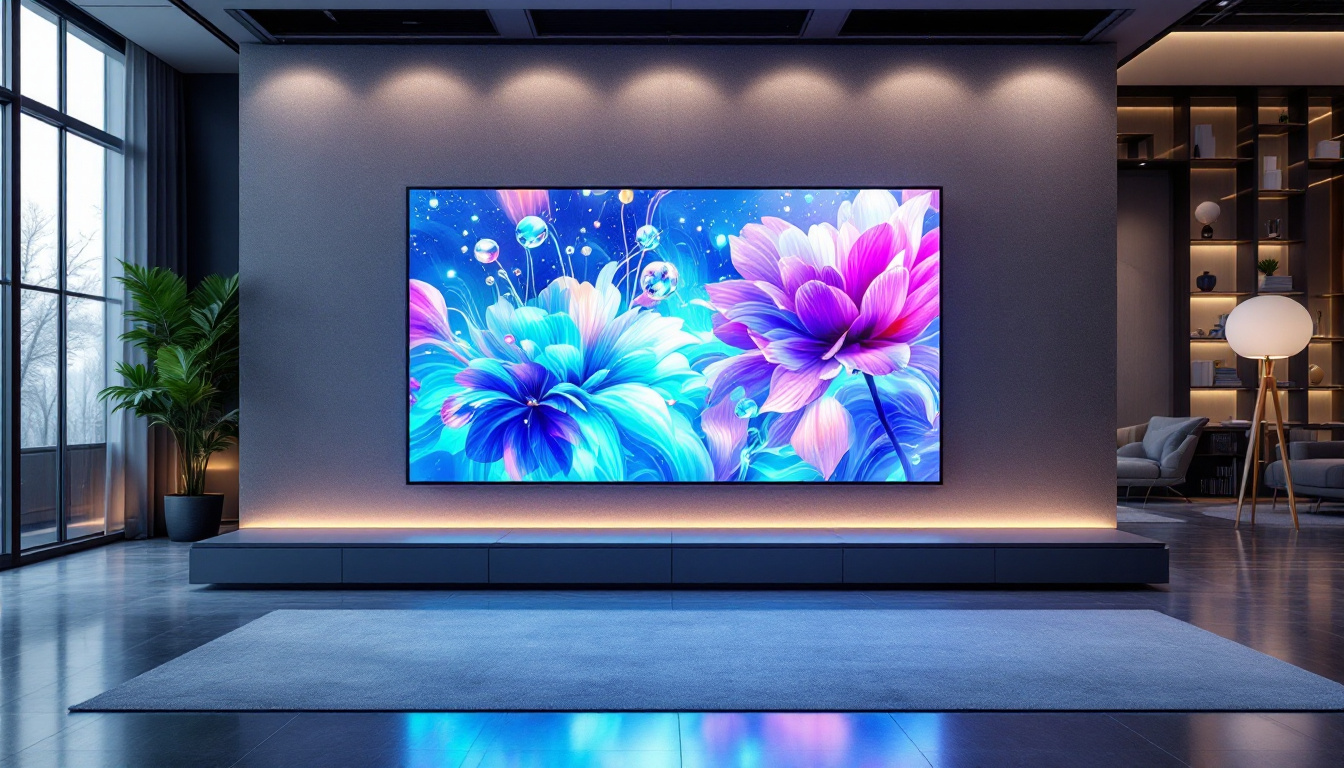
For instance, modern 4K and 8K televisions rely on millions of LED pixels to deliver stunning detail. Similarly, smartphone displays use advanced LED pixel arrangements to provide bright, vivid screens that perform well even under direct sunlight.
Outdoor and Large-Scale Displays
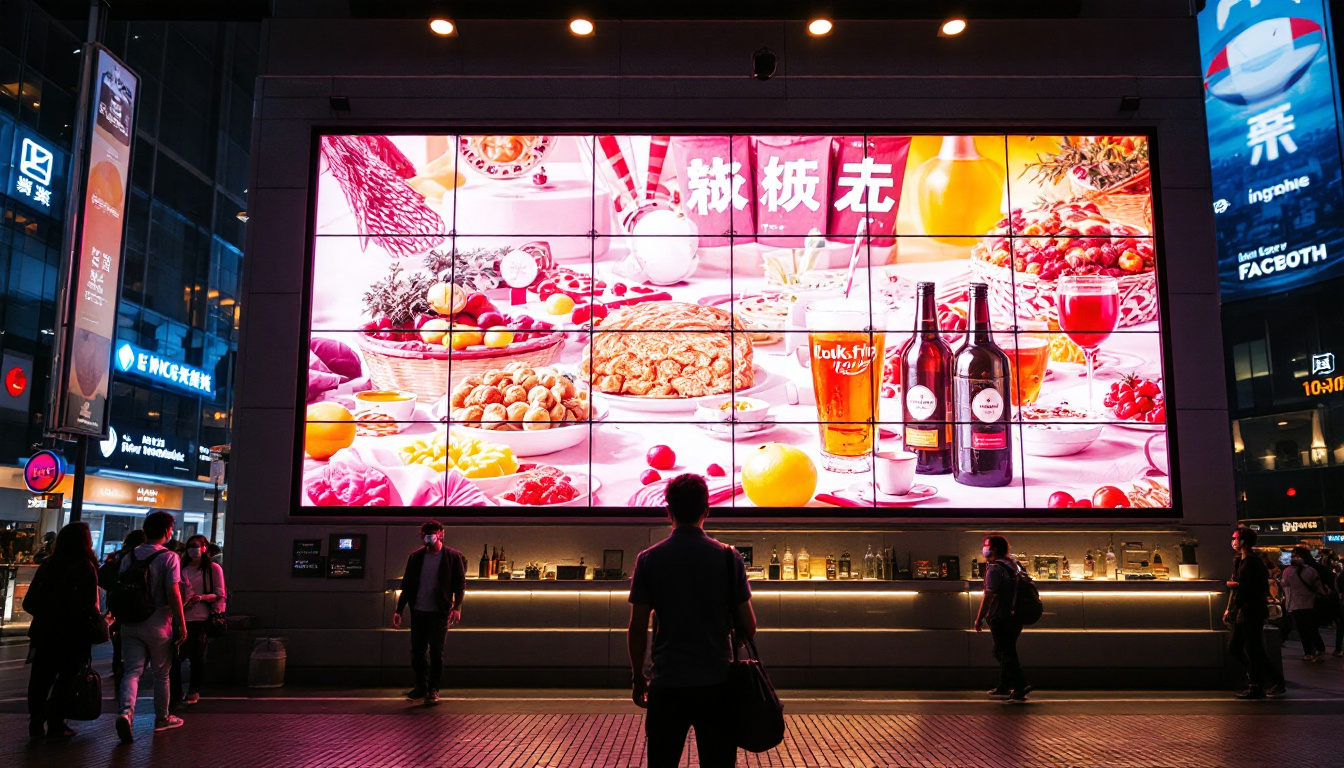
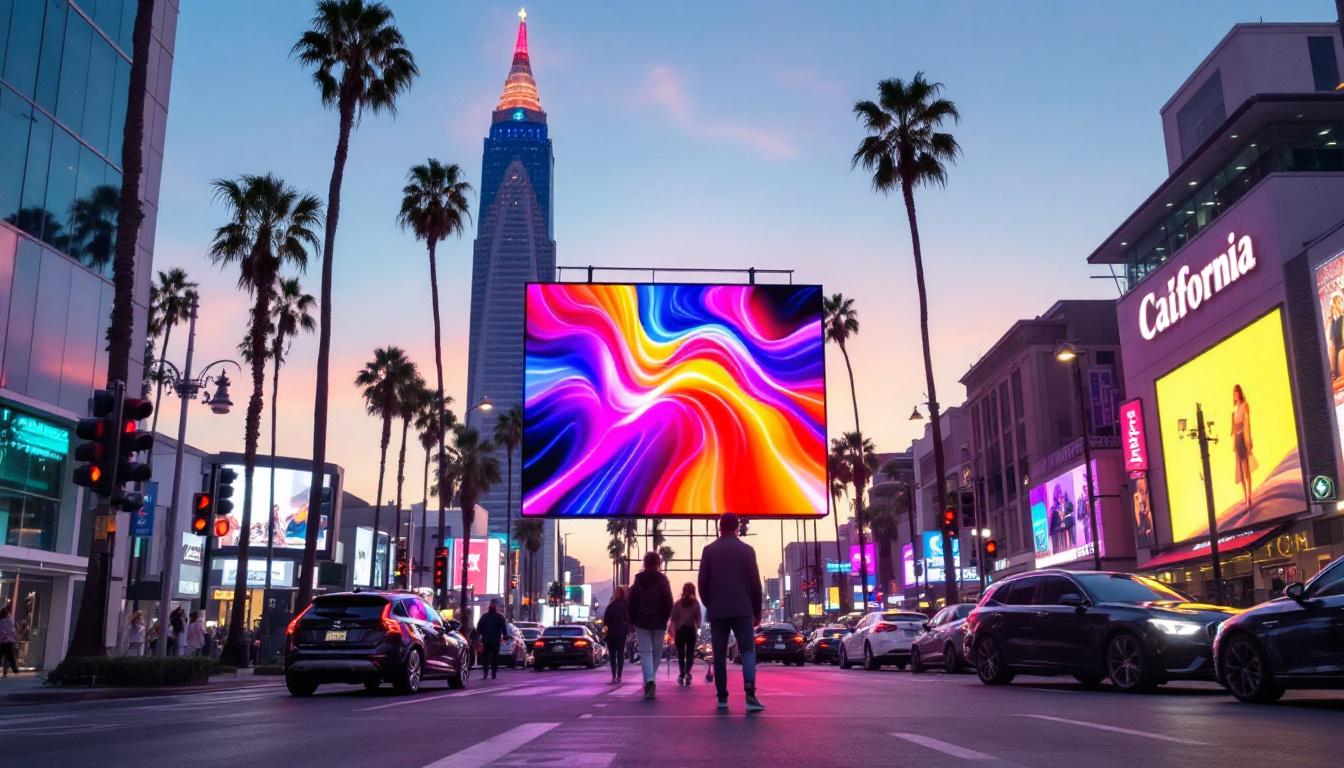
LED technology is widely used in outdoor advertising, stadium screens, and public information displays. Here, the pixel pitch is larger to accommodate viewing distances that can range from several meters to hundreds of meters.
For example, a stadium scoreboard may have a pixel pitch of 16 mm or more, which ensures that the image remains clear and visible from the stands. The durability and brightness of LED pixels make them ideal for these environments, where weather resistance and visibility under sunlight are critical.
Innovations in LED Pixel Technology
Advancements in LED pixel technology continue to push the boundaries of display performance. Miniaturization of LEDs allows for smaller pixel pitches and higher resolutions, while improvements in LED materials enhance color accuracy and energy efficiency.
Additionally, developments in flexible and transparent LED displays are opening new possibilities for design and application, such as wearable displays, curved screens, and see-through digital signage.
Why Knowing About LED Pixels Matters
For professionals in design, marketing, technology, and engineering, understanding LED pixels is more than a technical curiosity—it’s a practical necessity. Selecting the right display technology and specifications can influence user engagement, brand perception, and overall effectiveness of visual communication.
Moreover, as digital displays become ubiquitous in everyday life, consumers benefit from understanding how these technologies work to make informed purchasing decisions and appreciate the capabilities of their devices.
Impact on Visual Quality and User Experience
The size and quality of LED pixels directly affect image sharpness, color fidelity, and brightness. Displays with smaller, more precise pixels deliver smoother images and reduce eye strain, which is particularly important for prolonged use in work or entertainment.
Conversely, displays with larger pixels may appear pixelated or less detailed, which can detract from the viewing experience. Therefore, matching pixel pitch and resolution to the intended use case and viewing distance is essential.
Energy Efficiency and Longevity
LED pixels are also notable for their energy efficiency compared to older display technologies. Efficient LED pixels consume less power, generate less heat, and have longer lifespans, contributing to sustainability and cost savings over time.
Understanding these factors can help businesses and consumers choose displays that align with their environmental goals and budget constraints.
Conclusion: The Smallest Unit of a Digital Image on LED Displays
The smallest unit of a digital image on an LED display is the LED pixel, a combination of red, green, and blue LEDs that work together to produce a single point of color and light. These pixels form the foundation of the image, determining resolution, color quality, and brightness.
Advances in LED pixel technology continue to enhance display capabilities across a wide range of applications, from handheld devices to massive outdoor screens. Understanding the structure and function of these pixels is essential for anyone involved in digital media, display technology, or visual communication.
As LED displays evolve, the pixel remains the critical element that shapes how digital images are created and experienced, making it a fundamental concept in the digital age.
Explore Cutting-Edge LED Display Solutions with LumenMatrix
Now that you understand the significance of LED pixels in creating high-quality digital images, it’s time to see how innovative LED display technology can transform your visual communication. LumenMatrix, a leader in LED display solutions, offers an extensive range of products designed to captivate and engage your audience. From Indoor and Outdoor LED Wall Displays to specialized solutions like Vehicle LED Displays, LED Sports Displays, and Custom LED Displays, LumenMatrix is dedicated to enhancing your brand’s visibility with stunning clarity and impact. Check out LumenMatrix LED Display Solutions today and experience the future of digital signage.