In today’s rapidly evolving digital landscape, LED displays have become a cornerstone technology for businesses seeking dynamic visual communication solutions. From retail environments and corporate settings to large-scale events and public installations, LED displays offer unparalleled brightness, flexibility, and impact. For companies operating as deal registration partners, understanding the intricacies of LED display technology is essential to effectively navigate partnerships, optimize sales strategies, and deliver value to end customers.
What is a Deal Registration Partner?
Before diving into the specifics of LED displays, it’s important to clarify the role of a deal registration partner within the technology ecosystem. A deal registration partner is typically a reseller, distributor, or systems integrator authorized by manufacturers or vendors to register potential sales opportunities. This registration protects the partner’s investment in lead generation and sales efforts by granting them exclusive rights or priority when closing deals.
Deal registration programs are designed to foster collaboration between manufacturers and partners, ensuring that partners receive appropriate support, pricing, and resources. In the context of LED displays, these partnerships are critical because the technology often involves complex configurations, tailored solutions, and significant project management. The relationship between manufacturers and deal registration partners is built on trust and mutual benefit, where both parties work towards a common goal of delivering high-quality solutions to end-users.
Furthermore, a deal registration partner often has deep insights into customer needs and market trends, which can be invaluable for manufacturers. This feedback loop allows manufacturers to refine their products and services, ensuring they remain competitive in a rapidly evolving market. Additionally, partners can leverage their established networks and relationships to identify new opportunities, making them crucial players in the sales ecosystem.
Why Deal Registration Matters in LED Display Sales
LED display projects frequently involve multiple stakeholders, including architects, event planners, marketing teams, and IT departments. Deal registration helps partners secure their position in the sales funnel and avoid channel conflicts. It also enables manufacturers to track market demand and allocate resources efficiently. For partners, this means better margins, enhanced technical support, and access to exclusive training.
Moreover, the complexity of LED display installations often requires specialized knowledge and skills. Deal registration partners are typically equipped with the expertise to navigate these challenges, ensuring that projects are executed smoothly and meet the specific requirements of clients. This expertise not only enhances the partner’s reputation but also builds trust with customers, who rely on their guidance to make informed decisions. As technology continues to advance, the role of deal registration partners will likely evolve, adapting to new trends such as integration with smart technologies and the growing demand for immersive experiences in various sectors.
Understanding LED Display Technology
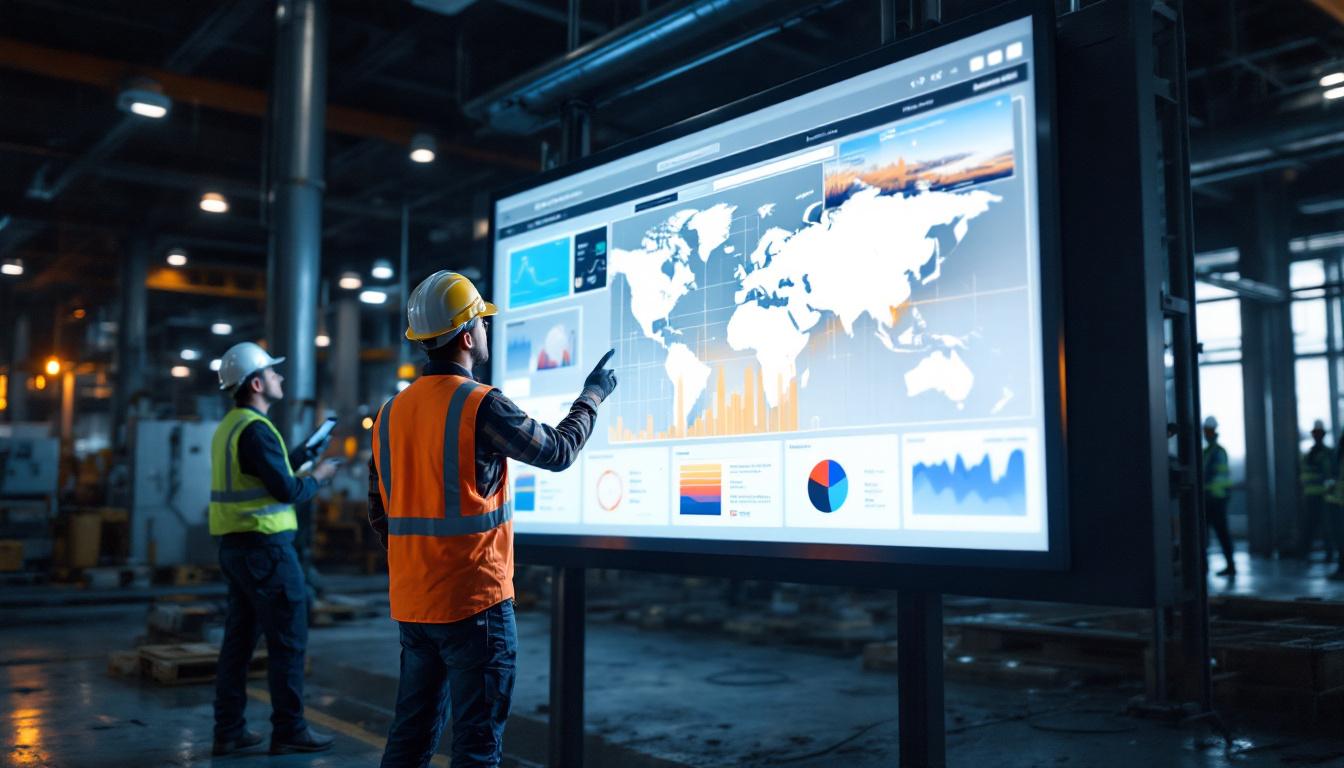
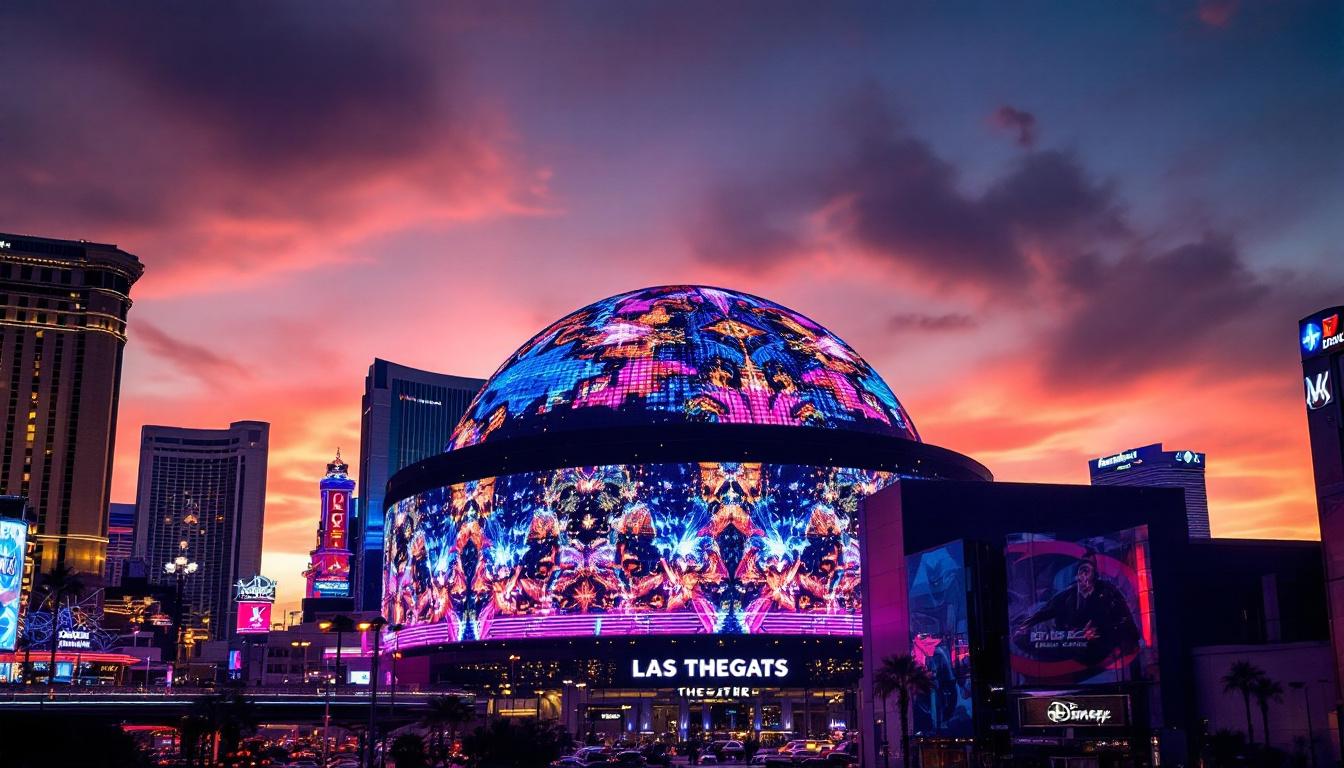
LED (Light Emitting Diode) displays are digital screens composed of numerous tiny LEDs that emit light when an electrical current passes through them. These displays are known for their brightness, color accuracy, and energy efficiency. They come in various forms, including indoor and outdoor screens, video walls, and flexible panels. The versatility of LED technology has made it a popular choice across multiple industries, from entertainment to advertising, and even in the realm of art installations.
Key Components of LED Displays
At the core of every LED display are the LEDs themselves, which are arranged in pixels. Each pixel typically contains red, green, and blue LEDs that combine to produce a full spectrum of colors. The density of these pixels, measured in pixels per inch (PPI) or pixel pitch (distance between pixels), directly impacts image clarity and resolution. High-density displays are particularly advantageous in settings where viewers are close to the screen, as they minimize the visibility of individual pixels and create a seamless viewing experience.
Other essential components include the control system, power supply, and protective casing. The control system processes input signals and manages the display output, while the power supply ensures consistent energy delivery. Protective casings are especially important for outdoor displays, shielding the LEDs from weather and physical damage. Additionally, advanced thermal management systems are often integrated to dissipate heat effectively, ensuring the longevity and reliability of the display, especially in high-temperature environments.
Types of LED Displays
LED displays can be broadly categorized based on their intended use and installation environment:
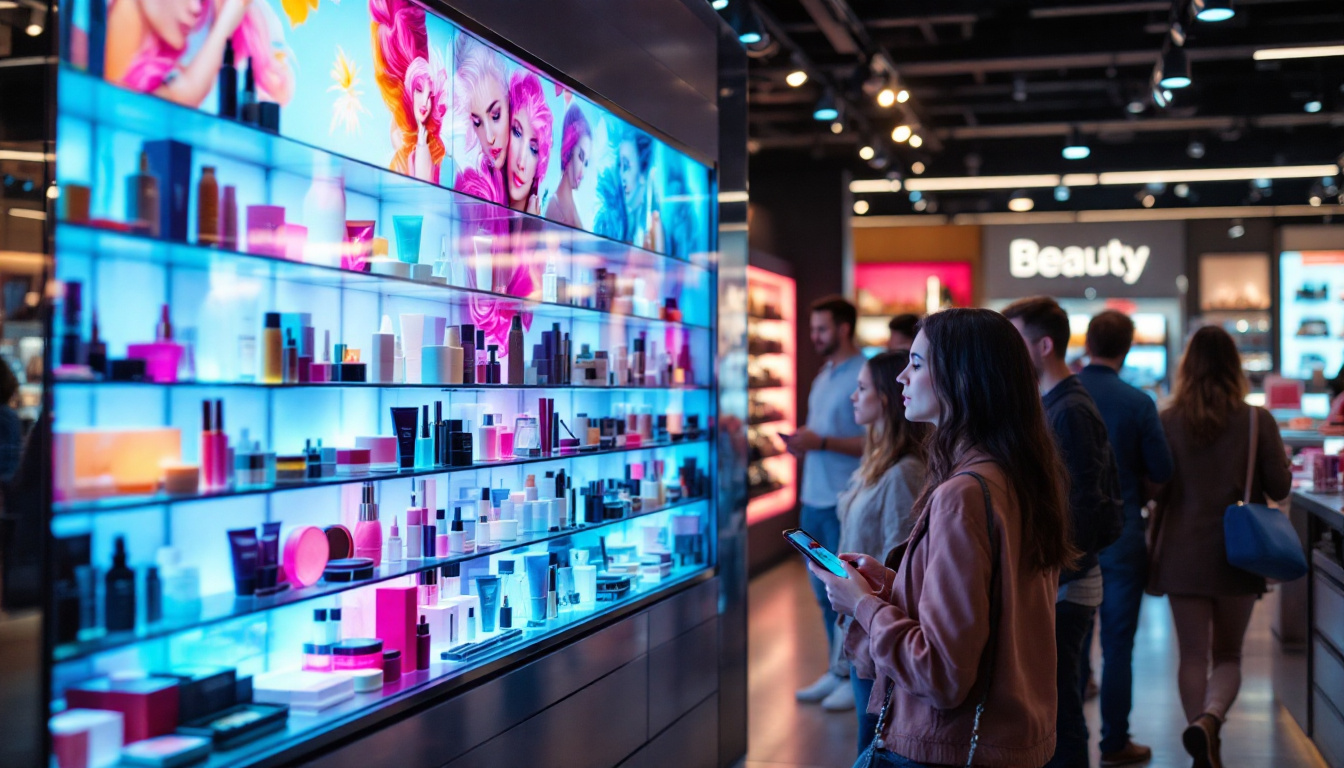
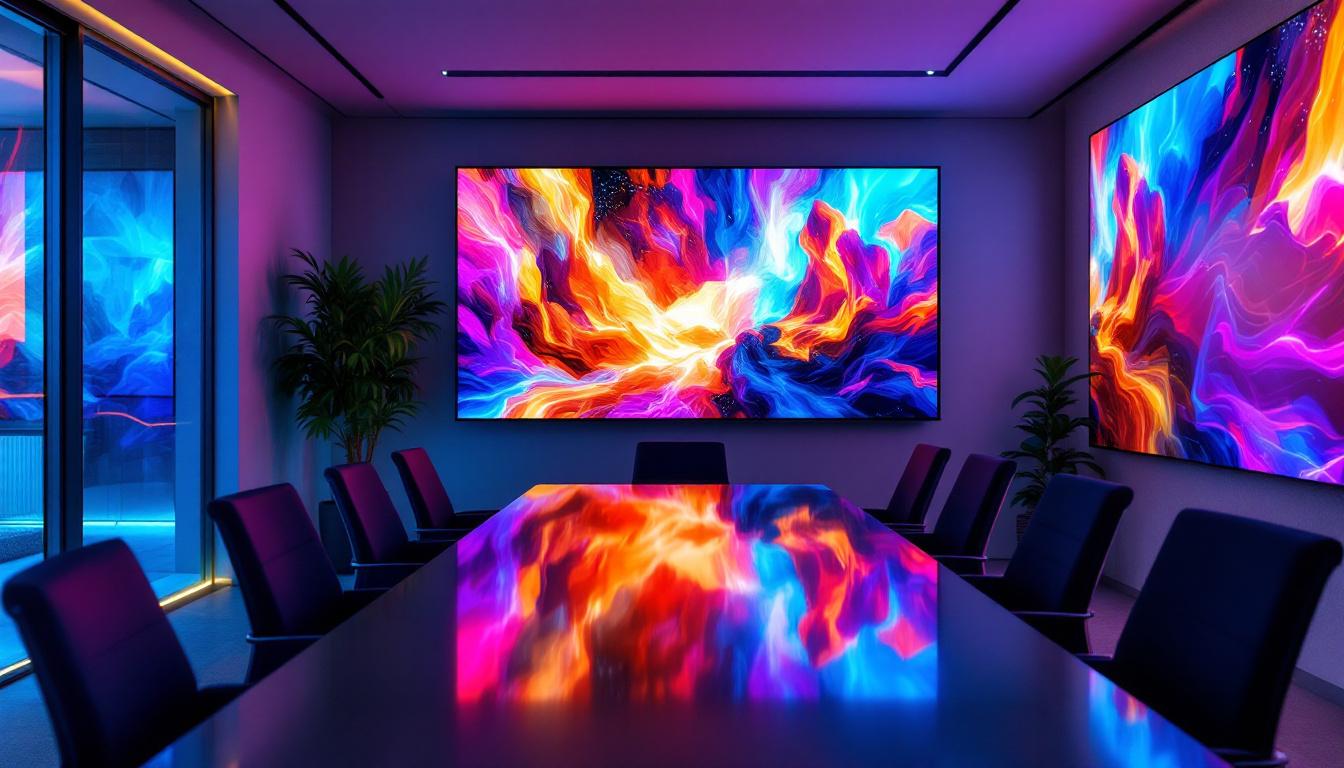
- Indoor LED Displays: Designed for controlled environments, these displays have a finer pixel pitch (often 1-4 mm), providing high-resolution images suitable for retail stores, conference rooms, and broadcast studios. Their ability to render vibrant colors and sharp images makes them ideal for presentations and advertising, enhancing customer engagement and communication.
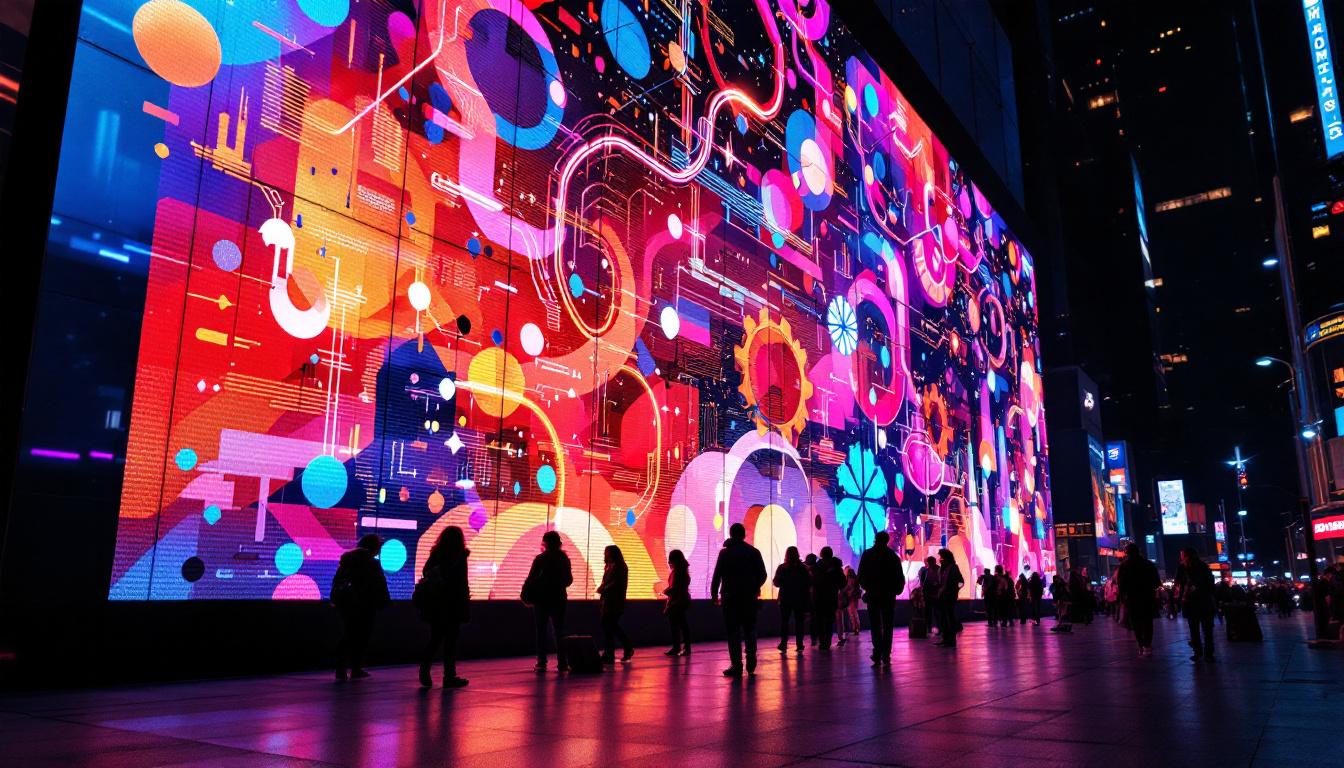
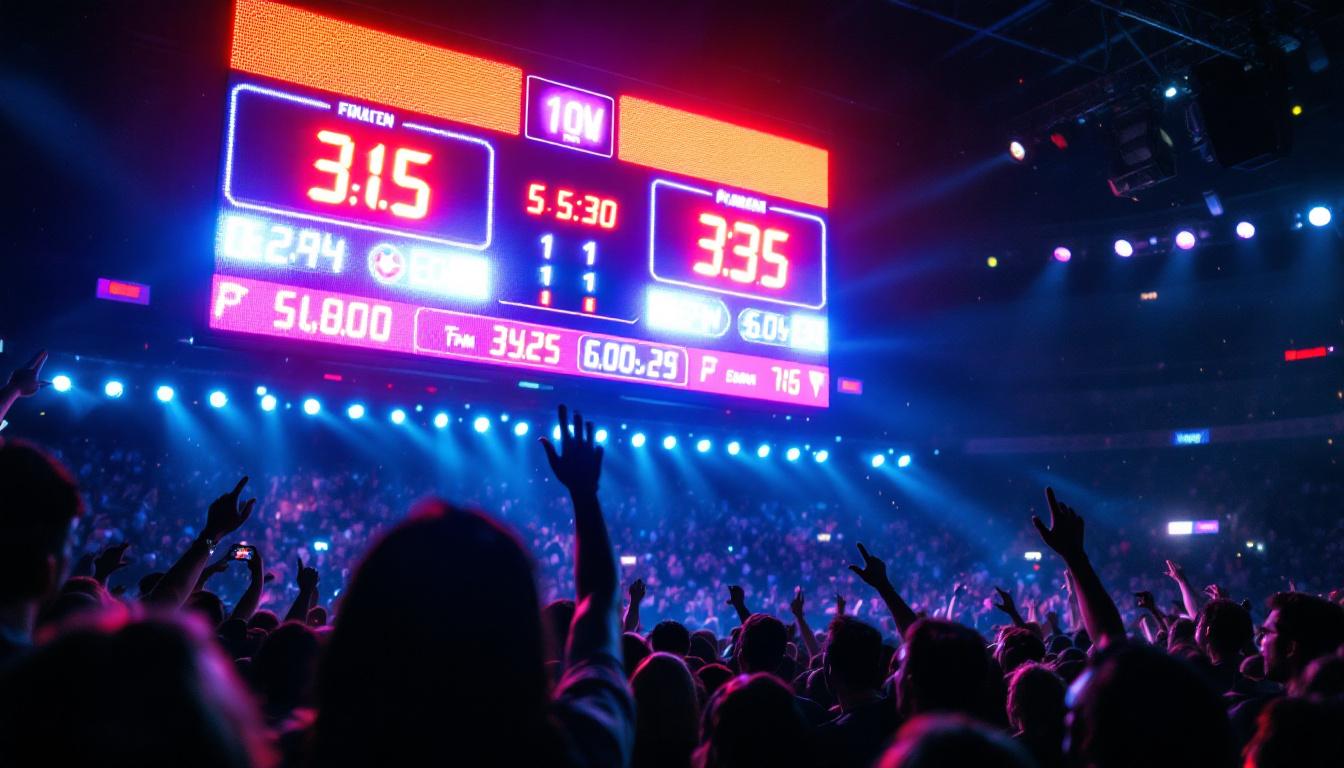
- Outdoor LED Displays: Built to withstand harsh weather conditions, these displays feature a larger pixel pitch (typically 4-20 mm) and higher brightness levels to ensure visibility in direct sunlight. Common applications include billboards, stadium screens, and transportation hubs. The durability of outdoor LEDs is complemented by features like anti-glare coatings and water-resistant designs, which ensure they remain operational in varying environmental conditions.
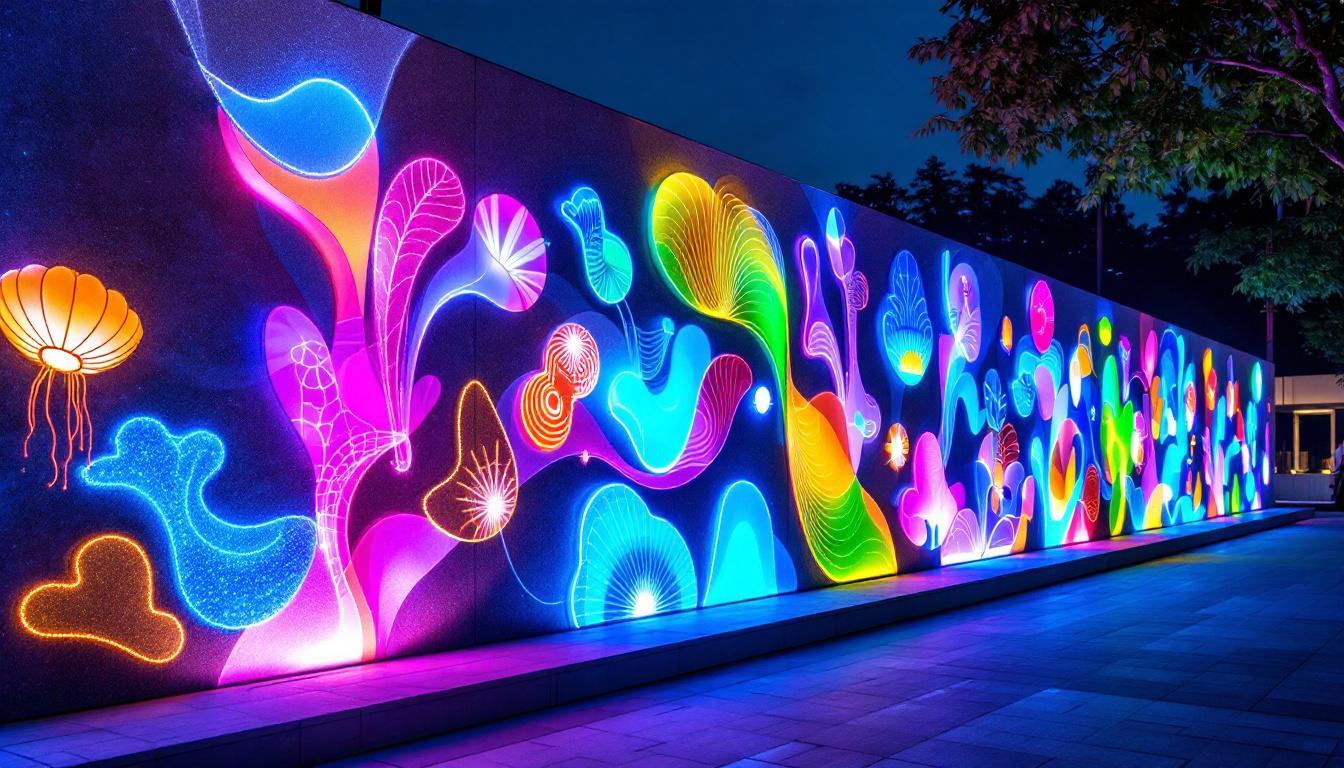
- Flexible and Transparent LED Displays: These innovative displays offer unique form factors, allowing for curved installations or see-through panels, often used in architectural designs and creative advertising. Their adaptability enables designers to create captivating visual experiences that integrate seamlessly into various environments, from retail storefronts to art galleries, pushing the boundaries of traditional display technology.
Benefits of LED Displays for Businesses
LED displays offer a range of advantages that make them a preferred choice for businesses across sectors. Understanding these benefits helps deal registration partners articulate value propositions effectively and tailor solutions to client needs.
High Brightness and Visibility
One of the standout features of LED displays is their exceptional brightness, often exceeding 5,000 nits for outdoor models. This ensures clear visibility even under direct sunlight, which is crucial for outdoor advertising and public information systems. Indoor displays also benefit from adjustable brightness levels to suit ambient lighting conditions.
Energy Efficiency and Longevity
Compared to traditional display technologies like LCD or projection systems, LEDs consume significantly less power while delivering superior brightness. Advances in LED manufacturing have extended the lifespan of these displays to upwards of 100,000 hours, reducing maintenance costs and downtime.
Customization and Scalability
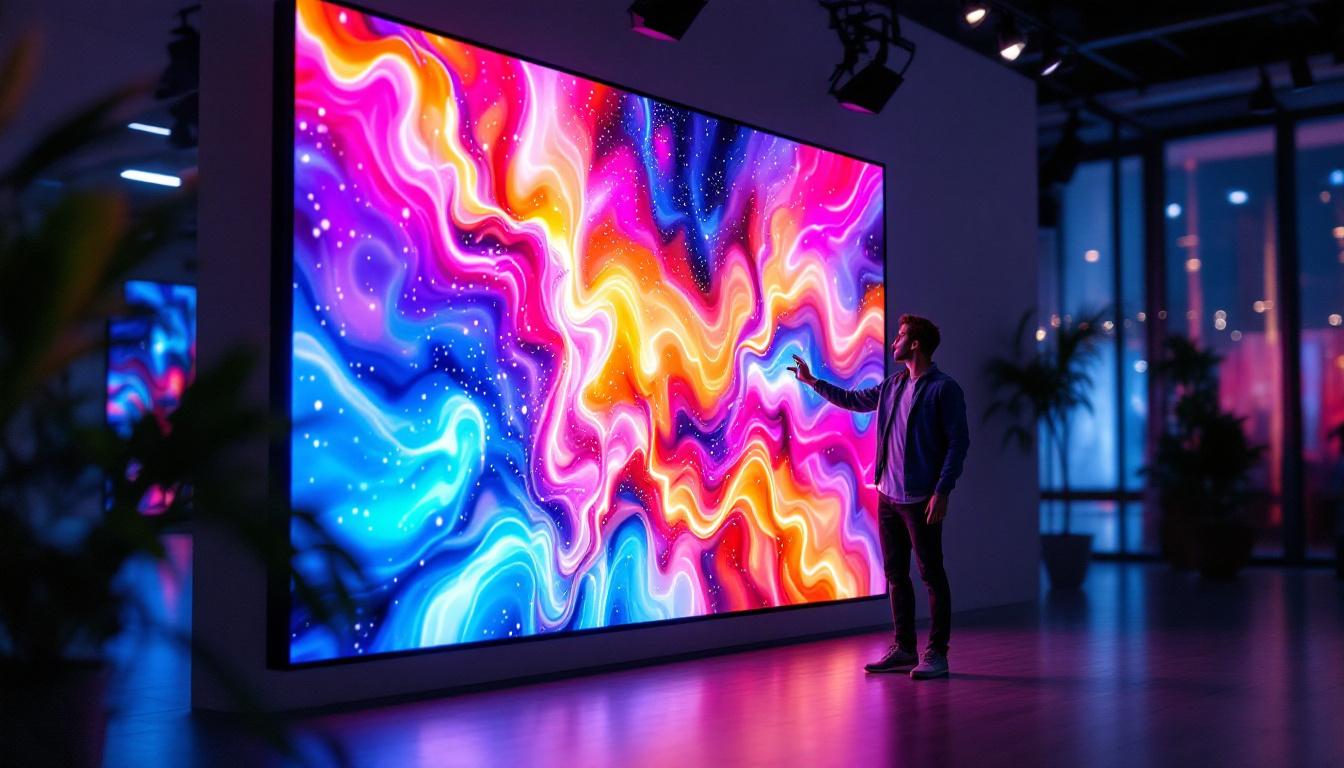
LED displays are highly modular, allowing businesses to customize sizes, shapes, and resolutions to fit specific spaces and purposes. This scalability makes them ideal for everything from small retail signage to massive video walls spanning thousands of square feet.
Dynamic Content and Interactivity
Modern LED displays support a wide range of multimedia content, including live video feeds, animations, and interactive elements. Integration with content management systems enables real-time updates and targeted messaging, enhancing customer engagement and marketing effectiveness.
Challenges and Considerations in LED Display Projects
While LED displays offer many benefits, successful deployment requires careful planning and expertise. Deal registration partners must be aware of common challenges to provide comprehensive solutions and maintain customer satisfaction.
Initial Investment and ROI
LED display systems often involve a significant upfront cost, including hardware, installation, and integration. Partners need to work closely with clients to develop clear ROI models that justify the investment through increased sales, brand visibility, or operational efficiencies.
Technical Complexity and Installation
Proper installation is critical to performance and longevity. Factors such as pixel pitch, viewing distance, and environmental conditions must be carefully considered. Additionally, electrical and structural requirements can complicate installations, especially for large or outdoor displays.
Content Management and Maintenance
Effective content management is essential to maximize the impact of LED displays. Partners should offer or recommend robust content management platforms and provide training to client teams. Regular maintenance, including cleaning and software updates, is also necessary to prevent image degradation and technical failures.
The Role of Deal Registration Partners in LED Display Sales
Deal registration partners play a pivotal role in bridging the gap between manufacturers and end customers. Their responsibilities extend beyond sales to include consultation, project management, and after-sales support.
Consultative Selling and Solution Design
Given the technical nature of LED displays, partners must engage in consultative selling—understanding client needs, recommending appropriate products, and designing tailored solutions. This approach builds trust and positions the partner as a valuable advisor rather than just a vendor.
Leveraging Manufacturer Support
Deal registration programs often grant partners access to exclusive resources such as technical training, marketing collateral, and dedicated support teams. Utilizing these resources enhances the partner’s capability to deliver high-quality solutions and respond to client inquiries promptly.
Managing the Sales Cycle and Customer Relationships
From lead generation to contract negotiation and project execution, partners manage the entire sales cycle. Maintaining strong relationships with clients ensures repeat business and referrals, which are critical for sustained growth in the competitive LED display market.
Current Trends and Future Outlook in LED Display Technology
The LED display industry continues to evolve rapidly, driven by technological advancements and changing market demands. Staying informed about these trends enables deal registration partners to anticipate customer needs and remain competitive.
Mini-LED and Micro-LED Innovations
Emerging technologies like Mini-LED and Micro-LED offer even higher resolution, improved color accuracy, and thinner form factors. These innovations are poised to disrupt traditional LED markets, particularly in premium indoor applications such as control rooms and luxury retail.
Integration with IoT and Smart Technologies
LED displays are increasingly integrated with Internet of Things (IoT) platforms and smart building systems. This connectivity allows for automated content adjustments based on environmental data, audience analytics, and interactive capabilities, enhancing user experience and operational efficiency.
Sustainability and Eco-Friendly Solutions
Environmental considerations are becoming more prominent, with manufacturers focusing on recyclable materials, reduced power consumption, and longer product lifecycles. Partners who emphasize sustainability can appeal to eco-conscious clients and comply with emerging regulations.
Conclusion
For deal registration partners, a deep understanding of LED display technology is essential to capitalize on the growing demand for dynamic visual solutions. By mastering the technical aspects, recognizing the benefits and challenges, and leveraging manufacturer partnerships, partners can deliver tailored, high-impact displays that drive business success.
As LED display technology continues to advance, staying informed about industry trends and innovations will enable partners to maintain a competitive edge and foster long-term client relationships. Ultimately, the combination of technical expertise, strategic collaboration, and customer-centric approaches defines the role of a successful deal registration partner in the LED display market.
Explore Cutting-Edge LED Solutions with LumenMatrix
Ready to transform your visual communication strategy with the latest in LED display technology? LumenMatrix is at the forefront of innovation, offering a diverse range of LED display solutions tailored to your unique needs. From captivating Indoor LED Wall Displays to robust Outdoor LED Wall Displays, and from dynamic Vehicle LED Displays to sleek LED Poster Displays, our products are designed to elevate your brand’s visibility and audience engagement. Discover the full potential of LED Sports Displays, interactive Floor LED Displays, and the versatility of Custom and All-in-One LED Display solutions. Embrace transparency with our LED Transparent Displays and make a lasting impression. Don’t miss out on the opportunity to revolutionize your visual presence. Check out LumenMatrix LED Display Solutions today and step into the future of digital signage.