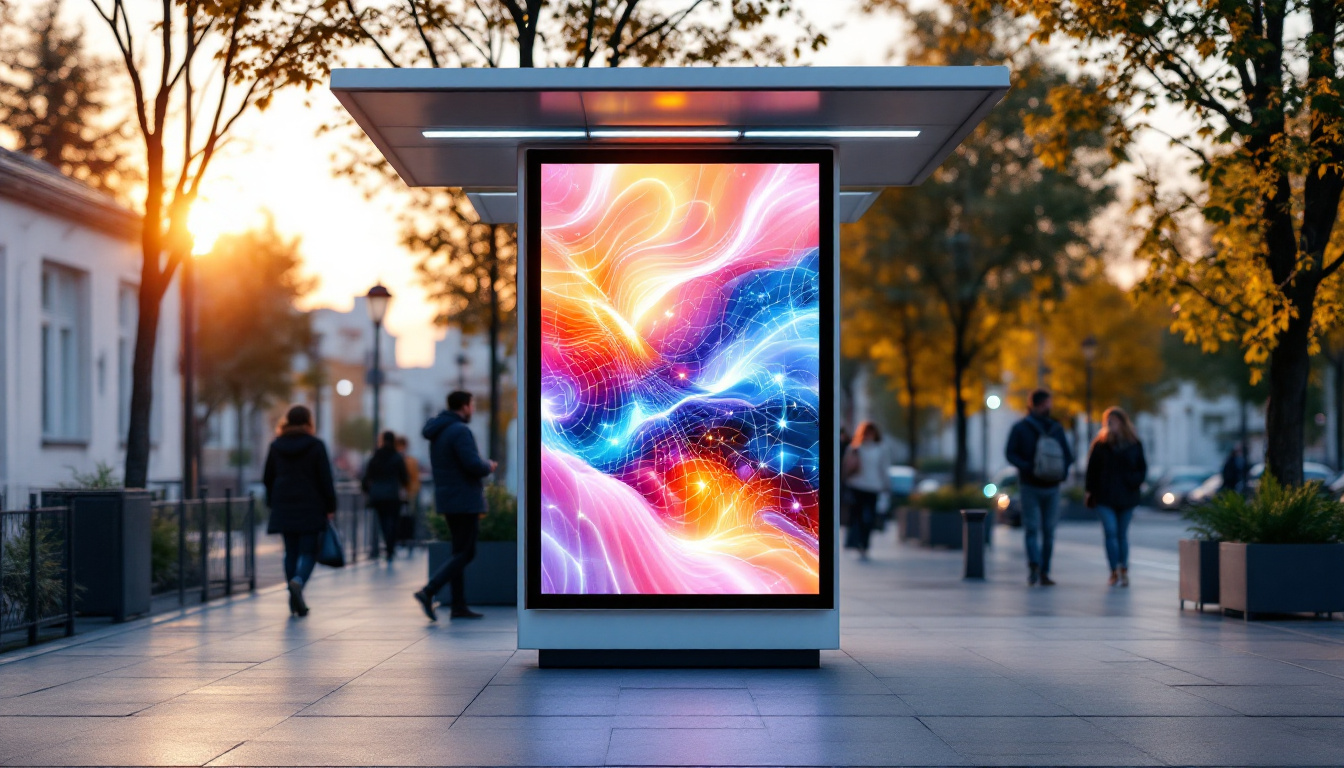
In the world of digital signage and visual communication, LED displays have become a cornerstone technology, revolutionizing how information and advertising are presented. Among the many technical specifications and models, the term “160 x 1.6” often appears, sparking curiosity and questions about what it truly signifies. This article delves into the meaning behind “160 x 1.6,” explores the technology of LED displays, and explains why understanding these figures is crucial for businesses, event organizers, and digital advertisers.
Understanding the Basics of LED Displays
What is an LED Display?
LED, or Light Emitting Diode, displays are screens composed of tiny light-emitting diodes that create images and videos by illuminating in various colors and intensities. Unlike traditional LCD or plasma screens, LED displays offer superior brightness, energy efficiency, and durability, making them ideal for both indoor and outdoor use. The technology behind LED displays has evolved significantly, allowing for thinner designs and lighter weights, which facilitates easier installation and transportation.
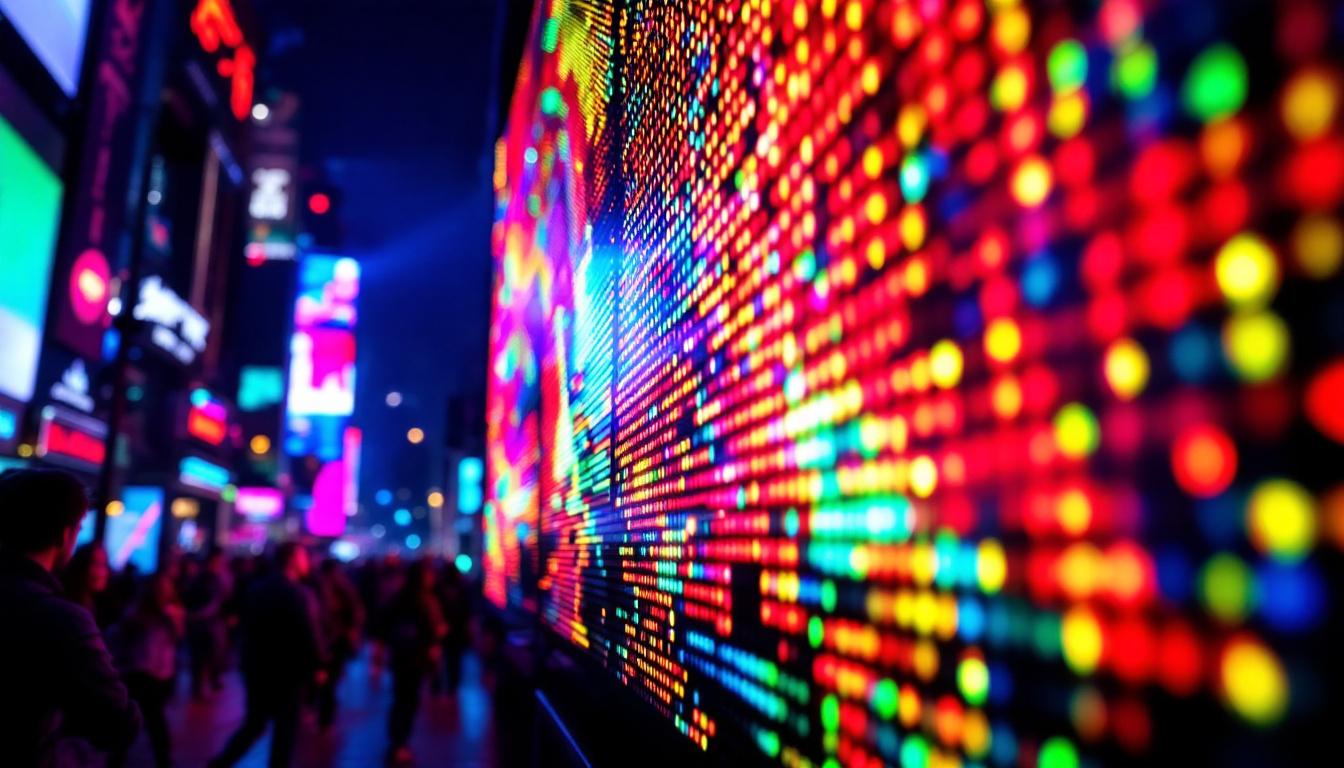
These displays are widely used in arenas, billboards, retail environments, and public transportation hubs. Their modular nature allows for flexible sizing and shapes, which can be customized according to the needs of the installation. Furthermore, advancements in LED technology have led to the development of flexible and transparent displays, opening up new possibilities for creative applications in architecture and advertising. The versatility of LED displays has made them a preferred choice for dynamic content, enabling businesses to engage audiences with vibrant visuals that can be updated in real-time.
Key Components and Terminology
To fully grasp the significance of “160 x 1.6,” it’s essential to familiarize oneself with some common LED display terminology:
- Pixel Pitch: The distance between the centers of two adjacent pixels, measured in millimeters (mm). It affects the resolution and viewing distance.
- Resolution: The total number of pixels horizontally and vertically, determining image clarity.
- Brightness: Measured in nits or candelas per square meter (cd/m²), indicating how luminous the display can get.
- Refresh Rate: How many times per second the image is updated, influencing smoothness of motion.
Understanding these components is crucial for selecting the right LED display for specific applications. For instance, a lower pixel pitch is ideal for close viewing distances, such as in retail stores or trade shows, where detailed images are essential. Conversely, larger pixel pitches may be suitable for outdoor advertising, where the audience typically views the display from a greater distance. Additionally, brightness levels must be considered based on the ambient light conditions; displays intended for bright outdoor environments require significantly higher brightness to remain visible and impactful.
Moreover, the refresh rate plays a vital role in applications involving video content or fast-moving graphics, as a higher refresh rate ensures that motion appears fluid and free of flicker. This is particularly important in environments like sports arenas or concerts, where the audience expects a seamless viewing experience. By understanding these key terms and their implications, users can make informed decisions when investing in LED display technology, ensuring that they achieve the desired visual impact and functionality for their specific needs.
Decoding “160 x 1.6” in LED Displays
What Does “160 x 1.6” Mean?
At first glance, “160 x 1.6” might seem like a cryptic code, but it typically refers to two important specifications of an LED display: the pixel density and pixel pitch.
The “160” usually indicates the pixel density or resolution in one dimension, often the horizontal pixel count or the number of pixels per meter. The “1.6” refers to the pixel pitch, which is the physical distance between the centers of two adjacent pixels, measured in millimeters.
Why Pixel Pitch Matters
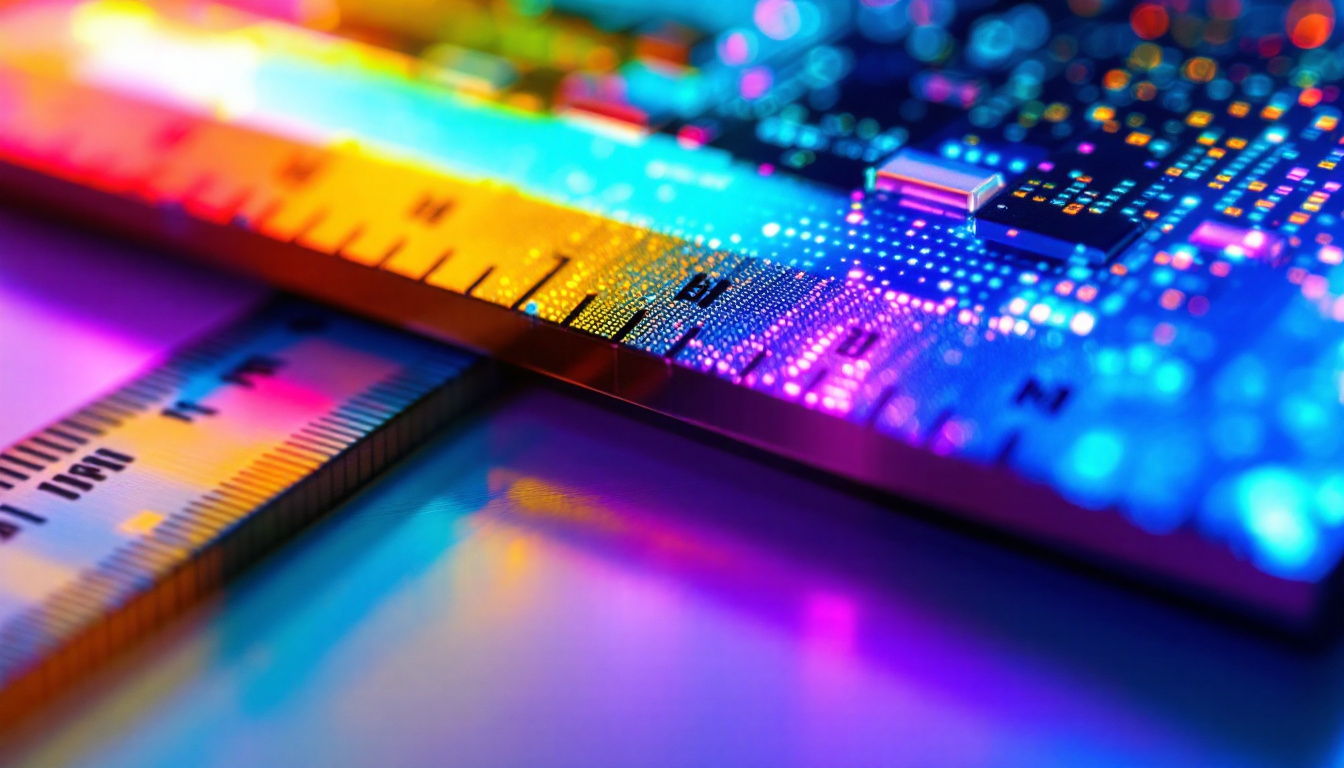
Pixel pitch is a critical factor that determines the sharpness and clarity of an LED display. A smaller pixel pitch means pixels are closer together, resulting in higher resolution and better image quality, especially at close viewing distances.
For example, a pixel pitch of 1.6 mm means there is 1.6 millimeters between each pixel center. This is considered a fine pitch, suitable for indoor displays where viewers are close to the screen, such as conference rooms, control centers, or retail signage. The choice of pixel pitch can significantly impact the viewer’s experience; a display with a finer pixel pitch will render images and videos with greater detail, making it ideal for applications that require high-definition visuals, such as digital art exhibitions or immersive advertising campaigns.
Relating Pixel Density and Pixel Pitch
The number “160” in the context of pixel density can be interpreted as 160 pixels per certain unit length, often per meter. To understand this, consider that 1 meter equals 1000 millimeters. If the pixel pitch is 1.6 mm, the number of pixels per meter can be calculated as:
Pixels per meter = 1000 mm / pixel pitch (mm) = 1000 / 1.6 ≈ 625 pixels per meter
Therefore, the “160” might refer to a specific dimension or a simplified representation. In some cases, “160 x 1.6” could be shorthand for a display module composed of 160 pixels horizontally with a 1.6 mm pitch, but the exact meaning depends on the manufacturer’s specifications. Understanding these specifications is essential for professionals in fields such as event production or advertising, where the choice of display can influence the effectiveness of visual communication. Furthermore, the interplay between pixel density and pixel pitch can also affect the overall brightness and color accuracy of the display, making it crucial to select the right combination for the intended application.
Applications and Advantages of 1.6mm Pixel Pitch LED Displays
Indoor Use Cases
LED displays with a 1.6 mm pixel pitch are predominantly used indoors due to their high resolution and crisp image quality. Common applications include:
- Corporate Environments: For presentations, video conferencing walls, and digital signage.
- Broadcast Studios: Where high-definition backdrops and dynamic content are essential.
- Retail Stores: To display promotional content and attract customers with vivid visuals.
- Control Rooms: For monitoring and data visualization with detailed clarity.
Benefits of Fine Pixel Pitch
Choosing a 1.6 mm pixel pitch LED display offers several advantages:
- High Resolution: Enables detailed images and text, improving viewer engagement.
- Close Viewing Distance: Suitable for environments where viewers are within a few meters of the screen.
- Seamless Visual Experience: Reduced pixelation and visible gaps between pixels.
- Energy Efficiency: LEDs consume less power compared to traditional lighting and display technologies.
Considerations for Outdoor Use
While 1.6 mm pixel pitch LED displays excel indoors, they are generally not recommended for outdoor use. Outdoor environments require larger pixel pitches (e.g., 4 mm to 10 mm) to accommodate longer viewing distances and higher brightness levels necessary to combat sunlight glare.
Furthermore, outdoor LED displays must be weatherproof and robust, which can increase costs and affect pixel pitch choices.
Choosing the Right LED Display: Factors Beyond “160 x 1.6”
Viewing Distance and Environment
One of the most important factors when selecting an LED display is the typical viewing distance. The general rule of thumb is that the optimal viewing distance (in meters) is approximately 1.5 to 2 times the pixel pitch (in millimeters). For a 1.6 mm pitch, this translates to an ideal viewing distance of about 2.4 to 3.2 meters.
Understanding this helps avoid overspending on unnecessarily high resolution or underdelivering with poor image quality.
Brightness and Ambient Light Conditions
Brightness is measured in nits, and the required level depends on the ambient light. Indoor environments typically require 800 to 1,200 nits, while outdoor displays may need 5,000 nits or more to remain visible under direct sunlight.
When considering a “160 x 1.6” display, ensure the brightness matches the intended environment to maintain image clarity and viewer comfort.
Refresh Rate and Content Type
The refresh rate affects how smoothly motion appears on the screen. For video playback and dynamic content, a refresh rate of at least 60 Hz is recommended. Higher refresh rates (120 Hz or above) reduce flicker, which is especially important for broadcast or live event applications.
Durability and Maintenance
LED displays require periodic maintenance to ensure longevity and performance. Consider factors such as modular design for easy repairs, IP rating for dust and water resistance, and manufacturer support when selecting a display.
Industry Trends and Future Outlook
Advancements in Pixel Pitch Technology
Over the past decade, pixel pitch has dramatically decreased, allowing for ultra-high-definition LED displays. Displays with pixel pitches as low as 0.9 mm are now available, pushing the boundaries of indoor visual quality.
However, these advancements come with increased costs and technical demands, making 1.6 mm pixel pitch displays a balanced choice for many applications that require high resolution without extreme expense.
Integration with Smart Technologies
Modern LED displays increasingly integrate with IoT and smart control systems, enabling remote management, real-time content updates, and enhanced interactivity. This trend enhances the value of LED displays beyond mere screens to dynamic communication platforms.
Sustainability Considerations
Energy efficiency and recyclability are becoming critical in display technology. LED displays, including those with a 1.6 mm pixel pitch, are designed to consume less power and use environmentally friendly materials, aligning with corporate sustainability goals.
Conclusion
The term “160 x 1.6” in the context of LED displays encapsulates key technical specifications that directly influence image quality, viewing experience, and application suitability. Understanding the interplay between pixel density and pixel pitch empowers businesses and professionals to make informed decisions when investing in LED display technology.
LED displays with a 1.6 mm pixel pitch strike a practical balance between resolution and cost, making them ideal for indoor environments where viewers are close to the screen. As technology continues to evolve, these displays will remain a popular choice for delivering vibrant, sharp, and engaging visual content.
Ultimately, selecting the right LED display requires considering multiple factors beyond just pixel pitch and resolution, including viewing distance, brightness, refresh rate, and environmental conditions. Armed with this knowledge, decision-makers can optimize their digital signage investments for maximum impact and longevity.
Explore Cutting-Edge LED Solutions with LumenMatrix
Ready to elevate your visual communication with high-resolution LED displays? LumenMatrix is at the forefront of LED display technology, offering a wide array of solutions tailored to your needs. From captivating Indoor LED Wall Displays to dynamic Outdoor LED Wall Displays, and from versatile Vehicle LED Displays to innovative LED Transparent Displays, our mission is to enhance your brand’s visibility and audience engagement. Discover how our LED display modules can transform your space and deliver your message with unparalleled clarity. Check out LumenMatrix LED Display Solutions today and step into the future of digital signage.