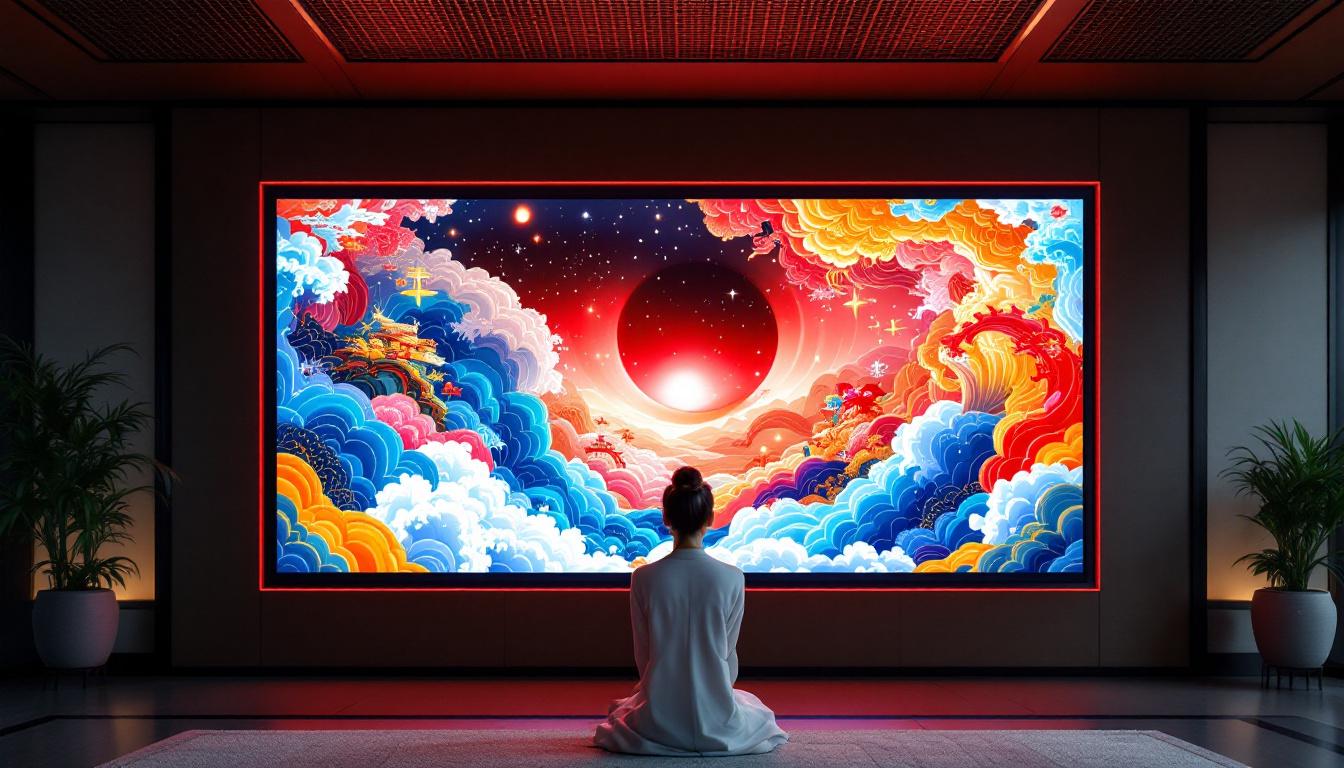
In recent years, the fusion of traditional Japanese aesthetics with cutting-edge technology has opened new horizons in interior design and public display solutions. One of the most fascinating innovations in this space is the Japanese wall screen featuring LED display technology. These screens blend the elegance of classic Japanese room dividers with the dynamic capabilities of modern LED displays, creating versatile installations that serve both artistic and functional purposes.
This article delves into the concept of Japanese wall screens integrated with LED displays, exploring their design principles, technological underpinnings, practical applications, and cultural significance. Whether you are an interior designer, technology enthusiast, or cultural aficionado, understanding this synthesis offers insight into how tradition and innovation can harmoniously coexist.
The Evolution of Japanese Wall Screens
Traditional Shoji and Fusuma Screens
Japanese wall screens have a long history rooted in the country’s architectural and cultural traditions. The most iconic types are shoji and fusuma panels. Shoji screens are translucent sliding panels made of wooden frames and rice paper, designed to diffuse natural light and create a sense of openness. Fusuma, on the other hand, are opaque sliding doors often decorated with painted motifs, serving as room dividers or closet doors.
Both types emphasize simplicity, natural materials, and harmony with the surrounding space. Their modular design allows for flexible room layouts, a hallmark of traditional Japanese interiors. These screens are not merely functional but also artistic expressions, often featuring seasonal or nature-inspired artwork that reflects Japanese aesthetics.
From Paper to Pixels: The Transition to LED Displays
As technology advanced, designers began exploring ways to modernize these traditional elements without losing their cultural essence. The introduction of LED display technology into wall screens represents a significant leap. Instead of static paper or painted surfaces, LED screens offer vibrant, changeable imagery with high brightness and resolution.
This transition is not just about replacing materials but reimagining the role of the screen itself. LED displays can present dynamic content — from serene natural scenes to interactive art — while maintaining the modular and lightweight qualities of traditional screens. This evolution reflects a broader trend in design where technology enhances rather than replaces cultural heritage.
Understanding LED Display Technology in Japanese Wall Screens
What Is an LED Display?
LED (Light Emitting Diode) displays are screens that use an array of tiny light-emitting diodes to produce images. Each LED acts as a pixel, lighting up in different colors to form pictures or videos. Compared to older display technologies like LCD or plasma, LEDs offer superior brightness, energy efficiency, and longevity.
In the context of Japanese wall screens, LED panels are custom-designed to fit traditional dimensions and aesthetics. The screens can be segmented into panels that slide or fold like classic shoji or fusuma, but each panel contains a high-resolution LED matrix capable of displaying vivid, changeable content.
Types of LED Displays Suitable for Wall Screens
Several types of LED displays are applicable when integrating with Japanese-style wall screens:
- Micro-LED: These displays use microscopic LEDs, offering extremely high resolution and brightness with excellent color accuracy. Their thin profile makes them ideal for sleek, minimalist designs.
- Mini-LED: A more affordable alternative to micro-LED, mini-LEDs provide enhanced contrast and brightness, suitable for environments with varying lighting conditions.
- Flexible LED Panels: These can bend or curve, allowing for creative screen shapes that mimic the folding nature of traditional Japanese screens.
Choosing the right LED technology depends on the intended use, ambient lighting, and design goals.
Technical Considerations: Resolution, Brightness, and Viewing Angles
When selecting or designing an LED wall screen, several technical factors are critical:
- Resolution: Higher pixel density ensures crisp images, especially important for close viewing in homes or galleries. For example, a pixel pitch of 1.5 mm or less is ideal for indoor applications.
- Brightness: LED screens must balance brightness to be visible in daylight without causing glare. Typical indoor LED panels offer brightness levels between 800 to 1500 nits.
- Viewing Angles: Traditional Japanese screens are often viewed from multiple angles. LED displays with wide viewing angles (up to 160 degrees) maintain image quality regardless of position.
These parameters ensure that the LED-integrated Japanese wall screen performs well both functionally and aesthetically.
Applications of Japanese LED Wall Screens
Residential and Interior Design
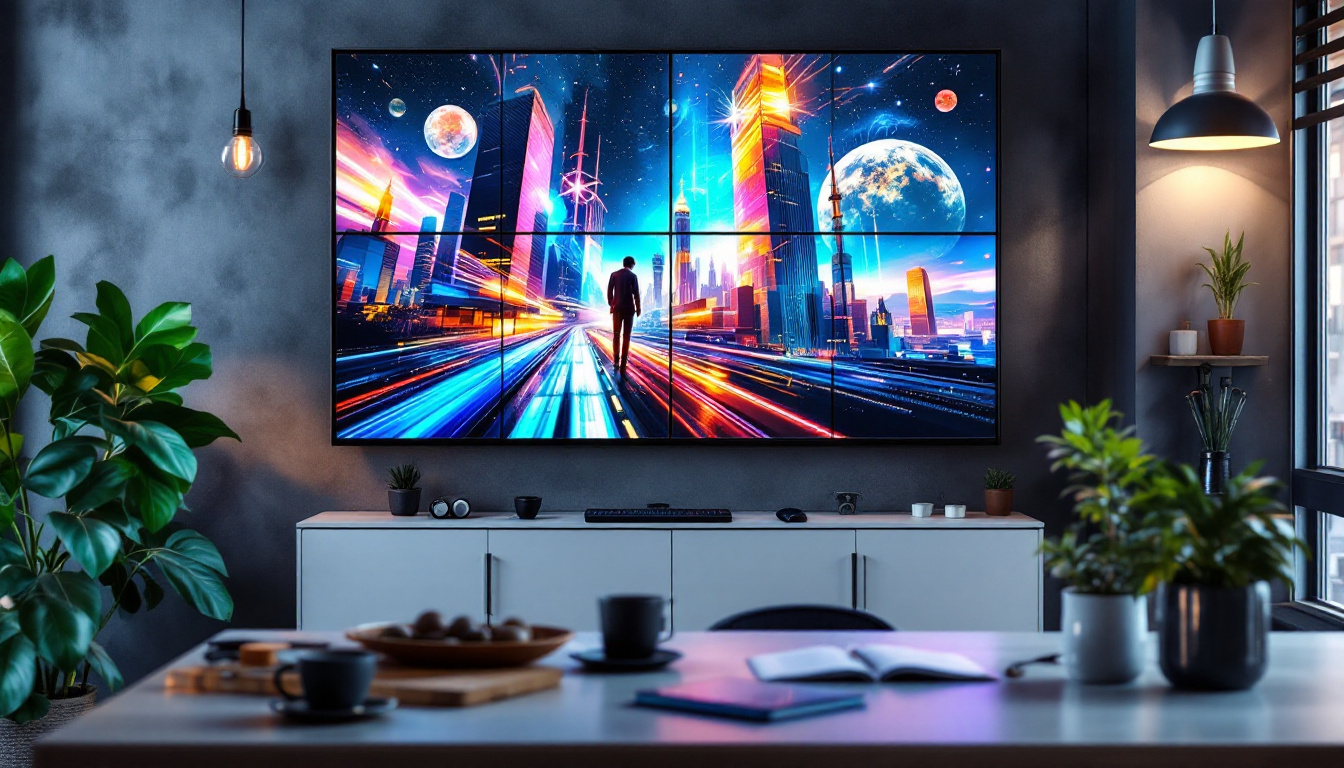
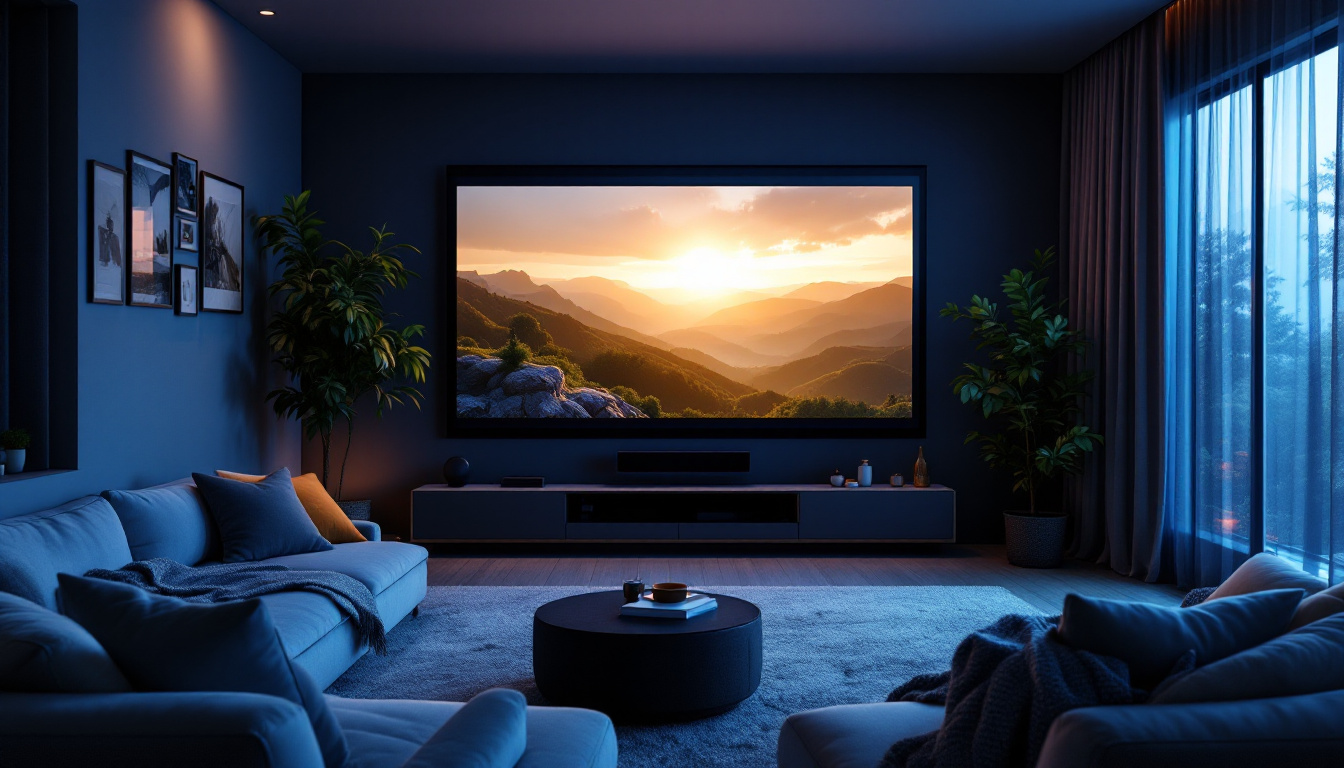
In modern Japanese homes and upscale interiors worldwide, LED wall screens provide a unique way to blend tradition with technology. Homeowners can enjoy the ambiance of a shoji screen with the added benefit of customizable visuals. For instance, a screen might display calming nature scenes during the day and switch to ambient lighting effects in the evening.
Moreover, these screens can serve as interactive art pieces or digital photo frames, enhancing the living space without compromising the minimalist ethos of Japanese design. Their modularity allows for flexible room division, adapting to changing needs.
Commercial and Public Spaces
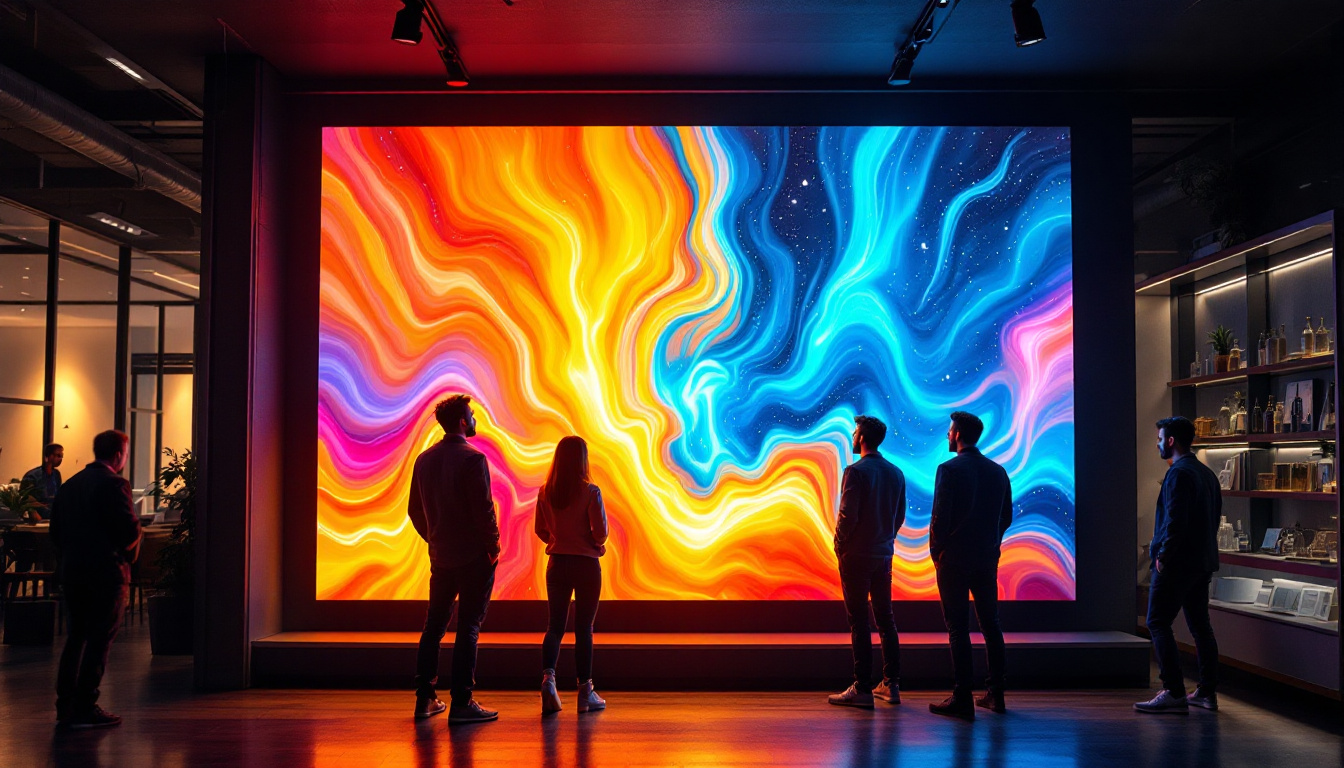
Hotels, restaurants, and cultural centers increasingly incorporate Japanese LED wall screens to create immersive environments. In a restaurant, a screen might display seasonal landscapes or thematic visuals that complement the cuisine and atmosphere. In museums or galleries, these screens can present dynamic exhibitions that change according to the event or time of day.
Additionally, corporate offices with a focus on Japanese culture or aesthetics use these screens in lobbies and meeting rooms to convey brand identity and create a calming environment for visitors and employees.
Events and Entertainment
Japanese LED wall screens have found a niche in event production and entertainment. Their lightweight and modular nature make them suitable for temporary installations at festivals, exhibitions, and concerts. The ability to display high-definition visuals, animations, and interactive content adds a layer of engagement and cultural storytelling.
For example, during traditional festivals, LED screens can showcase historical narratives or live feeds, bridging the gap between past and present through technology.
Design Challenges and Solutions
Maintaining Aesthetic Integrity
One of the primary challenges in integrating LED displays into Japanese wall screens is preserving the aesthetic subtlety and elegance of the traditional design. LED panels can appear bulky or overly technical, which may clash with the minimalist and natural materials typical of shoji or fusuma.
Designers overcome this by using ultra-thin LED modules, embedding screens behind translucent materials that mimic rice paper, or employing frame designs that echo traditional woodwork. Advances in flexible and transparent LED technology also enable screens that maintain the delicate appearance of classic panels while offering digital functionality.
Heat Management and Durability
LED displays generate heat during operation, which can affect both the screen’s longevity and the surrounding materials. Traditional Japanese screens use organic materials like wood and paper, which are sensitive to heat and humidity.
To address this, manufacturers incorporate efficient heat dissipation systems such as aluminum backplates, ventilation channels, and low-power LED components. Protective coatings and fire-retardant materials further enhance safety and durability without compromising design.
Power and Connectivity Considerations
Integrating LED technology requires electrical power and data connections, which can disrupt the clean lines and simplicity of traditional Japanese interiors. Designers and engineers work to conceal wiring within the screen frames or behind walls, maintaining a seamless appearance.
Wireless control systems and low-voltage power supplies also reduce the need for bulky infrastructure, allowing screens to be installed in locations previously unsuitable for electronic devices.
The Cultural Significance of Modern Japanese Wall Screens
Preserving Tradition Through Innovation
The integration of LED displays into Japanese wall screens exemplifies how cultural heritage can be preserved and revitalized through modern technology. By maintaining the form and spirit of traditional screens while enhancing their capabilities, this innovation respects the past and embraces the future.
This approach aligns with the Japanese concept of kintsugi, where broken pottery is repaired with gold to highlight imperfections and history rather than hide them. Similarly, LED wall screens highlight the evolution of Japanese design as a continuous, living tradition.
Enhancing Storytelling and Expression
Traditional Japanese screens have long been canvases for storytelling, featuring painted scenes from nature, mythology, or history. LED technology expands this narrative potential by enabling animated, interactive, and multimedia content.
This transformation allows artists and designers to create immersive experiences that engage viewers on multiple sensory levels, deepening appreciation for Japanese culture and aesthetics in a contemporary context.
Future Trends and Innovations
Integration with Smart Home Systems
As smart home technology advances, Japanese LED wall screens are increasingly integrated into automated environments. Voice control, ambient sensors, and AI-driven content adjustment allow screens to respond dynamically to user preferences, time of day, or environmental conditions.
This seamless integration enhances convenience and personalization, making the screens not just decorative elements but active participants in daily life.
Advancements in Transparent and Flexible Displays
Emerging technologies in transparent and flexible LED displays promise even greater versatility. Transparent screens can be installed over windows or glass partitions, maintaining natural light flow while adding digital content. Flexible panels enable curved or folding screens that replicate traditional folding room dividers more authentically.
These innovations will further blur the line between physical and digital spaces, offering new creative possibilities for designers and users alike.
Sustainability and Eco-Friendly Materials
Environmental concerns are driving the development of sustainable materials and energy-efficient components in LED wall screens. Using recyclable frames, low-power LEDs, and biodegradable protective layers aligns with the Japanese philosophy of respect for nature.
Future designs will likely emphasize eco-friendliness without sacrificing performance or aesthetics, contributing to more responsible technology adoption.
Conclusion
The Japanese wall screen with integrated LED display technology represents a compelling intersection of tradition and innovation. By combining the timeless beauty and cultural significance of shoji and fusuma with the dynamic capabilities of modern LEDs, these screens offer versatile applications across residential, commercial, and public spaces.
Understanding the technical aspects, design challenges, and cultural context of these installations provides valuable insight into how technology can enhance rather than replace heritage. As LED technology continues to evolve, Japanese wall screens will remain a vibrant symbol of harmony between the past and the future.
Discover the Future of Japanese Wall Screens with LumenMatrix
Embrace the harmonious blend of tradition and technological innovation with LumenMatrix’s advanced LED display modules. As a pioneer in the industry, LumenMatrix offers a broad spectrum of solutions, including Indoor and Outdoor LED Wall Displays, Vehicle LED Displays, and more, all designed to transform your space with captivating visual experiences. Whether for residential, commercial, or public installations, LumenMatrix is committed to revolutionizing visual communication. Check out LumenMatrix LED Display Solutions today and step into a world where heritage and innovation create unparalleled engagement and storytelling.