Tiled TV Wall: LED Display Explained
In the rapidly evolving world of visual technology, tiled TV walls featuring LED displays have become a cornerstone for businesses, broadcasters, and public venues seeking immersive and large-scale visual experiences. These expansive digital canvases, composed of multiple LED panels seamlessly tiled together, offer unparalleled brightness, flexibility, and image quality. This article delves into the fundamentals of tiled TV walls, the technology behind LED displays, their applications, and considerations for choosing the right setup.
Understanding Tiled TV Walls
What Is a Tiled TV Wall?
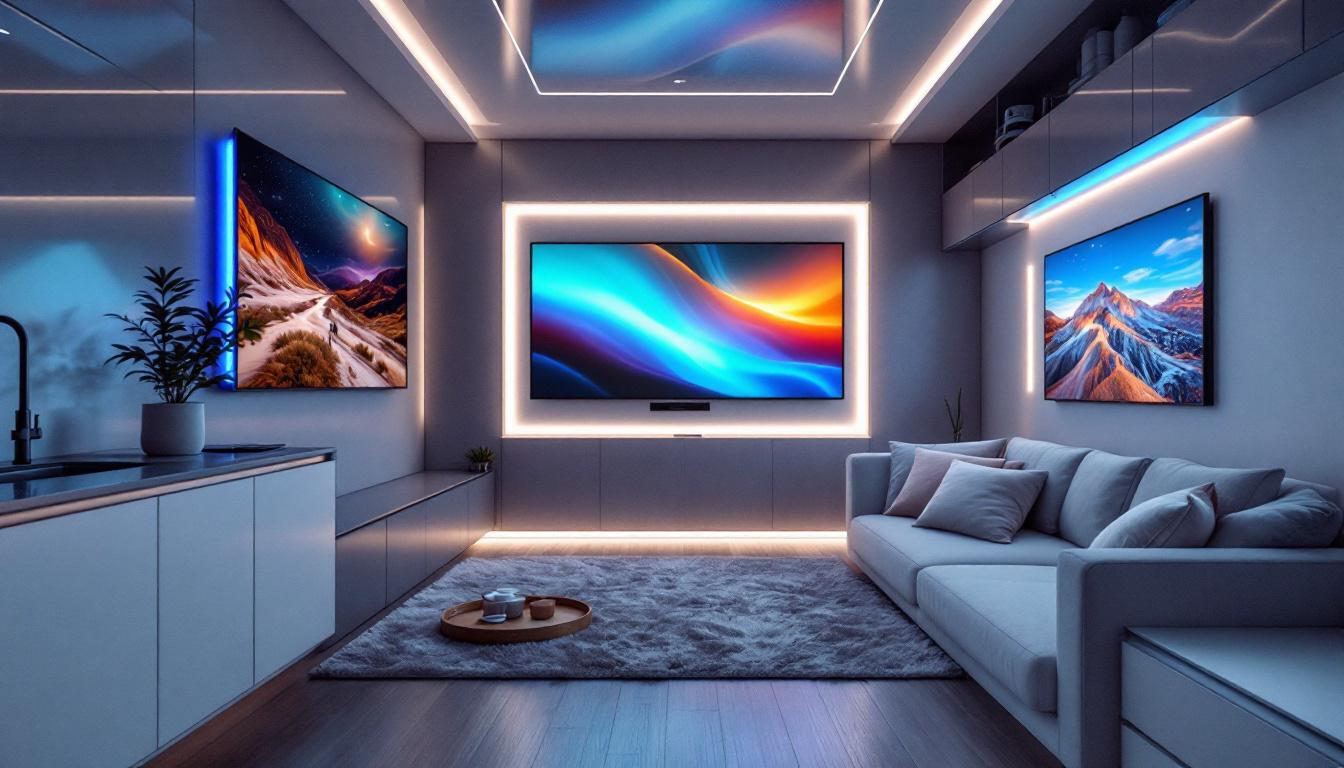
A tiled TV wall is essentially a large display made up of multiple smaller screens or panels arranged in a grid formation. Each panel, often an LED display, works in unison to create one cohesive image or video. Unlike traditional single-screen displays, tiled walls can be scaled to virtually any size, allowing for massive visual presentations that are impossible with standard TVs or monitors.
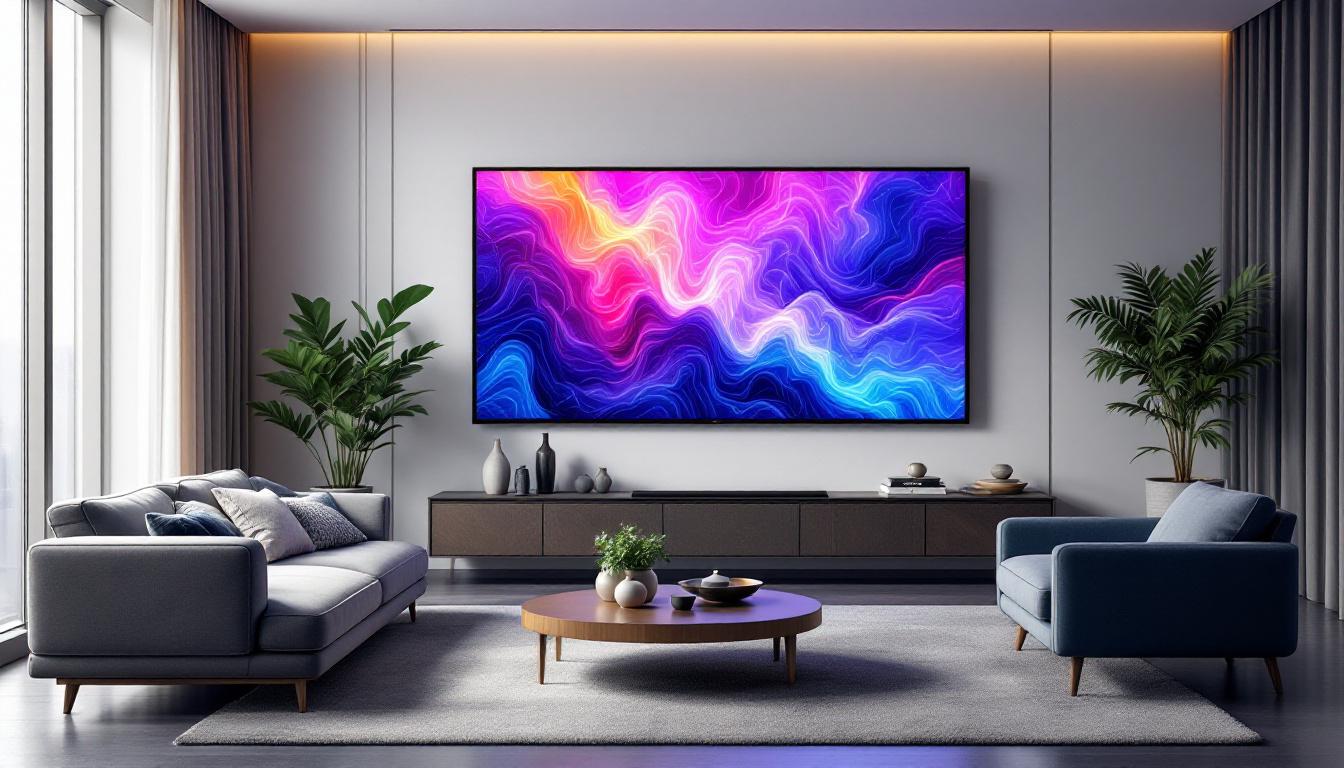
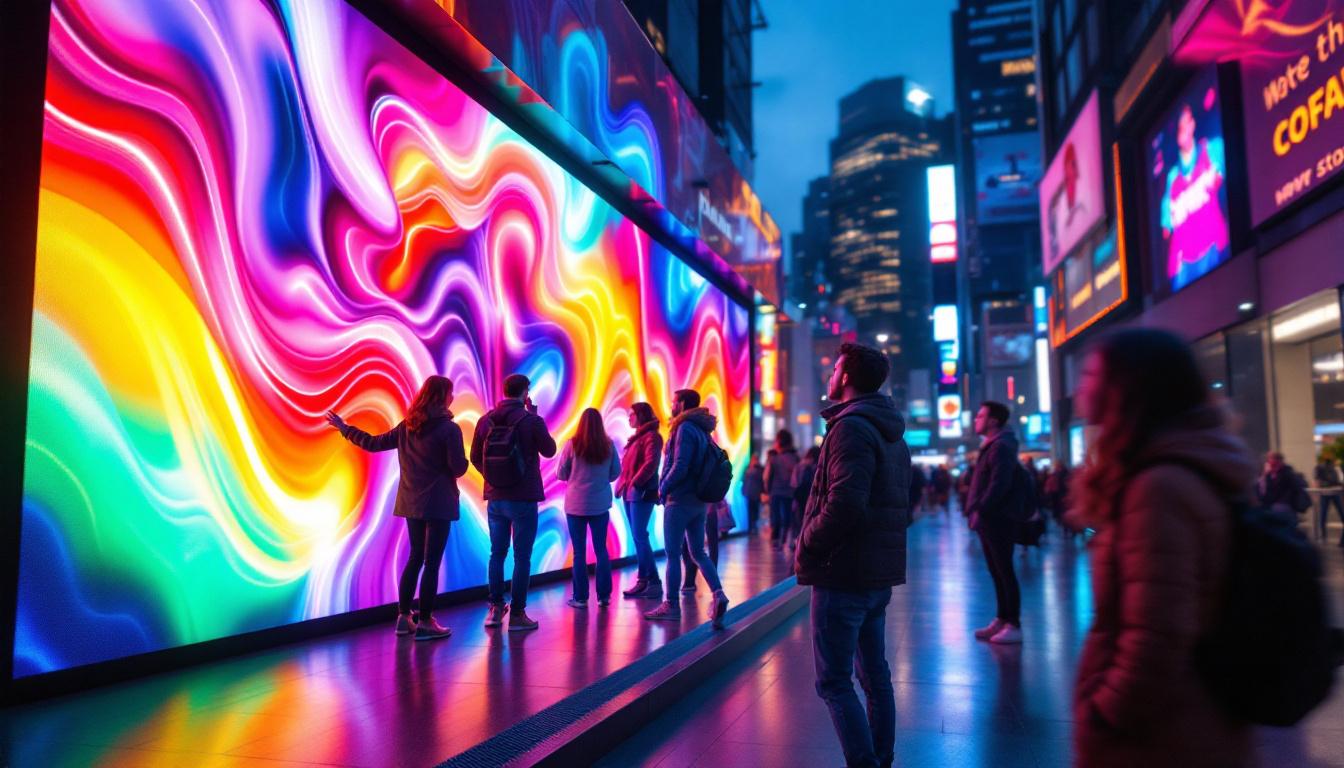
These walls are commonly used in control rooms, broadcast studios, retail environments, corporate lobbies, and public spaces such as airports and stadiums. The modular nature of tiled walls also means they can be customized to fit specific spatial and resolution requirements. For instance, a retail store might opt for a tiled wall that showcases dynamic advertisements, while a corporate lobby could feature a stunning visual display of the company’s achievements and values, tailored to engage visitors and clients alike.
Why Use a Tiled Wall Instead of a Single Large Screen?
One might wonder why tiled walls are preferred over single large screens. The answer lies in flexibility, cost-effectiveness, and image quality. Manufacturing extremely large single-panel displays is technically challenging and prohibitively expensive. Tiled walls allow for scalable solutions where each panel can be replaced or upgraded independently, reducing maintenance costs. This modularity also means that businesses can start with a smaller configuration and expand as their needs grow, making it a practical choice for evolving environments.
Moreover, tiled walls can achieve higher resolutions by combining the pixels of multiple panels, providing crystal-clear images even on very large displays. This is particularly important in environments where detail and clarity are critical, such as command centers or advertising billboards. Additionally, advancements in technology have led to the development of ultra-narrow bezels, which minimize the visible gaps between panels, creating a more seamless viewing experience. This is especially beneficial in settings like museums or galleries, where the goal is to immerse viewers in captivating visuals without distractions. Furthermore, the ability to display multiple content sources simultaneously on a tiled wall enhances interactivity and engagement, making it an ideal solution for live events or presentations where diverse information needs to be conveyed effectively.
The Technology Behind LED Displays
What Is LED Technology?
LED stands for Light Emitting Diode, a semiconductor device that emits light when an electric current passes through it. In the context of displays, LEDs are used as tiny pixels that collectively form images. Unlike LCDs, which rely on backlighting, LED displays emit their own light, resulting in better brightness, contrast, and color accuracy.
LED technology has evolved significantly over the past decade, with advancements such as mini-LED and micro-LED pushing the boundaries of display quality. For tiled TV walls, traditional LED panels remain the industry standard due to their durability and scalability.
Types of LED Panels Used in Tiled Walls
There are two primary types of LED panels used in tiled TV walls: direct view LED and LED-backlit LCD. Direct view LED panels consist of an array of LEDs that directly produce the image, while LED-backlit LCDs use LEDs to illuminate an LCD screen.
Direct view LED panels are favored for tiled walls because they offer superior brightness and viewing angles, making them suitable for both indoor and outdoor applications. These panels come in various pixel pitches, which refers to the distance between individual LEDs. Smaller pixel pitches mean higher resolution and closer viewing distances.
Pixel Pitch and Its Importance
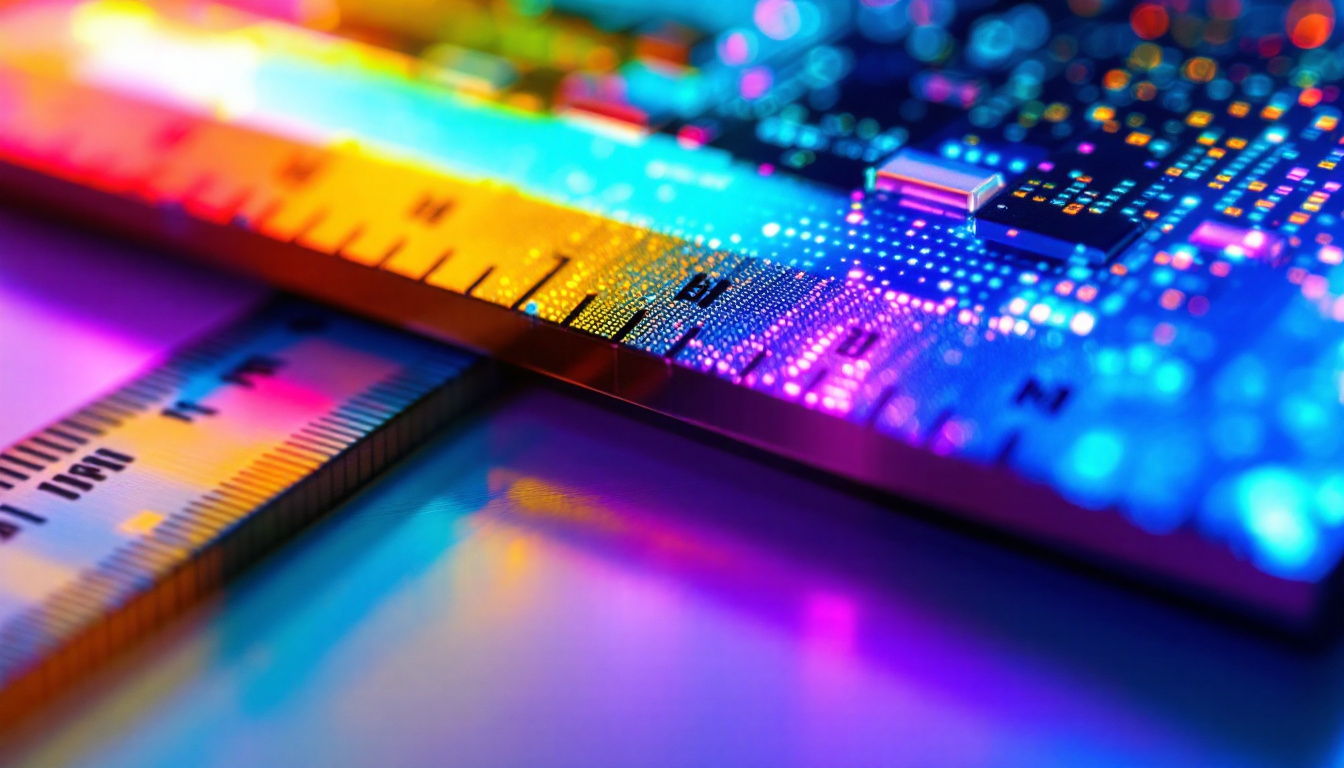
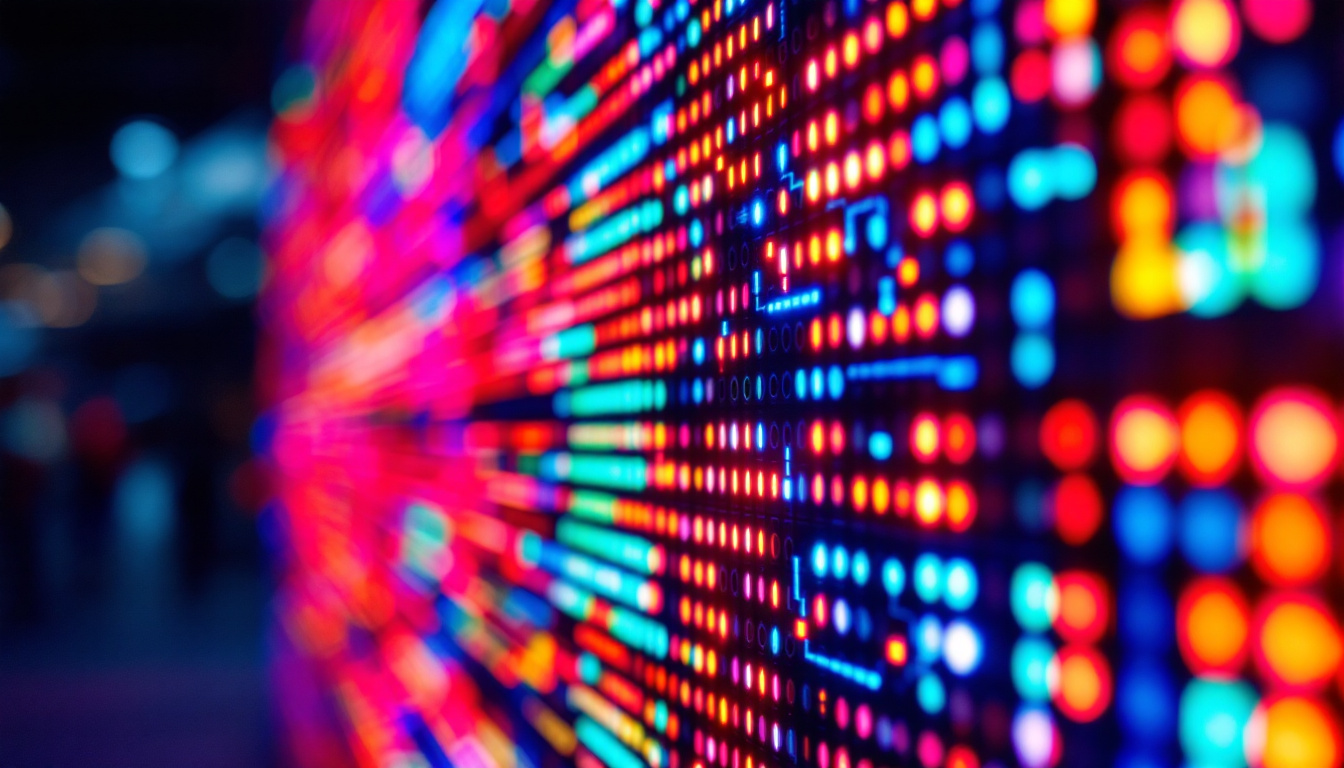
Pixel pitch is a critical specification in LED displays, especially for tiled TV walls. It is measured in millimeters and represents the center-to-center distance between adjacent pixels. A smaller pixel pitch means more pixels per square meter, resulting in sharper images.
For example, a 1.5mm pixel pitch panel is ideal for environments where viewers are close to the screen, such as control rooms or conference halls. Conversely, larger pixel pitches like 4mm or 6mm are suitable for venues where the audience is farther away, such as stadiums or outdoor advertising.
Applications of Tiled TV Walls with LED Displays
Broadcast and Control Rooms
In broadcast studios and control rooms, tiled TV walls serve as critical tools for monitoring multiple video feeds, data streams, and live broadcasts simultaneously. The high resolution and brightness of LED panels ensure that operators can quickly discern important details, improving situational awareness and decision-making.
For instance, major news networks employ LED tiled walls to display live feeds, social media updates, and breaking news graphics in real time, creating a dynamic and engaging environment for both staff and viewers.
Retail and Advertising
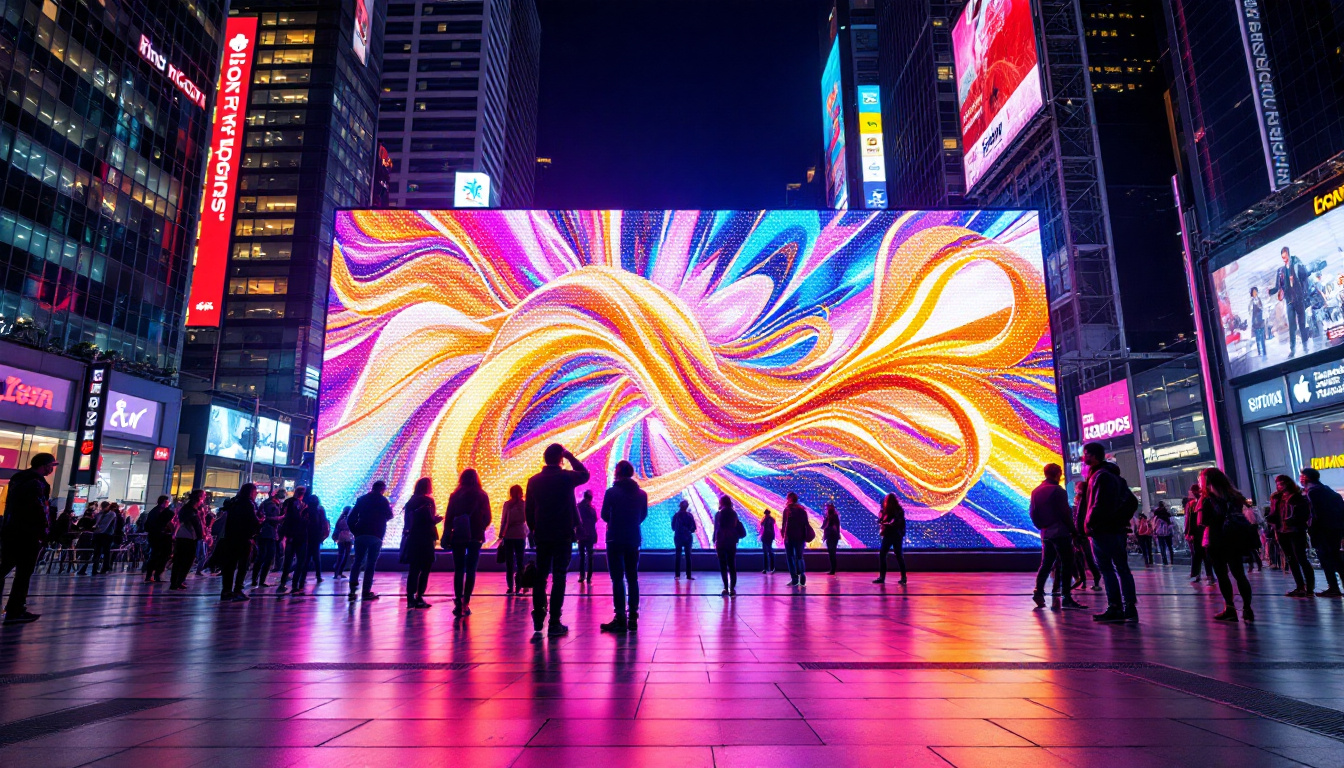
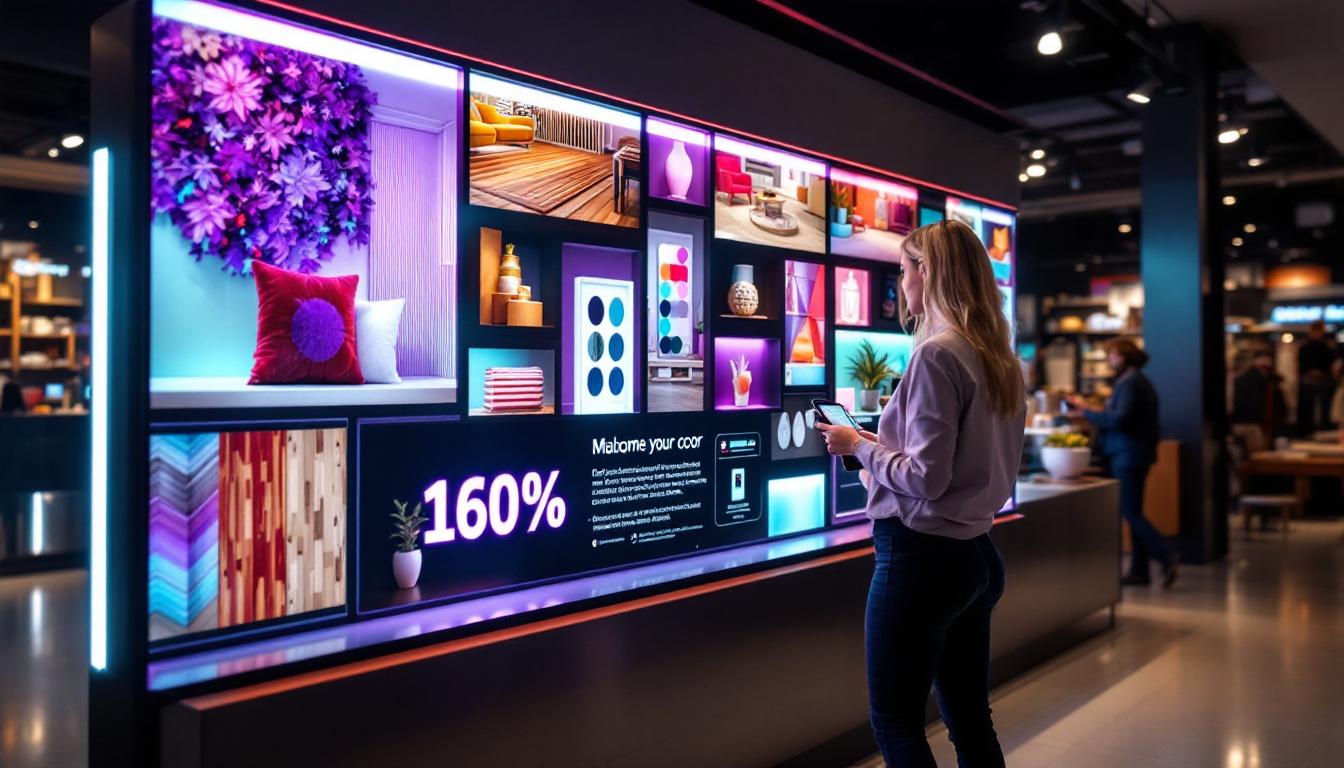
Retailers and advertisers leverage tiled LED walls to create eye-catching digital signage that attracts customers and delivers targeted messaging. The ability to customize the size and shape of these walls allows brands to create immersive environments, such as interactive storefronts or product showcases.
According to recent market research, digital out-of-home advertising, which often uses LED tiled walls, is expected to grow at a compound annual growth rate (CAGR) of over 10% through 2027, highlighting the increasing demand for impactful visual communication.
Corporate and Event Spaces
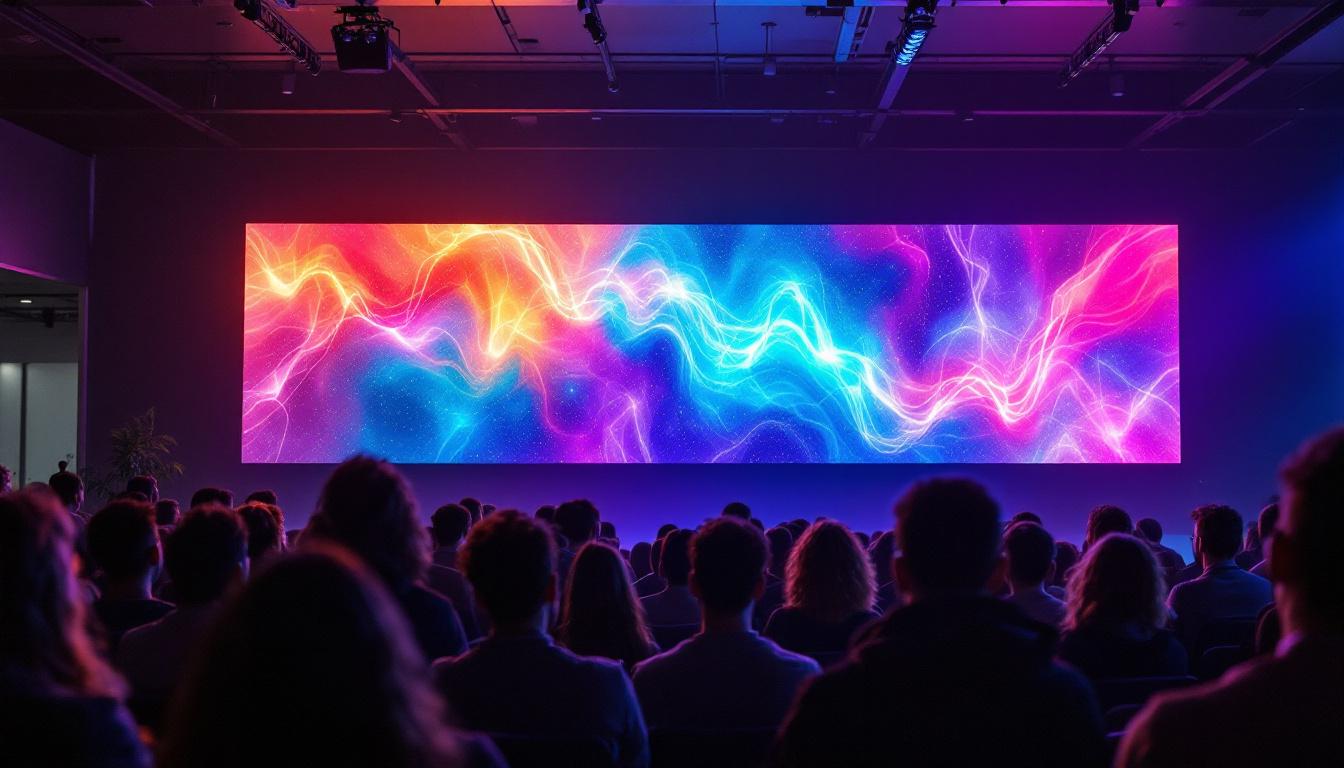
Corporate lobbies, conference centers, and event venues utilize tiled LED walls to enhance presentations, display branding, and create memorable experiences. The versatility of these walls allows for dynamic content that can be changed instantly, supporting a wide range of events from product launches to keynote speeches.
Additionally, the seamless design of modern LED panels ensures that the visual experience is uninterrupted, which is essential for maintaining professionalism and audience engagement.
Public Venues and Transportation Hubs
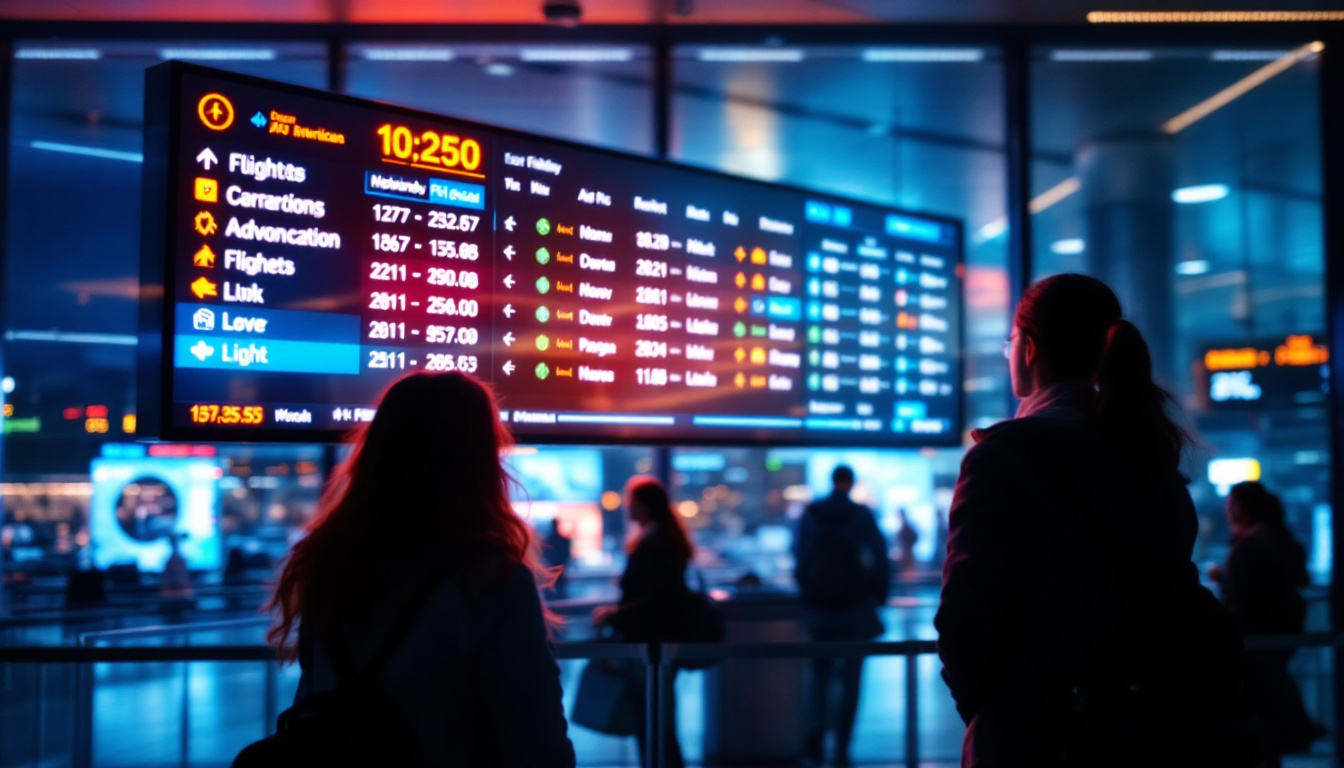
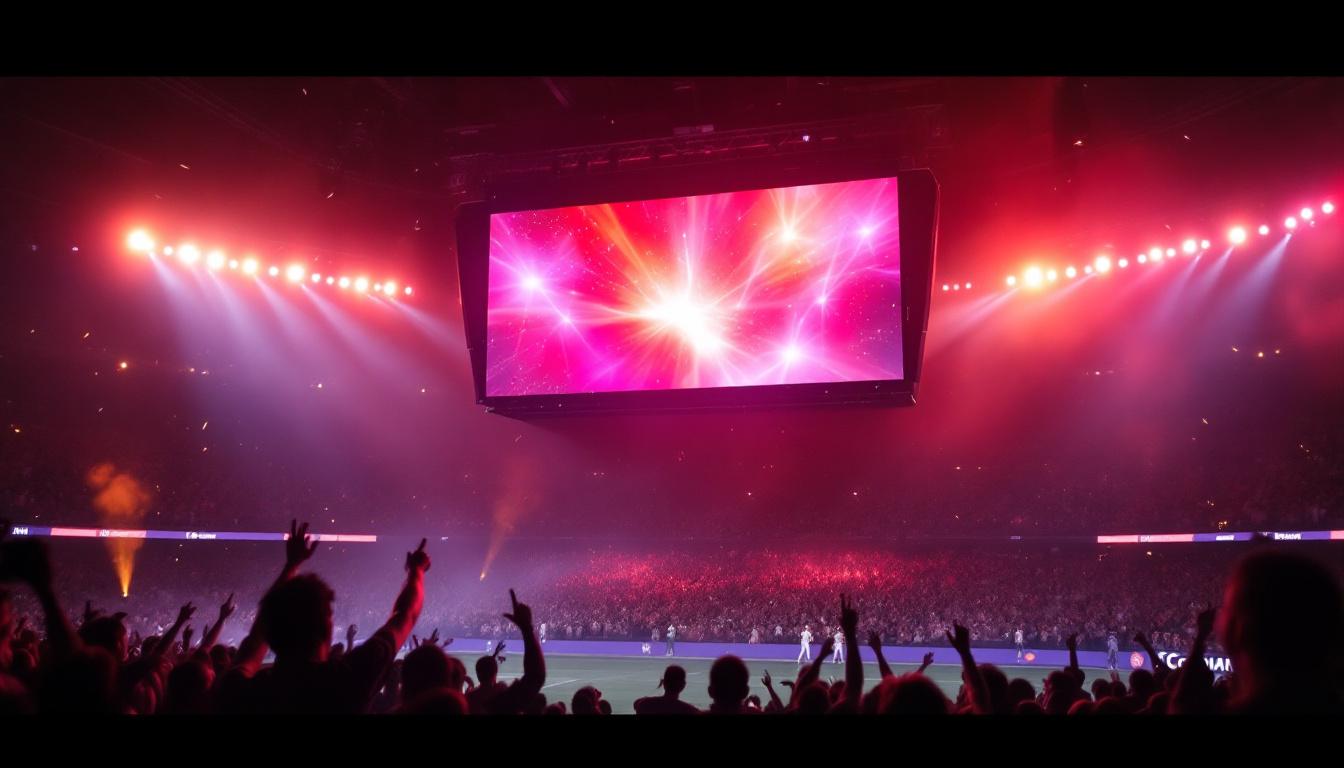
Airports, train stations, and stadiums use tiled LED walls to provide real-time information, advertisements, and entertainment. The high brightness and durability of LED displays make them ideal for environments exposed to varying lighting conditions and heavy foot traffic.
For example, many international airports feature large LED video walls that display flight information alongside promotional content, enhancing passenger experience while generating additional revenue through advertising.
Key Considerations When Choosing a Tiled LED TV Wall
Resolution and Viewing Distance
Determining the appropriate resolution and pixel pitch depends heavily on the typical viewing distance. A general rule of thumb is that the viewing distance (in meters) should be roughly 1.5 to 2 times the pixel pitch (in millimeters). This ensures that individual pixels are not discernible, providing a smooth and clear image.
For example, a 2mm pixel pitch panel is suitable for viewing distances of around 3 to 4 meters. If viewers are expected to be closer, a smaller pixel pitch is necessary to maintain image clarity.
Brightness and Ambient Lighting
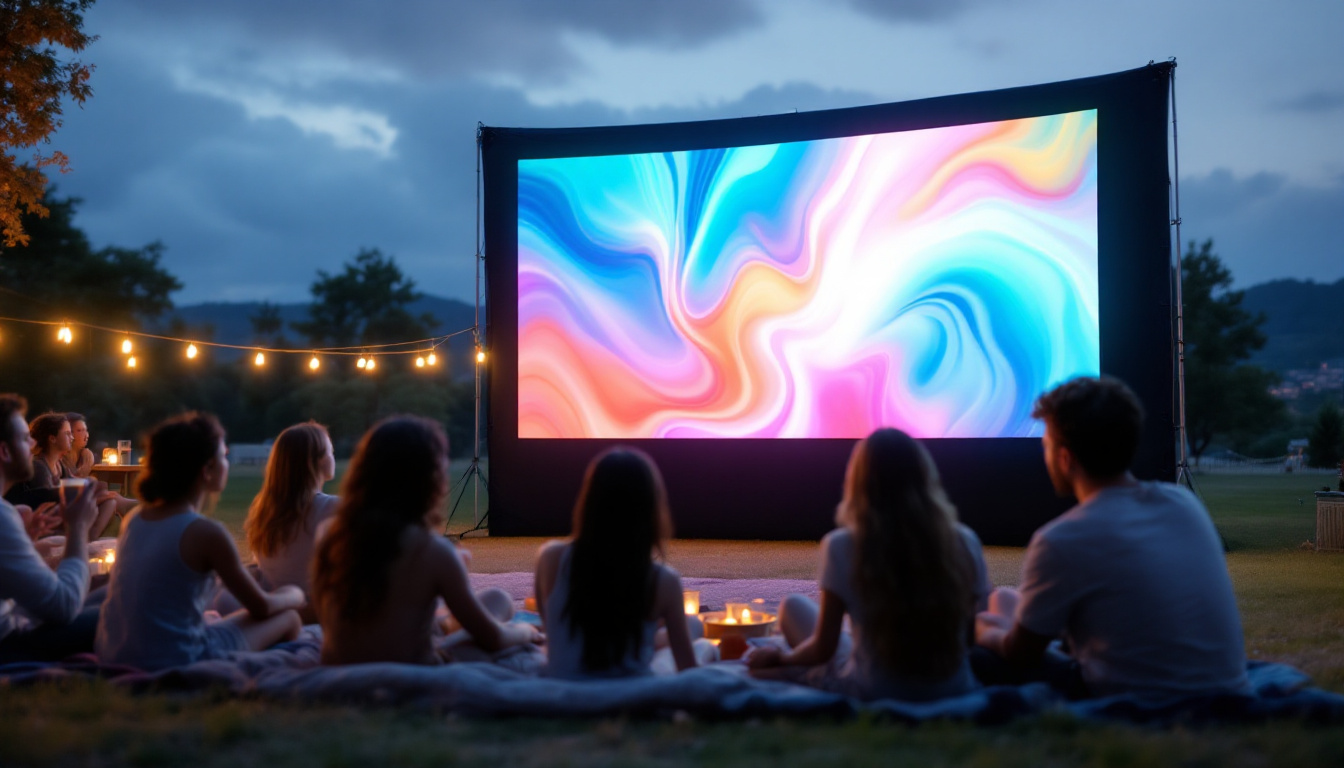
Brightness is measured in nits (cd/m²) and is a crucial factor for visibility, especially in environments with high ambient light. Indoor LED walls typically require brightness levels between 800 and 1,200 nits, while outdoor displays may need upwards of 5,000 nits to remain visible in direct sunlight.
Choosing the right brightness level not only improves image quality but also reduces power consumption and extends the lifespan of the panels.
Installation and Maintenance
Installation complexity varies depending on the size and configuration of the tiled wall. Modular LED panels are designed for easy installation and maintenance, allowing individual modules to be replaced without dismantling the entire wall.
It is important to consider access for maintenance, especially for large or high-mounted installations. Many LED panels feature front or rear serviceability options to facilitate quick repairs and minimize downtime.
Connectivity and Control Systems
A tiled LED wall requires sophisticated control systems to manage content distribution, synchronization, and calibration. Modern video processors and controllers enable seamless integration with various input sources, including computers, cameras, and media players.
Advanced calibration tools ensure color uniformity and brightness consistency across all panels, which is vital for maintaining a professional and cohesive display.
Future Trends in Tiled LED TV Walls
Micro-LED and Beyond
Micro-LED technology promises to revolutionize tiled TV walls by offering even higher resolution, better energy efficiency, and longer lifespan compared to traditional LEDs. These tiny LEDs can be arranged with extremely small pixel pitches, enabling ultra-high-definition displays suitable for close viewing distances.
While still emerging, micro-LED panels are expected to become more accessible in the coming years, potentially replacing conventional LED tiles in premium applications.
Interactive and Smart Displays
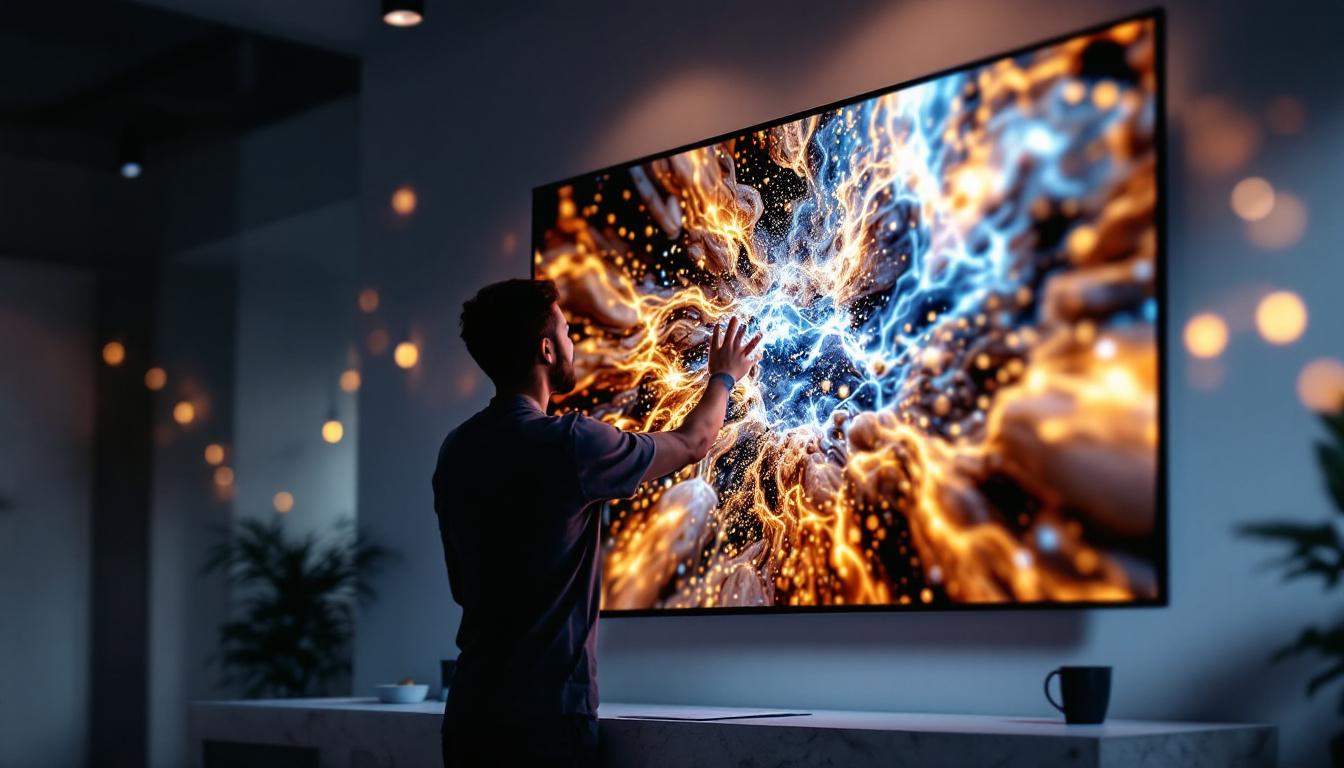
Integrating touch and gesture control into tiled LED walls is becoming increasingly popular, especially in retail and corporate environments. Interactive walls allow users to engage directly with content, enhancing customer experiences and enabling innovative presentations.
Additionally, smart display systems equipped with AI-driven content management can adapt visuals based on audience demographics, time of day, or environmental conditions, making tiled walls more dynamic and effective.
Energy Efficiency and Sustainability
As sustainability becomes a priority, manufacturers are focusing on reducing the energy consumption of LED panels without compromising performance. Innovations in LED chip design, power management, and cooling systems contribute to greener tiled wall solutions.
Choosing energy-efficient LED walls not only lowers operational costs but also aligns with corporate social responsibility goals.
Conclusion
Tiled TV walls featuring LED displays represent a versatile and powerful solution for large-scale visual communication. Their modular design, superior image quality, and adaptability make them suitable for a wide range of applications, from control rooms and broadcast studios to retail environments and public venues.
Understanding the technology behind LED panels, including pixel pitch, brightness, and installation considerations, is essential for selecting the right tiled wall system. As technology advances, innovations such as micro-LED and interactive capabilities will continue to enhance the impact and functionality of these impressive digital displays.
For organizations looking to make a bold visual statement or improve operational efficiency through enhanced visualization, investing in a tiled LED TV wall is a forward-thinking choice that combines technology, design, and communication in one seamless package.
Discover LumenMatrix’s Advanced LED Solutions
Ready to elevate your visual communication with a tiled LED TV wall? LumenMatrix is at the forefront of LED display innovation, offering a diverse range of solutions tailored to meet your unique needs. From captivating Indoor and Outdoor LED Wall Displays to dynamic Vehicle and Sports LED Displays, our technology is designed to make your brand stand out. Explore our cutting-edge LED Poster, Floor, Custom, All-in-One, and Transparent Displays, each crafted to create immersive experiences and deliver your message with unparalleled clarity. Check out LumenMatrix LED Display Solutions today and transform your space into a visual masterpiece.