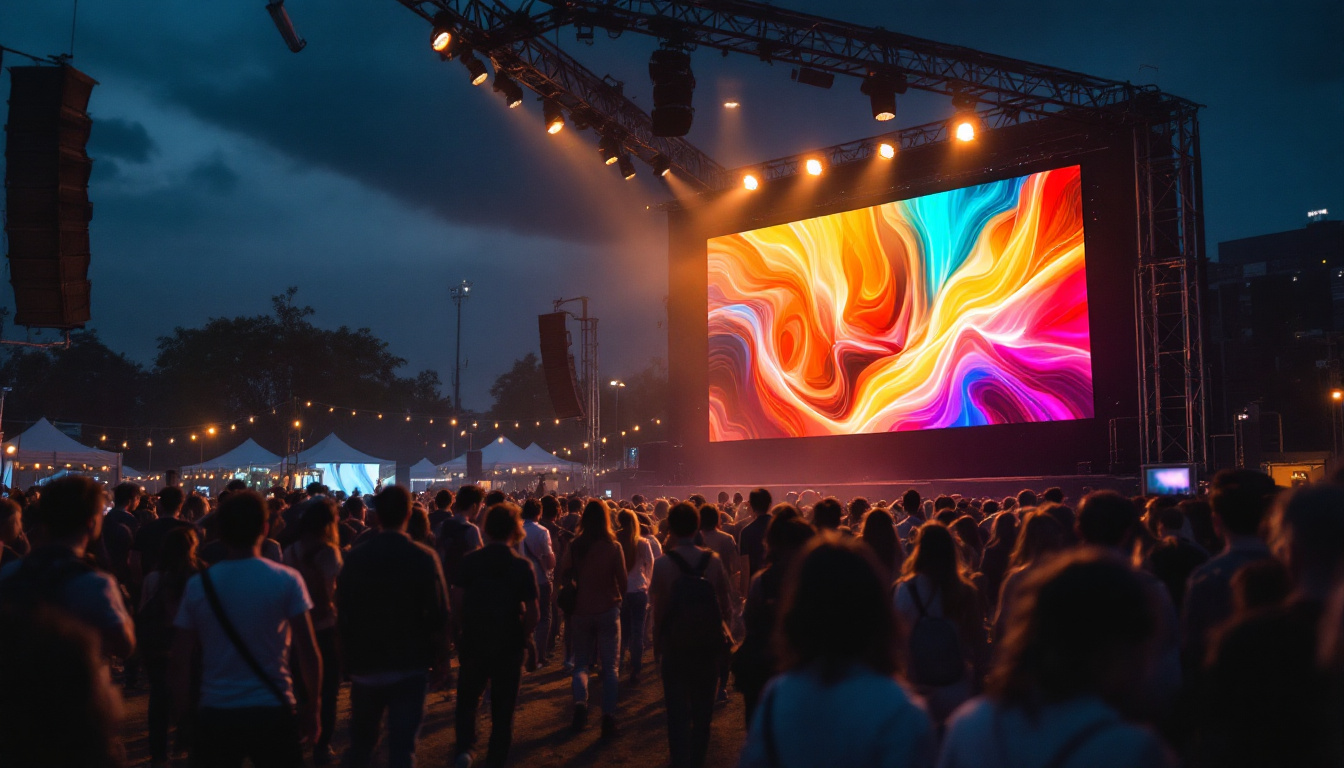
In recent years, the evolution of display technology has significantly transformed how we experience visual content. Among the innovations, ambient light projector screens paired with LED displays have garnered attention for their ability to deliver vibrant images even in brightly lit environments. This article explores the technology behind ambient light projector screens, the role of LED displays, and why this combination is becoming increasingly popular in both commercial and home settings.
Understanding Ambient Light Projector Screens
What is an Ambient Light Projector Screen?
An ambient light projector screen is a specially designed projection surface that enhances image visibility in environments with high levels of ambient light. Unlike traditional white matte screens that perform best in dark rooms, these screens use advanced materials and coatings to reject or absorb ambient light, thereby improving contrast and color accuracy.
These screens are particularly useful in settings where controlling the lighting is difficult or undesirable, such as conference rooms, classrooms, or living rooms with large windows. By minimizing the impact of external light sources, ambient light projector screens allow projectors to produce clearer and more vivid images without needing to increase brightness excessively. This capability not only enhances the viewing experience but also prolongs the life of the projector bulb, as it operates at optimal brightness levels rather than being pushed to its limits.
Moreover, the versatility of ambient light projector screens extends beyond just home theaters and business presentations. They can also be utilized in outdoor settings, such as patios or gardens, where natural light can interfere with image clarity. Their ability to maintain image integrity in various lighting conditions makes them an excellent choice for events like outdoor movie nights or sports screenings, where ambient light is often a concern.
How Ambient Light Screens Work
The key to ambient light projector screens lies in their optical properties. They typically incorporate microstructures or layers that selectively reflect the projector’s light while absorbing or diffusing ambient light. This selective light management enhances the perceived contrast ratio, making blacks appear deeper and colors more saturated.
Some ambient light screens use angular reflectivity, meaning they reflect light primarily from the projector’s angle while scattering light coming from other directions. Others employ specialized coatings that absorb ambient light wavelengths, reducing washout effects. The result is a screen surface that maintains image quality even under challenging lighting conditions. This technology not only improves the viewing experience but also allows for greater flexibility in screen placement, as users are less restricted by the need for complete darkness.
Additionally, advancements in screen technology have led to the development of motorized ambient light screens that can be easily retracted when not in use. This feature is particularly appealing for homeowners who want to maintain a clean aesthetic in their living spaces. With the push of a button, these screens can descend from the ceiling or wall, transforming a room into a cinematic experience without permanent fixtures detracting from the decor. This combination of functionality and design makes ambient light projector screens a popular choice among both casual viewers and professional AV installers.
The Role of LED Displays in Projection Technology
What Are LED Displays?
LED (Light Emitting Diode) displays are a type of flat-panel display technology that uses an array of light-emitting diodes to produce images. Unlike traditional projection systems that rely on lamps and bulbs, LED displays generate their own light, offering advantages such as higher brightness, longer lifespan, and better energy efficiency.
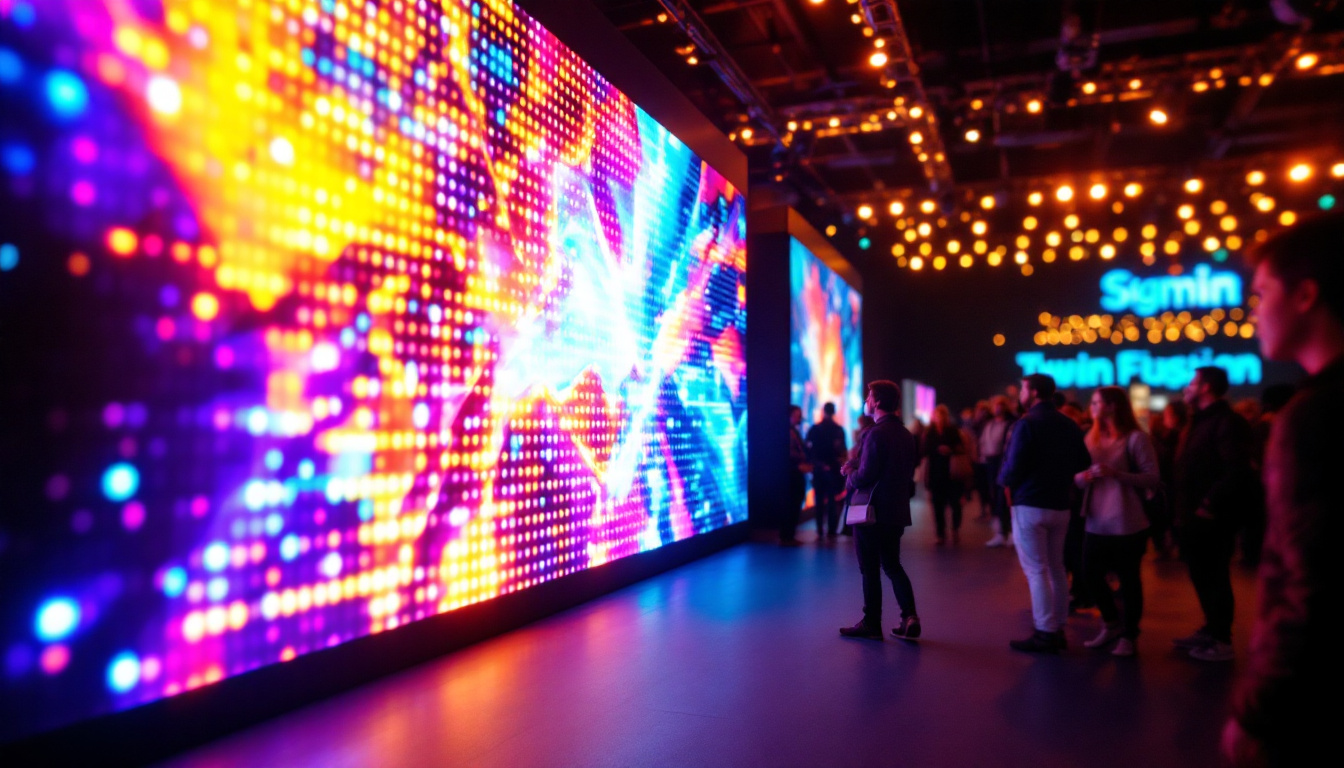
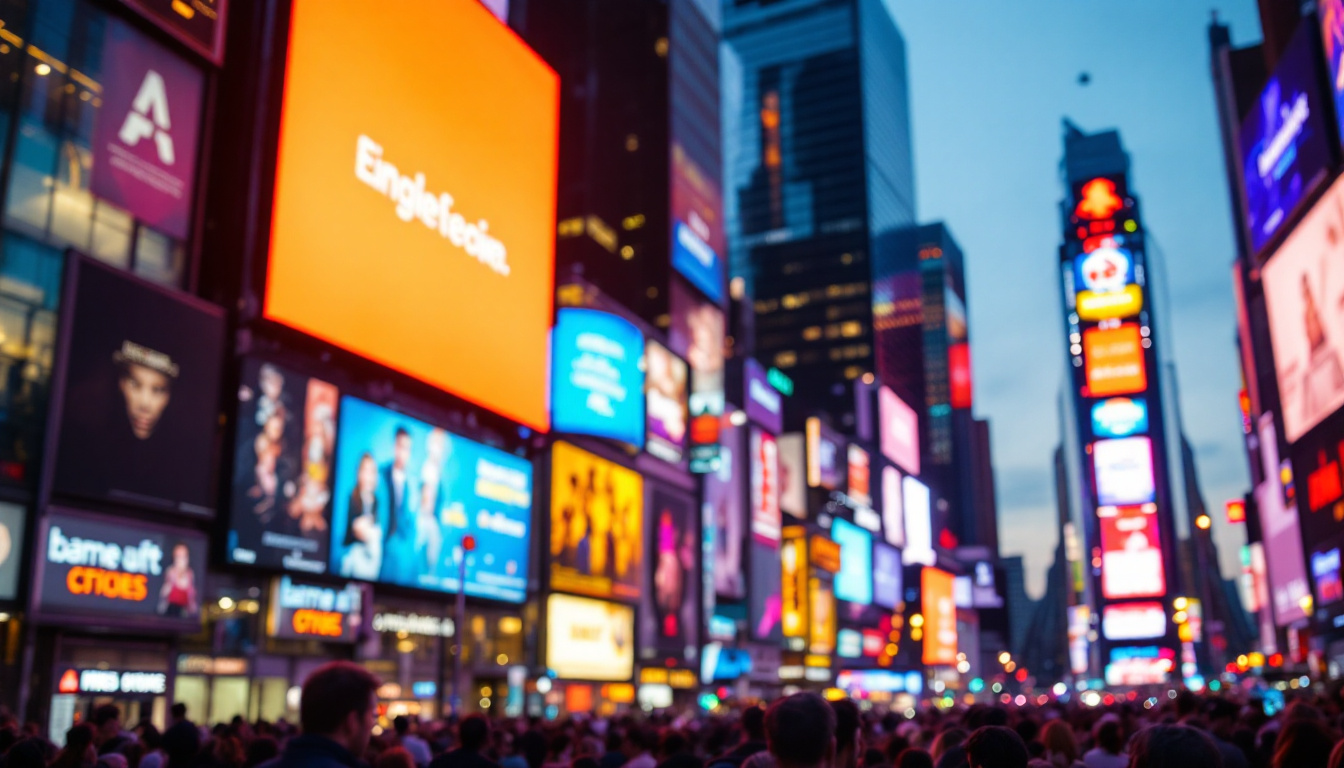
LED technology is widely used in various applications, from large outdoor billboards to indoor video walls and home televisions. In the context of projection, LED light sources are increasingly replacing conventional lamps due to their superior performance and reliability.
Advantages of LED Light Sources in Projectors
Integrating LED light sources into projectors brings several benefits. Firstly, LEDs provide consistent brightness over time, unlike traditional lamps that dim with use. This consistency ensures that image quality remains stable without frequent recalibration.
Secondly, LEDs have a longer operational life, often exceeding 20,000 hours, reducing maintenance costs and downtime. Additionally, LED projectors can achieve a wider color gamut, producing richer and more accurate colors, which is crucial for applications requiring high color fidelity such as graphic design or cinema.
Moreover, LED projectors tend to be more compact and energy-efficient, making them suitable for portable and eco-friendly setups. Their quick startup and shutdown times add to user convenience.
Combining Ambient Light Screens with LED Projectors
Why This Combination Matters
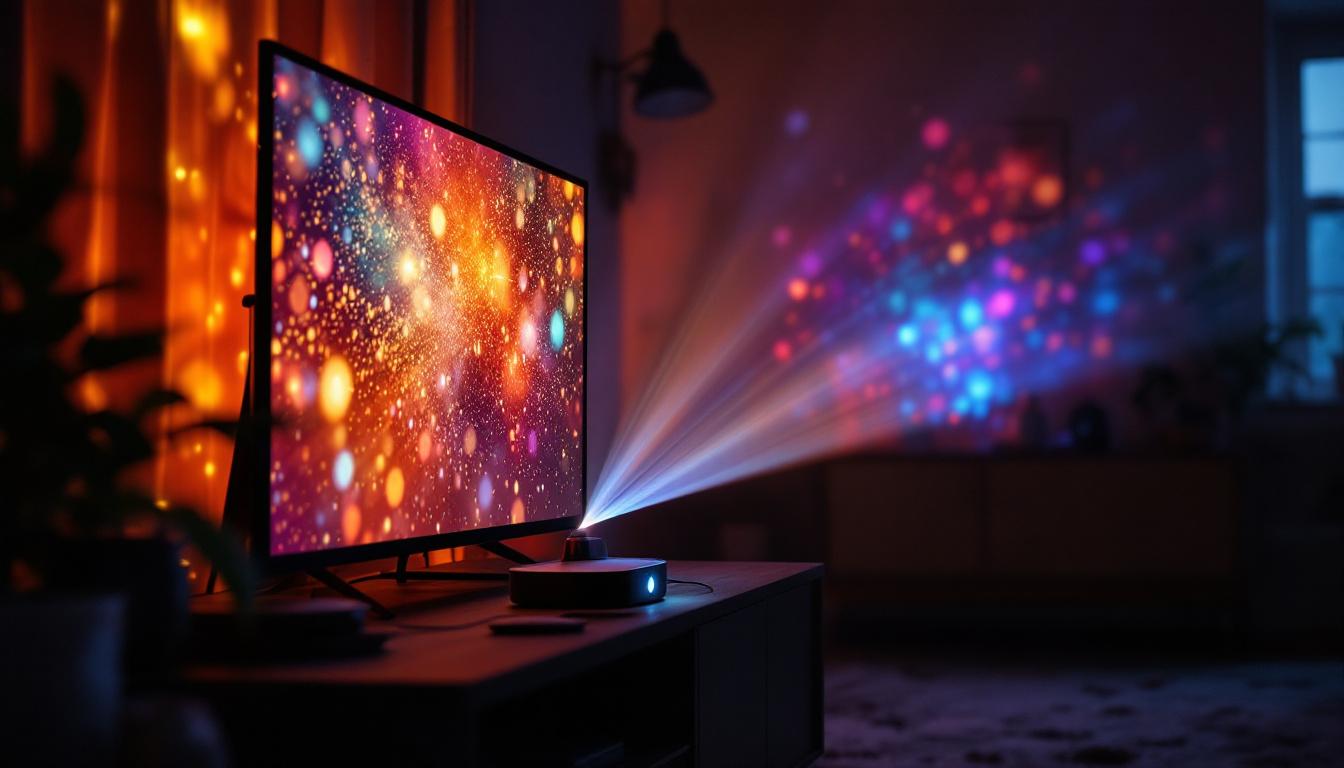
The synergy between ambient light projector screens and LED projectors addresses common challenges in projection technology. While ambient light screens mitigate the effects of environmental lighting, LED projectors provide the bright, vibrant light necessary to make images pop on these specialized surfaces.
Traditional projectors often struggle in well-lit rooms because their lamps cannot compete with ambient light, resulting in washed-out images. By using an LED light source with its higher brightness and color accuracy, combined with an ambient light rejecting screen, the overall viewing experience is significantly enhanced.
Applications and Use Cases
This combination is increasingly popular in various settings. In corporate environments, meeting rooms often have large windows or overhead lighting that cannot be dimmed. Using an ambient light screen with an LED projector ensures presentations remain clear and professional without compromising room usability.
In education, classrooms benefit from this technology by allowing natural light during lessons while maintaining visibility of projected content. Similarly, museums and galleries use these setups to display digital art and information panels without darkening the space.
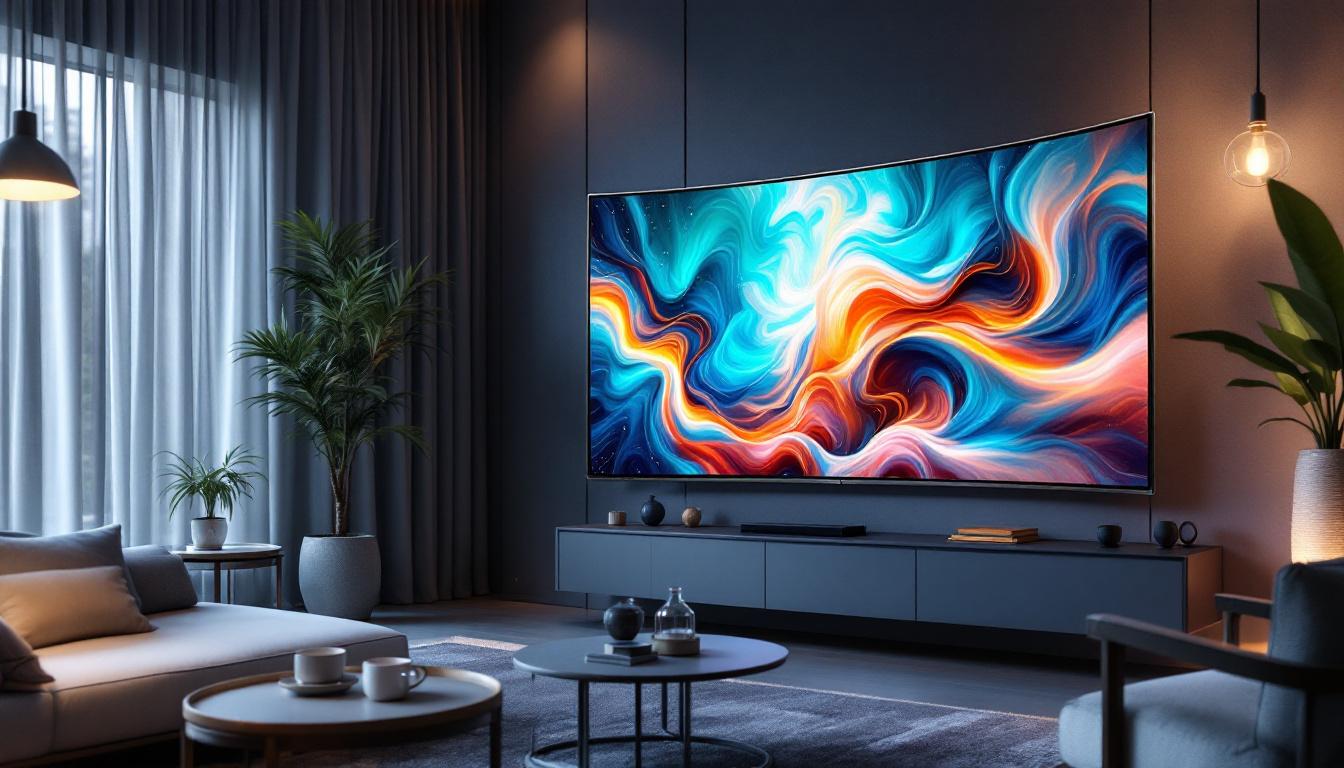
Home theaters also see advantages, especially in multi-purpose living rooms where ambient light cannot be fully controlled. The combination allows for immersive viewing experiences without the need for blackout curtains or dedicated dark rooms.
Technical Considerations When Choosing an Ambient Light Projector Screen and LED Display
Screen Gain and Viewing Angles
When selecting an ambient light projector screen, one important specification is the screen gain, which measures the reflectivity of the screen surface. Higher gain screens reflect more light towards the viewer, enhancing brightness but sometimes at the cost of narrower viewing angles. Conversely, lower gain screens offer wider viewing angles but less brightness enhancement.
Choosing the right gain depends on the room layout and audience positioning. For example, a conference room with a fixed seating arrangement may benefit from a higher gain screen, while a living room with varied seating might require a balance between gain and viewing angles.
LED Projector Brightness and Resolution
LED projectors come in various brightness levels, typically measured in lumens. For ambient light environments, projectors with at least 3,000 lumens are recommended to ensure clear images. However, the exact brightness needed depends on the screen size, ambient light intensity, and content type.
Resolution is another critical factor. Full HD (1920×1080) is the baseline for most applications, but 4K LED projectors are becoming more accessible, offering superior detail and sharpness. Higher resolution is particularly important for large screens or when displaying detailed graphics and text.
Compatibility and Installation
Ensuring compatibility between the projector and screen is essential. The screen size should match the projector’s throw distance and lens capabilities to avoid image distortion. Additionally, some ambient light screens are designed for specific projector types or light sources, so verifying manufacturer recommendations is advisable.
Installation considerations include mounting options, room dimensions, and ambient light sources. Proper alignment and calibration maximize the benefits of both the screen and LED projector.
Future Trends in Ambient Light Projection and LED Displays
Advancements in Screen Materials
Research into new materials and coatings continues to improve the performance of ambient light projector screens. Nanotechnology and microstructured surfaces are being developed to enhance light rejection capabilities further, allowing for even better image quality in bright environments.
Additionally, flexible and curved ambient light screens are emerging, enabling more immersive and adaptable display solutions for various architectural settings.
Innovations in LED Technology
LED technology is advancing rapidly, with developments in mini-LED and micro-LED displays promising higher brightness, better contrast, and lower power consumption. These innovations could lead to projectors with unprecedented image quality and efficiency.
Moreover, hybrid light sources combining LEDs with lasers or other technologies are being explored to push the boundaries of brightness and color accuracy, potentially revolutionizing projection systems.
Integration with Smart and Interactive Systems
The integration of ambient light projector screens and LED displays with smart technologies is another exciting trend. Interactive touch capabilities, gesture recognition, and AI-driven image optimization are becoming more common, enhancing user engagement and functionality.
Such systems are particularly valuable in education, retail, and corporate environments, where dynamic and interactive presentations can improve communication and learning outcomes.
Conclusion
The combination of ambient light projector screens and LED displays represents a significant advancement in projection technology, addressing the longstanding challenges of image visibility in bright environments. By leveraging specialized screen materials and the superior performance of LED light sources, users can enjoy vibrant, high-contrast images without sacrificing room lighting conditions.
This technology is transforming various sectors, from corporate and educational settings to home entertainment, offering flexibility and improved visual experiences. As materials science and LED innovations continue to evolve, the future promises even more impressive and versatile projection solutions.
For anyone considering upgrading their projection setup or investing in new display technology, understanding the benefits and technical aspects of ambient light projector screens combined with LED displays is essential to making an informed decision that meets their specific needs.
Discover LumenMatrix’s Advanced LED Display Solutions
Ready to elevate your visual experience with the latest in LED display technology? Look no further than LumenMatrix, a pioneer in crafting immersive and dynamic visual solutions. From versatile indoor and outdoor displays to innovative transparent and custom LED options, LumenMatrix has the perfect solution to meet your needs. Whether you’re looking to enhance your corporate presentations, captivate students in the classroom, or create an unforgettable home theater experience, our LED displays are designed to deliver superior brightness, contrast, and color accuracy in any lighting condition. Check out LumenMatrix LED Display Solutions today and transform your space with the power of cutting-edge LED technology.