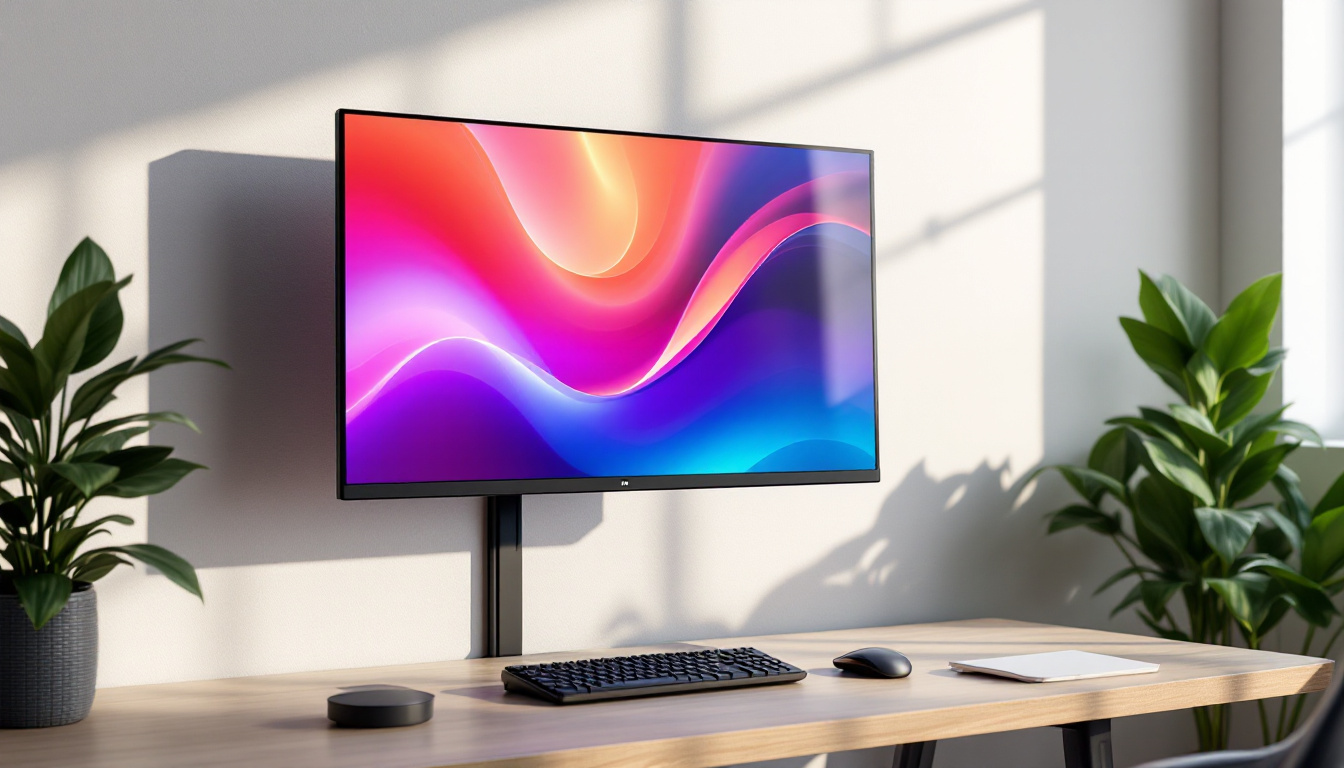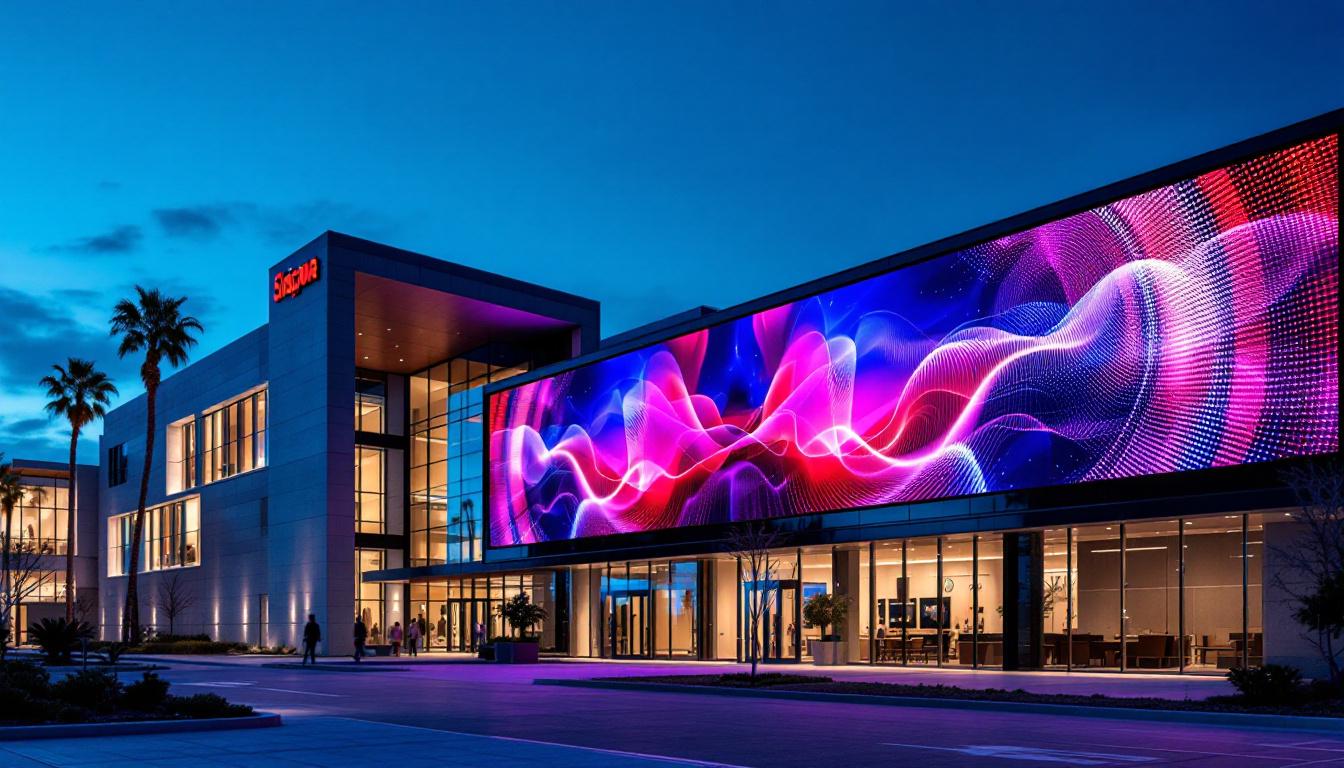
In the evolving world of television technology, curved LED TVs have carved out a distinctive niche, offering a unique viewing experience that promises enhanced immersion and aesthetic appeal. As consumers seek more engaging ways to enjoy content, understanding the technology behind curved LED displays becomes essential. This article delves into the fundamentals of LED display technology, explores the advantages and challenges of curved LED TVs, and provides insights into their practical applications and future trends.
Understanding LED Display Technology
What Is an LED TV?
LED TVs are a type of LCD (Liquid Crystal Display) television that use Light Emitting Diodes (LEDs) as a backlight source instead of traditional cold cathode fluorescent lamps (CCFLs). This shift in backlighting technology has allowed for thinner panels, improved energy efficiency, and better picture quality. The LEDs illuminate the liquid crystals, which then control the passage of light to create images on the screen.
LED TVs come in two primary types based on backlighting: edge-lit and full-array. Edge-lit LED TVs position LEDs along the edges of the screen, allowing for slimmer designs but sometimes sacrificing uniform brightness. Full-array LED TVs place LEDs directly behind the screen in a grid, enabling more precise local dimming and better contrast ratios. This distinction is crucial for consumers who prioritize picture quality, as full-array models often deliver deeper blacks and a more vibrant color palette, enhancing the overall viewing experience.
Moreover, advancements in LED technology have led to features such as HDR (High Dynamic Range), which allows for a wider range of colors and brightness levels. HDR content can make scenes appear more lifelike, with enhanced detail in both shadows and highlights. As streaming services and Blu-ray discs increasingly support HDR, the demand for LED TVs that can fully utilize this technology continues to grow, making it an essential consideration for anyone looking to invest in a new television.
How Does Curving Affect LED Displays?
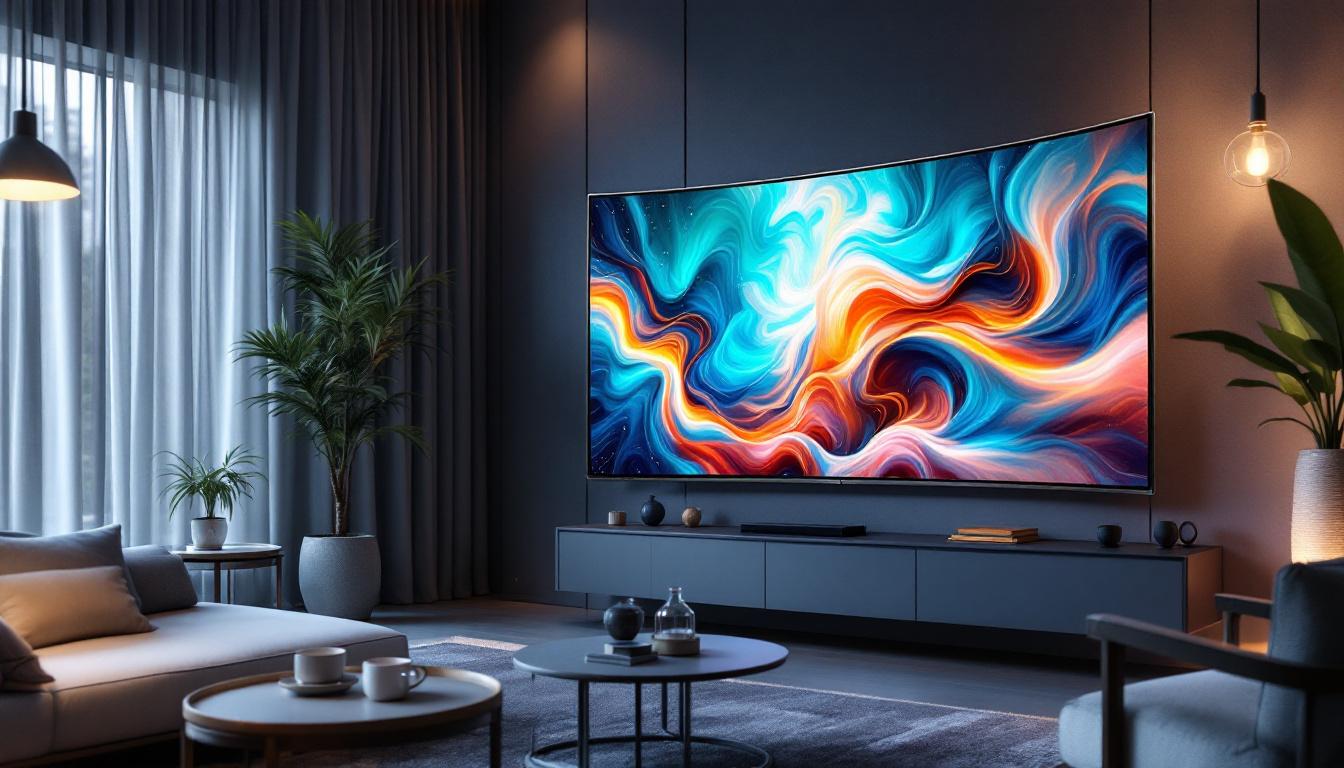
Curved LED TVs bend the screen slightly inward, creating a concave shape. This curvature is designed to match the natural field of view of the human eye, aiming to provide a more immersive viewing experience. The curve can help reduce distortion and glare by directing light more uniformly toward the viewer’s position. Additionally, the immersive effect can be particularly beneficial for larger screens, where the curvature can enhance the sense of depth and engagement with the content being displayed.
From a technical standpoint, manufacturing curved LED panels requires advanced engineering to maintain consistent backlighting and color accuracy across the curved surface. The LED backlight and liquid crystal layers must be precisely aligned to ensure image quality is not compromised by the curvature. Furthermore, curved displays often come with their own set of challenges, such as viewing angles. While they can enhance the experience for viewers sitting directly in front of the screen, those positioned at the sides may notice a decrease in picture quality. This makes it essential for consumers to consider their viewing environment and seating arrangement when choosing a curved model.
In addition to the aesthetic and immersive qualities, curved LED displays can also impact sound quality. The design can affect how sound waves travel from the speakers, potentially creating a more enveloping audio experience. Some manufacturers have begun to integrate advanced audio technologies that complement the visual benefits of the curve, resulting in a more holistic entertainment experience that appeals to both sight and sound. As the technology continues to evolve, we may see even more innovative features that enhance both the visual and auditory aspects of curved LED TVs.
Advantages of Curved LED TVs
Enhanced Immersion and Depth Perception
One of the most significant benefits of curved LED TVs is their ability to enhance immersion. The curved screen wraps slightly around the viewer, filling more of the peripheral vision compared to flat screens. This effect can make movies, sports, and video games feel more engaging and lifelike.
Additionally, the curved design can create a subtle sense of depth, improving the perception of three-dimensionality even on 2D content. This can be particularly appealing for viewers who enjoy cinematic experiences at home.
Reduced Glare and Reflections
Curved screens can help minimize reflections from ambient light sources. By directing reflections away from the viewer’s line of sight, curved LED TVs often provide a clearer picture in brightly lit rooms. This advantage is especially useful in living spaces with large windows or multiple light sources.
Wider Viewing Angles for Centered Viewing
While curved TVs are optimized for a centered viewing position, they can offer better viewing angles for viewers sitting directly in front of the screen. The curvature helps maintain consistent color and contrast levels across the screen’s width, reducing the “washed out” effect sometimes seen on large flat screens.
Challenges and Considerations of Curved LED TVs
Optimal Viewing Position Limitations
Curved LED TVs are designed to deliver the best experience when viewed from a central position. If viewers sit off to the side, the benefits of the curve diminish, and image distortion or color shifts may become noticeable. For households with multiple viewers sitting at various angles, this can be a significant drawback.
Size and Room Placement Constraints
The immersive effect of curved TVs is most pronounced on larger screens, typically 55 inches and above. Smaller curved TVs may not provide a noticeable difference compared to flat screens. Additionally, the curve can complicate wall mounting and may require more space for optimal placement, which can be challenging in smaller rooms.
Cost and Availability
Curved LED TVs often come at a premium price compared to their flat counterparts. The specialized manufacturing process and niche appeal contribute to higher costs. Furthermore, as of 2024, the market for curved TVs has contracted somewhat, with fewer models available as manufacturers focus on other innovations like OLED and QLED technologies.
Comparing Curved LED TVs with Other Display Technologies
Curved LED vs. Flat LED TVs
Flat LED TVs remain the most popular choice due to their versatility and generally lower cost. They offer consistent picture quality from various viewing angles and are easier to mount or place in different room configurations. However, flat screens lack the immersive wrap-around effect that curved TVs provide.
For viewers who prioritize cinematic immersion and watch TV primarily from a fixed, central position, curved LED TVs can offer a superior experience. Conversely, for diverse viewing scenarios or multi-person households, flat LED TVs may be more practical.
Curved LED TVs vs. OLED and QLED Displays
OLED (Organic Light Emitting Diode) displays are known for their exceptional contrast ratios, deep blacks, and vibrant colors because each pixel emits its own light. OLED TVs are predominantly flat, as the organic layers are sensitive to bending and can degrade over time when curved.
QLED (Quantum Dot LED) TVs, which use quantum dots to enhance color and brightness, are typically flat as well but offer excellent picture quality and brightness levels. Both OLED and QLED technologies have gained significant market share due to their superior image quality compared to traditional LED LCDs.
Curved LED TVs generally use traditional LED backlighting and LCD panels, so while they offer immersive design benefits, they may not match the picture quality of OLED or high-end QLED models. Consumers must weigh the importance of immersive form factor versus display performance.
Practical Applications and Use Cases
Home Entertainment and Cinematic Viewing
Curved LED TVs are particularly well-suited for home theaters or dedicated media rooms where viewers can sit directly in front of the screen. The immersive curvature enhances movie watching, sports events, and gaming, creating an engaging atmosphere that rivals commercial theaters.
For example, sports enthusiasts often appreciate curved screens because the wrap-around effect can make fast-moving action easier to follow, providing a more dynamic viewing experience.
Gaming Advantages
Gamers benefit from curved LED TVs due to the increased field of view and reduced distortion at the edges of the screen. The curve can help maintain consistent focus and reduce eye strain during extended gaming sessions. Additionally, many curved TVs support high refresh rates and low input lag, which are critical for competitive gaming.
Office and Commercial Use
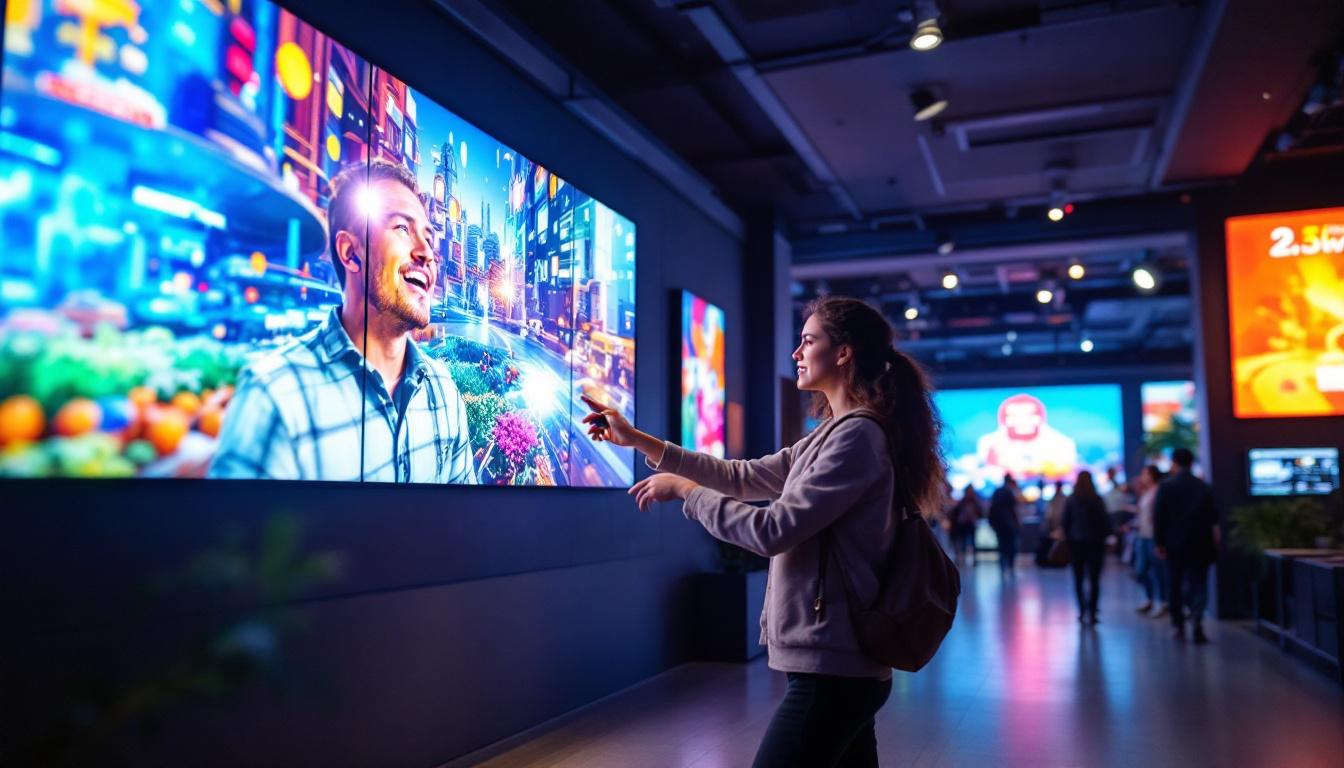
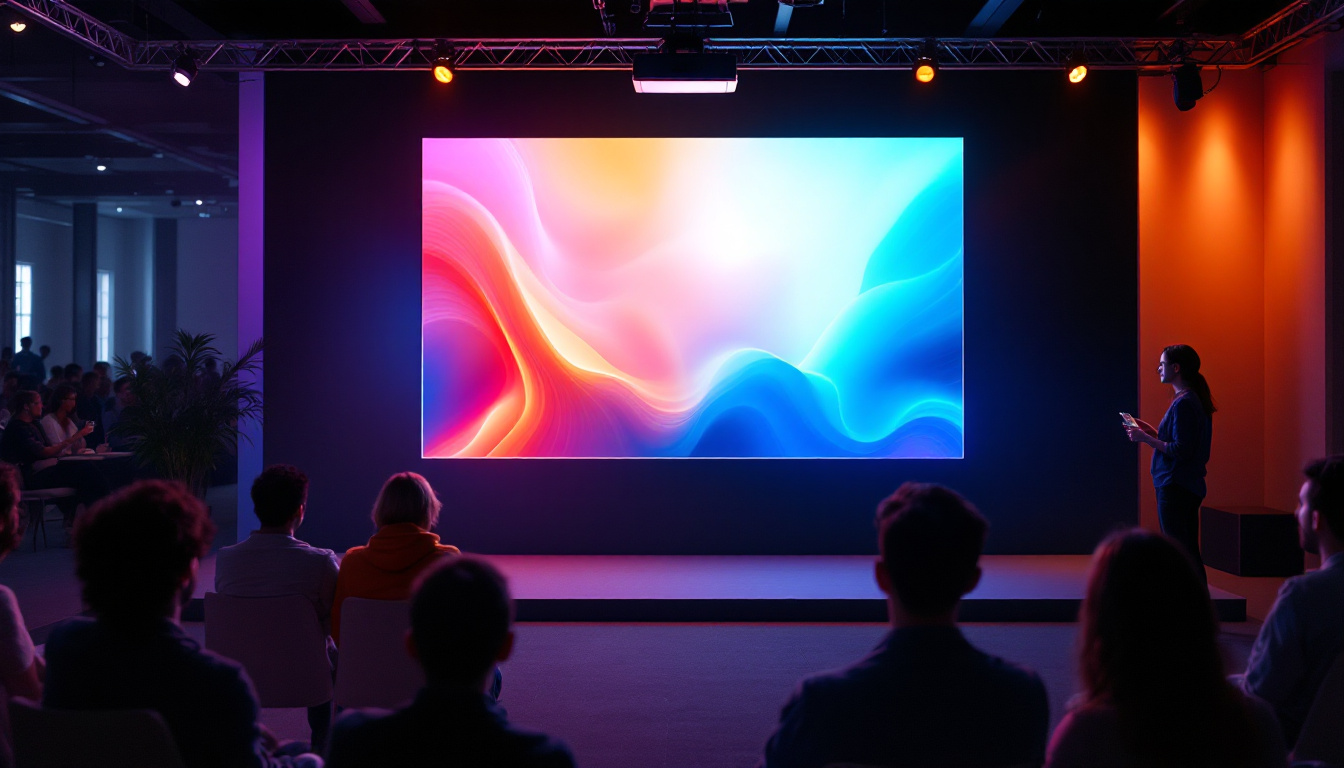
In professional environments, curved LED displays are less common but can be found in specialized applications such as command centers, simulation rooms, or digital signage where immersive visuals are important. The curve can help operators maintain focus and reduce visual fatigue during long hours of monitoring multiple data streams or video feeds.
Future Trends and Innovations in Curved LED TVs
Integration with Smart Technologies
Modern curved LED TVs increasingly incorporate smart features such as voice control, AI-driven content recommendations, and seamless connectivity with other smart home devices. These advancements enhance user convenience and personalize the viewing experience.
Advancements in Display Materials and Manufacturing
Research continues into flexible and bendable display materials that could make curved screens more durable and affordable. Innovations in mini-LED and micro-LED backlighting promise improved brightness, contrast, and energy efficiency, which could be integrated into curved designs in the near future.
Hybrid Designs and Custom Curvatures
Emerging models may offer adjustable curvature or hybrid flat-curved designs to accommodate different viewing preferences and room layouts. Such flexibility could address some of the current limitations related to viewing angles and placement.
Conclusion
Curved LED TVs represent a fascinating intersection of design and technology, offering a distinctive viewing experience that emphasizes immersion and visual comfort. While they come with certain limitations regarding optimal viewing positions and cost, their advantages in enhancing depth perception, reducing glare, and providing a cinematic feel make them appealing to specific audiences.
As display technologies continue to evolve, curved LED TVs will likely find new applications and innovations that address current challenges. For consumers considering a new television, understanding the nuances of curved LED displays helps make an informed choice tailored to their viewing habits and environment.
Discover the Future of Immersive Viewing with LumenMatrix
Ready to elevate your viewing experience to new heights of immersion and clarity? LumenMatrix, a pioneer in LED display technology, invites you to explore our extensive range of innovative LED display solutions. From the comfort of your home to the excitement of outdoor events, our Indoor and Outdoor LED Wall Displays, along with specialized options like Vehicle LED Displays and LED Sports Displays, are designed to bring your content to life. Experience the revolution in visual communication with our All-in-One LED Displays and LED Transparent Displays, perfect for creating unforgettable visual experiences. Don’t just watch—immerse yourself with LumenMatrix. Check out LumenMatrix LED Display Solutions today and transform the way you see the world.