In recent years, interactive gym walls equipped with LED displays have revolutionized fitness spaces, transforming traditional workouts into immersive, engaging experiences. These high-tech installations not only motivate users but also provide real-time feedback, gamified exercises, and dynamic training programs. However, understanding the pricing of such advanced systems can be complex due to the variety of features, technologies, and installation requirements involved. This article provides a comprehensive breakdown of interactive gym wall prices, focusing on LED display technology, to help gym owners, fitness centers, and enthusiasts make informed decisions.
What Is an Interactive Gym Wall with LED Display?
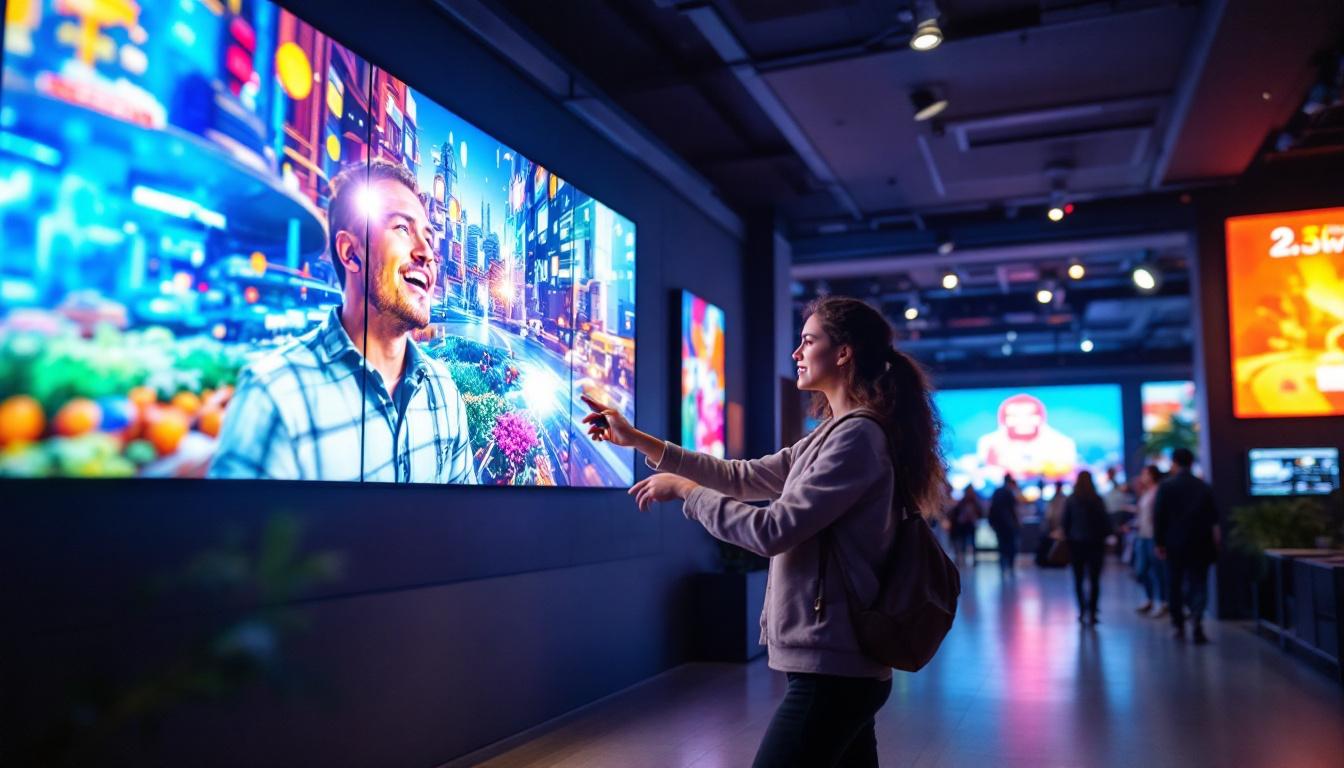
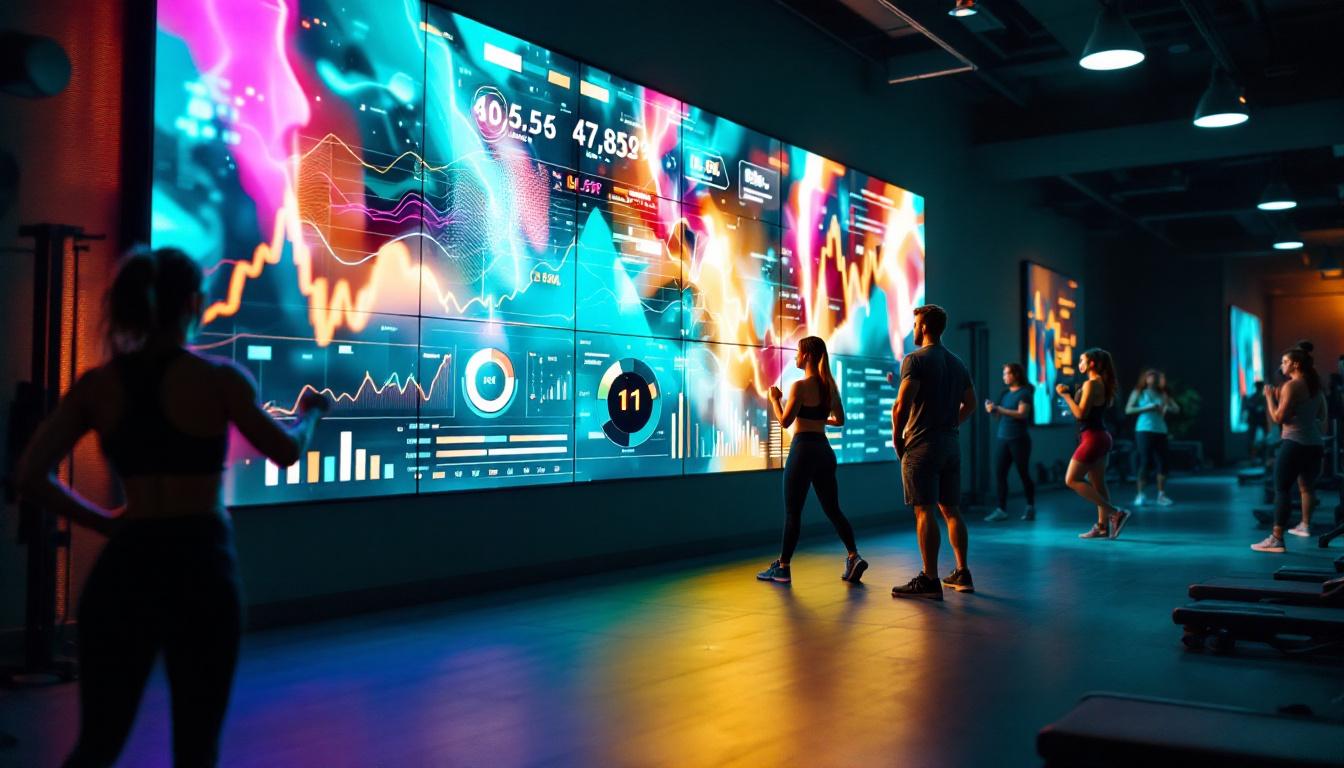
Interactive gym walls are large-scale digital installations designed to enhance physical training through visual and tactile engagement. Typically, these walls incorporate LED displays that showcase dynamic content such as workout routines, games, performance metrics, and virtual coaching. The LED technology ensures bright, vivid visuals that remain visible even in well-lit environments, making them ideal for gym settings.
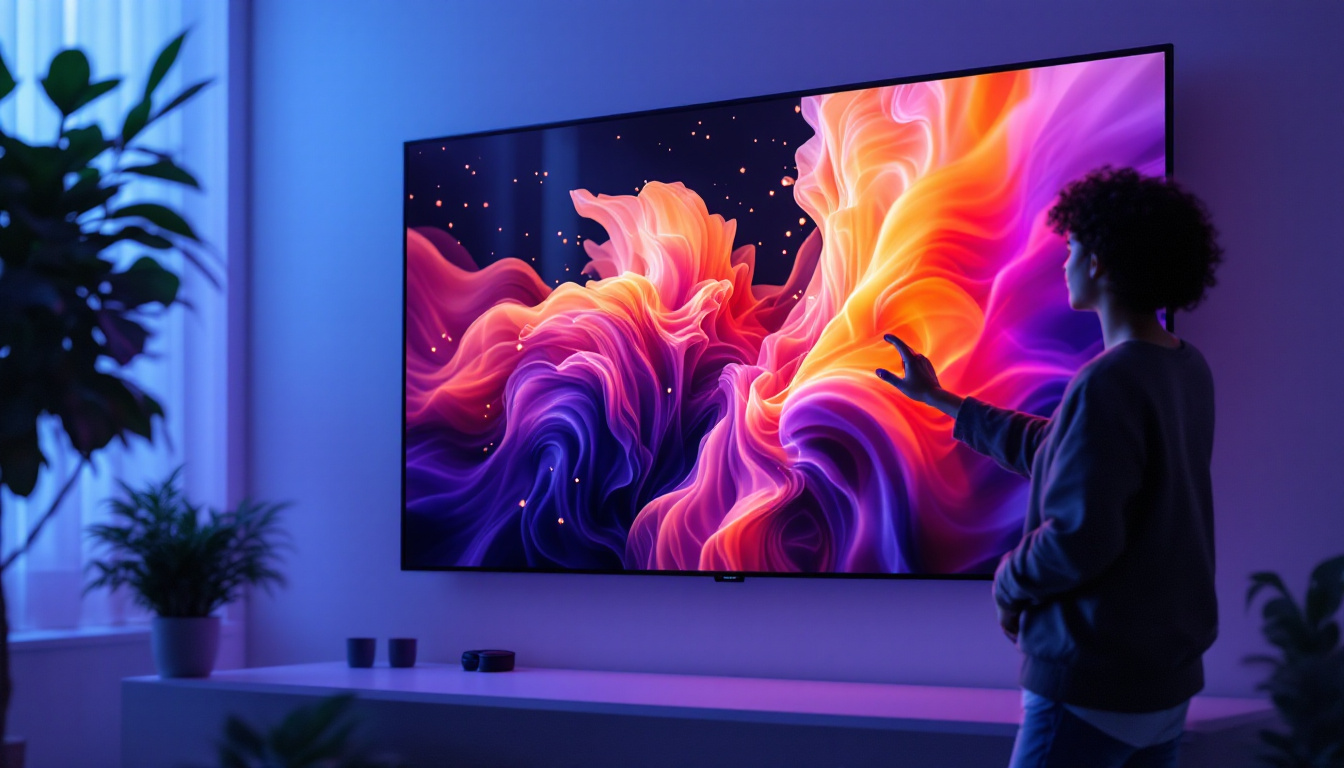
The interactivity is usually enabled by sensors, cameras, or touch-sensitive panels integrated into the wall, allowing users to interact with the displayed content through movement or touch. This combination of hardware and software creates a versatile platform for various fitness activities, from cardio drills and strength training to rehabilitation exercises and group classes. The immersive experience provided by these walls not only motivates users but also fosters a sense of community as participants can engage in friendly competitions or group challenges, enhancing their workout experience.
Key Features of LED Interactive Gym Walls
Understanding the core features helps clarify why these systems command a premium price. Common features include:
- High-Resolution LED Panels: Provide clear, bright images that can be customized for different workout programs.
- Motion Sensors and Cameras: Track user movements to offer real-time feedback and interactive gameplay.
- Touch and Gesture Controls: Enable intuitive interaction without the need for additional devices.
- Customizable Software: Allows gyms to tailor content to specific training goals or branding.
- Durability and Safety: Built to withstand intense physical activity and comply with safety standards.
In addition to these features, many interactive gym walls also offer gamified experiences, where users can compete against themselves or others in various fitness challenges. This gamification not only makes workouts more enjoyable but also encourages users to push their limits and achieve personal bests. Furthermore, the integration of social media capabilities allows users to share their achievements and progress, creating a supportive online community that extends beyond the gym walls. As technology continues to evolve, the potential for interactive gym walls to incorporate augmented reality (AR) elements is also on the horizon, promising to take the fitness experience to even greater heights by merging the physical and digital worlds in exciting new ways.
Factors Influencing the Price of Interactive Gym Walls with LED Displays
The cost of installing an interactive gym wall varies widely depending on several critical factors. Understanding these variables is essential for budgeting and selecting the right system.
1. Size and Resolution of the LED Display
One of the most significant cost drivers is the size of the LED display. Larger walls require more LED panels, which increases material and installation expenses. Additionally, higher resolution displays with smaller pixel pitches offer sharper images but come at a higher price point.
For example, a 10-foot by 8-foot LED wall with a pixel pitch of 3.9mm might cost between $20,000 and $35,000, whereas a smaller 6-foot by 4-foot wall with a 6mm pitch could range from $8,000 to $15,000. The choice depends on the gym’s space, intended use, and budget. Furthermore, the location of the wall within the gym can also affect visibility and engagement; a wall positioned in a high-traffic area may justify a larger investment due to increased user interaction and visibility.
2. Sensor and Interaction Technology
The interactivity of the gym wall is powered by various sensor technologies, including infrared motion sensors, cameras with AI-based tracking, and capacitive touch panels. Advanced systems that provide precise motion tracking and complex gesture recognition tend to be more expensive due to the sophisticated hardware and software integration required.
Basic systems might use simple touch sensors or pressure pads, costing less but offering limited functionality. In contrast, premium interactive walls with full-body motion capture and AI coaching can significantly increase the overall cost. Moreover, the choice of interaction technology can also influence the user experience; for instance, systems utilizing AI can adapt workouts in real-time based on user performance, making them particularly appealing to fitness enthusiasts looking for personalized training solutions.
3. Software and Content Licensing
The software platform driving the interactive experience is another major factor. Many providers offer subscription-based models that include access to workout libraries, gamified training modules, and performance analytics. These licenses can add recurring costs ranging from a few hundred to several thousand dollars annually.
Custom software development tailored to a gym’s specific needs or branding will also increase upfront costs but can provide a unique competitive advantage. Additionally, the availability of regular content updates and new workout programs can enhance member retention and engagement, making it a worthwhile investment for gyms looking to differentiate themselves in a competitive market.
4. Installation and Maintenance
Installation involves mounting the LED panels, integrating sensors, configuring software, and ensuring electrical and network connectivity. Professional installation is crucial for safety and optimal performance, typically costing 10-20% of the hardware price.
Ongoing maintenance, including software updates, hardware repairs, and calibration, should also be factored into the total cost of ownership. Some providers include maintenance in their service contracts, while others charge separately. It’s also important to consider the potential downtime during maintenance, as this can impact gym operations and member satisfaction. Establishing a good relationship with the service provider can lead to quicker response times for repairs and updates, ensuring that the interactive wall remains a valuable asset.
5. Additional Features and Customization
Additional options such as sound systems, multi-user capabilities, integration with wearable devices, and enhanced security features can increase the price. Custom branding, unique content creation, or interactive challenges designed specifically for a gym’s clientele also add to the investment.
Moreover, the ability to incorporate social media sharing features can enhance user engagement, allowing members to share their achievements and workouts online. This not only promotes the gym but also fosters a sense of community among members, which can be a significant selling point. The flexibility to adapt the interactive wall to seasonal themes or special events can also keep the content fresh and exciting, encouraging repeat visits and participation in gym activities.
Typical Price Ranges for Interactive Gym Walls with LED Displays
To provide a clearer picture, here are typical price brackets based on system complexity and size:
Entry-Level Systems: $8,000 to $15,000
These systems are suitable for small gyms, home fitness rooms, or studios with limited budgets. They usually feature smaller LED walls with basic touch or motion sensors and come with a limited set of workout programs. Software is often included but with fewer customization options.
Mid-Range Systems: $15,000 to $40,000
Mid-tier interactive walls offer larger displays, higher resolution, and improved sensor technologies. These systems provide a broader range of workouts, gamified experiences, and better software support. They are ideal for commercial gyms aiming to enhance member engagement without a massive upfront investment.
Premium Systems: $40,000 and Above
High-end installations feature expansive LED walls with ultra-high resolution, advanced motion tracking, AI-powered coaching, and fully customizable software platforms. These systems are designed for large fitness centers, rehabilitation clinics, or sports training facilities that demand top-tier performance and user experience.
Benefits of Investing in an Interactive Gym Wall with LED Display
Despite the significant investment, interactive gym walls offer numerous advantages that can justify the cost and contribute to long-term success.
Enhanced User Engagement and Motivation
Interactive walls transform workouts into fun, game-like experiences, increasing motivation and adherence to fitness programs. Studies show that gamification in exercise can boost user participation by up to 30%, leading to better health outcomes and customer retention.
Versatility and Customization
These systems accommodate a wide range of fitness levels and training goals, from beginner workouts to elite athlete conditioning. Customizable content allows gyms to tailor programs to their clientele, creating a personalized fitness environment.
Data-Driven Training and Progress Tracking
Real-time feedback and performance analytics enable users and trainers to monitor progress, identify areas for improvement, and adjust workouts accordingly. This data-driven approach enhances training effectiveness and client satisfaction.
Competitive Differentiation
Offering cutting-edge technology can set a gym apart in a crowded market. Interactive gym walls serve as a unique selling point, attracting tech-savvy customers and positioning the facility as an innovator in fitness.
Considerations Before Purchasing an Interactive Gym Wall
Before committing to an interactive gym wall, several practical considerations should be evaluated to ensure the investment aligns with the gym’s goals and resources.
Space and Location
Assess the available wall space and environmental conditions such as lighting and electrical access. LED walls require sufficient room for installation and safe user interaction.
Target Audience and Usage Patterns
Understand the demographics and preferences of gym members. High-tech interactive walls may appeal more to younger, tech-oriented users, while other groups might prefer traditional equipment.
Budget and ROI Expectations
Establish a clear budget that includes installation, software licensing, and maintenance. Consider how the interactive wall will impact membership growth, retention, and overall revenue to evaluate return on investment.
Vendor Reputation and Support
Select reputable providers with proven track records in fitness technology. Reliable customer support and training are vital for smooth operation and maximizing system benefits.
Future Trends in Interactive Gym Walls and LED Displays
The fitness technology landscape is rapidly evolving, and interactive gym walls are poised to become even more sophisticated and accessible.
Integration with Wearables and IoT
Future systems will likely integrate seamlessly with wearable fitness trackers and Internet of Things (IoT) devices, enabling more personalized and comprehensive data collection.
Artificial Intelligence and Adaptive Training
AI-driven coaching will become more prevalent, offering adaptive workouts that respond dynamically to user performance and health metrics.
Augmented Reality (AR) Enhancements
AR technologies may be incorporated to create immersive environments that blend digital content with the physical gym space, further enhancing engagement.
Conclusion
Interactive gym walls with LED displays represent a significant advancement in fitness technology, offering engaging, data-driven, and customizable workout experiences. While the pricing varies widely based on size, technology, and features, understanding these factors enables gym owners and fitness professionals to make informed investments that align with their goals and budgets.
By carefully considering the benefits, costs, and future potential of these systems, fitness centers can leverage interactive gym walls to enhance user engagement, differentiate themselves in the market, and ultimately drive business growth.
Discover LumenMatrix LED Display Solutions
Ready to elevate your fitness center with the latest in interactive gym wall technology? LumenMatrix is at the forefront of LED display innovation, offering a wide range of solutions that can transform your space and engage your members. From vibrant Indoor LED Wall Displays to dynamic Custom LED Displays, our products are designed to captivate and motivate. Experience the difference that cutting-edge digital signage can make in creating immersive workout environments. Check out LumenMatrix LED Display Solutions today and take the first step towards a more interactive and engaging fitness experience.