In an era where visual communication is paramount, LED displays have become a cornerstone for businesses, advertisers, and public information systems worldwide. From vibrant storefront signs to massive stadium screens, LED technology offers unmatched brightness, versatility, and energy efficiency. This comprehensive guide explores what LED displays are, how they work, their various applications, and why they have become the preferred choice for digital signage in the modern age.
Understanding LED Display Technology
What is an LED Display?
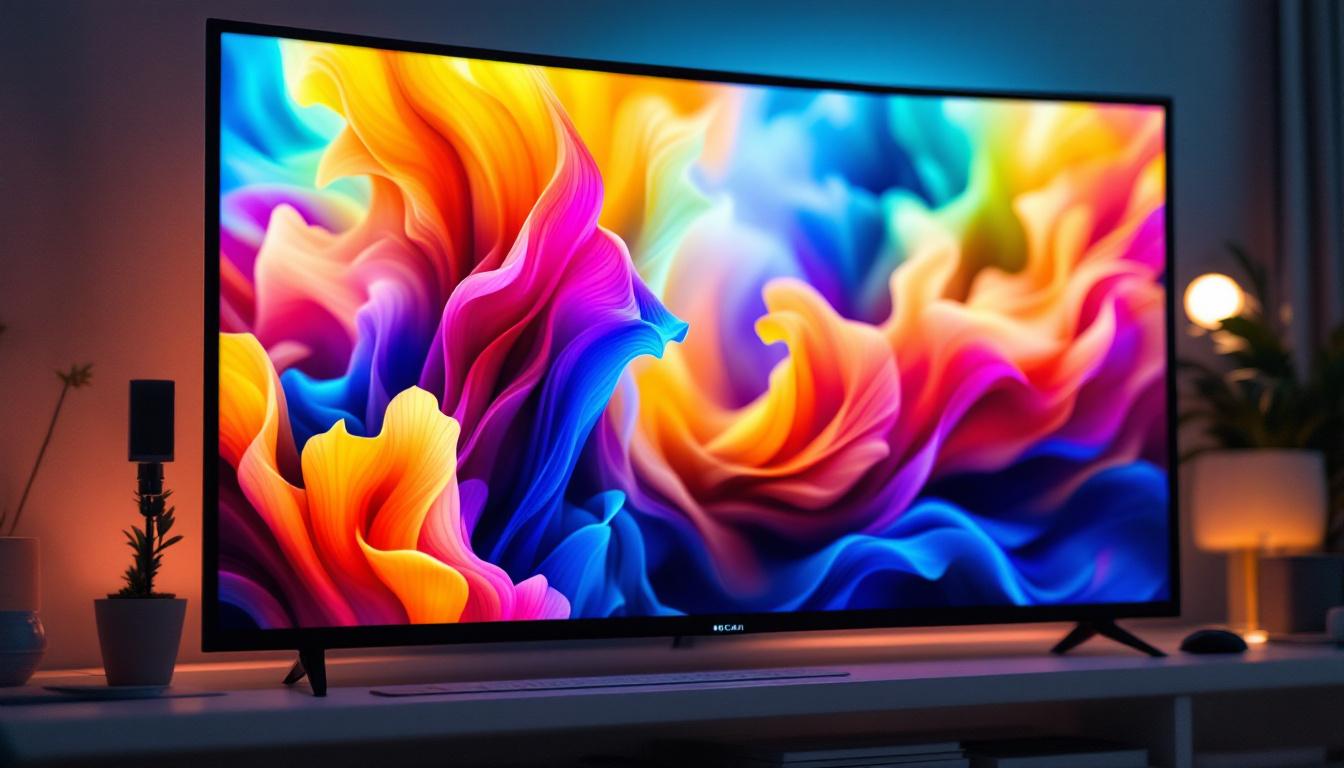
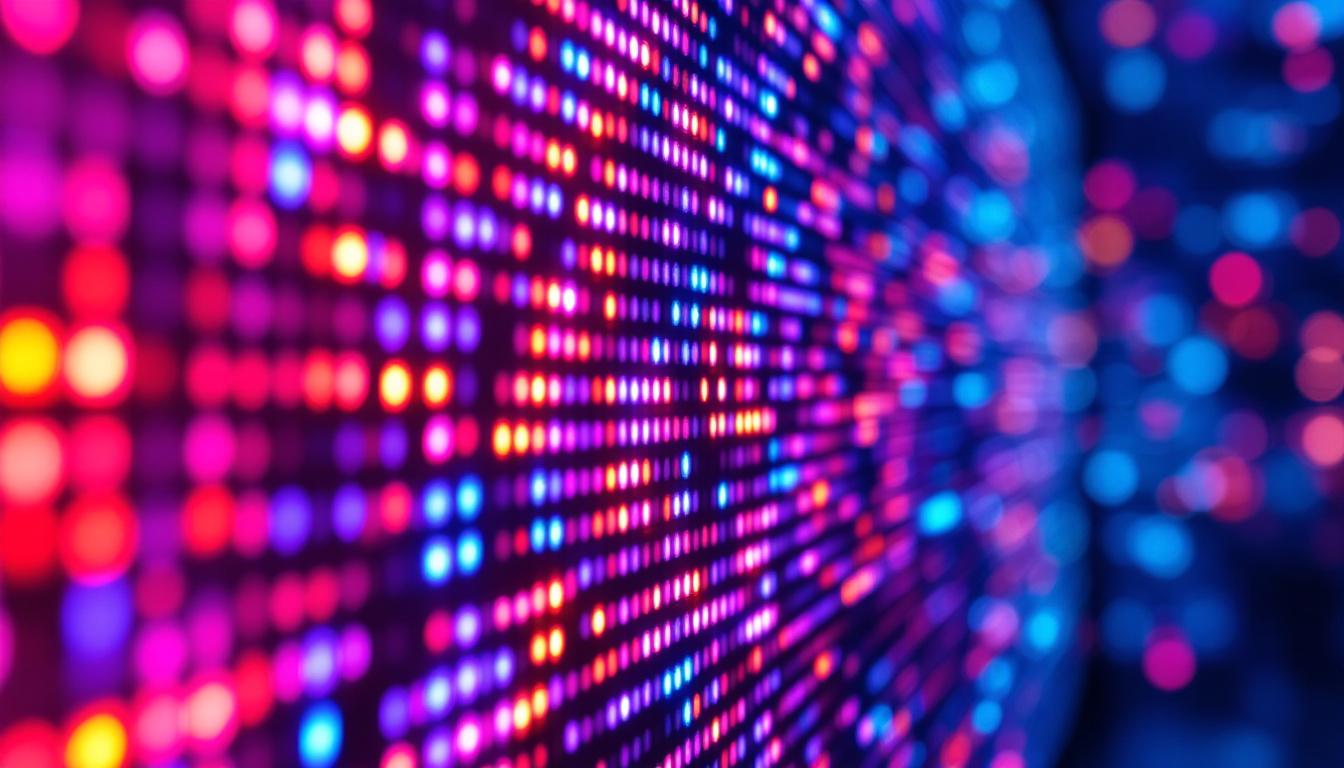
LED stands for Light Emitting Diode, a semiconductor device that emits light when an electric current passes through it. An LED display is essentially a flat panel or screen that uses an array of these tiny LEDs to create images, videos, and text. Unlike traditional LCD or plasma screens, LED displays use these diodes as individual pixels, allowing for greater brightness and color accuracy.
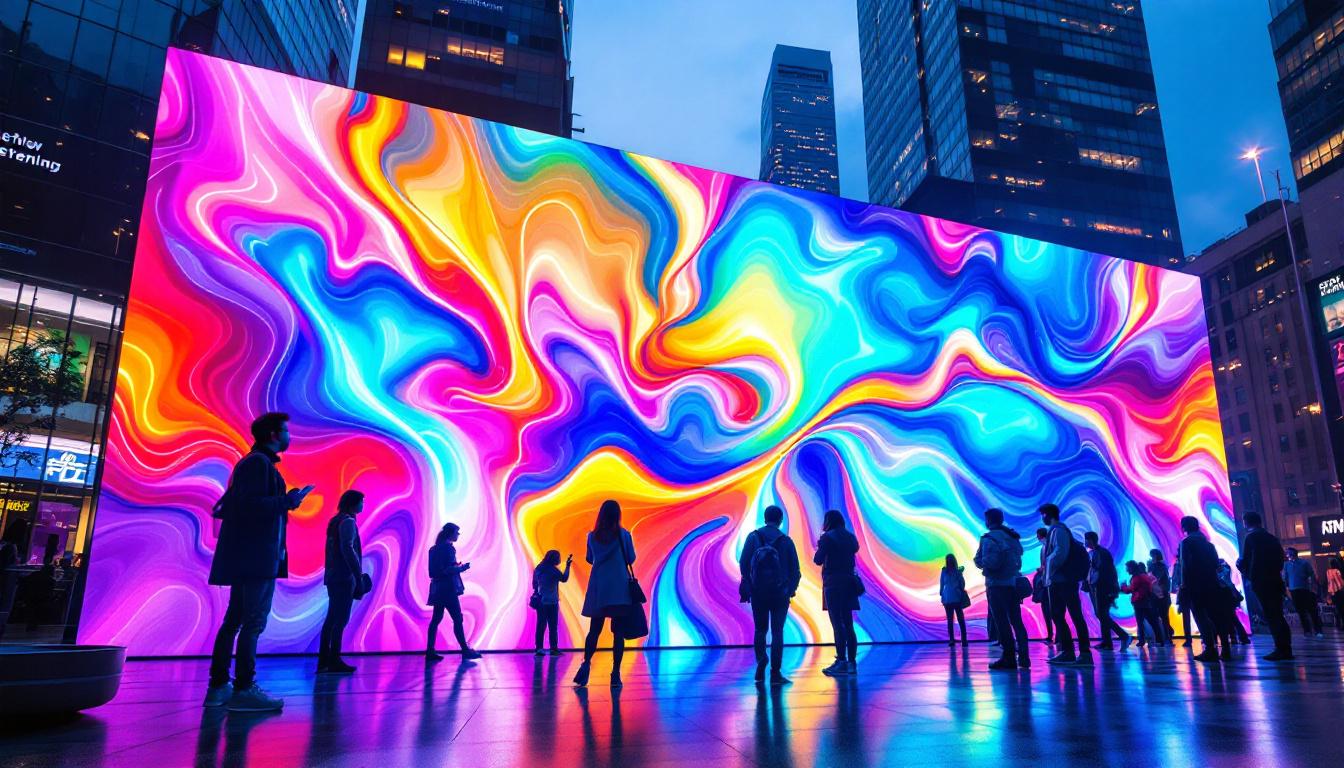
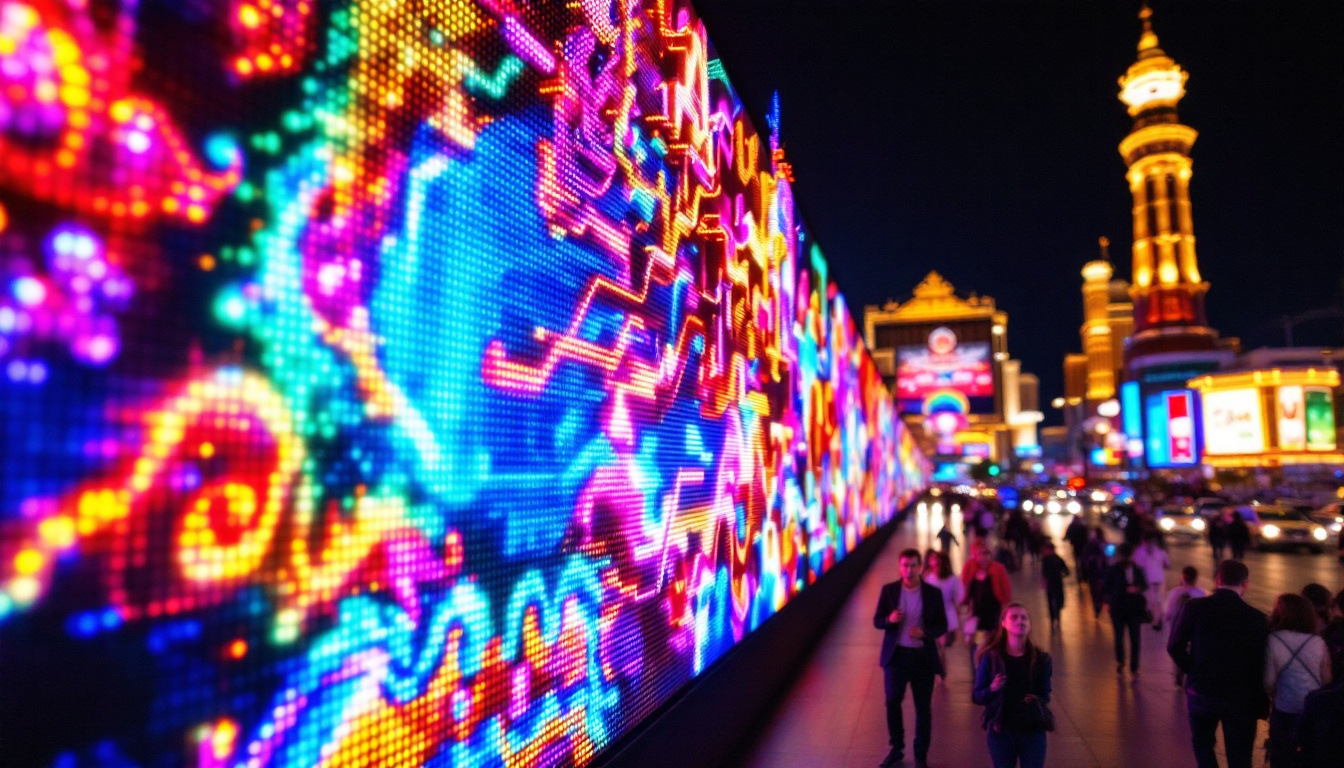
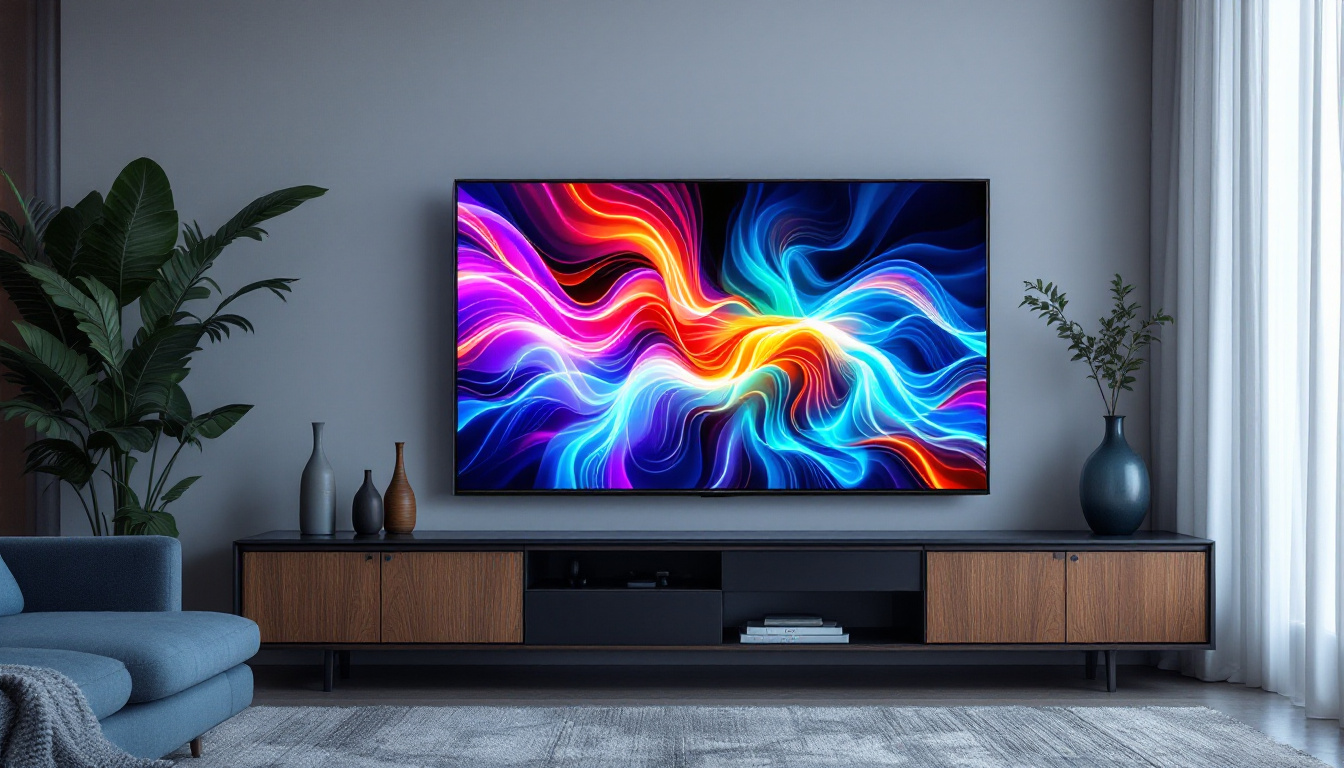
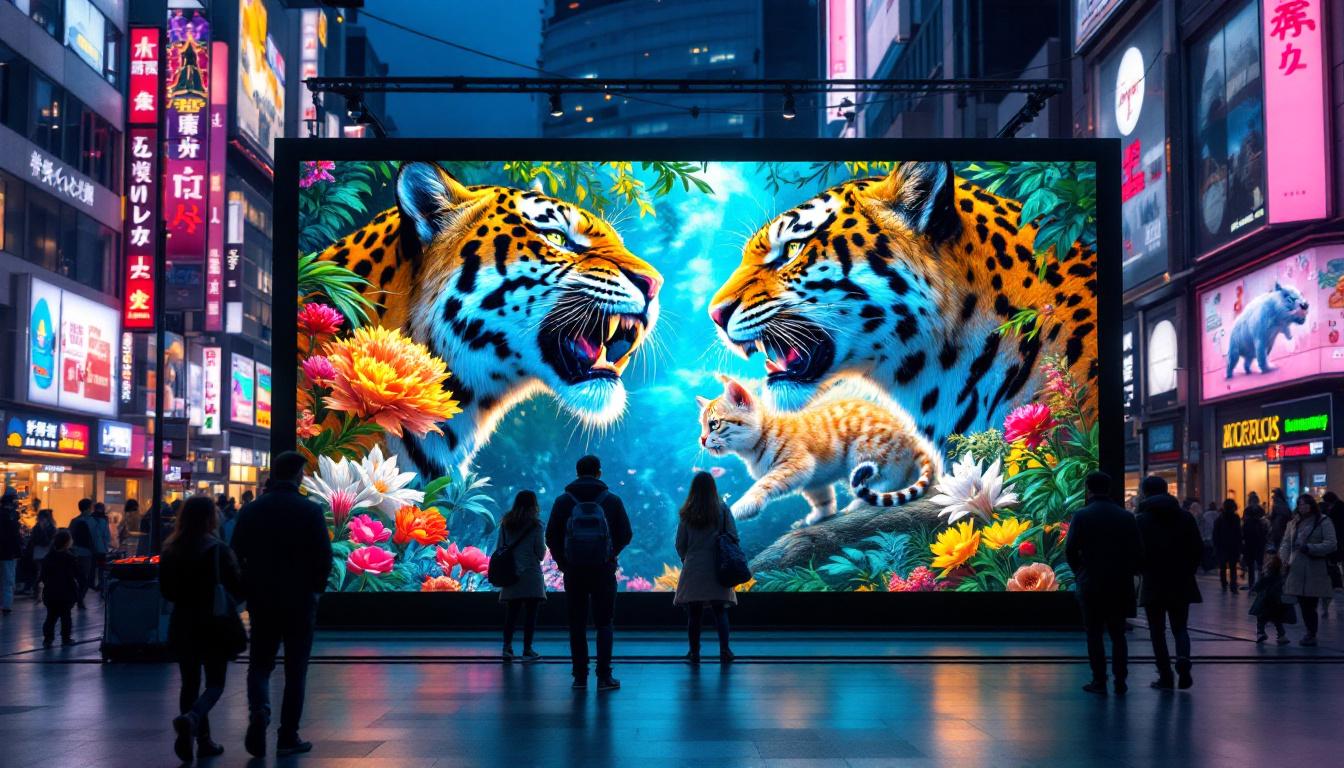
LED displays can be configured in various sizes and resolutions, from small indoor panels to enormous outdoor billboards. The technology behind these displays enables them to produce vivid colors and high contrast ratios, making them highly visible even in direct sunlight or adverse weather conditions. This versatility has made LED displays a popular choice for a wide range of applications, including advertising, sports arenas, concerts, and even art installations. Their ability to be customized in shape and size also allows for creative designs that can enhance the visual experience in public spaces.
How Do LED Displays Work?
Each LED in a display functions as a single pixel or part of a pixel. By controlling the intensity and color of each diode, the display can produce a wide spectrum of colors and dynamic images. Most modern LED displays use RGB (Red, Green, Blue) diodes, combining these three colors at varying intensities to generate over 16 million colors.
The LEDs are arranged in a grid, and a controller processes input signals—such as video or text—and translates them into electrical signals that light up the appropriate LEDs. This process happens in real-time, allowing for smooth video playback and dynamic content updates. Additionally, the refresh rate of LED displays is crucial; higher refresh rates ensure that motion appears fluid and reduces flickering, which is particularly important for video content. Furthermore, advancements in technology have led to the development of features like pixel mapping and dynamic brightness adjustment, which enhance the viewing experience by optimizing display performance based on ambient light conditions.
Types of LED Displays and Their Applications
Indoor vs. Outdoor LED Displays
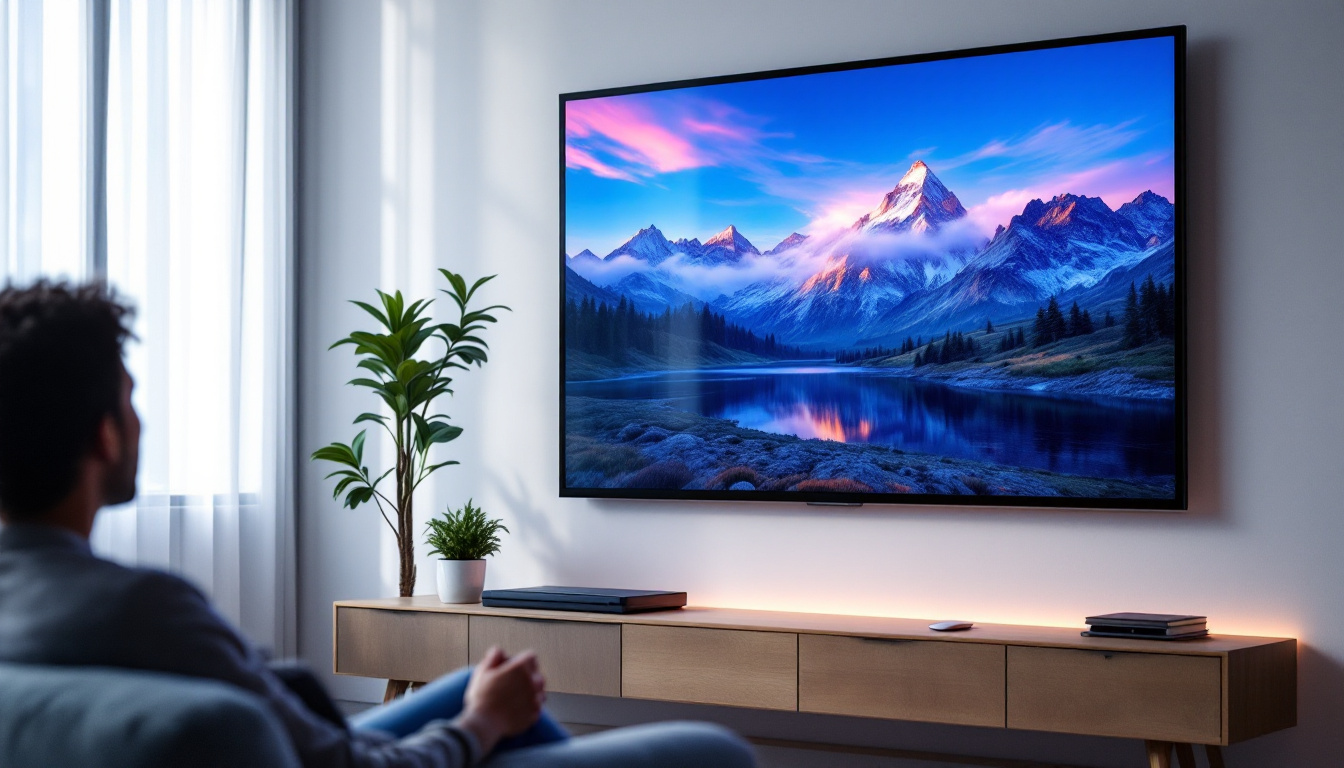
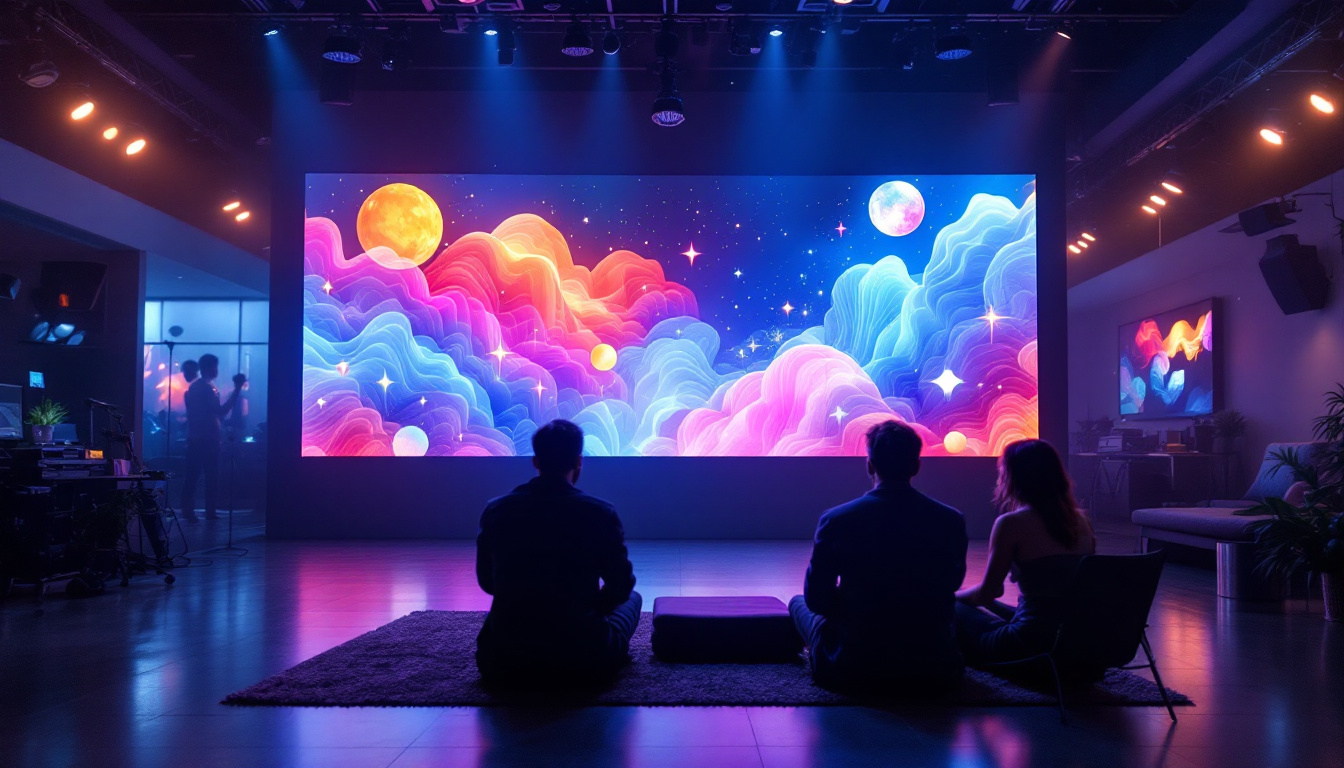
One of the primary distinctions in LED displays is between indoor and outdoor models. Indoor LED displays are designed for environments with controlled lighting and typically have a higher pixel density, resulting in sharper images at close viewing distances. These are commonly used in retail stores, conference rooms, and event venues. The ability to display high-resolution content makes them ideal for presentations, advertisements, and interactive displays that engage customers and enhance the overall experience.
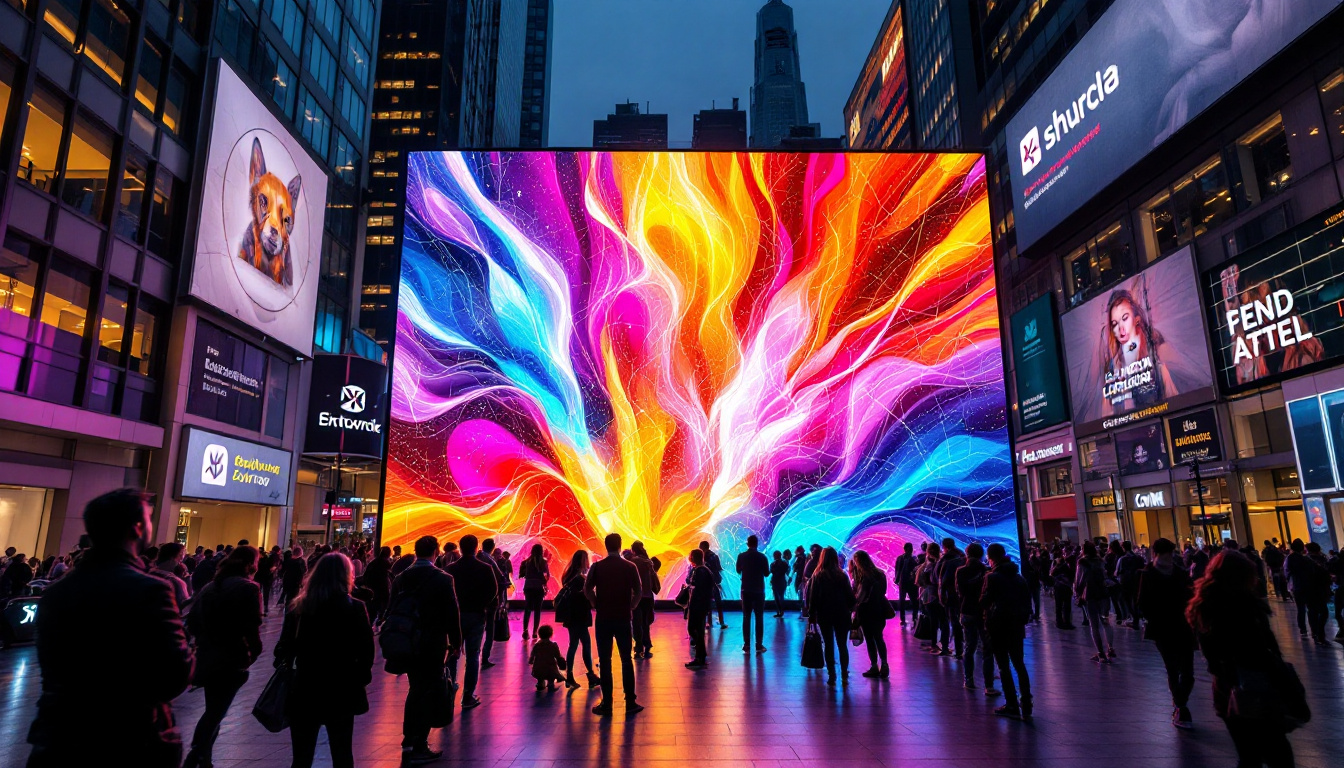
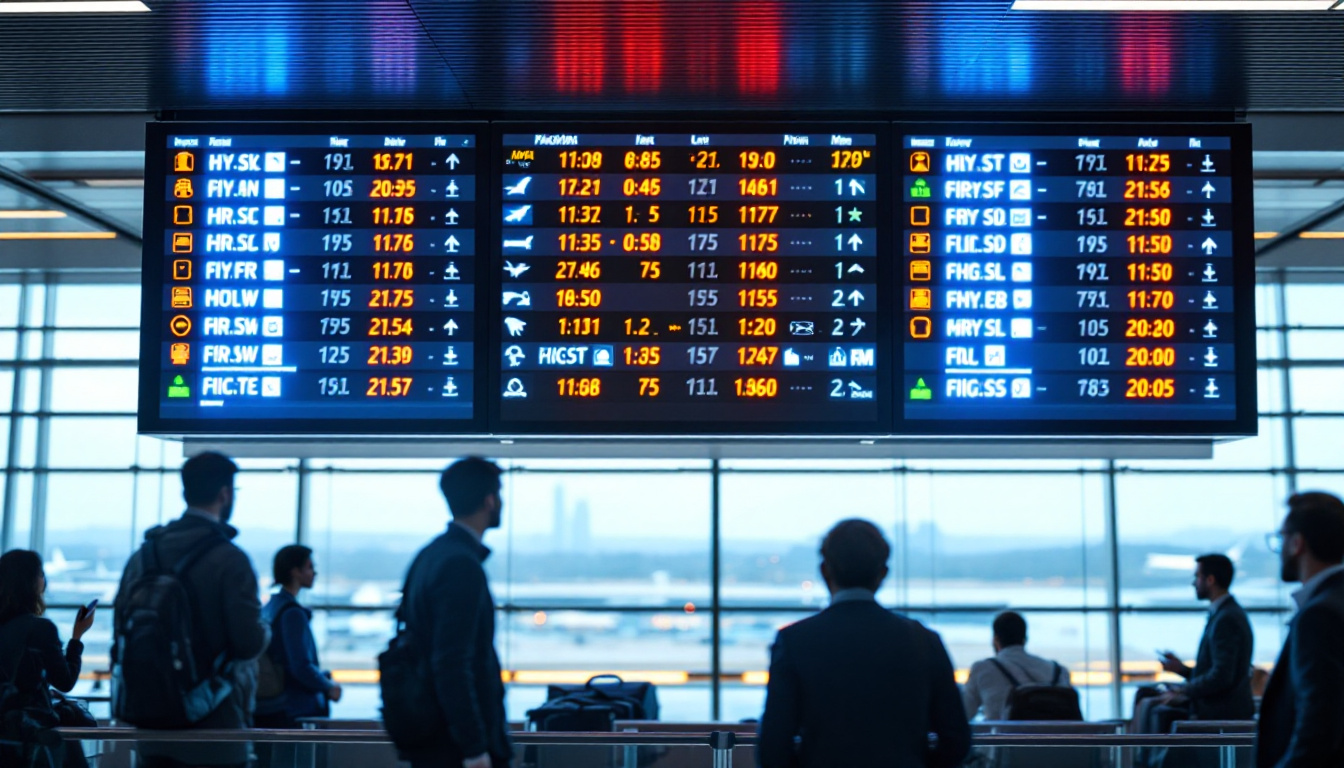
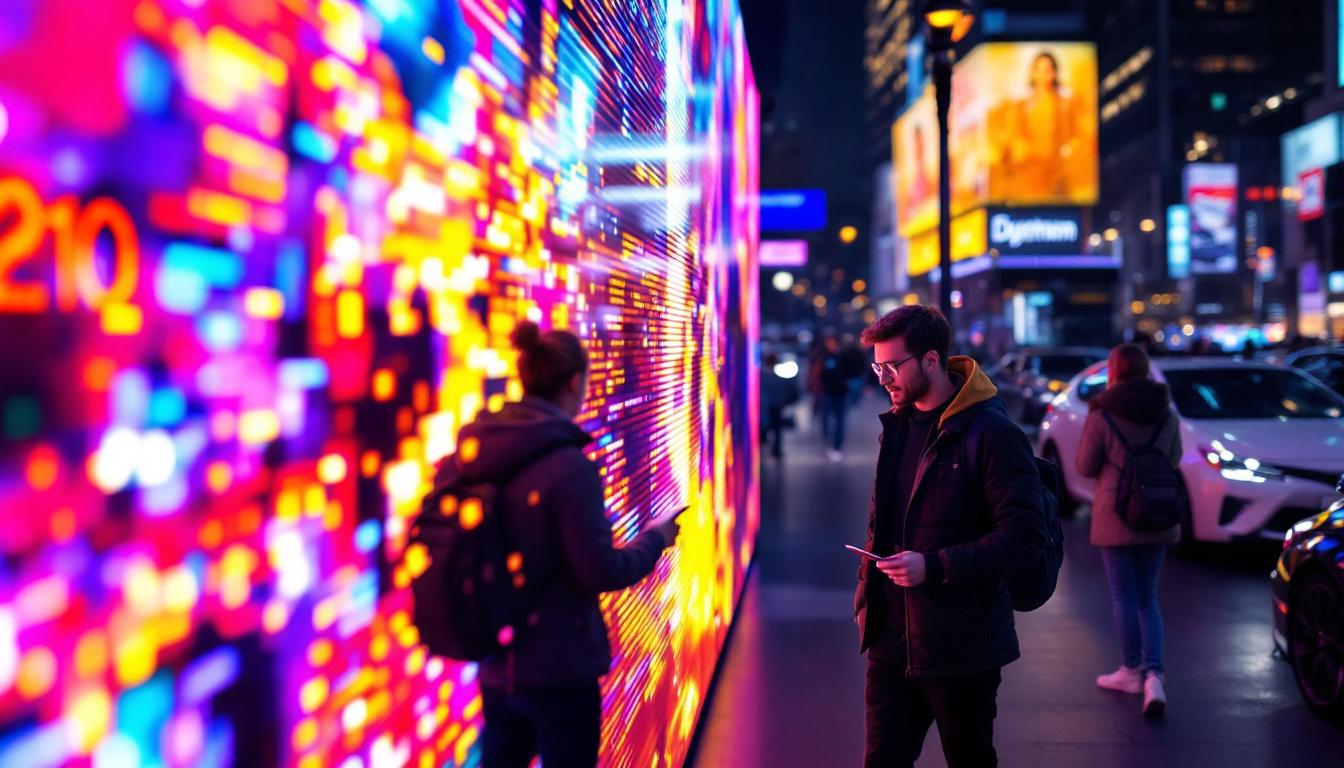
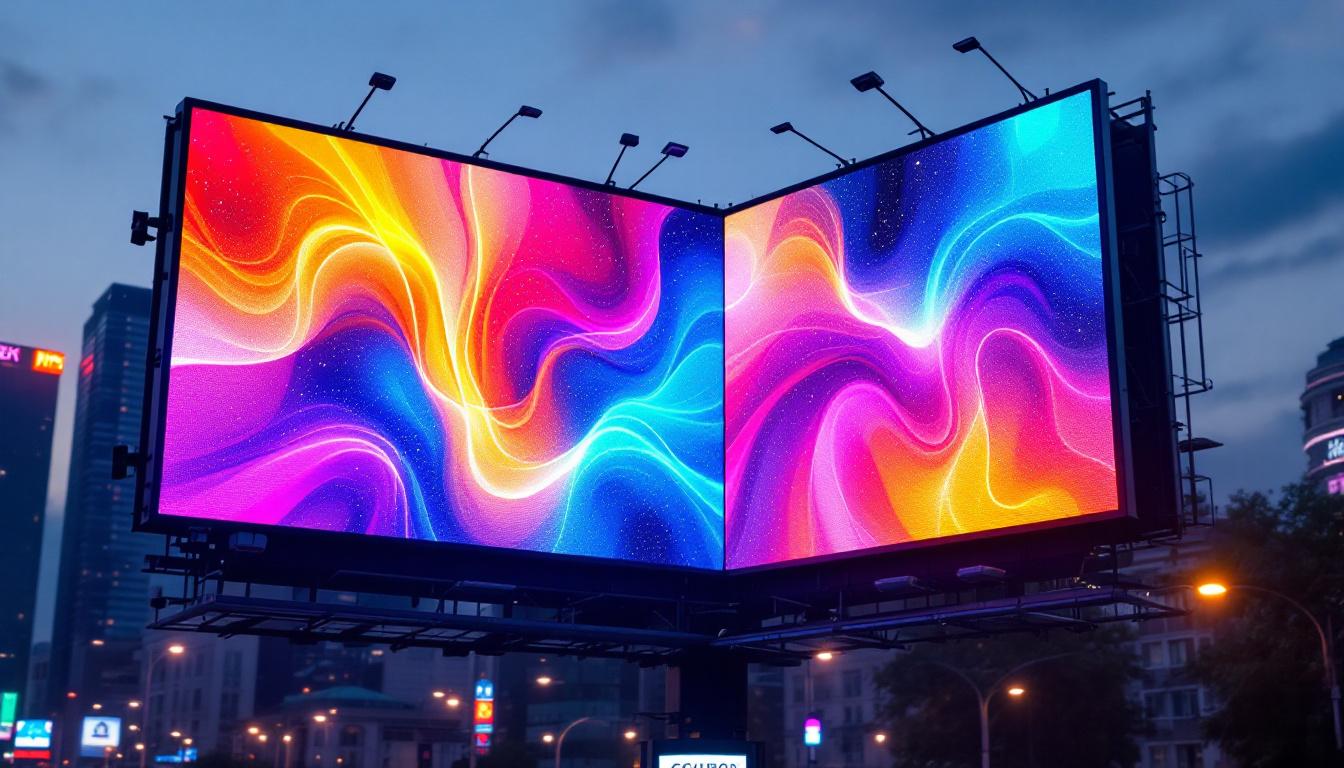
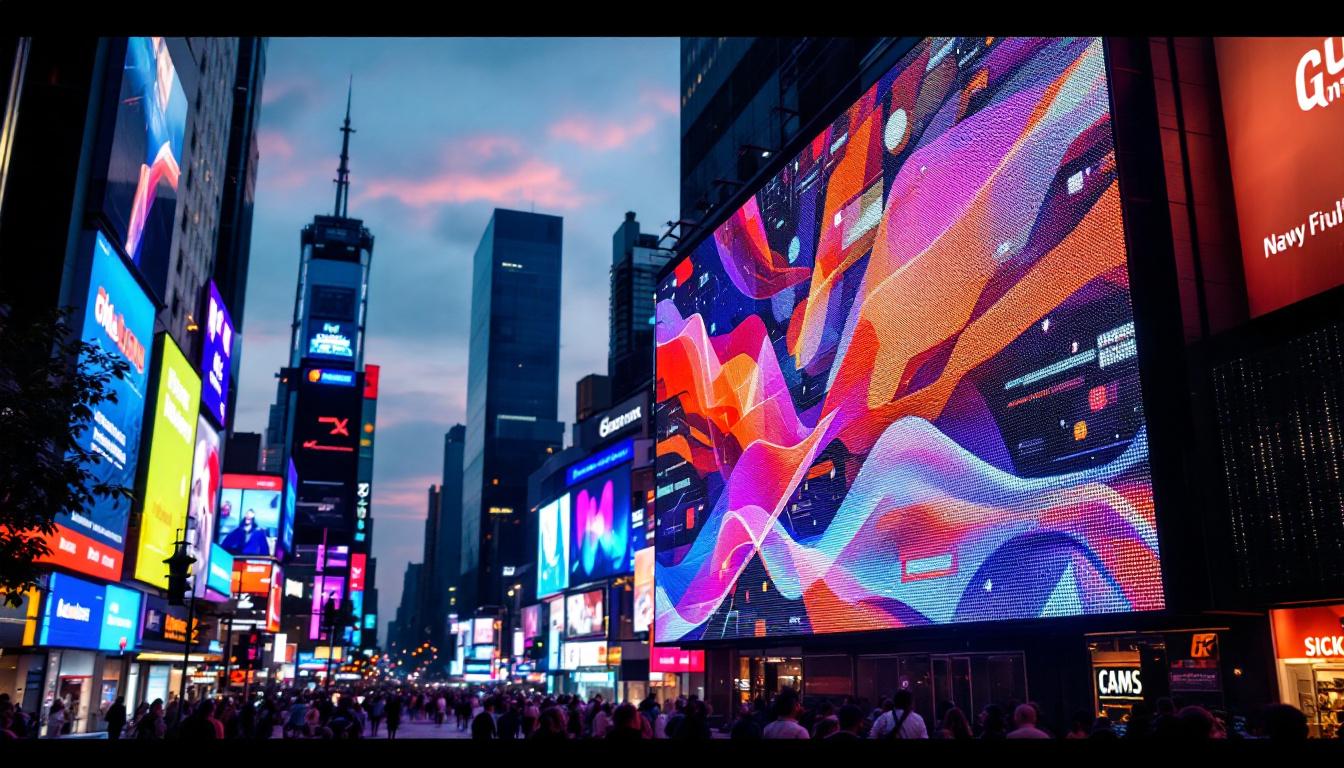
Outdoor LED displays, on the other hand, are built to withstand harsh weather conditions, including rain, wind, and extreme temperatures. They feature higher brightness levels—often exceeding 5,000 nits—to remain visible under direct sunlight. Common applications include billboards, sports arenas, transportation hubs, and public information boards. Additionally, outdoor displays often incorporate advanced technologies such as automatic brightness adjustment and weatherproofing to ensure optimal performance regardless of environmental factors. This adaptability makes them a powerful tool for advertisers looking to capture the attention of passersby in busy urban settings.
Fixed vs. Rental LED Displays
Fixed LED displays are permanently installed at a location, such as a storefront or stadium. These displays are typically customized to fit the architectural design and branding requirements of the site. Their durability and long lifespan make them a cost-effective investment for businesses seeking continuous advertising or information dissemination. Moreover, fixed displays can be integrated with other technologies, such as content management systems, allowing for real-time updates and interactive features that enhance viewer engagement.
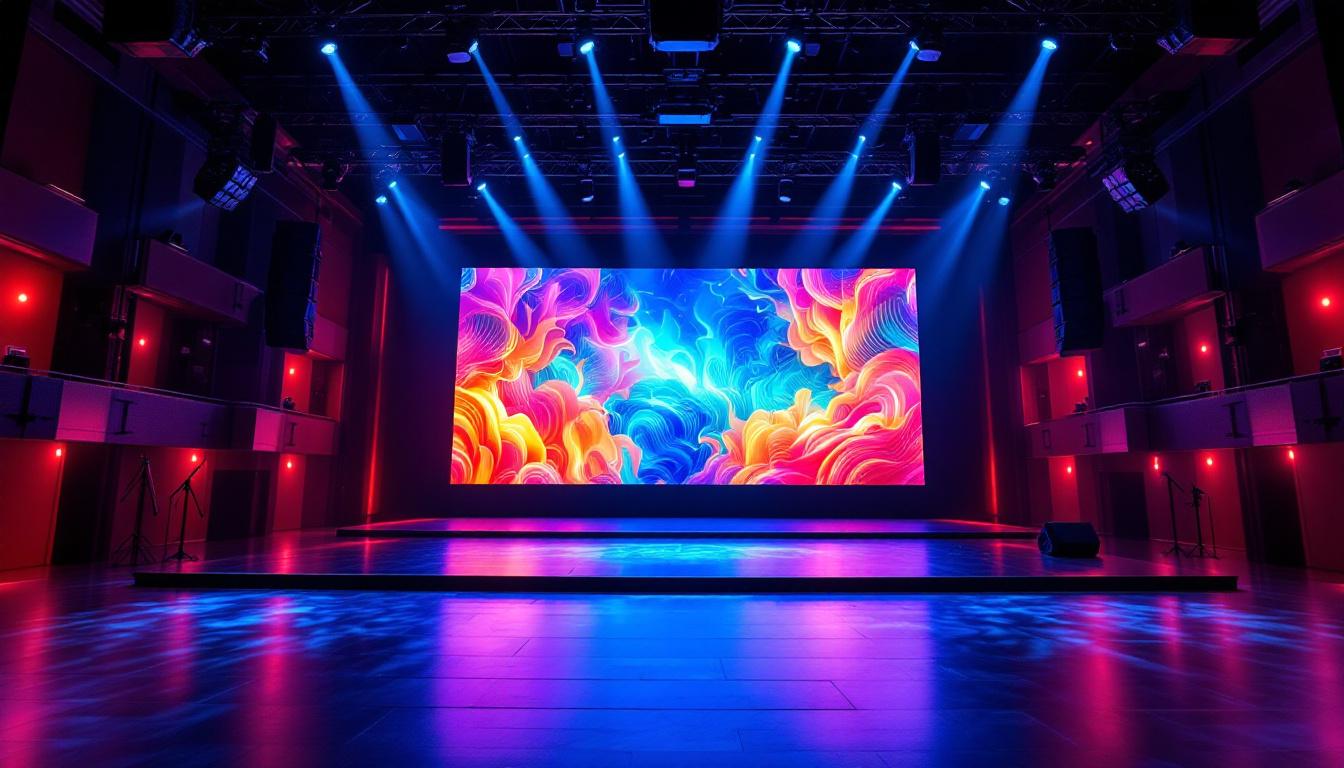
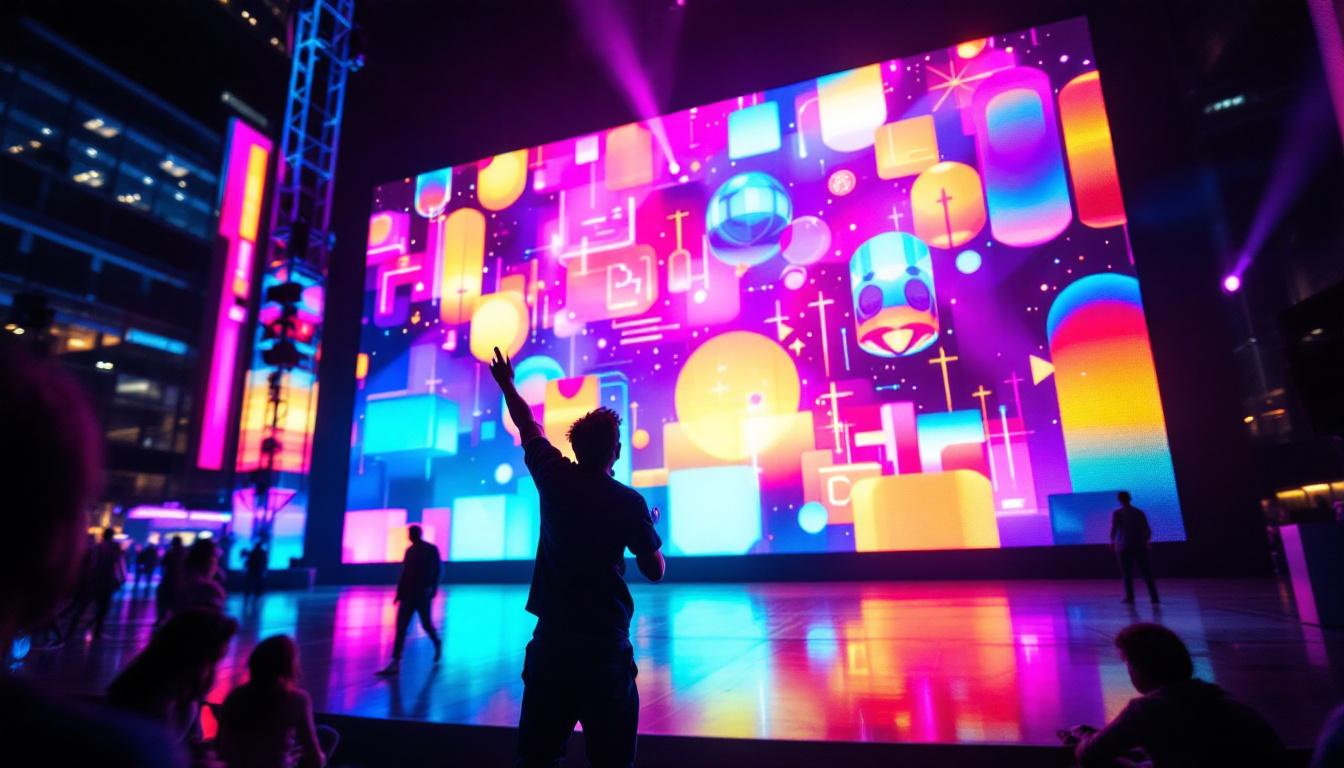
Rental LED displays are portable and designed for temporary use. They are popular for concerts, trade shows, and corporate events where high-impact visuals are needed for a limited time. Rental displays prioritize ease of assembly and disassembly, often featuring modular designs that can be configured in various shapes and sizes. This flexibility allows event organizers to create dynamic and immersive environments tailored to specific themes or branding requirements. Additionally, many rental companies offer full-service solutions, including technical support and content creation, ensuring that clients can focus on their event while leaving the technical details to the experts.
Specialized LED Displays
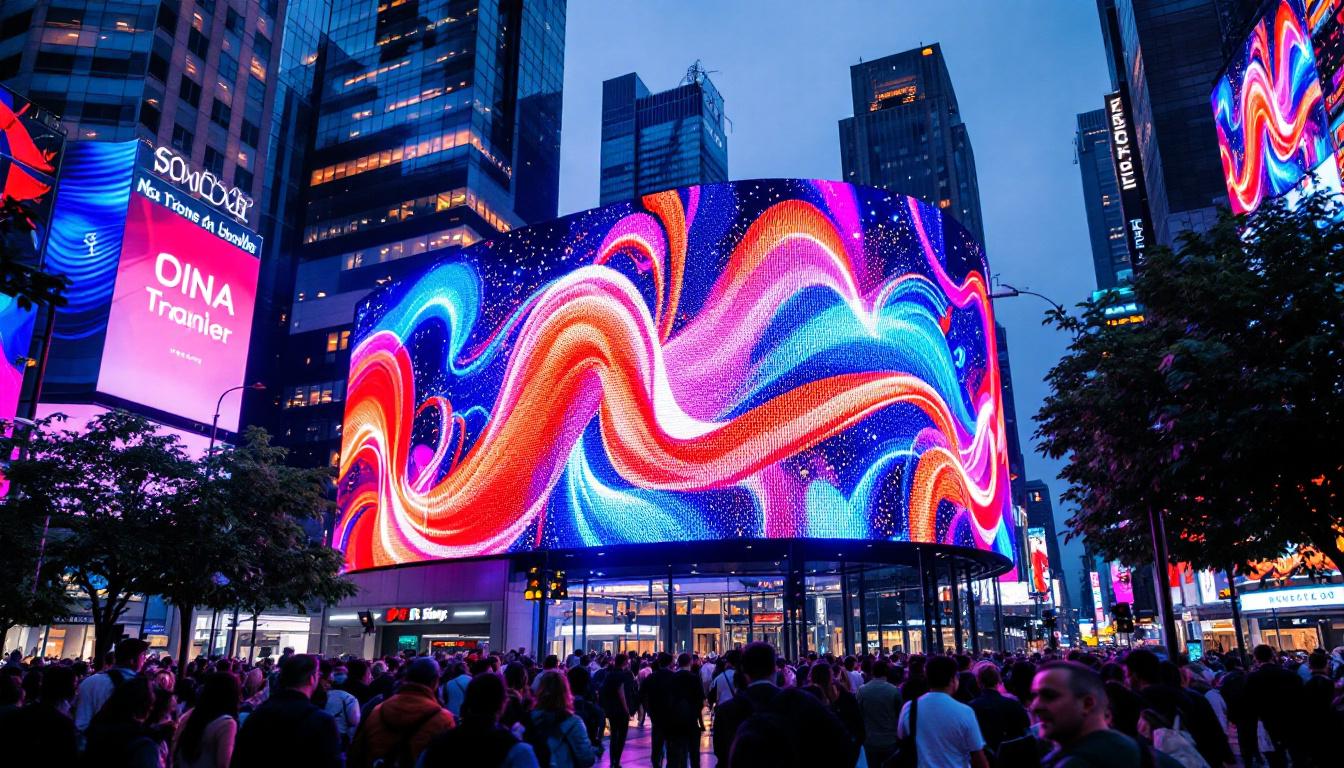
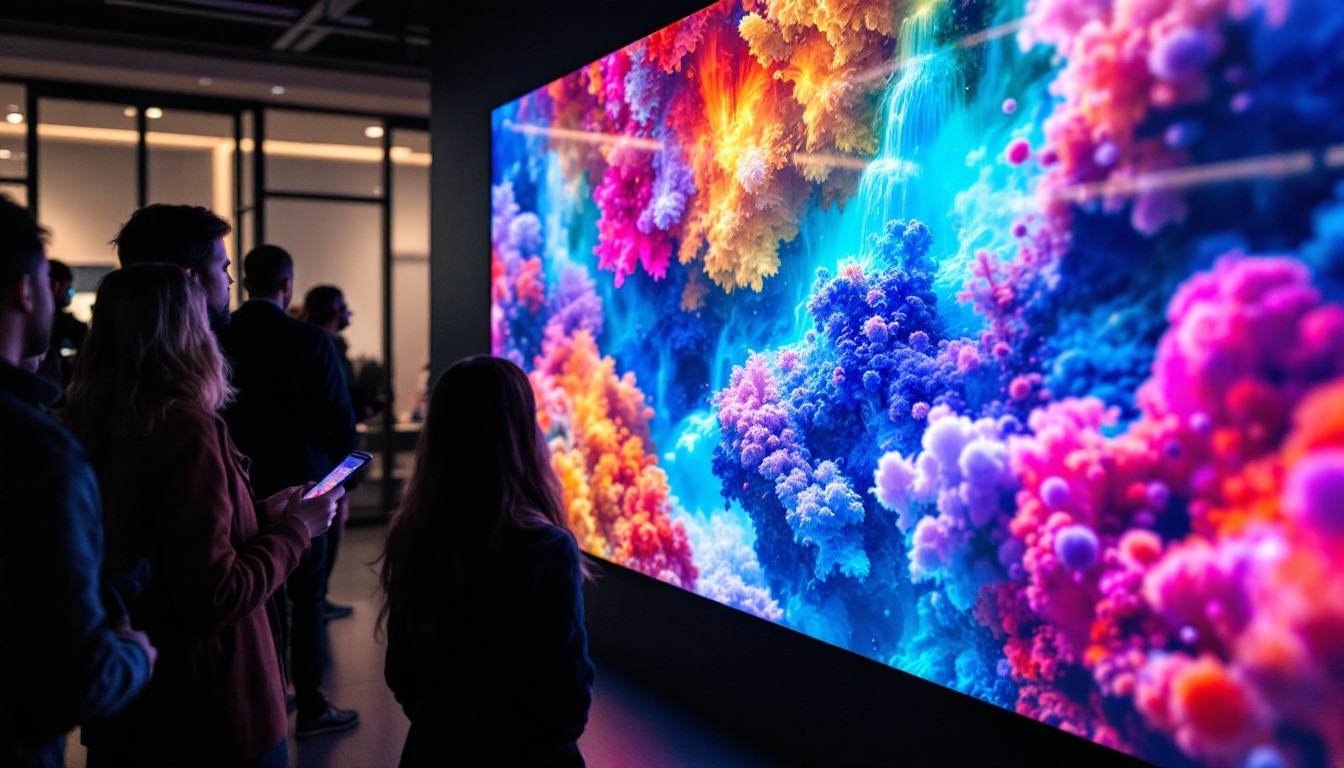
Beyond standard flat panels, LED technology has evolved to include flexible and transparent displays. Flexible LED panels can curve around surfaces or be shaped into custom forms, opening new possibilities for creative signage and architectural integration. These displays can be used to create captivating installations that blend seamlessly with their surroundings, making them ideal for museums, art galleries, and innovative retail spaces. The versatility of flexible displays allows designers to push the boundaries of traditional advertising and create experiences that captivate audiences.
Transparent LED displays allow viewers to see through the screen while still displaying vibrant visuals, ideal for storefront windows and museum exhibits. This unique feature enables businesses to showcase products or advertisements without obstructing the view of the items behind the display, creating an engaging shopping experience. Additionally, transparent displays can be utilized in smart city projects, where they serve as information panels that provide real-time updates while maintaining the aesthetic appeal of urban environments. As technology continues to advance, the potential applications for specialized LED displays are virtually limitless, paving the way for innovative solutions across various industries.
Advantages of LED Displays Over Traditional Signage
Superior Brightness and Visibility
One of the most significant advantages of LED displays is their exceptional brightness. With luminance levels far exceeding those of LCD or printed signs, LED displays remain clear and readable in bright daylight or nighttime conditions. This ensures that messages reach audiences effectively regardless of environmental lighting.
Additionally, LED displays offer wide viewing angles, allowing content to be seen clearly from multiple directions without color distortion or loss of brightness.
Energy Efficiency and Longevity
LED technology is renowned for its energy efficiency. LEDs consume significantly less power than traditional incandescent or fluorescent lighting, reducing operational costs for businesses. For example, an LED billboard can use up to 80% less energy than a neon sign of comparable size.
Moreover, LEDs have a long operational lifespan, often exceeding 100,000 hours. This durability reduces maintenance costs and downtime, making LED displays a smart long-term investment.
Dynamic Content and Real-Time Updates
Unlike static signs, LED displays can showcase dynamic content that can be updated instantly. This capability is invaluable for businesses and organizations that need to communicate changing information, such as sales promotions, event schedules, or emergency alerts.
Modern LED systems often integrate with content management software, enabling remote control and scheduling of content. This flexibility enhances engagement and allows for targeted messaging tailored to specific times or audiences.
Environmental Impact
LED displays contribute to sustainability efforts due to their lower energy consumption and reduced waste compared to traditional signage. Many LED components are recyclable, and advancements in manufacturing continue to improve their environmental footprint.
Choosing the Right LED Display for Your Needs
Assessing Viewing Distance and Resolution
One of the critical factors in selecting an LED display is the pixel pitch, which refers to the distance between individual LEDs. A smaller pixel pitch means higher resolution and sharper images, which is essential for close-up viewing environments like retail stores or conference rooms.
For outdoor or large venue displays, a larger pixel pitch is acceptable because viewers are typically farther away. Understanding the typical viewing distance helps determine the optimal resolution and size for your display.
Considerations for Brightness and Weather Resistance
Outdoor displays must have sufficient brightness to combat sunlight glare, with typical brightness levels ranging from 5,000 to 10,000 nits. Additionally, weatherproofing ratings such as IP65 or higher indicate protection against dust and water ingress, ensuring reliability in various climates.
Budget and Total Cost of Ownership
While LED displays may have a higher upfront cost compared to traditional signage, their long-term savings in energy and maintenance often justify the investment. It’s essential to consider not only the initial purchase price but also installation, software, and ongoing operational costs.
Integration and Control Systems
Modern LED displays often come with sophisticated control systems that allow for seamless integration with other digital platforms. Features such as Wi-Fi connectivity, cloud-based content management, and compatibility with various media formats enhance usability and content versatility.
Emerging Trends in LED Display Technology
Mini-LED and Micro-LED Innovations
Recent advancements in LED technology have introduced mini-LED and micro-LED displays, which use much smaller diodes to achieve even higher resolutions and contrast ratios. These innovations are particularly impactful in high-end commercial displays and consumer electronics, offering superior image quality and energy efficiency.
Interactive LED Displays
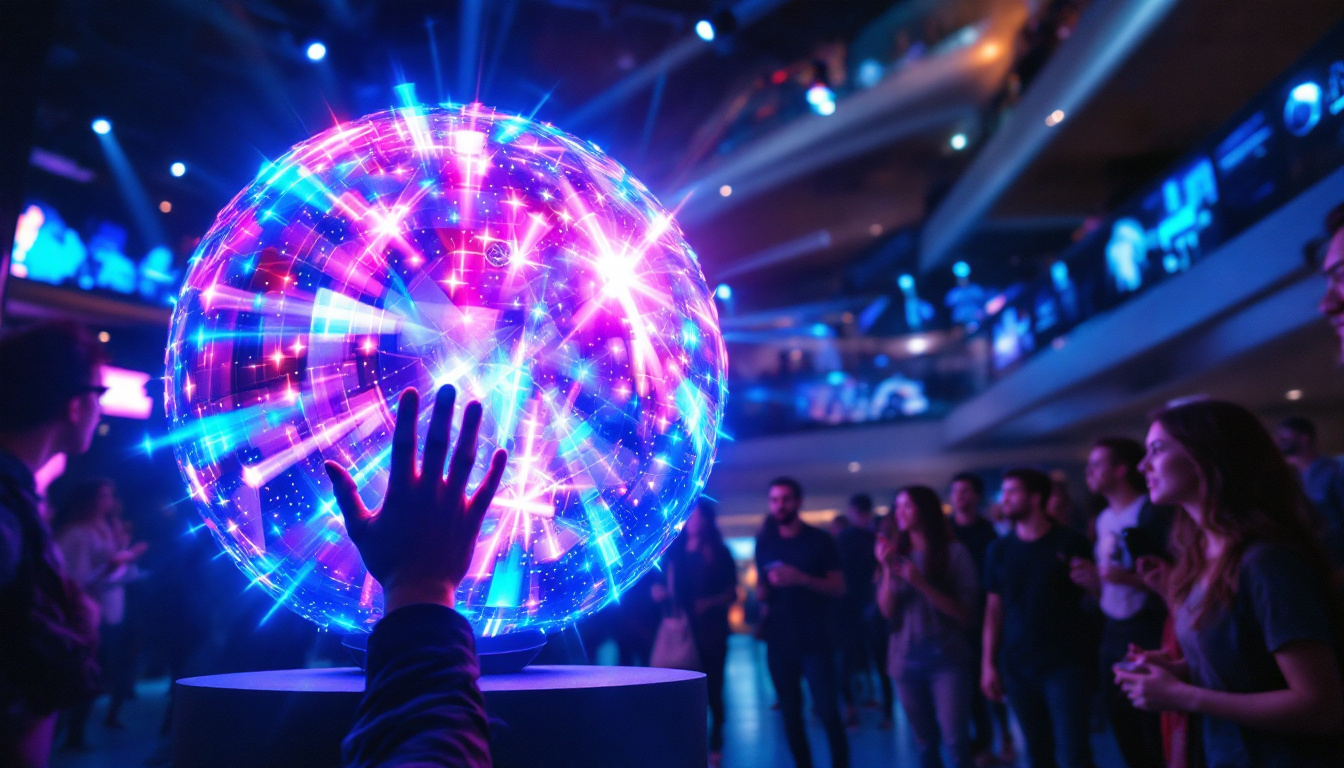
Interactivity is becoming a key feature in LED signage, with touch-sensitive and gesture-controlled displays gaining popularity. These interactive LED walls enhance customer engagement in retail, exhibitions, and public spaces by enabling users to navigate content or participate in immersive experiences.
AI and Data-Driven Content
Integration of artificial intelligence and data analytics allows LED displays to deliver personalized and context-aware content. For example, digital billboards can adjust advertising based on real-time audience demographics or weather conditions, maximizing relevance and impact.
Conclusion: The Future of Visual Communication with LED Displays
LED displays have revolutionized the way businesses and organizations communicate visually. Their versatility, brightness, and dynamic capabilities make them indispensable tools in marketing, information dissemination, and entertainment. As technology continues to evolve, LED displays will become even more immersive, interactive, and efficient, shaping the future of digital signage and public communication.
For anyone considering investing in digital signage, understanding the fundamentals of LED display technology is crucial. By selecting the right type of display tailored to specific needs and environments, businesses can leverage the power of LED technology to captivate audiences, enhance brand visibility, and drive engagement in an increasingly digital world.
Discover LumenMatrix’s Innovative LED Solutions
Ready to transform your visual communication strategy with cutting-edge LED technology? LumenMatrix is at the forefront of LED innovation, offering a wide array of display solutions tailored to your unique needs. Whether you’re looking for an Indoor LED Wall Display, a vibrant Outdoor LED Wall Display, or specialized options like Vehicle LED Displays and LED Sports Displays, LumenMatrix has the expertise to bring your vision to life. Elevate your brand’s presence and engage your audience like never before. Check out LumenMatrix LED Display Solutions today and step into the future of digital signage.