In the evolving world of digital displays, LED technology has emerged as a dominant force, transforming how images and videos are presented across various industries. From massive outdoor billboards to the sleek screens in smartphones and televisions, LED displays offer vibrant colors, high brightness, and remarkable energy efficiency. This article delves deep into the fundamentals of LED displays, exploring their technology, applications, advantages, and future trends.
Understanding LED Display Technology
At its core, an LED (Light Emitting Diode) display is a flat panel that uses tiny light-emitting diodes to create images. Unlike traditional LCD screens that rely on backlighting, LED displays produce light directly from the diodes, resulting in superior brightness and contrast. This fundamental difference in technology allows LED displays to be thinner and lighter, making them ideal for a variety of applications, from large outdoor screens to sleek indoor monitors.
How Do LED Displays Work?
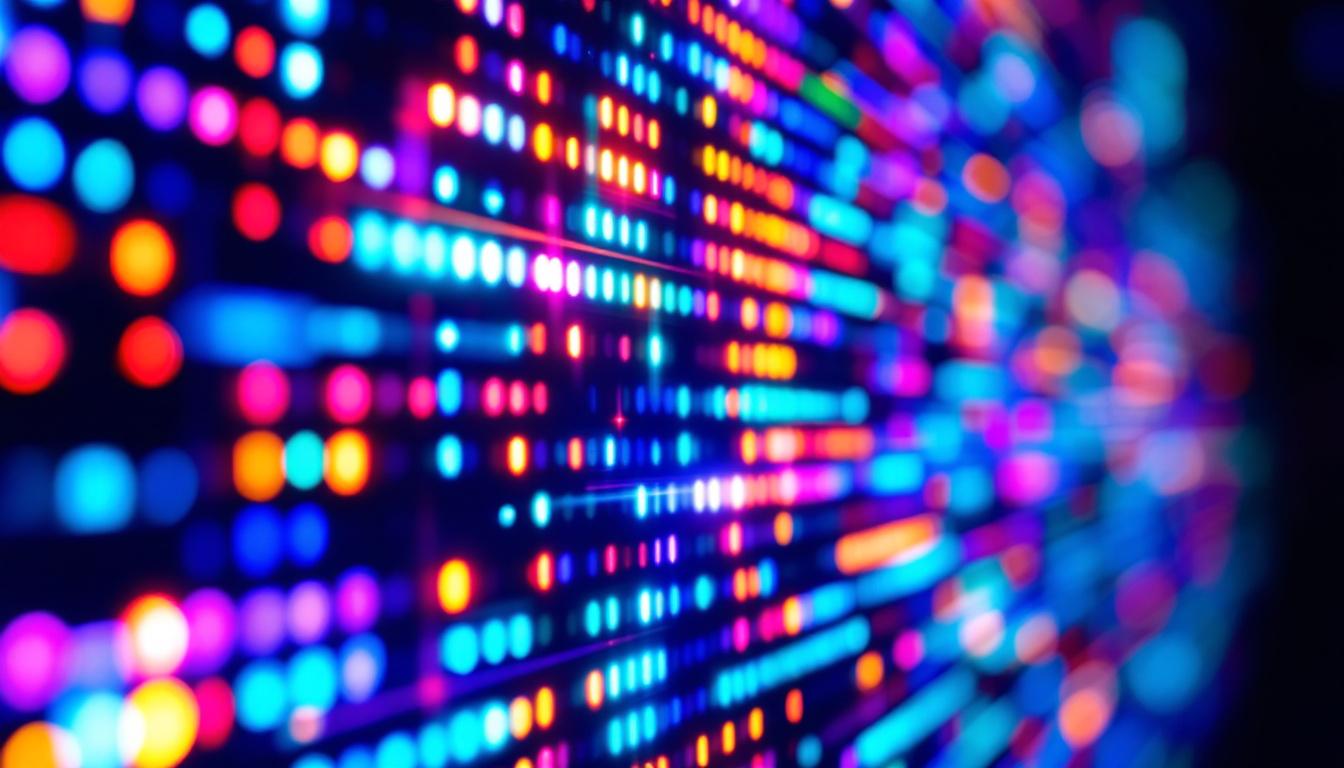
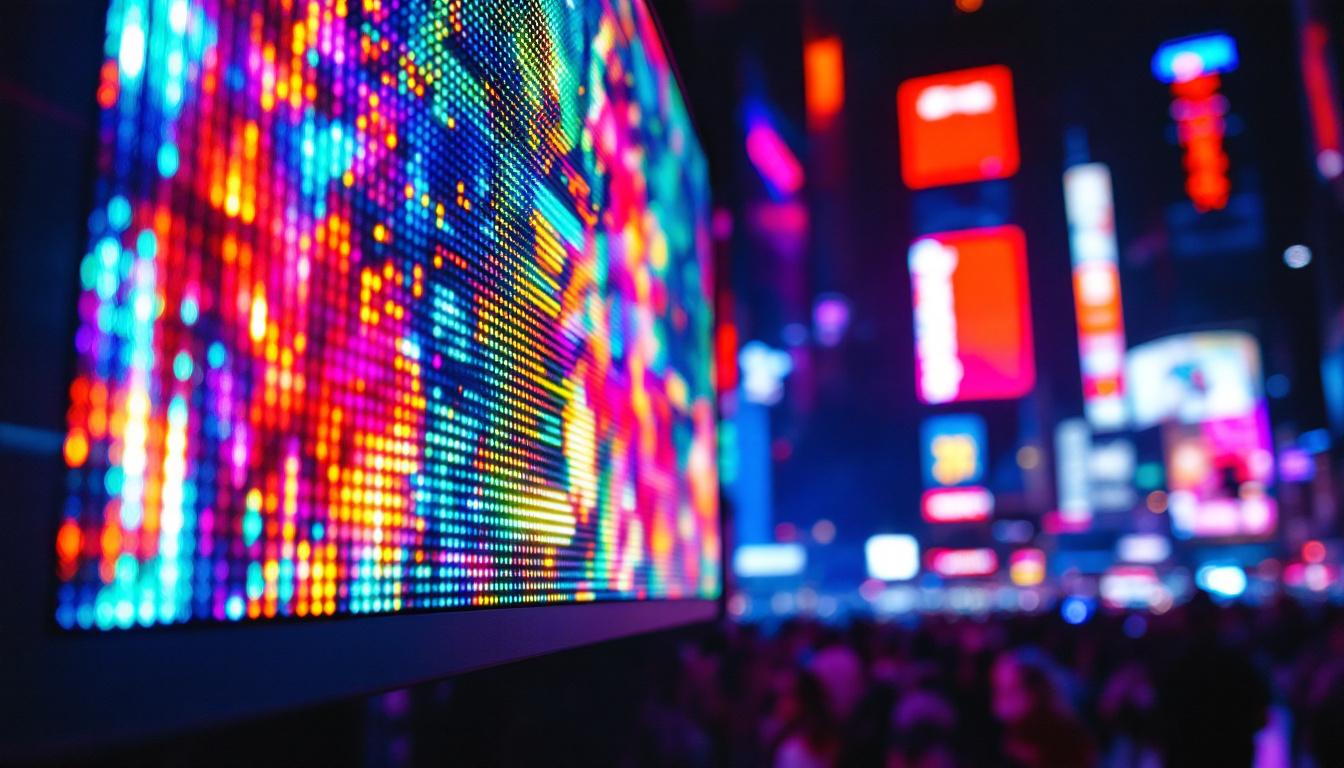
Each LED display is composed of thousands to millions of individual diodes arranged in a grid. These diodes emit light when an electric current passes through them. By controlling the intensity and color of each diode, the display can produce a full spectrum of colors and intricate images. The precision with which these diodes can be controlled enables LED displays to render dynamic content, such as videos and animations, with remarkable clarity and fluidity.
Modern LED displays typically use red, green, and blue (RGB) diodes grouped into pixels. By varying the brightness of each color diode, a wide range of colors can be generated through additive color mixing. This method allows LED displays to achieve vivid and accurate color reproduction. Furthermore, advancements in technology have led to the development of high dynamic range (HDR) capabilities in LED displays, enhancing the viewing experience by providing deeper blacks and brighter highlights, which is particularly beneficial for cinematic content.
Types of LED Displays
LED displays come in various forms depending on their intended use and construction:
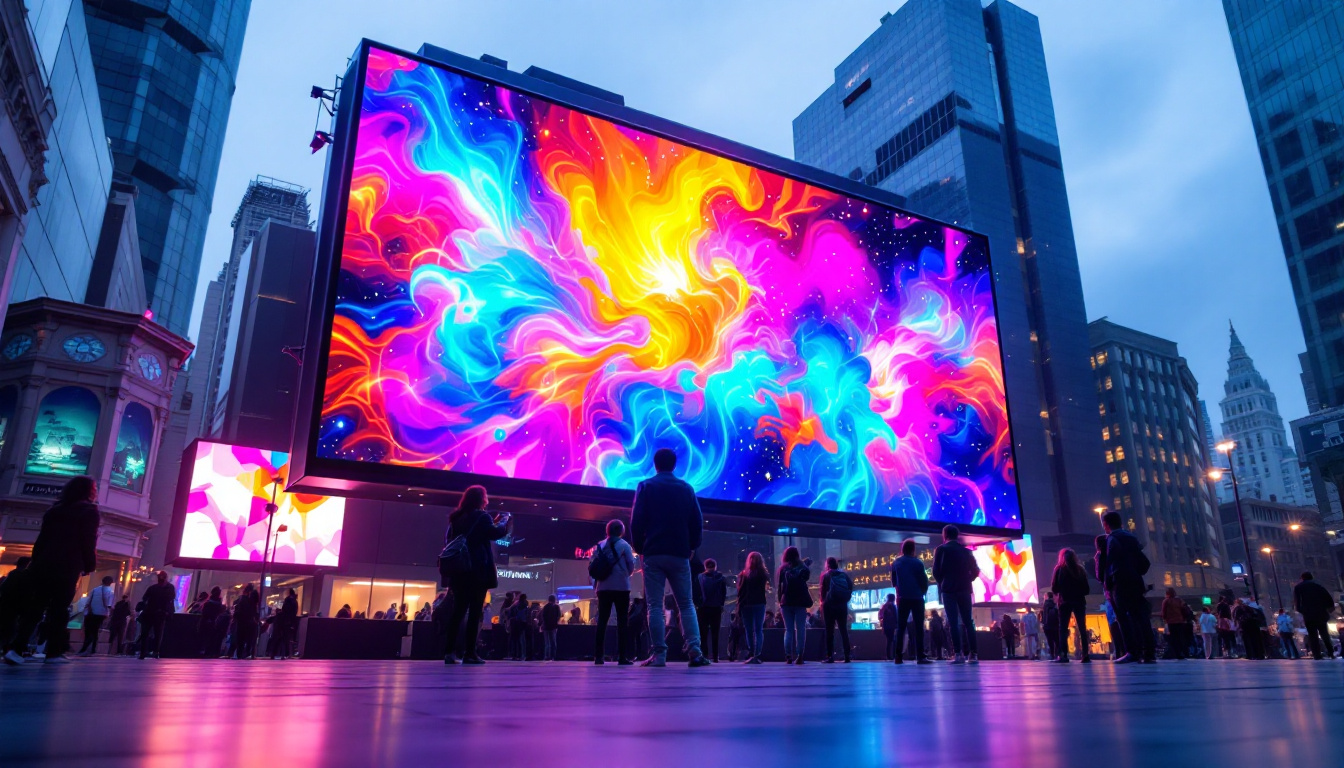
- Direct View LED (DVLED): These displays use LEDs directly as pixels, commonly found in large outdoor screens, stadium displays, and digital billboards. DVLEDs offer excellent brightness and viewing angles, making them suitable for environments with high ambient light. Their modular design allows for flexible sizing and shapes, catering to creative advertising and artistic installations.
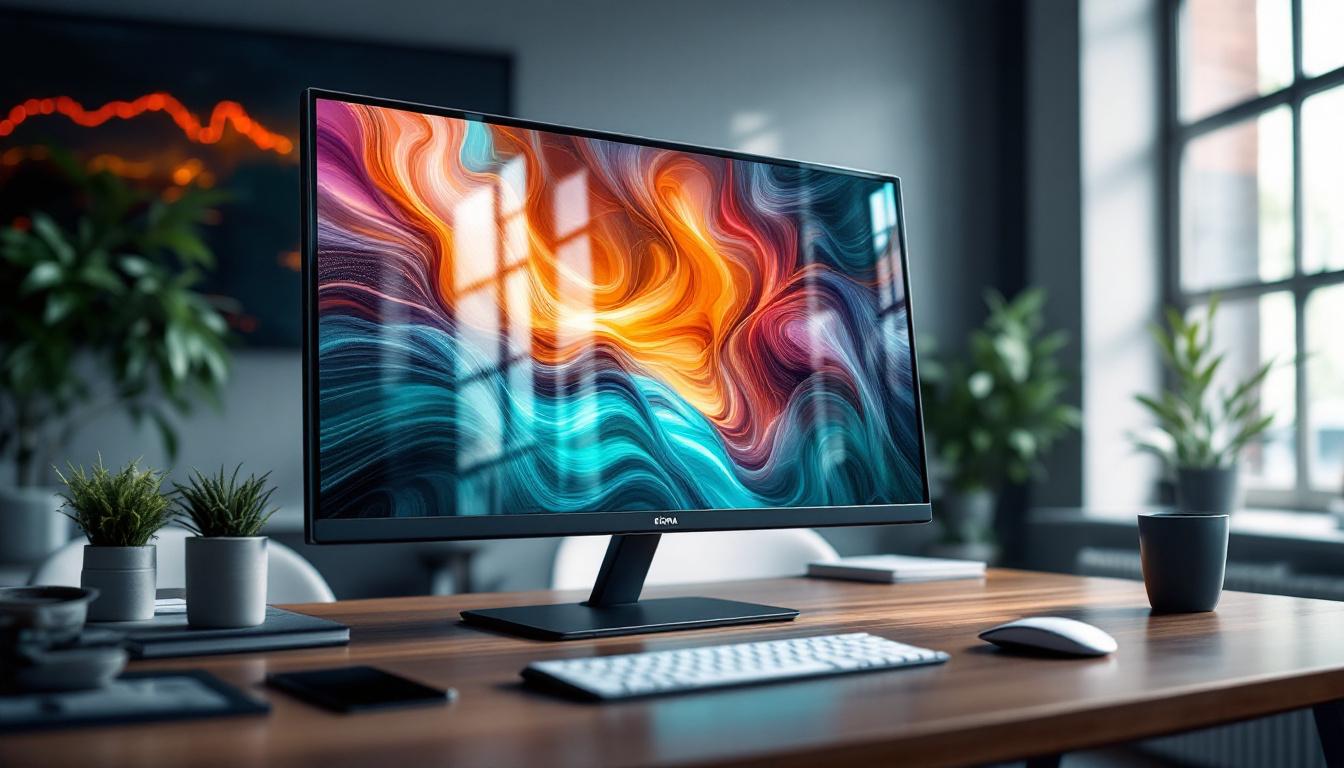
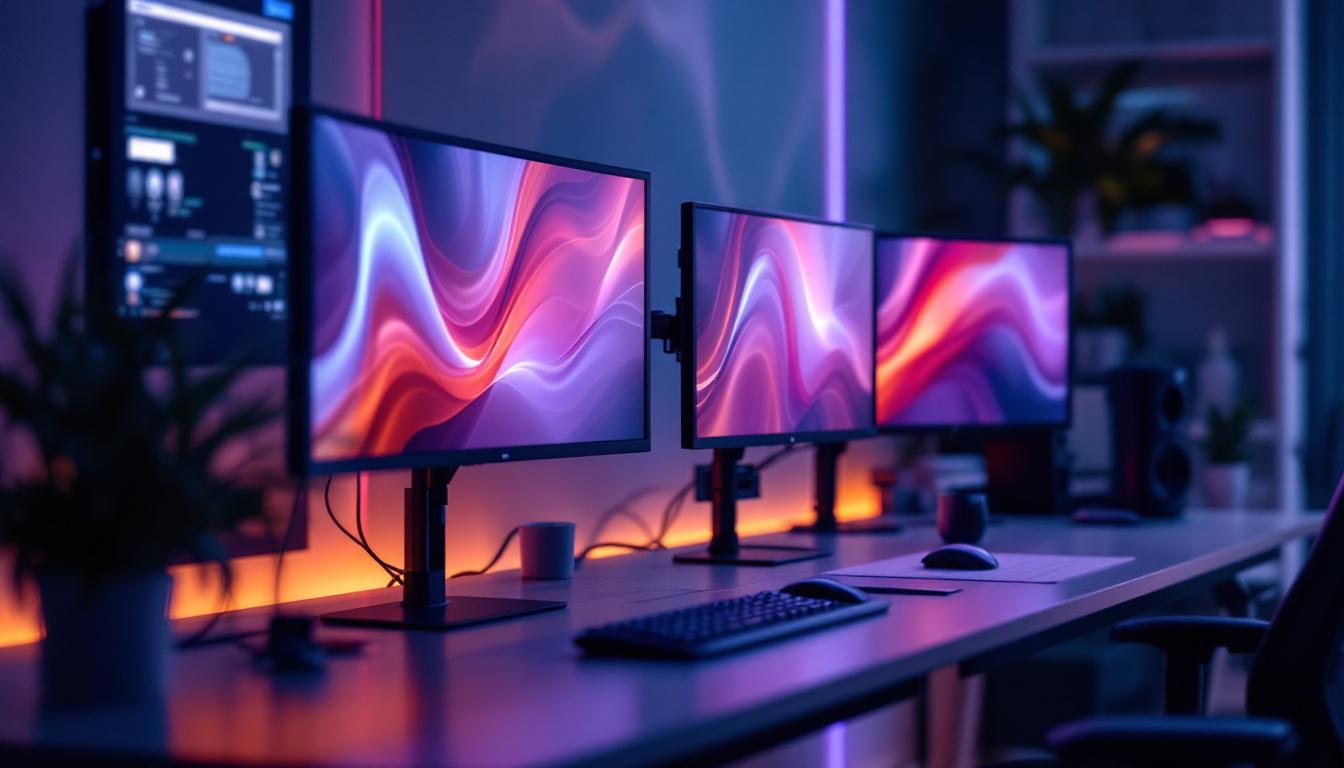
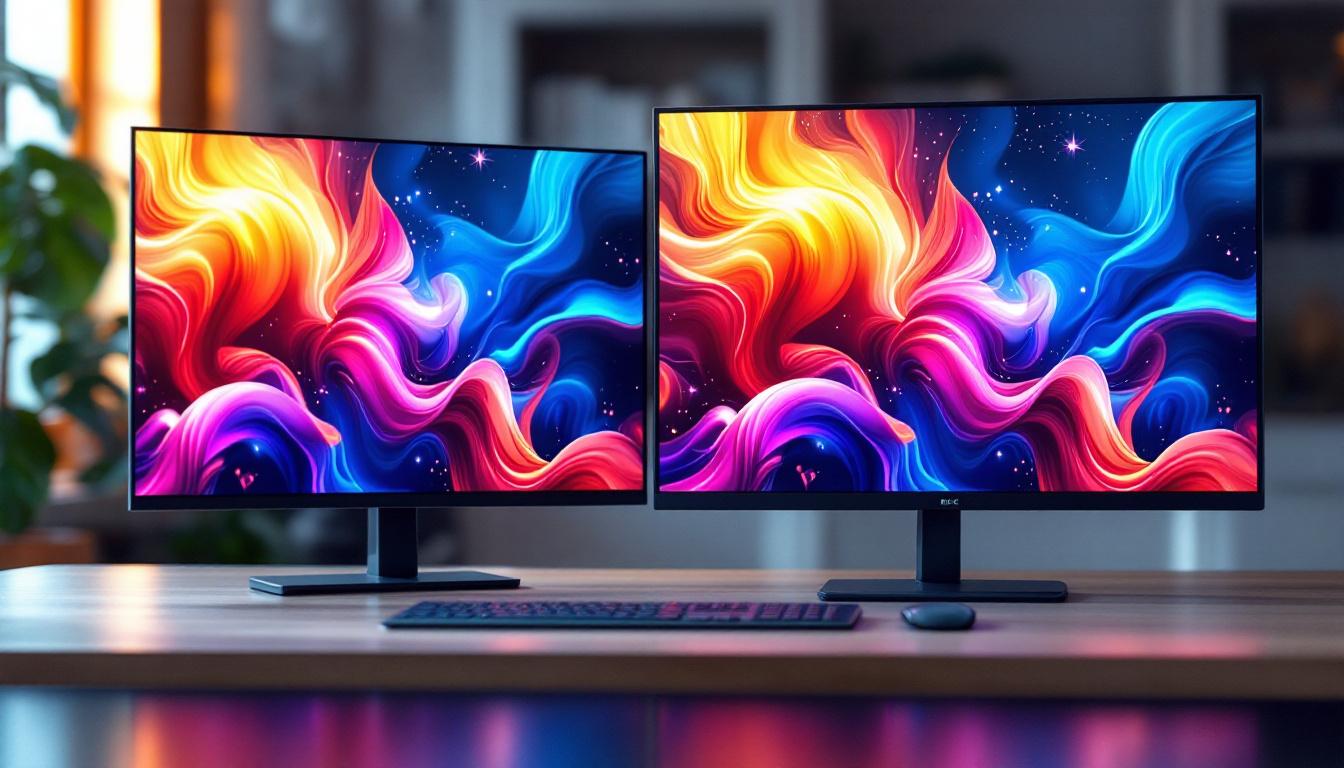
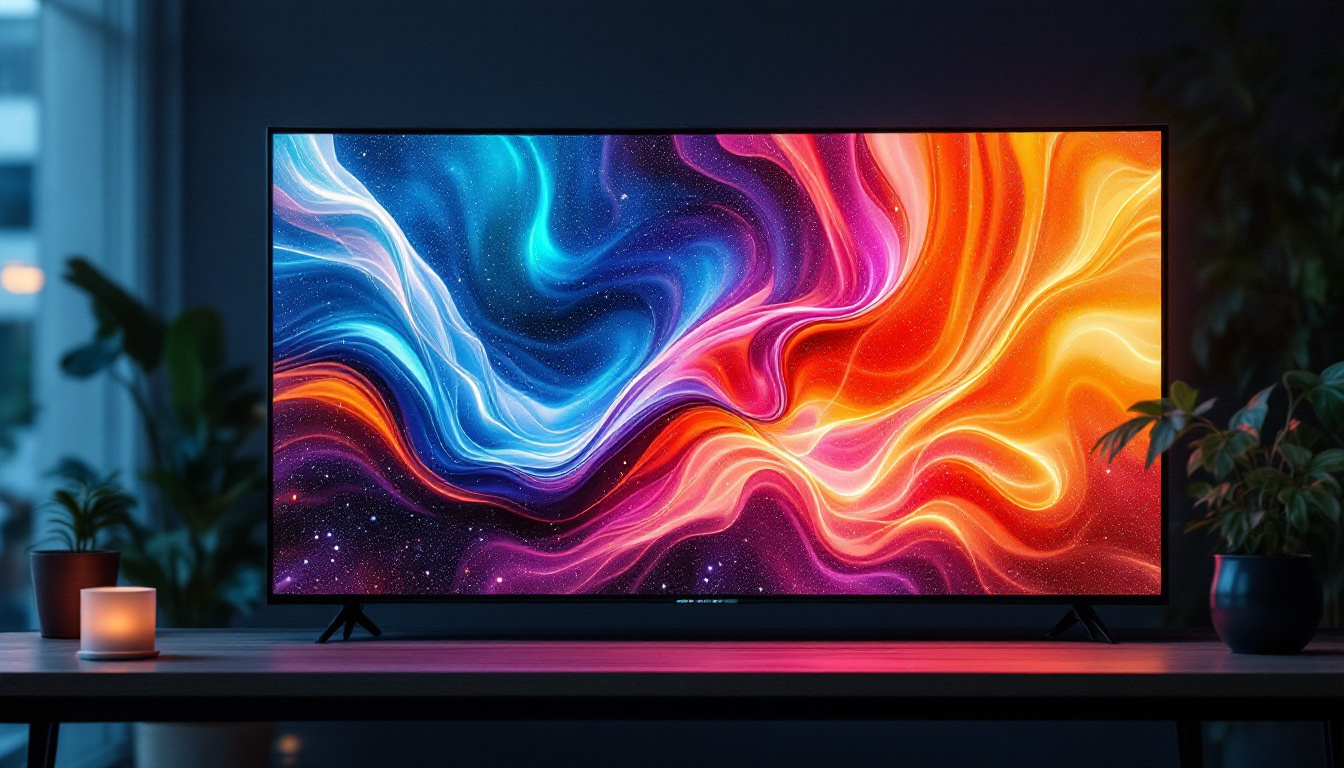
- LED-backlit LCD: Many consumer devices like TVs and monitors use LCD panels illuminated by LED backlights. This hybrid approach combines the color precision of LCDs with the energy efficiency of LEDs. The backlighting technology can vary, with edge-lit and full-array options providing different levels of brightness and contrast, allowing manufacturers to tailor products to specific market needs.
- MicroLED: An emerging technology where microscopic LEDs form each pixel, promising higher brightness, better contrast, and longer lifespan compared to OLED and LCD. MicroLED displays are particularly exciting for their potential in creating ultra-high-resolution screens that can be scaled up or down without losing image quality, paving the way for innovative applications in virtual reality and augmented reality environments.
As the demand for high-quality visual displays continues to grow across various industries, LED technology is evolving rapidly. Innovations such as flexible LED displays are beginning to emerge, allowing for curved or bendable screens that can adapt to different environments and use cases. This versatility opens up new possibilities in design and functionality, making LED displays not just a tool for communication but also a canvas for creativity and expression.
“`html
Applications of LED Displays Across Industries
LED displays have become ubiquitous, serving diverse purposes in commercial, entertainment, and informational contexts. Their adaptability and performance make them suitable for a wide range of applications.
Outdoor Advertising and Digital Billboards
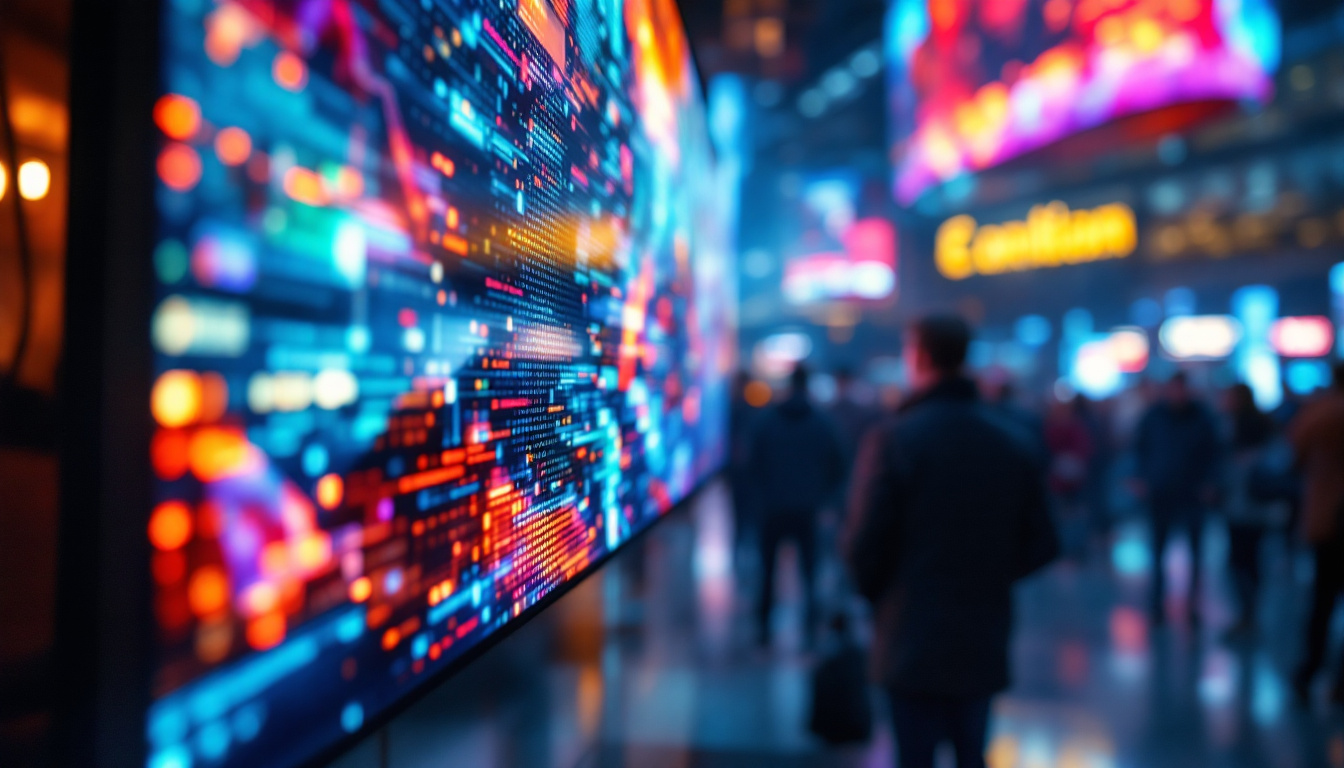
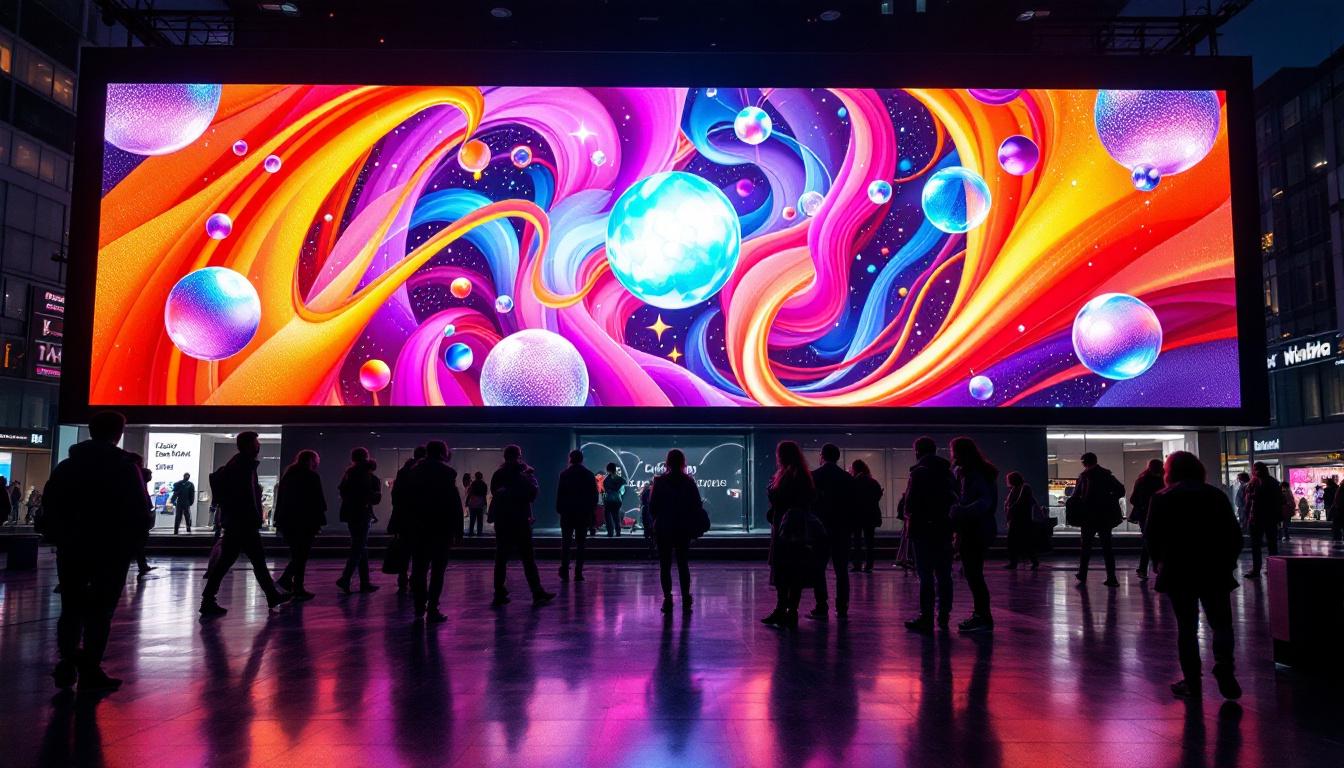
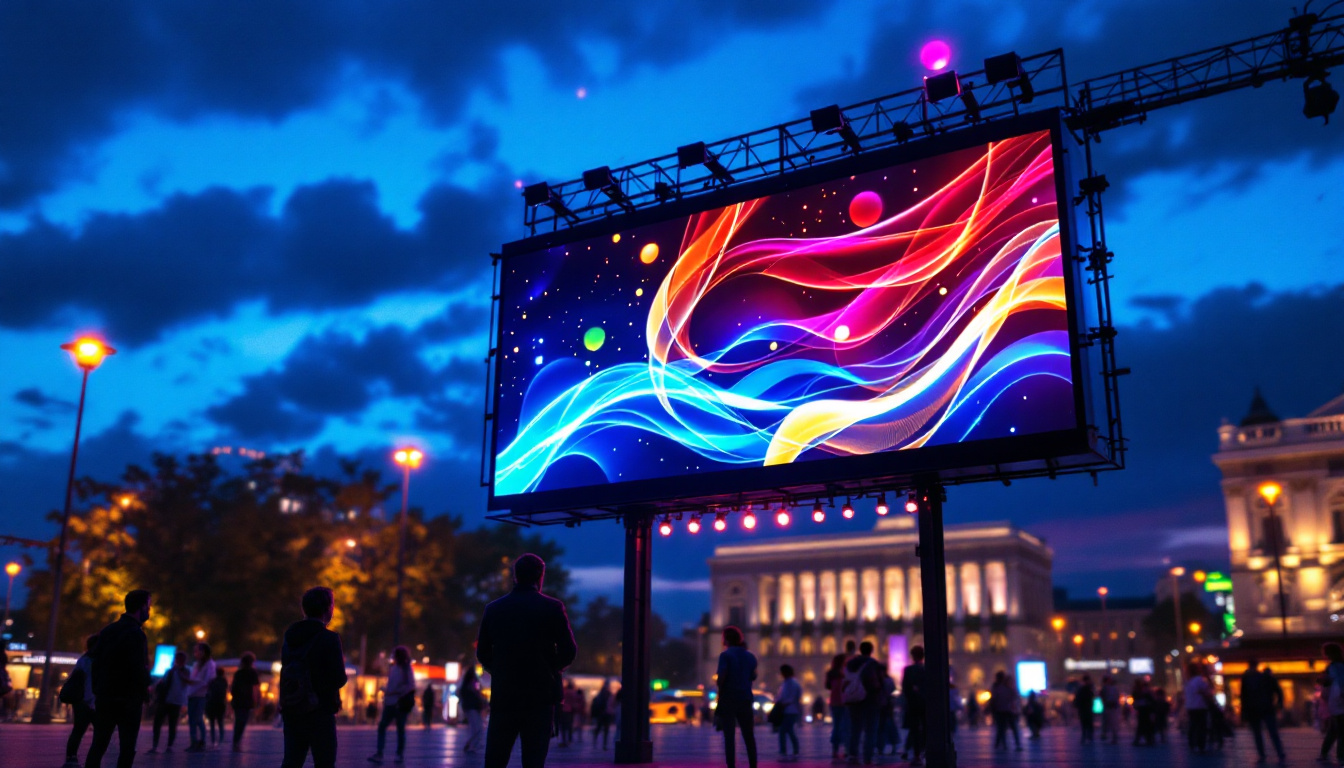
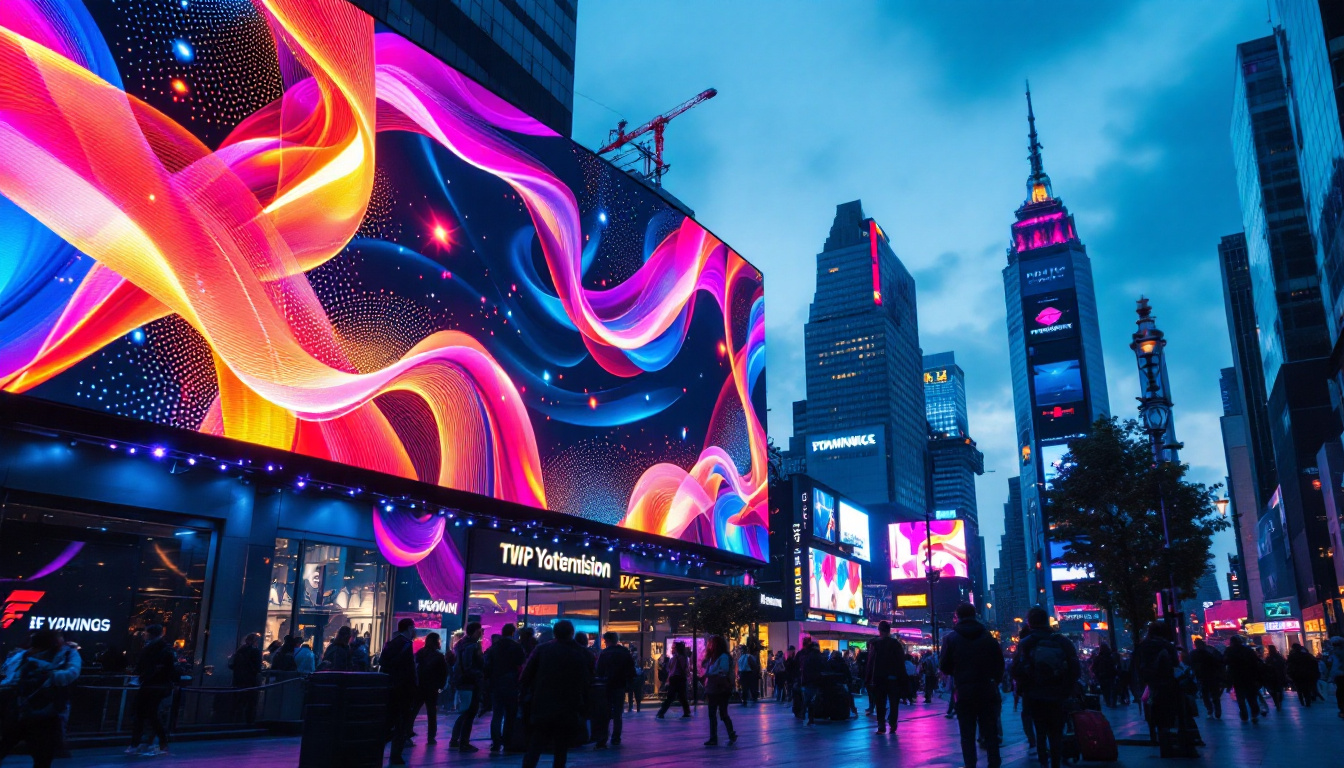
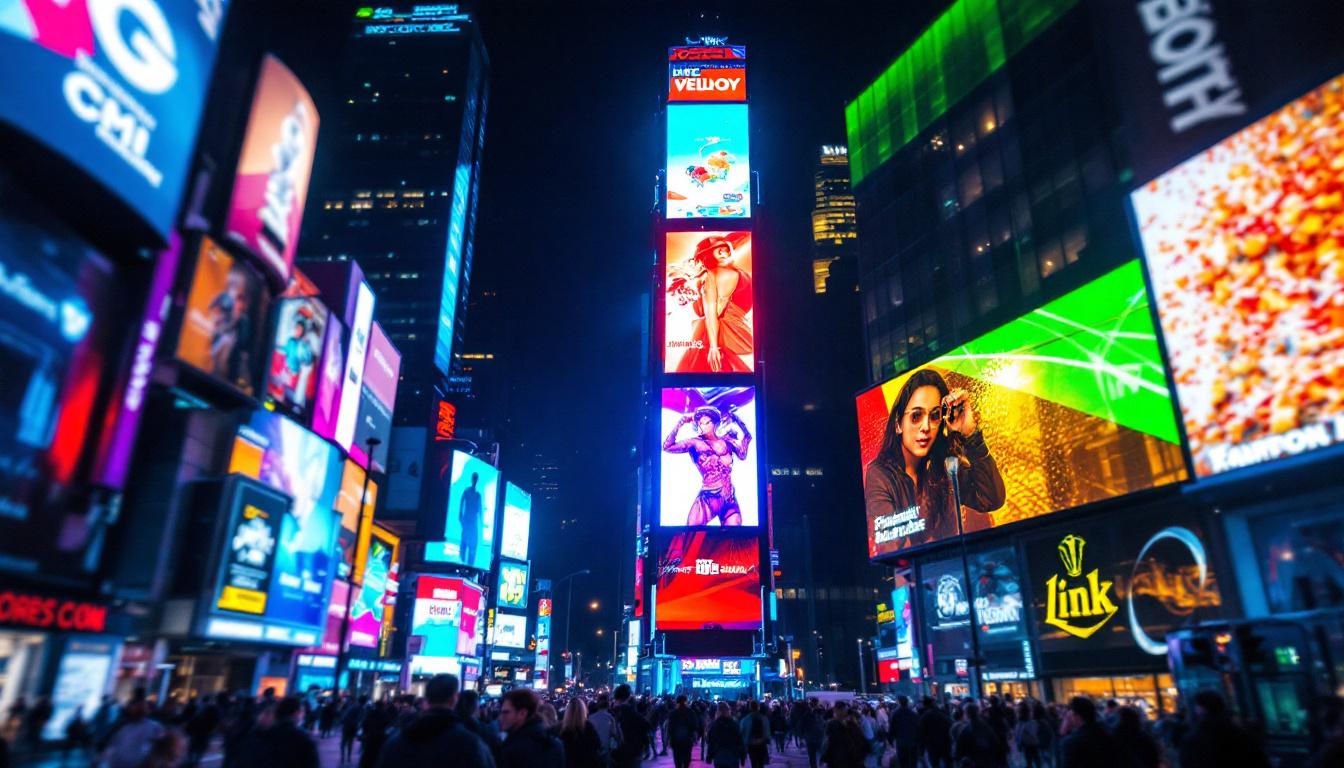
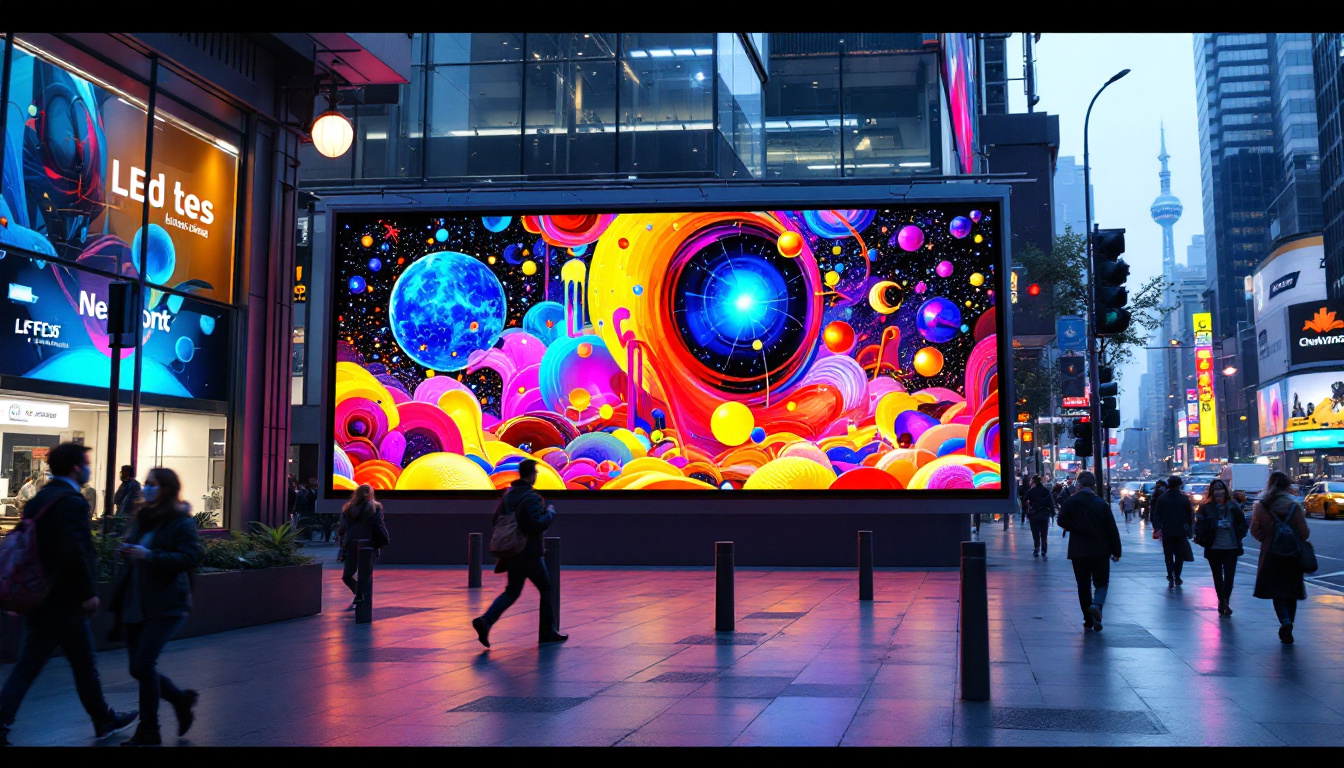
One of the most visible uses of LED displays is in outdoor advertising. Digital billboards equipped with DVLED panels can display dynamic content that captures attention even in direct sunlight. According to the Outdoor Advertising Association of America, digital billboards have grown by over 20% annually in recent years, driven by their ability to deliver targeted, real-time messaging.
These displays offer advertisers the flexibility to change content remotely and schedule advertisements based on time of day or audience demographics, enhancing engagement and return on investment. Moreover, the ability to integrate social media feeds and user-generated content allows brands to create interactive campaigns that resonate with consumers on a personal level, fostering a deeper connection between the brand and its audience.
Sports Arenas and Entertainment Venues
LED displays have revolutionized the spectator experience in sports and entertainment arenas. Large-scale LED screens provide instant replays, live scores, and immersive visuals that enhance audience engagement. The high refresh rates and brightness levels ensure clear visibility even in brightly lit environments.
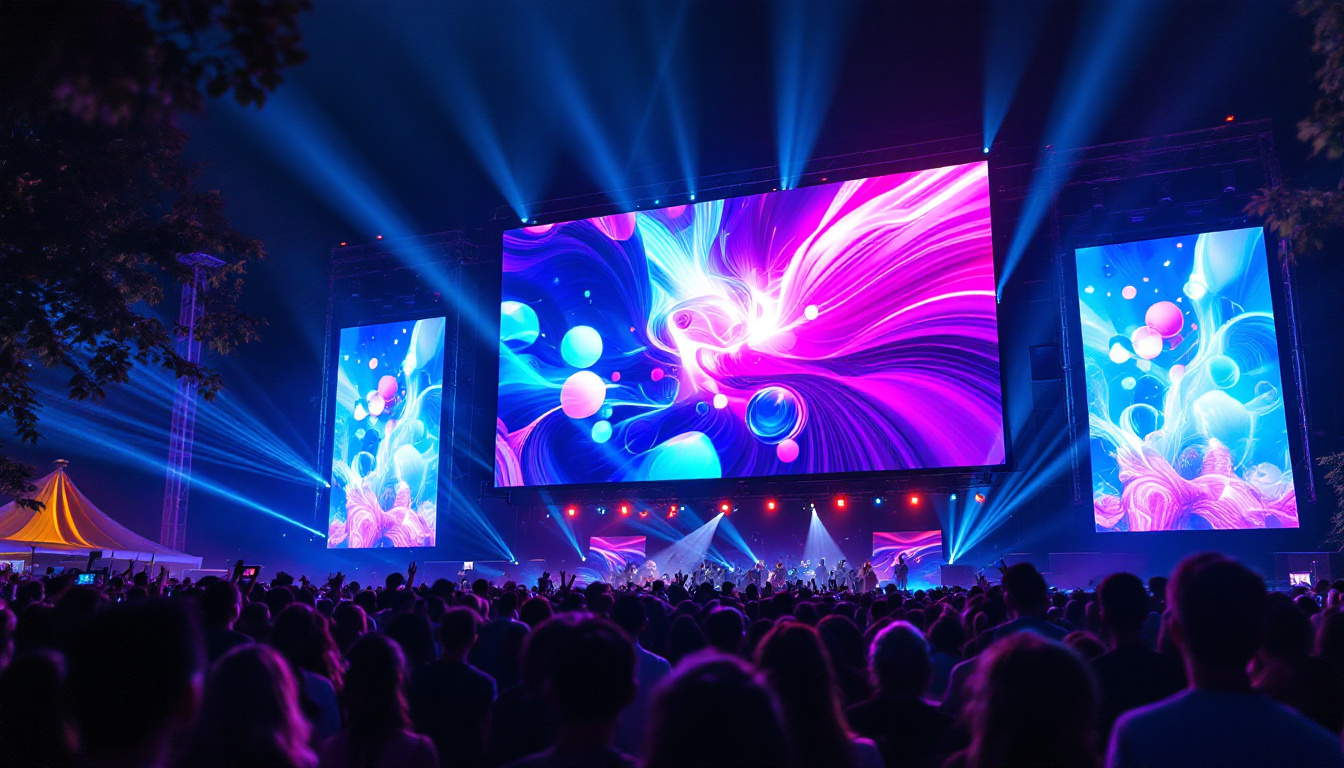
For example, stadiums like the AT&T Stadium in Texas use massive LED displays spanning thousands of square feet, creating a visually stunning environment that complements live events. Beyond just sports, these displays are also utilized in concerts and festivals, where they serve as a canvas for vibrant light shows and artistic visuals, transforming the atmosphere and elevating the overall experience for attendees.
Retail and Hospitality
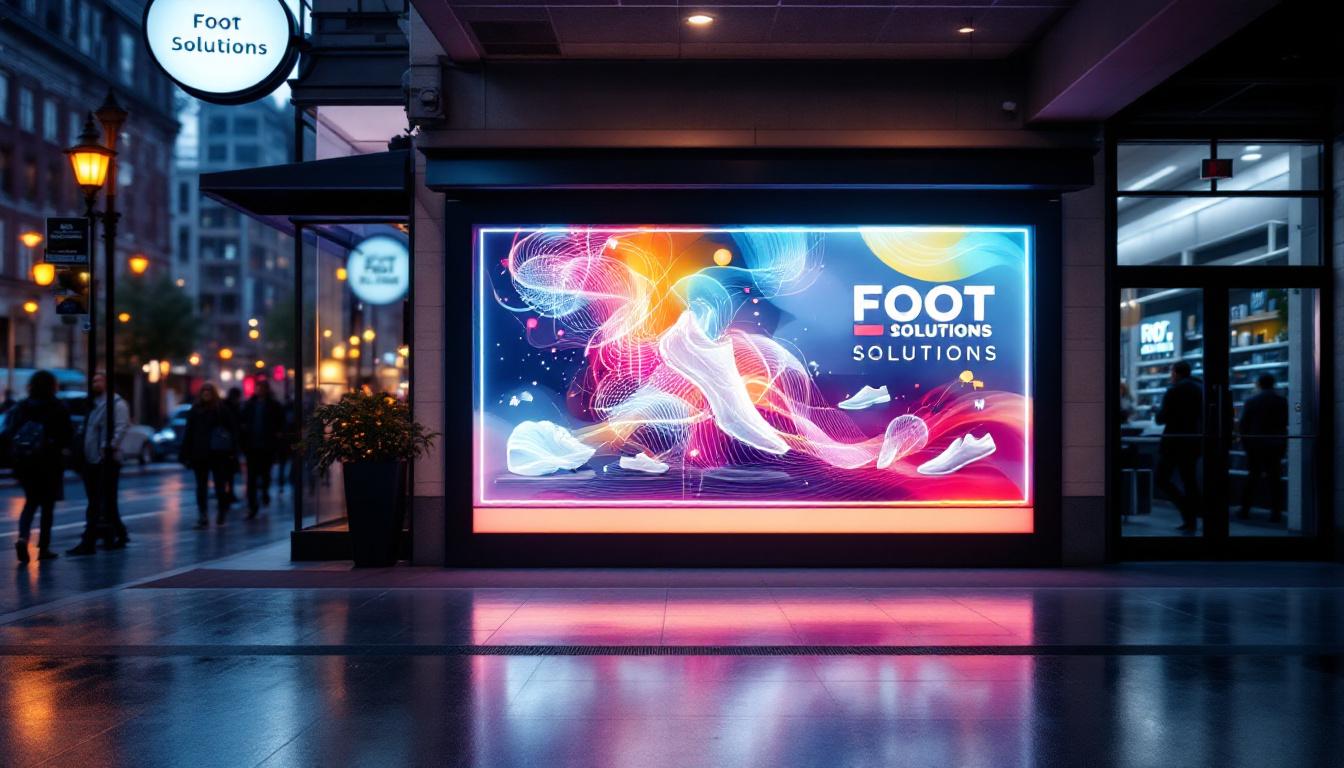
In retail environments, LED displays are used for digital signage, interactive kiosks, and promotional screens. Their ability to showcase vibrant, eye-catching content helps attract customers and communicate brand messages effectively. In hospitality, LED screens enhance guest experiences by providing information, entertainment, and ambiance control.
Additionally, the integration of LED technology in retail spaces allows for personalized shopping experiences. For instance, interactive displays can offer tailored recommendations based on customer preferences, while dynamic promotions can be adapted in real-time to respond to inventory levels or seasonal trends. This not only boosts sales but also creates a more engaging shopping environment that encourages customer loyalty.
Transportation and Public Information
LED displays are integral to transportation hubs such as airports, train stations, and bus terminals. They provide real-time updates on schedules, delays, and directions, improving passenger flow and satisfaction. The durability and visibility of LED displays make them ideal for such high-traffic environments.
Furthermore, these displays can also serve as vital communication tools during emergencies, providing timely alerts and instructions to ensure passenger safety. With the rise of smart transportation systems, LED displays are increasingly being integrated with mobile applications and IoT technology, allowing for seamless updates and enhanced user experiences. This synergy not only streamlines operations but also fosters a more informed and connected travel experience for passengers.
“`
Advantages of LED Displays Over Other Technologies
LED displays offer several compelling benefits that have driven their widespread adoption across different sectors.
Superior Brightness and Visibility
LEDs can achieve brightness levels far exceeding those of conventional LCD or plasma screens. This makes them particularly effective in outdoor or brightly lit indoor environments where visibility is critical. For instance, some outdoor LED billboards can reach brightness levels of up to 8,000 nits, ensuring content remains clear even under direct sunlight.
Energy Efficiency and Longevity
Compared to traditional display technologies, LEDs consume less power while delivering higher brightness. This energy efficiency translates into lower operational costs, especially important for large-scale installations. Additionally, LEDs have a longer lifespan—often exceeding 100,000 hours—reducing maintenance and replacement expenses.
Wide Viewing Angles and Color Accuracy
LED displays maintain consistent color and brightness even when viewed from sharp angles. This is essential for public displays where audiences view screens from multiple perspectives. The precise control over individual diodes also ensures accurate color rendering, vital for applications in retail and entertainment.
Thin and Lightweight Form Factor
Advances in LED technology have enabled the production of ultra-thin and lightweight displays. This facilitates easier installation and integration into various environments, from curved architectural surfaces to portable devices.
Challenges and Considerations in LED Display Deployment
While LED displays offer numerous advantages, there are challenges and factors to consider when implementing this technology.
Initial Cost and Investment
The upfront cost of high-quality LED displays can be significant, especially for large-scale or high-resolution installations. However, the total cost of ownership often balances out due to lower energy consumption and maintenance requirements over time.
Pixel Pitch and Resolution
Pixel pitch—the distance between individual LEDs—directly affects display resolution and viewing distance. Smaller pixel pitches yield higher resolution but increase manufacturing complexity and cost. Selecting the appropriate pixel pitch depends on the intended viewing distance and application. For example, indoor displays typically require pixel pitches as low as 1-2 mm, while outdoor billboards can function well with pitches of 10 mm or more.
Environmental and Durability Factors
Outdoor LED displays must withstand harsh weather conditions, including rain, wind, and temperature extremes. High-quality enclosures and protective coatings are essential to ensure longevity. Additionally, brightness levels may need to be adjusted automatically to prevent glare during nighttime hours.
The Future of LED Display Technology
LED display technology continues to advance rapidly, with innovations promising even greater performance and versatility.
MicroLED and MiniLED Innovations
MicroLED technology, which uses microscopic LEDs to form each pixel, is poised to revolutionize display quality by combining the brightness and efficiency of LEDs with the pixel-level control of OLEDs. This results in displays with exceptional contrast ratios, color accuracy, and durability. Although currently expensive, MicroLED is expected to become more accessible as manufacturing processes improve.
MiniLED, a related technology, uses smaller LEDs for backlighting LCD panels, enhancing contrast and brightness while reducing power consumption. This hybrid approach is already appearing in premium TVs and monitors.
Flexible and Transparent LED Displays
Emerging flexible LED displays enable new form factors, such as curved or foldable screens, expanding design possibilities for consumer electronics and architectural applications. Transparent LED displays, which allow viewers to see through the screen while displaying content, are gaining traction in retail and automotive sectors for innovative advertising and heads-up displays.
Integration with Smart Technologies
LED displays are increasingly integrated with smart systems, including IoT connectivity, AI-driven content management, and interactive capabilities. This integration allows for dynamic, personalized content delivery and enhanced user engagement, particularly in retail and public spaces.
Conclusion
LED display technology has transformed the landscape of digital imaging, offering unmatched brightness, color accuracy, and energy efficiency. Its versatility across industries—from advertising and entertainment to transportation and retail—underscores its importance in modern visual communication. As innovations like MicroLED and flexible displays mature, LED technology will continue to push the boundaries of what is possible in digital imaging.
For businesses and organizations considering LED displays, understanding the technology’s strengths and limitations is crucial to making informed decisions that maximize impact and return on investment. With ongoing advancements, LED displays are set to remain at the forefront of display imaging for years to come.
Explore Cutting-Edge LED Displays with LumenMatrix
Ready to elevate your visual communication with the latest in LED display technology? LumenMatrix is at the forefront of innovation, offering a wide array of LED display solutions tailored to your needs. From captivating Indoor LED Walls to dynamic Outdoor LED Displays, and from versatile Vehicle LED Displays to engaging LED Sports Displays, our products are designed to make your brand shine. Discover how our Custom LED Displays and All-in-One solutions can transform your space and captivate your audience. Experience the future of digital signage today by visiting LumenMatrix LED Display Solutions.