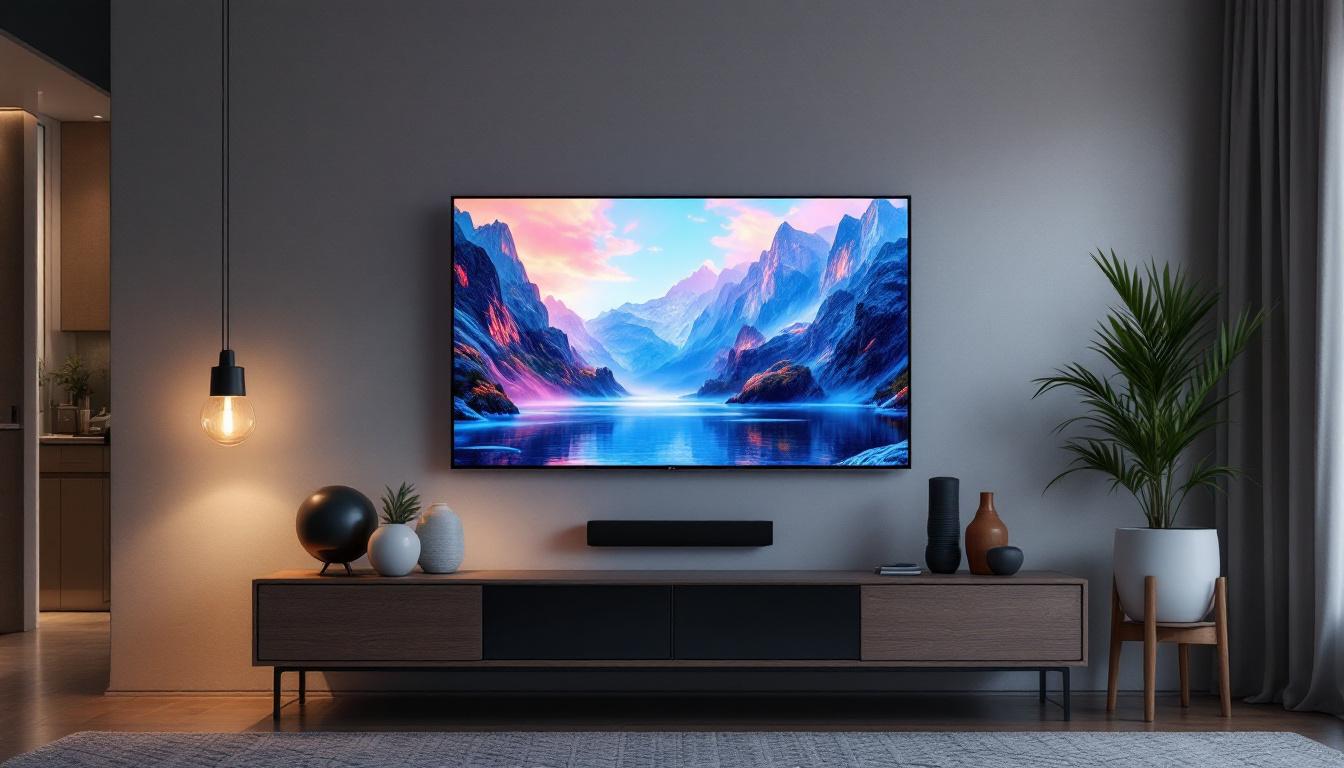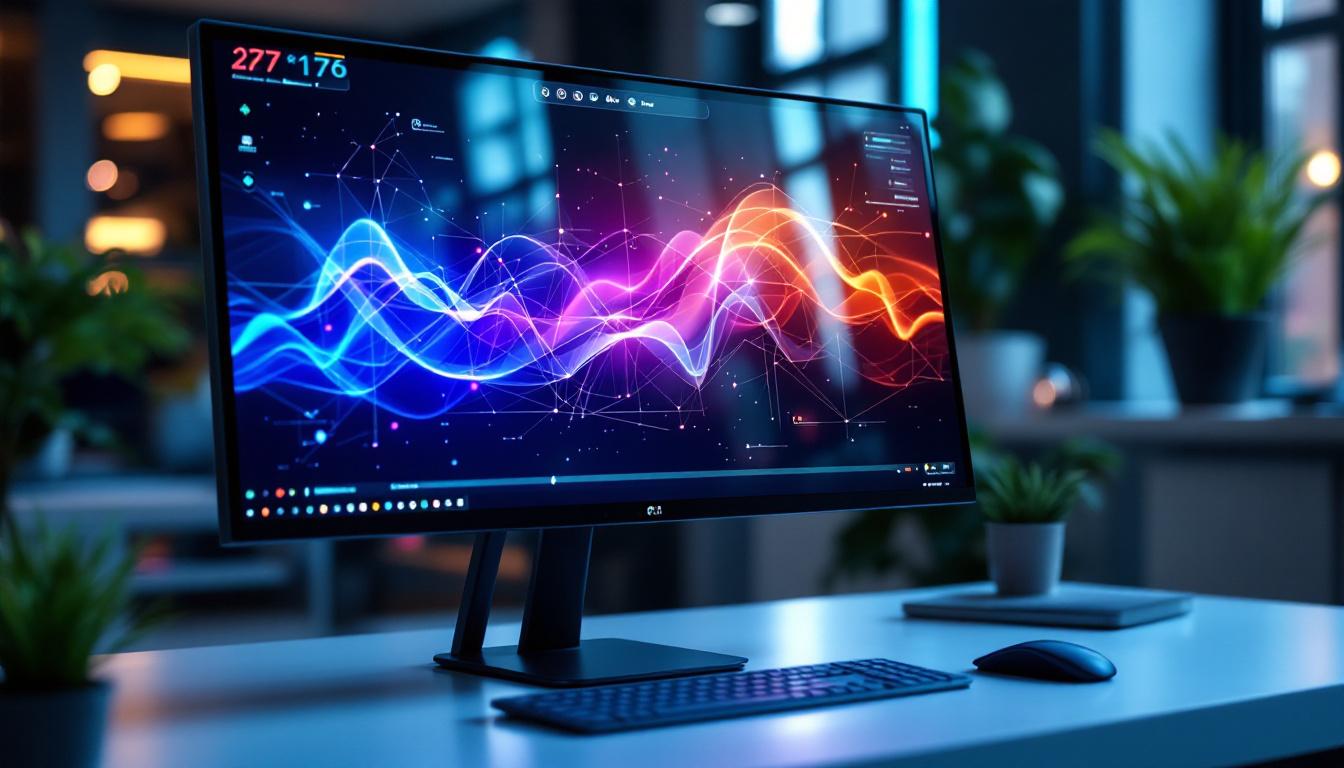
In the evolving landscape of display technology, the 27-inch touch screen monitor equipped with LED displays has become a staple for professionals, creatives, and everyday users alike. Understanding the intricacies behind these devices is essential for making informed purchasing decisions and maximizing their potential in various applications. This article delves into the technology, advantages, and considerations surrounding 27-inch LED touch screen monitors, providing a comprehensive guide for those seeking clarity on this popular display option.
Understanding LED Display Technology
LED, or Light Emitting Diode, technology has revolutionized the way screens are illuminated and rendered. Unlike traditional LCD monitors that rely on cold cathode fluorescent lamps (CCFLs) for backlighting, LED displays use an array of tiny LEDs to illuminate the screen. This fundamental difference leads to several improvements in image quality, energy consumption, and design flexibility. The advancements in LED technology have made it possible for manufacturers to create screens that are thinner, lighter, and more energy-efficient, making them ideal for a wide range of applications, from smartphones to large-scale digital signage.
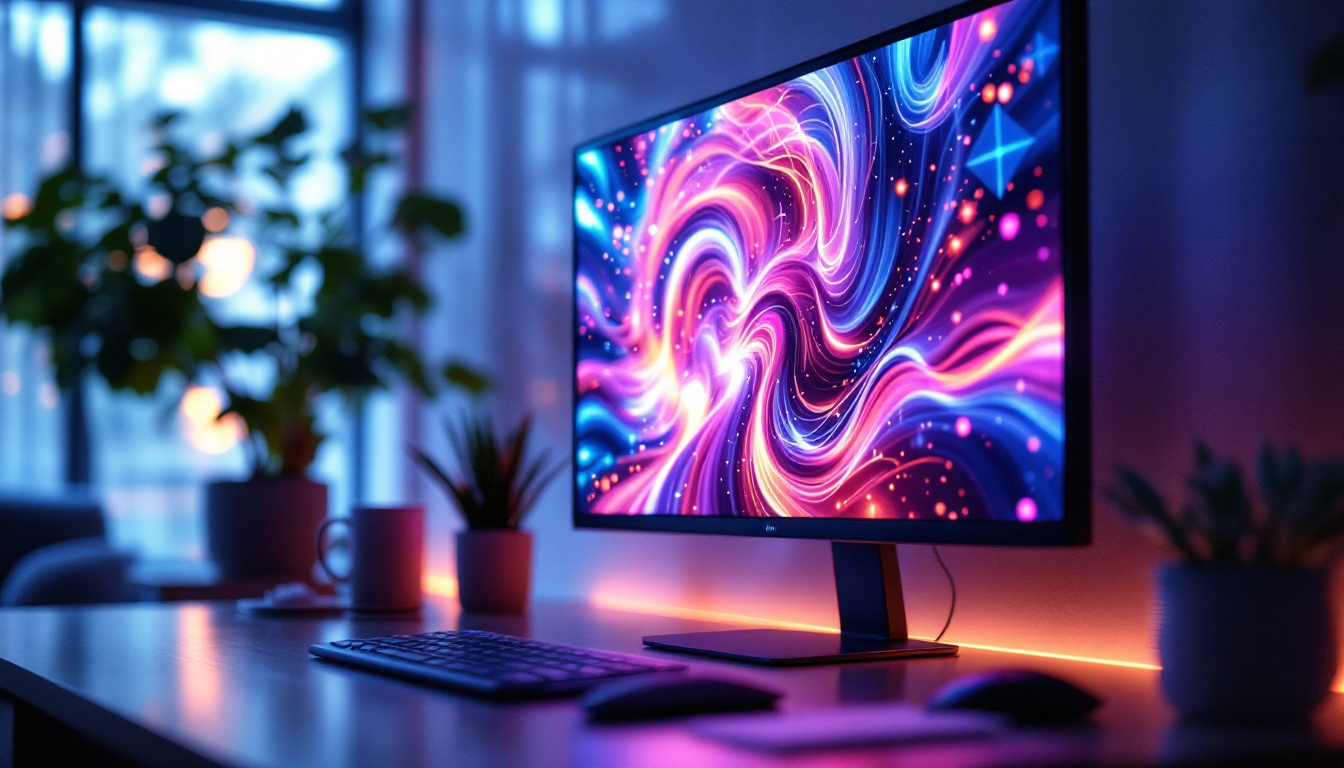
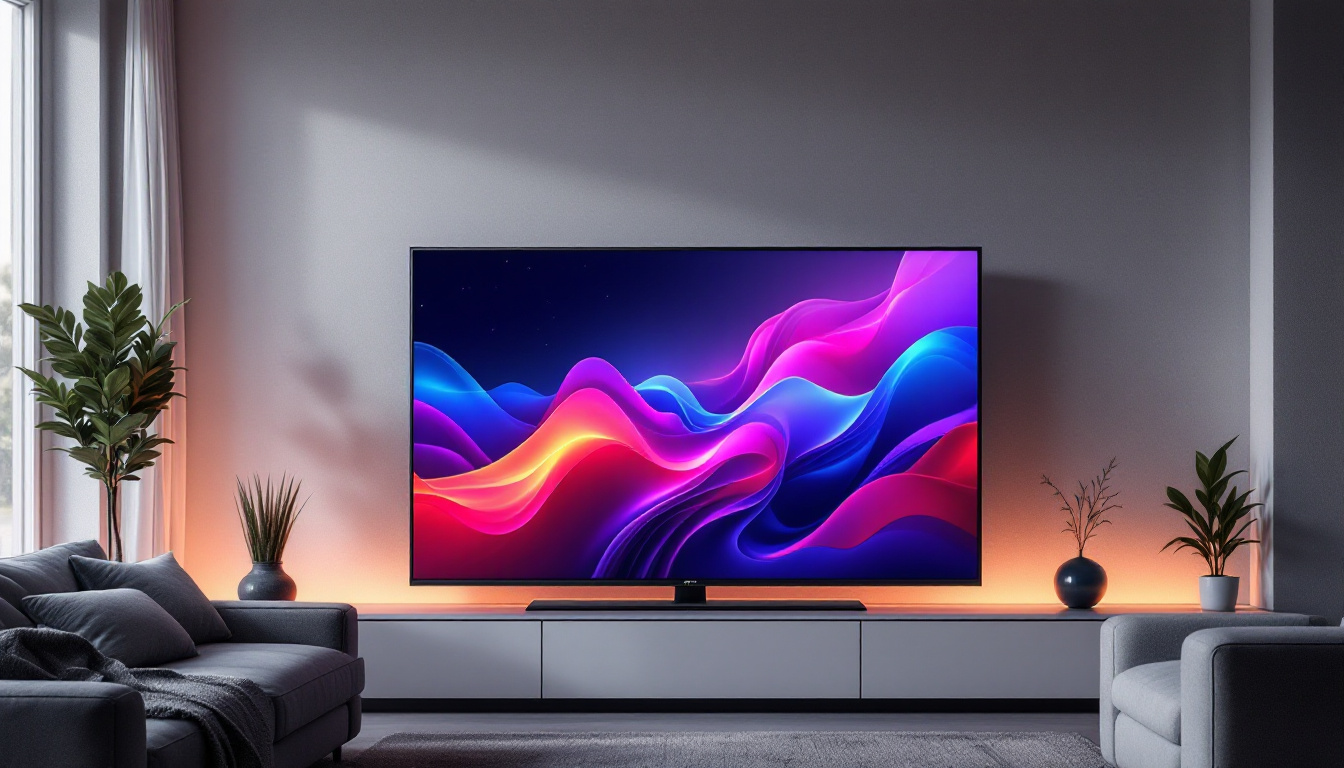
In a 27-inch touch screen monitor, the LED backlighting ensures vibrant colors, deeper blacks, and higher contrast ratios compared to older display technologies. The size strikes a balance between ample screen real estate and desk space efficiency, making it a popular choice for both professional and personal use. Additionally, the responsiveness of touch screen technology, combined with the clarity provided by LED displays, enhances user interaction, making it a favored option for graphic designers, gamers, and educators alike. The tactile feedback and visual richness offered by these monitors can significantly improve the overall user experience, allowing for more intuitive navigation and creativity.
Types of LED Backlighting: Edge-lit vs. Full-array
Within LED technology, there are two primary backlighting configurations: edge-lit and full-array. Edge-lit LED monitors position LEDs along the edges of the screen, using light guides to distribute illumination evenly. This design allows for thinner displays and often lower production costs. However, edge-lit monitors may suffer from less uniform brightness and contrast, especially in darker scenes. Users may notice a gradient effect where the brightness diminishes toward the center of the screen, which can be particularly distracting during movie watching or gaming sessions.
Full-array LED backlighting places LEDs directly behind the screen in a grid pattern, enabling more precise control of brightness zones. This results in better local dimming capabilities, enhancing contrast and reducing light bleed. For users prioritizing image quality, full-array LED displays in 27-inch touch screen monitors offer a noticeable advantage, albeit often at a higher price point. Furthermore, full-array technology is increasingly being paired with advanced features like HDR (High Dynamic Range), which allows for a broader spectrum of colors and improved detail in both bright and dark areas of the image. As a result, full-array LED monitors are becoming the go-to choice for professionals in fields such as photography and video editing, where color accuracy and detail are paramount.
The Advantages of a 27-Inch Touch Screen Monitor
The 27-inch size is widely regarded as an ideal middle ground for productivity, gaming, and multimedia consumption. When combined with touch screen functionality, these monitors become versatile tools that cater to a broad spectrum of needs.
Enhanced Productivity and User Interaction
Touch screen monitors enable direct interaction with on-screen content, reducing reliance on peripheral devices like mice and keyboards. This can streamline workflows, especially in creative fields such as graphic design, video editing, and digital art. The 27-inch display provides enough space for detailed work without overwhelming the user with excessive screen size.
Moreover, touch interfaces support multi-touch gestures, allowing users to zoom, rotate, and navigate intuitively. This natural interaction method can reduce the learning curve for new software and improve overall efficiency.
Improved Visual Experience with LED Displays
LED displays on 27-inch monitors deliver crisp visuals with high brightness levels, often exceeding 300 nits, making them suitable for well-lit environments. The wide color gamut and accurate color reproduction are crucial for professionals requiring precise color fidelity, such as photographers and video editors.
Additionally, LED technology contributes to faster response times and higher refresh rates, beneficial for gaming and video playback. Many modern 27-inch LED touch screen monitors support refresh rates of 60Hz to 144Hz, catering to different user preferences.
Key Features to Consider When Choosing a 27-Inch LED Touch Screen Monitor
Selecting the right monitor involves evaluating several technical and ergonomic factors. Understanding these features ensures the device aligns with your specific use cases and environment.
Resolution and Pixel Density
Resolution significantly impacts image clarity and workspace area. Common resolutions for 27-inch monitors include Full HD (1920×1080), Quad HD (2560×1440), and 4K UHD (3840×2160). While Full HD is adequate for general use, Quad HD and 4K provide sharper images and more screen real estate for multitasking.
Pixel density, measured in pixels per inch (PPI), determines how crisp the display appears. Higher PPI values reduce pixelation, enhancing the viewing experience, especially important for detailed work. For a 27-inch screen, Quad HD offers a good balance between clarity and system performance requirements.
Touch Technology Types
Touch screen monitors utilize various technologies, primarily capacitive and resistive touch. Capacitive touch screens, common in modern devices, respond to the electrical properties of the human finger, supporting multi-touch gestures and offering higher sensitivity and durability.
Resistive touch screens detect pressure applied to the surface and can be operated with fingers, styluses, or gloves. While generally less sensitive and offering single-touch input, resistive screens are often more affordable and suitable for industrial or rugged environments.
Connectivity Options
Versatile connectivity is essential for integrating the monitor into diverse setups. Most 27-inch LED touch screen monitors offer HDMI, DisplayPort, and USB-C ports, facilitating connections with laptops, desktops, and mobile devices. USB-C ports, in particular, support power delivery and data transfer, simplifying cable management.
Additional USB hubs on the monitor can enhance convenience by providing easy access to peripherals. For touch functionality, USB connections or integrated drivers ensure seamless communication between the monitor and the host device.
Ergonomics and Build Quality
Given the extended use of monitors, ergonomic features such as adjustable height, tilt, swivel, and pivot are vital for maintaining comfort and reducing strain. A sturdy stand and quality materials contribute to the monitor’s durability and aesthetic appeal.
Anti-glare coatings and blue light filters are additional considerations that improve eye comfort during prolonged usage, especially in office environments.
Applications of 27-Inch LED Touch Screen Monitors
The versatility of 27-inch LED touch screen monitors makes them suitable for a wide array of applications, from professional environments to entertainment and education.
Professional and Creative Workspaces
In industries such as graphic design, architecture, and video production, accurate color representation and intuitive interaction are paramount. The combination of a 27-inch screen size with LED’s vibrant display and touch capabilities fosters a more immersive and efficient workflow.
For example, digital artists benefit from the ability to manipulate images directly on the screen, enhancing precision and creativity. Similarly, architects can navigate 3D models more naturally, improving design iterations and presentations.
Education and Training
Interactive touch screens enhance learning experiences by enabling dynamic presentations and hands-on activities. Classrooms and training centers utilize 27-inch touch monitors to facilitate group collaboration and interactive lessons.
The portability and size of these monitors make them adaptable for various educational settings, from individual student use to instructor-led demonstrations.
Retail and Point of Sale Systems
In retail environments, touch screen monitors streamline transactions and customer interactions. The 27-inch size offers sufficient space for displaying product information and processing sales without occupying excessive counter space.
LED displays ensure clear visibility even under bright store lighting, while touch responsiveness speeds up service, improving customer satisfaction.
Energy Efficiency and Environmental Impact
LED technology is widely recognized for its energy efficiency compared to older display methods. A 27-inch LED touch screen monitor typically consumes less power than CCFL-backlit LCDs, contributing to lower electricity bills and reduced environmental footprint.
Many manufacturers also incorporate eco-friendly materials and comply with certifications such as ENERGY STAR and EPEAT, ensuring that these monitors meet stringent sustainability standards. For organizations aiming to reduce their carbon footprint, selecting energy-efficient displays is a practical step.
Future Trends in Touch Screen and LED Monitor Technology
The display industry continues to innovate, with emerging technologies promising to enhance the capabilities of 27-inch touch screen monitors further.
Mini-LED and Micro-LED Backlighting
Mini-LED technology uses thousands of smaller LEDs to provide even more precise local dimming and higher contrast ratios than traditional full-array LED backlighting. This advancement improves HDR performance and overall image quality, making it an exciting development for professional users.
Micro-LED displays, still in early stages of commercial adoption, offer self-emissive pixels without the need for backlighting, potentially delivering superior brightness, color accuracy, and energy efficiency.
Enhanced Touch and Pen Input
Advancements in touch technology include improved stylus support with higher pressure sensitivity and lower latency. This is particularly beneficial for artists and designers who require precise control.
Additionally, integration with AI and gesture recognition could transform how users interact with their monitors, enabling more natural and intuitive control methods.
Integration with Smart and IoT Devices
Future 27-inch touch screen monitors may feature deeper integration with smart home and office ecosystems, allowing seamless control of connected devices and enhanced productivity tools.
Voice commands, biometric authentication, and adaptive display settings based on user preferences are among the anticipated features enhancing user experience.
Conclusion
The 27-inch LED touch screen monitor represents a harmonious blend of size, functionality, and advanced display technology. Its versatility makes it a valuable asset across various sectors, from creative industries to education and retail. Understanding the underlying LED technology, touch screen types, and key features empowers users to select the best monitor tailored to their needs.
As technology continues to evolve, these monitors will only become more capable, energy-efficient, and integrated, promising an exciting future for users seeking immersive and interactive display solutions.
Discover LumenMatrix’s Advanced LED Solutions
Ready to elevate your visual experience with the latest in LED display technology? Look no further than LumenMatrix, a pioneer in crafting innovative LED solutions that bring your content to life. From dynamic indoor and outdoor displays to specialized solutions for vehicles, sports, and custom installations, LumenMatrix is committed to revolutionizing the way you communicate visually. Embrace the future of display technology and check out LumenMatrix LED Display Solutions today to see how we can help you make a lasting impression and engage with your audience like never before.