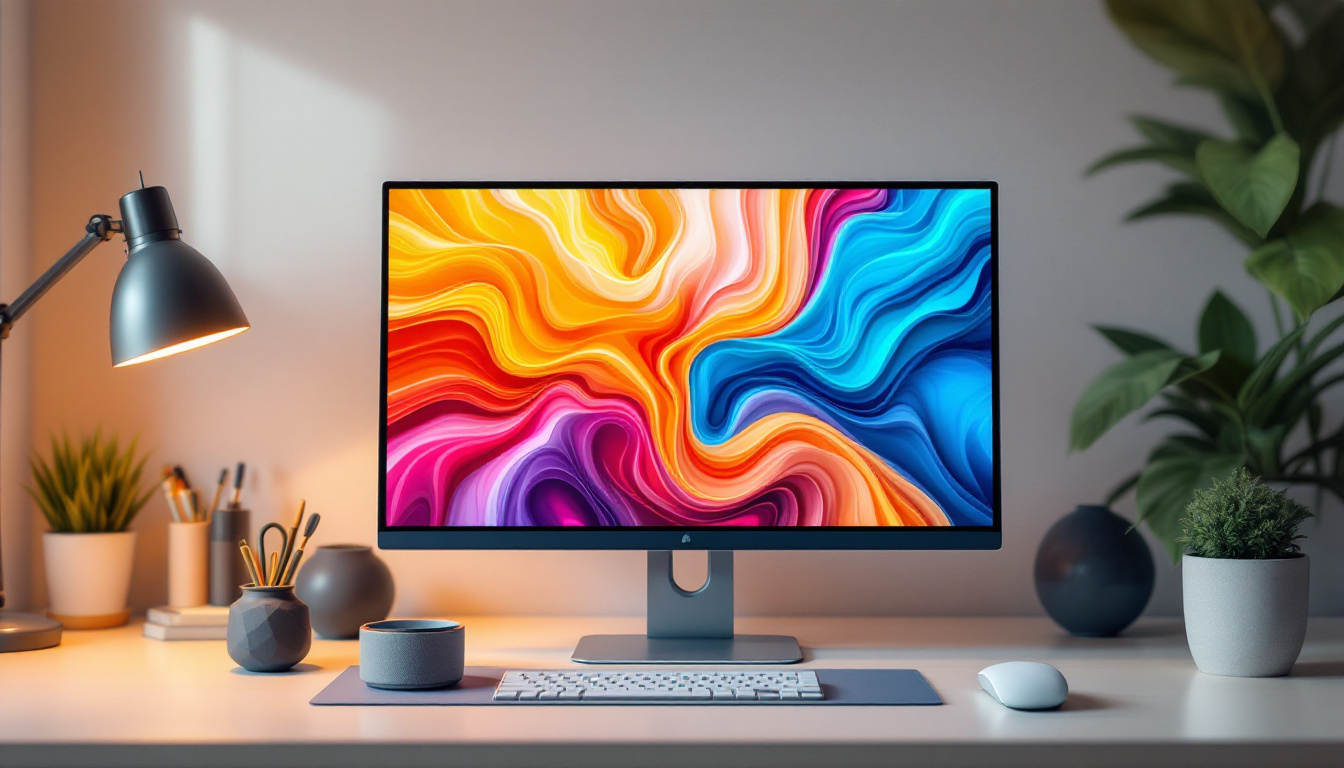
In the rapidly evolving world of display technology, the integration of touchscreens with LED displays has transformed how users interact with digital content. The term “22 Touchscreen: LED Display” often refers to 22-inch LED panels equipped with touchscreen capabilities, commonly used in a variety of settings such as retail, education, healthcare, and industrial environments. This article delves into the technology behind these devices, their advantages, types, and practical applications, providing a comprehensive understanding for professionals, consumers, and tech enthusiasts alike.
Understanding LED Display Technology
LED, or Light Emitting Diode, displays have become the standard for modern screens due to their energy efficiency, brightness, and color accuracy. Unlike traditional LCD panels that rely on fluorescent backlights, LED displays use an array of tiny light-emitting diodes to illuminate pixels. This results in sharper images, deeper blacks, and a thinner form factor. The technology has evolved significantly over the years, leading to innovations such as OLED (Organic LED) and QLED (Quantum Dot LED), which further enhance color vibrancy and viewing angles, making LED displays a versatile choice for a variety of applications.
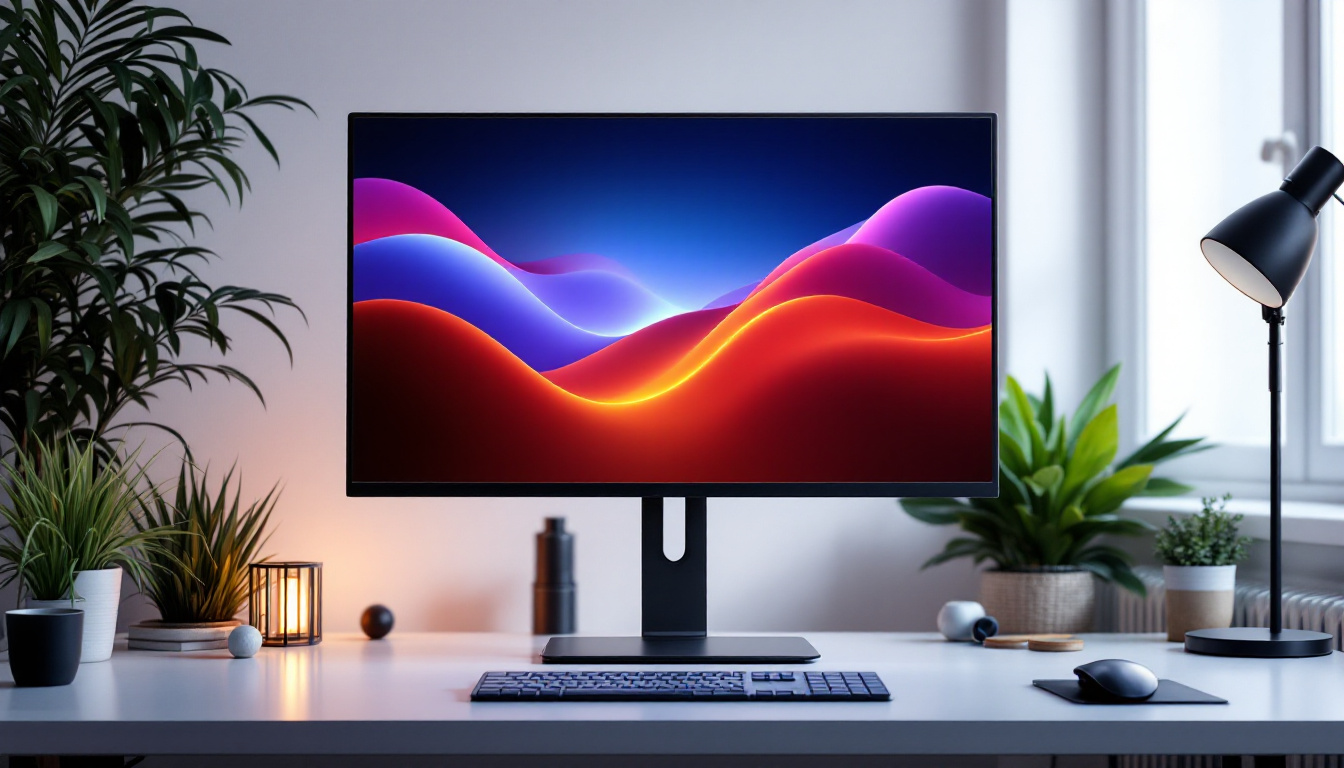
For a 22-inch LED display, the screen size strikes a balance between portability and usability, making it ideal for desktop monitors, kiosks, and embedded systems. The resolution of these displays can vary, but Full HD (1920×1080 pixels) is common, offering crisp visuals for both text and multimedia content. Additionally, many 22-inch models now support higher resolutions such as 4K (3840×2160 pixels), providing an even more immersive viewing experience that is particularly beneficial for graphic design, video editing, and gaming.
Types of LED Displays
There are primarily two types of LED displays: direct LED and edge-lit LED. Direct LED displays have LEDs placed directly behind the screen, providing uniform brightness and better contrast. Edge-lit LED displays position LEDs along the edges of the panel, allowing for thinner screens but sometimes compromising on brightness uniformity. This distinction is crucial for consumers who prioritize picture quality and viewing comfort, especially in environments with varying lighting conditions.
In the context of touchscreen devices, most 22-inch LED displays use edge-lit technology to maintain a slim profile while supporting responsive touch interaction. These displays often incorporate advanced touch technology, such as capacitive or resistive touch, enabling seamless user experiences in applications ranging from point-of-sale systems to interactive educational tools. Furthermore, many manufacturers are integrating anti-glare coatings and enhanced viewing angles to ensure that content remains visible and vibrant, even in brightly lit environments, making these displays suitable for a wide range of professional and personal uses.
Touchscreen Technologies Integrated with LED Displays
Integrating touch functionality with LED displays requires additional layers and sensors that detect user input. The choice of touchscreen technology impacts responsiveness, accuracy, durability, and cost.
Resistive Touchscreens
Resistive touchscreens consist of two flexible layers separated by a gap. When pressure is applied, the layers make contact, registering the touch. While cost-effective and compatible with various input devices (fingers, stylus, gloves), resistive screens generally offer lower clarity and less sensitivity compared to other technologies.
In 22-inch LED displays, resistive touchscreens are less common today but may still be found in industrial or rugged environments where durability and glove compatibility are prioritized. These screens are particularly advantageous in settings such as manufacturing plants or outdoor kiosks, where users may be wearing protective gear or working in harsh conditions. Their ability to function reliably in such environments makes them a preferred choice despite the advancements in other touchscreen technologies.
Capacitive Touchscreens
Capacitive touchscreens use the electrical properties of the human body to detect touch. A transparent conductive layer senses changes in the electrostatic field when a finger touches the screen. This technology supports multi-touch gestures, high sensitivity, and excellent optical clarity.
Most modern 22-inch touchscreen LED displays employ capacitive technology, making them suitable for consumer electronics, point-of-sale systems, and interactive kiosks. The rapid response time and high accuracy of capacitive touchscreens enhance user experience, allowing for seamless navigation and interaction. Moreover, advancements in this technology have led to the development of edge-to-edge glass designs, which not only improve aesthetics but also facilitate easier cleaning and maintenance, making them ideal for high-traffic areas such as retail stores and airports.
Infrared and Optical Touchscreens
Infrared and optical touchscreens use an array of sensors around the display edges to detect touch by interruption of light beams. These are highly durable and can detect any input type without requiring screen contact. However, they tend to be bulkier and more expensive, so they are less common in 22-inch consumer-grade LED displays but may be used in specialized applications.
These technologies are particularly beneficial in environments where hygiene is a concern, such as hospitals or food service areas, as they allow for touchless interaction. Additionally, infrared touchscreens can operate in a wider range of temperatures and conditions, making them suitable for outdoor applications. Their ability to detect gestures without direct contact opens up new possibilities for interactive displays, enabling innovative applications in museums, exhibitions, and even smart home devices, where users can control systems from a distance without the need for physical contact.
Advantages of 22-Inch Touchscreen LED Displays
The combination of a 22-inch LED display with touchscreen capability offers several benefits that enhance user experience and operational efficiency.
Enhanced User Interaction
Touchscreens allow direct manipulation of on-screen elements, making interfaces more intuitive and accessible. This is particularly beneficial in environments where quick data entry or navigation is necessary, such as retail checkouts or information kiosks.
The 22-inch size provides ample screen real estate for detailed content without overwhelming the user, striking a balance between portability and visibility. Additionally, the responsive nature of touchscreens encourages users to engage more deeply with the content, facilitating a more interactive experience. For instance, in educational settings, students can easily navigate through complex diagrams or multimedia presentations, enhancing their learning process through tactile engagement.
Energy Efficiency and Longevity
LED technology is renowned for its low power consumption compared to traditional display types. This not only reduces operational costs but also extends the lifespan of the device. With fewer components prone to failure, LED displays generally require less maintenance. Furthermore, the energy efficiency of these displays contributes to a smaller carbon footprint, making them an environmentally friendly choice for businesses looking to adopt sustainable practices. As companies become increasingly focused on reducing their environmental impact, investing in energy-efficient technology like 22-inch touchscreen LED displays can significantly bolster their green initiatives.
Improved Visual Quality
LED displays offer superior brightness and color accuracy, which is crucial for applications requiring precise visual representation, such as medical imaging or graphic design. The touchscreen layer, when properly integrated, maintains this clarity without significant glare or distortion. This high-quality visual output is not only beneficial for professionals in creative fields but also enhances the viewing experience for everyday users. Whether it’s streaming high-definition videos or displaying vibrant images in a gallery setting, the enhanced visual quality of a 22-inch touchscreen LED display captivates and engages audiences, making it a versatile tool for various applications.
Space-Saving and Versatility
The slim profile of LED displays combined with integrated touch functionality reduces the need for external input devices like keyboards and mice. This makes 22-inch touchscreen LED displays ideal for compact workspaces, kiosks, and embedded systems. Moreover, their versatility extends beyond traditional uses; they can be seamlessly integrated into modern home environments for smart home control, digital signage in restaurants, or even as interactive displays in museums. The ability to mount these displays on walls or use them as standalone units further enhances their adaptability, allowing users to customize their setup according to specific needs and preferences.
Common Applications of 22-Inch Touchscreen LED Displays
The versatility of 22-inch touchscreen LED displays allows them to serve a wide array of industries and use cases.
Retail and Point of Sale (POS) Systems
In retail environments, these displays streamline customer transactions and inventory management. Touchscreens enable faster input and reduce errors, while the LED display ensures clear product images and pricing information.
Many modern POS terminals utilize 22-inch touchscreen LED displays to balance visibility and counter space efficiency.
Education and Training
Interactive learning is enhanced through touchscreen displays, allowing students and instructors to engage directly with digital content. The 22-inch size is suitable for desktop use in computer labs or as part of interactive kiosks in libraries and museums.
Healthcare and Medical Devices
Medical professionals benefit from high-resolution, responsive touchscreens for patient monitoring, diagnostics, and record keeping. The durability and clarity of LED displays ensure reliable performance in demanding clinical settings.
Industrial and Manufacturing Controls
Touchscreen LED displays are integral to control panels and monitoring systems in factories. Their robustness and ease of use help operators manage complex machinery efficiently.
Key Considerations When Choosing a 22-Inch Touchscreen LED Display
Selecting the right 22-inch touchscreen LED display depends on several factors tailored to the intended application.
Touchscreen Technology
Understanding the pros and cons of resistive, capacitive, and infrared touchscreens is essential. For example, capacitive touchscreens are preferable for consumer-facing applications due to their responsiveness, while resistive may be better in industrial settings requiring glove use.
Resolution and Display Quality
Higher resolution enhances clarity, especially for detailed graphics or text-heavy applications. Full HD is standard, but some specialized uses may demand higher resolutions.
Durability and Environmental Resistance
Consider the operating environment. Displays with IP ratings for dust and water resistance, anti-glare coatings, and reinforced glass are better suited for harsh or outdoor conditions.
Connectivity and Compatibility
Ensure the display supports necessary interfaces such as HDMI, DisplayPort, USB for touch input, and compatibility with the operating system or software in use.
Ergonomics and Mounting Options
Adjustable stands, VESA mount compatibility, and screen tilt features contribute to user comfort and installation flexibility.
Future Trends in Touchscreen LED Displays
As technology advances, 22-inch touchscreen LED displays continue to evolve, incorporating new features and capabilities.
Higher Refresh Rates and Response Times
Improved refresh rates enhance smoothness in animations and reduce input lag, which is critical for gaming and professional design applications.
Integration of AI and Gesture Recognition
Emerging displays are beginning to incorporate AI-driven interfaces and gesture controls, providing more natural and versatile interaction methods beyond touch.
Flexible and Transparent Displays
Research into flexible LED panels and transparent touchscreens promises novel form factors and applications, such as foldable monitors and augmented reality interfaces.
Conclusion
22-inch touchscreen LED displays represent a versatile and efficient solution for a wide range of interactive applications. Their combination of vibrant visual quality, responsive touch input, and compact size makes them a popular choice across industries. Understanding the underlying technologies and key considerations ensures optimal selection and deployment, maximizing the benefits of this dynamic display technology.
Discover LumenMatrix’s Advanced Touchscreen LED Displays
Ready to elevate your interactive experiences with the latest in display technology? LumenMatrix offers a comprehensive range of LED display solutions tailored to meet the demands of any application. From captivating Indoor LED Wall Displays to robust Outdoor LED Wall Displays, and from versatile Vehicle LED Displays to innovative LED Transparent Displays, our products are designed to revolutionize visual communication. Embrace the future of engagement with LumenMatrix’s cutting-edge digital signage and LED display solutions. Check out LumenMatrix LED Display Solutions today and transform the way you share your message.