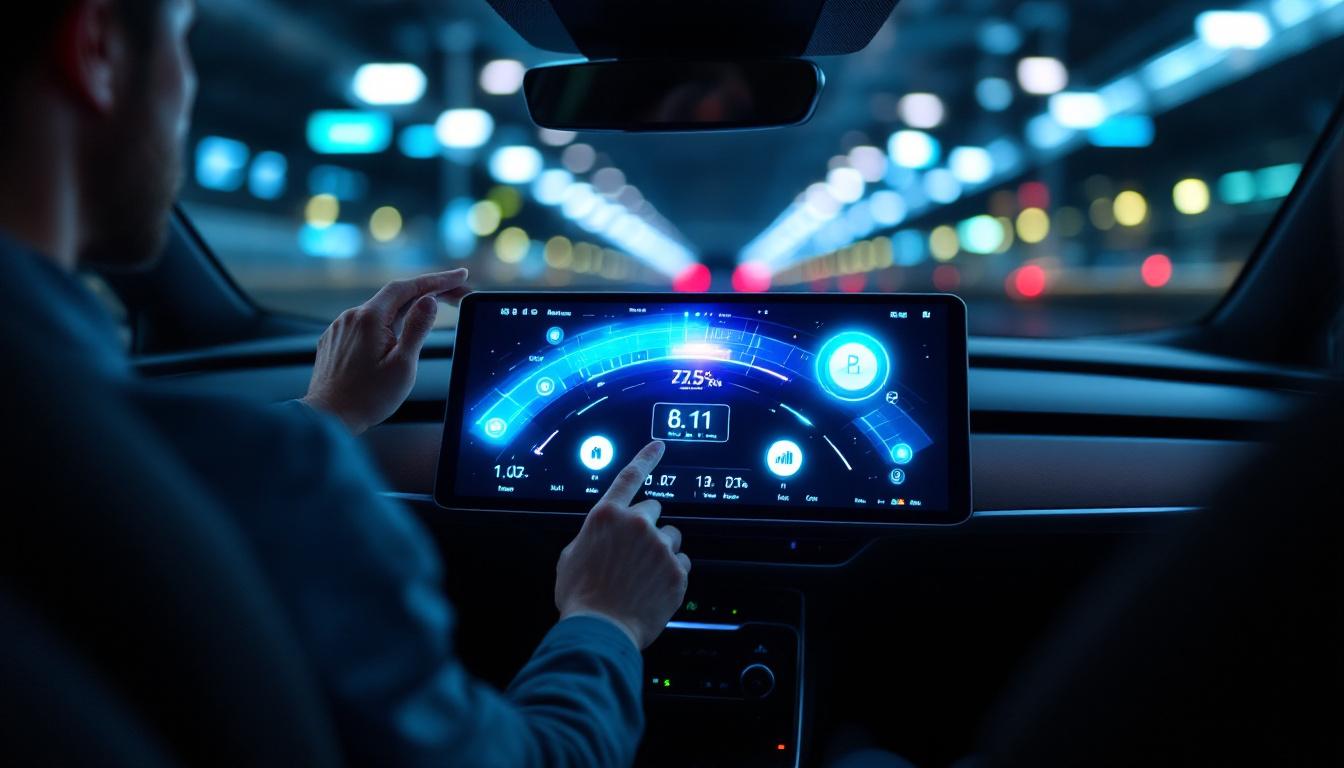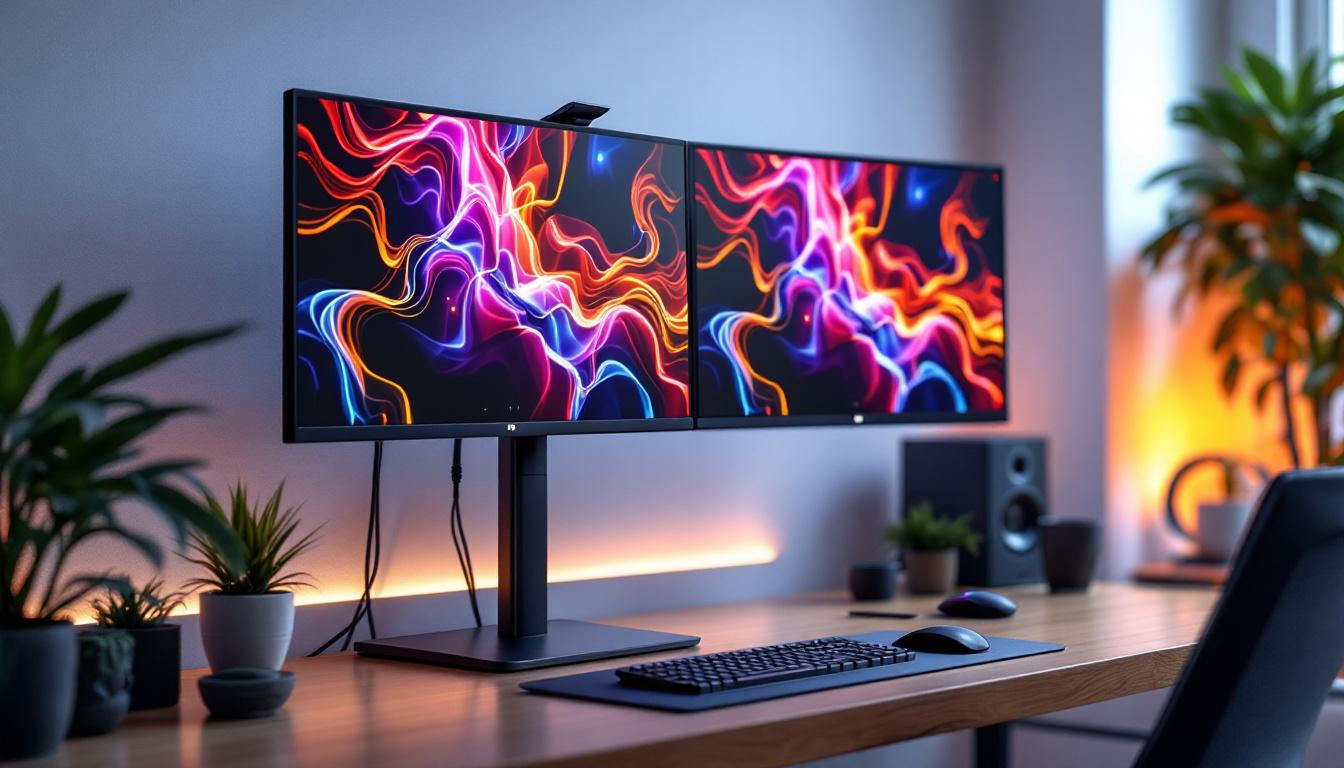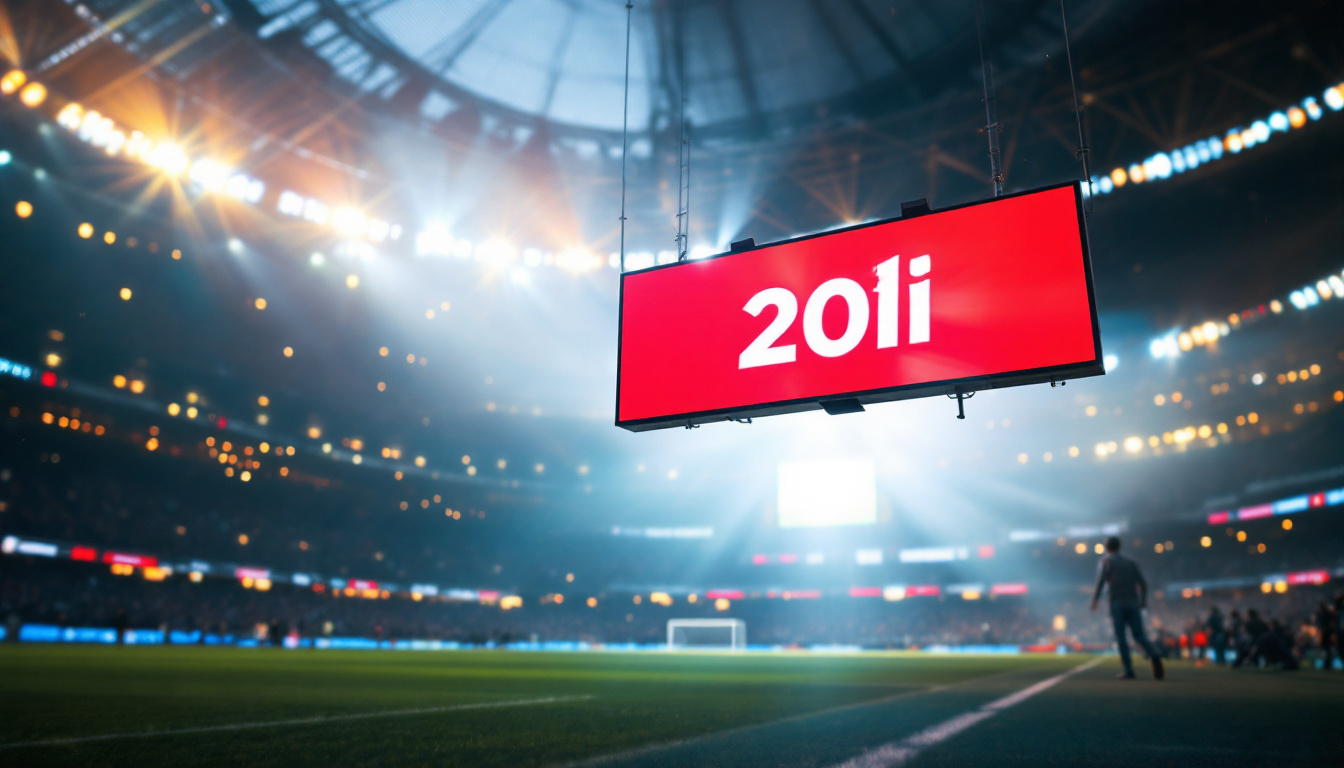
In today’s digital age, LED displays have become ubiquitous, transforming how information is presented and consumed across various industries. From vibrant billboards and dynamic stadium screens to sleek indoor digital signage and wearable tech, LED technology is at the heart of modern visual communication. Understanding the fundamentals of LED displays, their types, and how they create those vivid light images can provide valuable insight into their growing importance and versatility.
What is an LED Display?
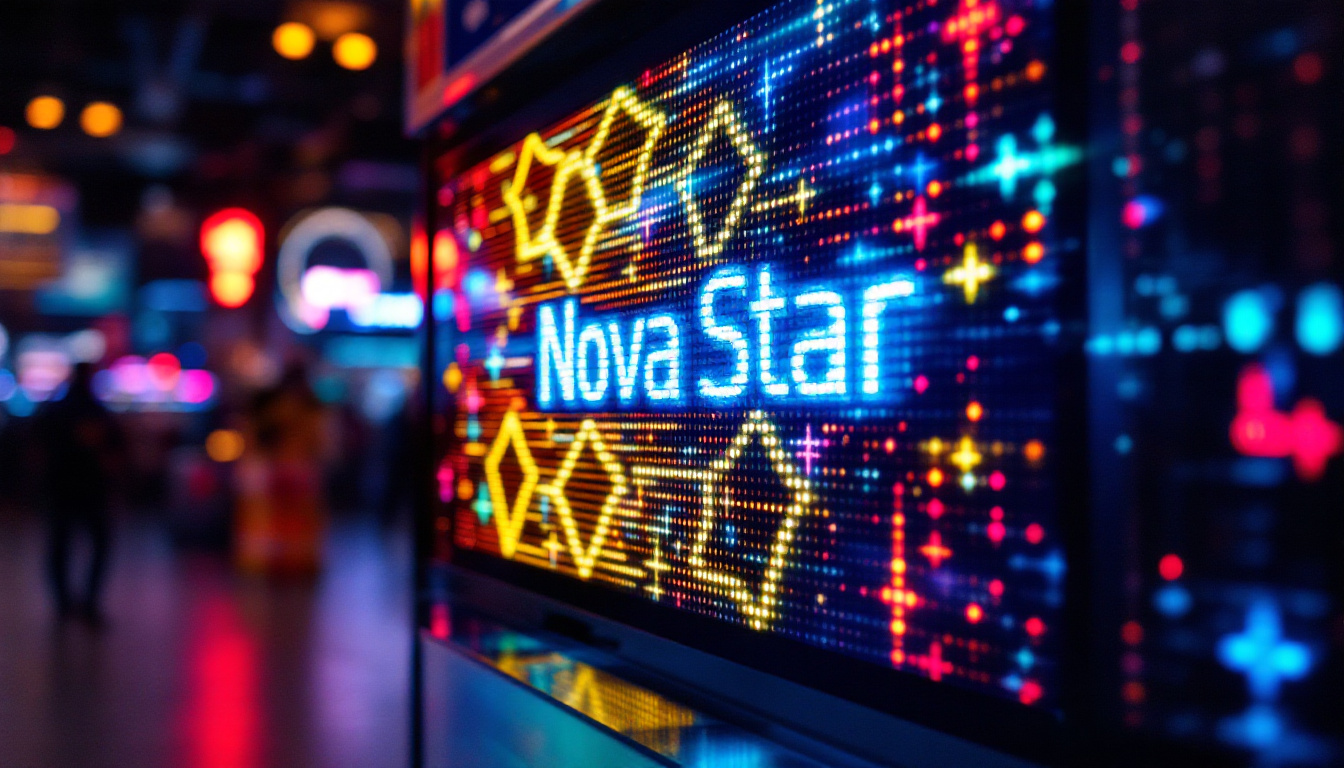
LED stands for Light Emitting Diode, a semiconductor device that emits light when an electric current passes through it. An LED display is a flat panel display that uses an array of LEDs as pixels to produce images, videos, and text. Unlike traditional display technologies such as LCD or plasma, LED displays use these tiny light sources to generate bright, high-contrast visuals that are easily visible even in direct sunlight.
LED displays can be found in various sizes and resolutions, from small wearable devices to massive outdoor screens spanning thousands of square feet. The core advantage of LED technology lies in its energy efficiency, long lifespan, and ability to produce vivid colors and deep blacks, making it a preferred choice for both indoor and outdoor applications.
How LED Displays Work
Each pixel in an LED display is composed of one or more LEDs that emit red, green, and blue light. By adjusting the intensity of these primary colors, the display can create a full spectrum of colors through a process called additive color mixing. The LEDs are controlled by a driver circuit that manages the current flow, enabling precise color and brightness control for each pixel.
The arrangement of these LEDs in a grid forms the display panel. The density of LEDs, known as pixel pitch (measured in millimeters), determines the resolution and clarity of the image. A smaller pixel pitch means more LEDs per unit area, resulting in sharper images suitable for close viewing distances.
Types of LED Displays
LED displays come in various forms, each optimized for specific uses and environments. Understanding these types helps in selecting the right display for a particular application.
1. Indoor LED Displays
Indoor LED displays are designed for environments with controlled lighting, such as shopping malls, conference rooms, and retail stores. These displays typically have a smaller pixel pitch, ranging from 1mm to 4mm, allowing for high-resolution images that look crisp even at close range.
They operate at lower brightness levels compared to outdoor displays, usually between 800 to 1,500 nits, which is sufficient for indoor visibility without causing eye strain. Their compact design and lightweight construction make them easy to install and integrate into various interior settings.
2. Outdoor LED Displays
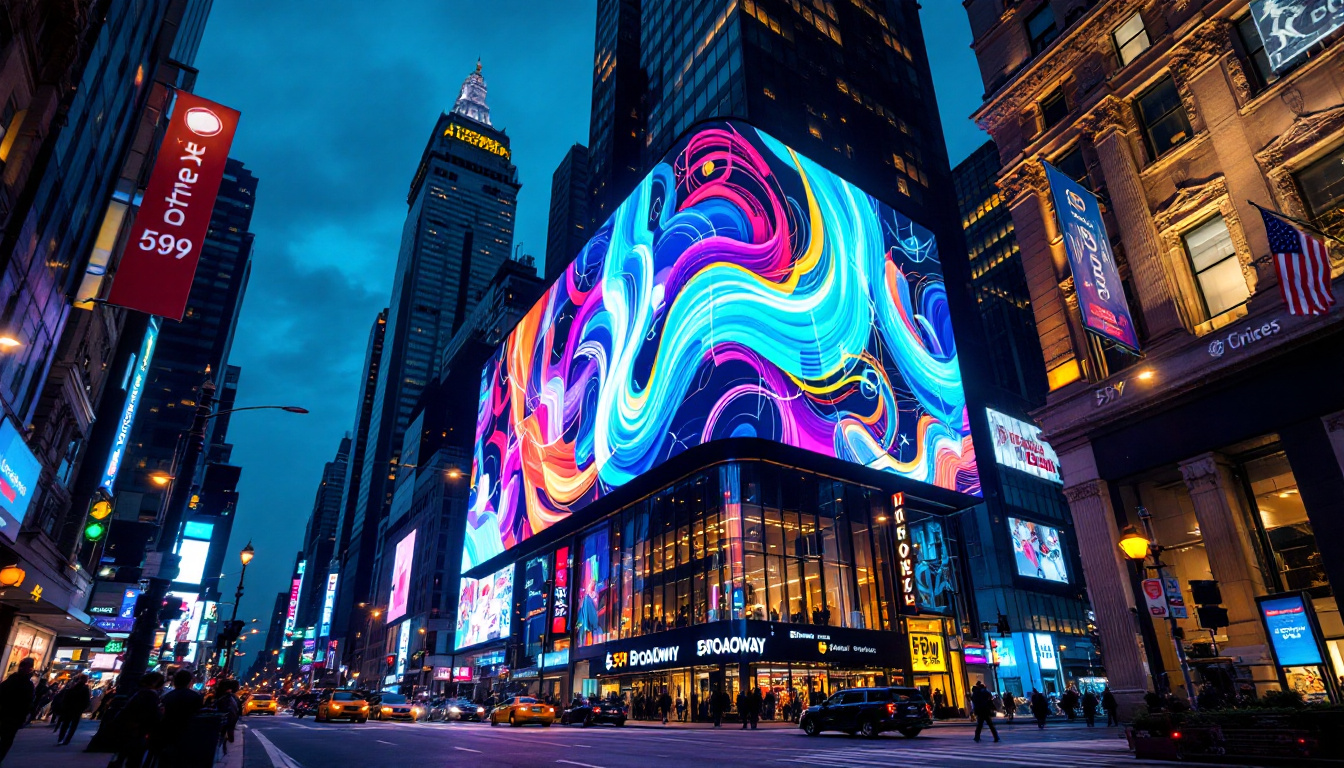
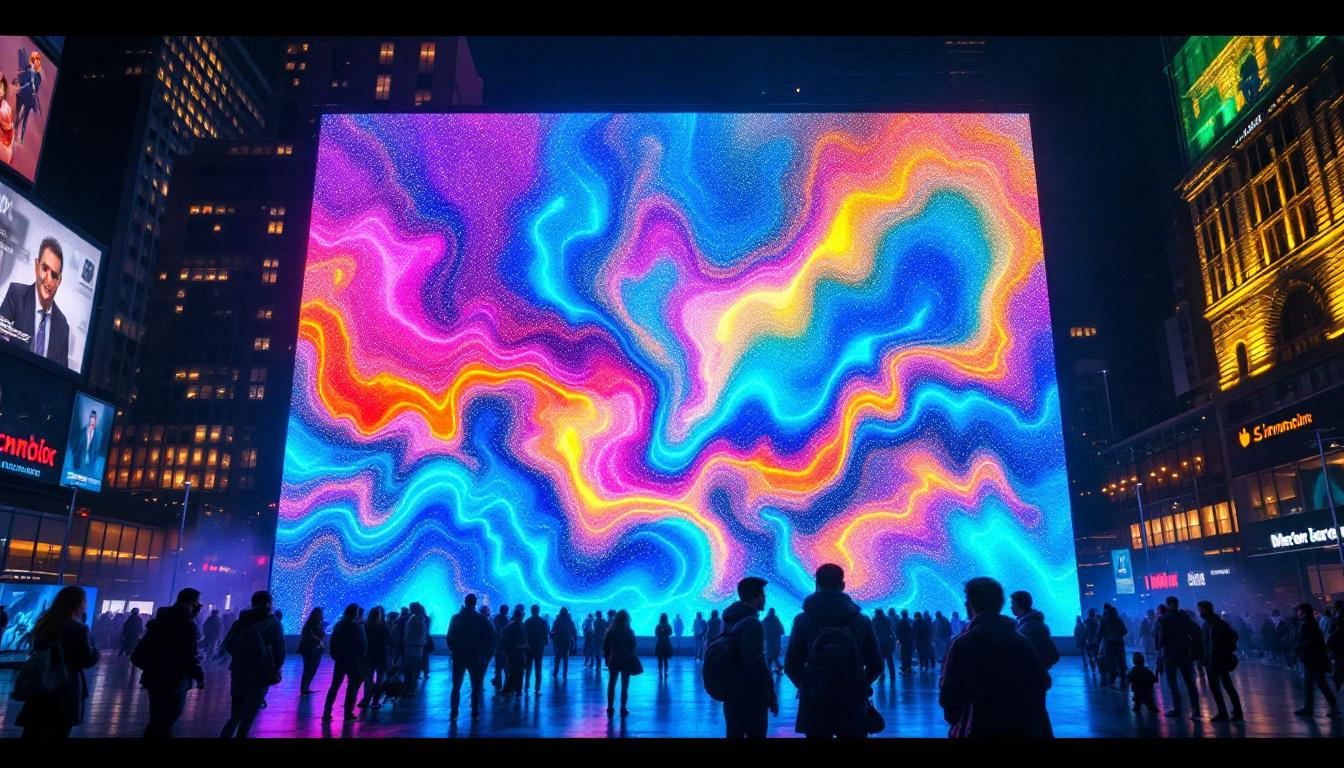
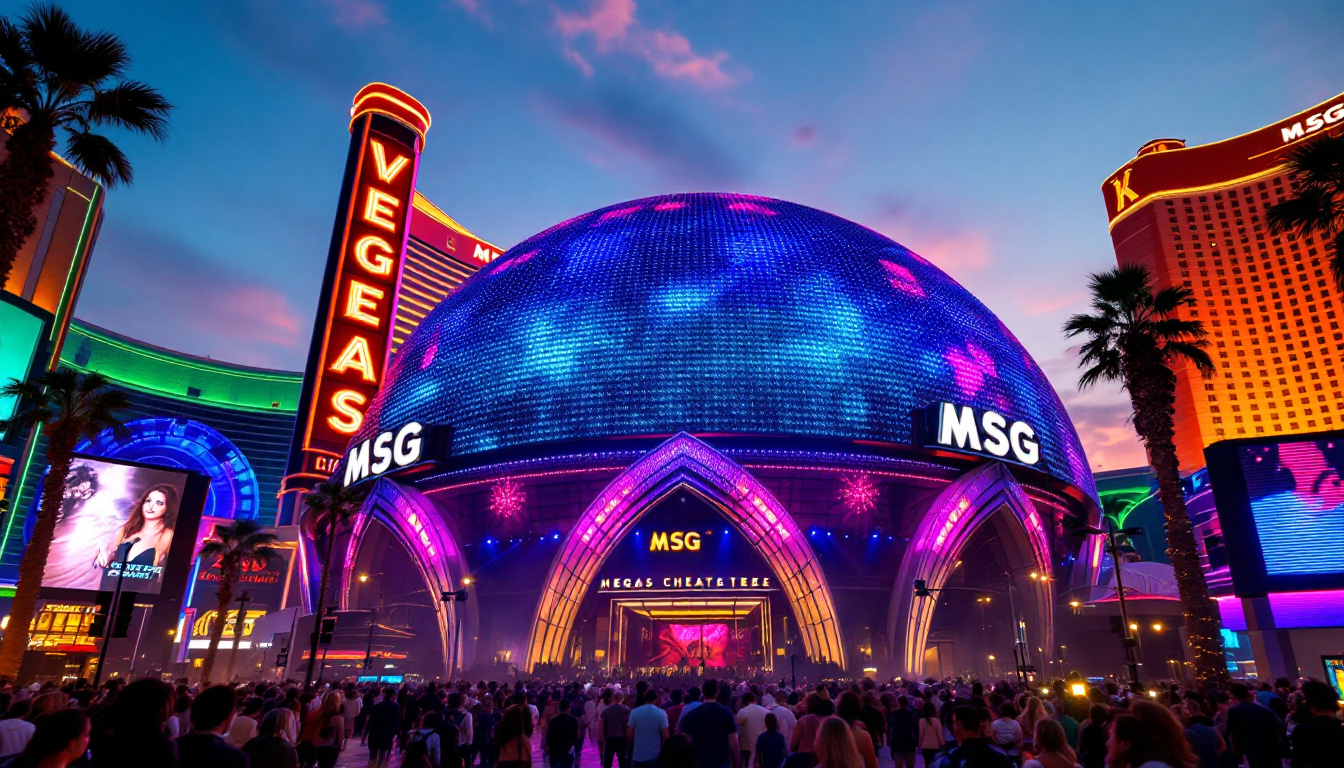
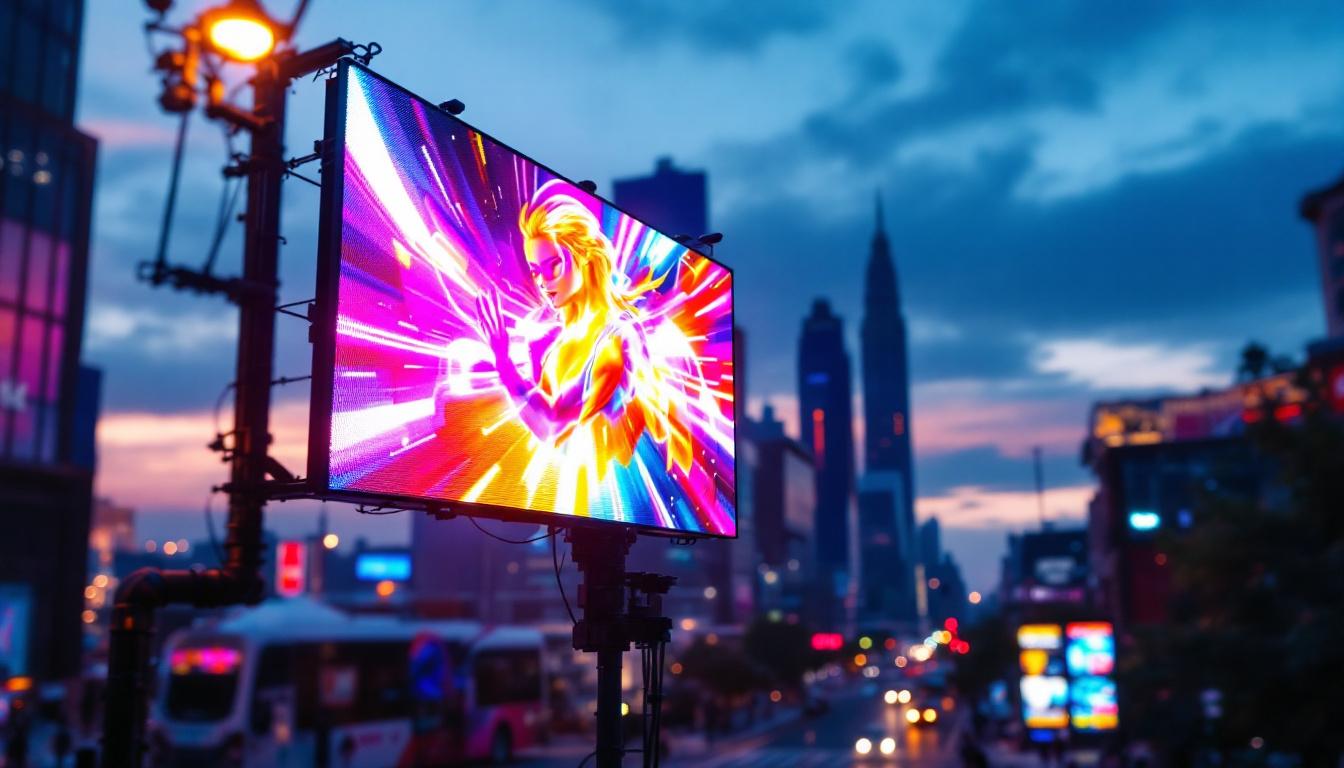
Outdoor LED displays are built to withstand harsh weather conditions, including rain, dust, and extreme temperatures. They feature higher brightness levels, often exceeding 5,000 nits, to ensure visibility even in direct sunlight. The pixel pitch is generally larger, ranging from 4mm to 20mm or more, as these displays are typically viewed from greater distances.
Common applications include digital billboards, sports stadium screens, and transportation signage. Their robust enclosures and advanced cooling systems help maintain performance and longevity in outdoor environments.
3. Transparent LED Displays
Transparent LED displays are an innovative variant that allows light to pass through the screen, making them ideal for glass walls or windows. They combine aesthetic appeal with functionality, enabling businesses to display digital content without obstructing natural light or the view behind the screen.
These displays are increasingly popular in retail storefronts, corporate lobbies, and exhibitions, offering a futuristic way to engage audiences while maintaining architectural transparency.
4. Flexible and Curved LED Displays
Flexible LED displays use bendable substrates that allow the screen to curve or wrap around surfaces. This adaptability opens up creative possibilities for designers and advertisers, enabling immersive and eye-catching installations in unconventional spaces.
Curved LED displays are often used in arenas, museums, and experiential marketing events where the goal is to captivate viewers with dynamic, enveloping visuals.
Key Components of an LED Display
Understanding the main components of an LED display helps clarify how these devices produce such stunning light images.
LED Modules
LED modules are the building blocks of the display panel. Each module contains a matrix of LEDs arranged according to the pixel pitch. These modules are assembled together to form the complete screen. High-quality modules ensure uniform brightness and color consistency across the display.
Control System
The control system manages the content displayed on the LED screen. It includes hardware and software components that process input signals, control LED drivers, and synchronize the display output. Advanced control systems support real-time content updates, remote management, and integration with other digital platforms.
Power Supply
LED displays require a stable power supply to maintain consistent brightness and color accuracy. Power units convert and regulate electrical current to ensure the LEDs operate within safe parameters, preventing flickering or damage.
Cabinet and Enclosure
The cabinet houses the LED modules and protects the internal components. For outdoor displays, the enclosure is weatherproof and designed to dissipate heat effectively. Proper ventilation and cooling mechanisms are critical to maintaining performance and extending the lifespan of the display.
Advantages of LED Displays
LED displays offer several benefits that make them a superior choice for many applications compared to traditional display technologies.
High Brightness and Visibility
One of the most significant advantages of LED displays is their exceptional brightness, which can reach up to 10,000 nits or more for outdoor models. This ensures clear visibility in various lighting conditions, including direct sunlight, making them ideal for outdoor advertising and public information systems.
Energy Efficiency
LED technology is inherently energy-efficient, consuming less power than LCD or plasma displays while producing brighter images. This efficiency translates into lower operating costs and a reduced environmental footprint, which is increasingly important for businesses aiming to meet sustainability goals.
Long Lifespan and Durability
LED displays typically have a lifespan of 50,000 to 100,000 hours, far exceeding that of other display types. Their solid-state design makes them resistant to shock and vibration, and they are less prone to burn-in or image retention issues.
Flexible Design and Scalability
LED displays can be customized in size and shape to fit specific spaces and design requirements. Their modular nature allows for easy scalability, enabling users to expand or reconfigure the display as needed without replacing the entire system.
Vivid Color and High Contrast
With precise control over individual LEDs, these displays produce vibrant colors and deep blacks, resulting in high contrast ratios. This capability enhances image quality and viewer engagement, especially for dynamic video content.
Applications of LED Displays
LED displays have revolutionized visual communication across multiple sectors. Their versatility and performance have driven widespread adoption in various fields.
Advertising and Marketing
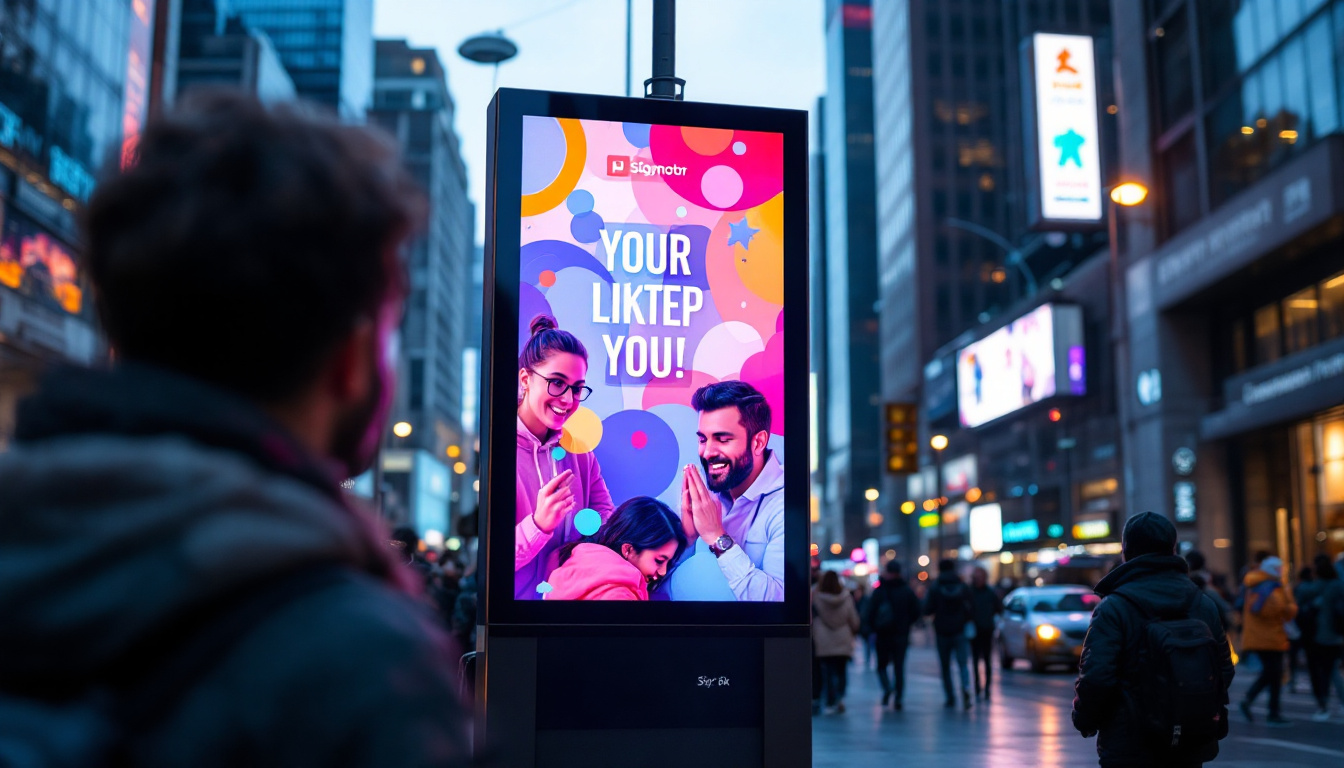
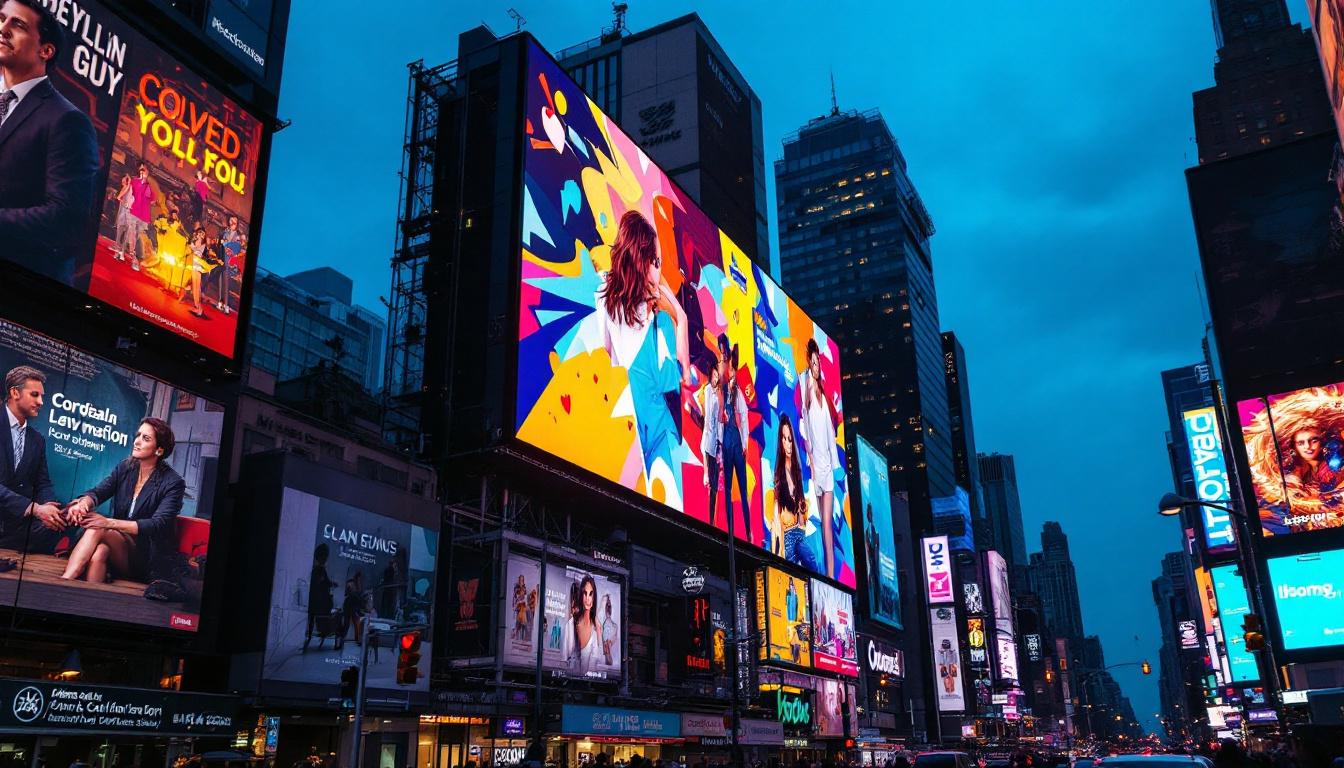
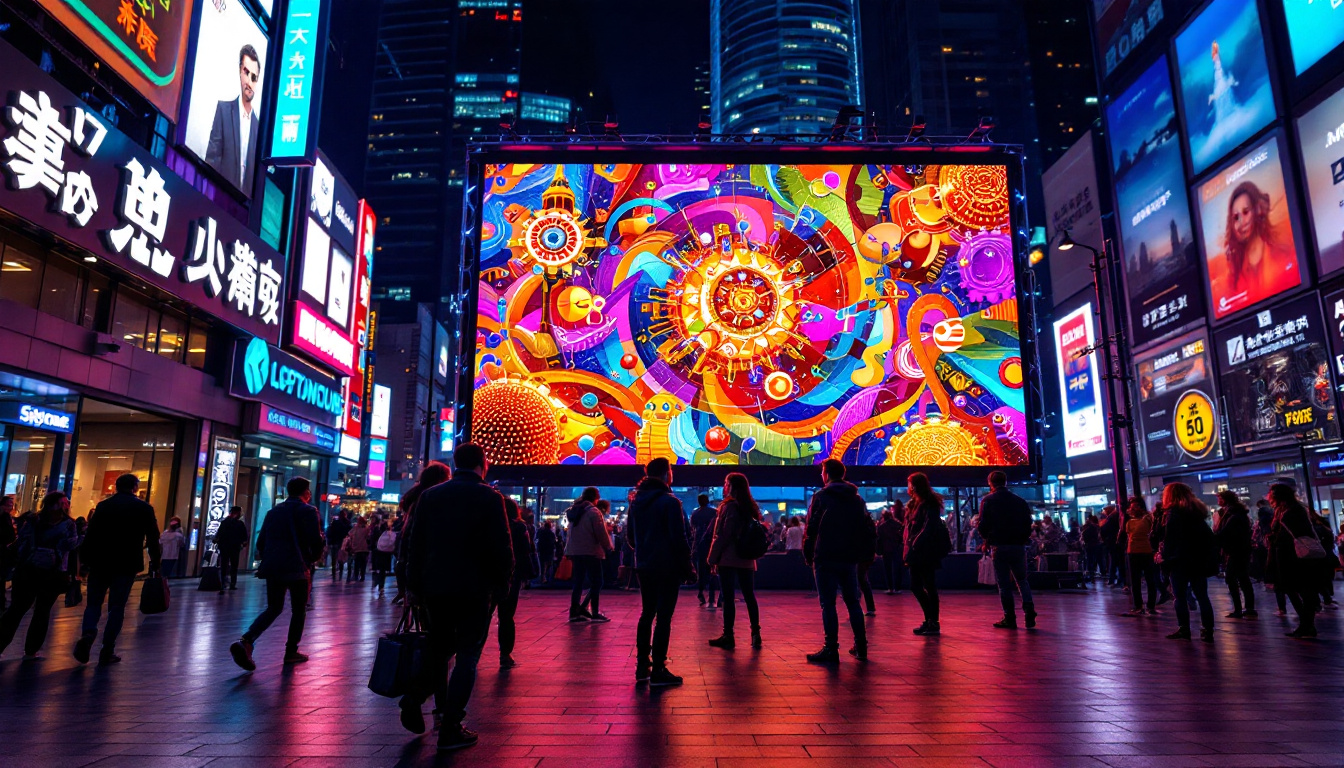
Digital billboards and signage are among the most common uses of LED displays. Their ability to show dynamic, eye-catching content makes them powerful tools for brand promotion and consumer engagement. According to recent market research, the global digital signage market is expected to grow at a compound annual growth rate (CAGR) of over 8% through 2027, driven largely by LED technology advancements.
Sports and Entertainment
Large-scale LED screens in stadiums and arenas enhance the spectator experience by displaying live action, replays, and interactive content. Concerts and events also use LED walls to create immersive visual effects that complement performances.
Transportation and Public Information
LED displays are widely used in airports, train stations, and bus terminals to provide real-time schedules, alerts, and wayfinding information. Their high visibility and reliability are critical for effective communication in these fast-paced environments.
Retail and Hospitality
Retail stores use LED displays for promotional messaging and interactive advertising to attract customers and enhance shopping experiences. Hotels and restaurants deploy LED screens for menus, event announcements, and ambiance creation.
Corporate and Education
In corporate settings, LED displays facilitate presentations, video conferencing, and digital signage in lobbies and meeting rooms. Educational institutions use them for digital notice boards, lecture halls, and interactive learning environments.
Future Trends in LED Display Technology
The LED display industry continues to evolve rapidly, driven by innovations that improve performance, reduce costs, and expand creative possibilities.
MicroLED and MiniLED Technologies
MicroLED and MiniLED are emerging technologies that use smaller LED chips to achieve higher resolution and better brightness control. MicroLED displays, in particular, promise to combine the best features of OLED and traditional LED displays, offering superior contrast, color accuracy, and energy efficiency without the burn-in issues associated with OLED.
Higher Refresh Rates and HDR Support
Advancements in refresh rates and High Dynamic Range (HDR) support are enhancing the visual quality of LED displays, especially for video content and gaming applications. Higher refresh rates reduce motion blur, while HDR provides richer colors and greater contrast.
Integration with IoT and AI
Smart LED displays integrated with Internet of Things (IoT) devices and artificial intelligence (AI) enable personalized content delivery, predictive maintenance, and interactive user experiences. This integration is transforming digital signage into intelligent communication platforms.
Eco-Friendly Materials and Manufacturing
As environmental concerns grow, manufacturers are adopting sustainable materials and production methods for LED displays. This includes using recyclable components, reducing hazardous substances, and improving energy efficiency throughout the product lifecycle.
Conclusion
LED displays have reshaped the landscape of digital visual communication, offering unparalleled brightness, versatility, and durability. By understanding how LED light images are created and the different types of LED displays available, businesses and consumers can make informed decisions when selecting display solutions.
With ongoing advancements in LED technology, including MicroLED, higher refresh rates, and AI integration, the future of LED displays promises even more dynamic, efficient, and immersive viewing experiences. Whether for advertising, entertainment, public information, or corporate use, LED displays continue to illuminate the way forward in digital innovation.
Discover LumenMatrix LED Display Solutions
Ready to elevate your visual communication with cutting-edge LED technology? LumenMatrix is at the forefront of innovation, offering an extensive range of LED display solutions that bring your brand to life. From Indoor and Outdoor LED Wall Displays to specialized options like Vehicle, Sports, and Floor LED Displays, our products are designed to captivate and engage your audience. Experience the future of digital signage with our Custom, All-in-One, and Transparent LED Displays. Check out LumenMatrix LED Display Solutions today and transform your space into a dynamic visual experience.