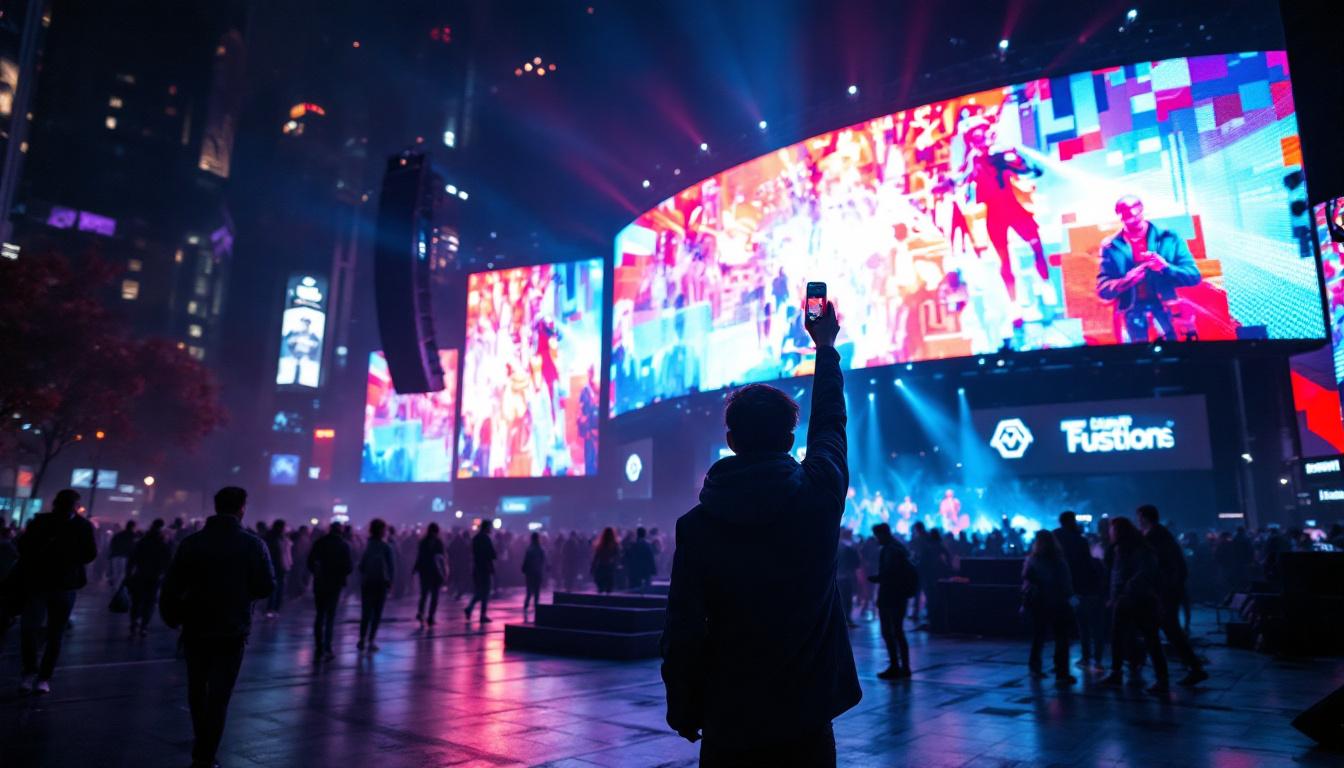
In the world of modern digital technology, LED displays have become ubiquitous, transforming the way information is presented and consumed. From massive outdoor billboards to the screens on smartphones and televisions, Light Emitting Diode (LED) technology is at the heart of vibrant, energy-efficient displays. This article delves into the fundamentals of LED displays, exploring how they work, their various types, applications, and the future trends shaping this dynamic industry.
Understanding LED Technology: The Basics
At its core, an LED (Light Emitting Diode) is a semiconductor device that emits light when an electric current passes through it. Unlike traditional incandescent bulbs, LEDs produce light through electroluminescence, a process where electrons recombine with electron holes within the device, releasing energy in the form of photons. This mechanism allows LEDs to be highly efficient, durable, and capable of producing intense, focused light. The lifespan of an LED can exceed 25,000 hours, far surpassing that of incandescent bulbs, which typically last around 1,000 hours. This longevity not only reduces the frequency of replacements but also contributes to lower waste and energy consumption over time.
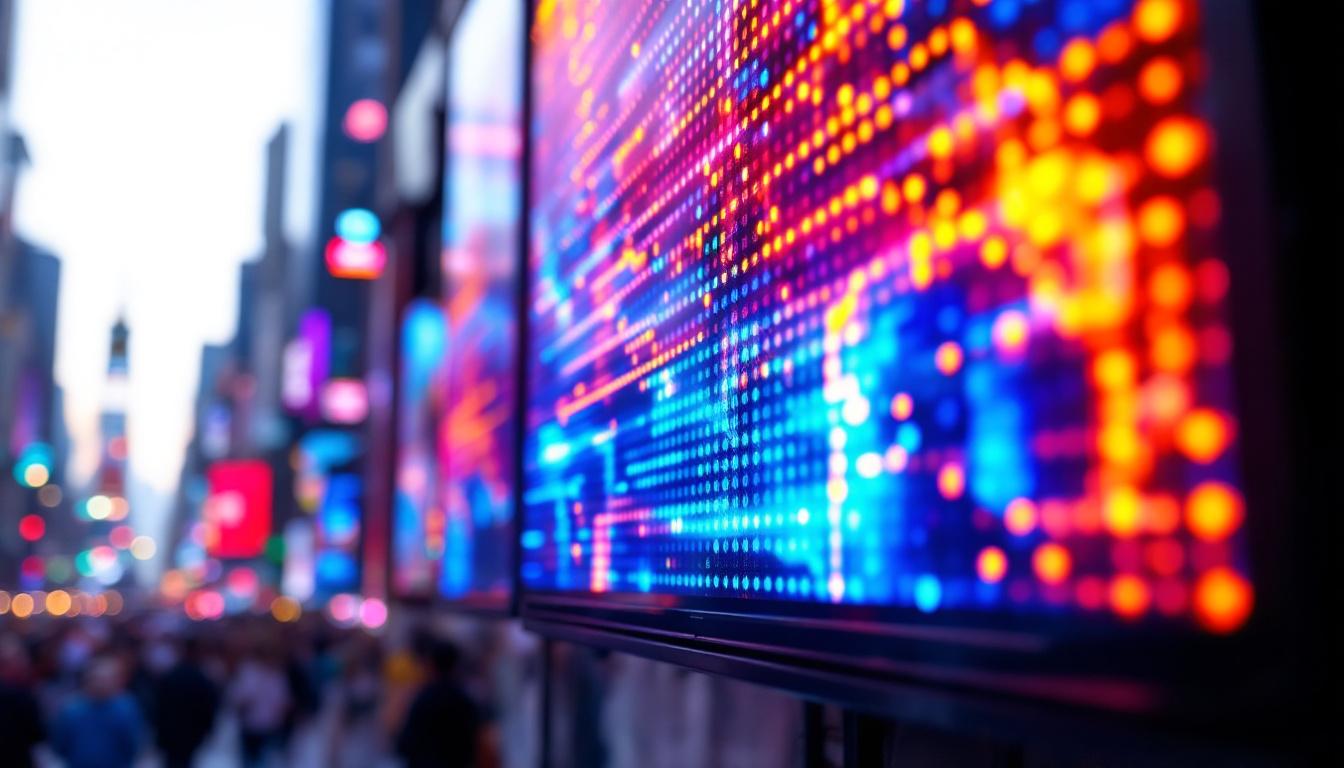
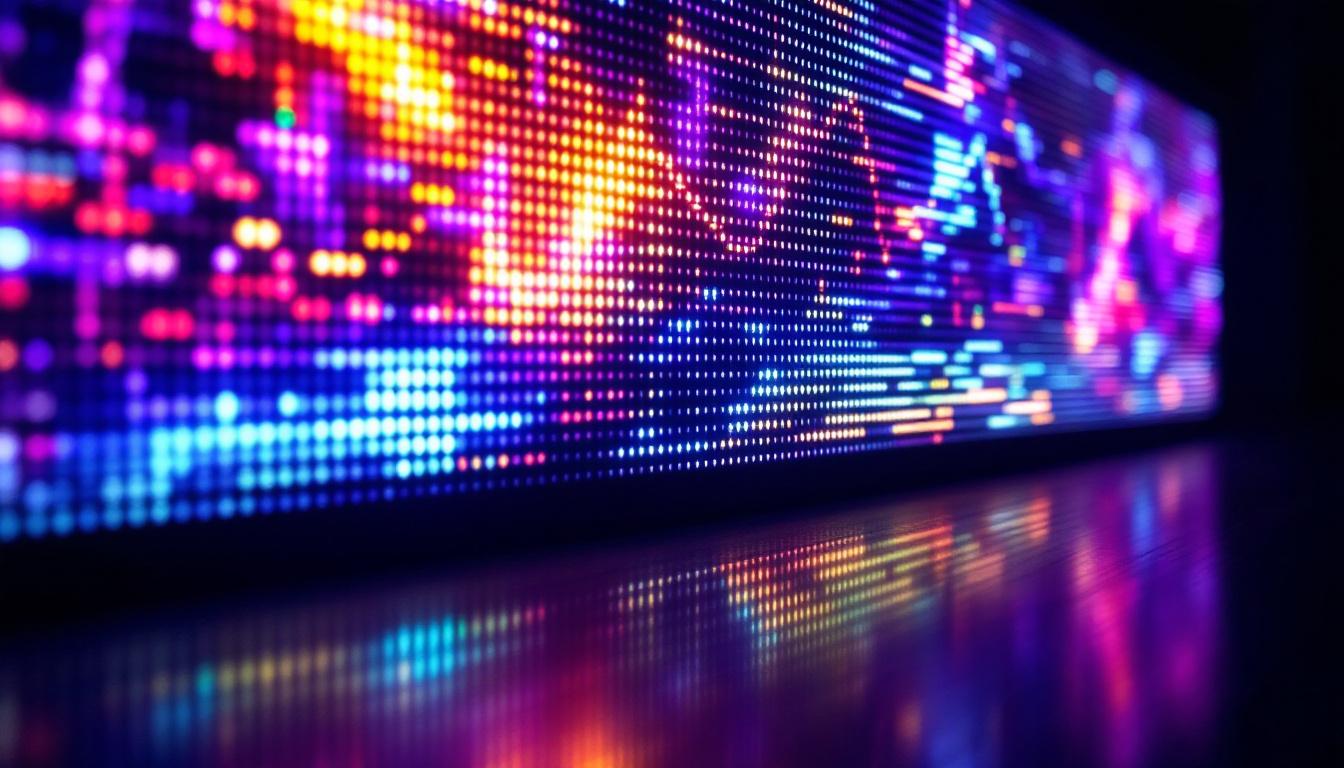
LED displays consist of numerous tiny LEDs arranged in a matrix to form pixels. Each pixel can emit light of different colors by combining red, green, and blue LEDs, allowing for a full spectrum of colors and high-resolution images. The brightness, contrast, and color accuracy of LED displays have made them a preferred choice for both indoor and outdoor applications. Additionally, advancements in technology have led to the development of organic LEDs (OLEDs) and quantum dot LEDs (QLEDs), which further enhance color vibrancy and energy efficiency, pushing the boundaries of what is possible in display technology.
How Do LED Displays Work?
LED displays operate by controlling the intensity of individual LEDs to create images or videos. Each pixel in the display is composed of three sub-pixels (red, green, and blue), which can be varied in brightness to produce millions of colors. The display controller sends signals to the LEDs, adjusting their brightness rapidly to form the desired image. This rapid modulation allows for smooth transitions and dynamic content, making LED displays particularly effective for video presentations and digital signage.
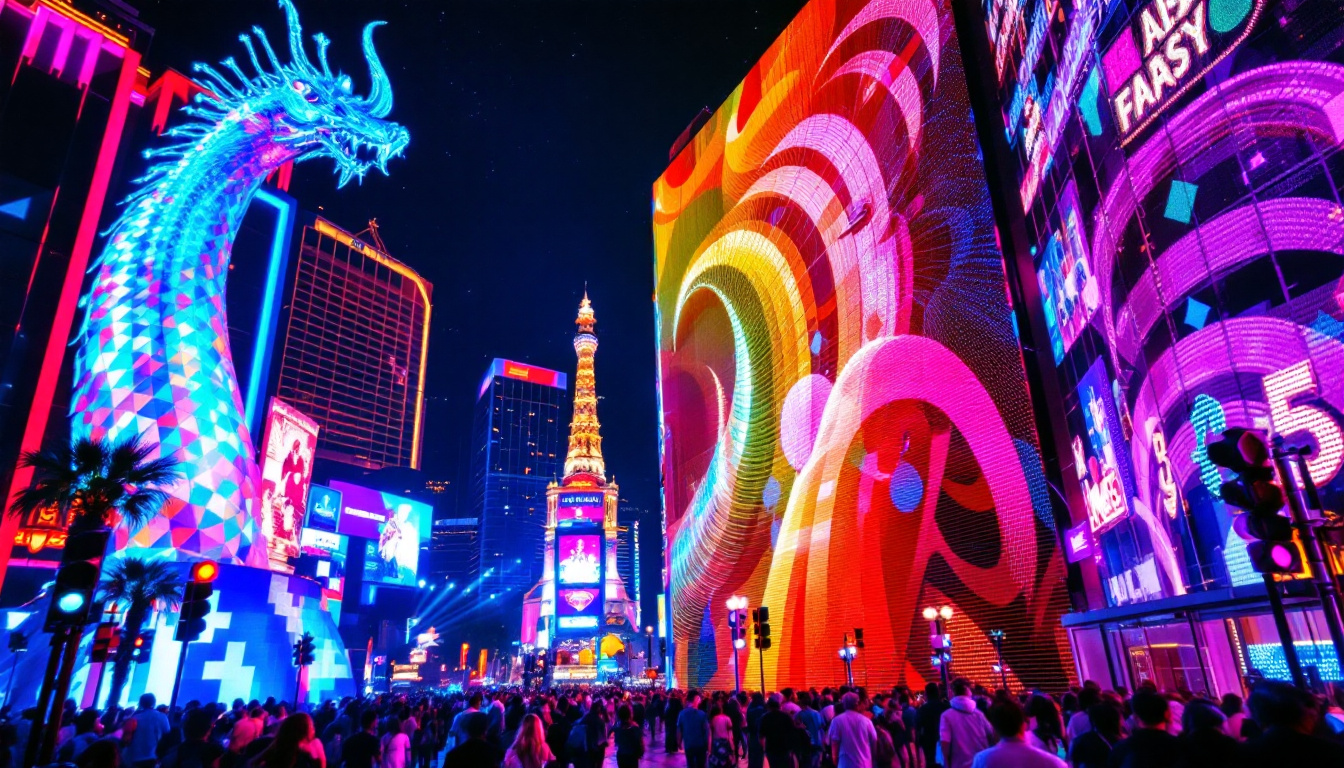
One of the key advantages of LED displays is their ability to emit light directly, unlike LCD screens that require backlighting. This direct emission results in higher contrast ratios and better visibility in bright environments, making LED displays ideal for outdoor use. Furthermore, the modular nature of LED technology allows for versatile applications, from large-scale billboards to intricate architectural lighting designs. As cities increasingly embrace smart technology, LED displays are becoming integral to urban landscapes, providing real-time information and enhancing the aesthetic appeal of public spaces.
Types of LED Displays
LED displays come in various forms, each tailored to specific applications and environments. Understanding these types helps in selecting the right display for a particular use case.
1. Indoor LED Displays
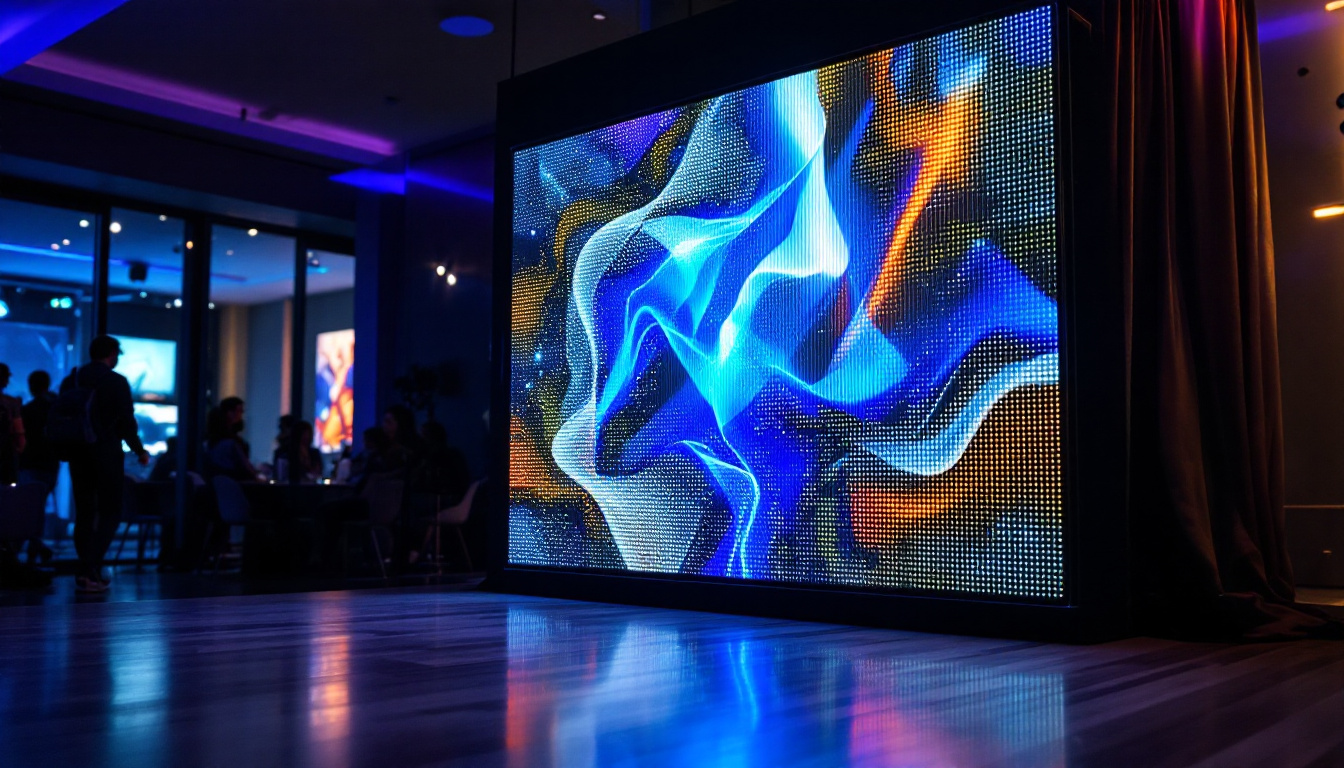
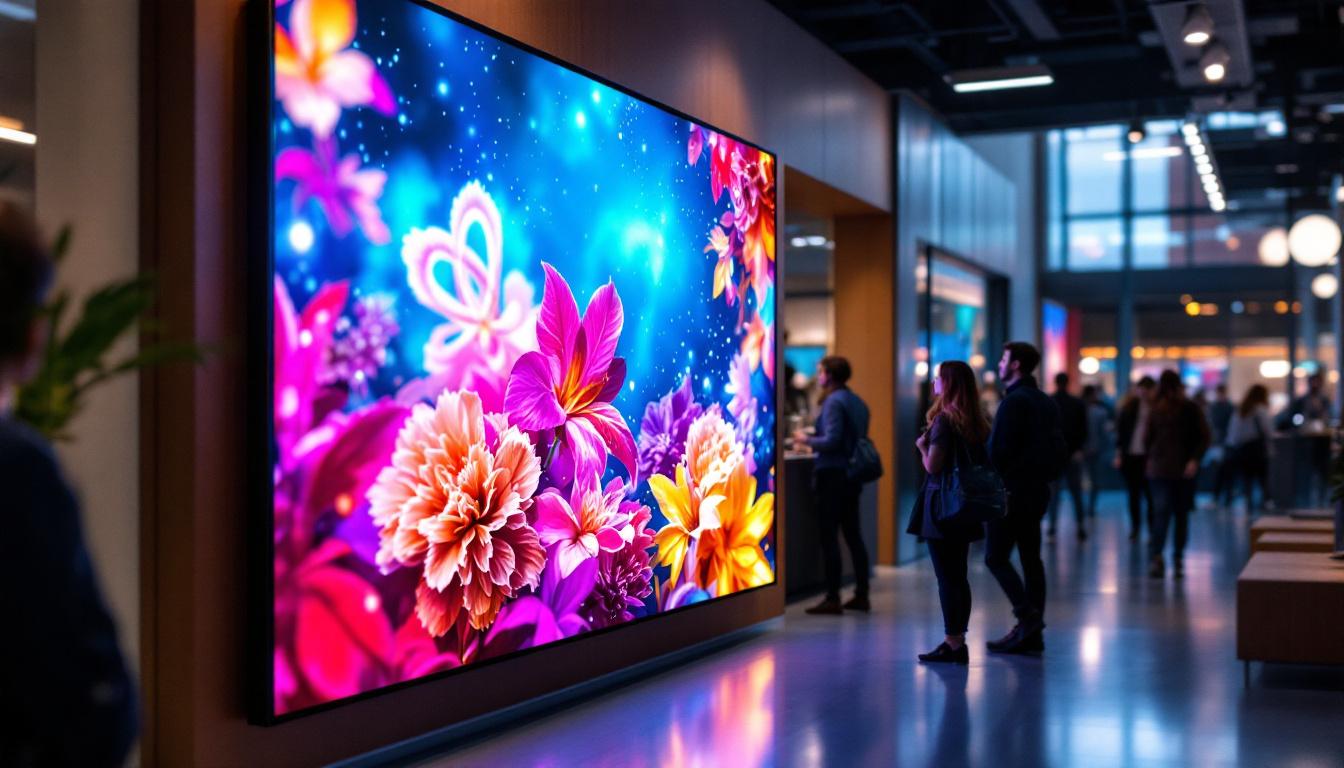
Indoor LED displays are designed for environments with controlled lighting, such as conference rooms, retail stores, and concert halls. These displays typically have a smaller pixel pitch—the distance between individual LEDs—allowing for higher resolution and sharper images at close viewing distances.
For example, a pixel pitch of 1.2 mm to 2.5 mm is common in indoor LED displays, enabling crisp visuals that are easy on the eyes. Their brightness levels are usually lower than outdoor displays, as excessive brightness indoors can cause discomfort.
2. Outdoor LED Displays
Outdoor LED displays are built to withstand harsh environmental conditions, including sunlight, rain, and temperature fluctuations. They feature higher brightness levels, often exceeding 5,000 nits, to ensure visibility even under direct sunlight.
The pixel pitch for outdoor displays is generally larger, ranging from 4 mm to 20 mm, as viewers tend to be farther away. These displays are commonly used for advertising billboards, sports stadium screens, and public information boards.
3. Transparent LED Displays
Transparent LED displays are an innovative type that allows light to pass through the screen, making them ideal for storefronts and architectural applications. They combine visibility with digital content, enabling businesses to showcase dynamic advertisements without obstructing natural light or visibility.
This technology uses a mesh-like structure of LEDs embedded in glass or acrylic panels, maintaining transparency while delivering vibrant visuals.
4. Flexible and Curved LED Displays
Advancements in LED technology have led to the development of flexible and curved LED displays. These displays can bend or curve around surfaces, opening new possibilities for creative installations in retail, entertainment, and public spaces.
Flexible LED panels are lightweight and thin, making them easy to install on irregular surfaces. This versatility enhances the visual experience and allows for immersive environments.
Applications of LED Displays
LED displays have revolutionized numerous industries by providing dynamic, high-impact visual communication solutions. Their versatility and performance make them suitable for a wide range of applications.
Advertising and Marketing
One of the most prominent uses of LED displays is in advertising. Digital billboards powered by LED technology offer advertisers the ability to change content instantly, display animations, and target audiences with high brightness and visibility. According to industry reports, digital out-of-home advertising, including LED billboards, is expected to grow by over 10% annually, reflecting its effectiveness and popularity.
Sports and Entertainment Venues
Sports arenas and concert venues utilize large LED screens to enhance the spectator experience. These displays provide live video feeds, replays, scores, and interactive content, ensuring that every seat has a great view. The durability and brightness of outdoor LED displays make them ideal for stadium environments.
Retail and Hospitality
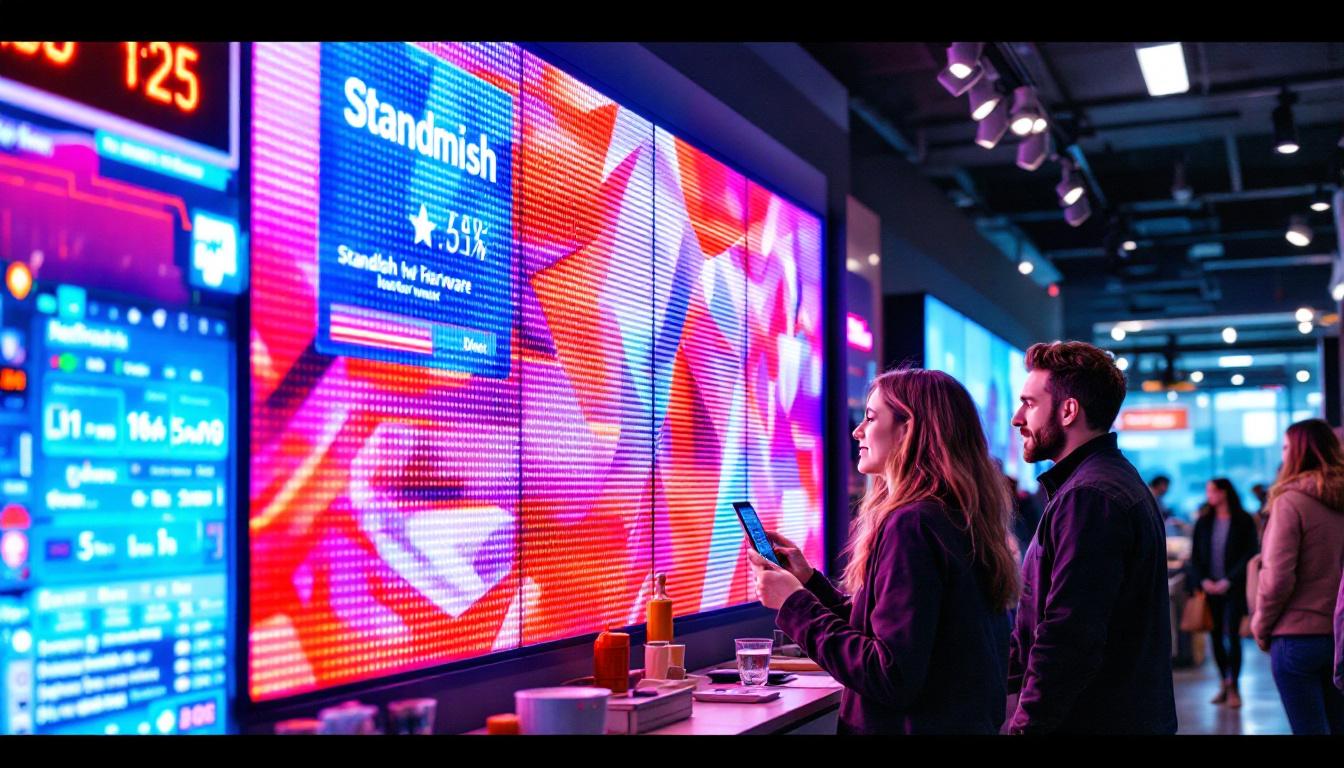
Retail stores and hotels use LED displays to attract customers and provide information. From dynamic window displays to digital signage within stores, LED technology enables engaging content that can be updated in real-time. This adaptability helps businesses stay relevant and responsive to customer needs.
Transportation and Public Information
LED displays are widely used in airports, train stations, and bus terminals for real-time information dissemination. Their clarity and brightness ensure that travelers can easily access schedules, alerts, and directions, improving overall efficiency and safety.
Corporate and Educational Settings
In corporate environments, LED displays serve as tools for presentations, video conferencing, and digital communication. Educational institutions also benefit from LED technology by integrating interactive displays into classrooms and auditoriums, enhancing learning experiences.
Advantages of LED Displays Over Other Technologies
LED displays offer several advantages compared to traditional display technologies such as LCD and plasma screens. These benefits have contributed to their widespread adoption across various sectors.
Energy Efficiency
LEDs consume significantly less power than incandescent or fluorescent lighting. This energy efficiency translates into lower operating costs and reduced environmental impact. For example, an LED display can use up to 75% less energy than a comparable LCD display, making it a sustainable choice for large-scale installations.
Brightness and Visibility
Because LEDs emit light directly, they achieve higher brightness levels and better visibility in bright or outdoor conditions. This characteristic is crucial for applications like outdoor advertising and public information displays.
Longevity and Durability
LEDs have a long operational life, often exceeding 50,000 hours. They are also resistant to shock and vibration, making them suitable for rugged environments. This durability reduces maintenance costs and downtime.
Color Accuracy and Contrast
LED displays provide superior color reproduction and contrast ratios compared to many other display types. The ability to control individual LEDs allows for precise color tuning and deeper blacks, enhancing image quality.
Design Flexibility
The small size and modular nature of LEDs enable the creation of displays in various shapes and sizes, including curved and flexible forms. This flexibility supports innovative design solutions and immersive visual experiences.
Challenges and Considerations in LED Display Deployment
While LED displays offer numerous benefits, there are challenges and factors to consider when implementing them.
Initial Cost
The upfront investment for high-quality LED displays can be substantial, especially for large or high-resolution installations. However, the long-term savings in energy and maintenance often justify the initial expense.
Pixel Pitch and Viewing Distance
Selecting the appropriate pixel pitch is critical to ensure image clarity at the intended viewing distance. A pixel pitch that is too large for close viewing results in a pixelated image, while a pitch that is too small for distant viewing increases costs unnecessarily.
Environmental Factors
Outdoor LED displays must be designed to withstand weather conditions such as rain, dust, and temperature extremes. Proper sealing, ventilation, and protective coatings are essential to maintain performance and longevity.
Content Management
Effective use of LED displays requires robust content management systems (CMS) that allow for easy updating, scheduling, and customization of displayed content. Investing in user-friendly CMS software enhances the value of LED installations.
The Future of LED Displays
LED display technology continues to evolve rapidly, driven by advancements in materials, manufacturing, and digital integration.
Mini-LED and Micro-LED Innovations
Emerging technologies such as Mini-LED and Micro-LED offer even higher resolution, improved brightness, and better energy efficiency. Micro-LEDs, in particular, promise to combine the advantages of OLED and traditional LEDs without the drawbacks, potentially revolutionizing display quality in consumer electronics.
Integration with IoT and Smart Technologies
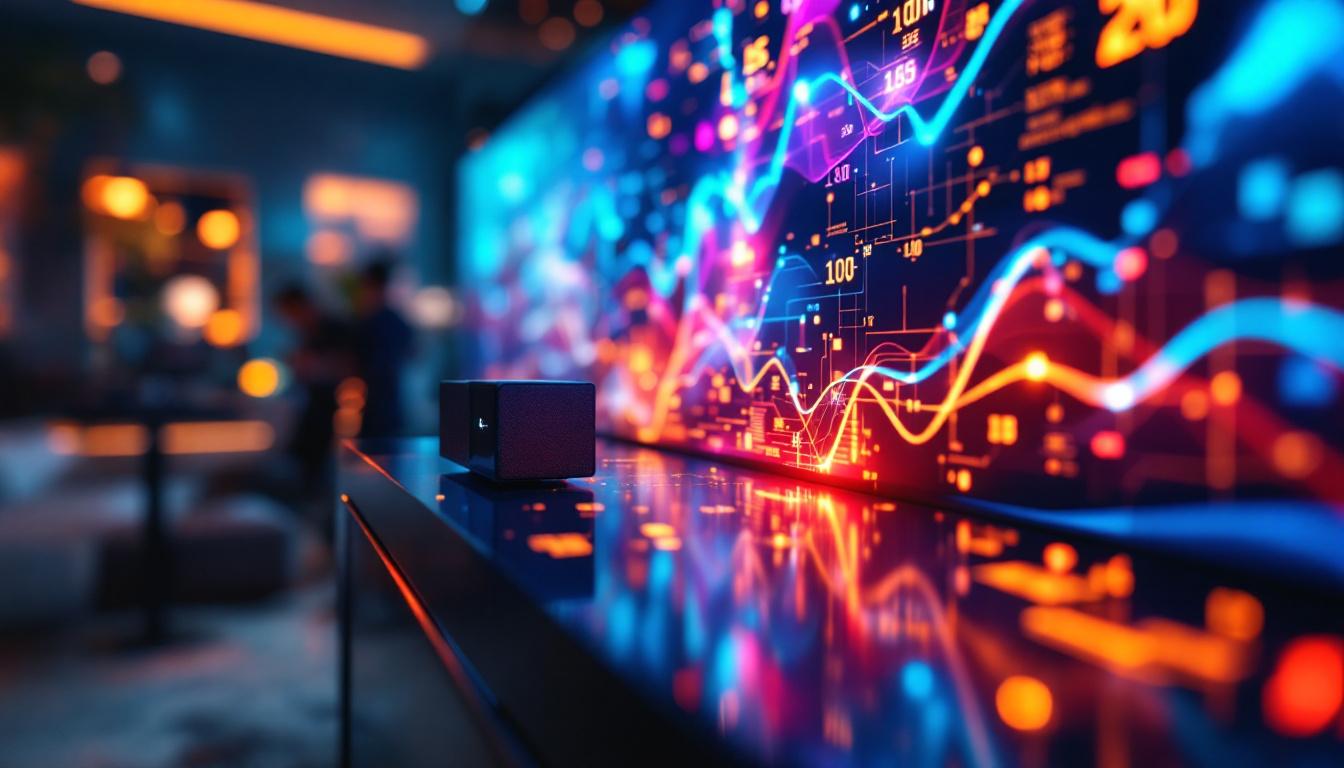
LED displays are increasingly integrated with the Internet of Things (IoT), enabling real-time data display, interactive experiences, and adaptive content based on environmental sensors or user behavior. This connectivity enhances the functionality and relevance of LED installations.
Sustainability and Eco-Friendly Materials
Manufacturers are focusing on reducing the environmental impact of LED displays by using recyclable materials, improving energy efficiency, and developing sustainable production processes. These efforts align with global trends toward greener technology solutions.
Conclusion
LED displays have transformed visual communication across industries, offering vibrant, energy-efficient, and versatile solutions for a wide array of applications. Understanding the technology behind LEDs, the types of displays available, and their advantages helps businesses and organizations make informed decisions when deploying digital signage and visual media.
As LED technology advances, the future holds exciting possibilities for even more immersive, interactive, and sustainable display solutions. Whether for advertising, entertainment, information, or corporate use, LED displays continue to illuminate the path forward in digital visualization.
Illuminate Your Space with LumenMatrix
Ready to elevate your visual communication with vibrant, energy-efficient LED displays? LumenMatrix is at the forefront of LED display innovation, offering a wide range of solutions tailored to your needs. From captivating Indoor and Outdoor LED Wall Displays to dynamic Vehicle and Sports LED Displays, our technology is designed to make your brand shine. Discover the possibilities with our LED Poster, Floor, Custom, All-in-One, and Transparent Displays. Experience the future of digital signage with LumenMatrix and create unforgettable visual experiences. Check out LumenMatrix LED Display Solutions and transform your message into a visual masterpiece today.