When working with measurements, especially in fields like construction, design, or technology, converting between metric and imperial units is a common necessity. One such conversion that often arises is from meters to feet. This article focuses on the specific conversion of 2.6 meters to feet and uses this example to explore the broader context of LED displays—how their sizes are measured, why understanding these conversions matters, and how it impacts practical applications.
Understanding the Conversion: 2.6 Meters to Feet
Before diving into LED displays, it’s essential to grasp the conversion between meters and feet. The metric system, used globally except in a few countries like the United States, measures length in meters, centimeters, and millimeters. The imperial system, more common in the US, uses feet and inches. This difference in measurement systems can sometimes lead to confusion, particularly in fields where precision is crucial, such as construction, engineering, and design.
The Basic Conversion Factor
One meter equals approximately 3.28084 feet. This conversion factor is precise and widely accepted in scientific and engineering contexts. To convert meters to feet, multiply the number of meters by 3.28084.
Applying this to 2.6 meters:
2.6 meters × 3.28084 = 8.53018 feet
So, 2.6 meters is roughly 8.53 feet. For practical purposes, this is often rounded to 8.5 feet. Understanding this conversion is not just an academic exercise; it has real-world implications in various industries, from manufacturing to sports, where accurate dimensions can affect performance and safety.
Why This Conversion Matters in LED Displays
LED displays are often specified in metric units, especially when manufactured or designed internationally. However, many end-users, particularly in the US and other imperial-using countries, think in feet and inches. Understanding the conversion helps in visualizing the actual size of an LED screen, planning installation spaces, and ensuring compatibility with existing infrastructure.
For example, an LED display advertised as 2.6 meters wide might be easier to conceptualize as approximately 8.5 feet wide, especially for architects, event planners, or retail managers accustomed to imperial measurements. This conversion also plays a critical role in ensuring that the display fits within the designated space, whether it’s a storefront, a conference room, or a large outdoor venue. Miscalculations can lead to costly adjustments or even project delays, underscoring the importance of accurate conversions in planning and execution.
Moreover, as technology continues to advance, the demand for larger and more dynamic LED displays is growing. Understanding the size in both metric and imperial units allows for better communication among international teams, ensuring that everyone is on the same page regarding specifications and expectations. This is particularly vital in collaborative projects that span multiple countries, where design standards and measurement systems may differ significantly.
LED Display Sizes: What Does 2.6 Meters Mean in Context?
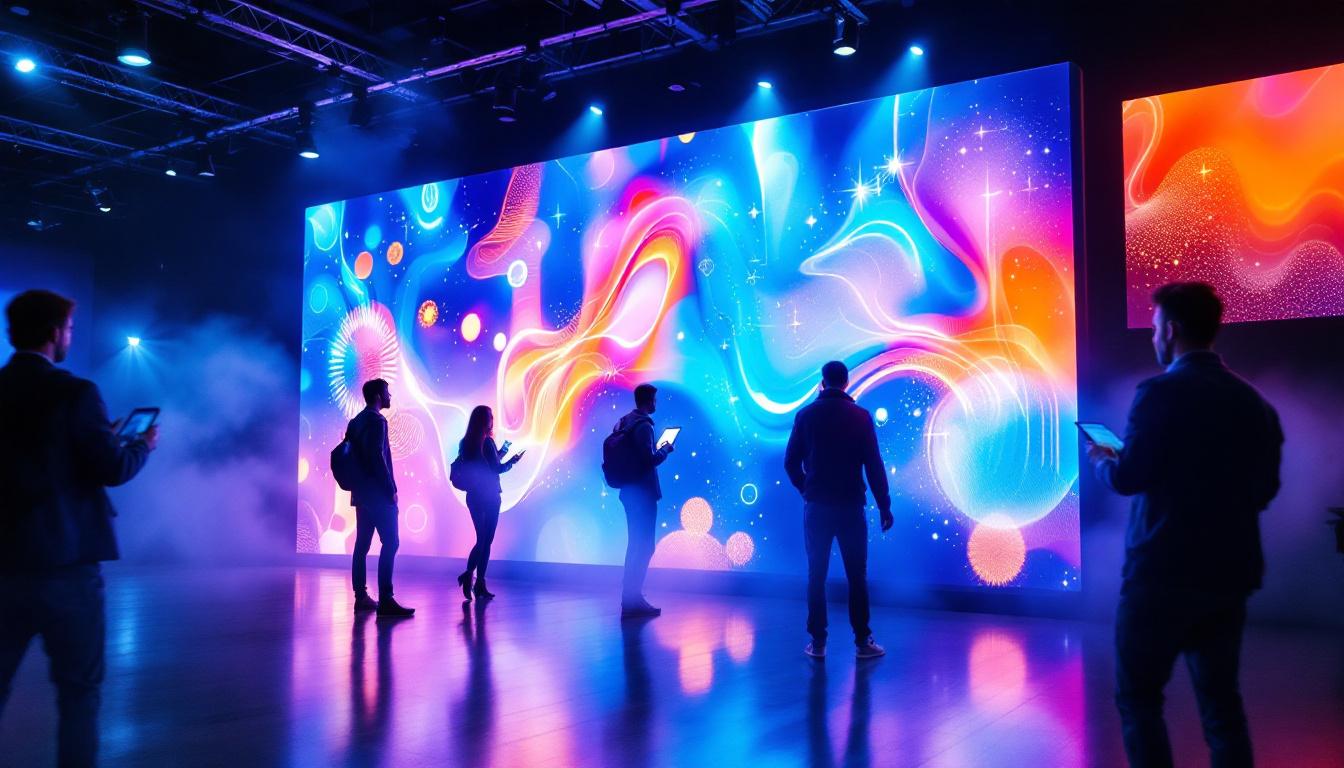
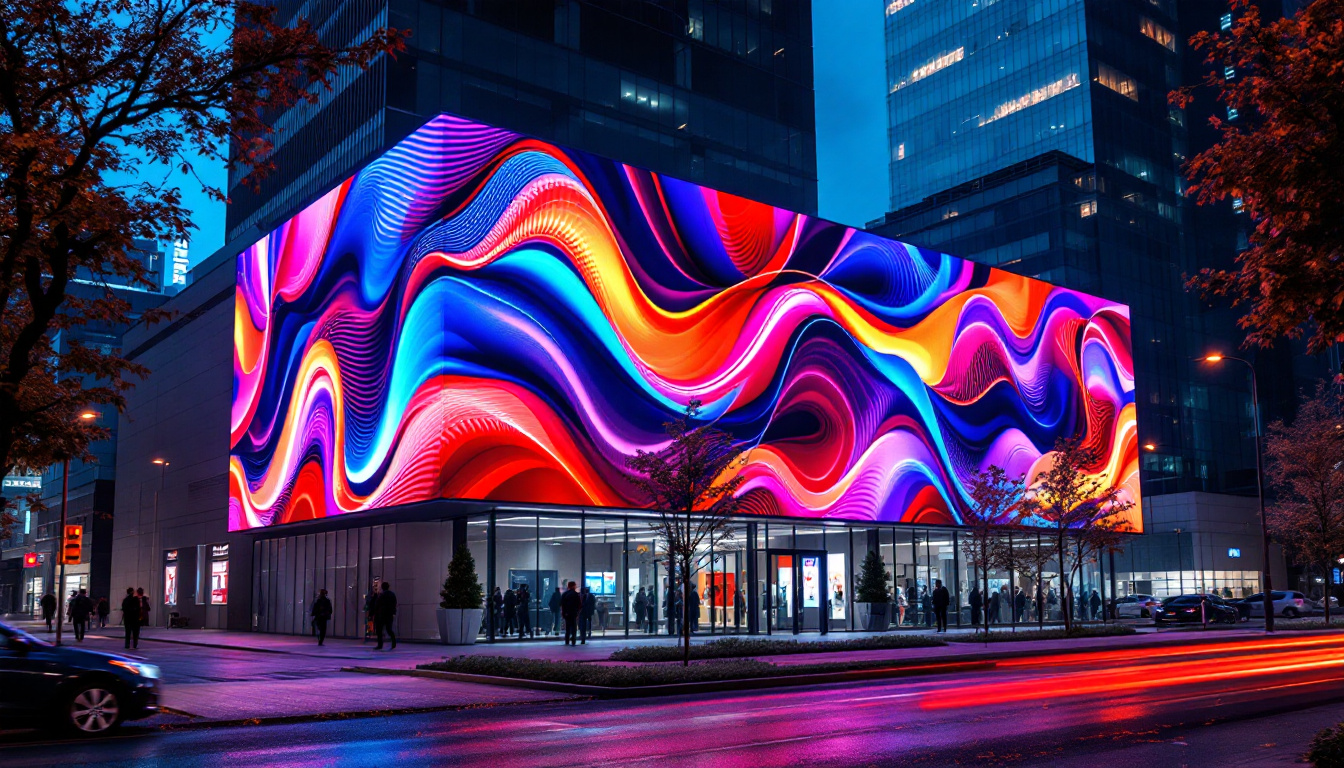
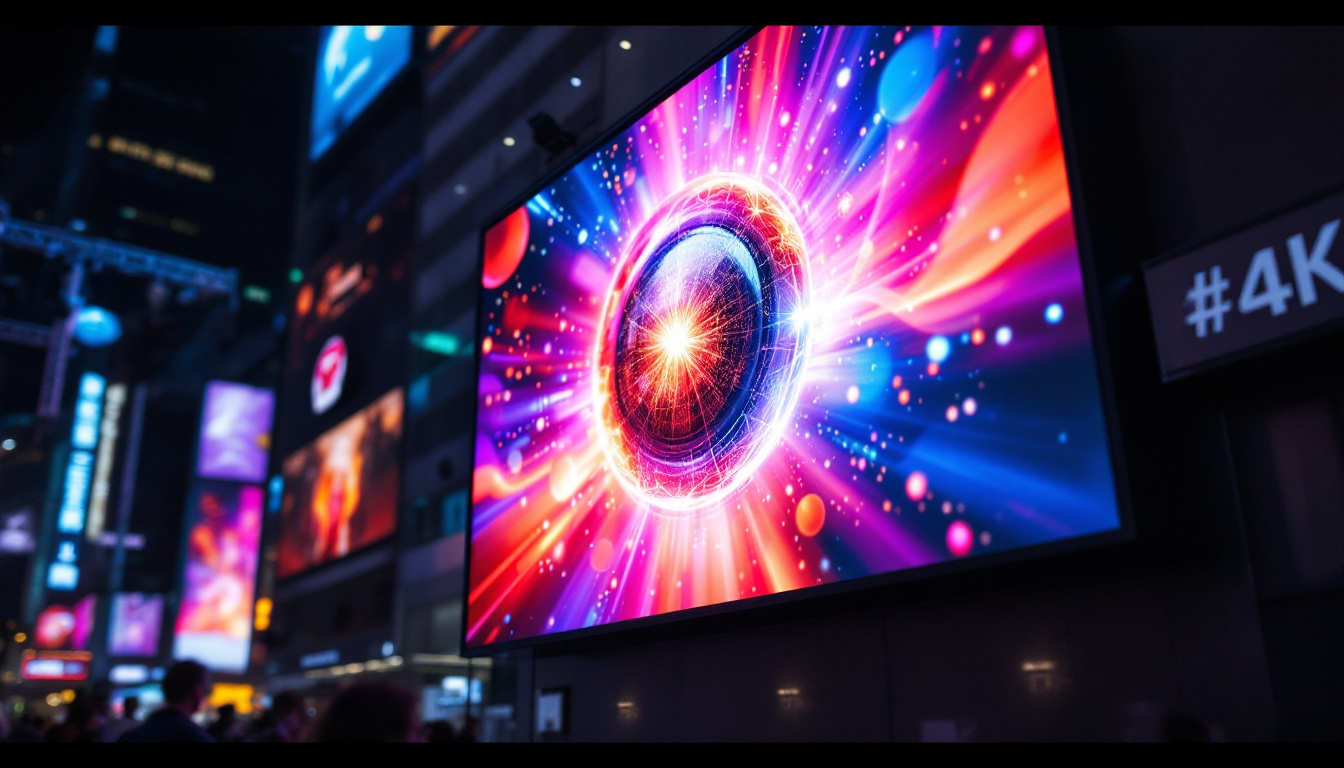
LED displays come in a variety of sizes, from small digital signage to massive outdoor billboards. A width of 2.6 meters (about 8.5 feet) places the display in a medium range, suitable for many commercial and public applications. This size is particularly advantageous as it offers a significant visual impact without overwhelming the surrounding environment, making it an ideal choice for both urban and suburban settings.
Typical Uses for a 2.6 Meter Wide LED Display
Displays around this size are often used in:
- Retail environments: To showcase promotions or advertisements in storefront windows or inside malls. These displays can attract foot traffic and engage customers with dynamic content that changes throughout the day.
- Corporate settings: For presentations, digital notice boards, or branding in lobbies and conference rooms. The ability to display high-resolution graphics and videos makes them perfect for conveying important messages or company values.
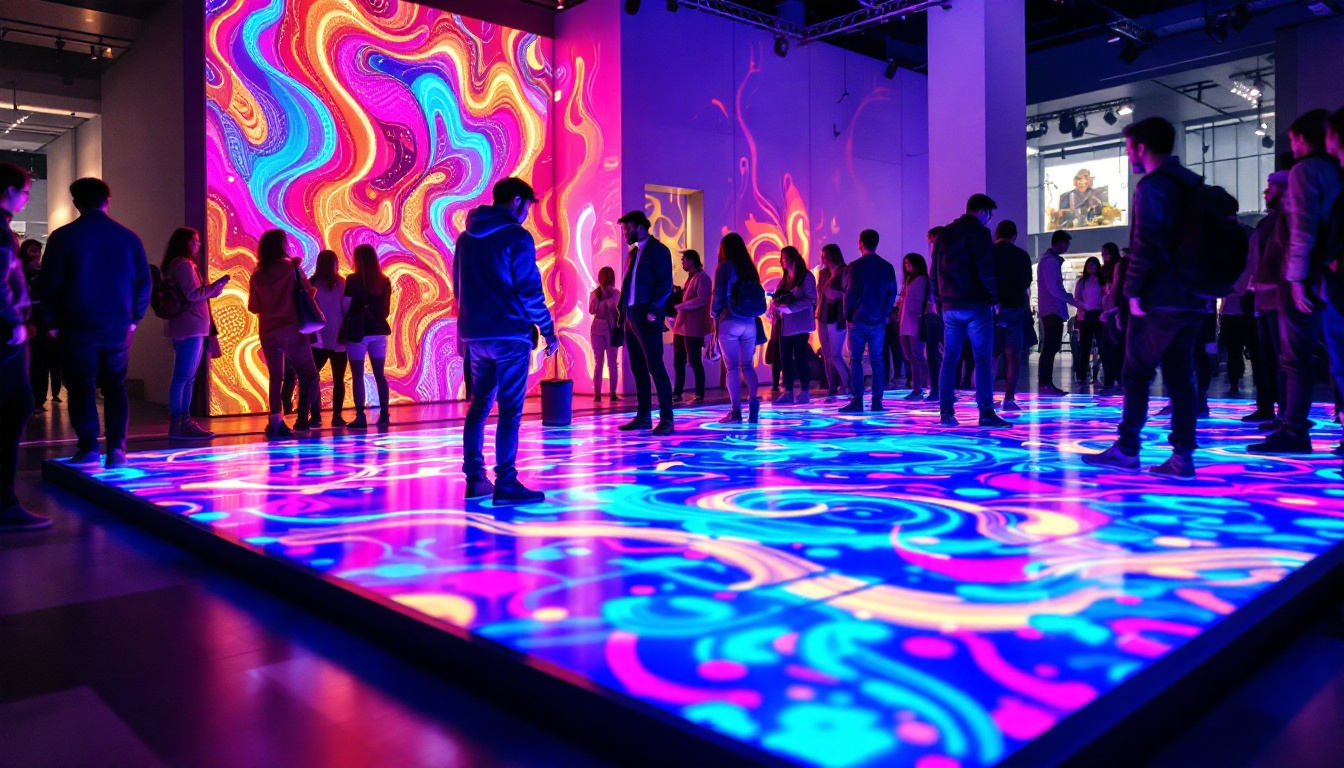
- Events and exhibitions: As part of stage backdrops or information displays at trade shows. They can be used to highlight key speakers or products, ensuring that attendees are informed and engaged.
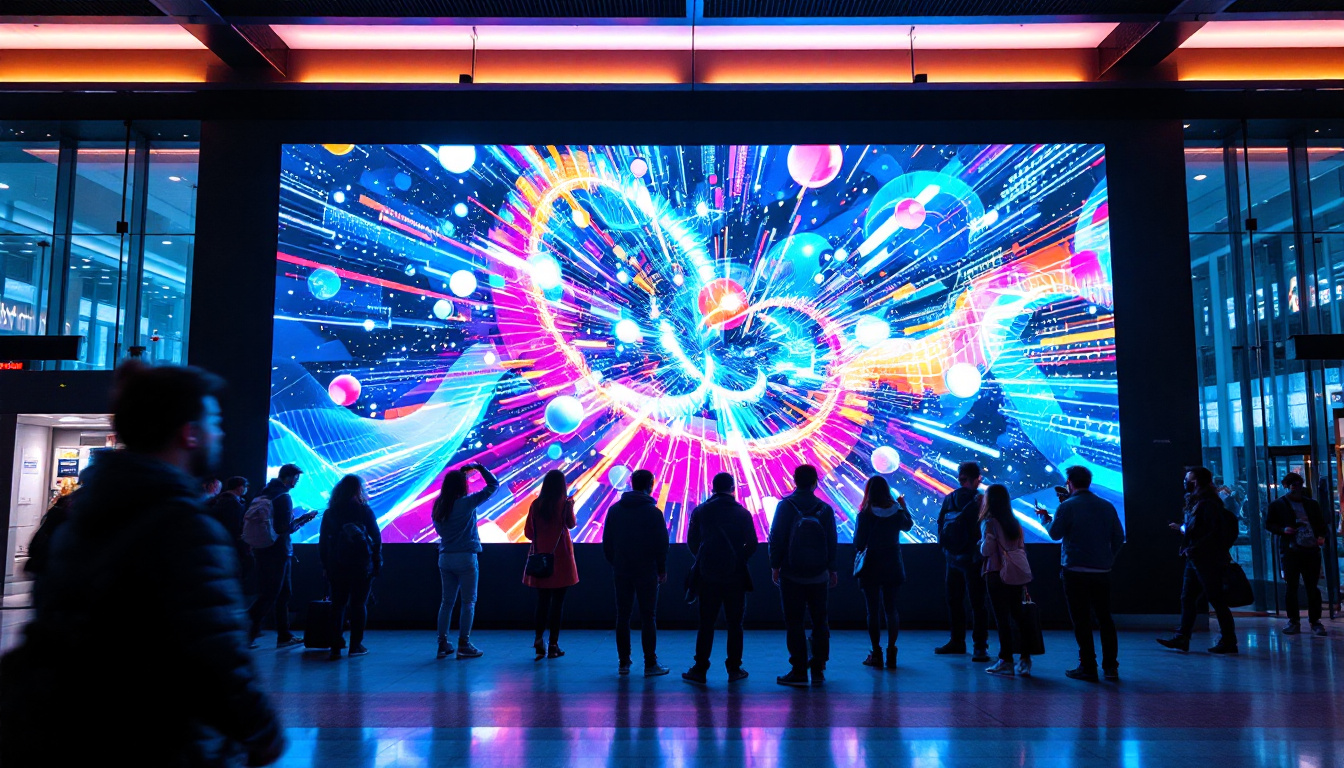
- Transportation hubs: To provide schedules, directions, or advertising in airports and train stations. These displays enhance the travel experience by delivering real-time information in a visually appealing format.
The size strikes a balance between visibility and space efficiency, making it versatile for indoor and semi-outdoor use. Moreover, the ability to customize content allows businesses and organizations to tailor messages to specific audiences, enhancing the effectiveness of their communications.
Height and Aspect Ratio Considerations
While 2.6 meters usually refers to width, the height of the LED display depends on the aspect ratio and pixel pitch. Common aspect ratios for LED screens include 16:9, 4:3, or custom dimensions tailored to specific needs. The pixel pitch, which refers to the distance between the centers of two adjacent pixels, also plays a crucial role in determining the clarity and detail of the displayed images.
For a 16:9 screen that is 2.6 meters wide, the height would be approximately 1.46 meters (4.8 feet), calculated as:
Height = Width ÷ Aspect Ratio Width × Aspect Ratio Height
Height = 2.6 m ÷ 16 × 9 ≈ 1.46 m
This results in a display roughly 8.5 feet wide by 4.8 feet tall, a common size for medium-sized digital signage. Additionally, the choice of pixel pitch can significantly impact the viewing distance; a smaller pixel pitch allows for closer viewing, making it ideal for indoor environments where viewers are nearer to the screen.
Furthermore, the aspect ratio can influence the type of content displayed. For instance, a 16:9 aspect ratio is perfect for video presentations, while a 4:3 ratio might be better suited for traditional slideshows or images. Understanding these dimensions and ratios is essential for maximizing the effectiveness of the display in any given application, ensuring that the content is both engaging and easy to comprehend.
Pixel Pitch and Resolution: Impact on Visual Quality
Understanding the physical size of an LED display is only part of the story. The quality and clarity of the image depend heavily on the pixel pitch and resolution.
What Is Pixel Pitch?
Pixel pitch refers to the distance between the centers of two adjacent pixels, usually measured in millimeters. Smaller pixel pitches mean pixels are closer together, resulting in higher resolution and sharper images, especially at close viewing distances.
For example, an LED display with a 2.6-meter width and a pixel pitch of 3 mm will have more pixels across its width than one with a 6 mm pitch.
Viewing Distance and Pixel Pitch
The ideal pixel pitch depends on how far viewers will be from the display. For indoor environments where viewers are close, a smaller pixel pitch (1.5 mm to 3 mm) is preferred to avoid visible pixelation. For outdoor or large venue displays viewed from a distance, larger pixel pitches (6 mm to 10 mm or more) are acceptable and more cost-effective.
For a 2.6-meter wide display, choosing the right pixel pitch ensures the content is clear and engaging without unnecessary expense.
Resolution Calculation Example
To estimate the horizontal resolution of a 2.6-meter wide display, divide the width in millimeters by the pixel pitch:
2.6 meters = 2600 millimeters
For a 3 mm pixel pitch:
Horizontal pixels = 2600 mm ÷ 3 mm = approximately 867 pixels
This resolution supports high-definition content and is suitable for detailed images and videos.
Practical Applications: Why Size and Conversion Matter
Understanding the exact size of an LED display in both metric and imperial units is crucial for several reasons:
Space Planning and Installation
Knowing that a display is 2.6 meters (8.5 feet) wide helps installers and designers plan the physical space. This includes ensuring structural support, electrical connections, and sightlines are appropriate.
For instance, in a retail store, the display must fit within the designated wall or window area without obstructing other elements. In event venues, the screen size must complement the stage and audience seating.
Content Creation and Scaling
Content creators need to design visuals that fit the display’s resolution and aspect ratio. Misunderstanding the size can lead to distorted or pixelated images.
By knowing the exact dimensions and pixel pitch, designers can create content that maximizes the display’s capabilities, enhancing viewer engagement.
Cost Estimation and Budgeting
LED displays are a significant investment. Price often correlates with size and resolution. Converting meters to feet helps stakeholders who use imperial units understand the scale and cost implications clearly.
For example, a 2.6-meter wide display with a fine pixel pitch will cost more than a larger display with a coarse pitch. Accurate size understanding aids in making informed purchasing decisions.
Emerging Trends in LED Display Technology
As LED technology advances, the importance of understanding size and resolution conversions continues to grow. Here are some key trends shaping the industry:
Flexible and Curved LED Displays
Modern LED displays are no longer limited to flat panels. Flexible and curved screens allow for innovative installations that conform to architectural features. Knowing the exact dimensions in both metric and imperial units helps designers integrate these displays seamlessly into diverse environments.
Higher Resolution with Smaller Pixel Pitch
Technological improvements have enabled pixel pitches as small as 0.9 mm, delivering near-retina quality images. These ultra-high-resolution displays are ideal for close viewing but come at a premium cost and require precise size planning.
Energy Efficiency and Sustainability
LED displays are becoming more energy-efficient, reducing operational costs and environmental impact. Size and resolution choices influence energy consumption, making accurate measurement conversions important for sustainability assessments.
Conclusion: Mastering Measurement for Effective LED Display Use
Converting 2.6 meters to feet—approximately 8.5 feet—may seem straightforward, but this simple step is foundational for anyone working with LED displays. Whether planning installations, creating content, or budgeting, understanding the physical size in familiar units ensures clarity and precision.
Moreover, LED display technology continues to evolve rapidly, making it even more critical to grasp the relationship between size, resolution, and viewing conditions. By mastering these concepts, professionals can maximize the impact and efficiency of LED displays in a wide range of applications.
In summary, the conversion from meters to feet is more than a mathematical exercise; it is a practical tool that bridges global measurement standards and enhances communication and decision-making in the dynamic world of LED displays.
Explore Cutting-Edge LED Display Solutions with LumenMatrix
Ready to take your visual communication to the next level? Discover how LumenMatrix’s innovative LED display technology can transform your space and captivate your audience. From vibrant Indoor and Outdoor LED Wall Displays to dynamic Vehicle and Sports Displays, our solutions are designed to deliver exceptional clarity and impact. Whether you’re looking for a Custom LED Display, an All-in-One solution, or the stunning effects of a Transparent Display, LumenMatrix has the expertise to bring your vision to life. Don’t just share your message—make it unforgettable. Check out LumenMatrix LED Display Solutions today and see the difference that cutting-edge technology can make.