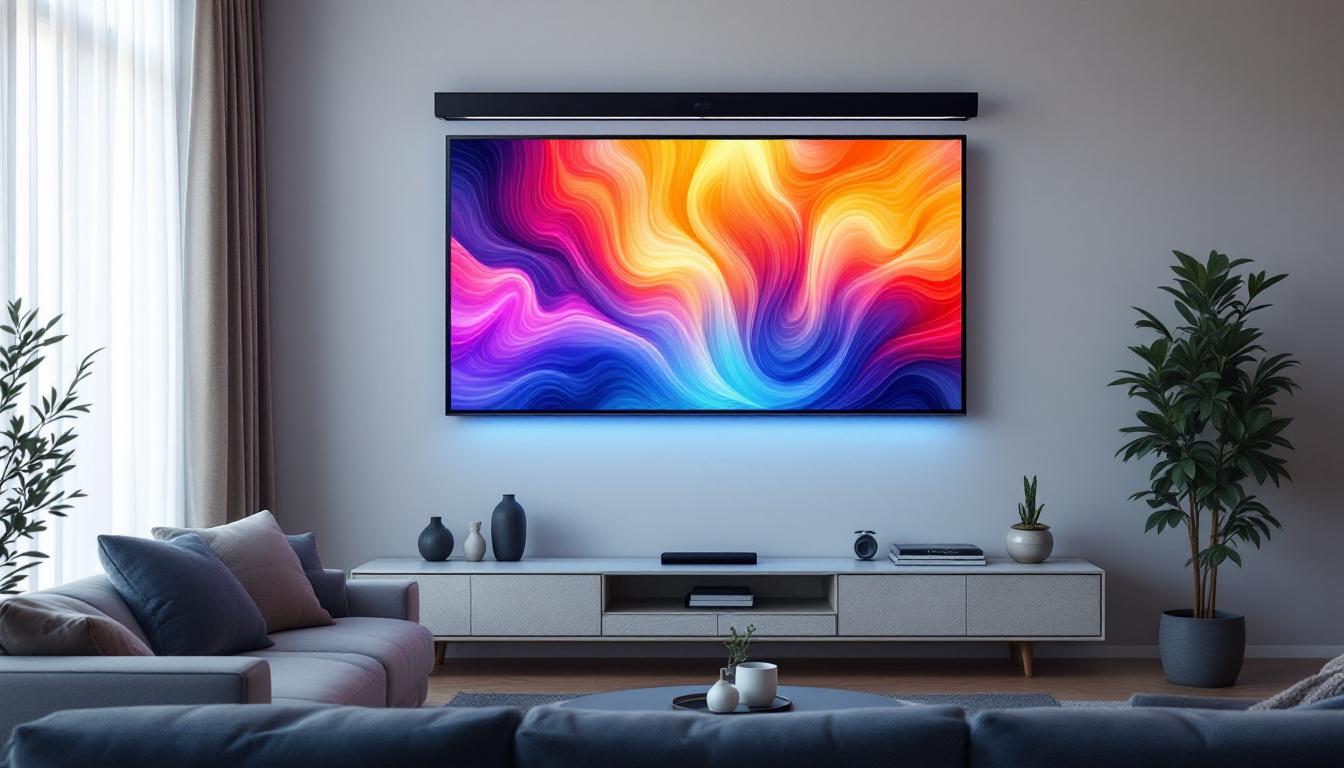
In the realm of home entertainment and professional presentations, the quality of the display surface plays a pivotal role in delivering an immersive visual experience. Wall mountable projector screens have long been a staple for those seeking a dedicated, high-quality projection surface. However, with the advent of LED display technology, the landscape of visual display solutions is rapidly evolving.
This article explores the nuances of wall mountable projector screens and LED displays, comparing their features, benefits, and ideal use cases. Whether you are upgrading your home theater, outfitting a conference room, or designing a public display, understanding these technologies will help you make an informed decision.
Understanding Wall Mountable Projector Screens
What is a Wall Mountable Projector Screen?
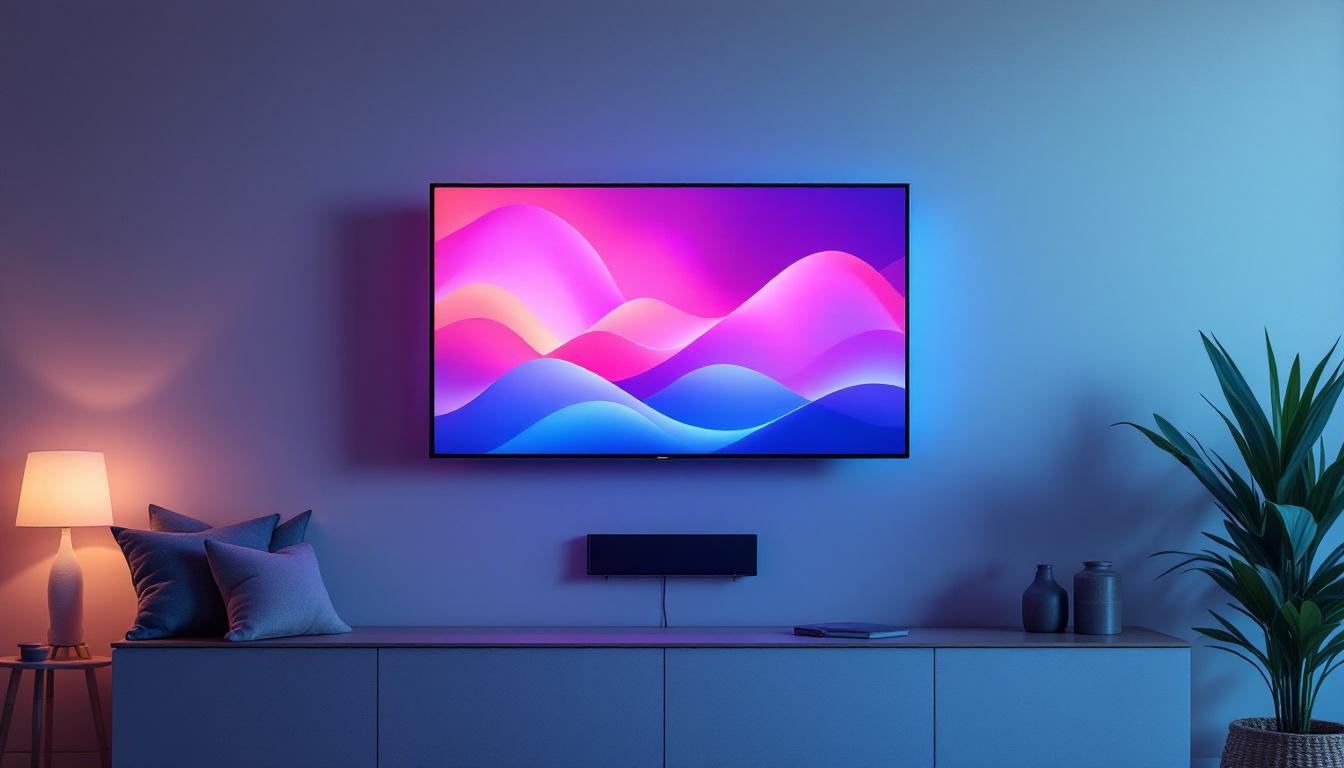
A wall mountable projector screen is a fixed or retractable surface designed specifically for projecting images from a projector. These screens are installed directly onto a wall or a dedicated frame, providing a flat, uniform surface that enhances image clarity and color accuracy. They come in various sizes and aspect ratios to accommodate different projector types and room sizes.
Typically made from materials such as vinyl, matte white fabric, or specialized projection surfaces, these screens are engineered to optimize light reflection and minimize distortion. The fixed nature of wall mountable screens ensures stability and consistent image quality, which is essential for both cinematic and professional environments. Many models also feature a black backing to prevent light from seeping through the screen, further enhancing the viewing experience by providing deeper blacks and improved contrast ratios.
Key Features and Advantages
Wall mountable projector screens offer several advantages that make them a popular choice:
- Consistent Image Quality: The fixed installation prevents wrinkles, sagging, or movement, ensuring a smooth, flat surface for projection.
- Customization: Available in various sizes, aspect ratios (such as 16:9 or 4:3), and gain levels to suit specific projection needs.
- Cost-Effectiveness: Generally more affordable than large LED displays, especially for bigger screen sizes.
- Compatibility: Works with a wide range of projectors, including standard, short-throw, and ultra-short-throw models.
- Space Efficiency: Mounted flush against the wall, saving floor space and creating a clean, professional look.
Additionally, many wall mountable screens come with features such as tensioning systems that keep the screen taut, further enhancing the projection quality. Some advanced models even incorporate ambient light rejecting technology, which helps to improve image visibility in brighter environments, making them more versatile for different lighting conditions. This adaptability is particularly beneficial for home theaters, conference rooms, or classrooms where lighting can vary significantly.
Limitations to Consider
Despite their benefits, wall mountable projector screens have some inherent limitations:
- Ambient Light Sensitivity: Projectors require dim lighting to maintain image brightness and contrast, which can be challenging in well-lit rooms.
- Maintenance: Projector bulbs have limited lifespans and require replacement; screens may also need occasional cleaning.
- Installation: Fixed mounting requires precise installation and may not be easily relocated.
Moreover, the installation process can be a significant consideration, as it often requires drilling into walls and ensuring that the screen is level and securely mounted. This can be daunting for some users, particularly those who may not have experience with home improvement projects. Additionally, once installed, any changes in room layout or technology upgrades may necessitate a more complex and costly reinstallation process. For those who frequently change their setup or prefer flexibility, a portable or retractable screen might be a more suitable option, despite the trade-offs in image quality and stability.
Introduction to LED Displays
What is an LED Display?
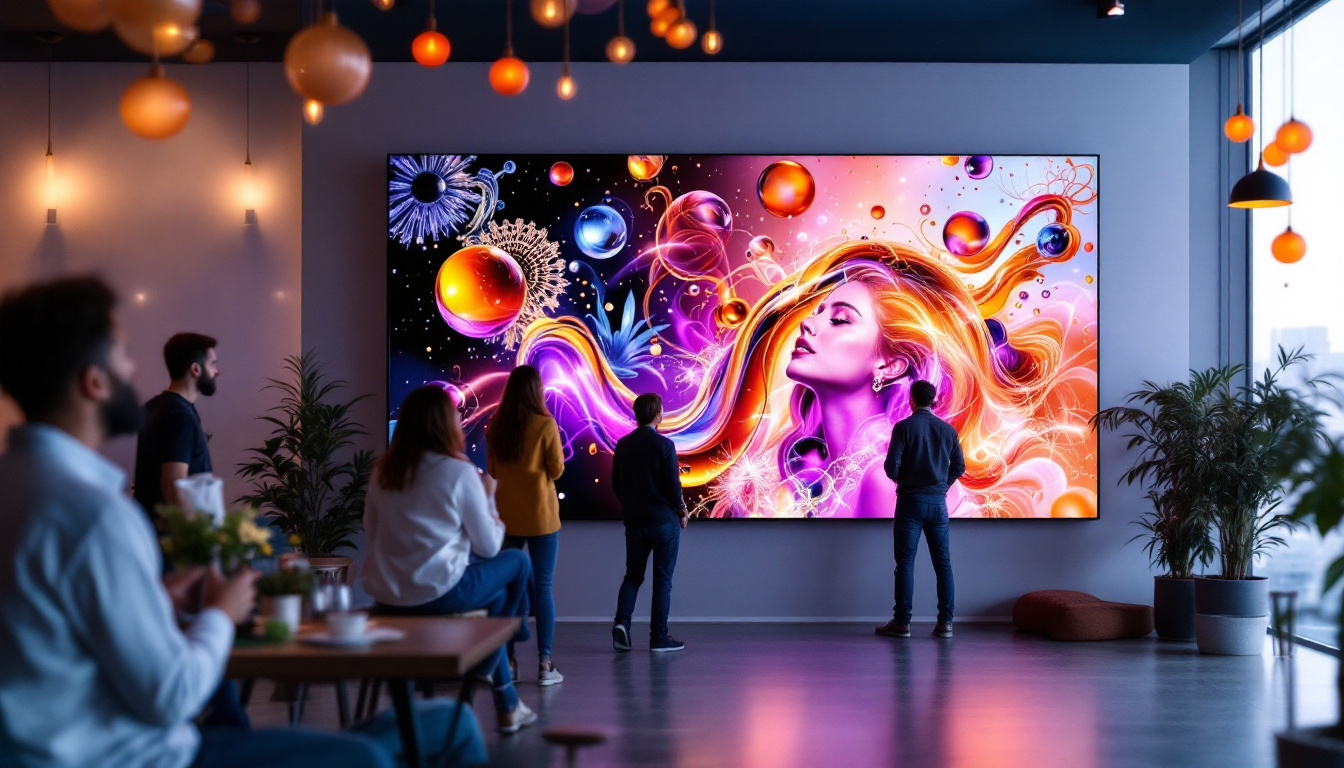
LED (Light Emitting Diode) displays are composed of numerous tiny LEDs that emit light to form images directly on the screen surface. Unlike projector screens, LED displays do not rely on external light sources; instead, each pixel emits its own light, resulting in vibrant colors, high brightness, and excellent contrast ratios.
LED technology has advanced significantly, enabling the creation of large-format displays suitable for indoor and outdoor use. These displays can be wall mounted, freestanding, or integrated into architectural elements, offering unparalleled flexibility.
Types of LED Displays
LED displays come in various configurations, including:
- Direct View LED (DVLED): Pixels are made up of individual LEDs, providing high resolution and brightness. Ideal for large-scale video walls and signage.
- MicroLED: A newer technology offering even higher resolution and energy efficiency, though currently more expensive and less common.
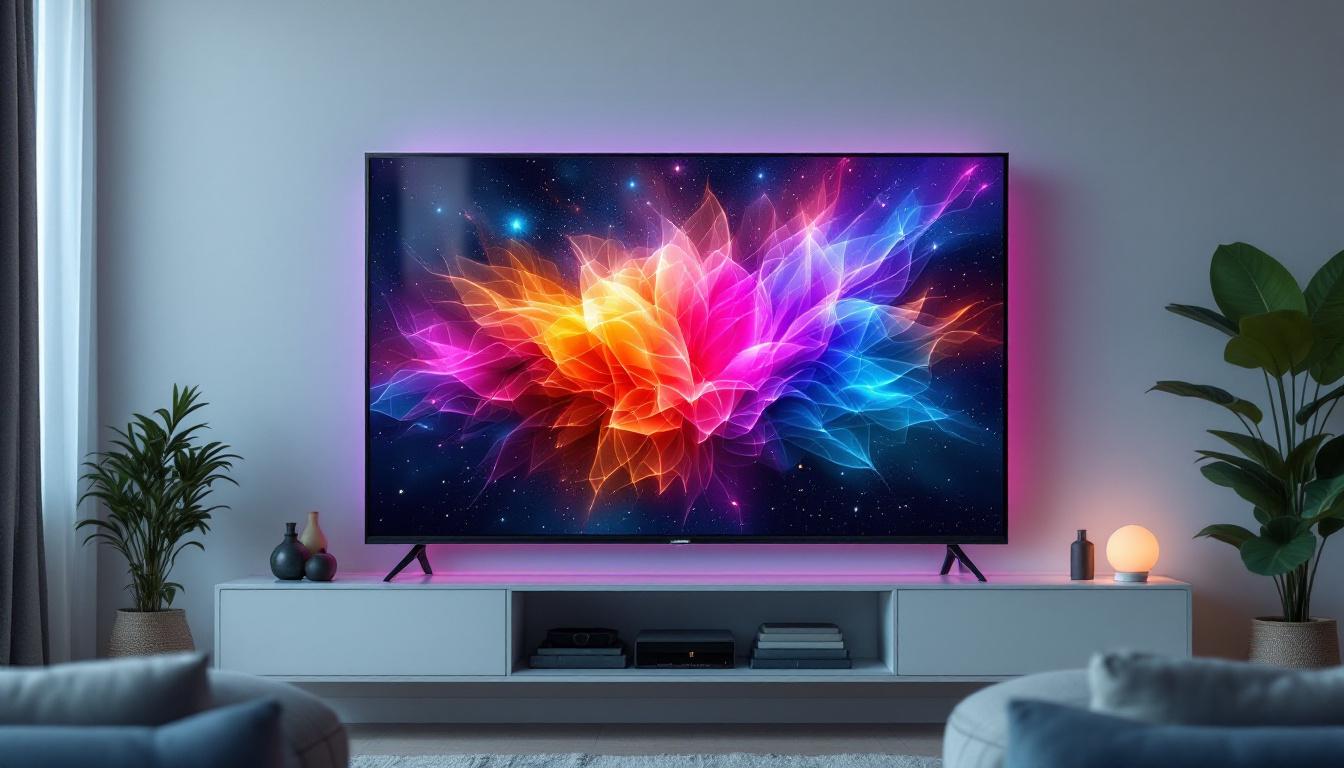
- LED-backlit LCD: While not a true LED display, these use LEDs to illuminate LCD panels and are common in consumer televisions and monitors.
Advantages of LED Displays
LED displays offer several compelling benefits over traditional projection systems:
- Brightness and Visibility: High brightness levels make LED displays visible even in brightly lit environments, overcoming a major limitation of projectors.
- Color Accuracy and Contrast: True blacks and vibrant colors enhance image quality, especially for dynamic content such as videos and graphics.
- Durability and Longevity: LEDs have long lifespans (often exceeding 50,000 hours) and require minimal maintenance.
- Flexibility: Modular designs allow for custom sizes and shapes, including curved or irregular installations.
- Instant On/Off: No warm-up time is needed, unlike projectors which may require minutes to reach optimal brightness.
Potential Drawbacks
Despite their advantages, LED displays also have some considerations:
- Cost: High initial investment compared to projector and screen setups, especially for large, high-resolution panels.
- Installation Complexity: Requires professional installation and calibration to ensure optimal performance.
- Pixel Pitch Limitations: Lower resolution at close viewing distances if the pixel pitch is too large, which can affect image sharpness.
Comparing Wall Mountable Projector Screens and LED Displays
Image Quality and Viewing Experience
When comparing image quality, LED displays generally outperform projector setups in terms of brightness, contrast, and color vibrancy. LED displays produce true blacks and can maintain consistent image quality regardless of ambient lighting conditions. This makes them ideal for environments with varying light levels, such as conference rooms with windows or public spaces.
Wall mountable projector screens, on the other hand, depend heavily on the projector’s brightness and the room’s lighting. While modern projectors have improved significantly, they still struggle to compete with the luminous intensity of LED displays in well-lit settings.
Cost and Budget Considerations
Budget is often a decisive factor. Wall mountable projector screens paired with a mid-range projector can provide a large display area at a fraction of the cost of an LED display of equivalent size. For example, a 120-inch projector screen setup might cost between $1,000 and $3,000, while an LED display of similar size and resolution can easily exceed $10,000.
However, total cost of ownership should also consider maintenance and operational expenses. Projectors require bulb replacements and periodic servicing, whereas LED displays consume less power and have longer lifespans, potentially offsetting initial costs over time.
Installation and Space Requirements
Wall mountable projector screens require careful installation to ensure a flat, tensioned surface. Projectors must be mounted or placed at precise distances and angles, and cable management can be complex. Additionally, projectors take up physical space and may generate noise from cooling fans.
LED displays, being self-illuminating panels, are generally thinner and can be mounted flush against walls, saving space. Their modular nature allows for flexible installation in various environments, though professional setup is often necessary to handle calibration and integration.
Use Case Suitability
Choosing between these technologies depends largely on the intended use:
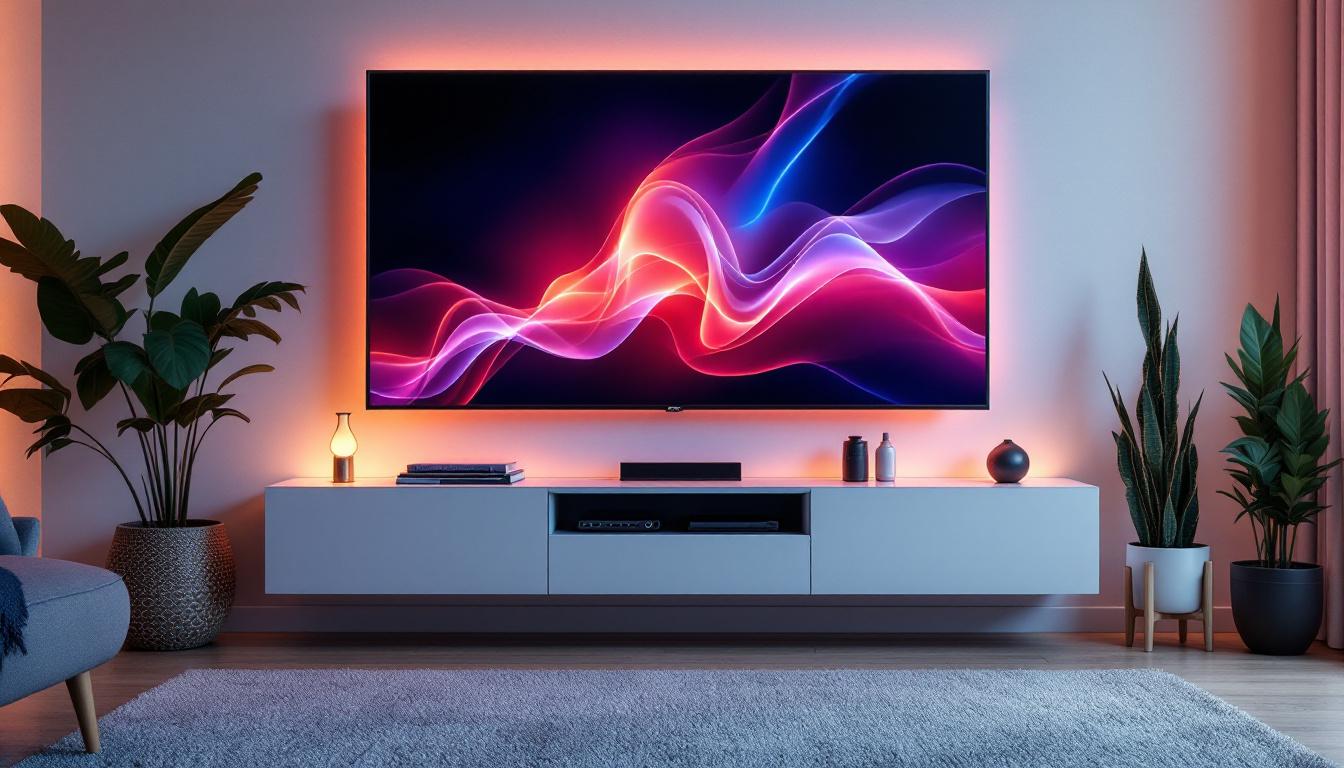
- Home Theater: Wall mountable projector screens remain popular for home cinemas due to their ability to deliver large images at an affordable price, combined with the cozy, controlled lighting environment.
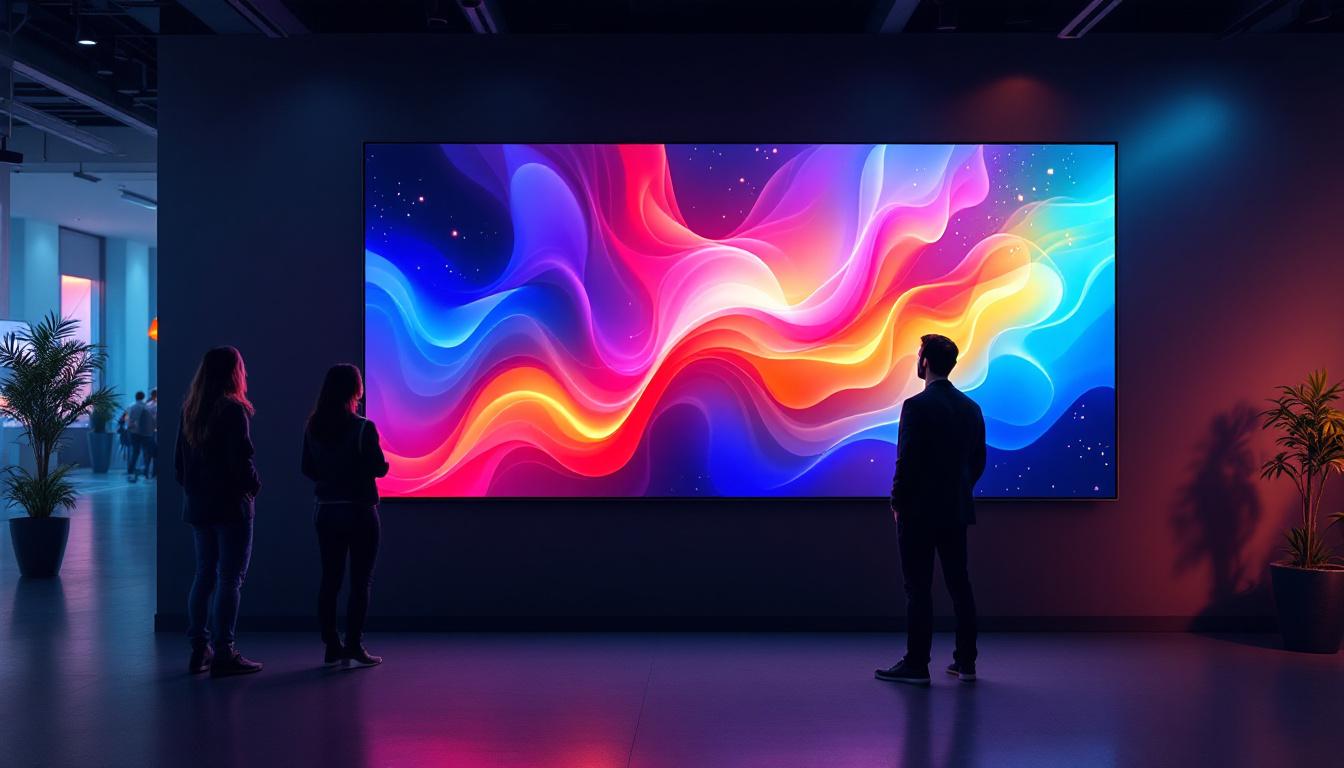
- Corporate and Educational Settings: LED displays are increasingly favored for meeting rooms and lecture halls due to their brightness and ease of use, especially where lighting cannot be controlled.
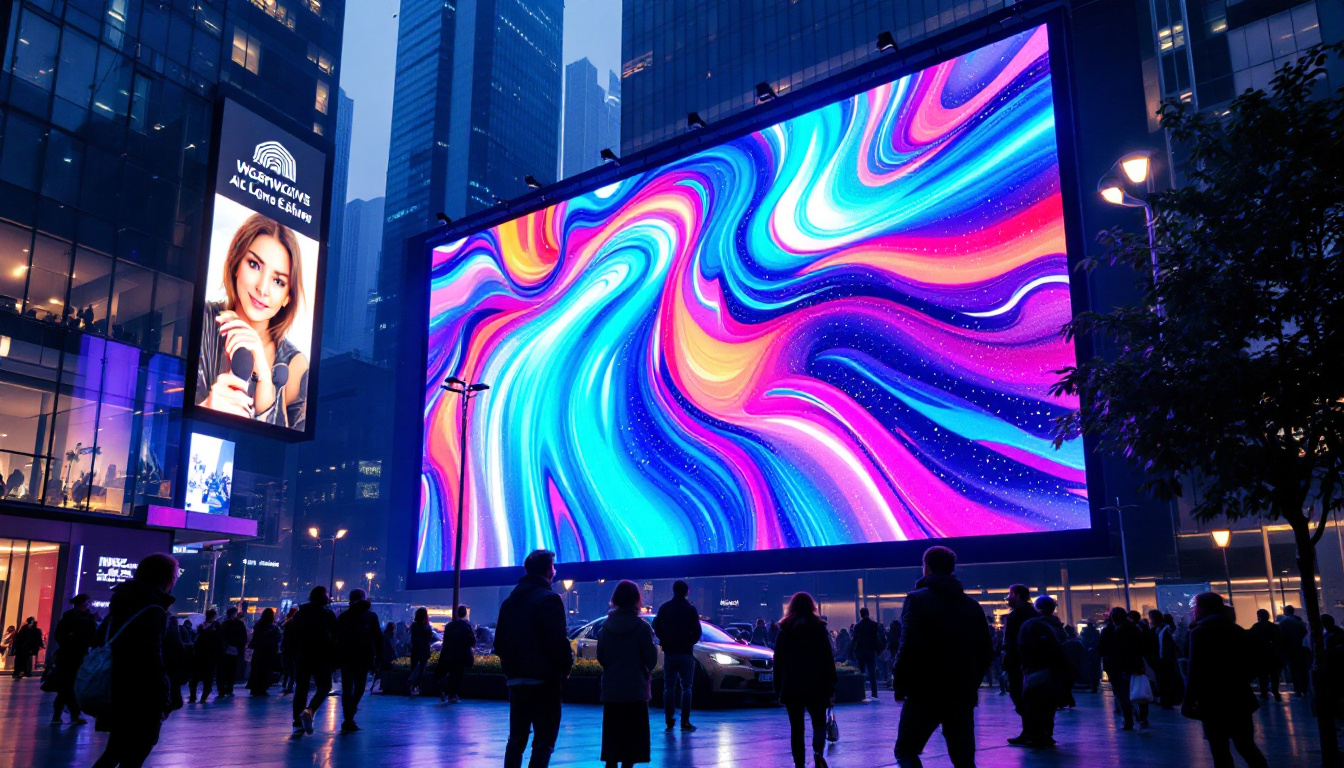
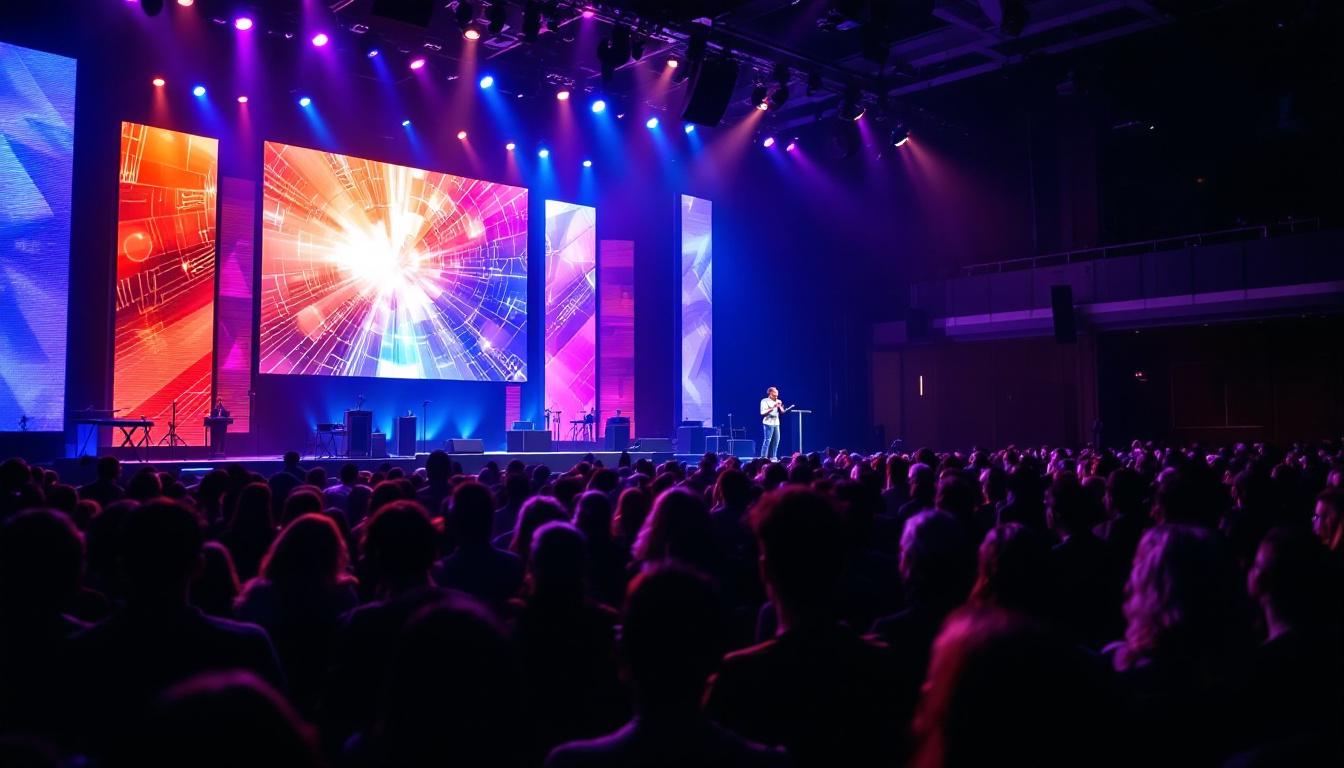
- Public and Commercial Spaces: LED displays dominate in advertising, retail, and event venues where high visibility and dynamic content are critical.
Emerging Trends and Innovations
Hybrid Solutions
Some manufacturers are developing hybrid systems that combine projection with LED technology to leverage the strengths of both. For instance, ultra-short-throw projectors paired with specialized screens can reduce space requirements while enhancing image quality.
Additionally, transparent LED displays are gaining traction, allowing for creative installations where the display integrates seamlessly with architectural elements without blocking light or views.
Advances in Screen Materials
Innovations in screen materials, such as ambient light rejecting (ALR) screens, are improving projector performance in brighter rooms. These screens are designed to reflect projected light while absorbing or deflecting ambient light, narrowing the performance gap with LED displays.
Energy Efficiency and Sustainability
With growing emphasis on sustainability, LED displays are becoming more energy-efficient, and manufacturers are focusing on recyclable materials and reducing hazardous components. Projector systems are also evolving with laser light sources that offer longer life and lower power consumption compared to traditional bulbs.
Conclusion: Making the Right Choice
Choosing between a wall mountable projector screen and an LED display depends on a careful assessment of your specific needs, environment, and budget. If you prioritize large screen size at a lower upfront cost and can control ambient lighting, a projector screen setup remains an excellent choice.
Conversely, if you require high brightness, vivid colors, minimal maintenance, and flexibility in lighting conditions, investing in an LED display may provide superior long-term value and performance.
Ultimately, understanding the strengths and limitations of each technology empowers consumers and professionals alike to create visual experiences that captivate and communicate effectively.
Discover LumenMatrix’s Innovative LED Display Solutions
Ready to elevate your visual experience with the latest in LED technology? Look no further than LumenMatrix, a leader in crafting cutting-edge LED displays that bring your content to life. From vibrant Indoor and Outdoor LED Wall Displays to dynamic Vehicle and Sports LED Displays, our extensive range caters to every need. Embrace the future of visual communication with our Custom, All-in-One, and Transparent LED Displays, designed to captivate and engage your audience. Don’t settle for less—check out LumenMatrix LED Display Solutions today and transform your space into a hub of innovation and impact.