In the rapidly evolving world of digital signage and display technology, LED displays have become a cornerstone for advertising, entertainment, and information dissemination. The term “63.2Kg” might seem cryptic at first glance, but it often relates to the weight specification of certain LED display panels or modules, which is a critical factor in installation, maintenance, and performance. This article delves deep into the world of LED displays, exploring their technology, applications, and why understanding specifications like weight is essential for professionals and enthusiasts alike.
Understanding LED Display Technology
What is an LED Display?
LED stands for Light Emitting Diode, a semiconductor device that emits light when an electric current passes through it. LED displays are composed of thousands, sometimes millions, of these tiny diodes arranged in a matrix to create images, videos, and text. Unlike traditional LCD or plasma screens, LED displays offer superior brightness, contrast, and energy efficiency, making them ideal for both indoor and outdoor use.
The technology behind LED displays can be categorized mainly into two types: direct-view LED and LED-backlit LCD. Direct-view LED displays use the diodes themselves as pixels, producing vivid and bright images visible even in direct sunlight. LED-backlit LCDs use LEDs as a backlight source behind an LCD panel, enhancing brightness and color accuracy but not matching the intensity of direct-view LEDs. The versatility of LED displays has led to their widespread adoption in various applications, from advertising billboards to sports arenas, where their ability to capture attention and convey information effectively is paramount.
Key Components of LED Displays
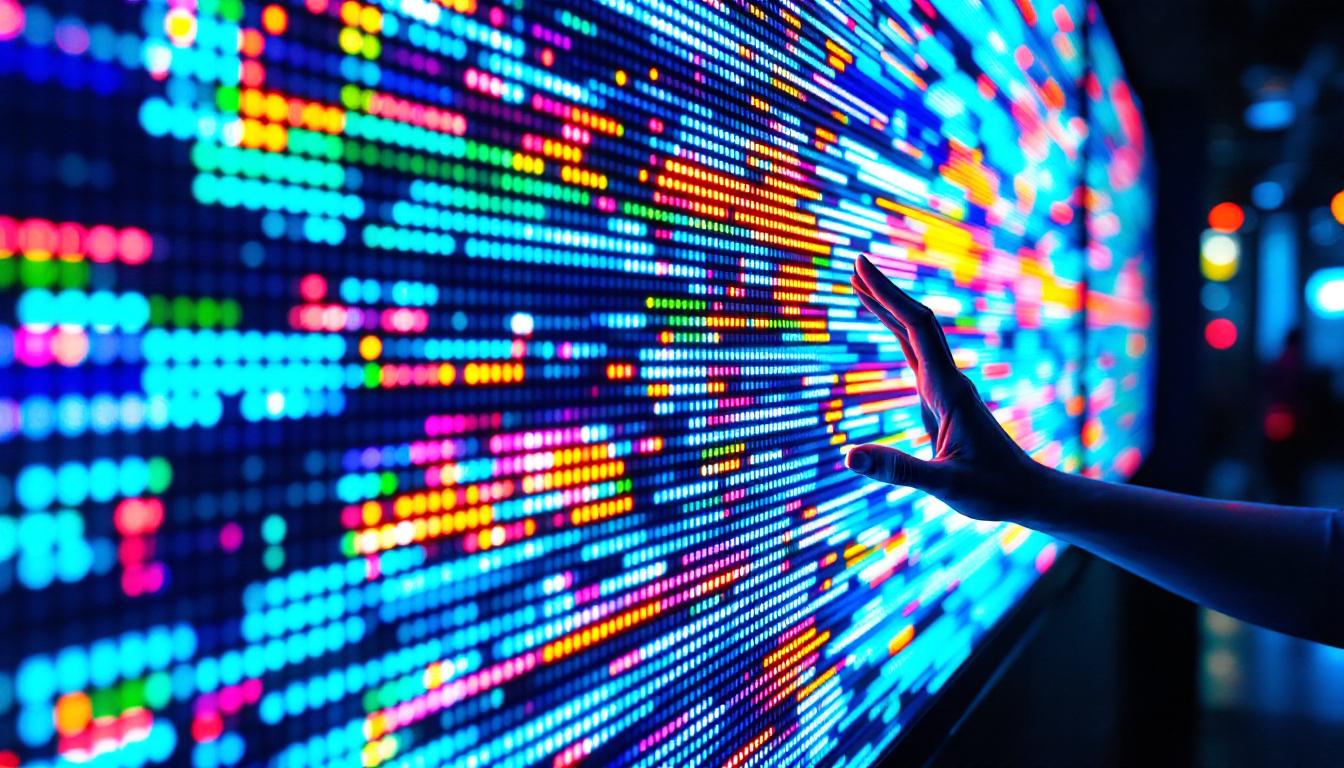
At the heart of an LED display are the LED modules or panels. These panels are made up of smaller units called pixels, each containing red, green, and blue LEDs. By adjusting the brightness of each LED within a pixel, the display can produce a full spectrum of colors. The density of these pixels, measured in pixels per inch (PPI) or pixel pitch (distance between pixels), determines the resolution and clarity of the display. High-density configurations are particularly advantageous in settings where viewers are close to the screen, such as in shopping malls or exhibitions, where detailed visuals can significantly enhance the viewer’s experience.
Another crucial component is the control system, which manages the input signals and synchronizes the LED modules to display the correct images. This system often includes advanced software that can handle real-time data inputs, enabling dynamic content updates and interactive features. Power supplies, cooling systems, and structural frames complete the assembly, ensuring durability and optimal performance. Additionally, many modern LED displays incorporate smart technology, allowing for remote management and diagnostics, which streamlines maintenance and enhances operational efficiency. With the integration of IoT capabilities, LED displays are becoming smarter, enabling them to adapt to environmental conditions and user interactions, thus providing a more engaging experience.
The Significance of Weight in LED Displays: Decoding 63.2Kg
Why Does Weight Matter?
When dealing with large-scale LED installations, the weight of the display panels is a fundamental consideration. The figure “63.2Kg” often refers to the weight of a specific LED panel or module, which can vary depending on size, materials used, and design.
Weight impacts several aspects of LED display deployment:
- Structural Support: The mounting structure must support the combined weight of all panels safely. Overloading can lead to structural failure and safety hazards.
- Installation Complexity: Heavier panels require more manpower, specialized equipment, or rigging solutions, increasing installation time and cost.
- Transportation and Handling: Weight affects logistics, including shipping costs and the ease of handling during maintenance.
- Durability and Stability: Proper weight distribution ensures the display remains stable under environmental stresses like wind or vibrations.
Typical Weight Ranges and Their Applications
LED panels vary widely in weight depending on their size and design. For example, a standard 500mm x 500mm indoor LED panel might weigh between 6 to 10 kilograms, while outdoor panels with rugged casings and larger sizes can weigh significantly more.
A weight of 63.2 kilograms typically corresponds to a larger, possibly outdoor LED module or a cluster of panels assembled into a single unit. Such heavy panels are common in large stadium displays, billboards, or architectural installations where durability and weather resistance are paramount.
In addition to the physical weight, the design and engineering behind these panels play a crucial role in their overall performance. Advanced materials such as aluminum and composite plastics are often utilized to strike a balance between weight and strength. This innovation not only reduces the overall weight of the installation but also enhances thermal management, ensuring that the displays operate efficiently even in extreme weather conditions. Furthermore, the integration of lightweight, high-strength materials allows for more creative and flexible designs, enabling installations that were previously deemed impractical due to weight constraints.
Moreover, the evolution of LED technology has led to the development of modular systems, where panels can be easily combined or replaced without the need for heavy lifting equipment. This modular approach not only simplifies the installation process but also allows for scalability; as demands change, additional panels can be added or removed with minimal disruption. Such flexibility is particularly beneficial for venues that host a variety of events, as it enables them to adapt their display configurations to suit different requirements while maintaining structural integrity and safety.
Applications of LED Displays Across Industries
Advertising and Marketing
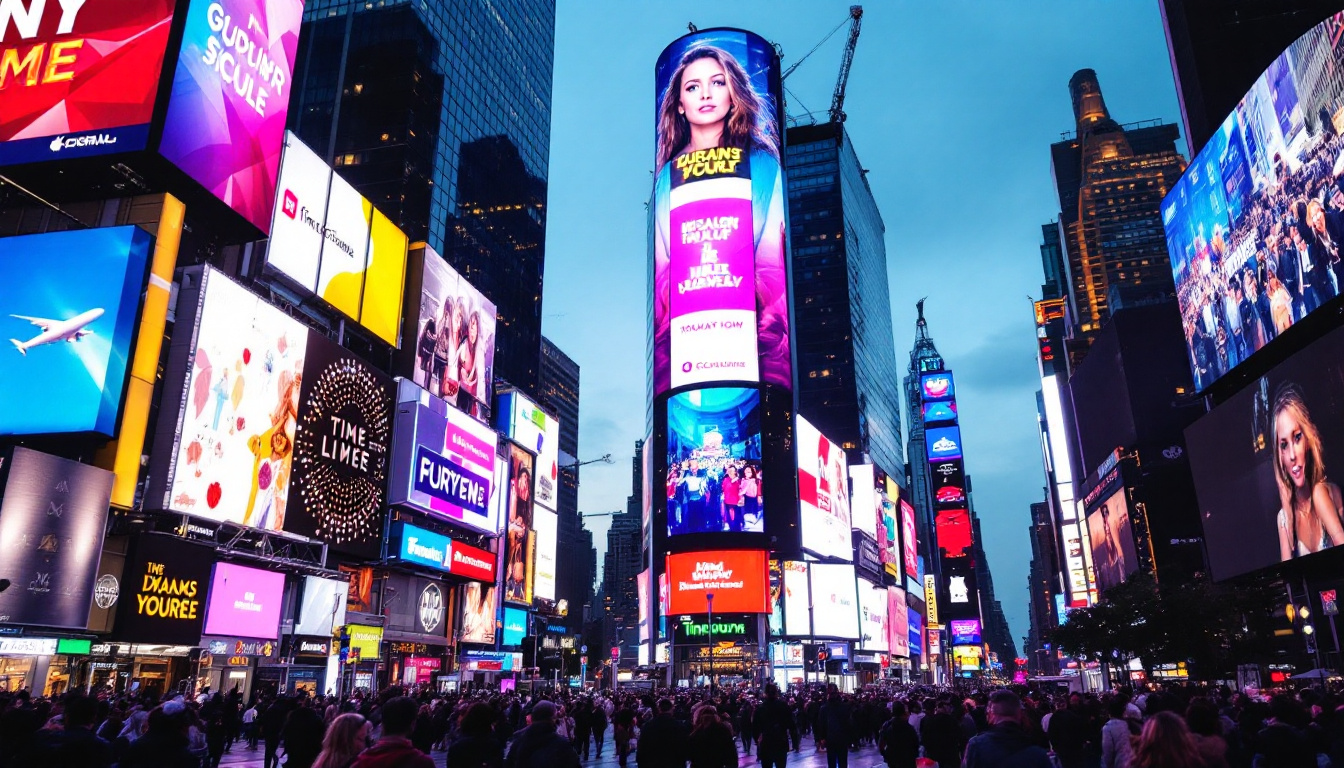
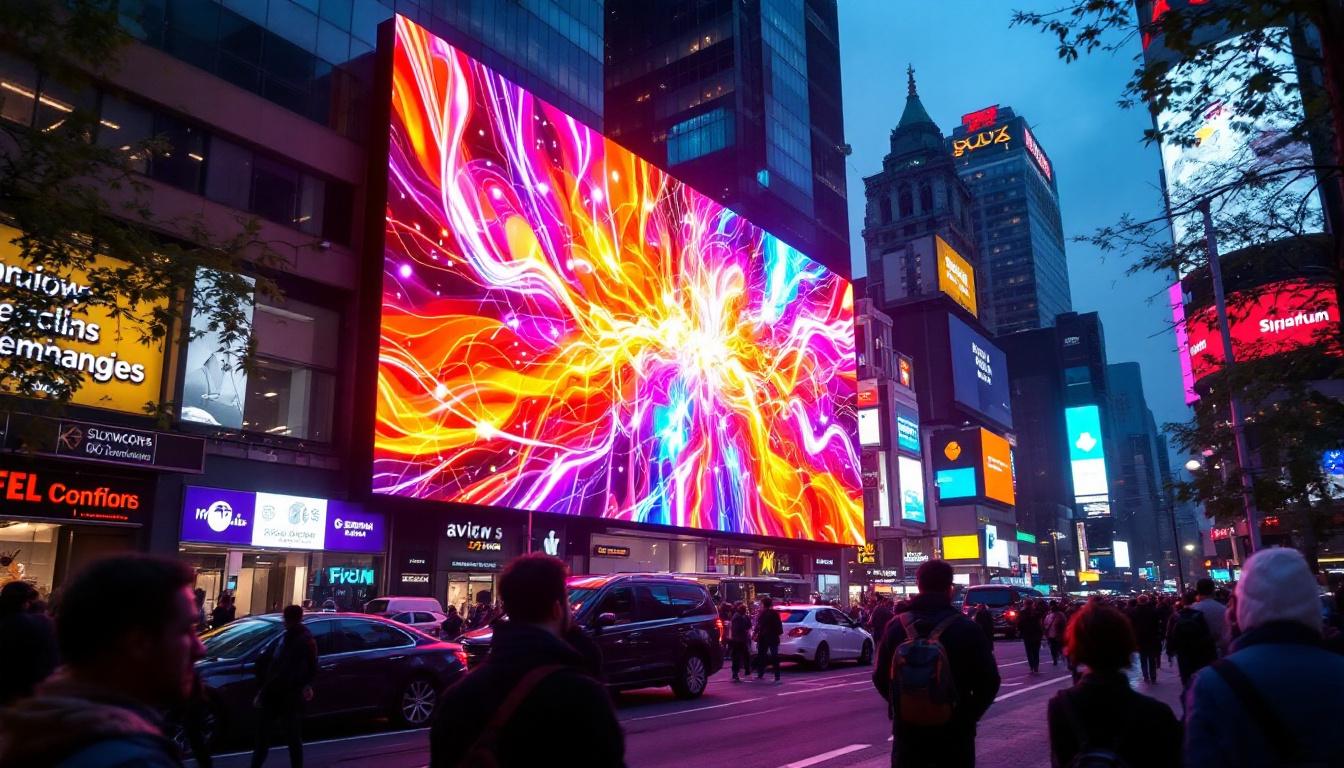
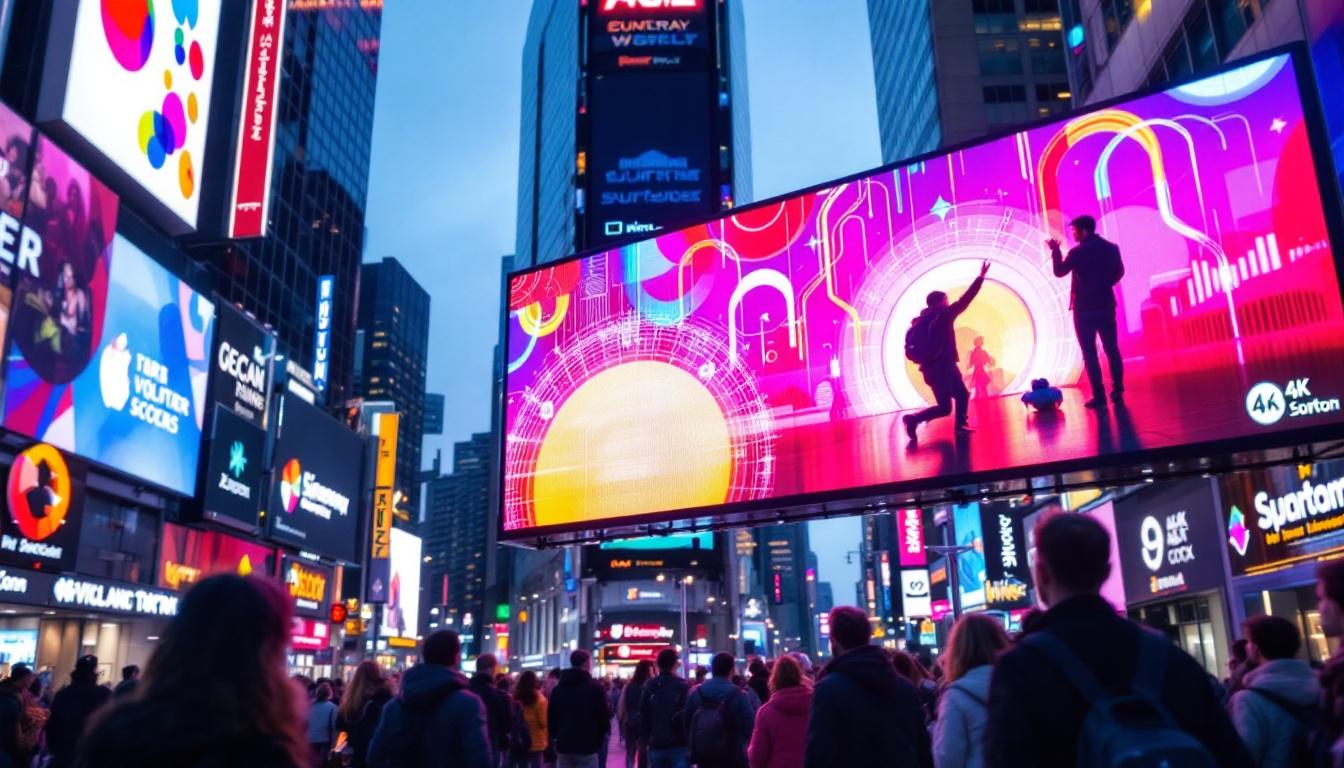
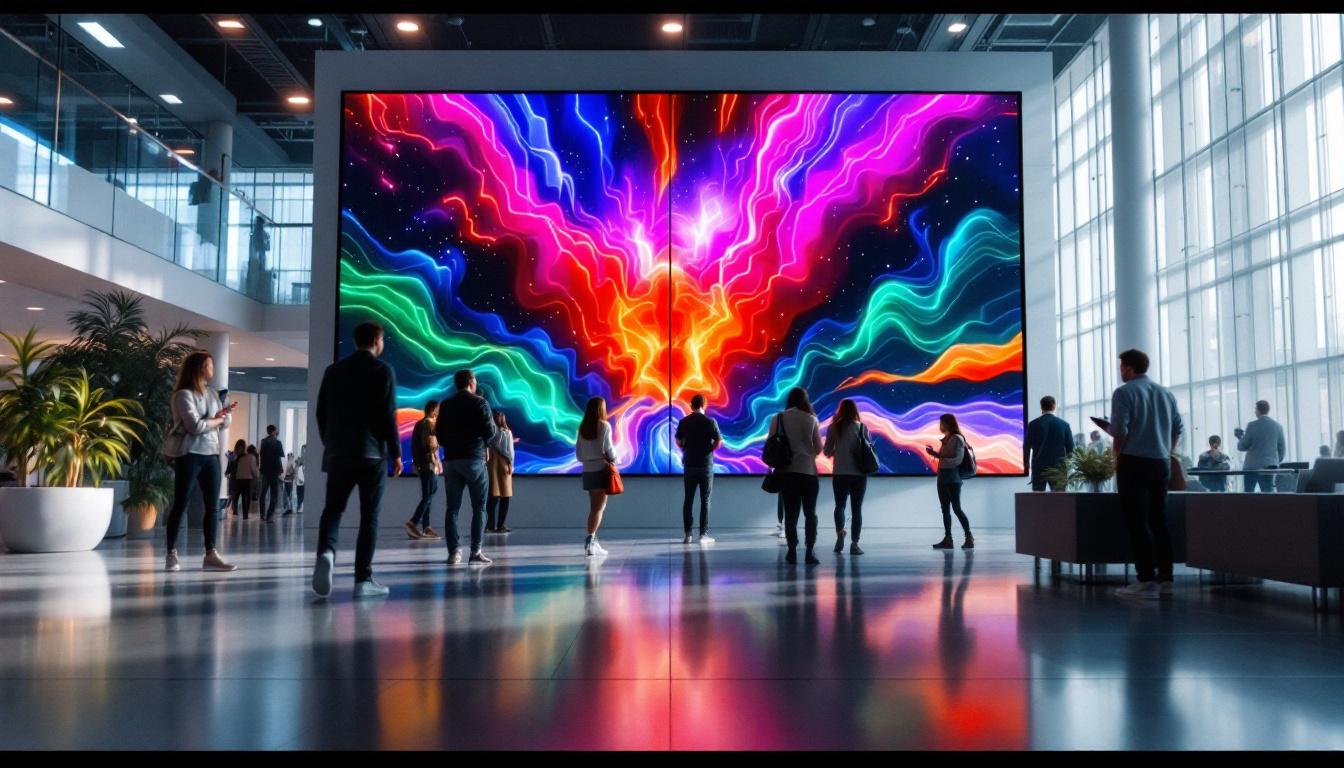
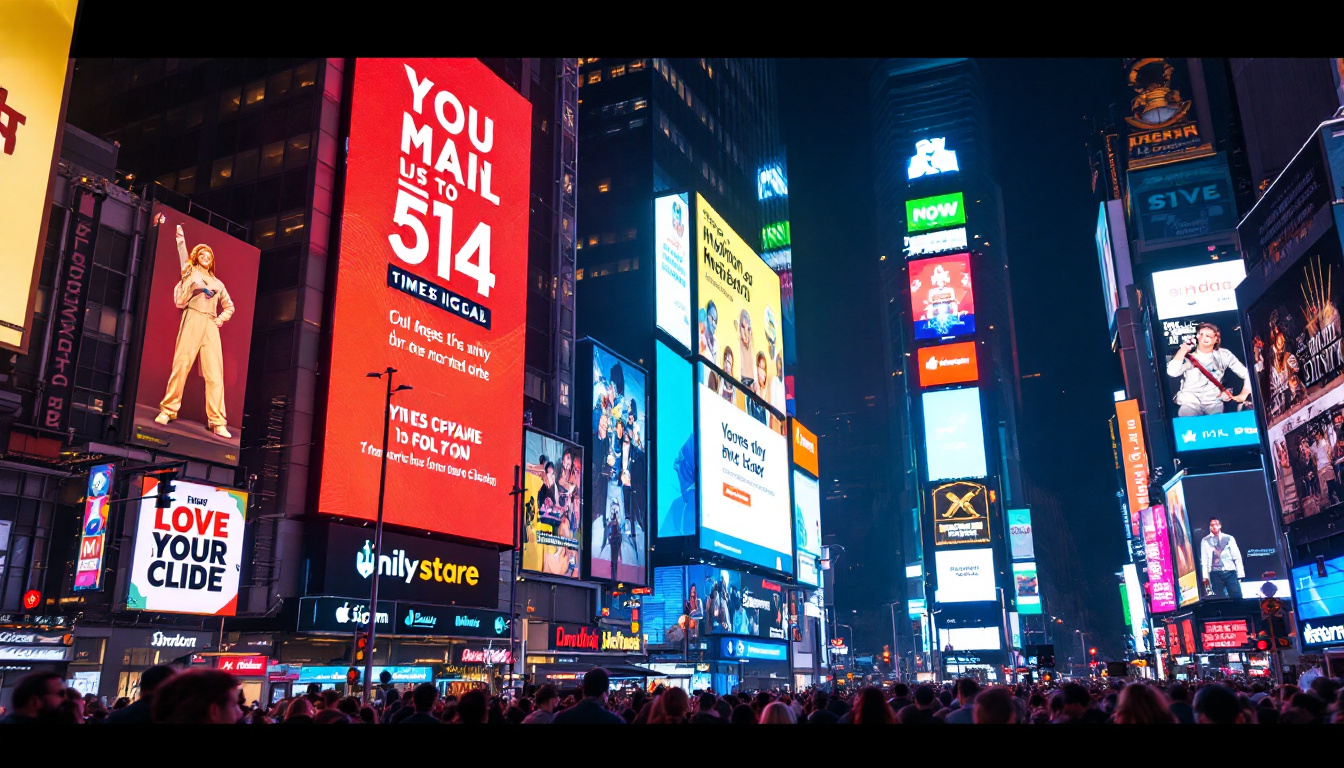
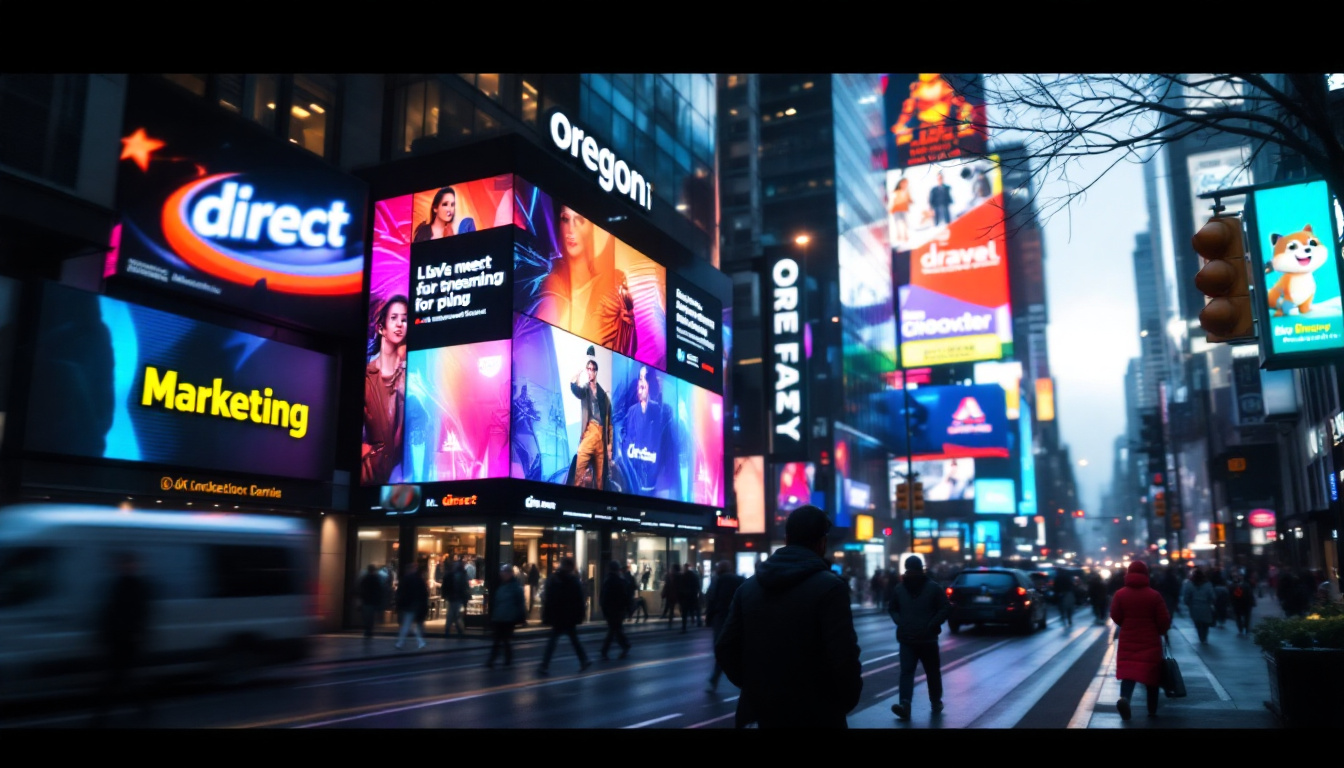
LED displays have revolutionized advertising by enabling dynamic, eye-catching content that can be updated in real-time. From Times Square’s towering billboards to shopping mall digital signage, LED displays capture audience attention with vivid colors and motion.
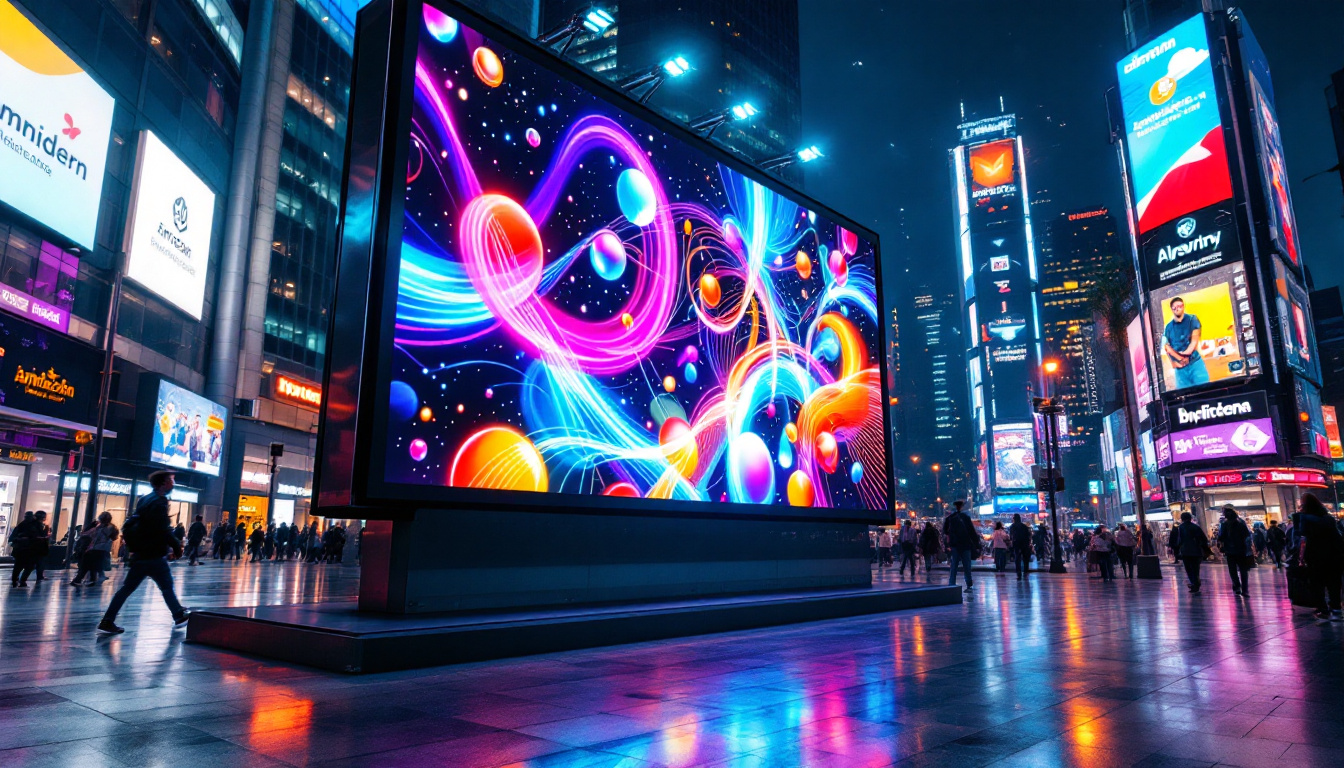
Large outdoor LED billboards, often weighing hundreds of kilograms, require careful structural planning and precise weight management to ensure safety and longevity. The ability to display high-resolution video content also means advertisers can deliver more engaging messages, increasing return on investment.
Sports and Entertainment Venues
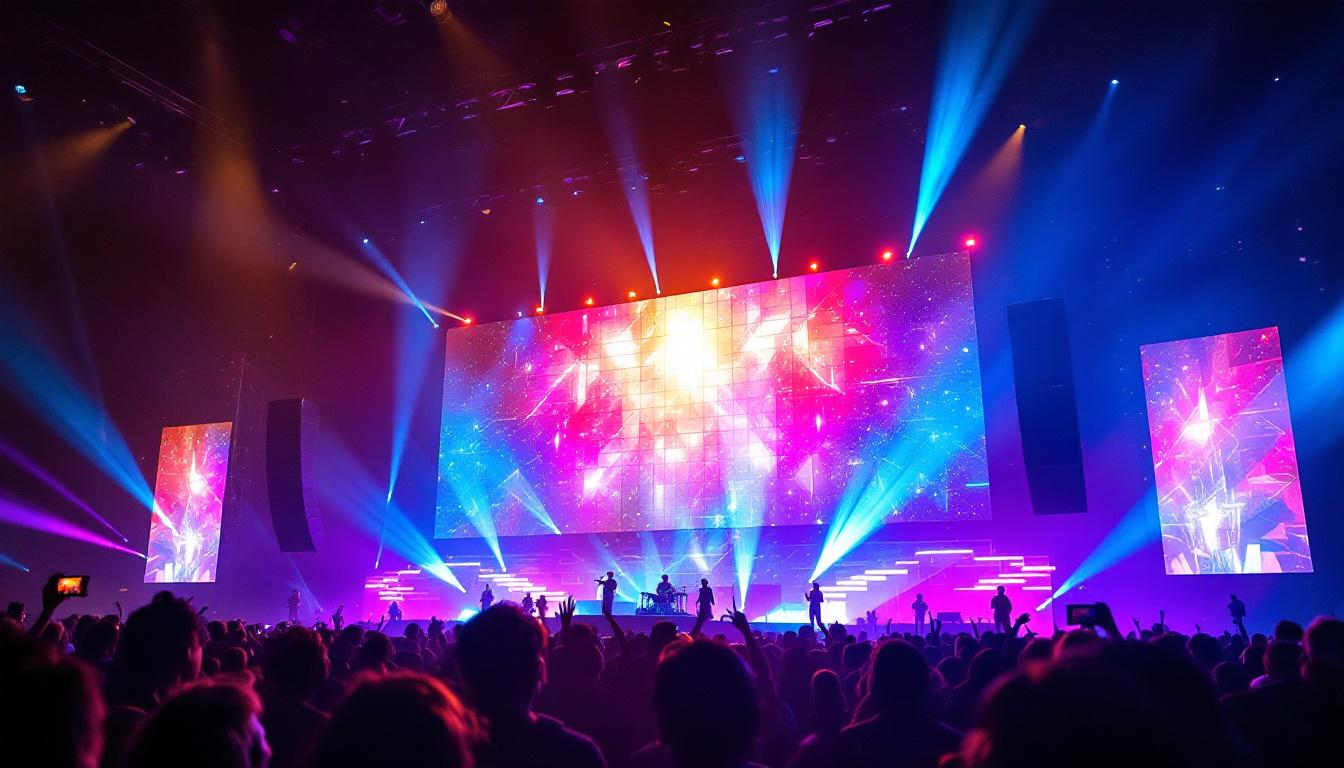
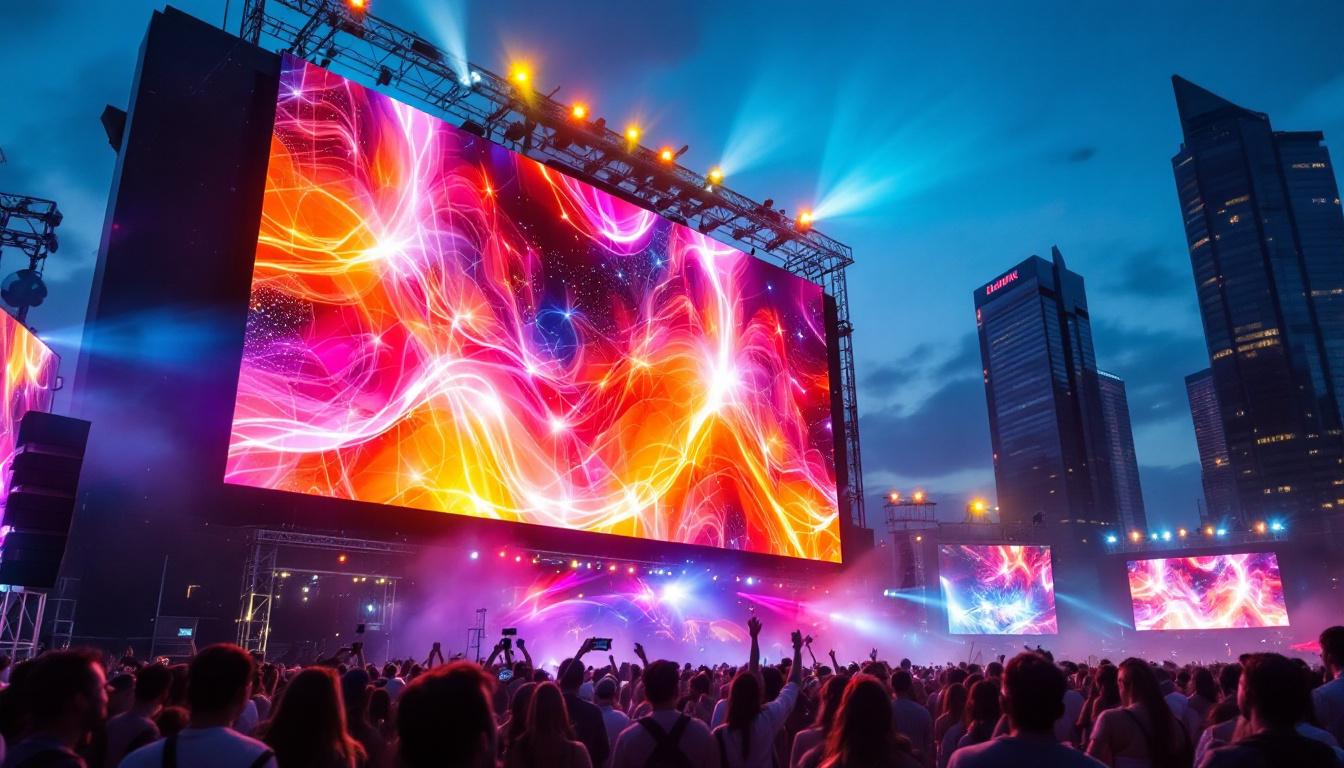
Stadiums and arenas utilize massive LED screens for live broadcasts, instant replays, and interactive fan experiences. These displays must withstand outdoor conditions, including rain, wind, and temperature fluctuations, making weight and build quality critical factors.
For example, a stadium scoreboard might consist of multiple LED modules, each weighing around 63.2Kg or more, mounted on steel frameworks designed to support their combined weight safely. The modular nature of these displays allows for easy replacement and maintenance.
Transportation Hubs and Public Spaces
Airports, train stations, and bus terminals use LED displays for real-time information, wayfinding, and advertising. Indoor LED panels are lighter and designed for easy installation on walls or ceilings.
In public spaces, LED displays also serve as digital notice boards or emergency alert systems. Their reliability and visibility make them indispensable for effective communication in crowded environments.
Technical Considerations When Choosing LED Displays
Resolution and Pixel Pitch
Resolution is a critical factor determining the clarity of an LED display. Pixel pitch, the distance between the centers of adjacent pixels, directly influences resolution. Smaller pixel pitches yield higher resolution and are suitable for close viewing distances, such as indoor retail displays.
Outdoor displays, which are viewed from greater distances, can have larger pixel pitches, reducing cost and weight while maintaining visibility. Understanding this balance helps in selecting the right LED display for specific applications.
Brightness and Viewing Angle
Brightness, measured in nits, determines how well the display performs under various lighting conditions. Outdoor LED displays often exceed 5,000 nits to remain visible in direct sunlight, whereas indoor displays typically require 800 to 1,200 nits.
Viewing angle is another important specification, indicating the range within which the display maintains optimal image quality. Wide viewing angles ensure that content remains clear and vibrant from different positions, enhancing audience engagement.
Weight and Structural Integration
As highlighted earlier, the weight of LED panels influences structural design, installation methods, and maintenance strategies. Engineers and project managers must collaborate to ensure that mounting structures can handle the total load, including any additional equipment like speakers or lighting.
Lightweight panels are increasingly popular due to advancements in materials and design, reducing installation costs and expanding potential applications. However, heavier, more robust panels remain essential for demanding outdoor environments.
Future Trends in LED Display Technology
Advancements in Lightweight Materials
Emerging materials such as carbon fiber composites and advanced aluminum alloys are being integrated into LED panel construction to reduce weight without compromising strength. This innovation enables larger displays that are easier to install and maintain.
Manufacturers are also exploring modular designs that allow for quick assembly and disassembly, improving flexibility and reducing downtime during maintenance or upgrades.
Higher Resolution and Energy Efficiency
With the rise of 4K and 8K content, LED displays are evolving to support ultra-high resolutions, demanding smaller pixel pitches and more precise control systems. Simultaneously, energy-efficient LEDs and smart power management systems reduce operational costs and environmental impact.
Interactive and Smart Displays
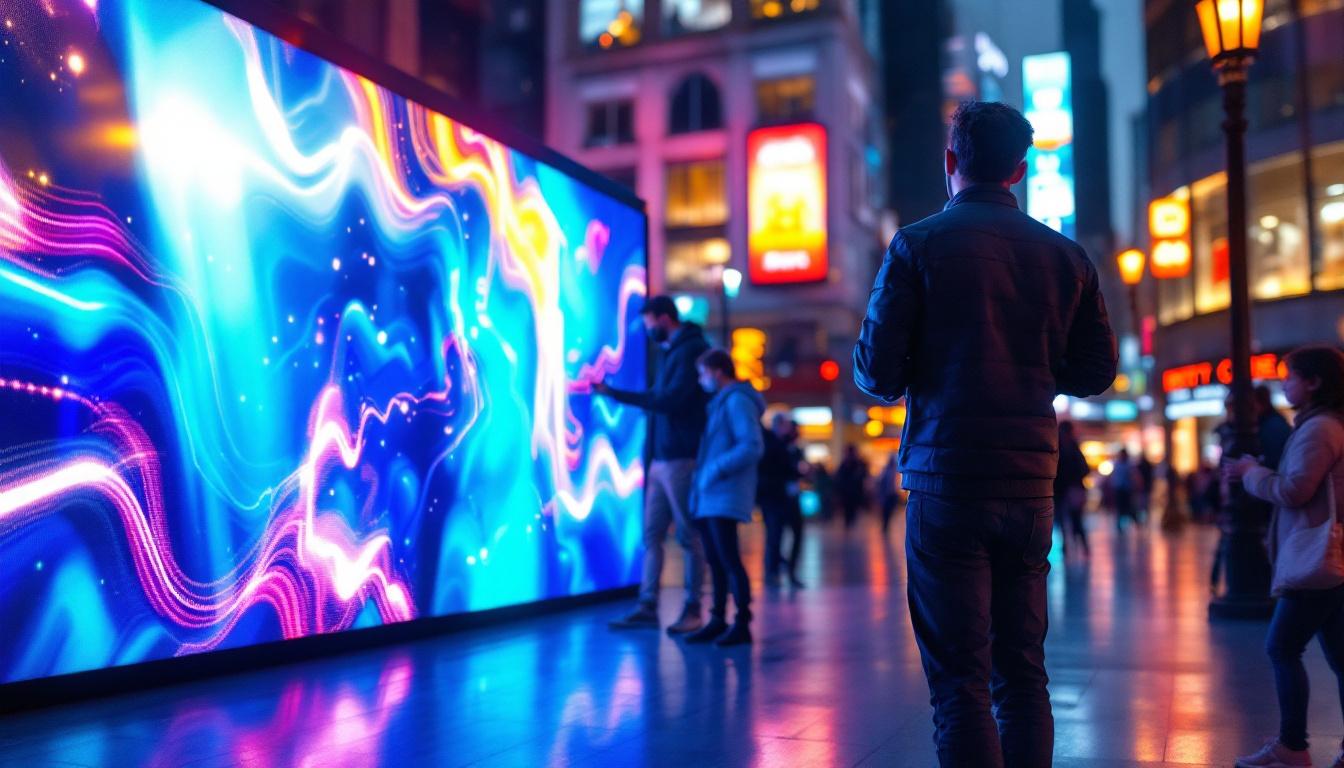
The integration of touch sensors, cameras, and AI-powered content management is transforming LED displays into interactive platforms. These smart displays can adapt content based on audience demographics, time of day, or environmental conditions, enhancing user experience and engagement.
Conclusion: The Importance of Understanding LED Display Specifications
LED displays represent a dynamic and versatile technology that continues to shape how information and advertising are presented worldwide. Understanding technical specifications, including weight figures like 63.2Kg, is crucial for successful deployment and operation.
Weight affects not only the physical installation and structural requirements but also impacts logistics, safety, and maintenance. As LED technology advances, balancing performance with practical considerations such as weight will remain a key challenge and opportunity for designers, engineers, and end-users alike.
Whether for a massive outdoor billboard, a stadium screen, or an indoor retail display, appreciating the nuances of LED display technology ensures that investments yield maximum impact, reliability, and longevity.
Explore Cutting-Edge LED Displays with LumenMatrix
As you consider the intricate details and specifications of LED displays, including the significance of weight for installation and maintenance, let LumenMatrix guide you through the process with our innovative solutions. As a leader in LED display technology, we are committed to enhancing your brand’s visibility and creating immersive visual experiences. From Indoor and Outdoor LED Wall Displays to specialized solutions like Vehicle, Sports, and Floor LED Displays, our mission is to transform visual communication. Discover how our Custom, All-in-One, and Transparent LED Displays can captivate your audience and convey your message with unparalleled impact. Check out LumenMatrix LED Display Solutions today and take the first step towards revolutionizing your digital signage strategy.