In today’s fast-paced world, visual communication plays a crucial role in marketing, advertising, and information sharing. Among the various display technologies available, LED displays have emerged as a leading choice for businesses and organizations looking to capture attention and convey messages effectively. For plasma sellers and businesses in Portland, understanding LED display technology can be a game-changer in promoting services and engaging customers.
This article delves into the fundamentals of LED displays, their advantages over other technologies, and how plasma sellers in Portland can leverage these displays to enhance their marketing efforts. Whether you are a plasma donor center, a medical facility, or a promotional business, this comprehensive guide will provide valuable insights into LED display technology and its practical applications.
Understanding LED Display Technology
What is an LED Display?
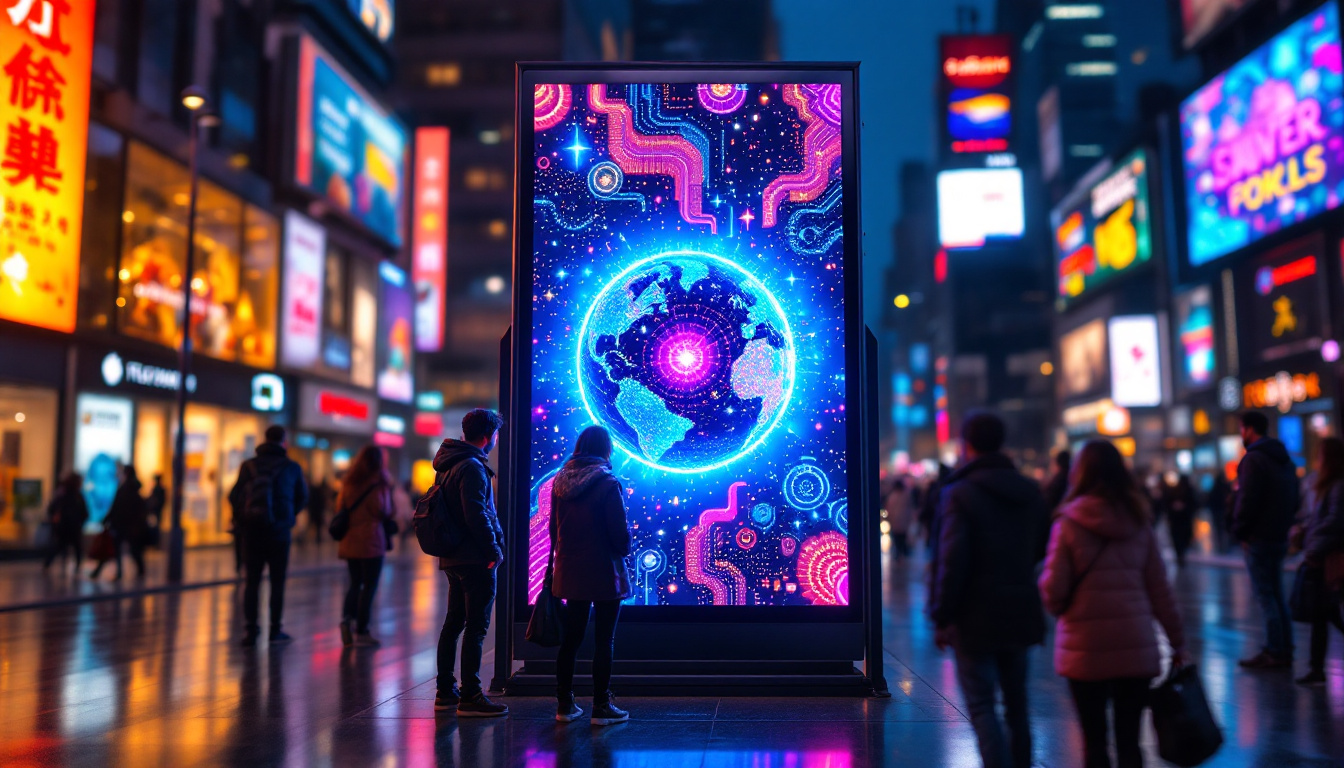
LED stands for Light Emitting Diode, a semiconductor device that emits light when an electric current passes through it. An LED display is a flat panel or screen that uses an array of LEDs as pixels to create images, videos, or text. These displays are widely used in digital signage, billboards, scoreboards, and indoor or outdoor advertising due to their brightness, energy efficiency, and durability.
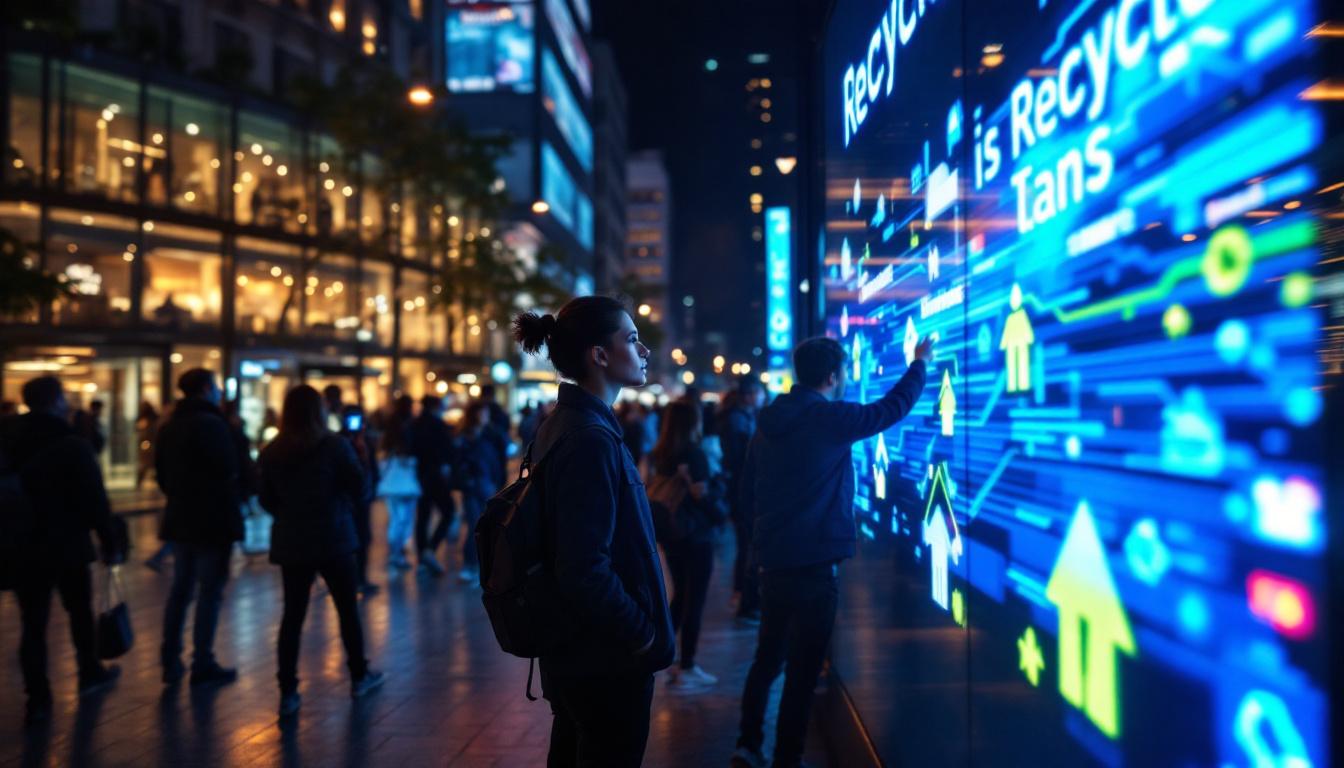
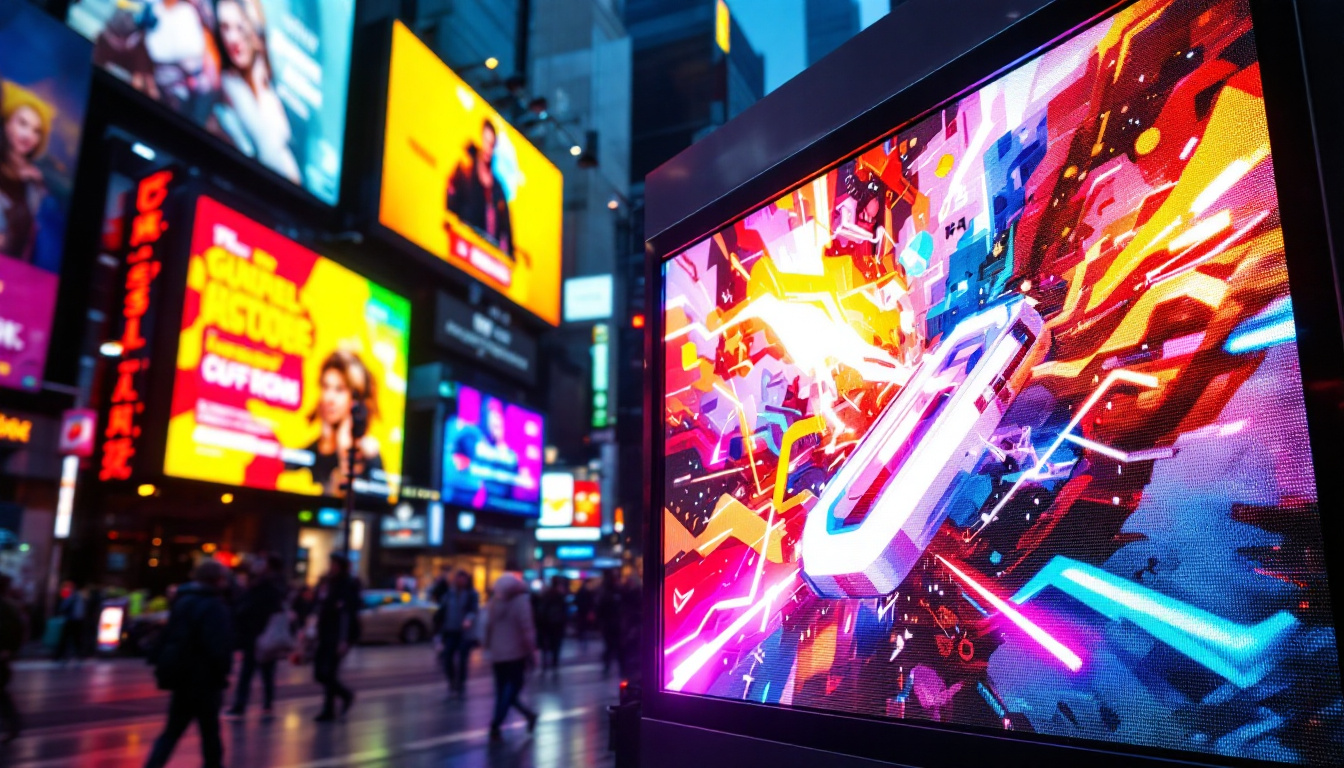
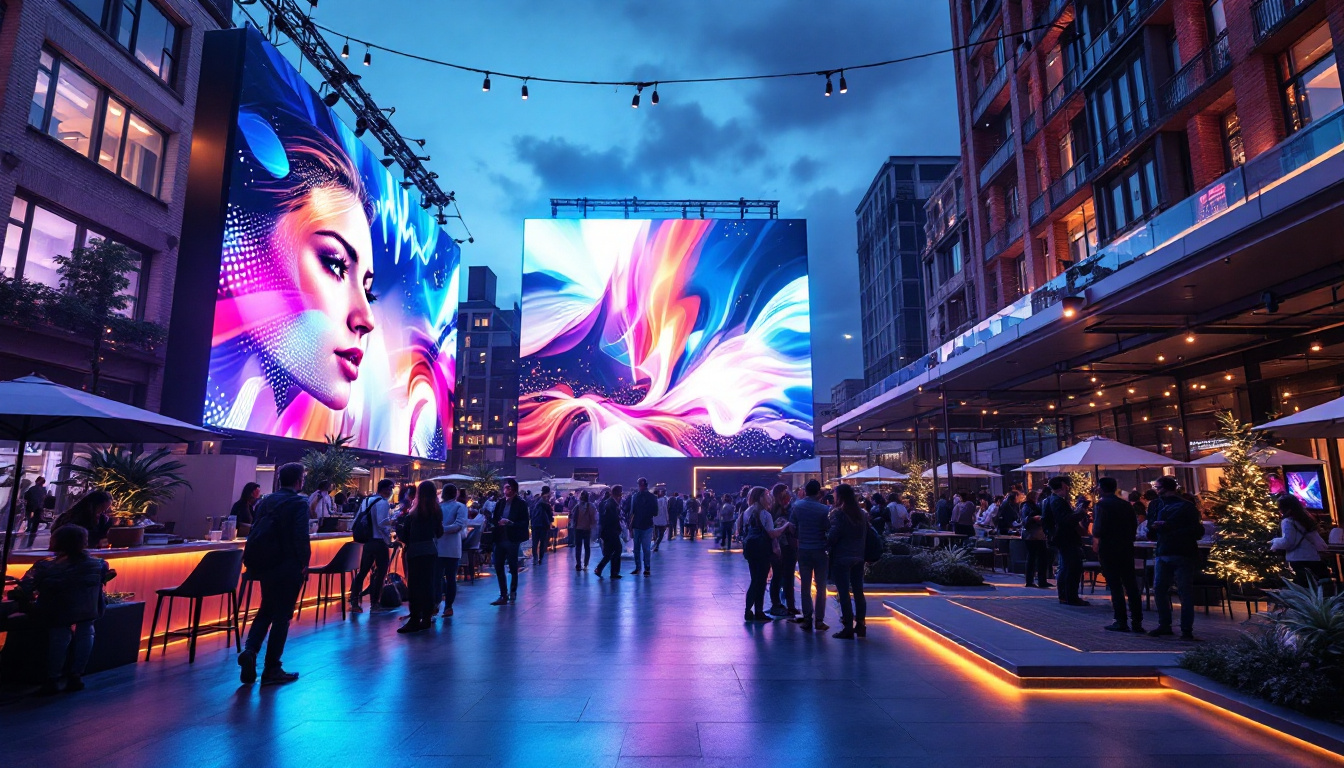
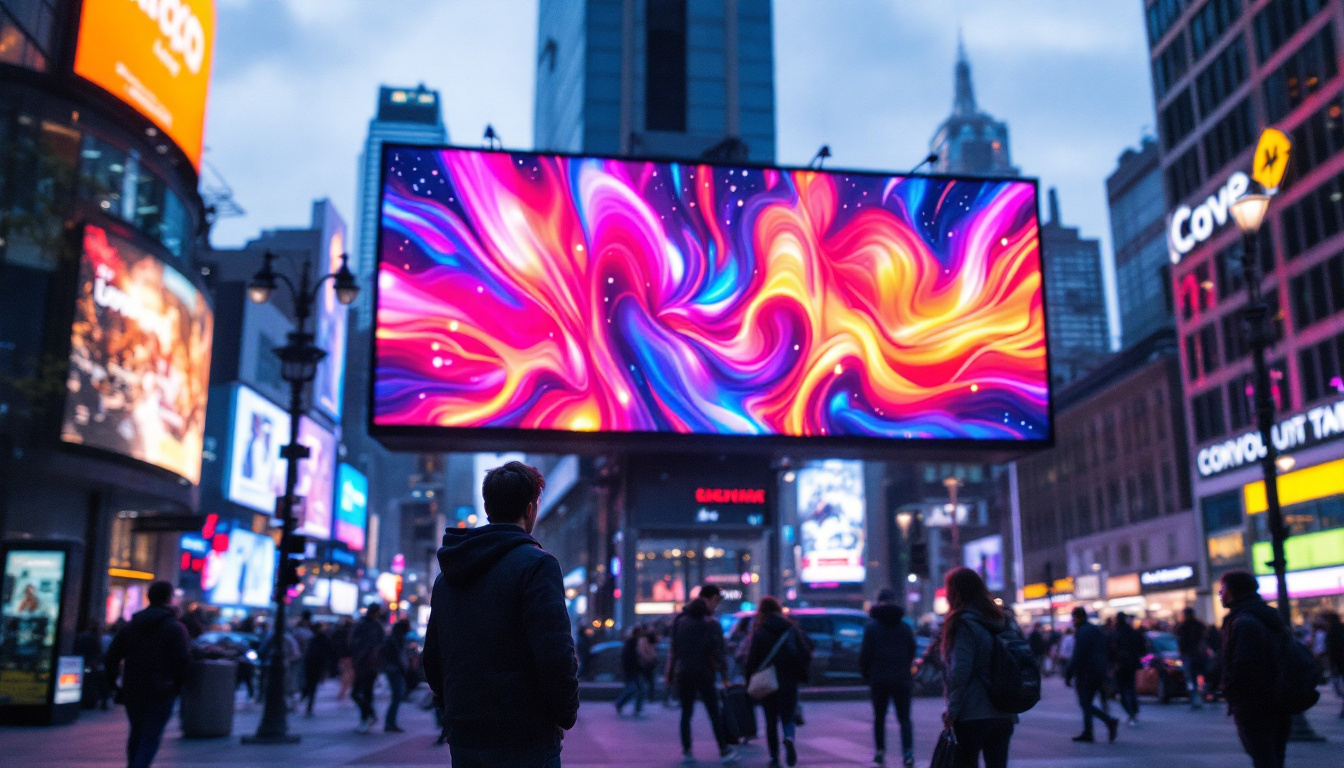
Unlike traditional LCD or plasma screens, LED displays do not rely on backlighting. Instead, each LED emits its own light, resulting in higher contrast ratios and better visibility in various lighting conditions. This characteristic makes LED displays particularly effective for outdoor environments, such as storefronts or street-side advertisements in Portland. The ability to maintain vibrant colors and sharp images even in direct sunlight is a game-changer for businesses looking to attract attention and engage potential customers.
Furthermore, LED technology has evolved to include features such as dynamic content management and real-time updates, allowing businesses to tailor their messaging based on time of day, audience demographics, or current events. This adaptability not only enhances the effectiveness of advertising campaigns but also fosters a more interactive experience for viewers, making LED displays a versatile tool in modern marketing strategies.
Types of LED Displays
LED displays come in several forms, each suited for different applications:
- Direct View LED Displays: These are composed of individual LEDs that form the image directly. They are commonly used for large outdoor screens and stadium displays.
- LED-Backlit LCD Displays: These use LEDs as a backlight behind an LCD panel, enhancing brightness and color accuracy compared to traditional CCFL backlights.
- Flexible LED Displays: These are made with bendable LED panels, allowing for creative installations on curved surfaces or irregular shapes.
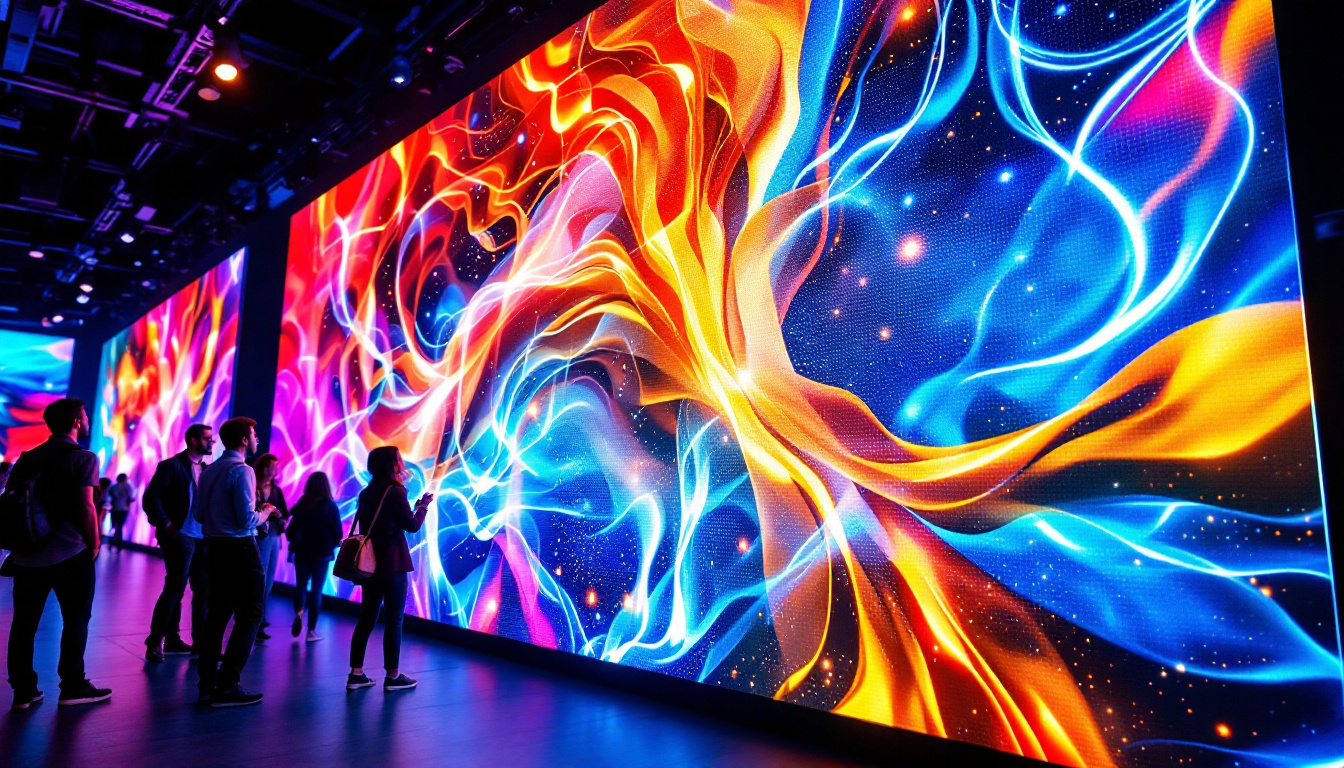
For plasma sellers in Portland, direct view LED displays are often the preferred choice due to their high visibility and impact in public spaces. The modular nature of these displays allows for seamless scaling, enabling businesses to create expansive video walls or unique configurations that can fit any venue. Additionally, the lightweight design of LED panels simplifies installation and maintenance, making them a practical option for both temporary events and permanent fixtures.
Moreover, advancements in LED technology have led to the development of high-resolution displays, such as fine-pitch LED screens, which offer stunning image quality even at close viewing distances. This innovation has opened up new possibilities for indoor applications, including retail environments, museums, and corporate settings, where clarity and detail are paramount. As the demand for visually striking and engaging content continues to grow, LED displays are poised to play an increasingly central role in how we communicate and interact with our surroundings.
Why LED Displays Are Ideal for Plasma Selling Businesses in Portland
High Visibility in Diverse Lighting Conditions
Portland’s weather can be quite variable, ranging from bright sunny days to overcast skies and frequent rain. LED displays excel in all these conditions because of their high brightness levels and excellent contrast ratios. This ensures that promotional messages about plasma donation or plasma products remain clear and readable regardless of the time of day or weather.
Energy Efficiency and Cost Savings
Compared to plasma and older display technologies, LED displays consume significantly less power. This energy efficiency translates into lower operational costs, an important consideration for plasma centers operating on tight budgets. Modern LED panels can reduce energy consumption by up to 50% compared to traditional plasma screens, making them a sustainable and cost-effective choice.
Durability and Longevity
LED displays are known for their long lifespan, often exceeding 100,000 hours of operation. They are also more resistant to shock, vibration, and temperature fluctuations, which is beneficial for outdoor installations in Portland’s sometimes harsh climate. This durability minimizes maintenance costs and downtime, ensuring continuous visibility for plasma selling businesses.
Dynamic and Customizable Content
One of the greatest advantages of LED displays is their ability to showcase dynamic content. Plasma centers can use these displays to run videos, animations, real-time updates, and interactive content. This flexibility allows for targeted messaging, such as promoting special plasma donation drives, highlighting donor testimonials, or displaying health and safety information.
How to Effectively Use LED Displays for Plasma Selling in Portland
Location and Placement
Choosing the right location for an LED display is critical. High-traffic areas such as busy intersections, shopping centers, or near medical facilities can maximize exposure. In Portland, areas like downtown districts, public transit hubs, and university campuses are ideal spots to reach a diverse audience.
For plasma donation centers, placing LED displays near entrances or waiting areas can engage visitors and encourage participation. Outdoor displays should be positioned to avoid glare from direct sunlight while ensuring visibility from multiple angles.
Content Strategy
Effective content is key to leveraging LED displays successfully. Plasma sellers should focus on clear, concise messaging that resonates with the target audience. Here are some content ideas:
- Educational Information: Explain the plasma donation process, benefits, and eligibility criteria.
- Promotional Offers: Highlight incentives for donors, such as compensation or health benefits.
- Success Stories: Share testimonials from donors or patients who have benefited from plasma products.
- Call to Action: Encourage viewers to schedule appointments or visit donation centers.
Using bright colors, readable fonts, and engaging visuals can further enhance message retention.
Integration with Digital Marketing
LED displays should not operate in isolation. Integrating them with digital marketing campaigns can amplify their impact. For example, plasma centers can promote social media hashtags on their LED screens or display QR codes that link to online booking platforms. This creates a seamless experience for potential donors, bridging offline and online engagement.
Comparing LED Displays with Plasma Displays
Energy Consumption and Heat Generation
Traditional plasma displays consume more power and generate more heat compared to LED displays. This makes LED technology more environmentally friendly and safer for continuous operation, especially in confined spaces such as plasma donation centers.
Image Quality and Brightness
While plasma displays were once favored for their deep blacks and color accuracy, LED displays have caught up and often surpass plasma in brightness and outdoor visibility. This advantage is crucial for outdoor advertising in Portland, where ambient light can wash out less bright screens.
Maintenance and Lifespan
Plasma displays typically have shorter lifespans and are more prone to screen burn-in, which can degrade image quality over time. LEDs, on the other hand, offer longer operational life and require less frequent maintenance, reducing long-term costs.
Cost Considerations
Initial costs for LED displays can be higher than plasma screens, but the total cost of ownership tends to favor LEDs due to their energy efficiency and durability. For plasma sellers aiming for sustainable marketing solutions, investing in LED technology provides better value over time.
Case Studies: Successful Use of LED Displays in Portland Plasma Centers
Case Study 1: Downtown Plasma Donation Center
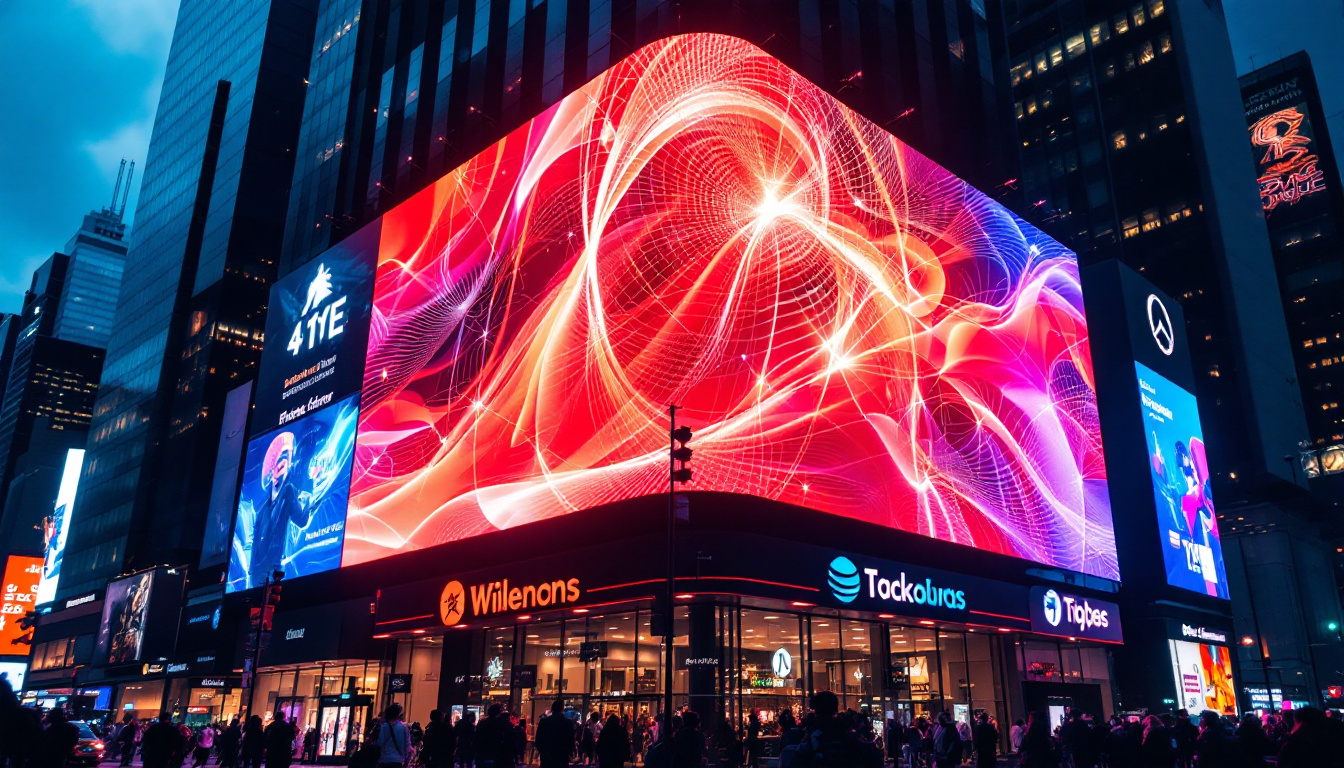
A plasma donation center located in downtown Portland installed a large outdoor LED billboard near a busy intersection. By displaying rotating messages about donation benefits and real-time appointment availability, the center saw a 30% increase in walk-in donors within six months. The high visibility of the LED display helped raise community awareness and positioned the center as a trusted local resource.
Case Study 2: University Campus Plasma Drive
During a plasma donation drive at a Portland university, organizers used portable LED screens to attract student participation. The dynamic content included educational videos, donor testimonials, and countdown timers for donation events. This interactive approach resulted in a 45% increase in student donors compared to previous drives without LED displays.
Future Trends in LED Display Technology for Plasma Selling
Advancements in Resolution and Pixel Density
As LED technology evolves, displays are becoming sharper with higher pixel densities, enabling more detailed and vibrant content. This allows plasma sellers to showcase high-definition videos and intricate graphics that capture attention more effectively.
Interactive and Touch-Enabled Displays
Interactive LED displays are gaining popularity, allowing users to engage directly with the screen. For plasma centers, this could mean donors can check eligibility, schedule appointments, or learn more about plasma donation through touch-enabled kiosks, enhancing the overall experience.
Integration with IoT and Data Analytics
Future LED displays may integrate with Internet of Things (IoT) devices and data analytics platforms to deliver personalized and context-aware content. For example, displays could adjust messaging based on the time of day, weather, or audience demographics, maximizing relevance and impact.
Conclusion
LED display technology offers plasma sellers in Portland a powerful tool to enhance visibility, communicate effectively, and engage potential donors. Its superior brightness, energy efficiency, durability, and flexibility make it an ideal choice for both indoor and outdoor marketing applications. By strategically placing LED displays, crafting compelling content, and integrating with broader digital campaigns, plasma centers can significantly boost their outreach and donor participation.
As LED technology continues to advance, plasma sellers who invest in these displays will benefit from innovative features and improved audience engagement, positioning themselves for sustained success in a competitive marketplace.
Discover LumenMatrix LED Display Solutions for Your Plasma Center
Ready to elevate your plasma center’s visibility and donor engagement in Portland? LumenMatrix is at the forefront of LED display innovation, offering a wide range of tailored solutions that captivate and communicate with unparalleled clarity. From Indoor and Outdoor LED Wall Displays to specialized options like Vehicle and Sports Displays, our technology is designed to meet your unique needs. Experience the transformative power of LED displays and join the visual revolution with LumenMatrix. Check out LumenMatrix LED Display Solutions today and start making a lasting impact.