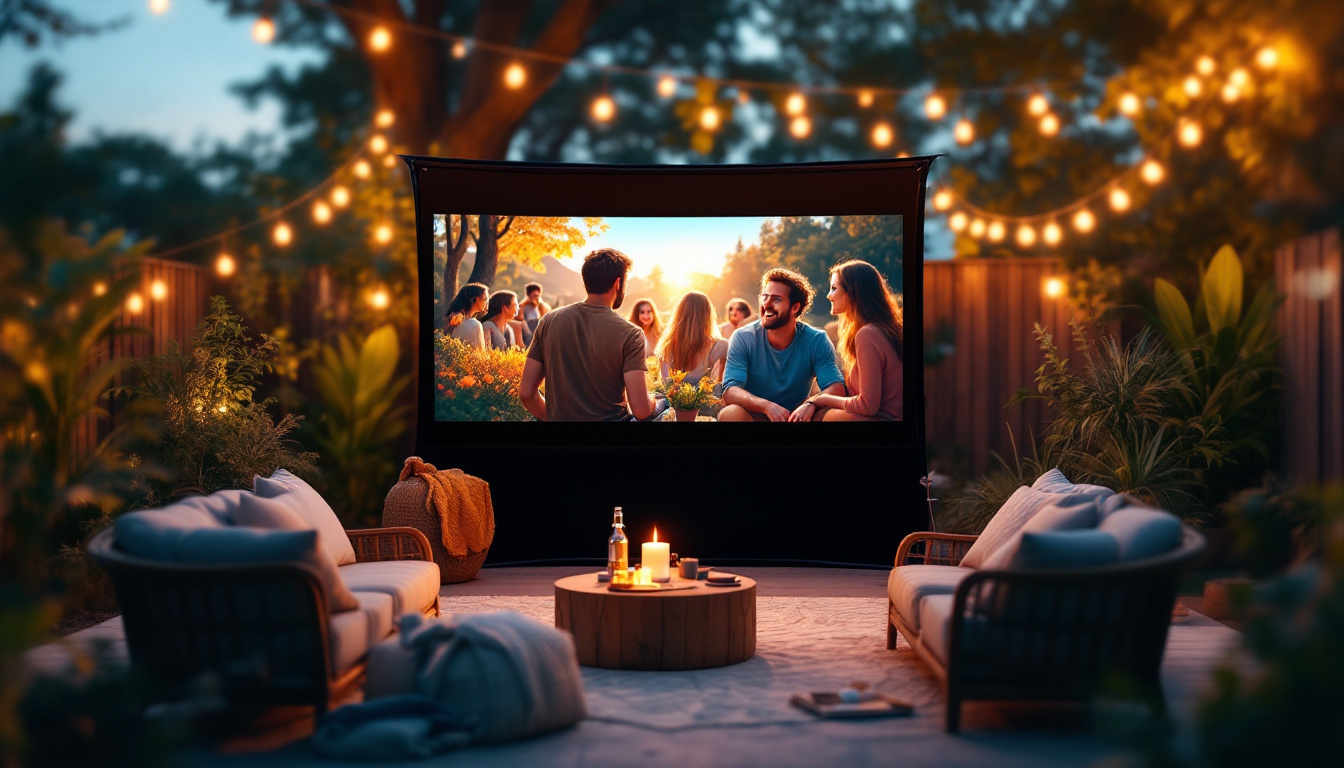
In recent years, the cinema experience has evolved dramatically, with technology playing a pivotal role in enhancing how audiences enjoy films. One of the most significant advancements in this realm is the adoption of LED display technology. In Hillsboro, Oregon—a city known for its vibrant community and growing entertainment scene—cinemas are increasingly integrating LED displays to elevate the movie-going experience. This article explores what LED displays are, how they work, and why they are becoming a preferred choice for cinemas in Hillsboro and beyond.
Understanding LED Display Technology
What is an LED Display?
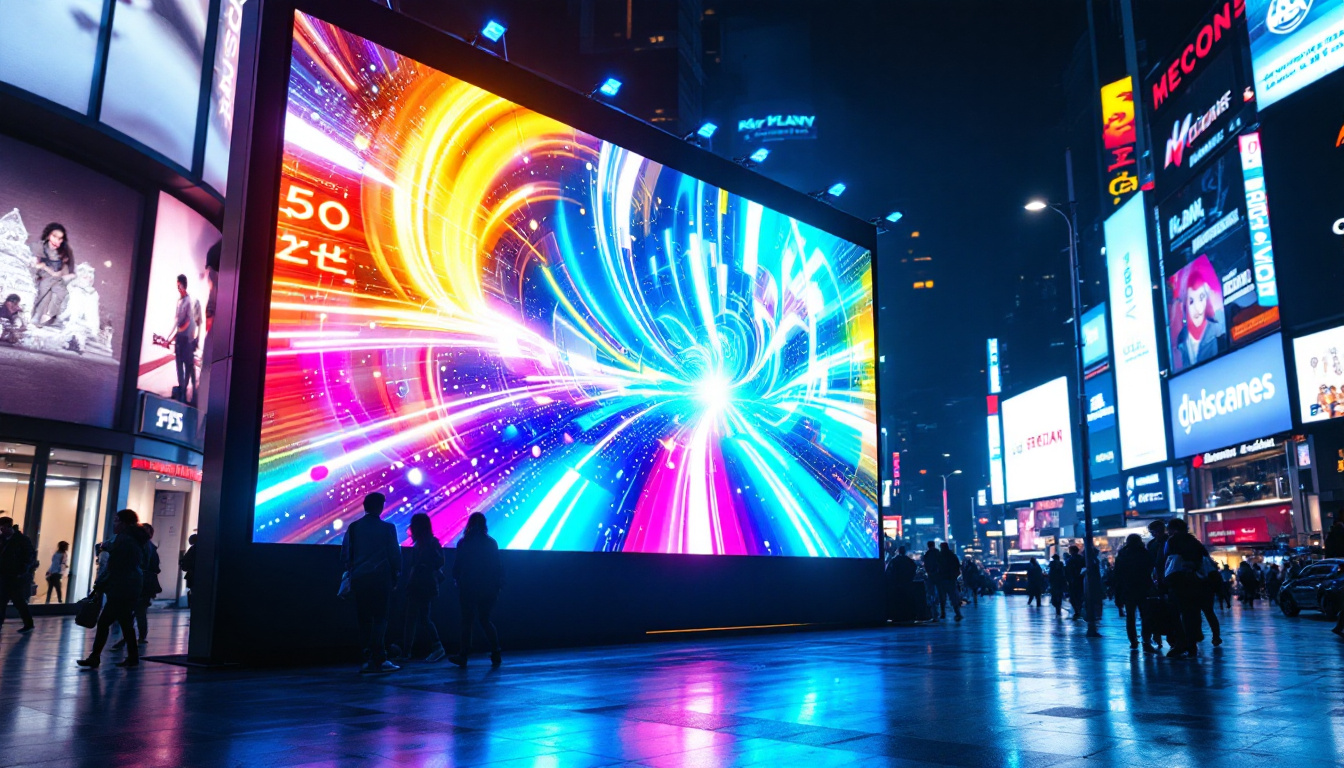
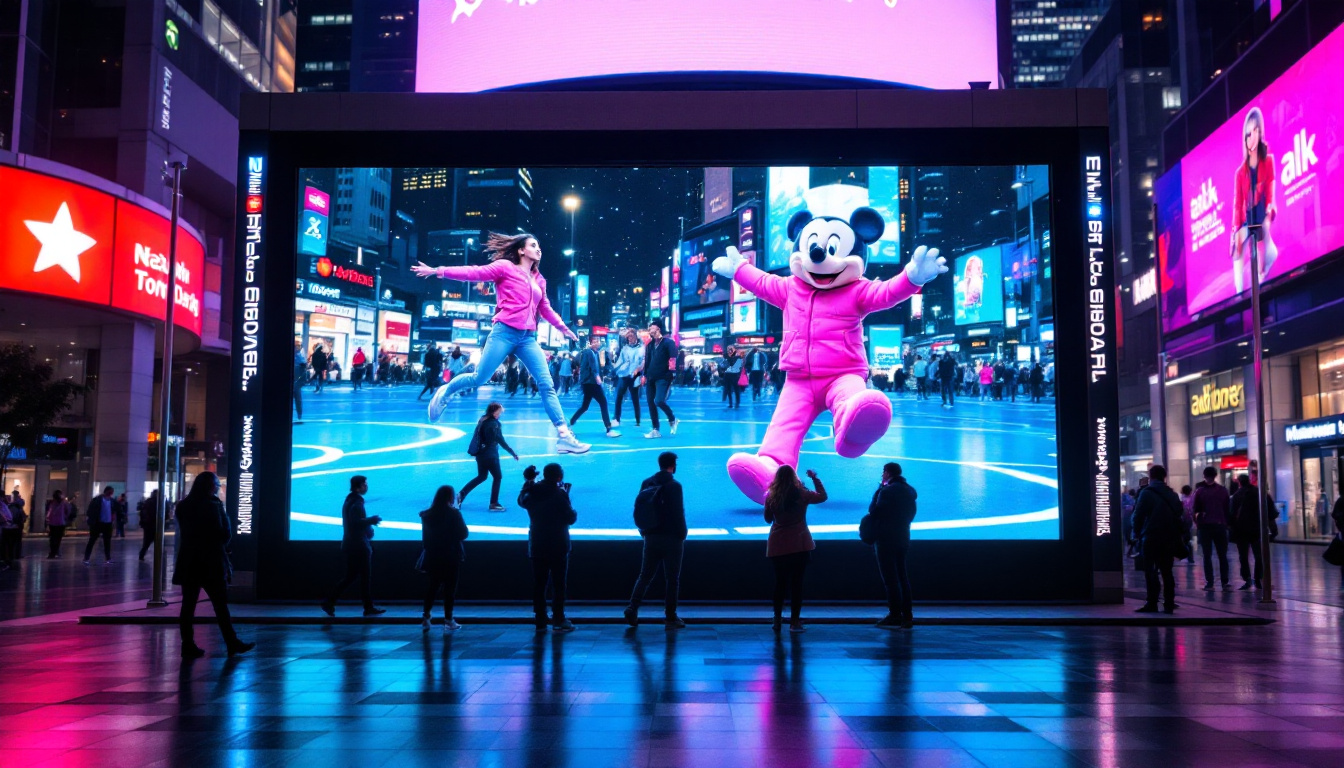
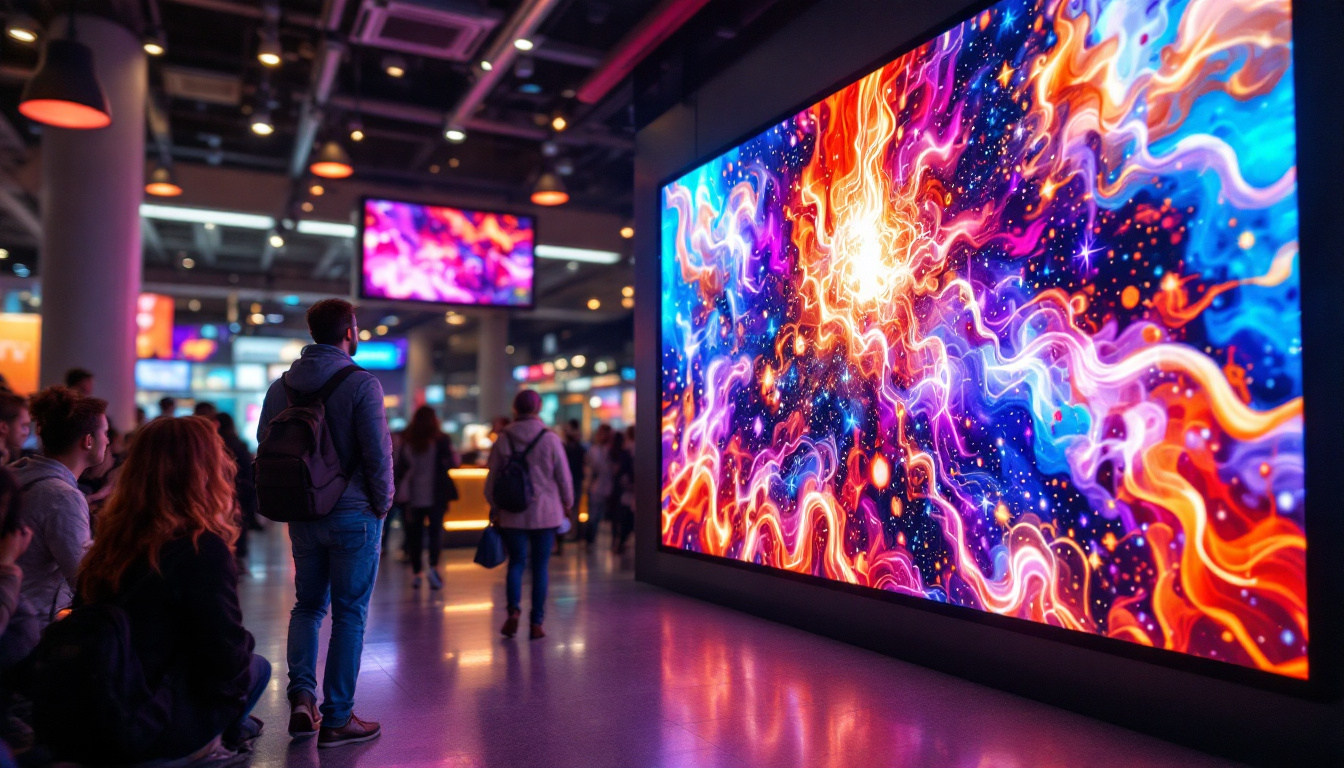
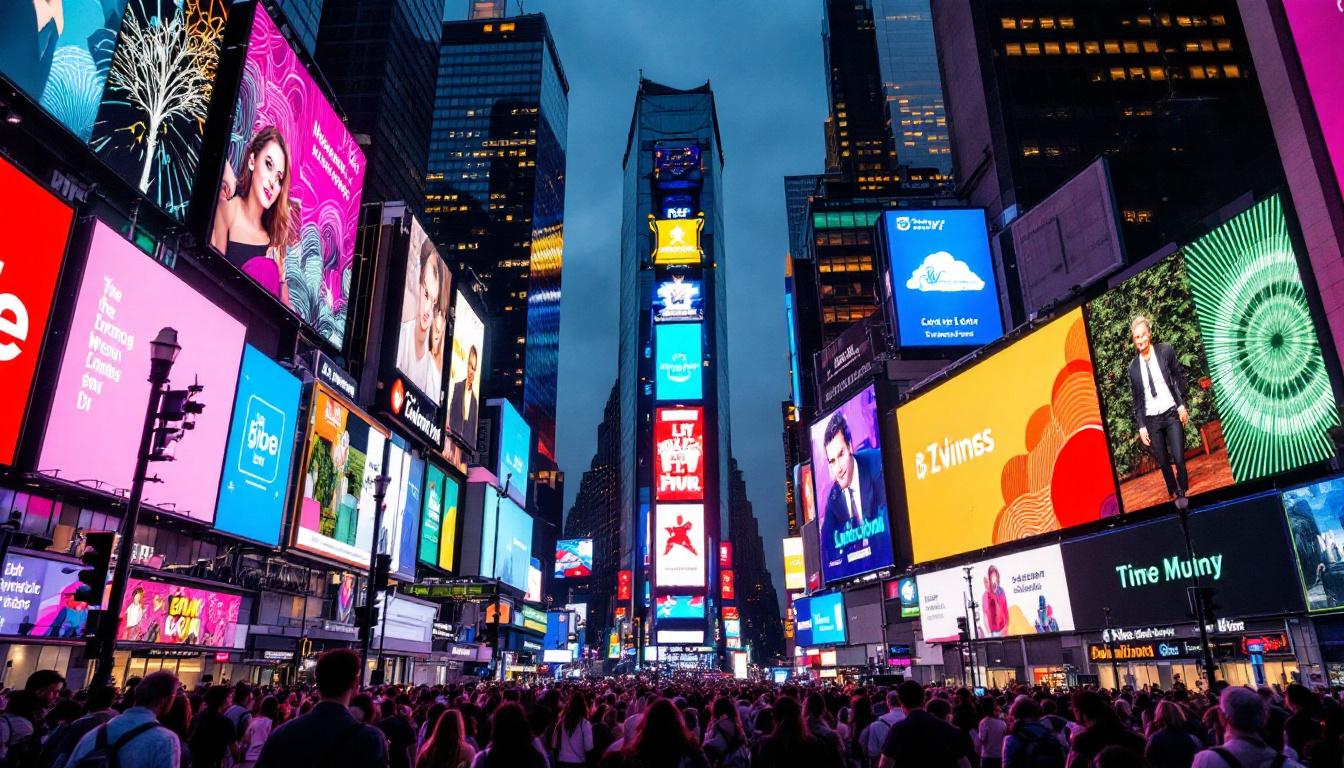
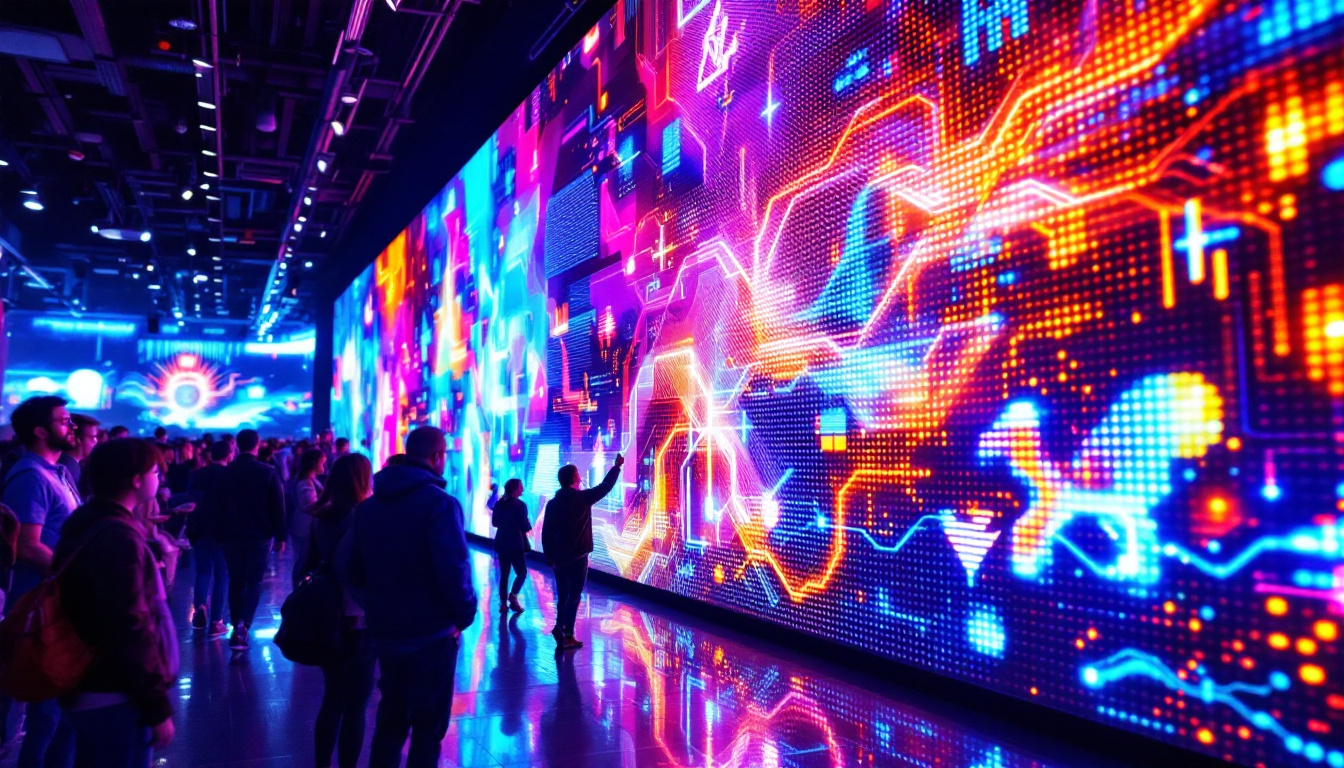
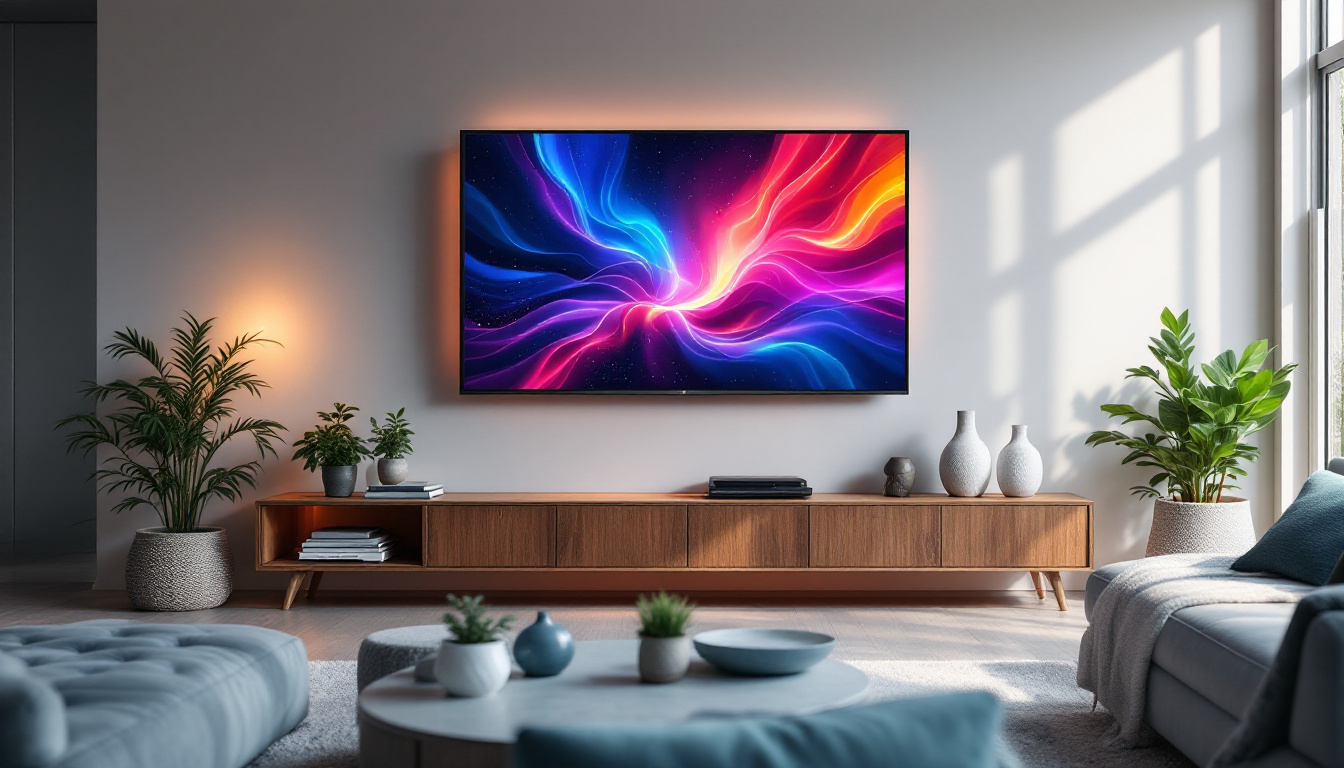
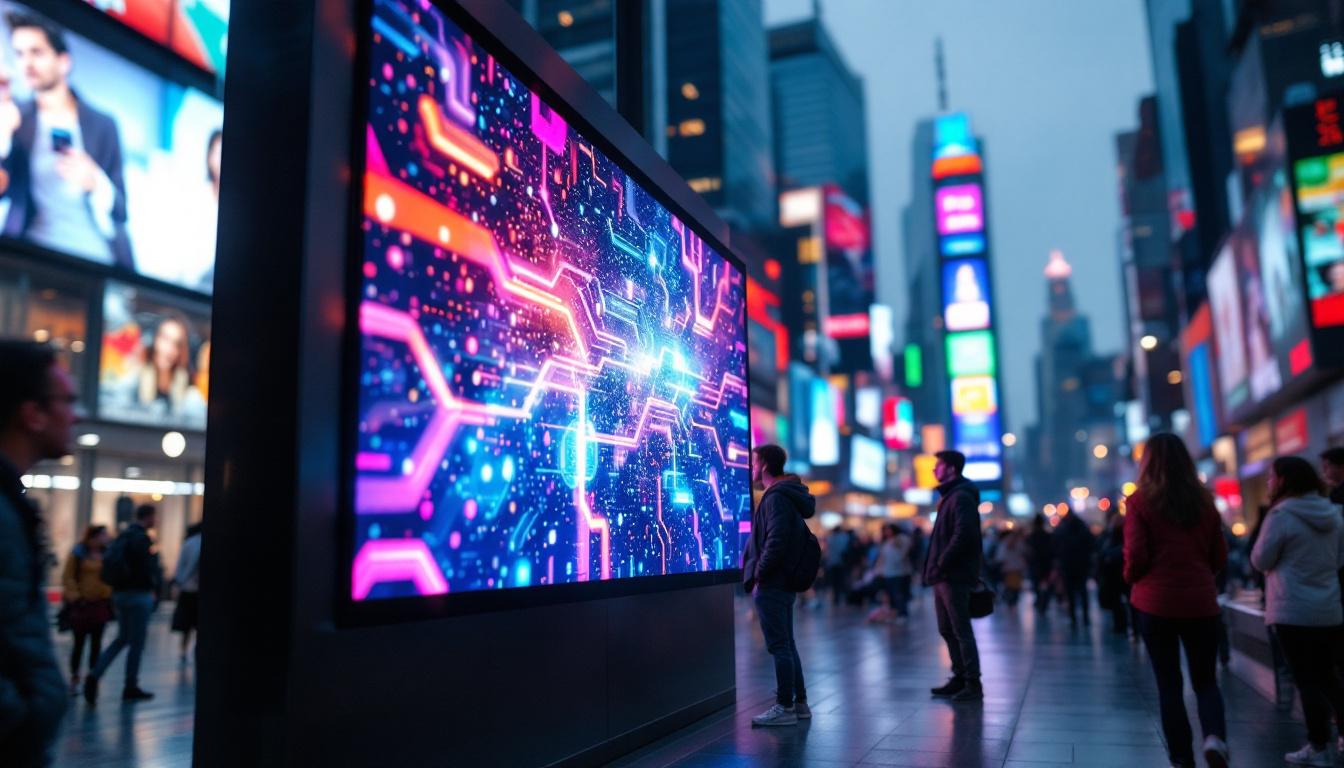
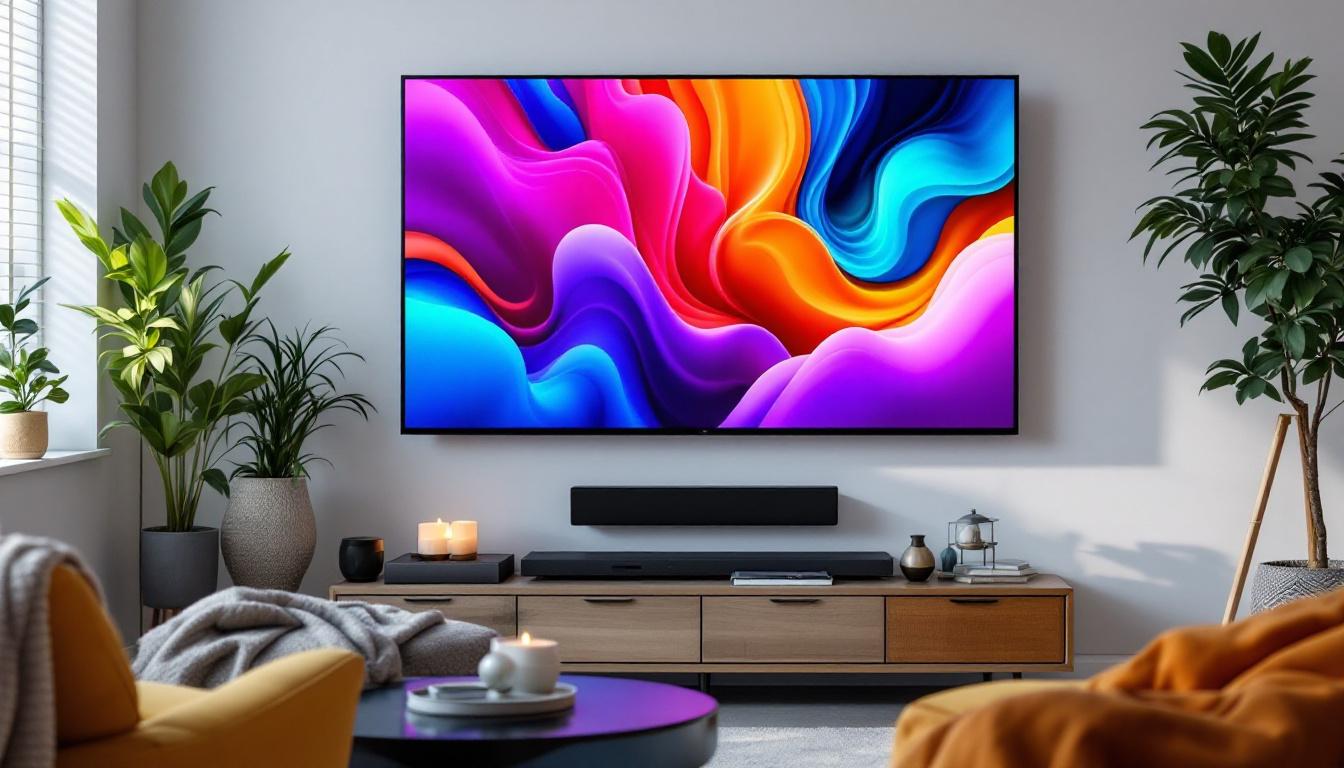
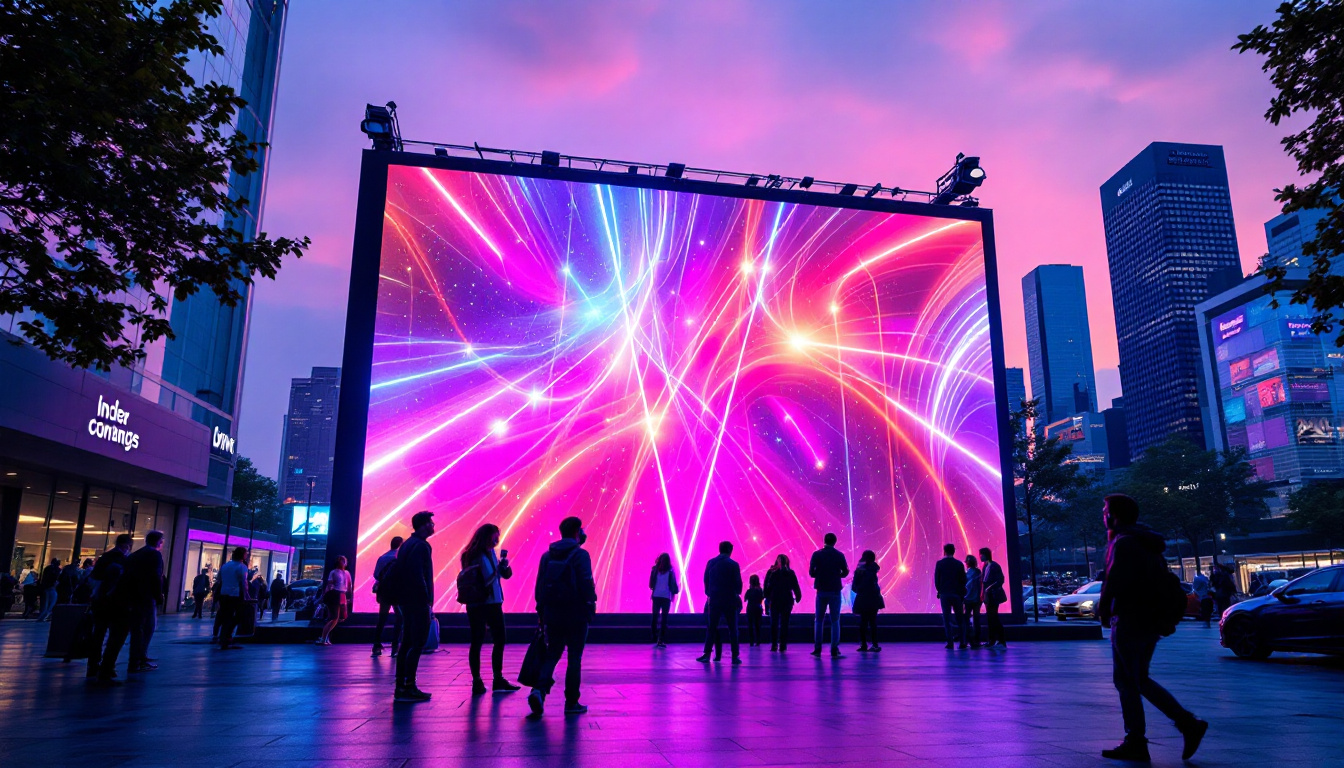
LED stands for Light Emitting Diode, a semiconductor device that emits light when an electric current passes through it. An LED display is a flat panel that uses an array of these tiny diodes to create images, videos, and text. Unlike traditional projection systems, LED displays produce their own light, which results in brighter and more vivid visuals. This inherent luminosity allows for a broader range of applications, from outdoor billboards to indoor screens in shopping malls and airports, showcasing the versatility of LED technology.
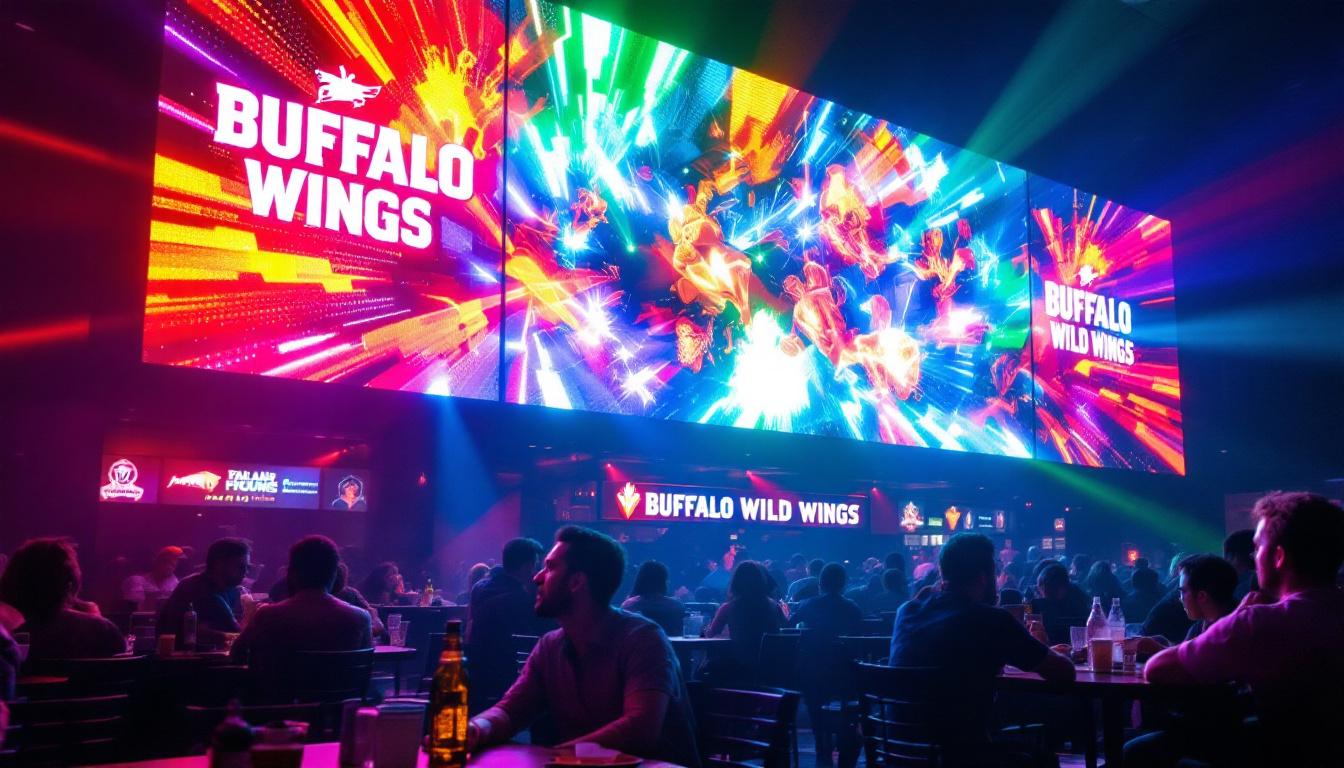
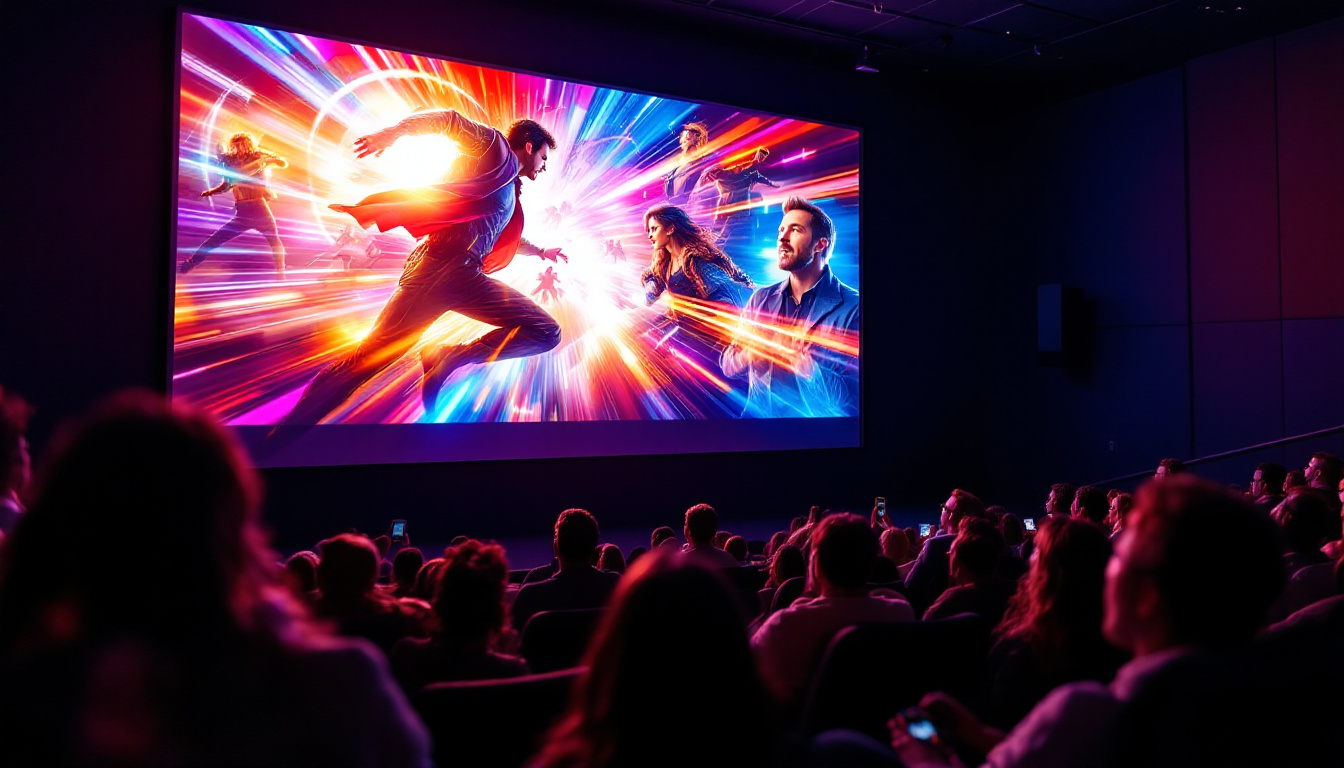
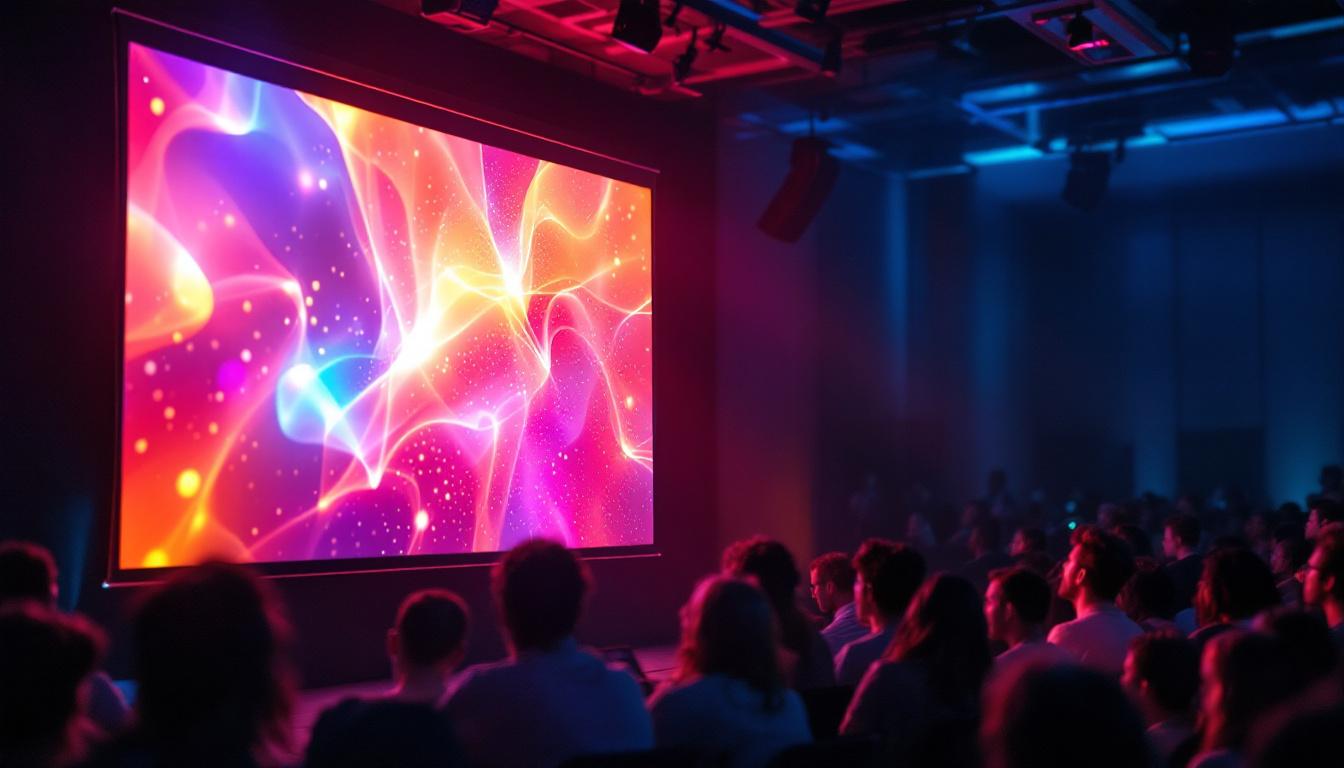
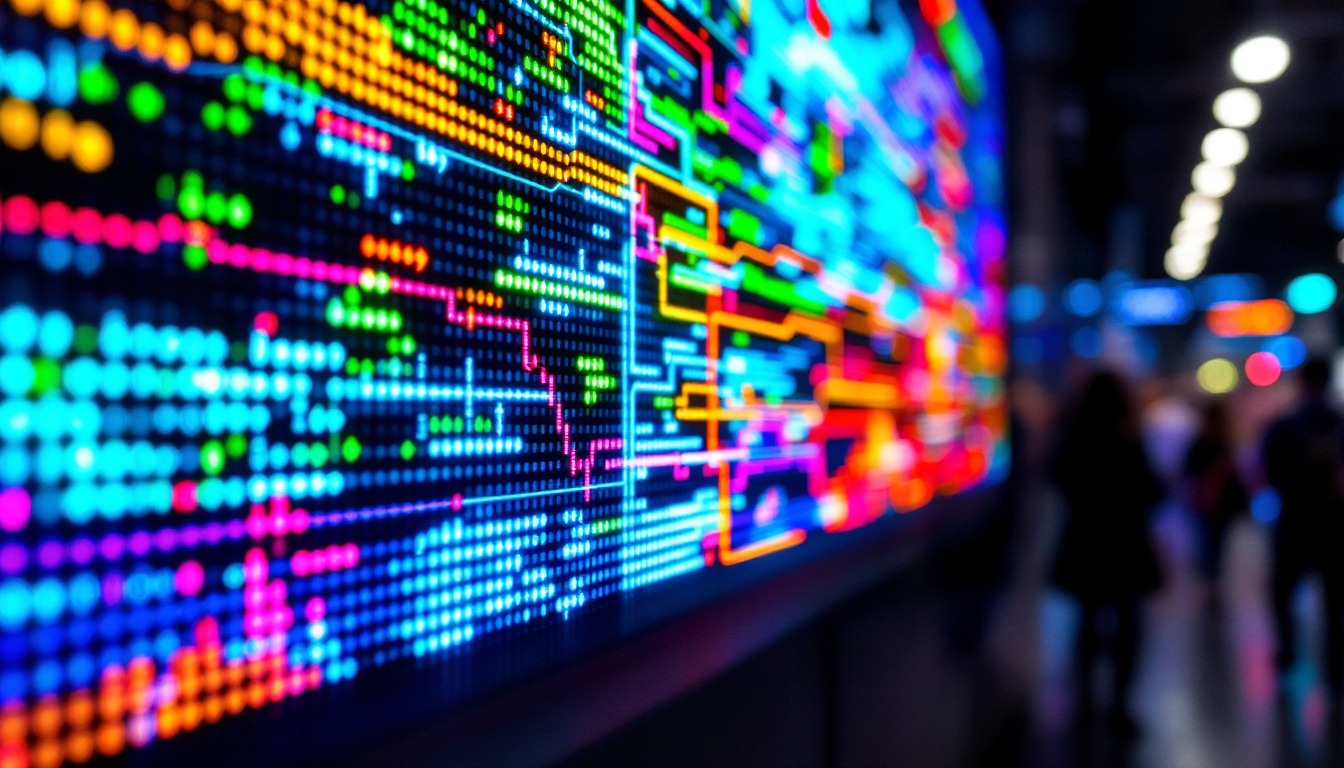
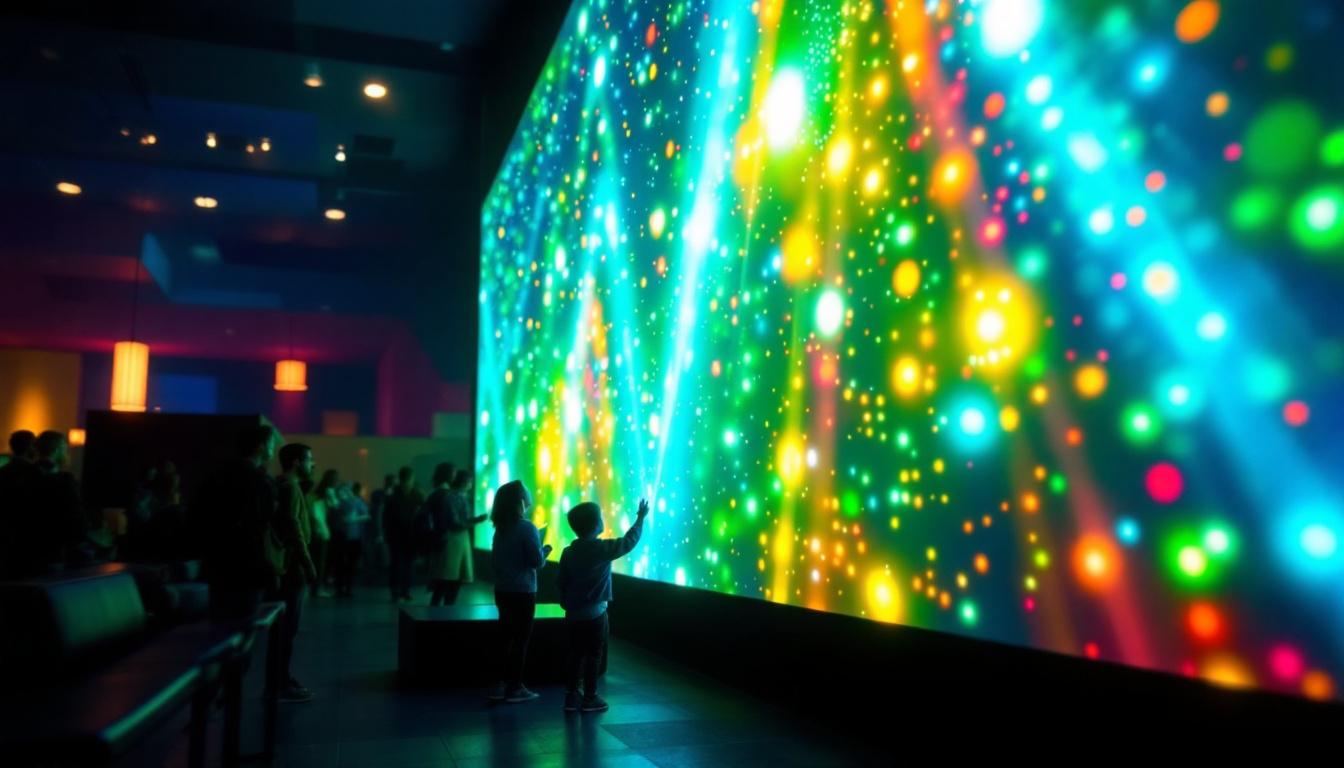
In the context of cinemas, LED displays are used as screens that replace or complement traditional projection screens. They are composed of millions of tiny LEDs arranged in a grid, each capable of displaying a specific color and brightness level. This allows for incredibly sharp images with high contrast ratios and vibrant colors. The technology has evolved significantly, with advancements in pixel pitch—the distance between individual diodes—allowing for closer viewing distances without sacrificing image quality, making them ideal for large venues where viewers are seated at varying distances from the screen.
How Do LED Displays Work in Cinemas?
LED cinema screens operate by controlling the intensity and color of each diode to produce a seamless image. The screen is connected to a media server that processes the film content and sends signals to the LED panels. These panels then light up accordingly, pixel by pixel, to recreate the movie’s visuals in real-time. This precise control over each pixel not only enhances the overall viewing experience but also allows for dynamic content adjustments, such as varying brightness levels during different scenes to match the mood and tone of the film.
One of the key advantages of LED displays is their ability to maintain consistent brightness and color accuracy regardless of ambient lighting conditions. This is particularly beneficial in cinema environments where lighting can vary, ensuring that viewers always experience the film as intended by the filmmakers. Additionally, LED technology supports high dynamic range (HDR) content, which expands the range of colors and contrasts displayed on screen, providing a more immersive experience. The longevity of LED displays also contributes to their appeal; with a lifespan that can exceed 100,000 hours, they require less frequent replacements compared to traditional projection systems, thus reducing maintenance costs and downtime for cinema operators.
The Advantages of LED Displays in Hillsboro Cinemas
Superior Image Quality
LED displays offer unparalleled image quality compared to traditional projection systems. Their high pixel density and brightness levels result in sharper images with deeper blacks and more vibrant colors. For moviegoers in Hillsboro, this means a more immersive and visually stunning experience.
Studies have shown that LED screens can achieve brightness levels upwards of 1,000 nits, far exceeding the typical 14-foot lambert brightness of standard cinema projectors. This enhanced brightness contributes to better visibility even in larger auditoriums or rooms with some ambient light. Furthermore, the ability to display a wider color gamut allows filmmakers’ visions to be presented more accurately, enhancing the storytelling experience and making every scene pop with life.
Moreover, LED technology supports high dynamic range (HDR) content, which allows for a greater contrast between the brightest and darkest parts of an image. This capability not only elevates the visual quality but also enriches the emotional impact of films, drawing audiences deeper into the narrative. As Hillsboro cinemas continue to embrace this cutting-edge technology, viewers can expect a cinematic experience that rivals even the most advanced home theaters.
Energy Efficiency and Sustainability
Hillsboro places a strong emphasis on sustainability, and LED technology aligns well with these values. LED displays consume significantly less power than traditional projection systems, reducing the carbon footprint of cinemas. Additionally, LEDs have a longer lifespan, which means fewer replacements and less electronic waste over time.
For cinema operators, this translates to lower operational costs and a smaller environmental impact—both important factors in today’s eco-conscious market. The reduced energy consumption not only benefits the environment but also allows cinemas to pass on savings to their patrons, potentially leading to lower ticket prices or enhanced amenities. As Hillsboro continues to prioritize green initiatives, the adoption of LED displays serves as a powerful statement about the community’s commitment to sustainability.
Furthermore, many LED displays are designed with recyclable materials, further minimizing their environmental impact. By choosing LED technology, Hillsboro cinemas are not just improving their operational efficiency; they are also championing a movement towards more responsible entertainment practices that resonate with the values of their audience.
Durability and Maintenance
LED displays are known for their robustness and low maintenance requirements. Unlike projectors that rely on bulbs which can burn out or degrade, LEDs are solid-state devices that can operate for tens of thousands of hours without significant performance loss.
This durability is especially advantageous in Hillsboro’s varying climate, where temperature and humidity fluctuations can affect traditional projection equipment. LED screens are less susceptible to these environmental factors, ensuring consistent performance year-round. This reliability means fewer interruptions during screenings, allowing audiences to enjoy their movies without the distraction of technical difficulties.
Additionally, the modular design of many LED systems allows for easier repairs and upgrades. If a section of the display requires attention, technicians can quickly replace individual panels without needing to dismantle the entire setup. This not only minimizes downtime but also ensures that the cinema can maintain its high standards of image quality and customer satisfaction. As Hillsboro cinemas continue to evolve, the integration of LED technology will undoubtedly play a crucial role in enhancing the overall movie-going experience.
Implementation of LED Displays in Hillsboro Cinemas
Case Study: A Local Cinema’s Transition to LED
One notable example in Hillsboro is the transition of a popular local cinema from traditional projection to LED display technology. The cinema reported a marked improvement in audience satisfaction, citing sharper images and more vibrant colors as key factors in enhancing the viewing experience. Patrons have noted that the clarity of the LED screens allows for a more immersive experience, making it feel as though they are part of the film rather than just spectators. The enhanced brightness and contrast levels also mean that films can be enjoyed in a wider range of lighting conditions, further broadening the cinema’s appeal to different audiences.
Additionally, the cinema saw a reduction in energy costs by approximately 30%, highlighting the financial benefits of LED adoption. Maintenance downtime also decreased, allowing the cinema to operate more smoothly and schedule more screenings. The cinema’s management has reported that the longevity of LED technology has resulted in fewer interruptions, enabling them to maximize their revenue potential. This has also allowed for the introduction of special events and themed screenings, attracting even larger crowds and fostering a sense of community among local film enthusiasts.
Challenges and Considerations
While LED displays offer many benefits, their implementation is not without challenges. The initial investment cost for LED cinema screens can be significantly higher than traditional projection systems. However, this cost is often offset over time through energy savings and reduced maintenance expenses. Moreover, the cinema has explored financing options and partnerships with local businesses to help mitigate the upfront costs, demonstrating a proactive approach to embracing new technology while ensuring financial sustainability.
Another consideration is the need for specialized installation and calibration to ensure optimal performance. Cinemas in Hillsboro have worked closely with technology providers to tailor LED solutions that fit their specific auditorium sizes and seating arrangements. This collaboration has not only facilitated a smoother transition but has also led to the development of best practices that can be shared with other cinemas considering similar upgrades. Furthermore, ongoing training for staff on the operation and troubleshooting of LED systems has been prioritized, ensuring that they are well-equipped to handle any technical issues that may arise and maintain the high standards of the cinema experience.
The Future of Cinema Displays in Hillsboro
Advancements in LED Technology
LED technology continues to evolve rapidly. Innovations such as microLED and miniLED promise even higher resolution, better color accuracy, and thinner, more flexible screens. These advancements could further revolutionize the cinema experience in Hillsboro, making LED displays more accessible and affordable.
Moreover, integration with immersive audio systems and augmented reality (AR) could create multi-sensory experiences that redefine what it means to watch a movie.
Impact on the Hillsboro Community
The adoption of LED cinema displays also has cultural and economic implications for Hillsboro. Enhanced cinema experiences attract more visitors, supporting local businesses and contributing to the city’s cultural vibrancy. It also positions Hillsboro as a forward-thinking city embracing cutting-edge technology in entertainment.
As cinemas upgrade their facilities, they also create new opportunities for employment and partnerships with technology firms, fostering innovation within the community.
Conclusion
LED displays represent a significant leap forward in cinema technology, offering superior image quality, energy efficiency, and durability. In Hillsboro, Oregon, cinemas adopting LED screens are setting new standards for the movie-going experience, benefiting both audiences and operators alike.
While the initial costs and technical requirements present challenges, the long-term advantages make LED displays a compelling choice for cinemas aiming to stay competitive and sustainable. As technology advances, Hillsboro’s cinemas are well-positioned to embrace the future of entertainment, delivering unforgettable experiences to their patrons.
For movie lovers and cinema operators in Hillsboro, understanding the benefits and workings of LED display technology is essential to appreciating the evolving landscape of film exhibition.
Discover the Future of Cinematic Visuals with LumenMatrix
Ready to experience the pinnacle of cinema display technology? LumenMatrix is at the forefront of innovation, offering a wide array of LED display solutions that transform movie theaters into immersive visual spectacles. From Indoor and Outdoor LED Wall Displays to specialized options like Vehicle, Sports, and Floor LED Displays, LumenMatrix tailors to every need. Embrace the revolution in visual communication and elevate your cinema with our Custom, All-in-One, and Transparent LED Displays. Check out LumenMatrix LED Display Solutions today and join the movement towards a brighter, more engaging cinematic future.