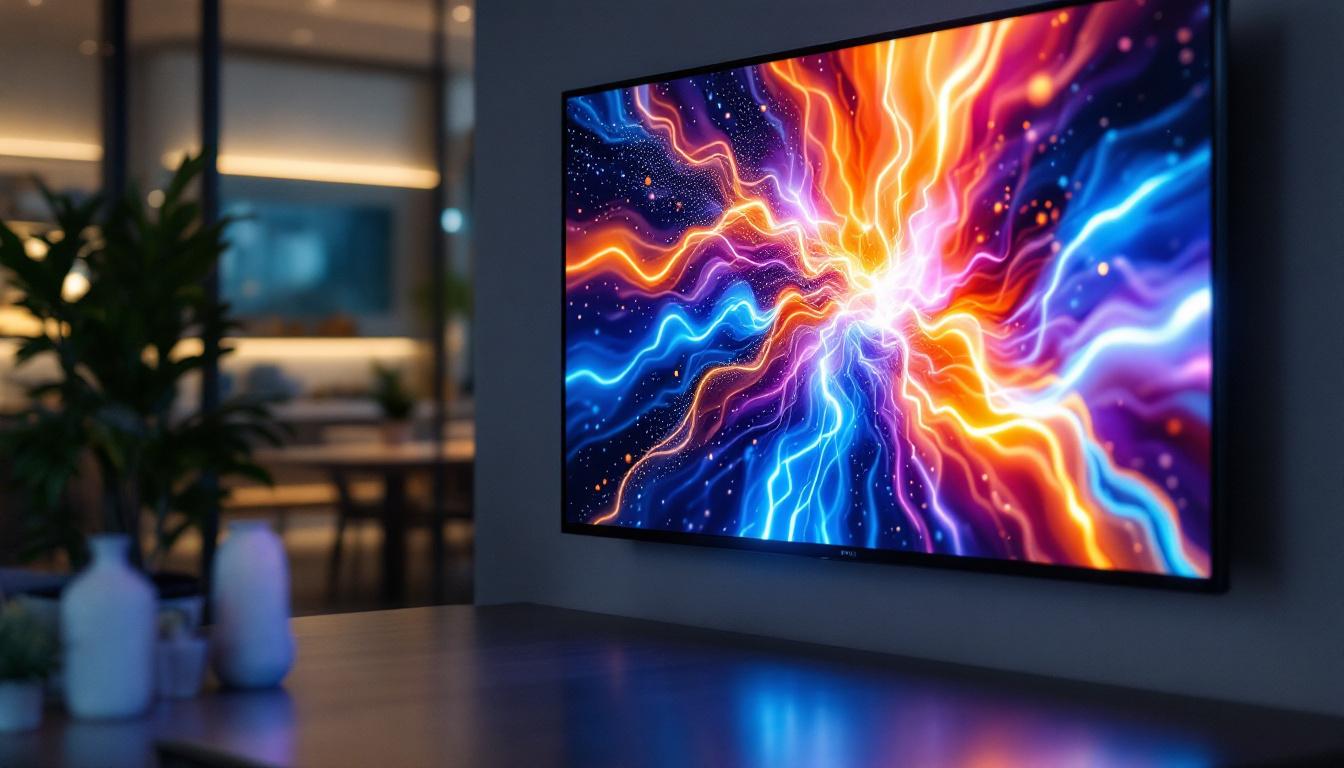
Commercial TV Monitors: LED Display Explained
In today’s fast-paced business environments, visual communication plays a pivotal role in attracting customers, conveying messages, and enhancing brand presence. Commercial TV monitors, particularly those utilizing LED display technology, have become indispensable tools across various industries—from retail and hospitality to corporate settings and public spaces. This article delves into the world of commercial LED TV monitors, explaining the technology behind them, their advantages, and key considerations for selecting the right display for commercial use.
Understanding LED Display Technology
What is an LED Display?
LED stands for Light Emitting Diode, a semiconductor device that emits light when an electric current passes through it. In the context of commercial TV monitors, LED displays use an array of these tiny diodes to create images. Unlike traditional LCD screens that rely on fluorescent backlighting, LED displays use LEDs either as a backlight or as the actual pixels themselves, depending on the type of LED technology employed.
There are primarily two types of LED displays used in commercial monitors: edge-lit LED and direct-lit LED. Edge-lit LED monitors position LEDs along the edges of the screen, which then illuminate the display through light guides. Direct-lit LED monitors, on the other hand, have LEDs placed directly behind the screen, offering better brightness and contrast. Furthermore, advancements in technology have led to the development of local dimming features in direct-lit displays, allowing specific areas of the screen to dim or brighten independently, enhancing the overall picture quality and providing deeper blacks in darker scenes.
In addition to these types, there are also OLED (Organic Light Emitting Diode) displays, which represent a significant leap in display technology. Unlike traditional LED displays, OLED screens do not require backlighting, as each pixel emits its own light. This results in exceptional color reproduction and contrast ratios, making OLED a popular choice for high-end applications, including televisions and smartphones. As the market continues to evolve, the competition between LED and OLED technologies drives innovation, leading to even more refined display solutions.
How LED Differs from Other Display Technologies
Before the widespread adoption of LED displays, LCD (Liquid Crystal Display) and Plasma were the dominant technologies in commercial monitors. While LCDs often used CCFL (Cold Cathode Fluorescent Lamp) backlights, LED displays replaced these with more energy-efficient and longer-lasting LEDs. Plasma displays, once popular for their deep blacks and wide viewing angles, have largely been phased out due to higher power consumption and shorter lifespan.
Compared to LCD and Plasma, LED displays provide superior brightness, enhanced color accuracy, and improved energy efficiency. Additionally, LED monitors tend to be thinner and lighter, making them easier to install and maintain in commercial environments. The rapid response time of LED technology also contributes to smoother motion handling, which is particularly beneficial for fast-paced video content, such as sports or action films. This capability ensures that viewers experience less motion blur, enhancing the overall viewing experience.
Moreover, the versatility of LED displays extends beyond just televisions and monitors; they are increasingly being utilized in various applications, including digital signage, outdoor billboards, and even architectural lighting. The ability to create large, vibrant displays that can be seen from a distance makes LED technology an ideal choice for advertising and public information systems. As the demand for dynamic visual content grows, the role of LED displays in shaping the way we communicate and consume media continues to expand, paving the way for innovative uses in diverse fields such as education, entertainment, and retail.
Advantages of LED Commercial TV Monitors
Brightness and Visibility
One of the most significant advantages of LED displays in commercial settings is their high brightness levels. Commercial monitors often need to compete with ambient lighting, especially in brightly lit retail stores, airports, or outdoor environments. LED technology can achieve brightness levels upwards of 1,000 nits or more, ensuring that content remains vivid and legible even under direct sunlight or harsh lighting conditions.
For example, digital signage in shopping malls benefits greatly from LED monitors as they can display vibrant advertisements that catch the eye of passersby, increasing engagement and potential sales.
Longevity and Durability
Commercial environments demand displays that can operate for extended hours—sometimes 24/7—without degradation in performance. LED monitors are known for their long lifespan, often rated for 50,000 to 100,000 hours of use. This durability reduces maintenance costs and downtime, which is critical for businesses relying on continuous operation.
Moreover, many commercial LED monitors are built with robust casings and enhanced cooling systems to withstand the rigors of public spaces, including exposure to dust, humidity, and temperature fluctuations.
Energy Efficiency and Cost Savings
Energy consumption is a major consideration for businesses managing operational costs. LED displays consume significantly less power than older technologies like CCFL-backlit LCDs or Plasma screens. According to the U.S. Department of Energy, LED technology can reduce energy usage by up to 40% compared to traditional LCDs.
This efficiency translates not only into lower electricity bills but also supports sustainability goals, making LED commercial monitors an environmentally responsible choice.
Enhanced Color Accuracy and Image Quality
Modern commercial LED monitors offer exceptional color reproduction, essential for businesses that rely on precise branding and high-quality visuals. The ability to display a wide color gamut with accurate hues ensures that logos, product images, and promotional content appear as intended.
Additionally, LED displays often feature higher contrast ratios and faster refresh rates, resulting in sharper images and smoother video playback—key factors for dynamic digital signage and interactive kiosks.
Applications of Commercial LED TV Monitors
Retail and Advertising
Retailers use commercial LED monitors to create dynamic in-store experiences that drive sales. From digital price tags and promotional videos to interactive product demonstrations, LED displays help capture customer attention and influence purchasing decisions.
Digital signage networks powered by LED monitors can be centrally managed, allowing for real-time updates and targeted messaging tailored to specific locations or times of day. This flexibility enhances marketing effectiveness and customer engagement.
Corporate and Conference Settings
In corporate environments, LED commercial monitors serve as vital communication tools for presentations, video conferencing, and information sharing. Their large screen sizes and high resolution facilitate clear visibility for large audiences, improving collaboration and productivity.
Many companies integrate LED monitors into their digital signage systems to display company news, safety information, and event schedules, fostering a connected workplace culture.
Hospitality and Entertainment
Hotels, restaurants, and entertainment venues leverage LED monitors to enhance guest experiences. From digital menus and event promotions to ambient displays and wayfinding systems, LED technology delivers crisp visuals that elevate service quality.
In stadiums and concert halls, large-format LED displays provide immersive viewing experiences, broadcasting live events and advertisements with stunning clarity.
Transportation and Public Spaces
Airports, train stations, and bus terminals utilize LED commercial monitors for real-time information dissemination, including arrival and departure times, security alerts, and advertising. The high brightness and durability of LED displays make them ideal for these high-traffic, often outdoor or semi-outdoor environments.
City centers and public squares also use large LED video walls for public announcements, cultural events, and interactive installations, enhancing urban engagement.
Key Considerations When Choosing a Commercial LED TV Monitor
Screen Size and Resolution
The appropriate screen size depends largely on the viewing distance and the environment. Larger screens are necessary for venues where viewers are far away, such as airports or stadiums, while smaller monitors may suffice in retail counters or conference rooms.
Resolution is equally important; Full HD (1920×1080) is common, but 4K UHD (3840×2160) monitors are increasingly popular for applications requiring fine detail and sharp images. Higher resolution displays also future-proof investments as content standards evolve.
Brightness and Contrast Ratio
Brightness is measured in nits, and commercial LED monitors typically range from 500 to over 2,000 nits. Selecting a monitor with sufficient brightness ensures visibility in various lighting conditions. For outdoor or brightly lit indoor spaces, higher brightness is essential.
Contrast ratio—the difference between the darkest black and brightest white—affects image depth and clarity. Higher contrast ratios enhance readability and visual appeal, especially for text-heavy or high-contrast content.
Connectivity and Control Features
Modern commercial LED monitors offer a variety of connectivity options, including HDMI, DisplayPort, USB, and network interfaces. These connections facilitate integration with media players, computers, and content management systems.
Remote management capabilities are particularly valuable for businesses operating multiple displays across different locations. Features such as scheduling, content updates, and diagnostics can be controlled centrally, reducing operational complexity.
Durability and Warranty
Commercial environments demand displays with robust build quality and reliable performance. Look for monitors with protective glass, reinforced frames, and cooling systems designed for continuous operation.
Warranty and service agreements are critical considerations. Many manufacturers offer extended warranties and on-site support for commercial-grade monitors, providing peace of mind and minimizing downtime.
Cost and Total Cost of Ownership (TCO)
While initial purchase price is important, businesses should evaluate the total cost of ownership, including energy consumption, maintenance, and potential replacement costs. LED monitors may have higher upfront costs than consumer-grade TVs but typically offer better longevity and lower operating expenses, resulting in overall savings.
Future Trends in Commercial LED Displays
MicroLED and MiniLED Technologies
Emerging display technologies like MicroLED and MiniLED promise even greater improvements in brightness, contrast, and energy efficiency. MicroLED, in particular, offers self-emissive pixels similar to OLED but without the risk of burn-in, making it ideal for commercial use.
These advancements are expected to bring ultra-thin, flexible, and highly durable displays to market, expanding the possibilities for innovative commercial signage and immersive environments.
Interactive and Smart Displays
Integration of touch capabilities, sensors, and AI-powered content management is transforming commercial LED monitors into interactive hubs. Smart displays can personalize content based on audience demographics, time of day, or environmental factors, increasing engagement and effectiveness.
Additionally, connectivity with IoT devices and cloud platforms enables seamless updates and analytics, providing valuable insights into customer behavior and display performance.
Conclusion
Commercial TV monitors equipped with LED display technology have revolutionized the way businesses communicate visually. Their superior brightness, energy efficiency, durability, and image quality make them the preferred choice for a wide range of commercial applications. By understanding the underlying technology and key selection criteria, businesses can make informed decisions that maximize the impact of their visual communications while optimizing operational costs.
As display technologies continue to evolve, staying abreast of innovations like MicroLED and interactive smart displays will be essential for businesses aiming to maintain a competitive edge in visual marketing and customer engagement.
Discover LumenMatrix’s Innovative LED Display Solutions
Ready to elevate your business’s visual impact? Explore LumenMatrix’s comprehensive range of LED display modules, designed to bring your brand to life. From vibrant Indoor and Outdoor LED Wall Displays to dynamic Vehicle and Sports LED Displays, our solutions are crafted to captivate and engage your audience. Experience the future of visual communication with our All-in-One LED Displays, LED Transparent Displays, and more. Check out LumenMatrix LED Display Solutions today and transform your visual messaging with clarity and innovation.