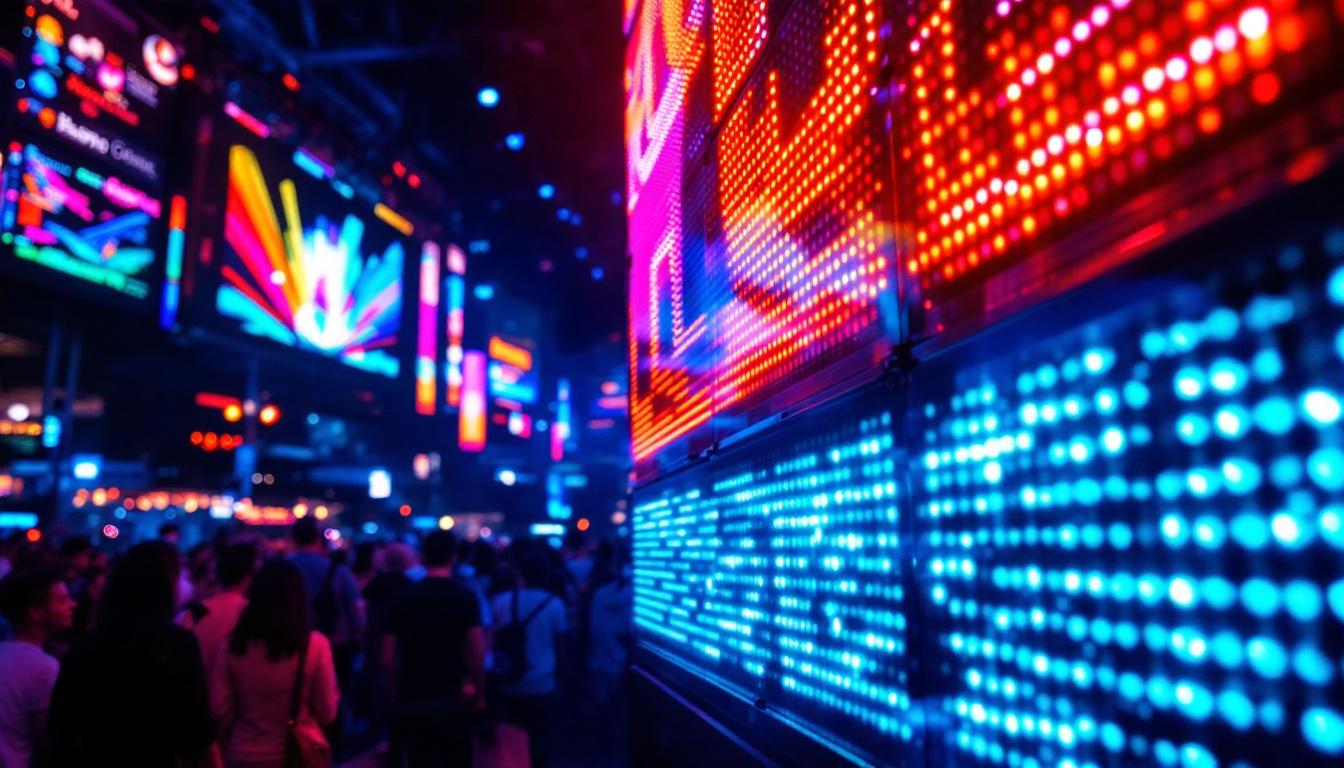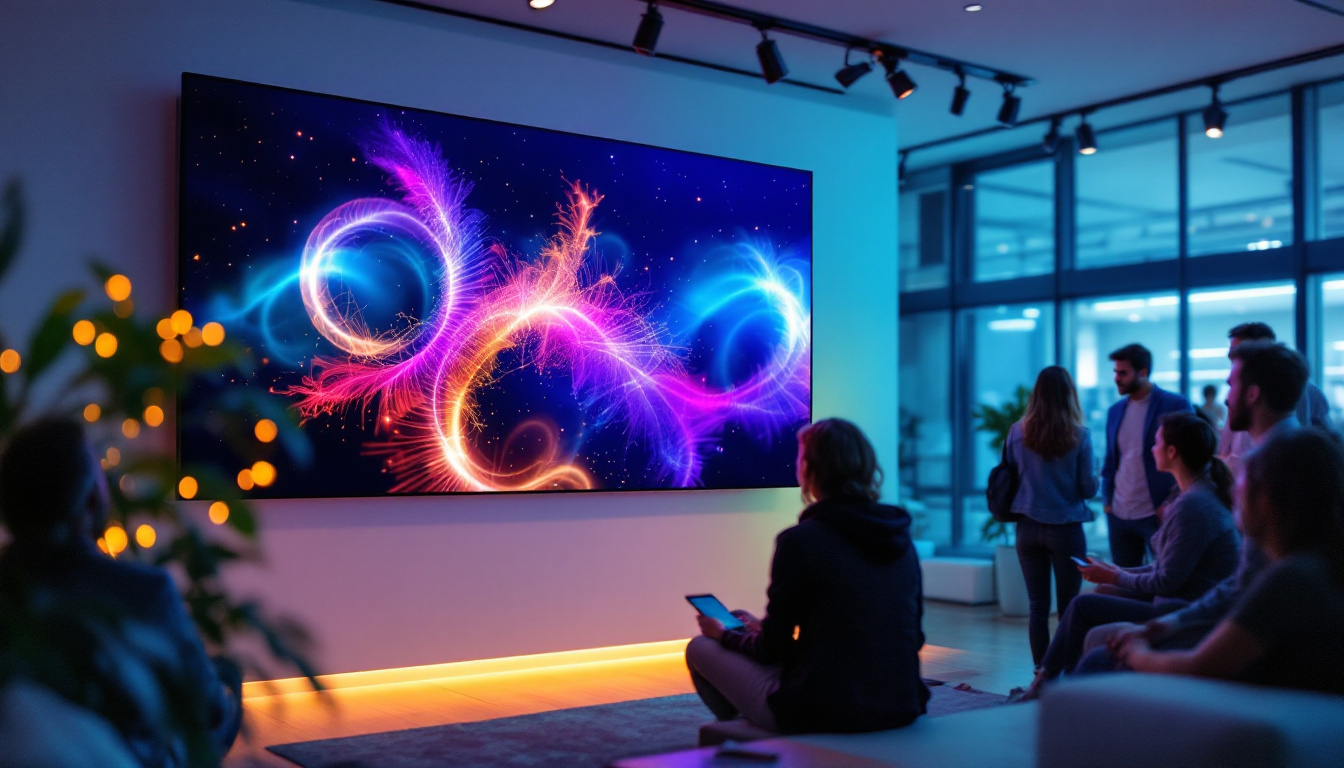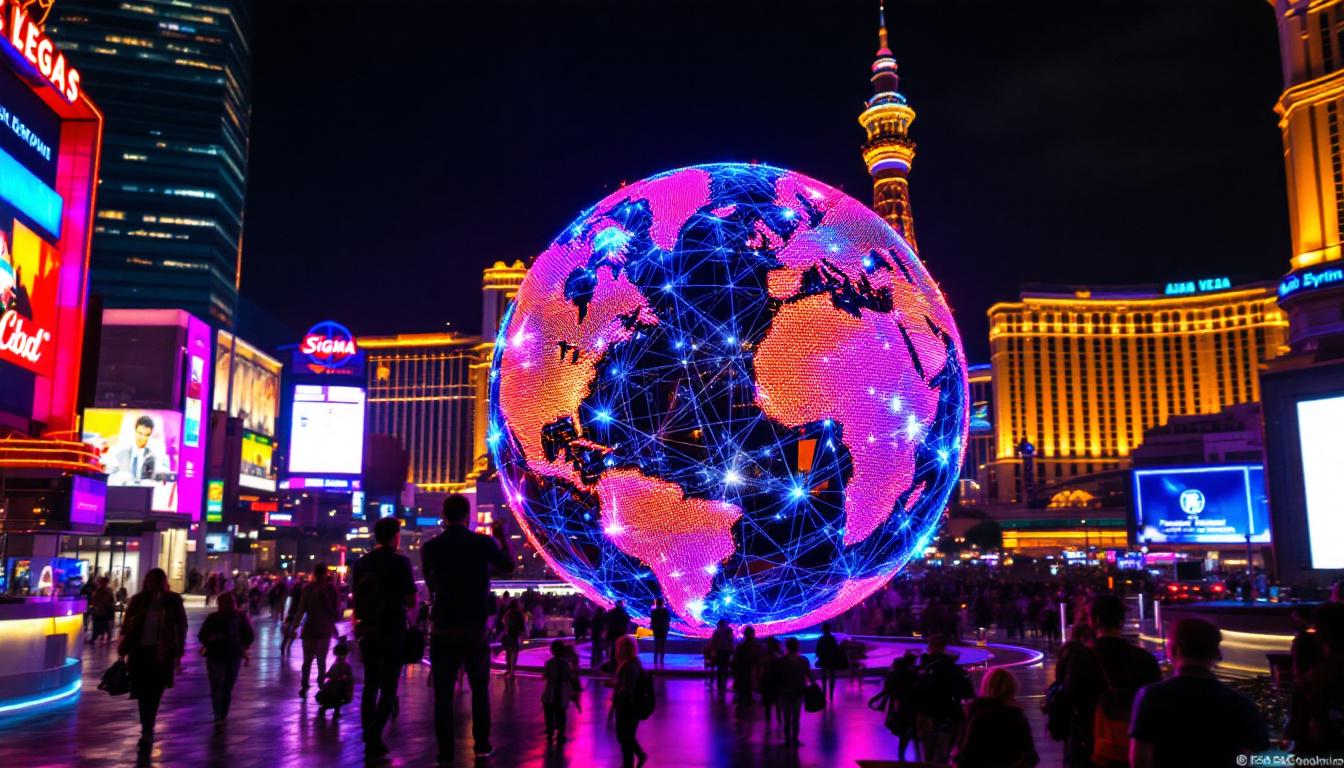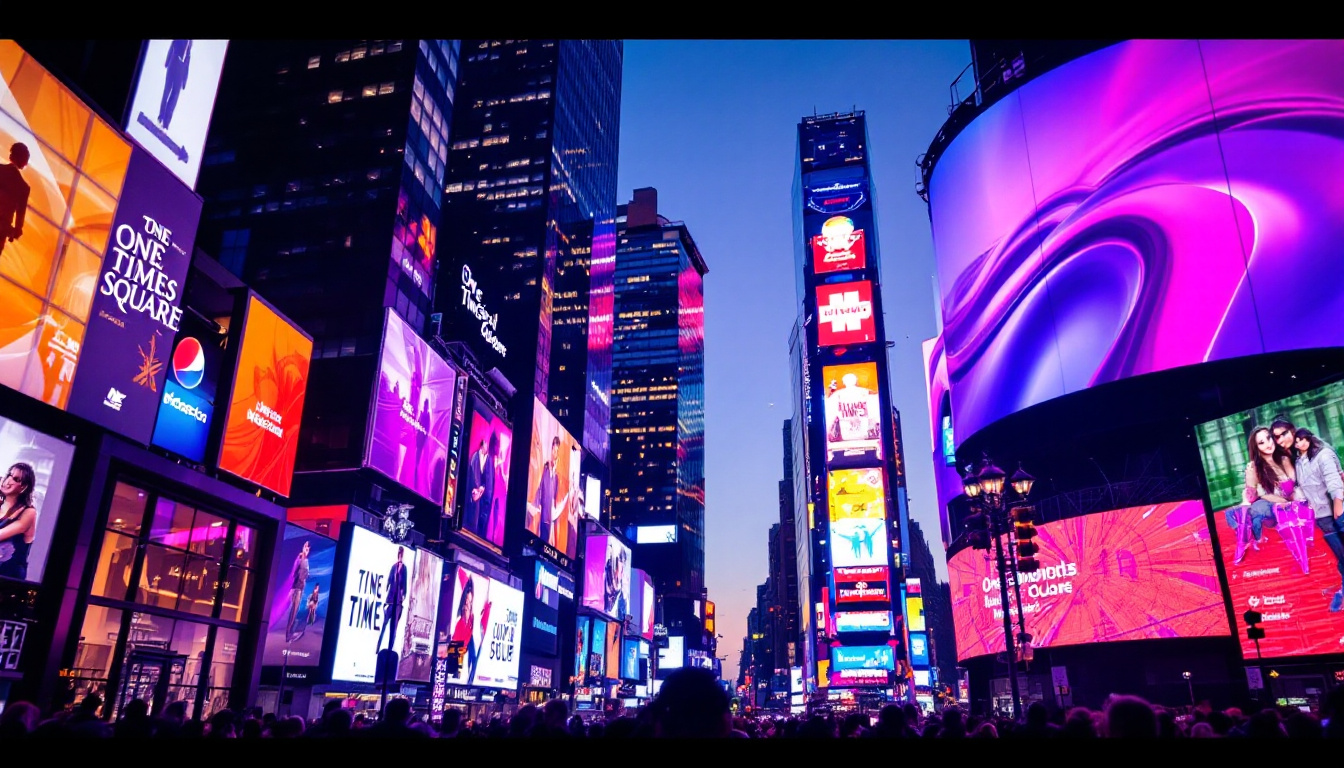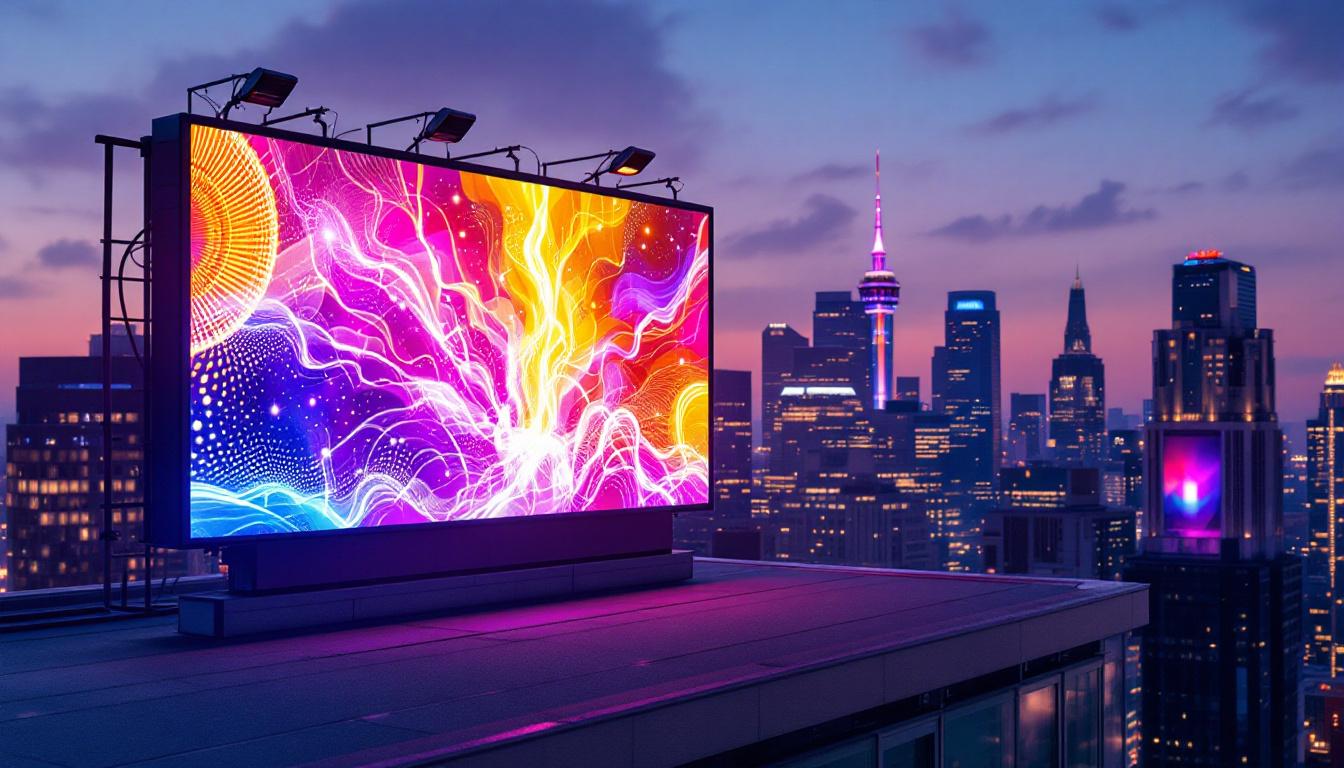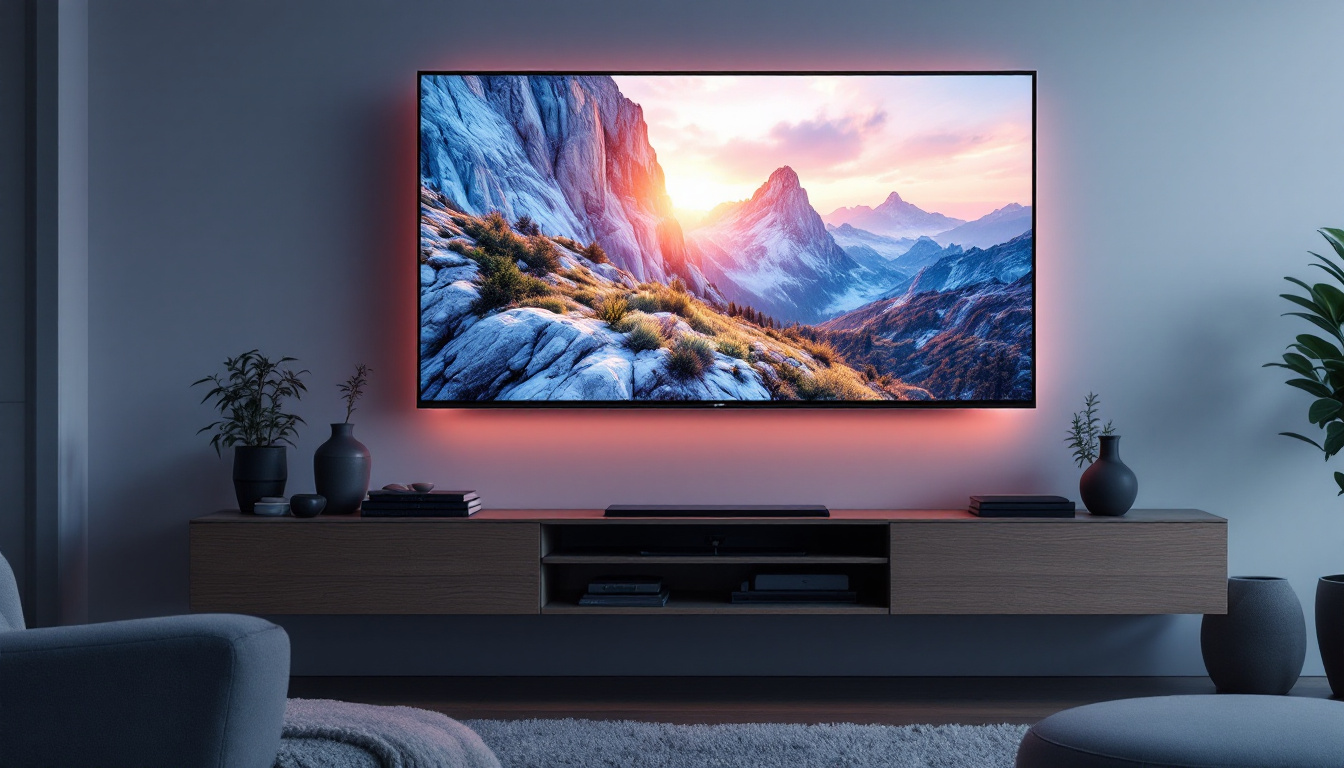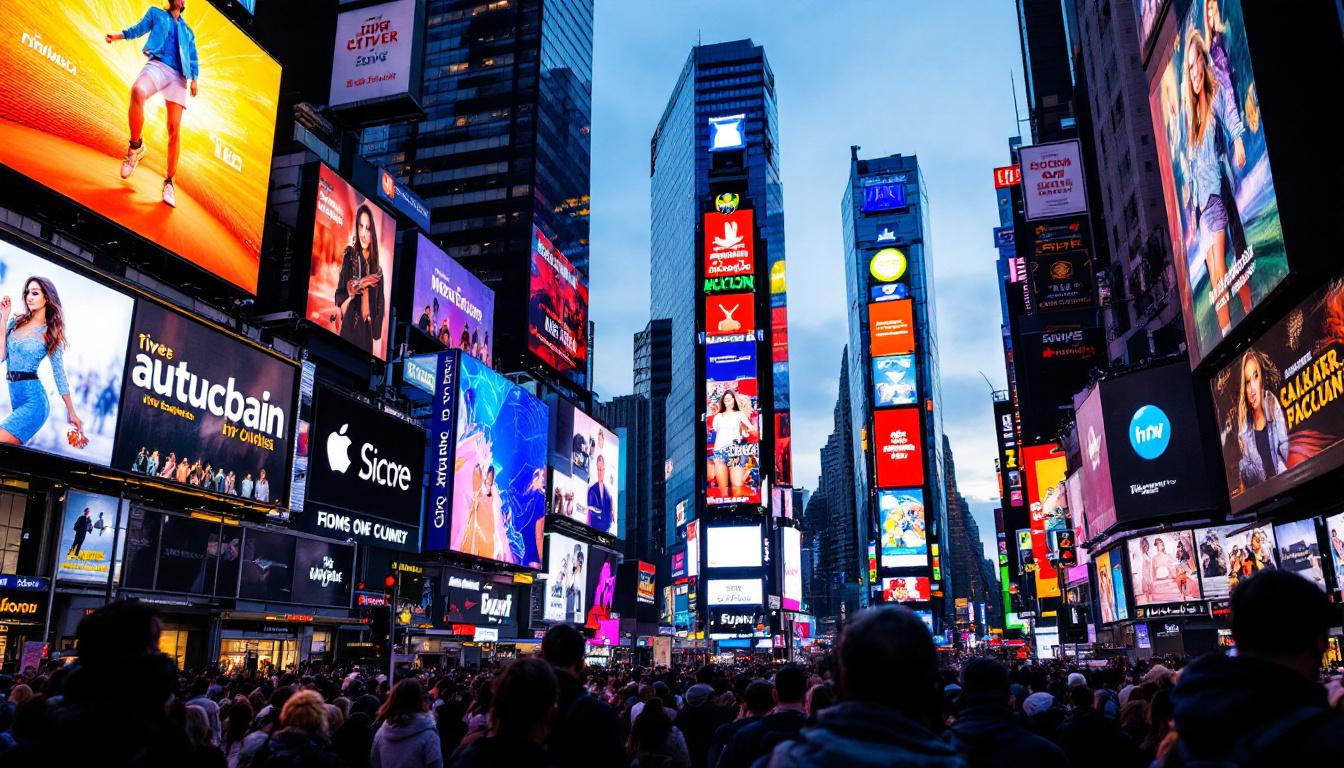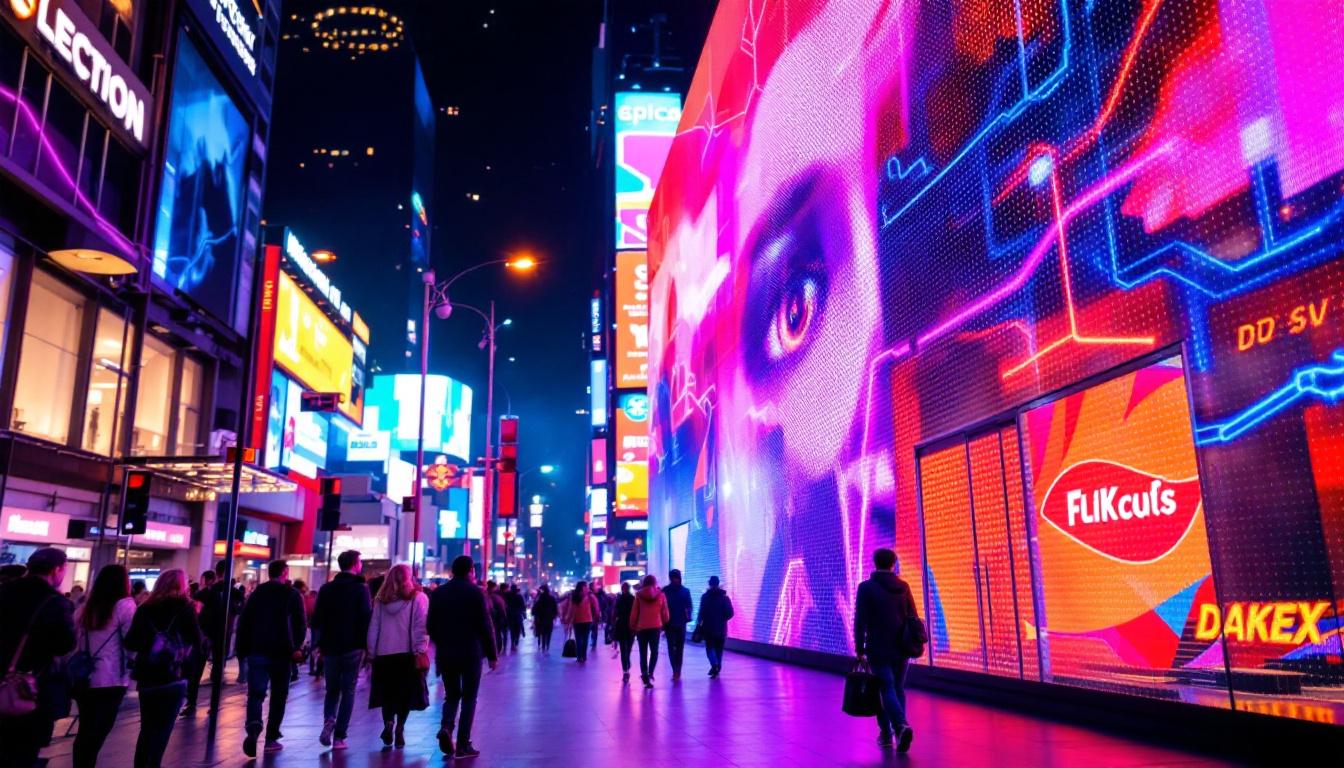
In today’s digital age, LED screens have become an essential tool for businesses, event organizers, advertisers, and even individuals looking to make a bold visual impact. Whether it’s a massive billboard in Times Square or a compact digital sign in a retail store, LED displays offer unparalleled brightness, clarity, and versatility. This article dives deep into the world of LED screens, explaining what they are, how they work, and what to consider when looking for a LED screen for sale.
What is an LED Screen?
LED stands for Light Emitting Diode, a semiconductor device that emits light when an electric current passes through it. An LED screen is a flat panel display that uses an array of these tiny LEDs to produce images, videos, or text. Unlike traditional LCD or plasma screens, LED screens are known for their high brightness and energy efficiency, making them ideal for both indoor and outdoor use.
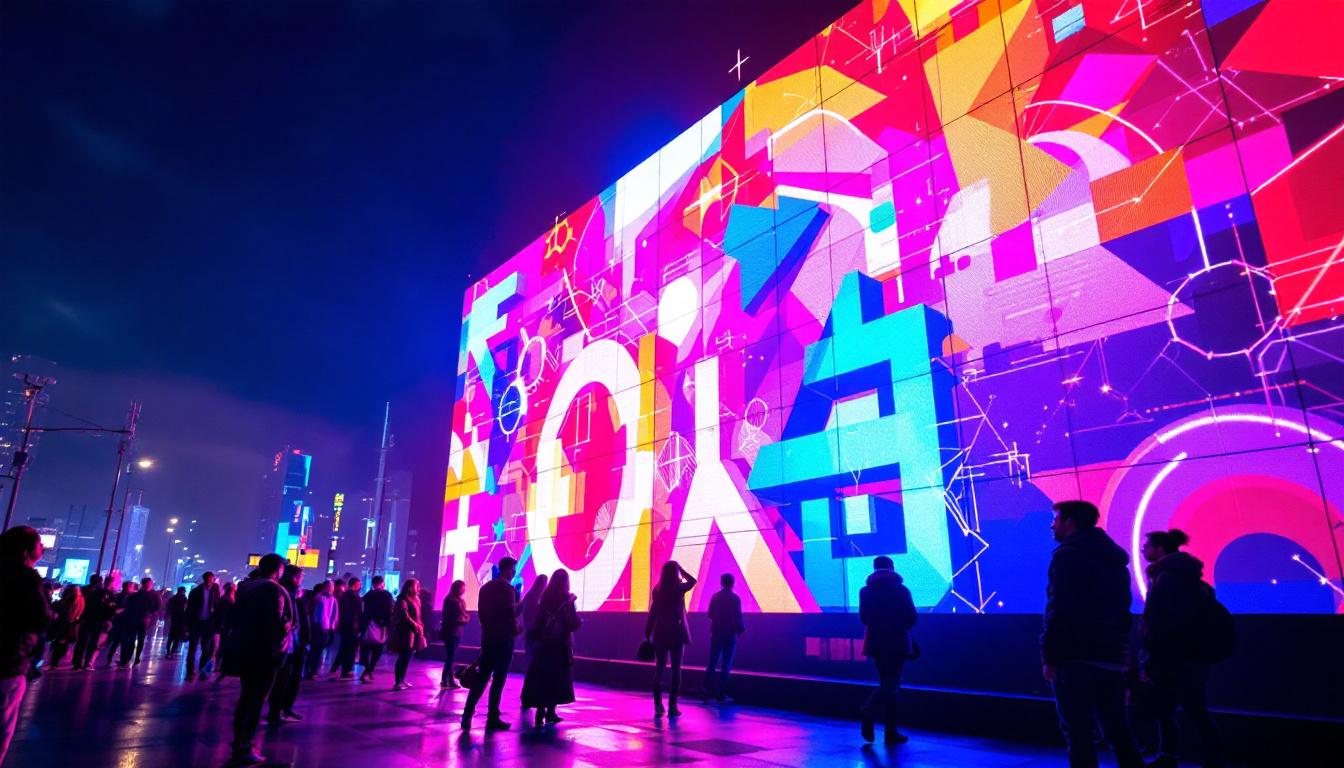
LED screens come in various sizes and resolutions, ranging from small digital signs to gigantic video walls used in stadiums and concerts. Their modular design allows multiple panels to be seamlessly connected, creating displays of virtually any size and shape.
One of the most significant advantages of LED screens is their ability to display vibrant colors and deep blacks, thanks to the individual control of each LED. This capability not only enhances the viewing experience but also makes LED screens suitable for applications requiring precise color accuracy, such as digital art installations and high-end advertising. Furthermore, the durability of LED technology means that these screens can withstand harsh environmental conditions, making them a popular choice for outdoor billboards and signage.
Additionally, LED screens are increasingly being integrated with smart technology, allowing for interactive features such as touch responsiveness and real-time content updates. This innovation has transformed how businesses engage with their customers, enabling dynamic advertising that can be tailored to specific audiences or events. As technology continues to evolve, we can expect to see even more advanced applications of LED screens, including augmented reality experiences and immersive environments that blur the lines between digital and physical spaces.
How Do LED Displays Work?
The Basics of LED Technology
At the core of every LED screen are thousands to millions of tiny LEDs arranged in a grid. Each LED acts as a single pixel or part of a pixel. By controlling the intensity and color of each LED, the screen can display a full spectrum of colors and intricate images.
Most modern LED displays use RGB (Red, Green, Blue) LEDs. By mixing these three colors at different intensities, the display can produce over 16 million colors, offering vibrant and true-to-life visuals. This color mixing is achieved through a process called additive color mixing, where the combination of different intensities of red, green, and blue light creates a wide array of colors. This technology not only enhances the viewing experience but also allows for greater flexibility in design, enabling screens to adapt to various lighting conditions and environments.
Pixel Pitch and Resolution
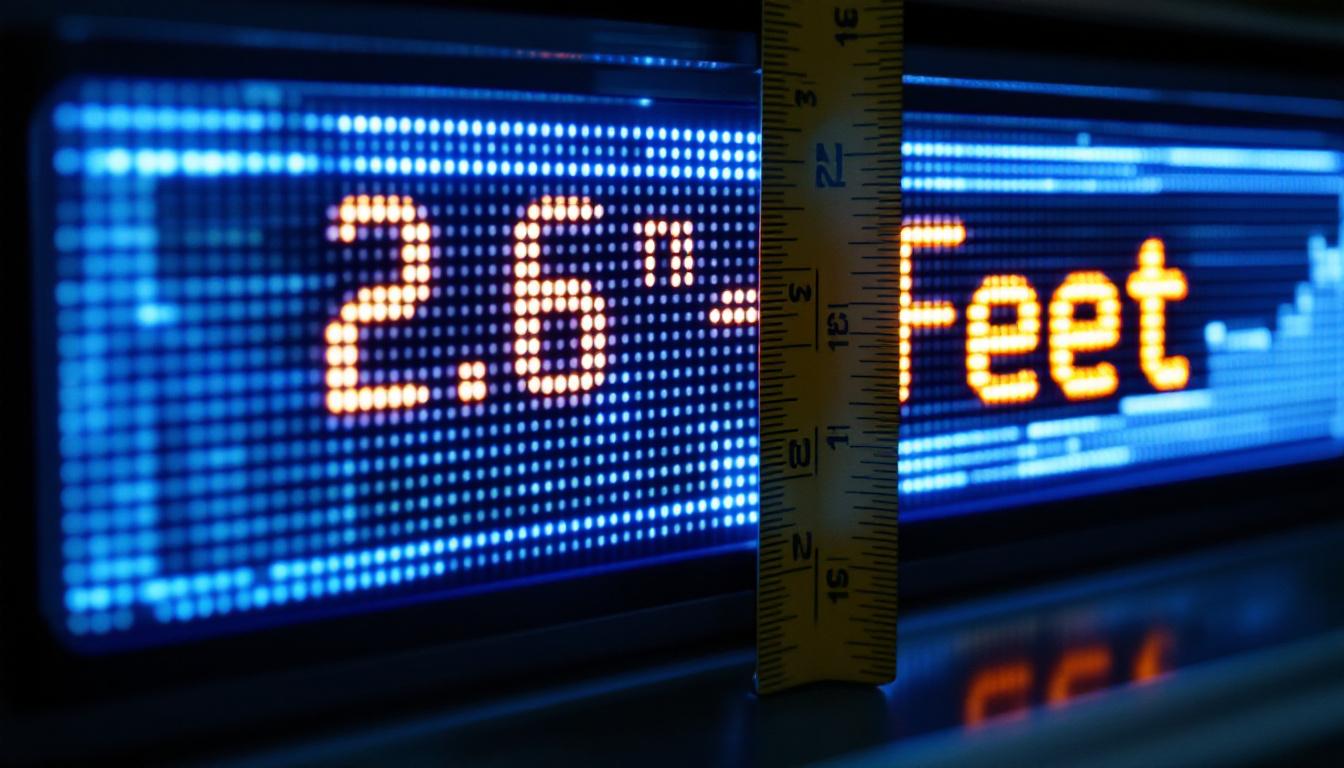
One of the key technical specifications of an LED screen is its pixel pitch, which refers to the distance between the centers of two adjacent pixels. Pixel pitch is typically measured in millimeters. A smaller pixel pitch means higher pixel density and sharper images, especially when viewed up close.
For example, an indoor LED display might have a pixel pitch of 1.5mm to 4mm, providing crisp visuals for viewers standing just a few feet away. Outdoor LED screens, designed to be seen from a distance, often have a larger pixel pitch, such as 10mm or more, balancing cost and visibility. The choice of pixel pitch is crucial for optimizing the viewer’s experience; it not only affects the clarity of the displayed content but also influences how the display can be used in different settings, from concerts and sporting events to advertising and public information displays. Additionally, advancements in technology are leading to even smaller pixel pitches, paving the way for ultra-high-definition displays that can be used in a variety of applications, including virtual reality and immersive environments.
Types of LED Screens
Indoor LED Screens
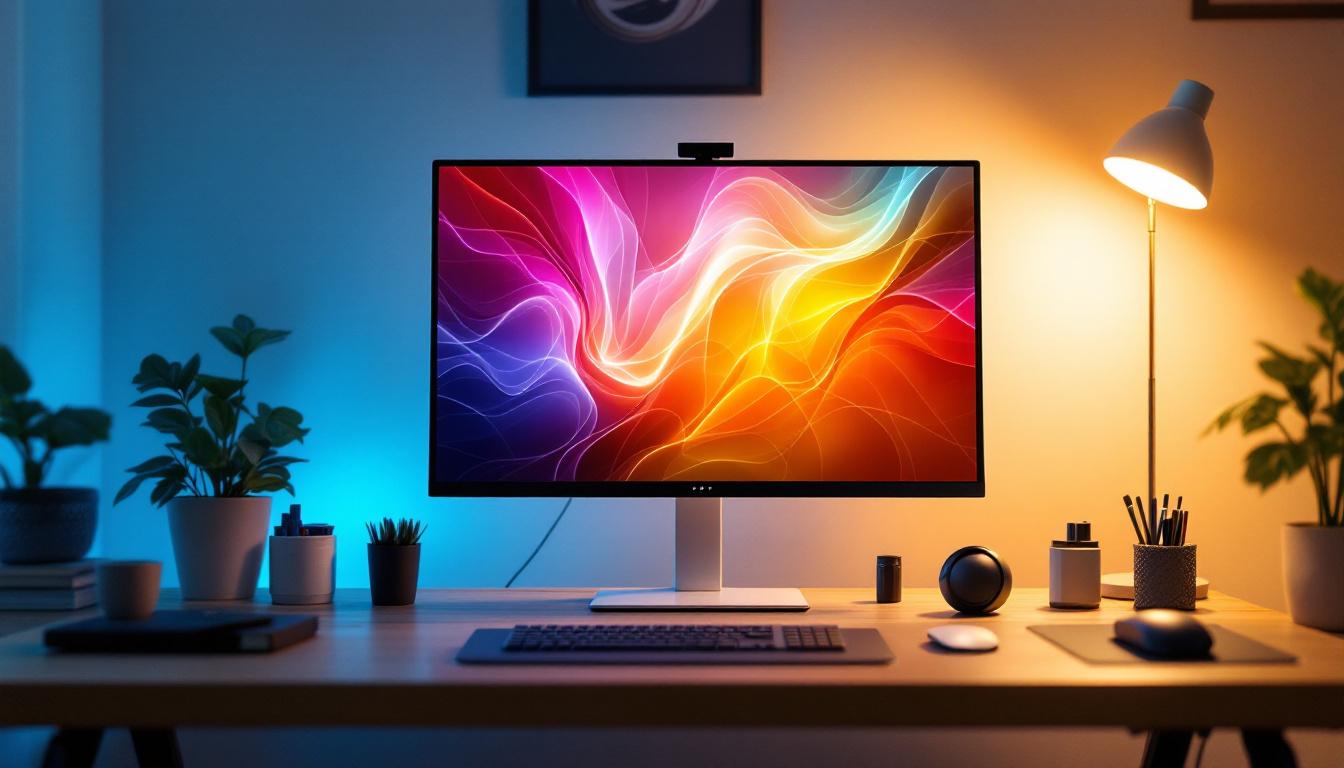
Indoor LED screens are designed for environments like conference rooms, retail stores, airports, and control centers. They typically have a fine pixel pitch to ensure high resolution and detailed images at close viewing distances. These screens are often used for digital signage, presentations, and interactive displays.
Because indoor environments have controlled lighting, these LED screens don’t need to be as bright as outdoor models. However, they still offer excellent color accuracy and contrast ratios.
Outdoor LED Screens
Outdoor LED displays are built to withstand harsh weather conditions, including rain, wind, and extreme temperatures. They feature higher brightness levels—often exceeding 5,000 nits—to remain visible even in direct sunlight.
These screens are commonly used for advertising billboards, sports arenas, public information displays, and large-scale events. Their robust construction includes waterproof and dustproof enclosures, ensuring durability and longevity.
Transparent LED Screens
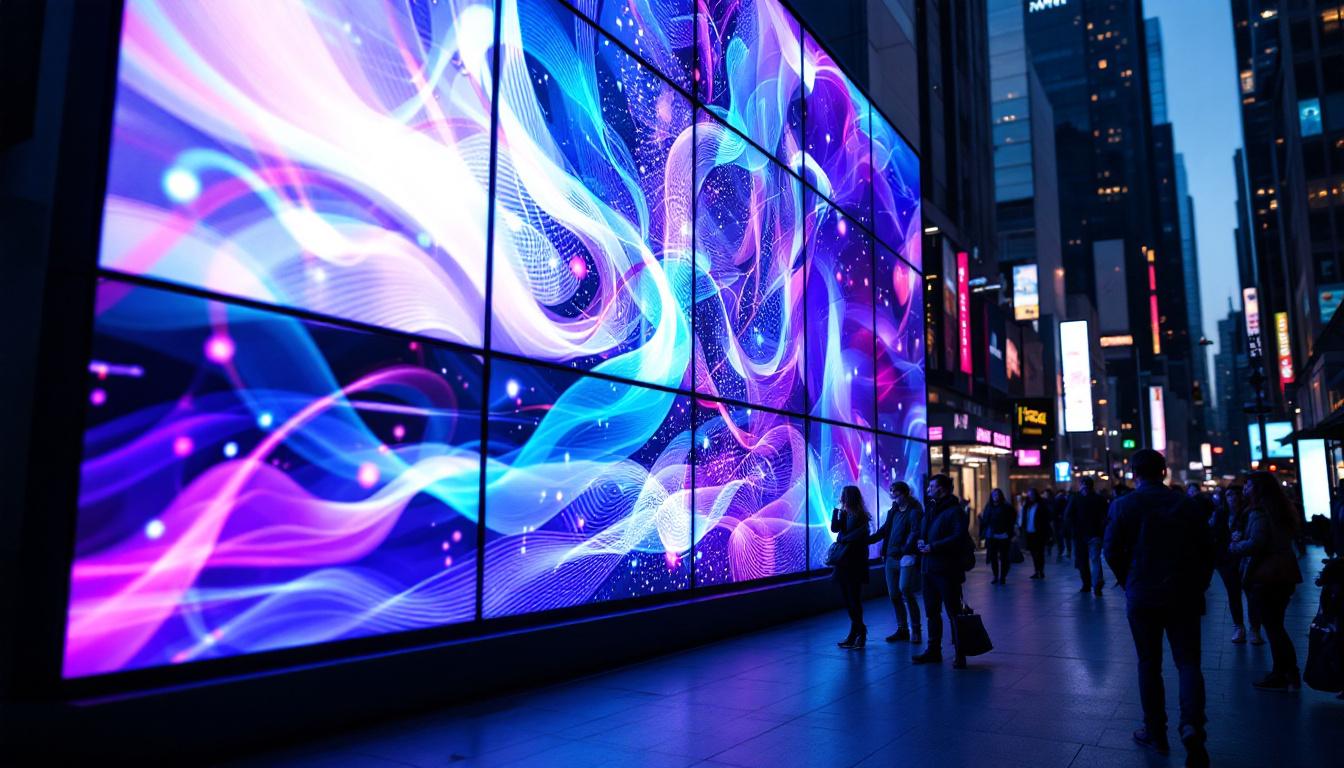
Transparent LED screens are an innovative type of display that allows light to pass through the screen, making them perfect for glass windows and storefronts. They combine advertising with architectural aesthetics, enabling businesses to showcase dynamic content without blocking natural light or obstructing views.
This technology is gaining popularity in retail and commercial spaces, offering a futuristic and eye-catching way to engage customers.
Key Features to Consider When Buying an LED Screen
Resolution and Pixel Pitch
Choosing the right resolution and pixel pitch depends largely on the intended viewing distance and location. For indoor use where viewers are close, a high-resolution screen with a small pixel pitch is essential. For outdoor applications where the audience is farther away, a larger pixel pitch is more cost-effective and still delivers clear visuals.
Brightness and Contrast
Brightness is measured in nits and determines how well the screen performs under various lighting conditions. Outdoor screens require higher brightness levels to combat sunlight glare, while indoor screens can operate at lower brightness but should have excellent contrast for vivid images.
Refresh Rate
The refresh rate, measured in hertz (Hz), indicates how many times per second the screen updates its image. A higher refresh rate (typically 1920Hz or above) ensures smooth video playback and reduces flicker, which is particularly important for broadcasting and live events.
Durability and Weather Resistance
For outdoor LED screens, durability is paramount. Look for screens with IP65 or higher ratings, which guarantee protection against dust and water. Additionally, robust housing and ventilation systems help maintain optimal operating temperatures and extend the screen’s lifespan.
Control Systems and Software
Modern LED displays come with sophisticated control systems that allow users to manage content remotely, schedule playlists, and adjust settings easily. Compatibility with various media formats and integration with content management systems (CMS) can significantly enhance usability and flexibility.
Applications of LED Screens
Advertising and Marketing
LED screens have revolutionized the advertising industry by offering dynamic, eye-catching content that can be updated in real-time. Digital billboards and retail signage capture consumer attention with vibrant visuals and interactive elements, driving engagement and sales.
Events and Entertainment
Concerts, sports games, and festivals rely heavily on LED screens to provide live video feeds, graphics, and information to large audiences. Their scalability and high brightness make them ideal for both indoor arenas and outdoor venues.
Corporate and Educational Use
Businesses and educational institutions use LED displays for presentations, video conferencing, and digital signage. These screens enhance communication and collaboration by delivering clear, impactful visuals.
Transportation and Public Information
LED screens are widely used in airports, train stations, and bus terminals to display schedules, alerts, and advertisements. Their ability to display real-time information helps improve passenger experience and operational efficiency.
Why Invest in an LED Screen?
Investing in an LED screen offers numerous benefits beyond just impressive visuals. These displays are energy-efficient, often consuming less power than traditional lighting or projection systems. Their long lifespan and low maintenance requirements translate into cost savings over time.
Moreover, LED technology is continually evolving, with innovations such as flexible screens, higher resolutions, and smart integration making these displays more versatile and user-friendly. For businesses looking to stay competitive and capture audience attention, LED screens represent a forward-thinking solution.
Tips for Purchasing an LED Screen for Sale
Assess Your Needs
Before making a purchase, clearly define the purpose of the LED screen. Consider factors such as location (indoor or outdoor), viewing distance, content type, and budget. This will help narrow down the options and ensure you select a screen that meets your requirements.
Research Suppliers and Warranty
Choose reputable manufacturers or suppliers who offer warranties and after-sales support. Quality assurance is critical, especially for large-scale or outdoor installations where durability is crucial.
Request Demonstrations and Samples
If possible, view demonstrations or request samples to evaluate the screen’s image quality, brightness, and color accuracy. This hands-on experience can provide valuable insights before committing to a purchase.
Consider Installation and Maintenance
Factor in installation costs and the availability of technical support. Some LED screens require professional installation and periodic maintenance to ensure optimal performance.
Conclusion
LED screens have transformed the way information and advertising are presented across industries. Their versatility, brightness, and durability make them an excellent investment for anyone looking to enhance visual communication. Understanding the technology behind LED displays and the key factors to consider when purchasing can help buyers make informed decisions and find the perfect LED screen for sale to suit their needs.
Whether for advertising, events, corporate use, or public information, LED screens offer a dynamic and impactful medium that continues to evolve with technological advancements. As the demand for high-quality digital displays grows, investing in the right LED screen becomes not just a choice, but a strategic advantage.
Discover LumenMatrix’s Innovative LED Solutions
Ready to elevate your visual impact with cutting-edge LED technology? LumenMatrix is at the forefront of LED display innovation, offering a diverse range of solutions tailored to your unique needs. From Indoor and Outdoor LED Wall Displays to specialized options like Vehicle, Sports, and Floor LED Displays, we have the expertise to bring your vision to life. Embrace the future of visual communication with our Custom, All-in-One, and Transparent LED Displays, designed to captivate and engage your audience. Don’t miss out on the opportunity to transform your space. Check out LumenMatrix LED Display Solutions today and see the difference for yourself!