In today’s digital age, LED displays have become an integral part of how information is communicated visually across the globe. From vibrant advertising billboards to high-definition television screens and large-scale event backdrops, LED technology powers a wide range of display solutions. Among the various types of LED displays, the term “DLED” or “Direct LED” often surfaces, especially in discussions about screen quality and performance. This article delves into the fundamentals of LED displays, explains what DLED means, and explores why this technology matters for consumers and industries alike.
Understanding LED Display Technology
What is an LED Display?
LED stands for Light Emitting Diode, a semiconductor device that emits light when an electric current passes through it. An LED display is a flat panel display that uses an array of these light-emitting diodes as pixels to create images. Unlike traditional LCDs that rely on backlights, LED displays can produce their own light, resulting in brighter images, better contrast, and more vibrant colors.
LED displays come in various forms, including direct-view LED panels used in large outdoor screens and LED-backlit LCDs commonly found in televisions and monitors. The versatility and energy efficiency of LEDs have made them the preferred choice for modern display technology. In addition to their superior brightness and color quality, LED displays are also known for their longevity, often lasting tens of thousands of hours, which translates to lower maintenance costs over time. This durability makes them suitable for a wide range of applications, from home entertainment systems to large-scale advertising and public information displays.
Types of LED Displays
There are primarily two types of LED displays based on how the LEDs are used:
- Direct-View LED Displays: These use individual LEDs as pixels. They are commonly seen in outdoor billboards, stadium screens, and large video walls. The brightness and scalability make them ideal for environments with high ambient light. Furthermore, these displays can be configured in various shapes and sizes, allowing for creative installations that can enhance architectural designs or create immersive experiences at events.
- LED-Backlit LCD Displays: These are LCD screens that use LEDs as the backlight source instead of traditional fluorescent lamps. This approach improves energy efficiency, contrast, and color accuracy while maintaining the LCD’s structural design. The integration of LED technology has also enabled manufacturers to produce thinner and lighter screens, making them more portable and easier to mount in various settings.
Within LED-backlit LCDs, further distinctions exist based on backlighting techniques, such as edge-lit LEDs and direct-lit LEDs, which influence display quality and price. Edge-lit displays, where LEDs are placed along the edges of the screen, tend to be slimmer and more cost-effective, while direct-lit displays, which have a grid of LEDs behind the screen, provide superior uniformity and brightness. Additionally, advancements in local dimming technology have allowed for even greater control over contrast and black levels, enhancing the overall viewing experience.
What Does DLED Mean in LED Displays?
Defining DLED (Direct LED)
DLED stands for Direct LED, a term often used to describe a type of LED-backlit LCD display where the LEDs are positioned directly behind the LCD panel rather than along the edges. This setup contrasts with edge-lit LED displays, where LEDs are placed around the perimeter of the screen and light is diffused across the panel.
In a DLED display, the direct placement of LEDs behind the screen allows for more uniform backlighting and improved control over brightness and contrast. This configuration can enhance the viewing experience by reducing issues like uneven lighting and providing deeper blacks. The result is a more immersive visual experience, especially in darker scenes, where the ability to achieve true black levels can significantly impact the overall picture quality.
How DLED Differs from Other LED Backlighting Methods
There are two main LED backlighting methods used in LCD TVs and monitors:
- Edge-Lit LED: LEDs are placed around the edges of the screen. Light is spread across the panel using light guides. This design allows for thinner screens and is generally less expensive but can suffer from uneven brightness and less precise local dimming.
- Direct LED (DLED): LEDs are arranged in a grid directly behind the LCD panel. This allows for better brightness uniformity and more effective local dimming zones, which improve contrast ratios and black levels.
Some advanced DLED displays also incorporate full-array local dimming (FALD), where the backlight is divided into zones that can be dimmed or brightened independently, further enhancing picture quality. This technology is particularly beneficial for high dynamic range (HDR) content, as it allows for brighter highlights and deeper shadows, creating a more dynamic and lifelike image. Additionally, FALD can help reduce blooming effects, where bright objects on a dark background appear to bleed light into surrounding areas, thus maintaining clarity and detail in the image.
Furthermore, DLED technology is becoming increasingly popular in professional settings, such as in broadcast studios and control rooms, where color accuracy and consistency are paramount. The ability to achieve precise color reproduction and maintain uniform brightness across the screen makes DLED displays a preferred choice for critical viewing environments. As the demand for high-quality visual displays continues to grow, innovations in DLED technology are likely to advance, offering even better performance and features that cater to both consumer and professional markets.
Advantages of DLED Displays
Improved Picture Quality
The direct placement of LEDs behind the screen in DLED displays leads to more consistent and uniform lighting. This eliminates the common edge-lit problem of “hot spots” or bright edges, which can distract viewers and reduce image quality.
Moreover, DLED displays often support local dimming, a feature that allows specific zones of the backlight to dim or turn off completely when displaying dark scenes. This capability significantly improves the contrast ratio, making blacks appear deeper and colors more vivid. For example, a DLED TV with local dimming can deliver a more cinematic experience when watching movies or playing video games.
Better Brightness and Contrast
DLED technology can achieve higher peak brightness levels compared to edge-lit displays. This makes them particularly suitable for viewing in bright environments, such as rooms with large windows or outdoor digital signage. The enhanced contrast and brightness also contribute to improved HDR (High Dynamic Range) performance, which is increasingly important as HDR content becomes more widespread.
Durability and Longevity
LEDs are known for their long lifespan and energy efficiency. Direct LED backlights benefit from these characteristics, often resulting in displays that maintain consistent brightness and color accuracy over many years. This reliability is crucial for commercial applications such as digital signage, where displays operate continuously for extended periods.
Applications of DLED Displays
Consumer Electronics
DLED technology is commonly found in mid-range to high-end LCD TVs and computer monitors. Consumers benefit from improved picture quality without the premium price tag of OLED or microLED displays. Brands often market DLED TVs as offering superior contrast and brightness compared to edge-lit models, making them attractive options for home entertainment.
Digital Signage and Outdoor Displays
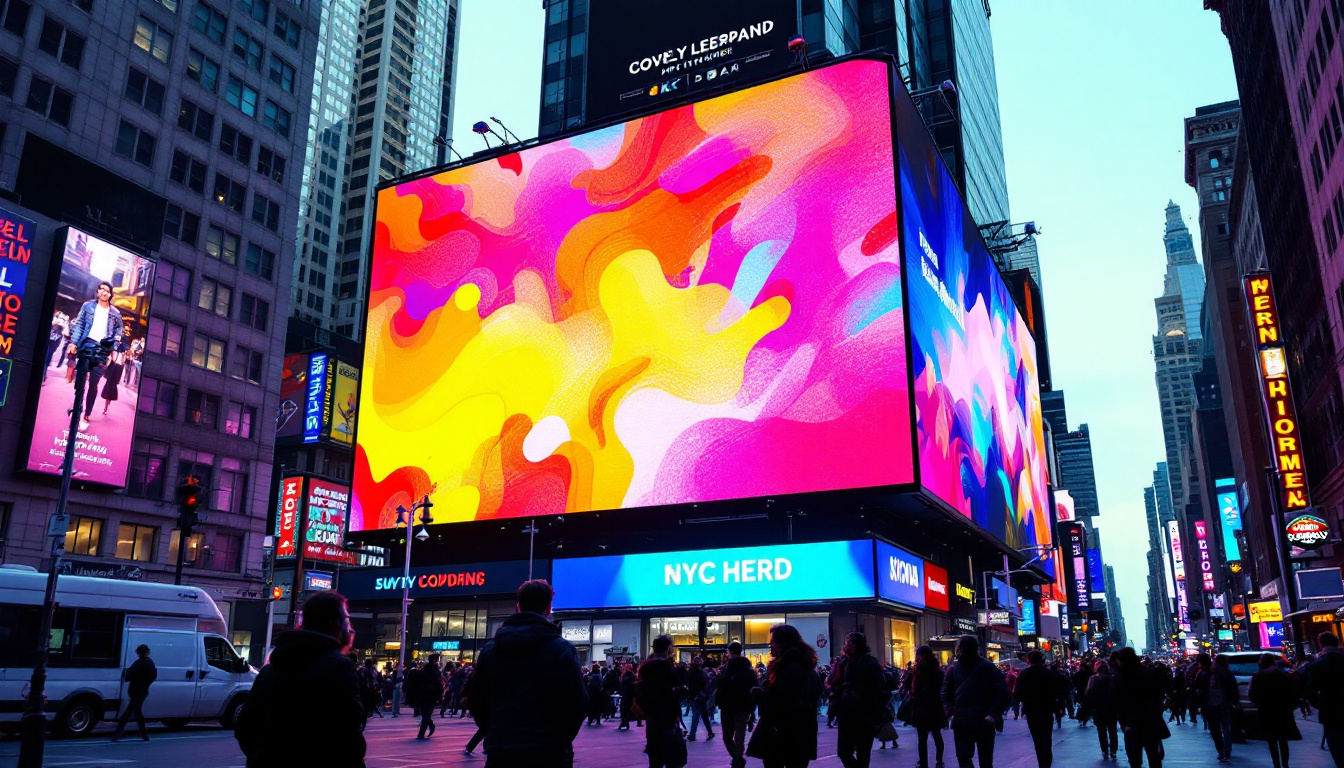
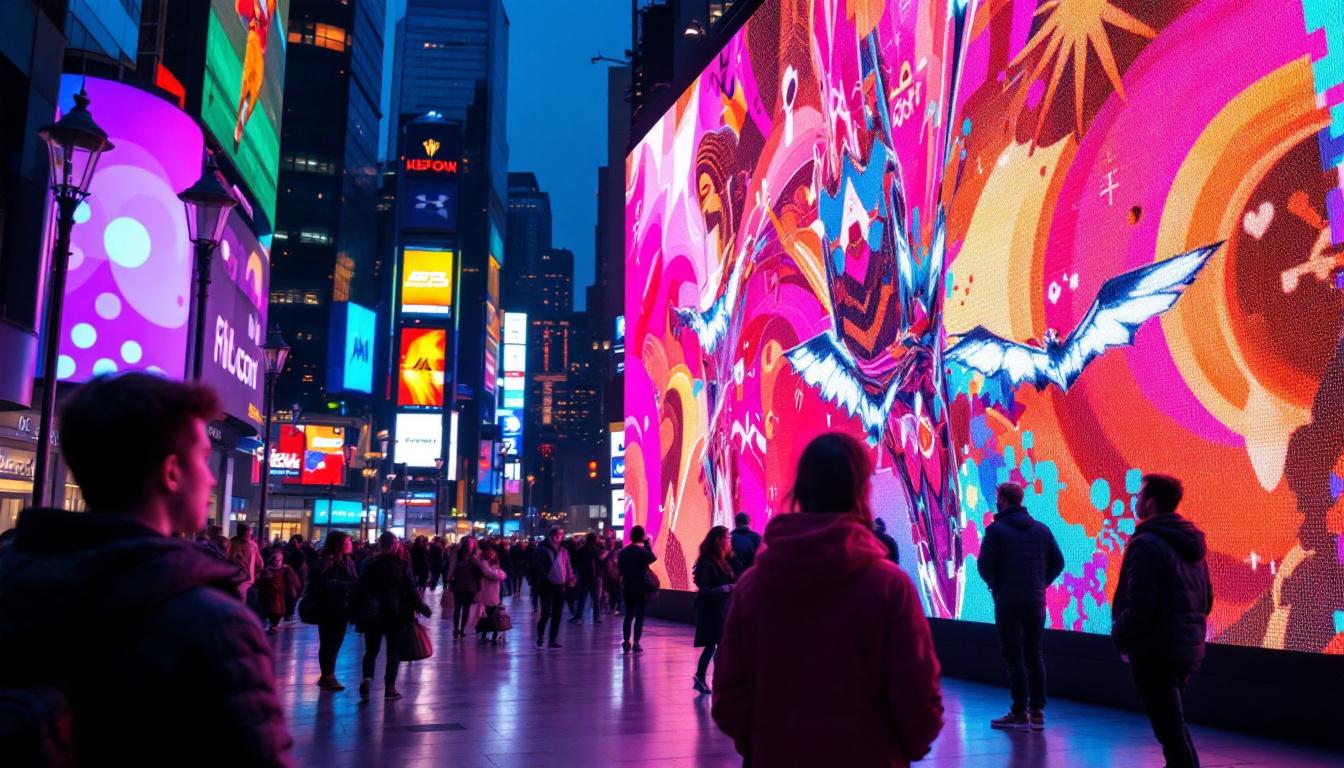
In the realm of digital signage, direct-view LED panels dominate due to their scalability and brightness. While DLED refers specifically to backlighting in LCDs, understanding LED technology as a whole is essential since many outdoor screens use direct-view LED technology to deliver vibrant, large-scale visuals that remain visible even under direct sunlight.
Professional and Industrial Use
DLED displays also find their place in professional environments such as broadcast studios, control rooms, and medical imaging. The precise backlighting and color accuracy help professionals make critical decisions based on high-quality visual data.
Comparing DLED to Other Display Technologies
DLED vs OLED
Organic Light Emitting Diode (OLED) displays differ fundamentally from DLED LCDs. OLED pixels emit light individually without the need for a backlight, allowing for perfect blacks and exceptional contrast. However, OLEDs tend to be more expensive and may suffer from burn-in issues over time.
DLED displays, while not achieving the same level of contrast as OLEDs, offer a cost-effective alternative with excellent brightness and durability. For users prioritizing brightness and longevity, especially in well-lit environments, DLED remains a strong contender.
DLED vs QLED
Quantum Dot LED (QLED) displays are essentially LED-backlit LCDs enhanced with quantum dot technology to improve color accuracy and brightness. Many QLED TVs use direct LED backlighting to maximize performance. Thus, DLED can be part of a QLED system, combining the benefits of direct backlighting with quantum dot color enhancement.
DLED vs Edge-Lit LED
The choice between DLED and edge-lit LED often comes down to budget and design preferences. Edge-lit displays allow for slimmer and lighter designs but may compromise on uniformity and contrast. DLED displays tend to be thicker but provide superior picture quality, especially in scenes with high contrast.
Future Trends and Innovations in LED Display Technology
Mini-LED and Micro-LED Advances
Recent innovations like Mini-LED and Micro-LED technology represent the next evolution of LED displays. Mini-LED uses thousands of tiny LEDs as backlighting zones, offering even finer local dimming and improved contrast compared to traditional DLED setups. Micro-LED takes this further by using microscopic LEDs as individual pixels, promising OLED-level contrast with higher brightness and no burn-in risk.
These advancements suggest that while DLED remains relevant today, the display industry is rapidly moving towards more precise and efficient LED technologies that will redefine visual experiences in the near future.
Integration with Smart Technologies
Modern LED displays increasingly integrate with smart home ecosystems, AI-driven image processing, and adaptive brightness controls. DLED displays benefit from these advancements by delivering optimized picture quality tailored to ambient conditions and content type, enhancing user satisfaction.
Conclusion: Why Understanding DLED Matters
As consumers and businesses invest in display technology, understanding terms like DLED and their implications on performance is crucial. DLED, or Direct LED backlighting, offers a balance of superior picture quality, brightness, and cost-effectiveness that meets the needs of a wide audience. Whether for home entertainment, professional use, or digital signage, DLED displays provide a reliable and visually compelling solution.
With ongoing innovations such as Mini-LED and Micro-LED on the horizon, the fundamentals of LED technology remain foundational knowledge for anyone navigating the complex world of modern displays. Recognizing the strengths and limitations of DLED technology empowers informed decisions that enhance viewing experiences now and in the future.
Discover the Future of LED Displays with LumenMatrix
Ready to experience the ultimate in LED display technology? LumenMatrix is at the forefront of innovation, offering a comprehensive range of LED display solutions tailored to your needs. From captivating Indoor LED Walls to dynamic Outdoor LED Displays, and from versatile Vehicle LED Displays to sleek LED Poster Displays, our products are designed to make your brand stand out. Embrace the revolution in visual communication with our LED Sports Displays, interactive Floor LED Displays, and the customizable options of Custom LED Displays. Elevate your message with the seamless integration of our All-in-One LED Display or the stunning transparency of LED Transparent Displays. Don’t just take our word for it; check out LumenMatrix LED Display Solutions today and see how we can help you create engaging, memorable visual experiences.